Markets in Leeds: Kirkgate Market Guide
Plan a market day in Leeds with Kirkgate Market's history, stalls, food, opening hours and nearby Corn Exchange, plus honest advice on timing and crowds.
On this page
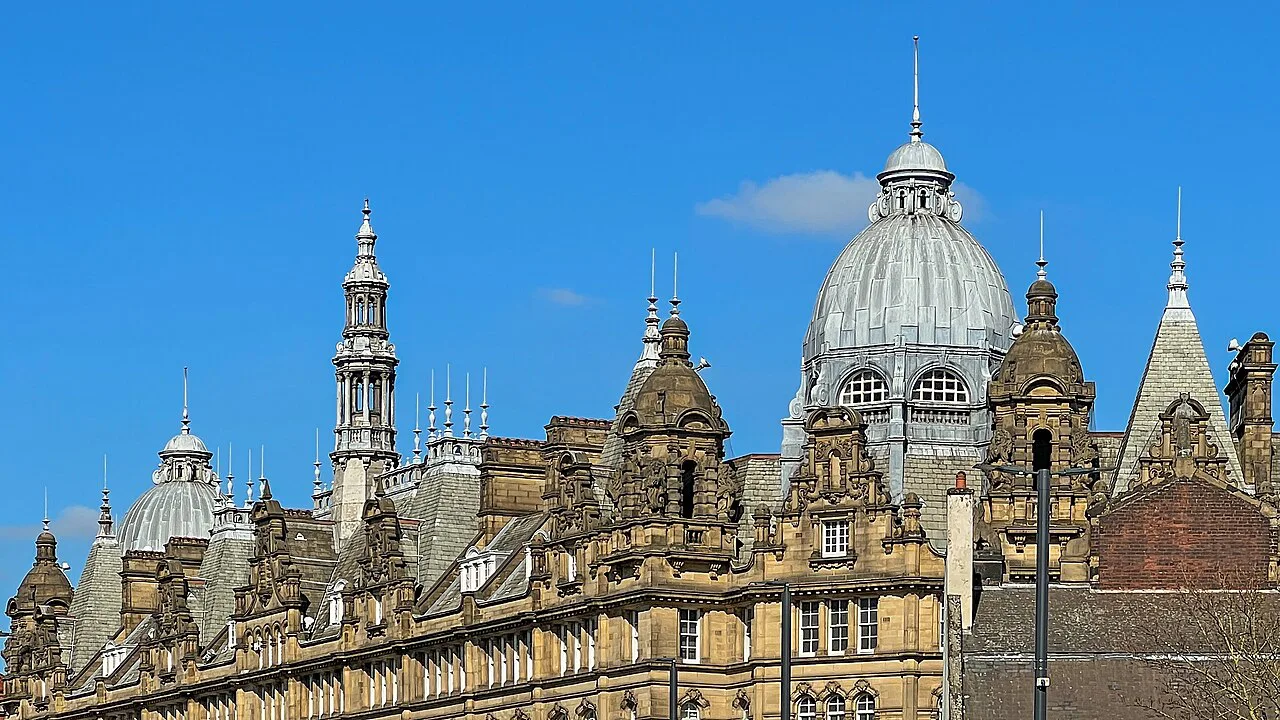
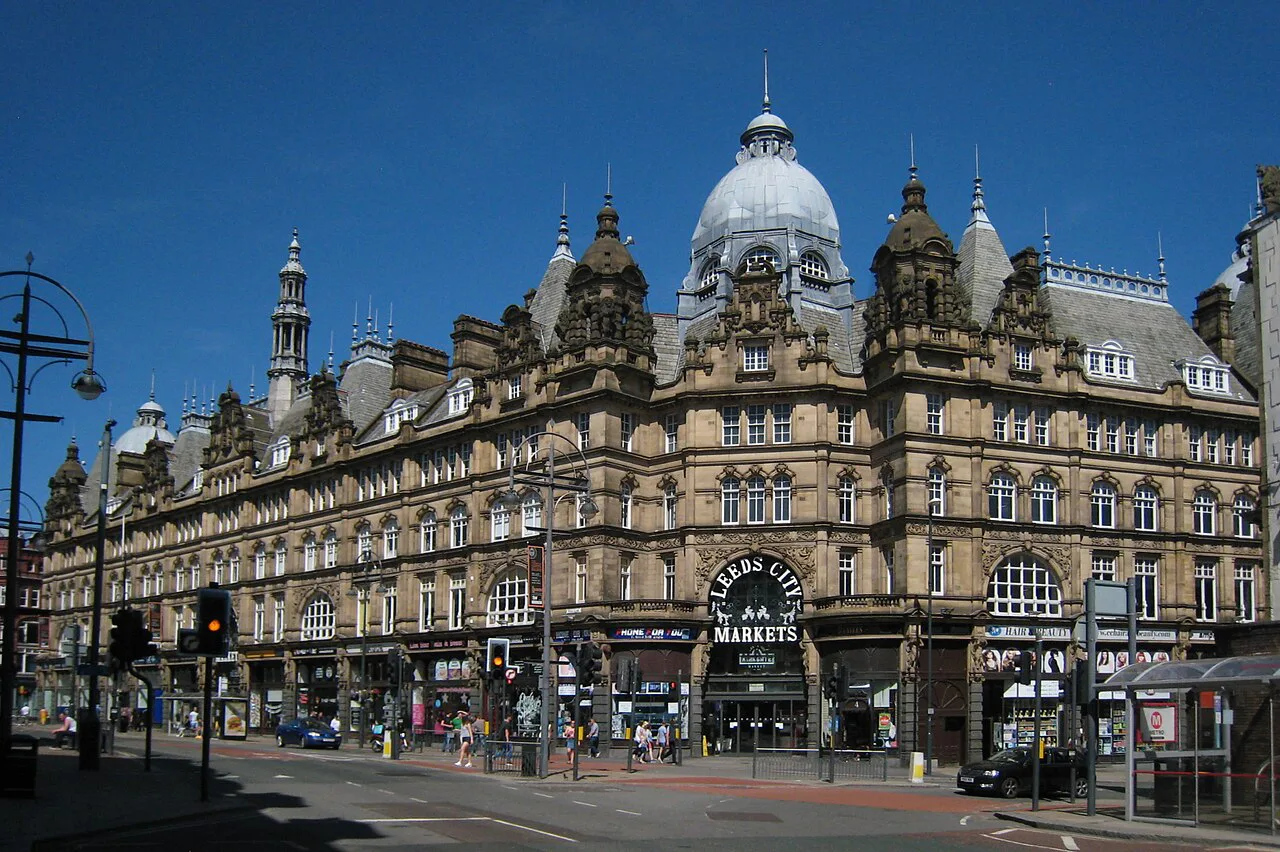
Leeds Kirkgate Market is the market to build a day around. It is one of Europe's largest indoor markets, home to more than 800 stalls in a listed building in the city centre, so it rewards a proper browse rather than a quick dash through.
This guide covers what the market is, what you can buy and eat there, when it opens, how to reach it and what to pair with it nearby. It suits shoppers, food-led visitors and anyone who wants a rainy-day stop that does not depend on the weather.
What Leeds Kirkgate Market Is
Kirkgate Market is a covered market hall in the middle of Leeds, with a Vicar Lane frontage and stalls spread across a substantial floor. It is listed, and its scale is the first thing to understand: this is not a single aisle of greengrocers but a small district under one roof, with food, clothing, homewares and services side by side.
It anchors Leeds' market scene, which also takes in changing pop-ups and smaller markets around the city. If you want the flagship experience, start here; if you are hunting a specific specialist market, the city council's markets team licenses traders for specialist markets and publishes how to take part.
A Short History of Kirkgate Market
A market has traded on this site for well over a century, and the building's long run is part of its appeal. Generations of businesses have occupied its stalls, which gives the hall a layered, lived-in character you do not get in a modern shopping centre.
The market also claims a notable retail pedigree as the birthplace of Marks & Spencer, a detail that adds context to a wander through the clothing and homeware aisles. Treat the claim as the market's own heritage story, and enjoy it as part of the visit rather than as a museum exhibit.
What to See and Buy
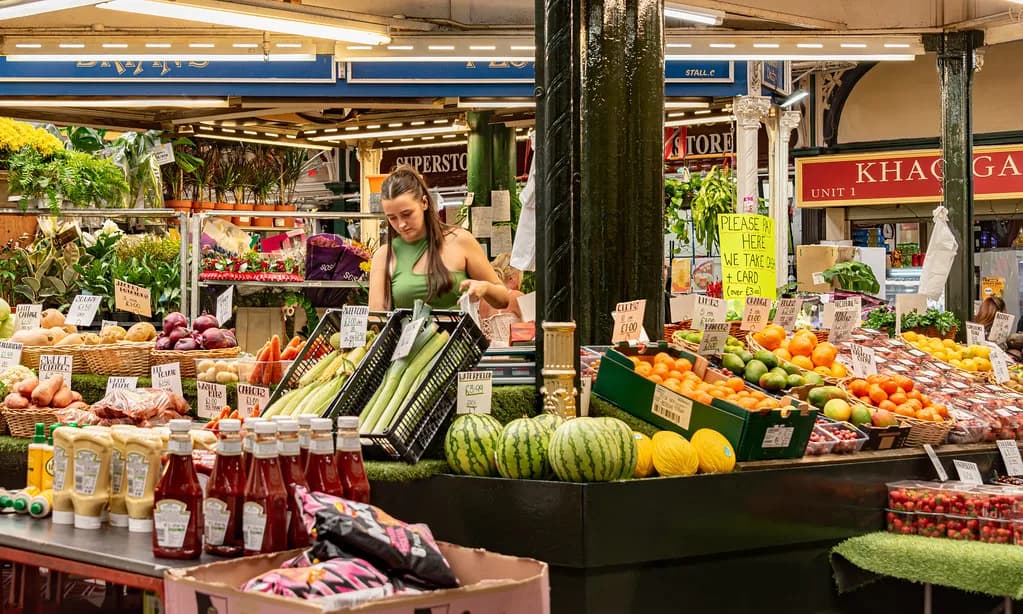
The market's stock in trade is variety. You will find fruit and vegetable stalls, butchers and fishmongers, bakeries, fashion and footwear, homewares, jewellery and antiques, along with the everyday services that keep a market ticking over. That breadth is why locals shop here rather than treating it purely as a visitor attraction.
If you are in Leeds for shopping, the market is the independent, bargain-hunting counterpoint to the city's polished arcades. Our guide to shopping in Leeds covers the wider retail picture, including the Victoria Quarter and the Corn Exchange, so you can link the two halves of a retail day in one loop.
Fresh produce is the strongest reason to come with a bag rather than a camera. Greengrocers, butchers, fishmongers and bakers sit close together, so a single lap can cover dinner ingredients and a picnic lunch; arrive earlier if you want the best choice from the food stalls.
Food and Drink at the Market
The food court and market kitchen are a destination in their own right. Expect a spread that runs from Yorkshire puddings and classic British crepes to shawarmas, chapatis and fancy French patisserie, with coffee, tea and smoothies alongside locally brewed beer and wine.
That range makes the market a good answer to the group problem: picky eaters, curious eaters and children can all order something different from neighbouring counters and eat together. Budget accordingly from the counters on the day, since individual traders set their own prices and value varies from stall to stall.
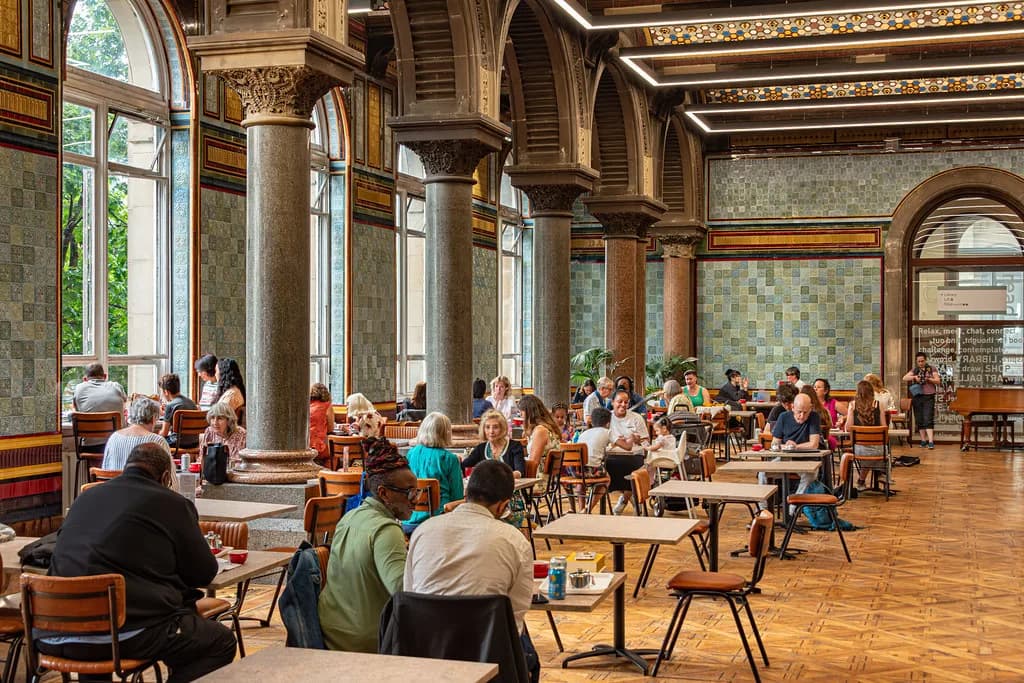
One practical trade-off is seating. A busy market hall at lunchtime means competition for tables, so eat slightly before or after the conventional rush if you want to sit down rather than perch.
The Events Space
The market's events space has widened what the hall offers beyond shopping. It has hosted vintage fashion fairs, food and drink festivals, plays and live music, which makes the market a plausible evening or weekend stop as well as a daytime one.
Because the programme changes, the sensible approach is to decide your visit around what is on. Look at the market's own listings before you travel if a specific fair or performance is the reason for your trip.
Opening Days and Hours
The general market opens Monday to Saturday from 8:00am until 5:30pm, while the butchers and fish market start earlier at 7:00am. Sunday is not a general trading day for the market, so plan a weekday or Saturday visit if the hall itself is the point of the trip.
Pair the market with the free museums and galleries in our guide to free things to do in Leeds to keep the overall cost of the day down.
Getting There and Time Needed
The market sits in the city centre with a Vicar Lane frontage, within walking distance of the main shopping streets and the railway station. That central position means you can fold it into a wider walking day rather than making a separate journey.
Allow at least an hour for a brisk lap and longer if you plan to eat or shop seriously; two hours covers browsing, a food stop and a look at the events space without rushing. The hall is large enough that a targeted visit, focused on one or two sections, often works better than trying to cover every aisle.
For the rest of the city, including the Royal Armouries Museum and other big draws, work from our guide to things to do in Leeds and slot the market in as a morning or lunch stop.
Nearby: the Corn Exchange and the City Centre
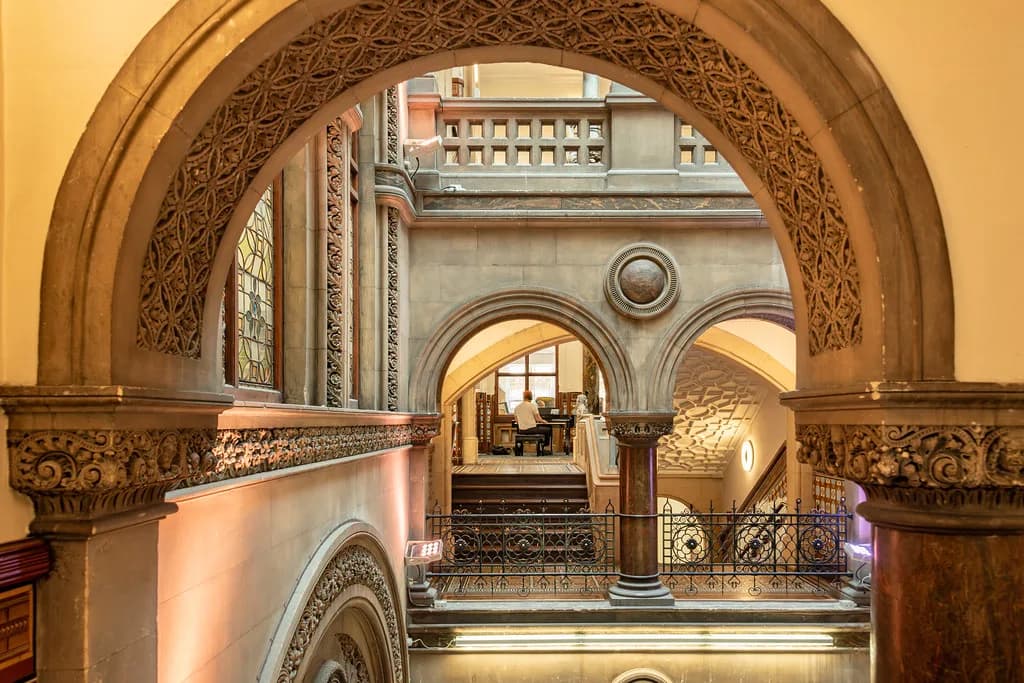
The Corn Exchange is the natural add-on: a magnificent Victorian building now home to a range of independent shops, a short walk from the market. It changes the tone of the day from bustling food hall to architectural browsing, which suits a half-day plan nicely.
If the weather turns, the market and its neighbours keep a city break moving. Our round-up of indoor activities in Leeds lists other covered options for wet afternoons.
Visitors building a fuller itinerary can use our Leeds Attractions hub to compare paid and free sights before committing the rest of the day.
Honest Trade-offs
Kirkgate Market is busy, and that is part of the experience rather than a flaw, but it does mean narrow aisles, noise and queues at popular food counters. Shoppers with mobility needs should note that the market advertises wheelchair-accessible entrances, wide aisles and accessible toilets, which makes navigation easier than the age of the building might suggest.
The size cuts both ways. With more than 800 stalls, a first-time visitor can spend an hour without finding the section they came for, so decide in advance whether you want food, fashion or fresh produce and head there first.
Not every stall suits every shopper, and the mix of budget goods and antiques means quality varies. Buy what you can inspect and carry, and treat one-off vintage finds as the fun part rather than a guaranteed purchase.
Who Gets the Most From a Visit
Food-led visitors, independent shoppers and families looking for a flexible, low-cost lunch get the most from Kirkgate Market. Anyone short of time should pick one section, eat there and move on rather than attempting a full circuit.
If your interest is markets more broadly, our guides to markets in Cambridge and markets in Liverpool show how other British cities handle their own market halls, from Cambridge Market Square to Liverpool's covered markets.
For a full weekend of eating, shopping and sightseeing, our weekend in Leeds plan shows how the market fits alongside the city's other districts.
Plan Your Market Day
Build your day around Kirkgate Market's Monday-to-Saturday opening, arrive before the lunch rush, and leave room for the Corn Exchange and a walk back through the shopping streets. If a specific fair or food event is the draw, confirm the programme before booking travel.
Check current opening days, event listings and individual trader details before you set out, since market life changes with the season and the calendar.
Frequently Asked Questions
Does Leeds have a market?
Yes. Leeds Kirkgate Market is the city's flagship covered market, one of Europe's largest indoor markets with more than 800 stalls in a listed building in the city centre. Leeds also has a wider market scene including pop-ups and specialist markets licensed by the city council's markets team.
What can you buy at Leeds Kirkgate Market?
Fresh produce, meat and fish, bakery goods, fashion and footwear, homewares, jewellery and antiques, plus everyday services. The range is broad enough that locals shop there for groceries while visitors browse the vintage and gift stalls.
Is Leeds Kirkgate Market indoor?
Yes, it is a large indoor market hall, which makes it a reliable option on a wet day in Leeds. Its size means you can spend an hour or more inside without needing to step out.
What are Leeds Kirkgate Market's opening hours?
The general market runs Monday to Saturday, opening at 8:00am and closing at 5:30pm, with the butchers and fish market opening earlier at 7:00am. Check the market's own listings before travelling, since individual traders keep their own hours.
Are there events at Leeds Kirkgate Market?
The market's events space has hosted vintage fashion fairs, food and drink festivals, plays and live music. Programmes change, so check listings if a particular event is your reason for visiting.
What is near Kirkgate Market in Leeds?
The Corn Exchange, a Victorian building with independent shops, is a short walk away and makes an easy add-on. The market's central position also puts it within walking distance of the main shopping streets and the railway station.
How long should you allow for a visit?
About an hour is enough for a quick lap, and two hours covers browsing, a meal and a look at the events space. With more than 800 stalls, decide which sections matter most before you go in.
Sources
Notes for your next city break
Optional updates to our UK city guides.
You might also like
Continue reading
More guides you'll find useful