Things to Do in Liverpool: Museums and Waterfront Guide
Plan a Liverpool city break with the waterfront, two cathedrals, museums, the Baltic Triangle, football grounds and Crosby Beach, with pacing advice.
On this page
Liverpool suits a city break built around four clusters: the waterfront and Albert Dock, the two cathedrals, the cultural quarter with its museums, and the Baltic Triangle for an evening out. Grouping your days this way cuts out most of the criss-crossing and leaves room for a proper sit-down lunch.
The city's appeal is the combination rather than any single sight: a reborn waterfront, grand architecture and a deep musical legacy sit within a walkable centre. It is also compact enough that a single day gives you a real taste, even if two or three days lets you add Crosby Beach or a stadium visit.
Why Liverpool Works for a History and Culture Break
Liverpool's identity was built on the River Mersey and the docks, and the waterfront still carries that story in its buildings and museums. The city pairs that maritime past with a music heritage that runs from venues to dedicated attractions, so history and pop culture sit within the same few streets.
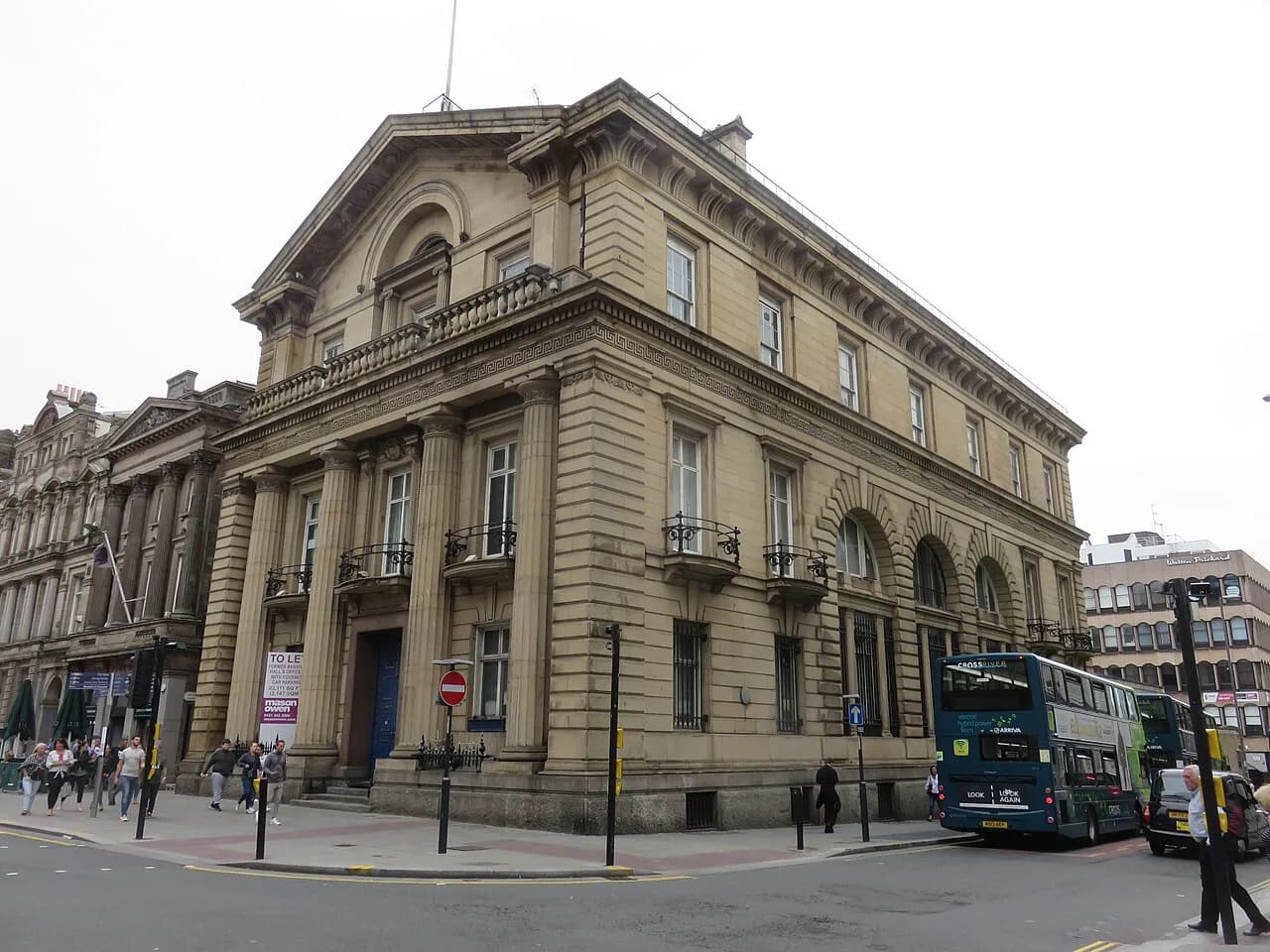
Architecture does a lot of the work here. The waterfront skyline, the cathedral precincts and the commercial streets of the centre are the reason many people come, and much of it can be seen on foot without a ticket. The city rewards slow wandering between stops rather than rushing from one headline sight to the next.
The Waterfront and the Albert Dock
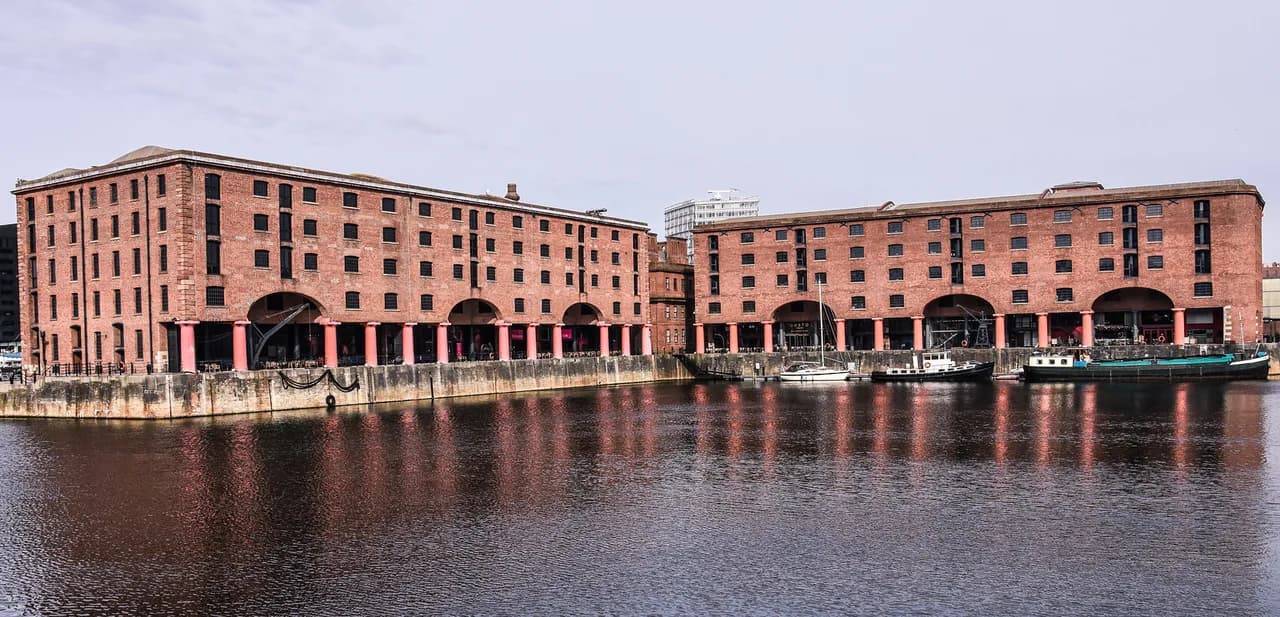
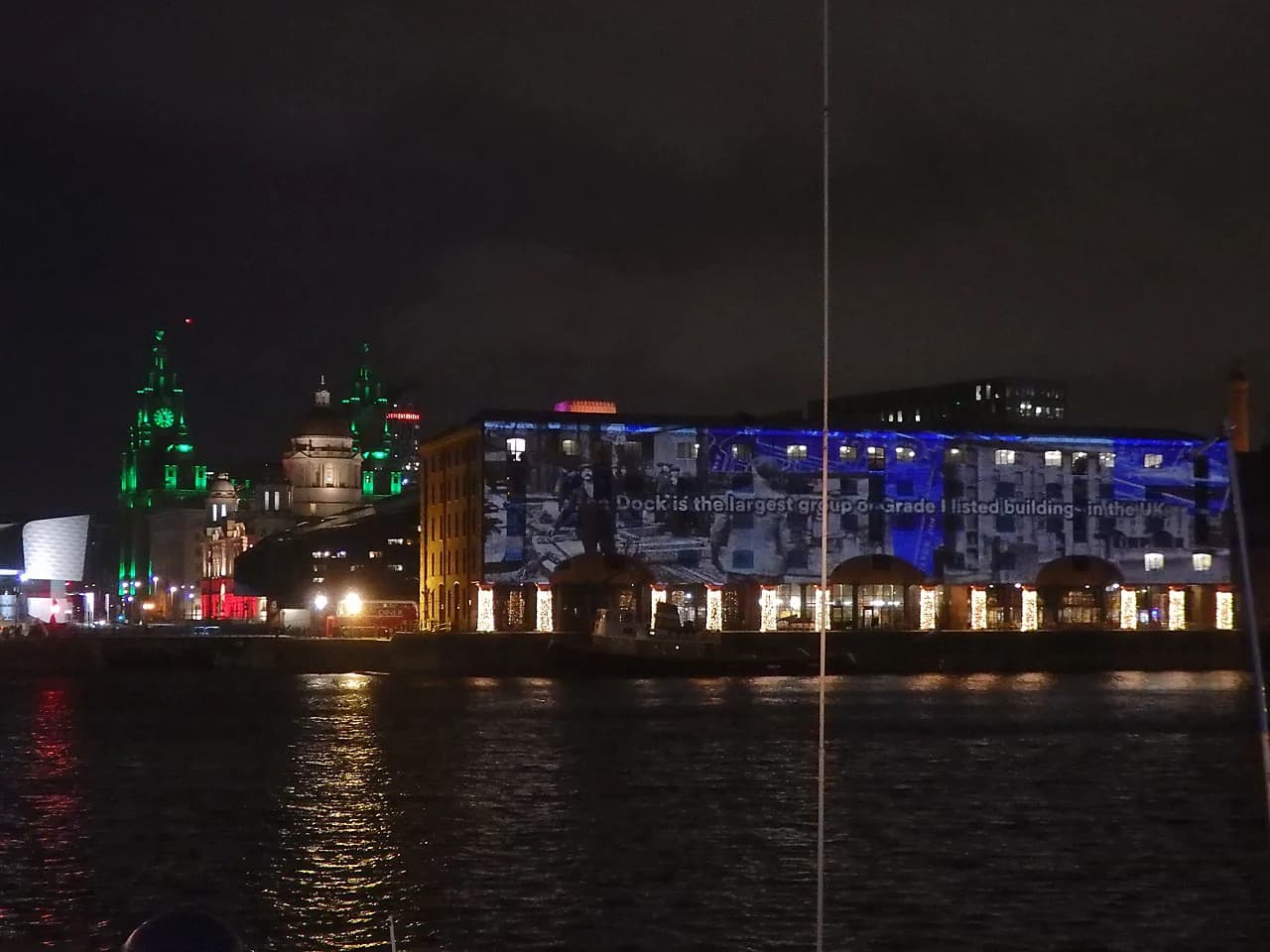
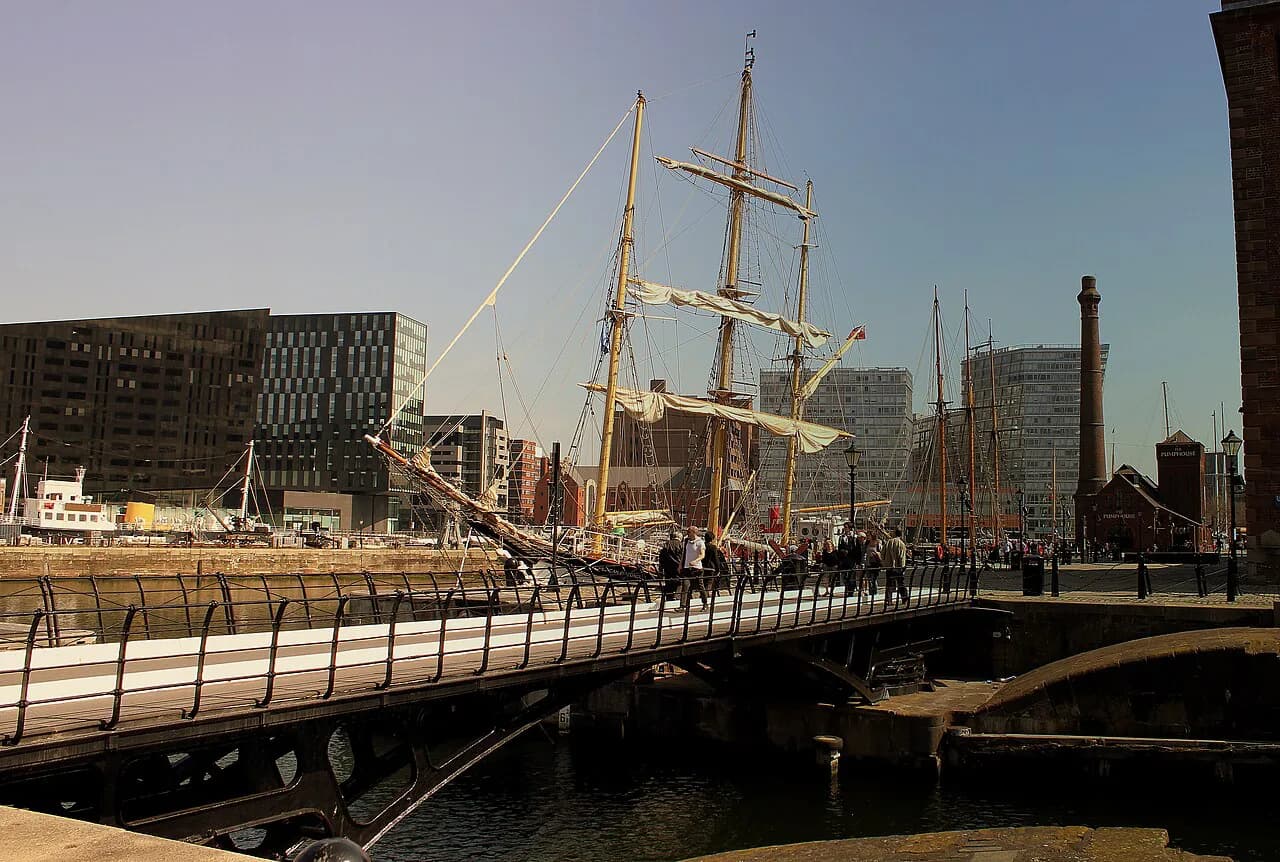
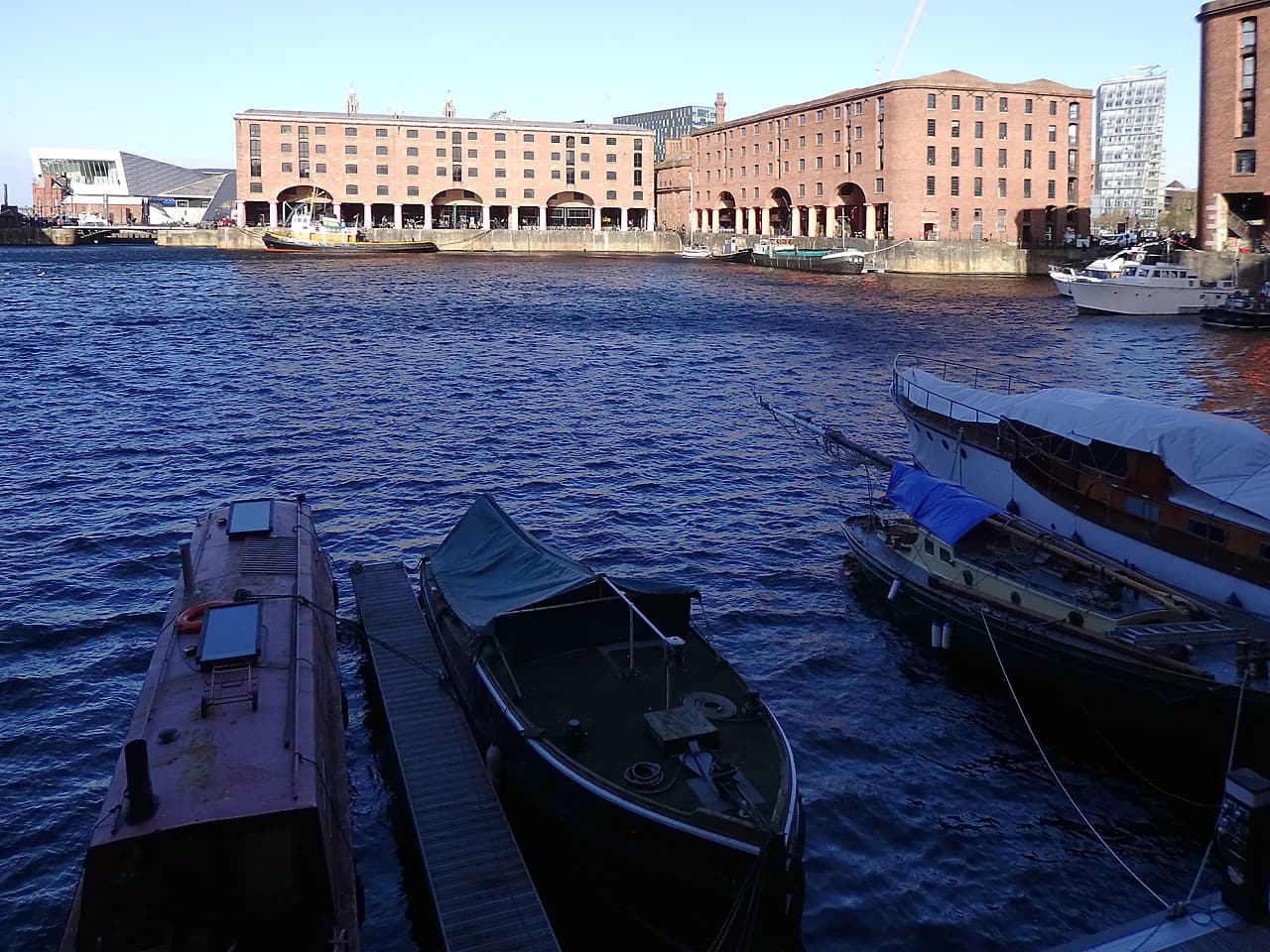
Start at the Albert Dock, the old dock complex on the Mersey that anchors the waterfront. This is where you find the largest concentration of things to see in one place, so allow a half day if you plan to visit a museum and eat here as well.
The river itself is part of the visit: crossing the Mersey is one of the classic Liverpool experiences, and the view back to the waterfront gives you the skyline in one sweep. Walking between the dock and the city centre takes a matter of minutes, but the dock estate is large, so wear shoes you can walk in for a few hours.
Museums: The Maritime and Seafaring Story
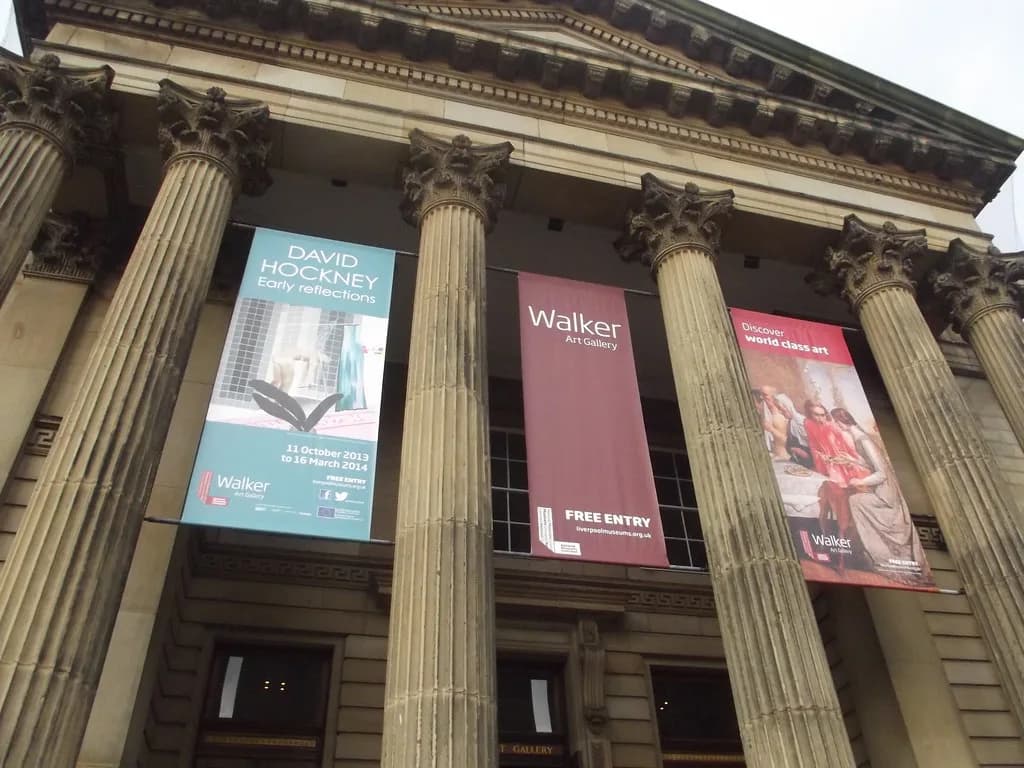
Liverpool's museums carry the seafaring story, from the trade that built the port to the people who passed through it. The national museums in the city are the backbone of a culture-led break, and several sit close enough together to combine in a single afternoon.
Build a wet-weather plan around them, because a museum afternoon is the best answer to Liverpool rain. If you want a low-cost day, a bit of planning around the free options makes a big difference; this guide to free things to do in Liverpool shows how to string a day together without paying entry at every stop.
The Two Cathedrals
Liverpool has two cathedrals that sit close to each other at opposite ends of Hope Street: the Anglican Liverpool Cathedral and the Roman Catholic Metropolitan Cathedral. Seeing both in one walk is one of the city's best half days, and the contrast between the two buildings is the point.
The Anglican cathedral is known for its scale and for experiences that take you up into the building, while the Metropolitan Cathedral is recognised for its striking circular design. Tower climbs and crypt visits involve steps and stairs, so treat them as a separate activity if anyone in your group has mobility limits, and check the cathedral's own site for access before you commit.
Architecture and Streets Worth Walking
The city centre is the best free architecture show in Liverpool: the waterfront buildings, the grand commercial streets and the cathedral quarter all sit within a comfortable walk. Lonely Planet singles out the city's architecture as a reason to visit in its own right, alongside the cathedrals and the waterfront. Pick two or three streets and walk them properly rather than ticking off individual facades.
For a break from walking, the city centre shopping district is a natural pause, and Liverpool ONE has its own entertainment listings if you want to see what is showing while you are in town.
Following the Fab Four
The Beatles trail is its own half day. Lonely Planet includes following in the footsteps of the Fab Four among the best things to do in the city, and the music heritage extends to venues where the city's live scene still runs. Allow time to actually go inside rather than photographing doorways from the pavement.
If music is the reason for your trip, put the Beatles sights early in the day and keep the evening free for a live venue. The two halves of a music-led visit feel very different, and mixing them up in a single afternoon usually means rushing both.
Football: Anfield and Goodison Park
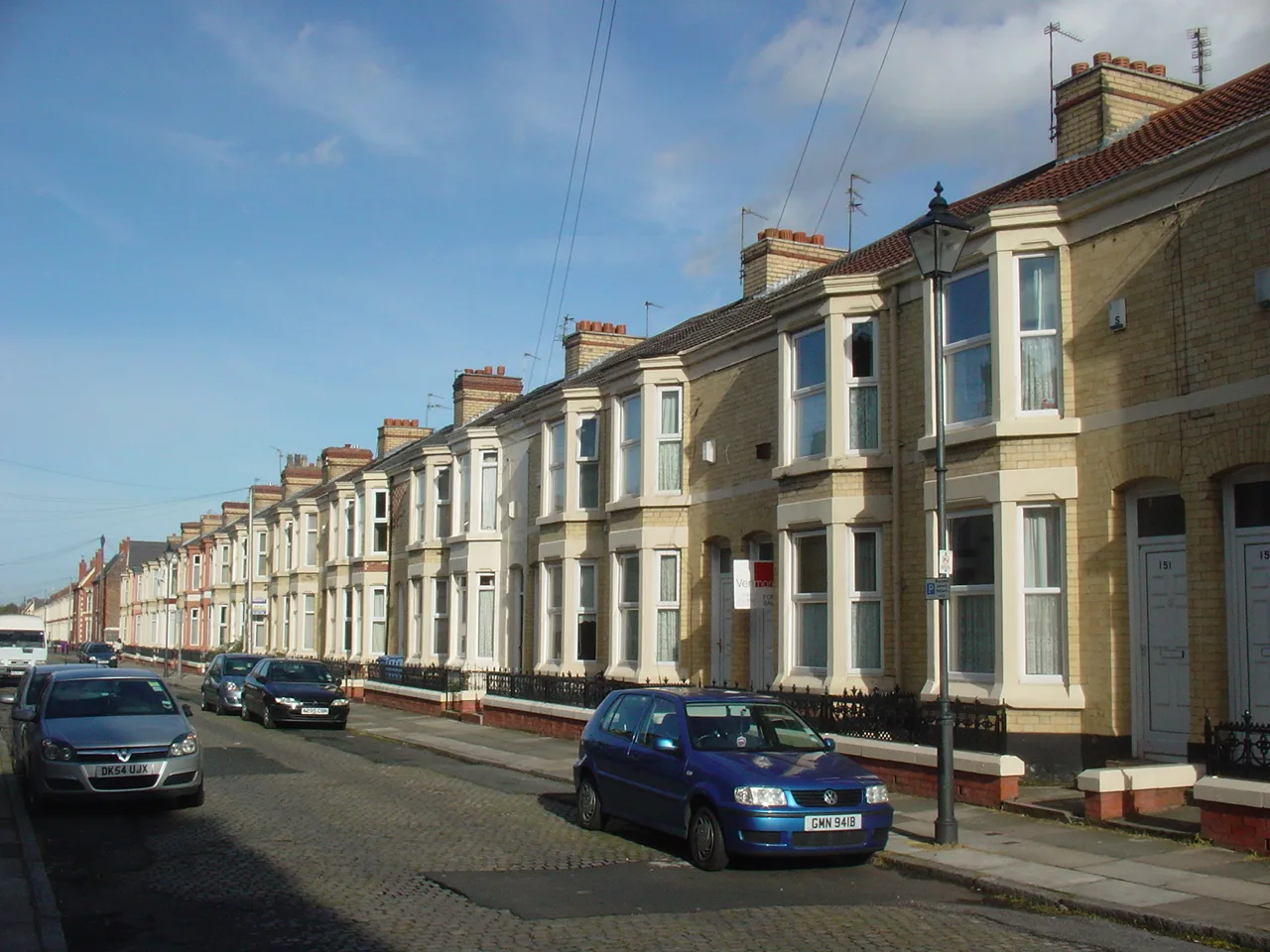
Football is a genuine part of a Liverpool visit, and Lonely Planet names the passion for Liverpool Football Club among the city's draws. Matchdays transform the mood of the city, with crowds moving through the streets and public transport before and after kick-off, so plan around the fixture rather than against it.
Anfield and Goodison Park sit outside the city centre, so treat a stadium visit as a trip rather than a stop you drop into between museums. On a non-matchday the grounds are a different, quieter experience, and both are best confirmed through the clubs' own ticketing and tour information before you build a day around them.
The Baltic Triangle in the Evening
The Baltic Triangle is the city's evening quarter, and Lonely Planet points to its breweries and bierkellers as a reason to head that way. It works best after a day of museums and cathedrals, when you want a beer and a relaxed table rather than another exhibition.
For a mixed group, Liverpool ONE's own entertainment listings cover options such as Gravity MAX for activity-led evenings, ODEON for a film, and Roxy Ball Room for bar games, which is useful when some of the party want a night out and others want something calmer.
Free Things to Do and a Tight Budget
A Liverpool break does not need a long list of paid tickets. The waterfront, the cathedral quarter and the city-centre streets are free to walk, and planning around them keeps the budget for one or two paid experiences that matter to you. There is a wider list of free things to do in Liverpool if you want to fill a whole day this way.
If the weather turns, indoor activities in Liverpool are the sensible fallback, and a museum or gallery afternoon costs less than a day of paid attractions. Deciding your one splurge in advance is the single most useful budgeting step for a short break.
Views Over the City and the River
Liverpool rewards anyone willing to get above street level. Lonely Planet lists viewing Liverpool from above among the city's best experiences, and the cathedral towers give you a high vantage point over the centre.
For the river rather than the rooftops, the waterfront and a Mersey crossing give you the skyline from the water, which is the view most photographs of Liverpool are trying to capture. Choose one high view and one river view rather than chasing every vantage point.
Liverpool in a Day
A realistic one-day route starts at the Albert Dock, takes in a museum there, walks up through the city centre to the cathedrals, and finishes on Hope Street or in the Baltic Triangle for the evening. That order keeps the walking logical and puts the indoor stops in the middle of the day when you are most likely to need a rest.
What to drop if time is tight: Crosby Beach and the football grounds. Both sit outside the centre and deserve their own half day, so squeezing them into a single-day visit means short-changing the waterfront. With two days, add one of them; with three, you can fit both and still leave room for a slow lunch.
Crosby Beach and Another Place
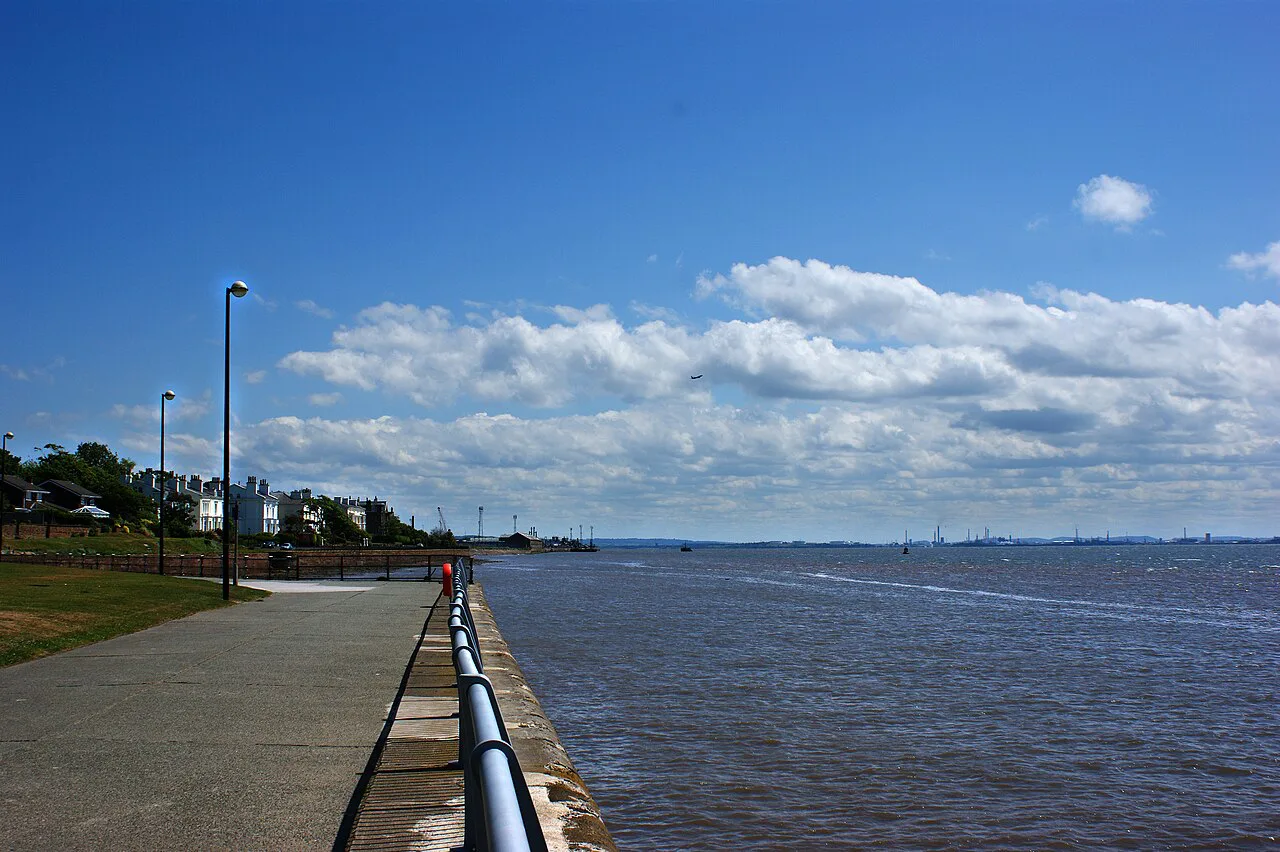
Antony Gormley's Another Place, the iron figures on Crosby Beach, is the standout trip outside the centre. Lonely Planet describes the sculptures as moody, and the appeal is as much the beach and the Mersey estuary setting as the figures themselves.
Treat this as a half day rather than a quick stop: it is a train ride north of the city and the beach walk takes time. Check tide times before you go, because the sands are tidal and the figures sit on the beach, and wear shoes that can handle wet sand.
Getting Around on Foot
Liverpool's centre is genuinely walkable, and the main clusters are close enough that you can move between them on foot. The honest trade-offs are queues at popular sights, steps at the cathedrals, and the sheer size of the dock estate, which is longer than it looks on a map.
Seasonal hours matter more than you might expect: some attractions shorten their days outside peak season, which is exactly why you should confirm times on the venue's own site before travelling across the city for one stop. Plan the paid and indoor stops first, then fill the gaps with walking.
Where to Fit Afternoon Tea
Set the afternoon tea as a fixed point in the middle of the day rather than an afterthought: it gives you a seated break and a reason to be in the city centre around mid-afternoon. This guide to afternoon tea in Liverpool sets out the options, and it is worth booking the popular rooms ahead.
If you would rather not commit to a full tea, a simpler sit-down lunch in the cathedral quarter or at the dock breaks up a walking day just as well. The key is to schedule the pause, not to keep walking until everyone is tired.
On a longer trip, parks and markets are the natural change of pace between museum days; both are worth a morning when you have a third day to fill.
Liverpool for Families and for Adults
Families get the most from the waterfront and the museums, where children can move between indoor and outdoor space without a long walk in between. Lonely Planet also points to the city's green spaces as a way to let off steam between sights.
Adults should plan the evening separately: the Baltic Triangle for breweries, the city's live venues for music, and Liverpool ONE's entertainment listings for everything from a film to bar games. Splitting the day this way keeps a family afternoon and a grown-up evening from competing for the same hours.
Practical Planning: What to Book Ahead
Book the fixed-point experiences first: any event or activity you can reserve at Liverpool ONE, a stadium tour, a cathedral tower climb and afternoon tea. These are the parts of the trip where a specific time slot matters, and everything else can flex around them.
Pace a two- or three-day trip by grouping one cluster per half day: waterfront in the morning, cathedrals and Hope Street after lunch, the Baltic Triangle in the evening, then Crosby Beach or the football grounds on a second day. Anything you cannot slot in comfortably is a reason to come back, not a reason to rush.
If you are comparing other UK city breaks to a Liverpool trip, the same cluster-by-half-day method works well elsewhere, including things to do in Cambridge or things to do in Derry.
Plan Your Visit
Liverpool works best when you plan in half-day blocks rather than a long checklist: the dock and waterfront first, the cathedrals and city-centre streets next, and the Baltic Triangle for the evening. Add Crosby Beach or a football ground on a second or third day, when you have the hours to give them properly.
Check current opening times and event slots directly with each venue before you travel, especially for cathedral tower trips, stadium tours and anything you want to book in advance. All images via Wikimedia Commons.
Explore more Liverpool guides
Frequently Asked Questions
What is Liverpool most famous for?
Liverpool is best known for its maritime past on the Mersey, its waterfront and Albert Dock, its two cathedrals, and the Beatles. Football is a big part of the city's identity too, with Liverpool Football Club one of its defining institutions.
What is free to do in Liverpool?
Walking the waterfront and Albert Dock, the city-centre streets and the cathedral quarter costs nothing, and much of Liverpool's architecture can be seen on foot. Some of the national museums also give you an indoor option without paying at every stop.
Is Liverpool worth visiting for a day?
Yes, if you keep the route tight: the Albert Dock, one museum, a walk up to the cathedrals and an evening in the Baltic Triangle make a full day. Crosby Beach and the football grounds need their own half day, so save them for a longer trip.
What are the best things to do in Liverpool for adults?
The Baltic Triangle's breweries and bierkellers, the city's live music venues and the Liverpool ONE entertainment listings cover an evening well, while the cathedral quarter and waterfront suit a daytime walk. Booking a specific slot for anything that matters to you is the practical move.
Is Crosby Beach worth the trip from the centre?
Yes, if you treat it as a half day. Antony Gormley's Another Place is on the beach and the setting is the appeal, but the sands are tidal, so check tide times and wear suitable shoes.
What can you do in Liverpool in one day?
Start at the Albert Dock, take in one museum, walk through the centre to the two cathedrals, then finish with a meal or a drink in the Baltic Triangle. That order keeps the walking logical and puts the indoor stops in the middle of the day.
Sources
Notes for your next city break
Optional updates to our UK city guides.
You might also like
Continue reading
More guides you'll find useful