Things to Do in Brighton: Landmarks, Lanes and Hidden Gems
Plan a Brighton city break with the Royal Pavilion, Palace Pier, the Lanes and Booth Museum, plus hidden gems and free things to do at an honest pace.
On this page
Brighton works best as a walking city, and the headline sights sit within a compact circuit: the seafront and Palace Pier, the Royal Pavilion and its gardens, the Lanes and North Laine, with one off-beat museum to finish. A single day covers the landmarks and a wander through both shopping districts; a second day leaves room for Madeira Drive, a park in the north of the city and a proper pause for tea.
Plan around clusters rather than a list. The seafront to the Pavilion is a ten-minute walk inland, the Lanes and North Laine run into each other behind the Pavilion, and almost everything else needs a deliberate detour uphill or along the coast. Booking ahead matters for the Pavilion and the i360; the beach, the promenade and the streets themselves cost nothing.
What Brighton gives you in a day or two
Brighton packs a Victorian pleasure pier, a royal palace built for a party-loving prince, two distinct shopping quarters and a surprising number of small museums into a city centre you can cross on foot. The obvious set piece is the seafront, where Brighton Palace Pier and the blackened skeleton of the West Pier sit a short walk apart and the promenade connects them with cafes and beach.
Group your day into three passes: seafront and pier first thing, the Pavilion and gardens mid-morning, then the Lanes and North Laine for the afternoon. That leaves the Booth Museum, a northern park or Madeira Drive for a second day, which is where a weekend in Brighton starts to feel unhurried. Check the Royal Pavilion's current opening days before you build a day around any ticketed interior.
Start with the seafront: Palace Pier and the West Pier skeleton
Brighton Palace Pier opened at the end of the nineteenth century and stretches into the sea with an amusement park at the far end, food kiosks along the boards and arcades for a wet afternoon. The pier itself is free to walk, but the rides are charged individually or by wristband, so decide whether you want the funfair or just the view before you commit. Rides can close in wind and rain, and some need a minimum number of riders to run at all, so a quiet day is not the moment for an all-rides pass.
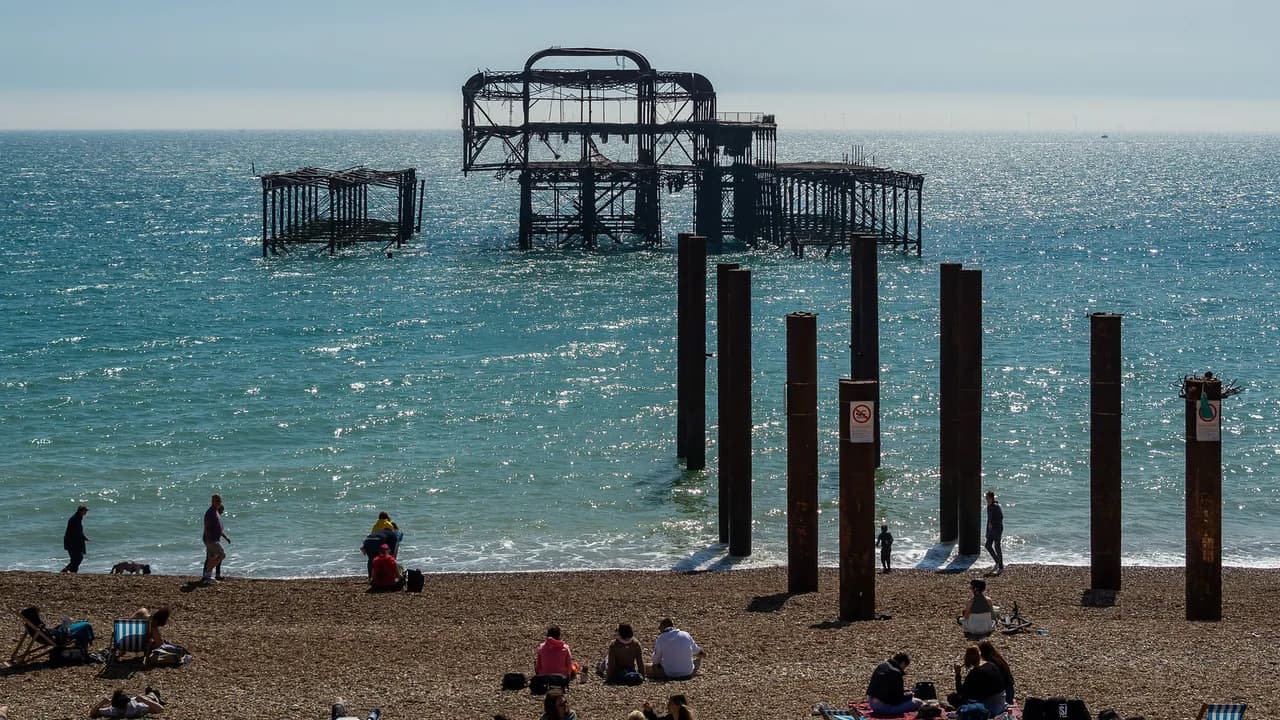
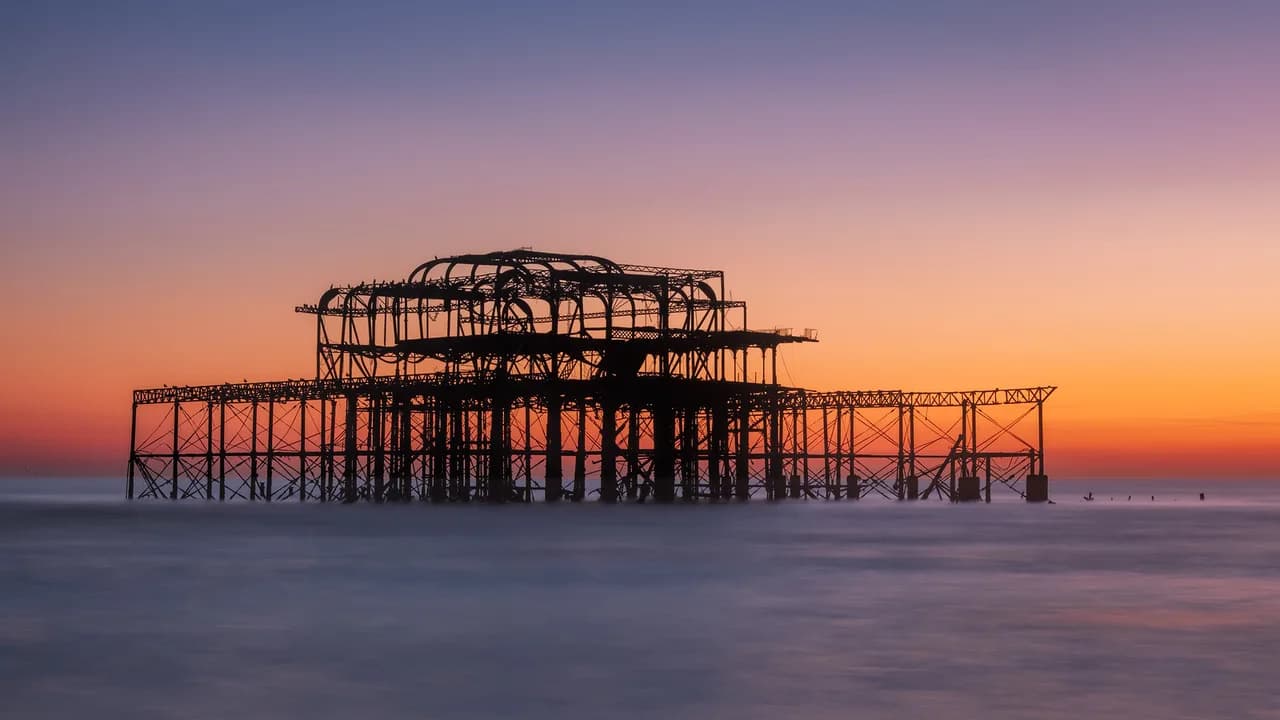
Look west from the pier and you can see the West Pier, destroyed by storms and fire and now standing as a skeletal frame in the water — a landmark rather than a venue. The promenade walk between the two marks a good hour with stops, and the beach is shingle rather than sand, so bring something to sit on. Seagulls here are bold enough to take food from your hands, so eat inside or under cover rather than walking with chips.
The Royal Pavilion: George IV's seaside palace and its free gardens
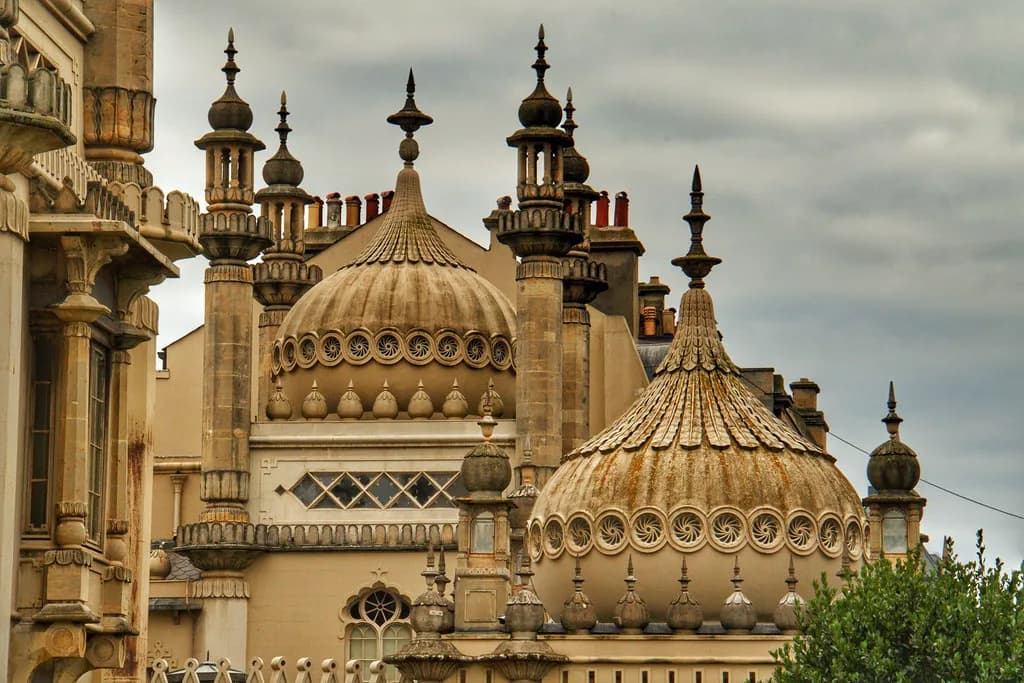
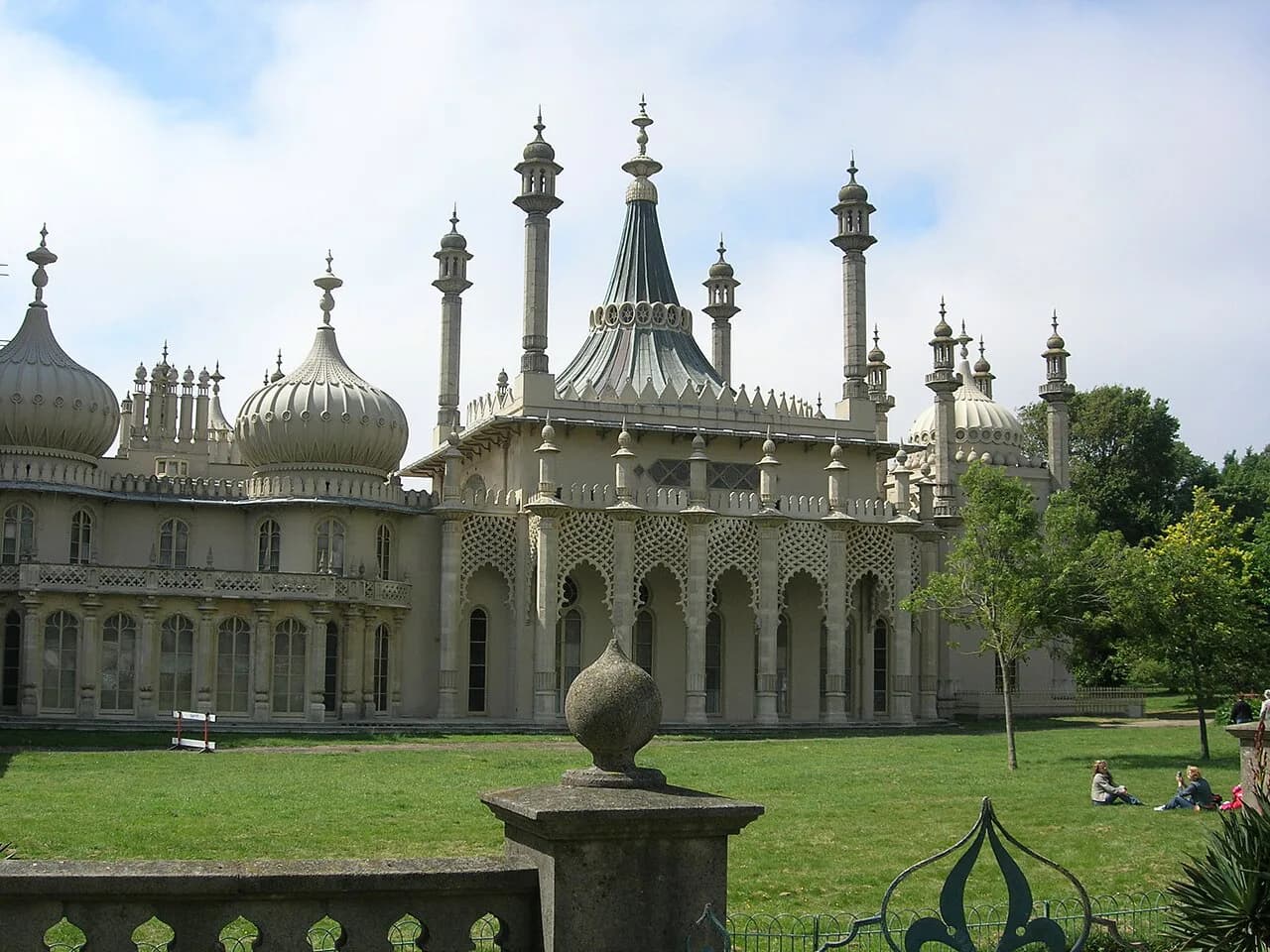
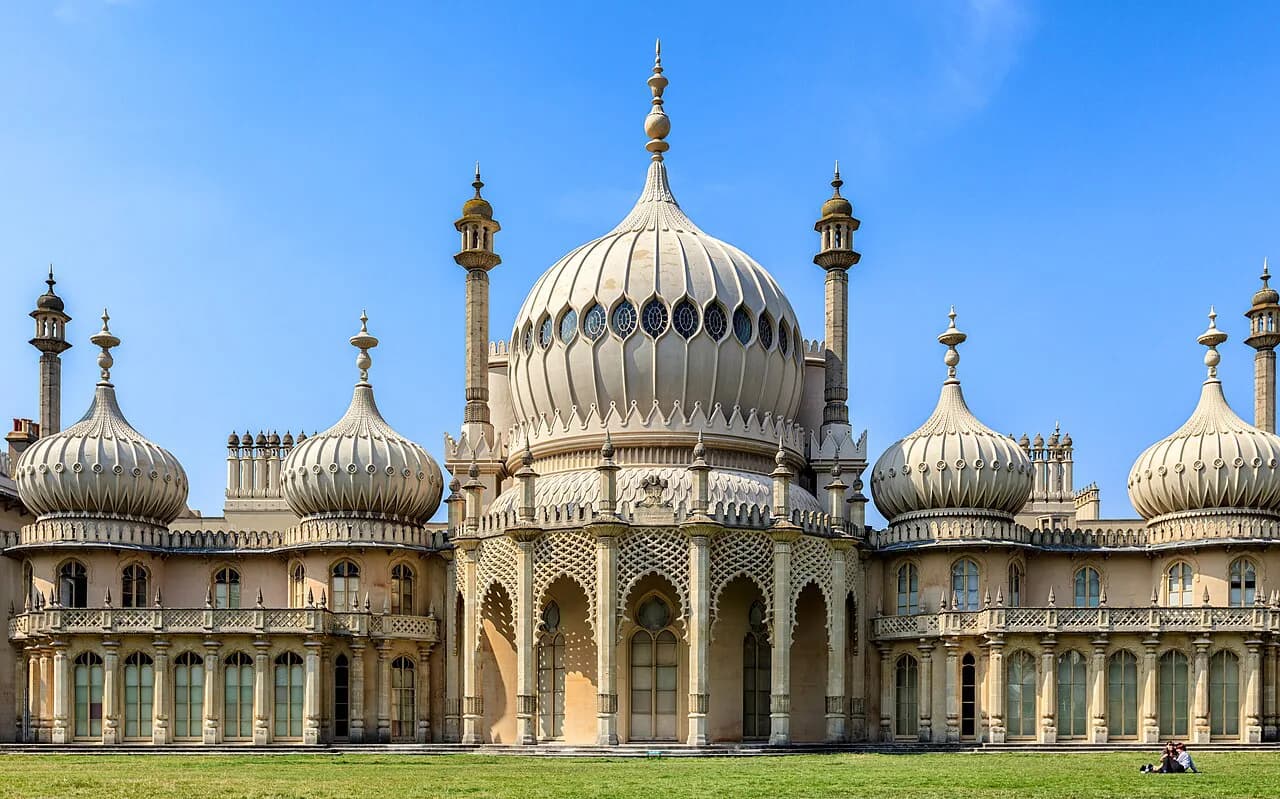
The Royal Pavilion is Brighton's signature building: an exotic, dome-heavy palace created over three decades for George IV as a seaside escape from royal life in London. The opulent interiors, furnishings and paintings sit behind a ticket, while the Pavilion Gardens next door are free and a good place for a picnic or a breather between sights. Check the official ticket and opening details before you travel, since admission is not cheap enough to buy twice.
The basement corridors and underground passageways beneath the Pavilion have been opened to visitors on guided tours in recent years, and they explain how servants moved between rooms without being seen. Treat a guided tour as a separate booking from general admission and ask about it when you buy your ticket, as availability is limited.
Brighton Museum & Art Gallery and the Pavilion Gardens in the same stop
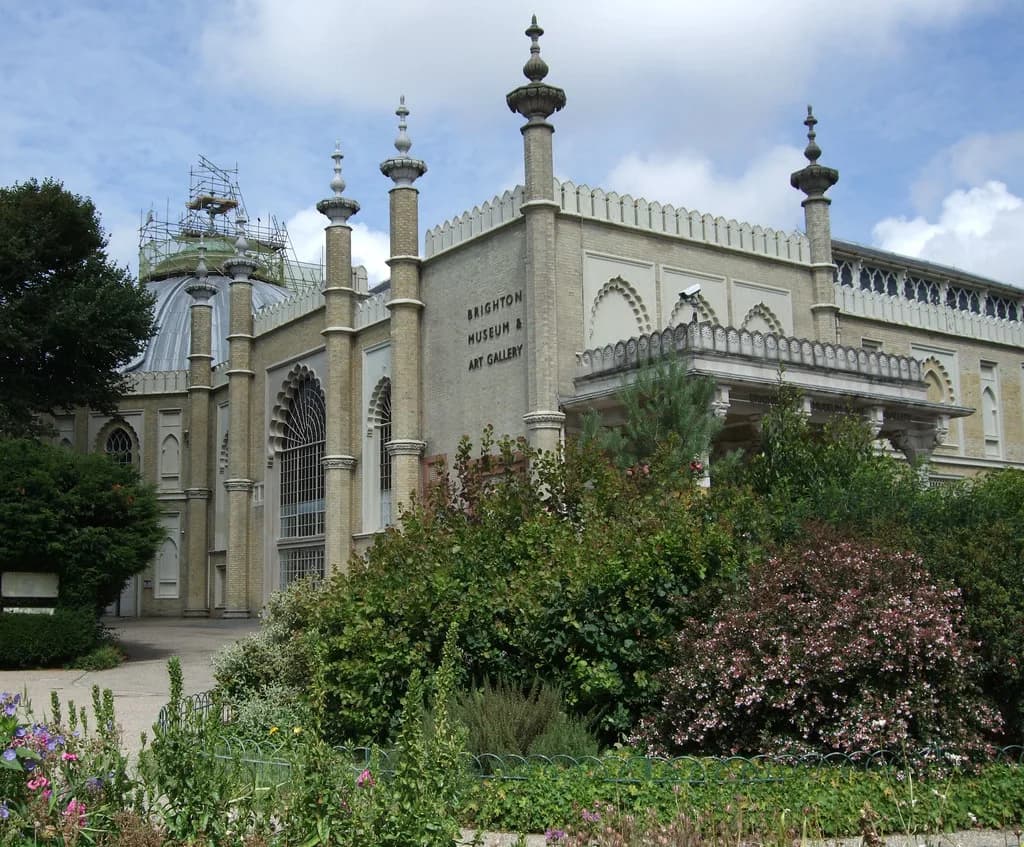
Brighton Museum & Art Gallery sits immediately next door to the Pavilion, so the two pair naturally into a single stop without a second journey. VisitBrighton also recommends the gardens between the buildings as a summer picnic spot and a winter ice rink, which makes the cluster useful in any season. Allow the museum a separate hour or two rather than squeezing it in before the palace.
Rain changes the calculation in Brighton's favour: museums, galleries, theatres and covered shopping all sit close together, so a wet day can be rebuilt around the Pavilion quarter without a taxi. Keep a museum and a gallery in reserve and move the seafront to the following morning.
Volk's Electric Railway and Sea Life Brighton along Madeira Drive
Madeira Drive runs east along the base of the cliffs and holds two family draws. Volk's Electric Railway is described by VisitBrighton as the oldest continuously running electric railway in the world, and it runs along the seafront rather than through traffic, so it doubles as transport and attraction. Sea Life Brighton, next door, has an underwater tunnel where you can watch sharks and turtles pass overhead.
Both are paid attractions with their own timetables, and the railway's seasonal running means it is not a year-round fallback for tired legs. Check operating days before relying on it, and keep the promenade walk as the free alternative if it is closed.
The Lanes and North Laine: two different shopping districts
The Lanes and North Laine sit back to back behind the Pavilion, but they feel like different cities. The Lanes is the older quarter of narrow winding passages between the seafront and the centre, known for boutiques, small independent businesses, coffee shops and restaurants; it is easy to walk in circles there, which is half the pleasure. North Laine is the bohemian counterpart, with kitsch boutiques, record shops and street after street of independents. If you enjoy comparing shopping quarters, the canal towpaths and independent streets covered in this guide to things to do in Birmingham offer a similar browse.
Give each district a proper block of time rather than ticking them off in twenty minutes, and treat them as the rainy-afternoon plan as much as the sunny one. If you want a structured browse, this guide to shopping in Brighton helps you target streets rather than wander blindly.
Hidden gems: Booth Museum, the Preston Park Rock Garden and Preston Manor
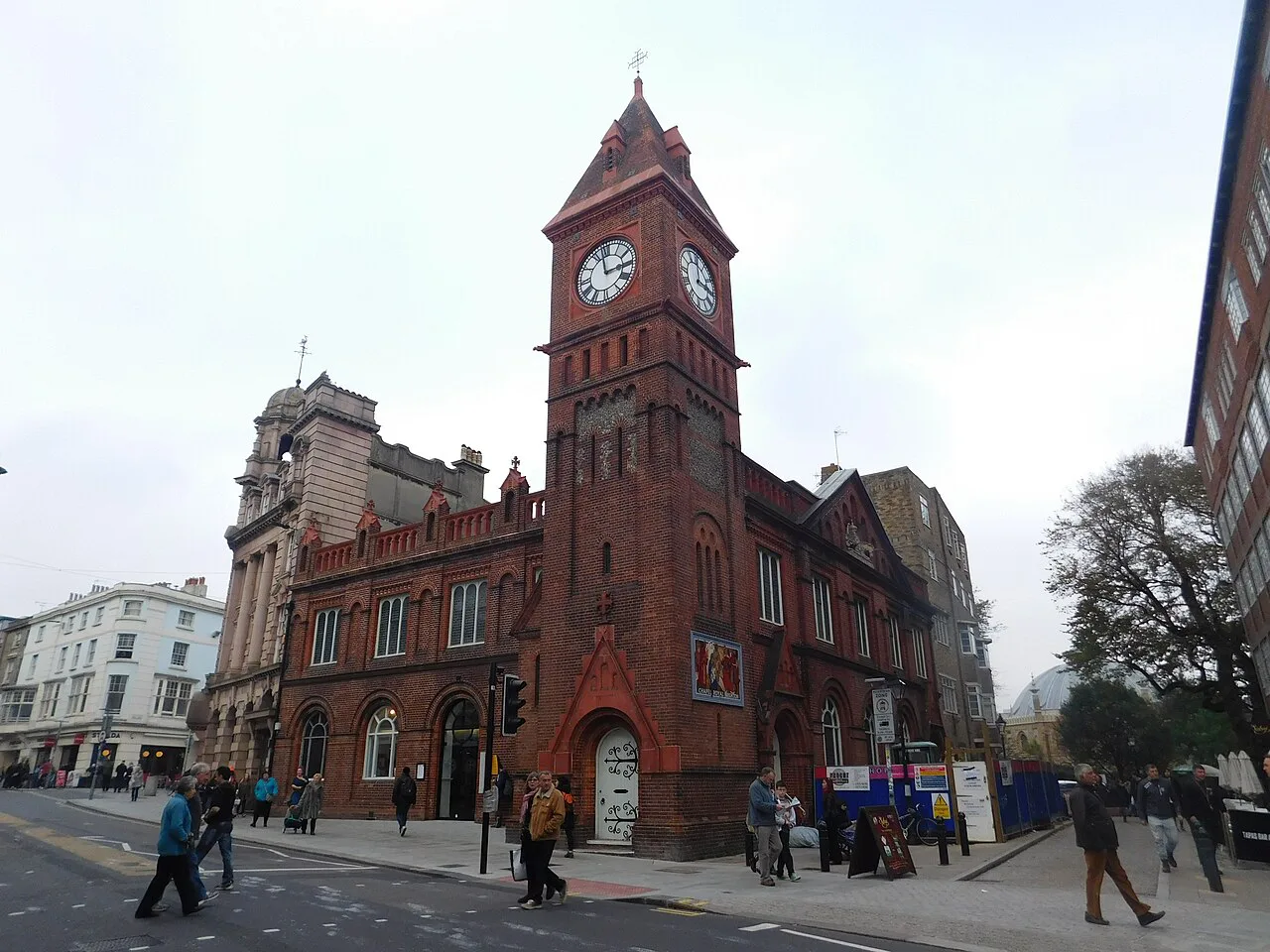
The Booth Museum of Natural History on Dyke Road is the best off-beat stop in the city: a Victorian collector's cabinet of taxidermy birds, insects, minerals, plants and fossils, set just beyond Seven Dials. It rewards an hour of slow looking rather than a quick pass, and it is the sort of place that suits a rainy morning or a curious child.
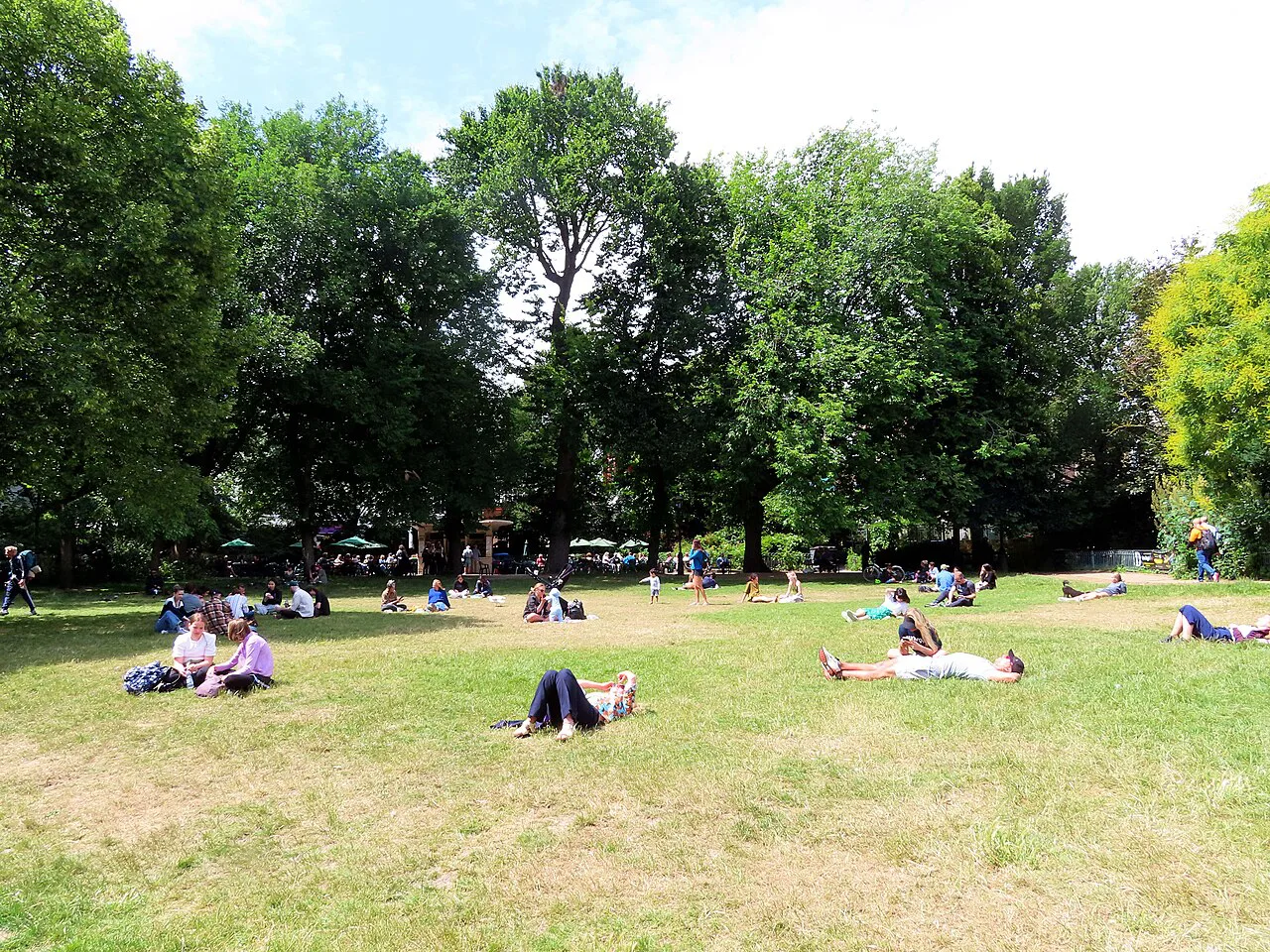
Preston Park Rock Garden, on the road north out of the centre, hides a small waterfall known locally as The Cascade, tumbling into a pond you can cross on stepping stones. The garden was laid out in the 1930s on an old railway bank with granite from a West Country quarry, and its winding paths, wildflower bank and bird hide make a quiet counterpoint to the seafront. Behind Preston Manor, a walled garden holds a row of miniature headstones marking the Preston Manor pet cemetery, including a grave for a cat said to have lived at the Royal Pavilion.
The walk uphill to Preston Park is the honest trade-off here: it is a bus or a steady climb from the seafront rather than a stroll, so pair it with the Booth Museum and make a northern half-day of it.
Quirky extras: art in a phone box, a stone circle and Camden Terrace
Brighton's oddities are small and easy to miss. The Dog and Bone Gallery in Powis Square turns a red telephone box into a tiny exhibition space with a changing programme, while the London Road stone circle is an art installation of numbered paving slabs set around the area — described locally as the first urban stone circle in England. Both take minutes and work best folded into a walk rather than treated as destinations.
Camden Terrace, in the West Hill area near the station, is a short row of whitewashed cottages built in the 1840s and a far pleasanter route to and from Brighton station than the main road. Seven Dials, a leafy residential pocket within walking distance of the centre, makes a good base or a slow afternoon of cafes and independent shops.
Free things to do in Brighton on a tight day
A free day in Brighton is genuinely possible without feeling like a cheapskate: the beach and promenade, the Lanes, North Laine, the Pavilion Gardens and public art all cost nothing. VisitBrighton's own answer to the free-things question is simply wandering the seafront, the Lanes, the parks and the public art at your own pace. Add the Preston Park Rock Garden and the seafront walk to the West Pier and you have a full day with no ticket desk.
Pick up picnic supplies in the Lanes or North Laine and eat in the Pavilion Gardens rather than paying seafront prices with a seagull audience. Markets are another cheap way to fill a lunch, and the city's covered markets and street food stalls change by day, so check before you set out.
Best for adults: the i360, comedy and the Kemptown scene
The British Airways i360 lifts a glass pod above the seafront for 360-degree views across the city, the Downs and the sea, with the ride lasting around 25 minutes and security checks before boarding. Arrive early for your slot and book online if you want to choose a time; it is the one seafront attraction that benefits from planning rather than turning up.
Evenings lean towards theatres, live music, comedy and cabaret, with venues large and small across the city and a particularly strong LGBTQ+ scene concentrated around Kemptown and St James Street. Brighton Pride is one of the biggest in the country, so check dates if you want the party or deliberately avoid it if you want calm.
Getting to Brighton and getting around without a car
Brighton is roughly 53 miles south of central London, connected by the M23 for drivers and by frequent trains from London stations, making it one of the easiest day trips from the capital by rail. National Express coaches also run between London and Brighton and take longer than the train, which is the trade-off if you are chasing a cheaper fare. Check current fares and timetables before you travel rather than relying on old figures.
Within the city, everything in this guide is walkable, and VisitBrighton points out that the main attractions and neighbourhoods are centrally located and well connected for car-free visits. Buses reach the South Downs and nearby Sussex towns — the Downs are about a 30-minute bus ride from the centre — so you do not need a car for a day trip either.
Where to eat and drink between sights
Brighton's eating is strongest when you match the meal to the neighbourhood: fish and chips near the seafront, independent cafes and small restaurants in the Lanes and North Laine, and family-run spots further out. Seafront fish and chips come with a seagull warning — eat inside or under cover if you value your lunch.
For something slower, book an afternoon tea rather than improvising one, and check what is included before you choose between the grand hotels and smaller tea rooms. In the evening, the area around Kemptown and St James Street has the densest concentration of bars and clubs.
Day trips out: the South Downs, Lewes and Arundel
Brighton is a good base for the countryside and the historic towns beyond it. The South Downs National Park is about 30 minutes from the centre by bus and holds International Dark Sky Reserve status, which makes it a genuine star-gazing option rather than a vague patch of green. Lewes and Arundel, with their medieval castles, sit within reach as day trips.
If you would rather stay on the water, boat trips run from the seafront and the marina, and they make an easy half-day when the weather is kind. Check sailing times on the day, as coastal conditions decide the schedule more than any timetable does.
A realistic one-day and two-day plan
For one day, start on Brighton Palace Pier before the crowds, walk west along the promenade to see the West Pier skeleton, then cut inland to the Royal Pavilion and its gardens. Spend the afternoon in the Lanes and North Laine with a coffee stop, and finish on the beach or back on the pier at dusk. That is a full day on foot with no buses and only one or two paid interiors.
With two days, keep the first as above and give the second to the north and the coast: the Booth Museum and Preston Park Rock Garden in the morning, Madeira Drive and Volk's Electric Railway or Sea Life in the afternoon, with the i360 booked for a clear slot. If the weather turns, swap the outdoor half for the museum and galleries and pick up indoor activities in Brighton instead.
Plan Your Visit
Book the Royal Pavilion and the i360 ahead if they matter to you, keep the pier rides flexible, and leave the Lanes and North Laine unscheduled so you can follow whatever street looks interesting. Wear shoes for shingle and a climb, and treat the smuggler-tunnel tales and ghost stories you hear in the pubs as legend rather than history.
Two sentences of practical caution cover the rest: ticketed interiors and seasonal transport change their days through the year, so confirm times with each venue before you travel, and keep a wet-weather plan ready. Everything else in Brighton — the sea, the streets and the pavilion gardens — is available on foot and free.
Explore more Brighton guides
Frequently Asked Questions
What can you do in Brighton in one day?
Walk the seafront from Brighton Palace Pier to the West Pier, visit the Royal Pavilion and its free gardens, then spend the afternoon in the Lanes and North Laine. That covers the main landmarks on foot with time for lunch and a coffee.
What are the best free things to do in Brighton?
The beach and promenade, the Lanes and North Laine, the Pavilion Gardens and the city's public art all cost nothing. The Preston Park Rock Garden and the seafront walk to the West Pier fill a day without a ticket.
Do you need to book the Royal Pavilion in advance?
Booking ahead is sensible for the Pavilion, especially for guided tours of the basement corridors, which are a separate booking from general admission. Check current opening days and ticket details before you travel.
What are some hidden gems in Brighton?
The Booth Museum of Natural History, the waterfall in Preston Park Rock Garden, the Preston Manor walled garden and pet cemetery, the Dog and Bone Gallery in a phone box and the London Road stone circle are all easy to miss. Most take under an hour and sit outside the main seafront circuit.
Is Brighton good for adults?
Yes. The i360 gives views over the city and Downs, theatres and venues host comedy, cabaret and live music, and the LGBTQ+ scene centres on Kemptown and St James Street. Evenings are where the city is most lively.
How do you get around Brighton without a car?
The centre is compact and walkable, with the seafront, Pavilion, Lanes and North Laine all within a short walk of each other. Buses reach the South Downs and nearby towns like Lewes and Arundel, so a car is not necessary.
What should you do in Brighton when it rains?
Head for the museums and galleries around the Pavilion, the covered shopping in the Lanes and North Laine, or a cinema. The Booth Museum is a good indoor pick, and the pier arcades work as a wet-weather fallback.
Sources
Notes for your next city break
Optional updates to our UK city guides.
You might also like

Continue reading
More guides you'll find useful