Things to Do in Cambridge: Museums, Colleges and River Walks
Plan a Cambridge city break with free university museums, college grounds, river walks and landmark sights, plus honest notes on queues, fees and timings.
On this page
Cambridge works best as a compact day of free museums, college courtyards and riverside walking, with one paid extra if you want it: a punt tour along the Backs. The city's university museums cost nothing to enter, and several central colleges let you wander their grounds without a ticket, so the main expense is your time rather than your wallet.
The catch is timing. Colleges shut for exams from the end of April to mid-June, which catches out spring visitors, and popular spots such as King's College charge by day. Build the day around what is open and what is free, and you can see a great deal without booking anything more than a punt if you decide to take one.
What to Do in Cambridge: The Short Answer
Spend the morning in one big museum and one small one, walk the colleges and the river in the afternoon, and finish with Evensong at King's College if term is running. That sequence keeps you in the historic centre instead of criss-crossing the city. The Fitzwilliam Museum anchors the south end of the centre, and the cluster of science and archaeology museums sits a short walk away off Downing Street.
A rain-proof version of the same day swaps the river walk for a second museum and treats the covered galleries as the main event; there are plenty of indoor activities in Cambridge to fill a wet afternoon, from the Polar Museum to the Whipple. If you only have one day in Cambridge, pick two museums, one college and the river view, and accept that you will leave something for next time.
Cambridge in a Day: A Workable Order of Play
Start at the Fitzwilliam Museum on Trumpington Street when it opens, give it ninety minutes to two hours, then walk north through the centre past the Corpus Clock to the river. Cross Garret Hostel Bridge for the classic Backs view, follow the water towards Silver Street, and loop back through a free college court or two.
Keep Castle Hill for the end of the afternoon rather than the start. It sits north of the centre near Kettle's Yard and Magdalene Street, so pairing it with the river creates a long back-and-forth; a late climb gives you rooftop light and a shorter walk back to dinner. The mound is small, the climb is short, and the reward is the skyline rather than a long hike.
If you would rather spread the city over two days, a weekend in Cambridge lets you add Grantchester or the American Cemetery without rushing the colleges. The one-day route above still holds as the spine of the trip.
Free University Museums Worth Your Morning
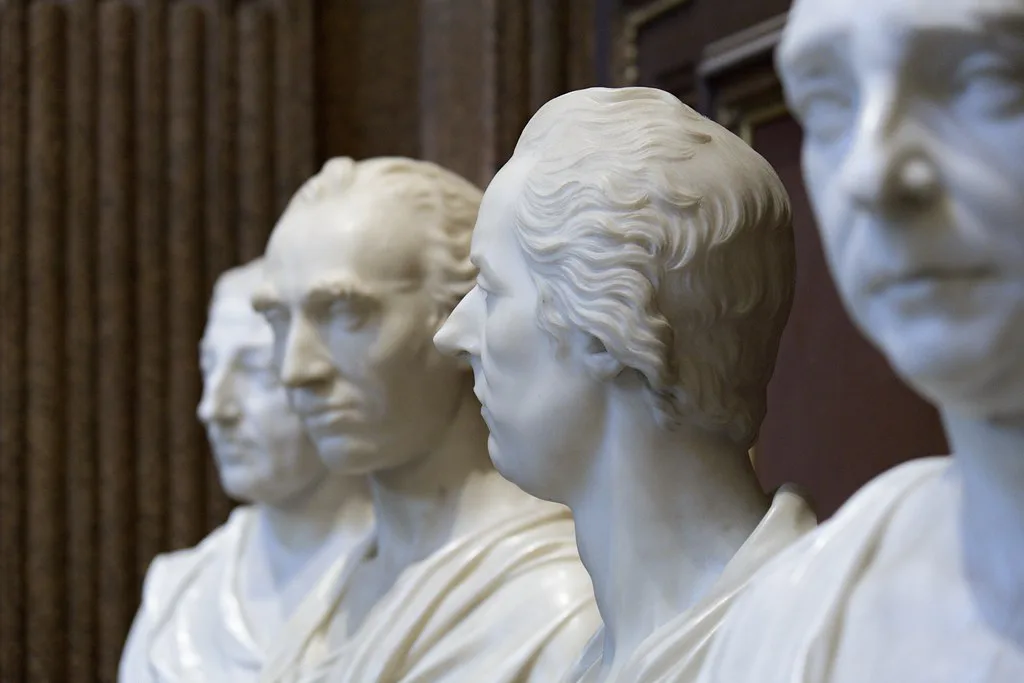
The University of Cambridge runs a remarkable set of free museums within a few minutes of each other. The Museum of Archaeology and Anthropology holds a giant Canadian totem pole and global collections alongside local archaeology, while the Museum of Classical Archaeology displays plaster casts of Greek and Roman sculpture, including a painted reconstruction of the Peplos Kore. The Sedgwick Museum of Earth Sciences, the oldest of the university museums, covers dinosaurs and fossils, and the Whipple Museum of the History of Science keeps Darwin's microscope among its globes and instruments.
The Museum of Zoology hangs a whale skeleton in its Whale Hall and displays Darwin's specimens, dodos and jars of preserved creatures, which makes it one of the most popular of the free museums. Opening days vary between these sites, with several closing on Mondays and some opening at midday on Sundays, and the Whipple keeps limited weekday hours plus selected Saturdays.
Fitzwilliam Museum: The Big One, and It Is Free
The Fitzwilliam is the city's largest museum and entry is free at all times. Its collection runs past half a million objects, from Egyptian mummies to horse armour and delicate fans, housed behind a Greek and Roman-inspired facade and under a gold-encrusted Victorian entrance hall. Allow at least two hours if you want to see more than a fraction of it.
Typical hours run Tuesday to Saturday from 10am to 5pm, with Sunday and bank holiday opening from midday to 5pm. It sits on Trumpington Street, a short walk from Peterhouse and the river, which makes it a sensible first stop rather than a detour.
Polar Museum: Small Rooms, Big Impact
The Polar Museum is the smallest of the free university museums and often the one people remember longest. Arctic exploration clothing, food rations and equipment sit alongside original letters from Scott's Antarctic party, and the rooms are intimate enough that you read rather than skim.
It usually opens Tuesday to Saturday from 10am to 4pm, so a Monday in Cambridge is the wrong day for it. Budget under an hour here and use the saved time on the river or a college.
Sedgwick and the Other Science Museums
The Sedgwick usually opens Monday to Saturday from 10am to 5pm, closing at 4pm on Saturdays, and rewards a careful look at the pavement outside, where the soles of an Antony Gormley iron figure are visible. The Whipple keeps weekday hours from 12.30pm to 4.30pm plus selected Saturdays, which makes it the hardest of the group to fit in.
The Museum of Classical Archaeology opens Tuesday to Friday from 10am to 5pm, with Saturday afternoons added during university term only. If your visit falls outside term, plan that one for a weekday.
Kettle's Yard: What Is Free and What Is Not
Kettle's Yard on Castle Hill is not simply a free museum. The house, preserved as its former occupants kept it with works by Miro and Alfred Wallis among the furniture and objects, now charges for entrance, while some exhibitions in the modern extension remain free.
It usually opens Tuesday to Sunday from 11am to 5pm, and the café and outdoor seating make it a good pause before or after Castle Hill. Check the house admission price on the day rather than assuming the whole site is free.
Colleges: Which Grounds You Can Walk for Free
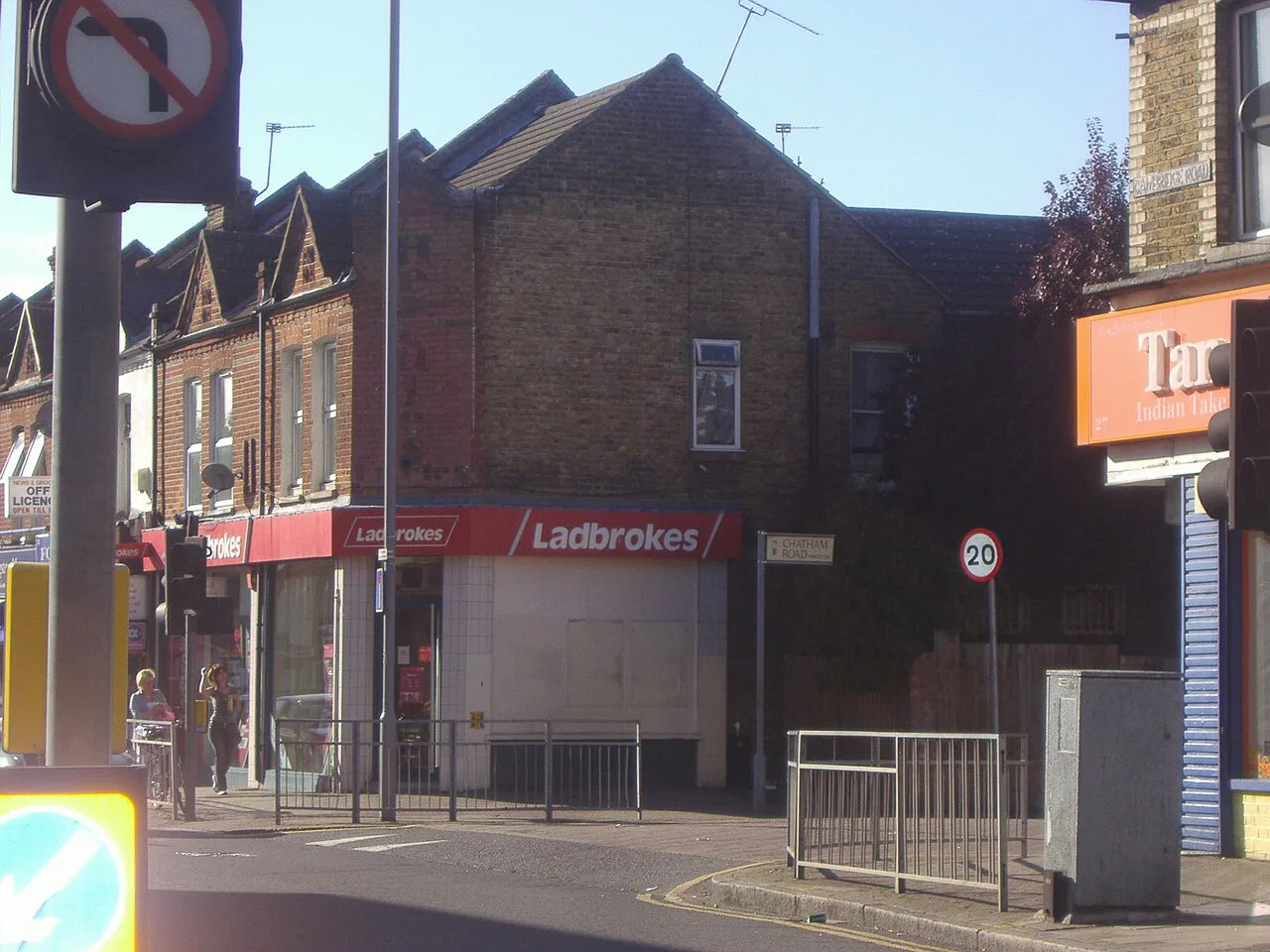
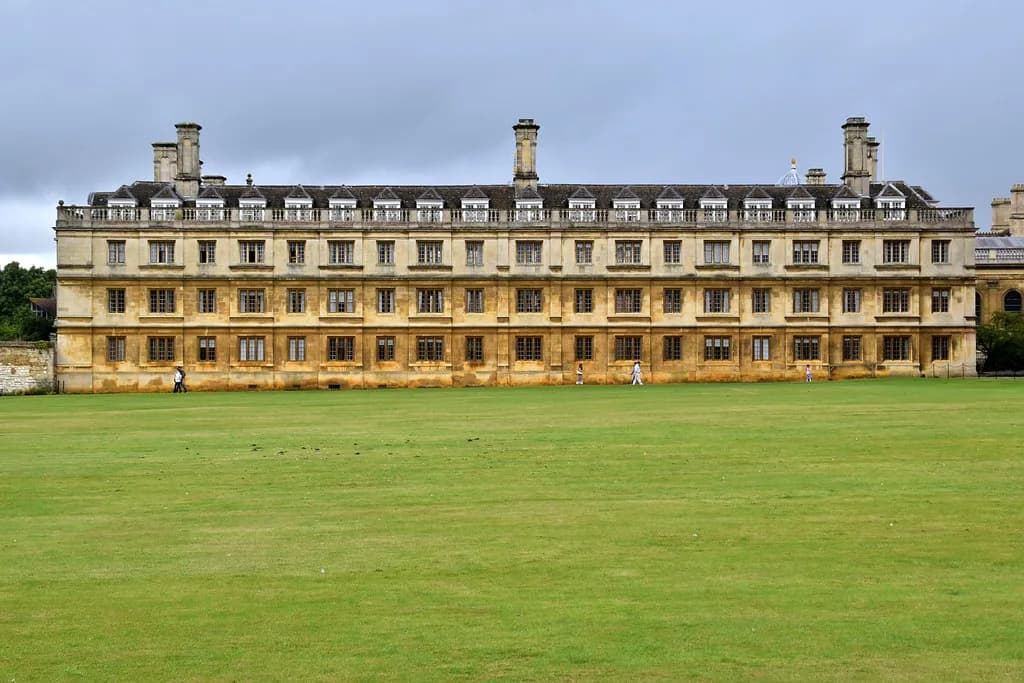
Cambridge has 31 colleges, and many of the popular ones charge entry while several central ones do not. Christ's College, Charles Darwin's college, opens its chapel and grounds daily from 9am to 4pm, with a circular lawn, the Darwin garden and the ornate gate that makes a fine photograph; the Fellows garden closes at weekends.
Downing College offers 20 acres of neo-classical grounds daily from 9am to 5pm, with the Heong Gallery for modern art on site. Emmanuel opens daily from 9am to 5pm, Jesus from 9am to 6pm, Peterhouse and Sidney Sussex from 9am to 5pm, and Peterhouse, founded in 1284, is the oldest college and a compact stop near the Fitzwilliam.
Trinity Hall keeps narrower hours, usually Tuesday and Thursday mornings and afternoons plus Sunday afternoons, so it suits a flexible schedule rather than a tight one. Most colleges shut for exams from the end of April to mid-June, which is the single biggest trap for spring visitors.
King's College and Evensong: The Free Way In
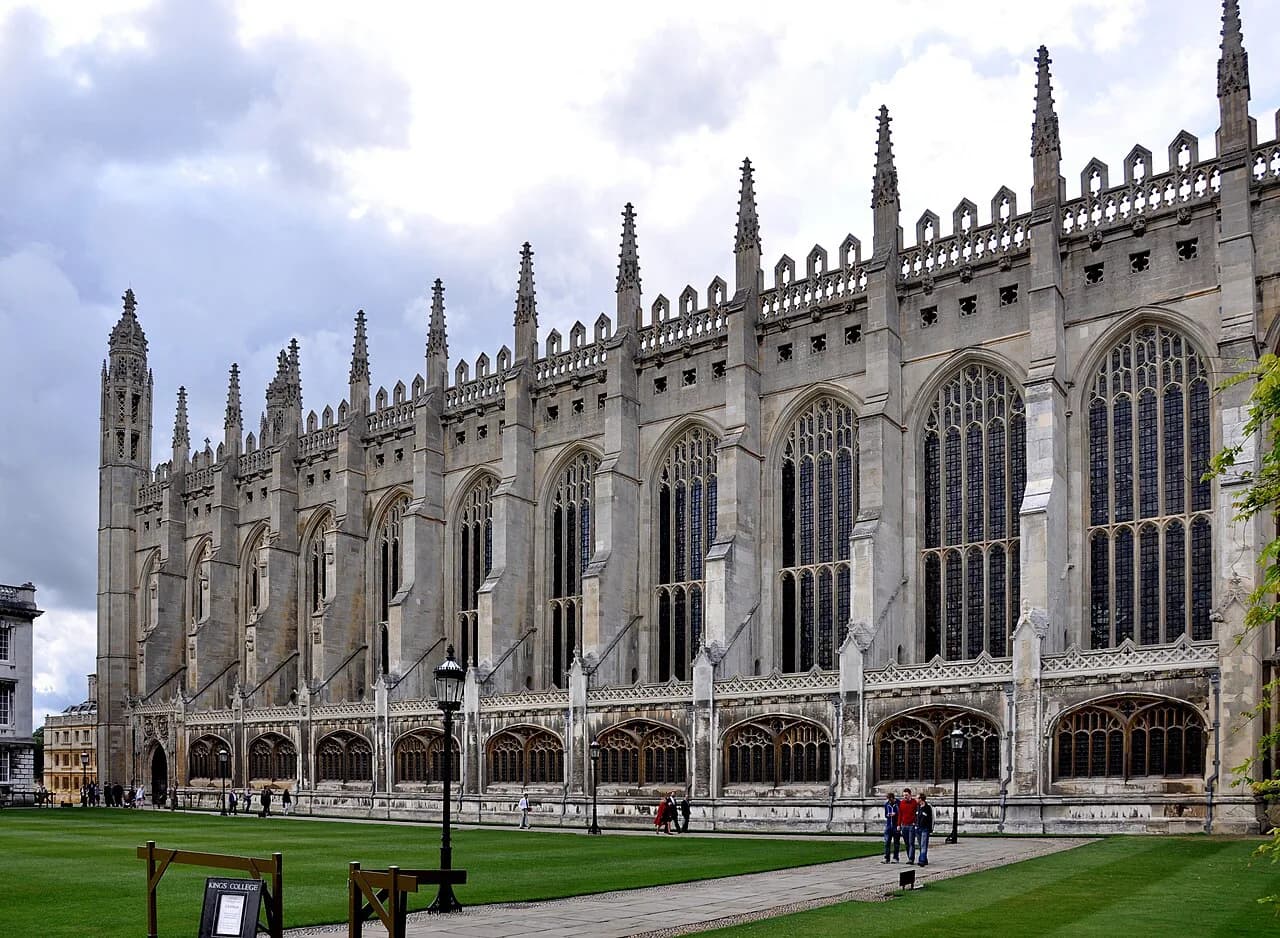
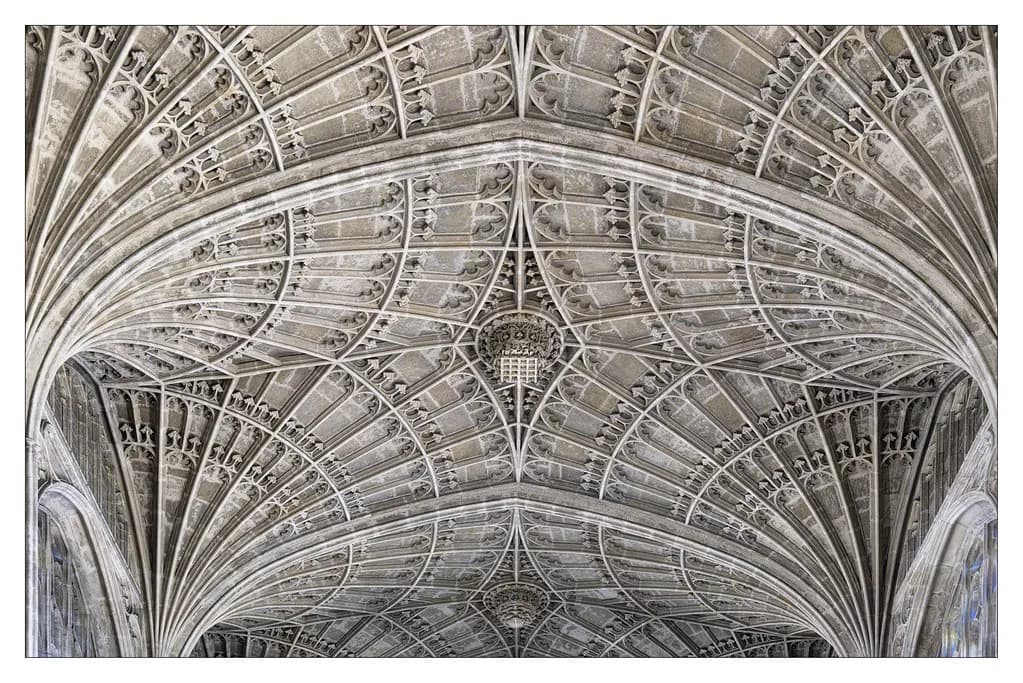
King's College charges for daytime entry, so the free route is Evensong in the chapel. Services usually run at 5.30pm most days and 3.30pm on Sundays during term, when the candles are lit and the fan vaulting is on show; arrive at least thirty minutes early because it fills up.
That term-time condition matters. Outside term the choir schedule changes, so the free evening is not a reliable substitute for a daytime visit in the vacation. If seeing the chapel is essential, decide whether you are paying by day or planning the trip around a service.
The Backs, Garret Hostel Bridge and the Classic View
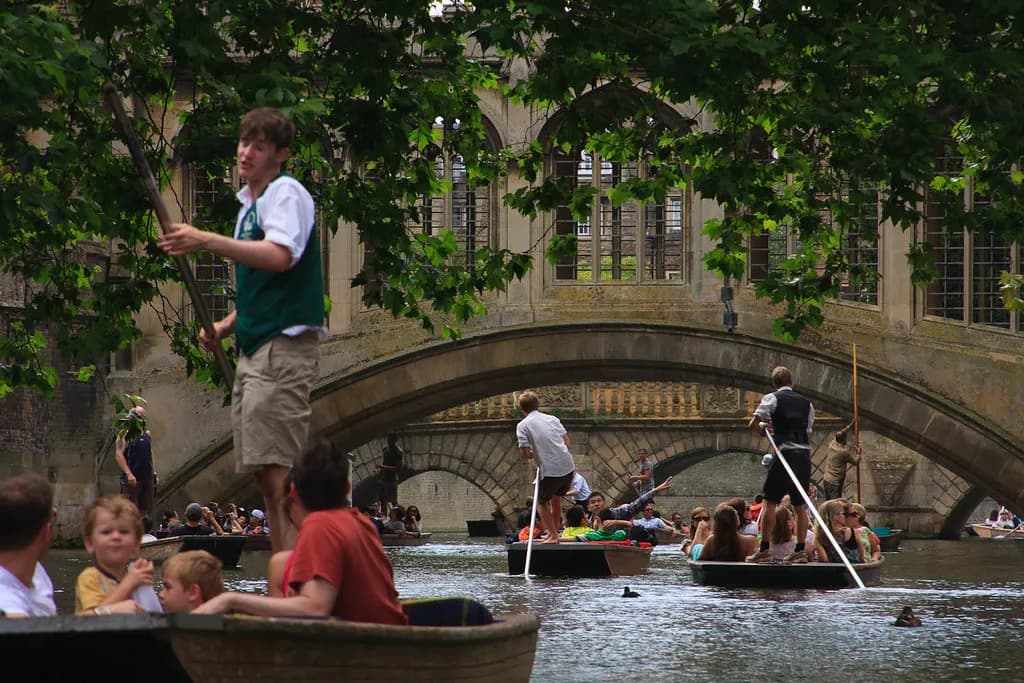
You do not need to punt or pay a college entry fee to see the postcard view of Cambridge. Walk along Garret Hostel Lane, stop on Garret Hostel Bridge for the Backs, then cross and turn left before the Queen's Road pedestrian crossing to follow the river parallel with King's College. Return via Silver Street and photograph the Mathematical Bridge on the way.
For a longer waterside stretch, start at Midsummer Common and follow the river towards Fen Ditton, passing narrowboats, cows and rowers. This is flat, free walking and a good use of a bright hour.
Punting: What a Tour Costs and What You Get
Punting is the one classic Cambridge activity with a clear price on the city's tourism site: a GHL punt tour, offered exclusively from Trinity College, costs £25 for adults and £12.50 for children. That is a shared chauffeured tour rather than self-hire, and it puts you on the water for the Backs views you would otherwise see from the bridge.
Weigh the cost against the free bridge view. If the weather is poor or your budget is tight, the Garret Hostel Bridge walk gives you the same colleges from a different angle; if you want the river experience, book the tour and treat it as the day's paid highlight.
The Corpus Clock and a Short City-Centre Walk
The Corpus Clock on the corner of King's Parade and Bene't Street is free to see and takes about two minutes. A golden grasshopper, the Chronophage or time eater, appears to consume each minute while lights move around a face with no hands or numbers; visit in the evening for thinner crowds.
Pair it with the market streets rather than making a special trip. The markets in Cambridge sit a short walk away and give the centre walk a natural end.
Castle Hill and the Rooftop View
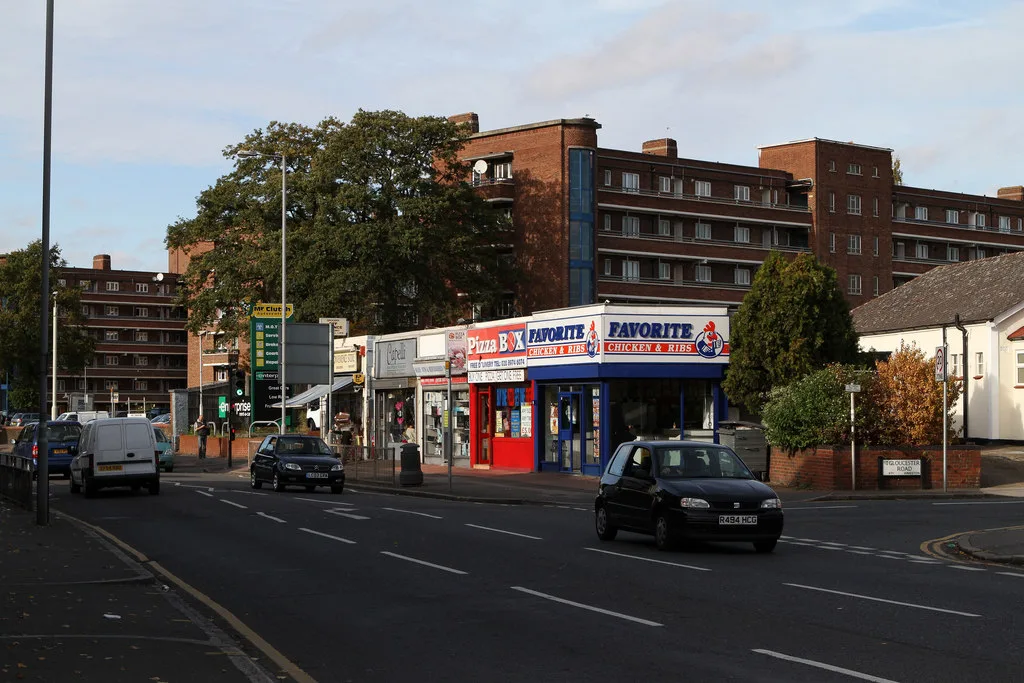
Castle Hill is the closest thing to a viewpoint in central Cambridge, and the climb is short. The mound beside the former county gaol site gives rooftop views across the city, a rather different prospect from the days when crowds gathered there for public hangings.
Pair it with Kettle's Yard and a wander down Magdalene Street rather than treating it as a standalone attraction. The view is the reward, not the destination, so give it twenty minutes and move on.
Getting Out: Grantchester, Madingley and the American Cemetery
Grantchester is about a 40-minute walk from the centre along the river, past Byron's Pool Nature Reserve and Grantchester Meadows, with the Orchard Tea Garden's green deck chairs waiting at the end. It is free to walk and makes a half-day of it if the weather holds.
The Cambridge American Cemetery lies outside the city and the number 4 bus stops directly outside, which saves a taxi. It is open daily from 9am to 5pm, with a chapel, Walls of the Missing and a visitor centre giving personal context to the Second World War graves.
Madingley Hall, a few minutes from the cemetery, has Capability Brown gardens open during daylight hours, including a walled secret garden and a terrace with lake views. Combine the two on one trip rather than making separate journeys out of the centre.
Rain, Queues and Term-Time Closures: Honest Trade-Offs
The free museums are small, and the popular ones such as the Museum of Zoology fill up in bad weather. Go early, pick one museum rather than queuing for three, and keep a second indoor option in reserve.
College closures for exams from the end of April to mid-June can wipe out the courtyard part of your plan, and Evensong depends on term. Check the university and college pages for the dates you are travelling, and structure the day so a closed college costs you a detour rather than the afternoon.
Where to Stay and How to Get Around
Central Cambridge is small enough to cover on foot, so accommodation near the market or the river minimises travel. The railway station sits about a mile south-east of the centre, and the bus network covers the cemetery and the outer sights.
For shopping, the central streets around Market Square and the Grand Arcade keep you close to the colleges; for a longer browse, the shopping in Cambridge spreads across a few connected streets. Neither needs a bus.
What to Book Before You Arrive
Book a punt tour if you want the river, and book it for a fixed time so it anchors the day. Everything else in this guide is walk-up: museums, college grounds and the Corpus Clock. Evensong needs no ticket but needs an early arrival.
If your trip extends beyond Cambridge, cities such as Leeds and Derry reward a similar approach, with free museums and walkable historic centres; the things to do in Leeds include the Royal Armoulettes Museum and, closer in spirit to Cambridge's free university collections, the things to do in Aberdeen cover the Aberdeen Art Gallery and the Aberdeen Maritime Museum at no charge.
Plan Your Visit
Build your Cambridge day around the free Fitzwilliam and one smaller university museum, add a college courtyard or two, then walk the Backs via Garret Hostel Bridge and finish with Evensong if term allows. The published adult fare for the chauffeured punt tour is the one clear paid extra, and it is worth it only if you want the water rather than the view.
Leave slack for the spring exam closures, check opening times on the day, and keep a rainy-day museum in reserve. Cambridge rewards a slow, compact day more than a tick-list.
Explore more Cambridge guides
Frequently Asked Questions
What can you do in Cambridge for free?
The University of Cambridge museums cost nothing to enter, including the Fitzwilliam, the Polar Museum, the Sedgwick, the Museum of Zoology, the Museum of Archaeology and Anthropology and the Whipple. Several central colleges open their grounds without a ticket, among them Christ's, Downing, Emmanuel, Jesus, Peterhouse and Sidney Sussex, and the Corpus Clock, the Backs and the Garret Hostel Bridge view are all free to see.
Is it worth paying to enter King's College?
King's College charges for daytime entry, so the free alternative is Evensong in the chapel, which usually runs at 5.30pm on most days and 3.30pm on Sundays during term. Arrive at least thirty minutes early because it fills up. If you specifically want to see the college and its grounds in daylight, pay for the daytime visit rather than treating a service as a substitute.
When are Cambridge colleges closed to visitors?
Most colleges shut to visitors for exams from the end of April to mid-June, which is the biggest timing trap for spring trips. Individual colleges set their own hours outside that period, and Trinity Hall, for example, keeps much narrower opening times than its neighbours. Check the college you intend to visit before you build your day around it.
How long does punting take and what does it cost?
A GHL punt tour, offered exclusively from Trinity College, is a shared chauffeured trip rather than self-hire, and Visit Cambridge publishes the adult and child fares on its listing. Compare that figure with the free view from Garret Hostel Bridge, which takes two minutes and shows you the same colleges from the bank. Take the tour if you want the water rather than the postcard.
What is a good one-day itinerary for Cambridge?
Start at the Fitzwilliam on Trumpington Street, add one smaller university museum, then walk north past the Corpus Clock to Garret Hostel Bridge for the Backs. Follow the river towards Silver Street, loop through a free college court, climb Castle Hill late in the afternoon and finish with Evensong at King's if term is running. Keep the walking order tight rather than criss-crossing the city.
What are good places to visit near Cambridge?
Grantchester is about a 40-minute riverside walk from the centre, past Byron's Pool Nature Reserve and Grantchester Meadows. The Cambridge American Cemetery lies outside the city and the number 4 bus stops directly outside, and Madingley Hall's Capability Brown gardens are a few minutes further on, open during daylight hours. All three work as a half-day rather than a full-day trip.
Was Harry Potter filmed in Cambridge?
Cambridge's colleges and courtyards are often assumed to be filming locations, but the city's appeal rests on its own architecture and history rather than a screen credit. Plan around the colleges, museums and river that you can actually walk through, and treat any filming claim you hear on a tour as a story rather than a fact.
Sources
Notes for your next city break
Optional updates to our UK city guides.
You might also like
Continue reading
More guides you'll find useful