Things to Do in Canterbury: Cathedrals & River Walks
Plan a Canterbury city break with the cathedral, Roman Museum, The Beaney, Westgate Gardens and River Stour punting, plus a realistic order for one day.
On this page
Canterbury's historic core sits inside ancient Roman walls, a tight knot of cobbled streets and timber-framed houses with the cathedral at its centre. The cathedral, founded in 597 AD, anchors a UNESCO World Heritage Site, and almost everything else worth seeing is a short walk from it. That compactness is the city's advantage: you can see the headline sights in a day without touching a bus.
The sensible plan puts Canterbury Cathedral first, because it takes the longest and sets the tone, then works outward to The Beaney, the Roman Museum, Westgate Gardens and the river. Add punting or a theatre show in the evening rather than trying to cram both into the afternoon. One day covers the essentials comfortably; two lets you slow down along the Stour.
Canterbury Cathedral: What to See and How Long to Allow
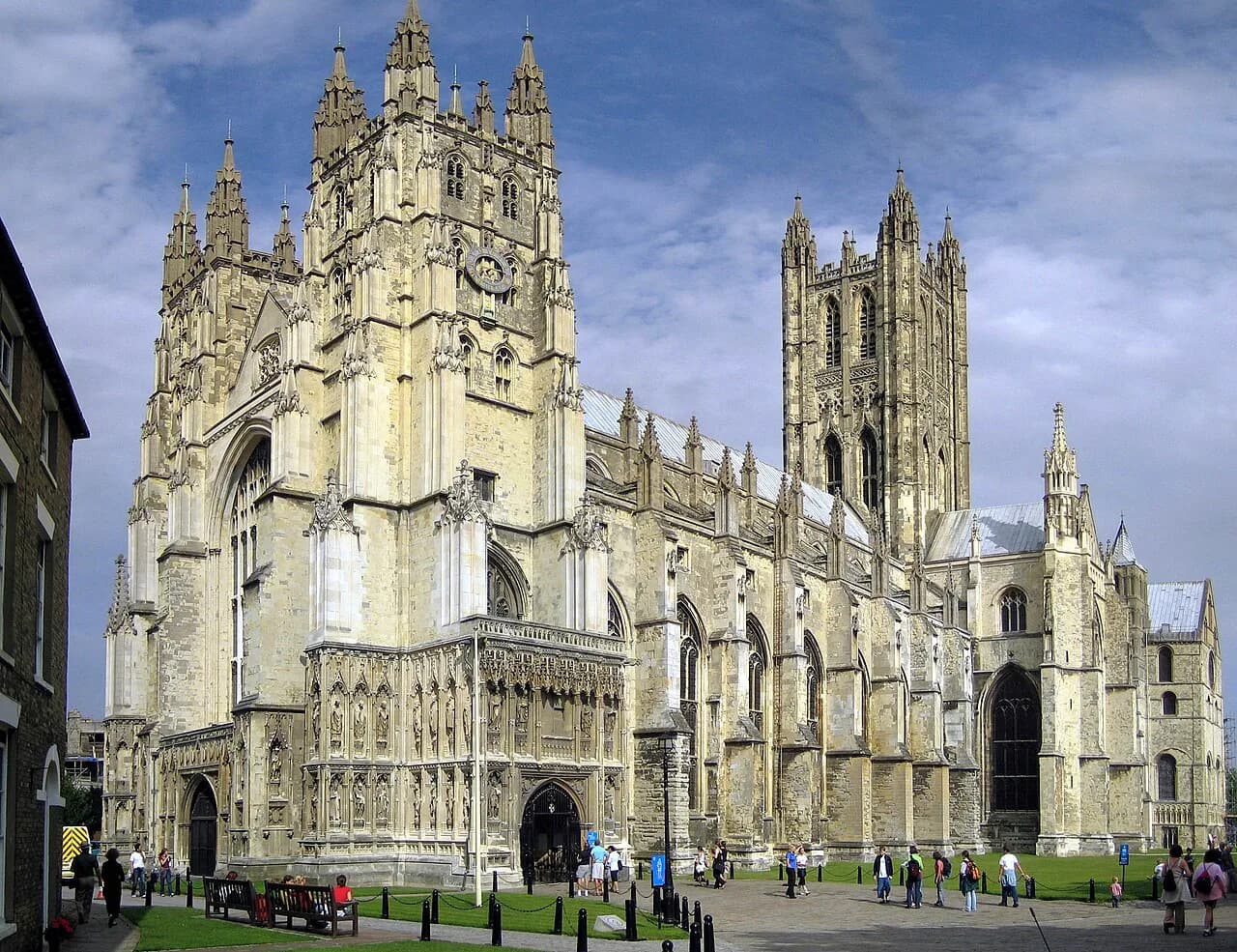
The cathedral is the reason most people come. Inside, the nave opens into Gothic architecture and stained glass, the cloisters run as a covered walkway around a courtyard, and the crypt holds well-preserved cathedral clothing and items that have lived there for centuries. Allow at least an hour for the nave, cloisters and crypt together; the Visit Canterbury day plan slots the cathedral in at 11am and moves on around 12.30pm, which is a fair gauge.
The cloisters draw a comparison with the Hogwarts courtyard, and visitors often say they feel like a wizard walking through them. That is a resemblance, not a filming claim, so treat it as atmosphere rather than a film-location tour. The cathedral gift shop sits at the end of the visit if you want a souvenir.
Book ahead rather than turning up and hoping, particularly on weekends and in summer. Admission prices, service times and any closed periods change through the year, so confirm them on the cathedral's own site before you travel.
The Beaney House of Art and Knowledge: Museum, Gallery and Library
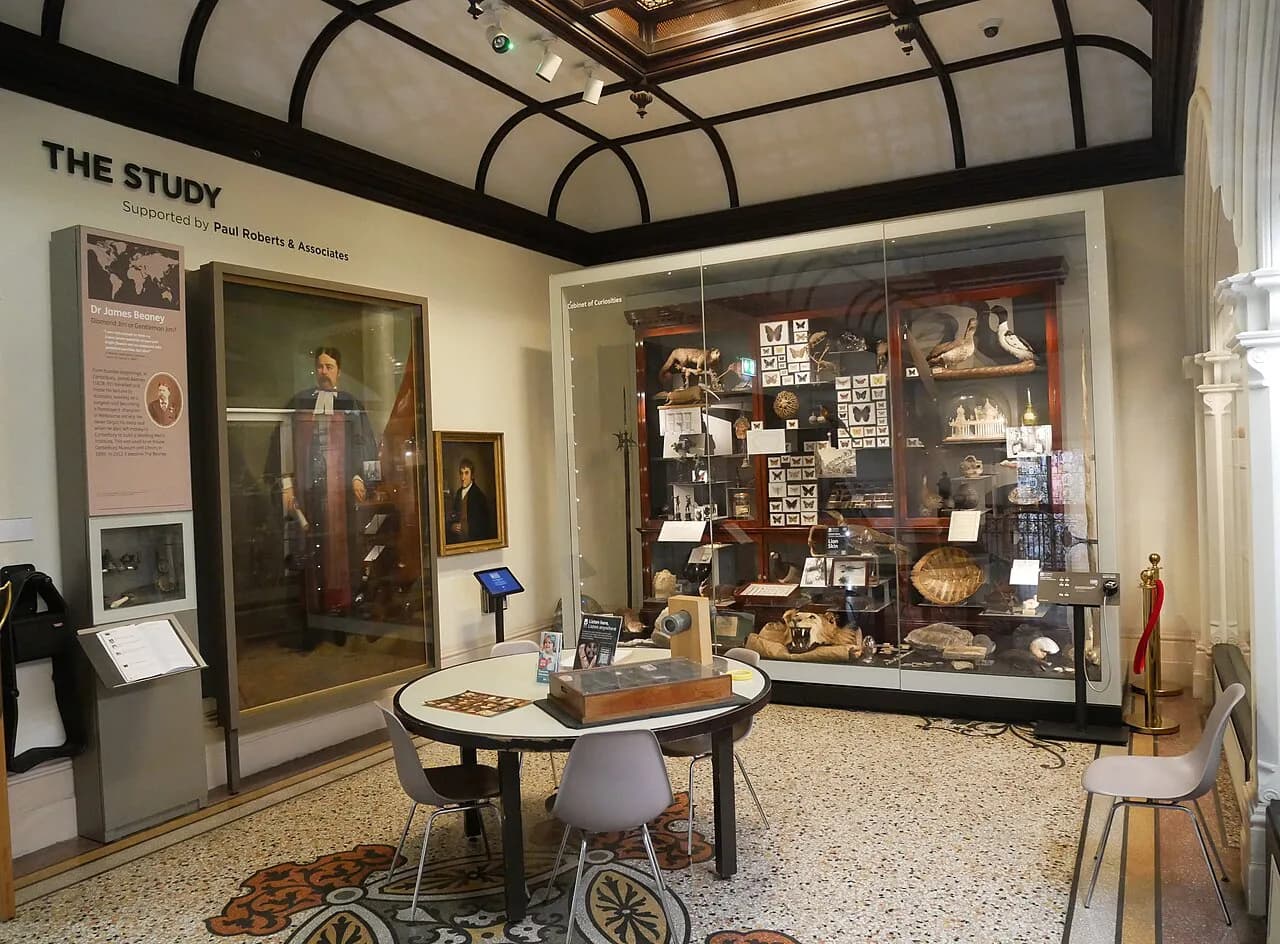
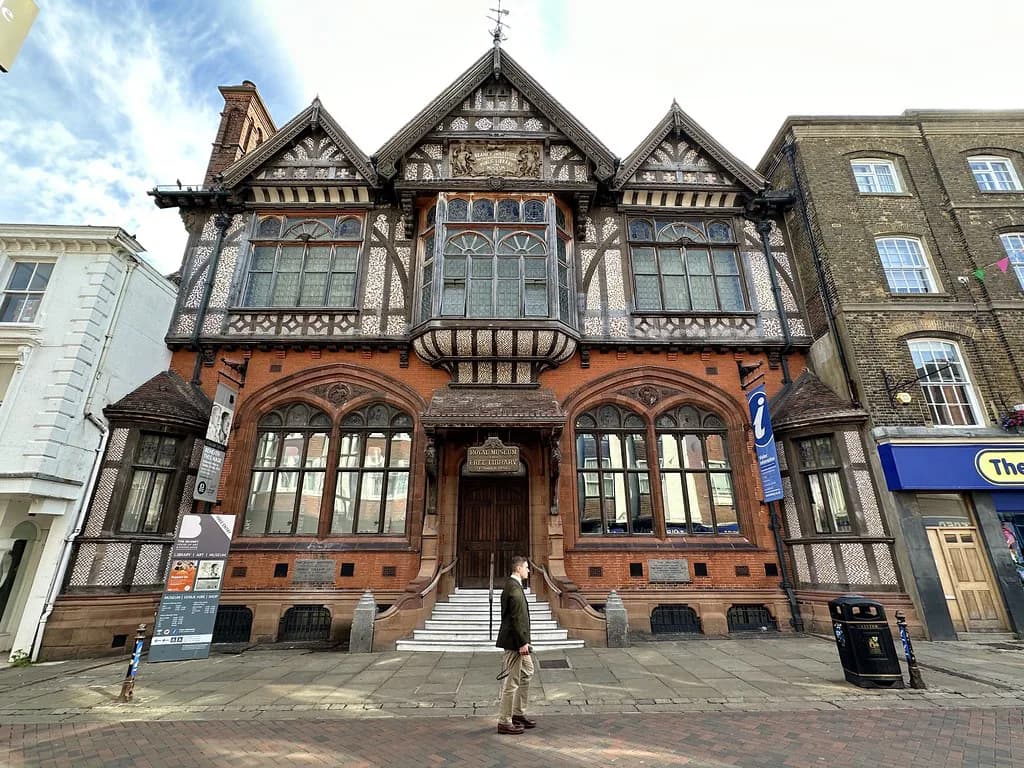
The Beaney House of Art and Knowledge on the High Street combines a museum, an art gallery and a library under one roof, with exhibitions and artefacts focused on Kentish history and life. It is a good family stop because the displays include interactive activities for children, and it fits neatly into the mid-afternoon slot after lunch.
The Beaney also houses the city's visitor information centre, so it doubles as a place to pick up maps and ask about what is on. If the weather turns, this is one of the best indoor activities in Canterbury, alongside the Roman Museum a short walk away.
Canterbury Roman Museum: Mosaics and a Roman Townhouse
The Canterbury Roman Museum is built inside the remains of an actual Roman townhouse, which makes the setting as much of the exhibit as the artefacts. You can see mosaics, interactive displays and the UK's only remaining in-situ Roman pavement mosaics up close. Budget around an hour; the Visit Canterbury itinerary gives it the 3pm slot after The Beaney.
Together with The Beaney, the Roman Museum makes an obvious pairing for a wet afternoon or a history-minded morning. Entry arrangements and any charges are best confirmed directly with the museum before you go, since these are not fixed year-round.
Westgate Gardens and the River Stour
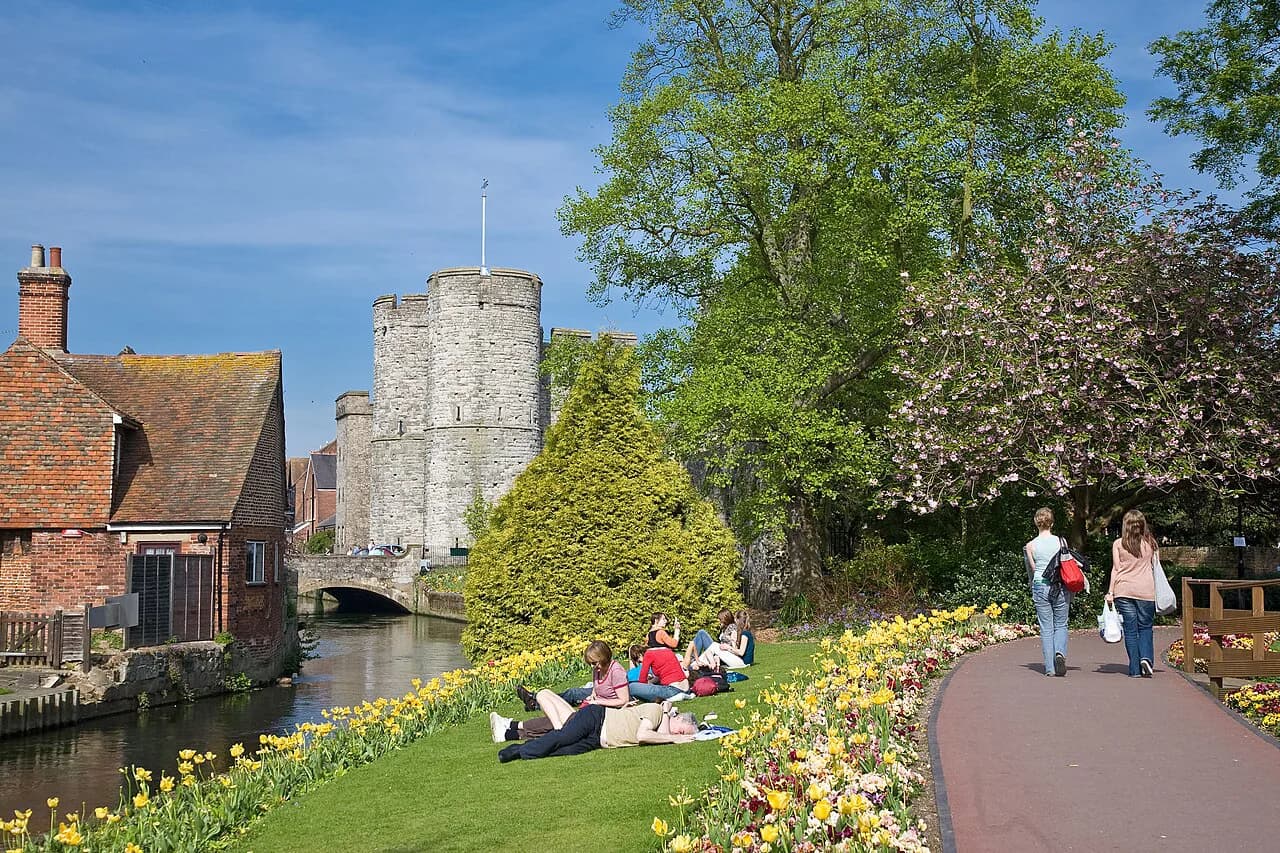
Westgate Gardens runs along the River Stour as it approaches the Westgate, and they are among the oldest gardens in Britain. Look for the 200-year-old oriental plane tree and a Norman arch thought to have been moved here from the ruins of St Augustine's Abbey. Ducks, swans and fish congregate along the water, and it is one of the city's most photographed spots.
The gardens make a natural late-afternoon pause, and the Visit Canterbury plan puts them at 4pm for exactly that reason. If you would rather be on the water than beside it, punts leave from the same stretch of river.
Punting on the Stour: When a Boat Beats Walking
Punting takes you past The Old Weavers House, The King's Mill and the Dominican Priories from the water, which is a different view from the riverbank paths. Two main operators run trips, Canterbury Punting Co. and Westgate Punts, and both sell tickets on Canterbury High Street.
The trade-off is straightforward: a punt covers the same river in less time and without tired legs, but walking Westgate Gardens is free and lets you stop where you like. Choose the boat if you want the commentary and the novelty, and the bank if you are short of time or travelling on a tight budget. Departure points, timings and fares change with the season, so check current details with Canterbury Punting Co. and Westgate Punts, which sell tickets on the High Street.
Historic Streets and Buildings: Westgate Towers, the King's School and the Old Weavers House
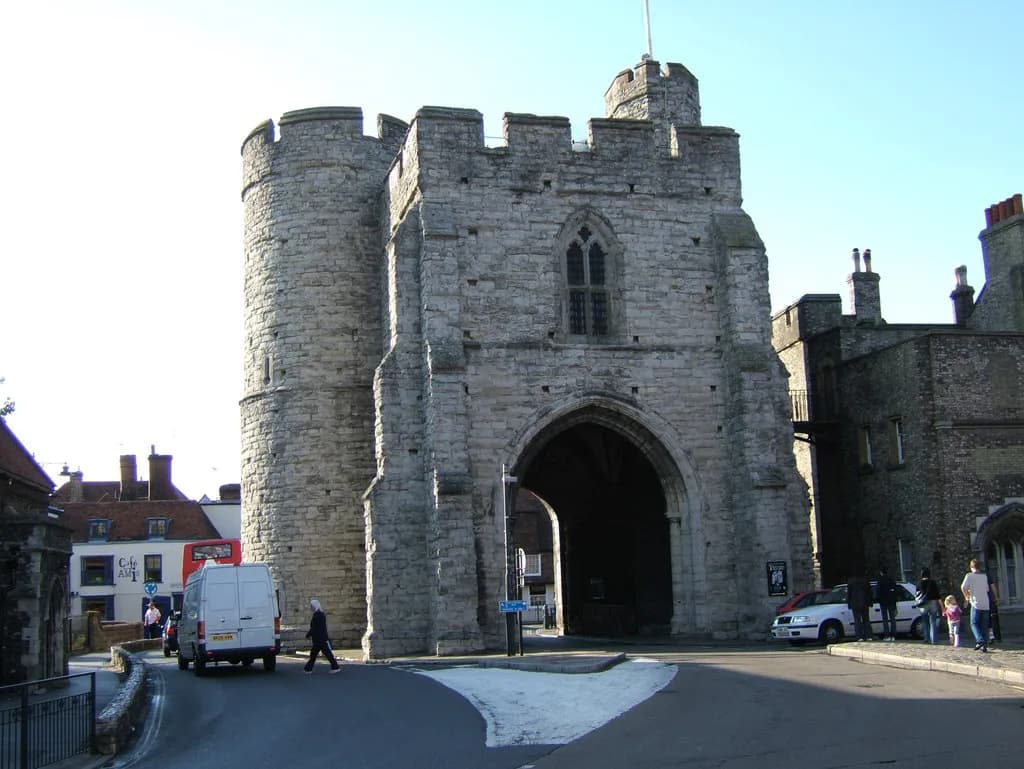
The Westgate Towers mark the old entrance to the city and frame the walk from Canterbury West station down into the High Street. Just beyond the cathedral sits The King's School, the oldest extant school in the UK; you cannot go inside, but the grounds and buildings are visible from outside.
The Old Weavers House, a 16th-century timbered building by the River Stour, is one of Canterbury's most recognisable pieces of architecture and now serves food by the water. Wandering these streets between sights is the point of Canterbury: the medieval centre rewards slow walking rather than a checklist.
Where to Start Your Day: Breakfast Near Canterbury West or East
The two stations are not far apart, but they drop you into different parts of the centre. From Canterbury West, breakfast at The Goods Shed, a farmers' market and eatery next to the station, sets you up before you walk under the Westgate Towers to the High Street. Alternatively, Cafe St Pierre sits at the top of the High Street with French pastries and light breakfast dishes.
Arriving at Canterbury East, Chatterbox is a community cafe with dishes such as red pepper frittatas and vegan pies, or you can walk down Castle Street to Tiny Tim's Tea Room, a quintessential English tea room with a unique and spooky history. Treat the spooky side as local legend rather than fact. For a fuller choice of tea rooms, see afternoon tea in Canterbury.
A Realistic One-Day Order of Play
Start around 10am, then take the cathedral at 11am and give it until about 12.30pm. Lunch by the River Stour follows, with The Old Weavers House for traditional English cooking or El Sol Tapas Bar for something Mediterranean.
The afternoon belongs to The Beaney at 2pm and the Roman Museum at 3pm, then Westgate Gardens at 4pm. That sequence keeps you indoors through the middle of the day and outside when the light softens over the river. Dinner from 6pm, then a show or a bar.
If you would rather build a free day, Westgate Gardens, the streets and the cathedral exterior cost nothing, and the free things to do in Canterbury list shows how far that stretches. Save the paid stops for what genuinely interests you.
Evening in Canterbury: Theatres and Bars in Old Buildings
The Marlowe Theatre runs musicals, opera and live comedy through the year, while the Malthouse Theatre stages local drama, comedy and music. The Visit Canterbury plan slots an evening show at 7pm, leaving time for a drink afterwards.
For a nightcap, The Pound sits next to the Westgate Towers in a converted old police station, where you can drink in a booth built from a jail cell. Houdini's Magic Bar on the High Street pairs cocktails with live magicians, and the Lady Luck draws a local crowd with alternative music.
Theatre schedules and any ticketed magic nights change constantly, so look at each venue's own listings for the dates you are in town rather than relying on a rough plan.
Getting to Canterbury from London and Around
Fast trains from London St Pancras reach the city in about an hour, while slower services run from Victoria. Canterbury has two stations, Canterbury East and Canterbury West, and they are close enough that either works as a starting point.
Driving is easy from much of the south coast, but confirm your hotel has parking before booking, as spaces near the centre are limited. Once you are in, everything in this guide is walkable.
For more ideas across the city, including the wider set of attraction guides, see Canterbury Attractions. If you are weighing up other UK city breaks, our guides to things to do in Birmingham and things to do in Aberdeen follow the same pattern.
Where to Stay: Cathedral Grounds, Westgate Towers or the Marlowe
Canterbury Cathedral Lodge sits within the cathedral grounds, with views over the precinct and a quiet setting that puts the city's main sight on your doorstep. Near the Westgate Towers, The Falstaff Hotel offers rooms a short stroll from the main attractions, and The House of Agnes is a B&B just outside the city walls with themed rooms and a large garden.
The Pilgrim's Hotel near the Marlowe Theatre suits anyone planning an evening show, while The Abode provides a boutique option on the High Street. Match the hotel to your evening plans and book early for weekends.
Common Mistakes: Too Much, Too Fast, No Booking
The biggest error is over-scheduling. The cathedral alone absorbs an hour or more, and the Roman Museum and The Beaney each need a proper look, so a flat list of ten sights will leave you rushing past all of them.
Second is skipping the river. The Stour, Westgate Gardens and the punts are what make Canterbury more than a cathedral visit, and they are the easiest part of the day to leave out. Third is turning up without booking the cathedral or an evening show; book the fixed-time items first and build the rest of the day around them.
Plan Your Visit
Canterbury works because it is small. The cathedral, The Beaney, the Roman Museum, Westgate Gardens and the River Stour all sit within a walkable medieval centre inside Roman walls, so one well-ordered day covers the best of it. Start at the cathedral, work through the museums, and finish by the water.
Book the cathedral and any theatre tickets ahead, match your breakfast stop to your arrival station, and leave room for an unplanned wander down the old streets. Confirm opening hours and prices directly with each venue before you set out.
Explore more Canterbury guides
Frequently Asked Questions
What are the most significant historic sites in Canterbury?
Canterbury Cathedral is the centrepiece, founded in 597 AD and part of a UNESCO World Heritage Site. Add the Roman Museum, built inside a Roman townhouse and home to the UK's only remaining in-situ Roman pavement mosaics, plus the Westgate Towers and the medieval streets within the old walls.
Is one day in Canterbury enough?
One day covers the essentials: the cathedral in the morning, The Beaney and the Roman Museum in the afternoon, then Westgate Gardens and a river walk late in the day. Two days lets you add punting, a theatre show and a slower wander through the old streets.
How do you get to Canterbury from London?
Fast trains run from London St Pancras in roughly an hour, and slower services run from Victoria. The city has two stations, Canterbury East and Canterbury West, which are close together, so either works as a starting point.
What is there to do in Canterbury at night?
Catch a show at the Marlowe Theatre or the Malthouse Theatre, then have a drink at The Pound next to the Westgate Towers, where the booths are converted jail cells. Houdini's Magic Bar on the High Street pairs cocktails with live magicians.
What can you do in Canterbury with kids?
The Beaney House of Art and Knowledge has interactive activities for children alongside its museum and gallery, and the Roman Museum's mosaics and townhouse remains appeal to young history fans. Westgate Gardens, with its ducks and swans along the river, is an easy outdoor stop.
Was Harry Potter filmed in Canterbury?
The cathedral cloisters are often compared to the Hogwarts courtyard, and visitors enjoy the resemblance. Treat that as a likeness rather than a confirmed filming location.
Sources
Notes for your next city break
Optional updates to our UK city guides.
You might also like
Continue reading
More guides you'll find useful