Things to Do in York: Castles, City Walls, Museums and Tea
Plan a York city break with the city walls, York Minster, Clifford's Tower, museums and afternoon tea, plus how long to allow and when to go.
On this page
York fits neatly into a single walkable day: the city walls, York Minster, Clifford's Tower, a cluster of museums and the Shambles all sit within a compact medieval centre. The trade-off is that the centre is small and popular, so the same route feels calm at 9am and crowded at 1pm. Shops and attractions sit close enough that you spend your time looking rather than travelling.
Decide first whether York is a day trip or an overnight stop. Trains from London King's Cross reach the city in under two hours, which makes a long day out feasible, but staying the night lets you see the Shambles and the Minster in evening light once the day visitors have gone. The rail fare is the variable that decides most budgets.
Things to do in York at a glance: the historic core in one walkable day
Start at Bootham Bar, walk the walls towards the Minster, drop into Museum Gardens, then cross to Clifford's Tower and the Shambles. That loop covers the headline sights without any buses, and almost everything is within a twenty-minute walk. Leave the museums for the middle of the day, when the streets are busiest.
Sort your list into free and paid stops before you go. The walls, Museum Gardens and the medieval streets cost nothing, while the Minster, Clifford's Tower, the Jorvik Viking Centre and the gallery charge admission. Splitting the two makes it obvious where a day's budget actually goes.
If rain is forecast, keep a wet-weather plan ready: the Jorvik Viking Centre and the gallery both sit indoors, and there is plenty more indoor activities to fall back on, from the castle museum to themed attractions. York rewards a flexible order rather than a fixed timetable.
Walk the city walls from Bootham Bar towards the Minster
The city walls trace back to Roman foundations in the 3rd century and were strengthened through the medieval period, and long stretches still stand. The walk gives you rooftop-level views over the Minster and the Georgian houses below. It is the best free introduction to the city's shape.
The walls are open from 8:30am to 6pm daily, so an early start is the way to get them almost to yourself. The surface is uneven, there are steps at the bars and gates, and the parapet is low in places — not a route for prams or anyone unsteady on their feet.
The stretch behind the Minster, looking over the garden of Gray's Court, is the most photographed section. Treasurer's House, a National Trust Georgian house museum, sits nearby and makes a natural add-on if you want an interior to break up the walk.
York Minster: what to see inside and why you should book ahead
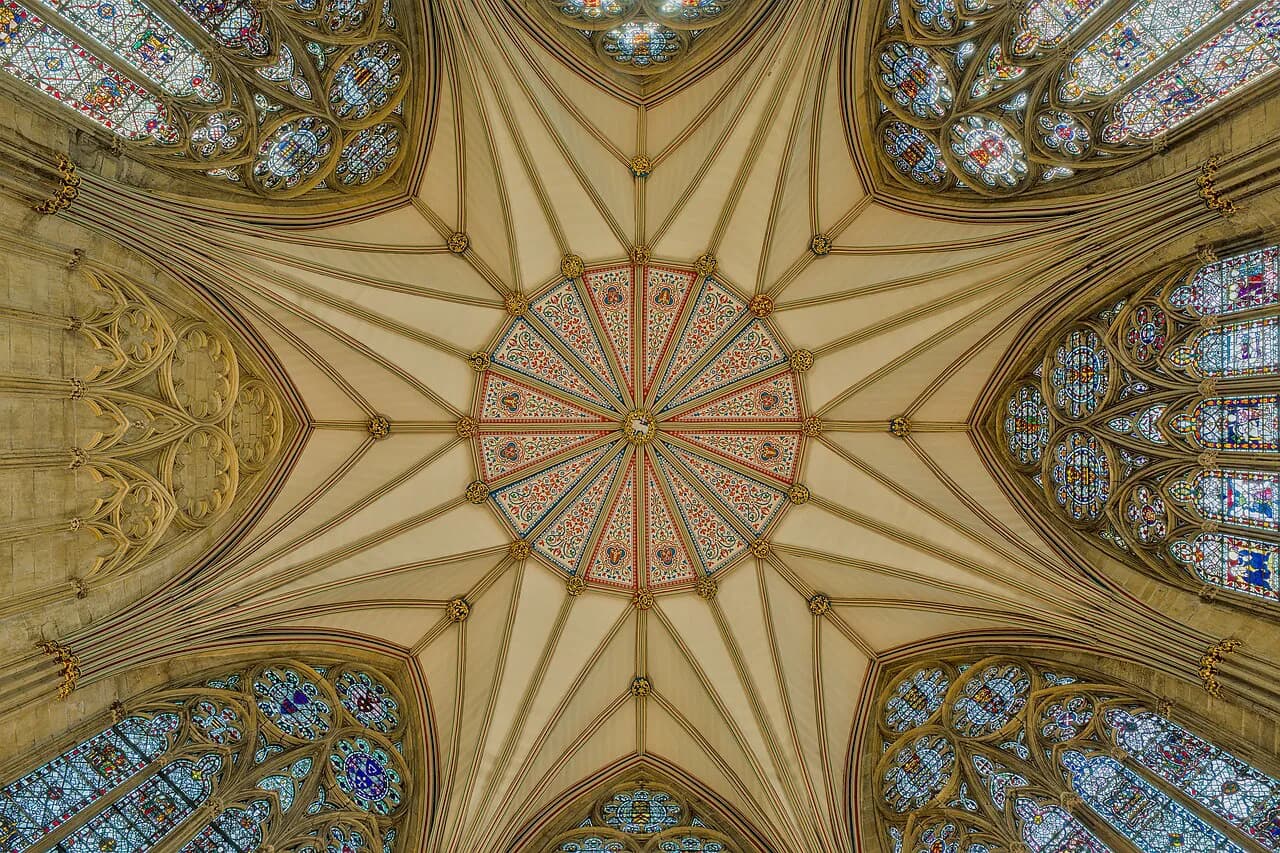
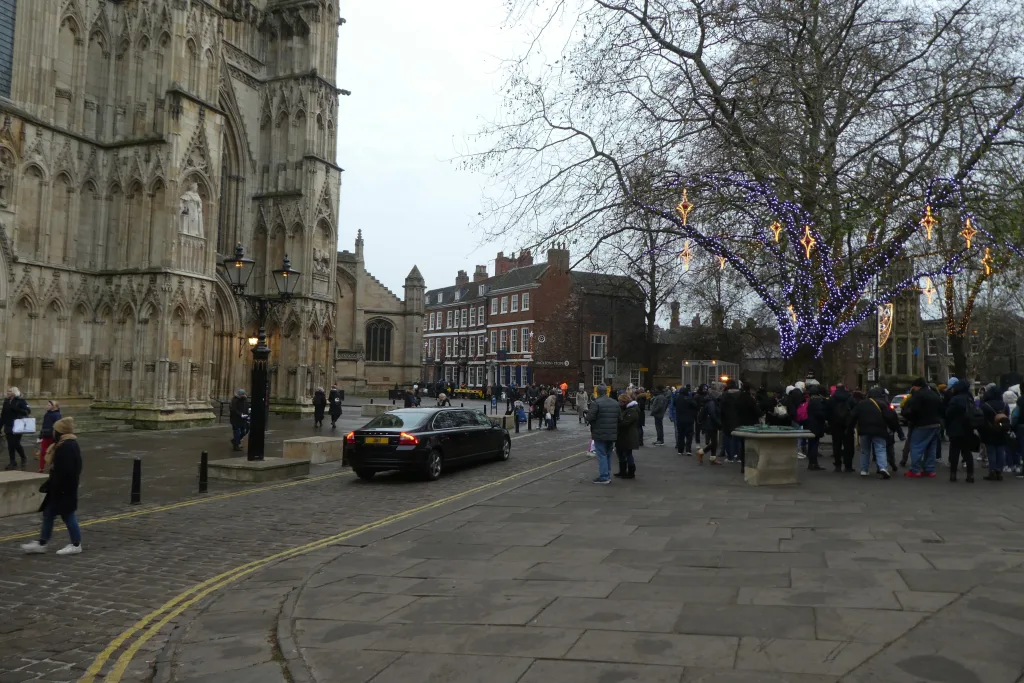
York Minster is the enormous Gothic cathedral visible from almost every point in the city, and its carved west front is worth studying from the outside before you pay to go in. Inside, the scale of the nave and the stained glass are the draw. Allow an hour at least, more if you join a tour or climb the tower.
The Minster draws steady traffic through opening hours, so book cathedral entry for a slot rather than turning up at midday in summer. Late afternoon light on the facade is the photographer's slot; the interior is the cooler, quieter option when the streets outside are packed.
If your trip runs to more than a day, slot the Minster into a wider itinerary rather than rushing it between other stops. The cathedral rewards unhurried time.
Clifford's Tower and the castle mound: steps, views and a short but steep stop
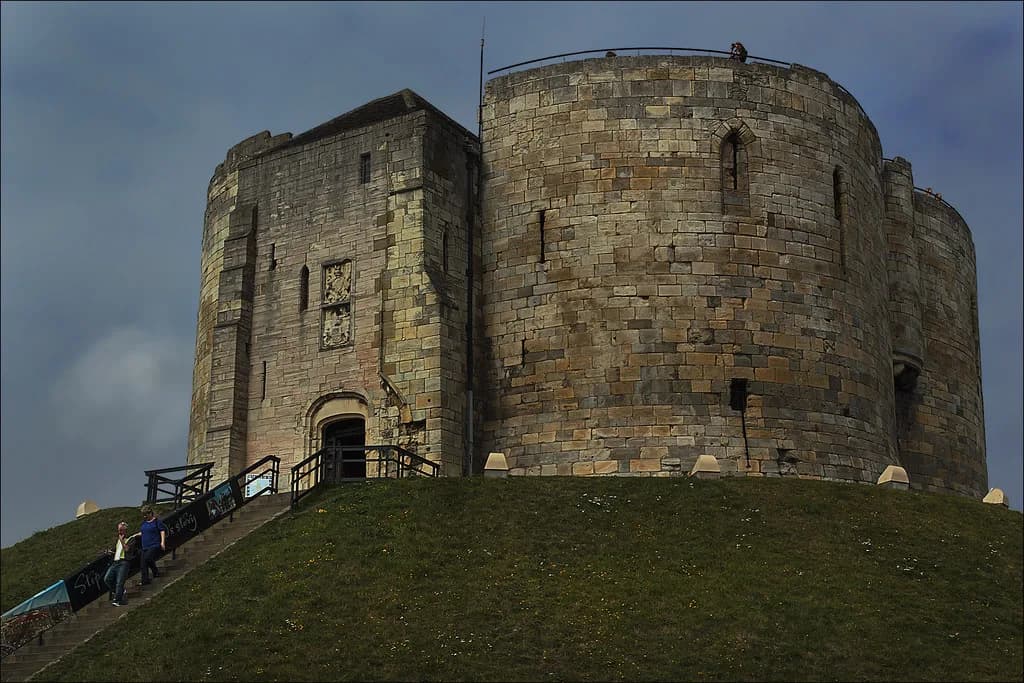
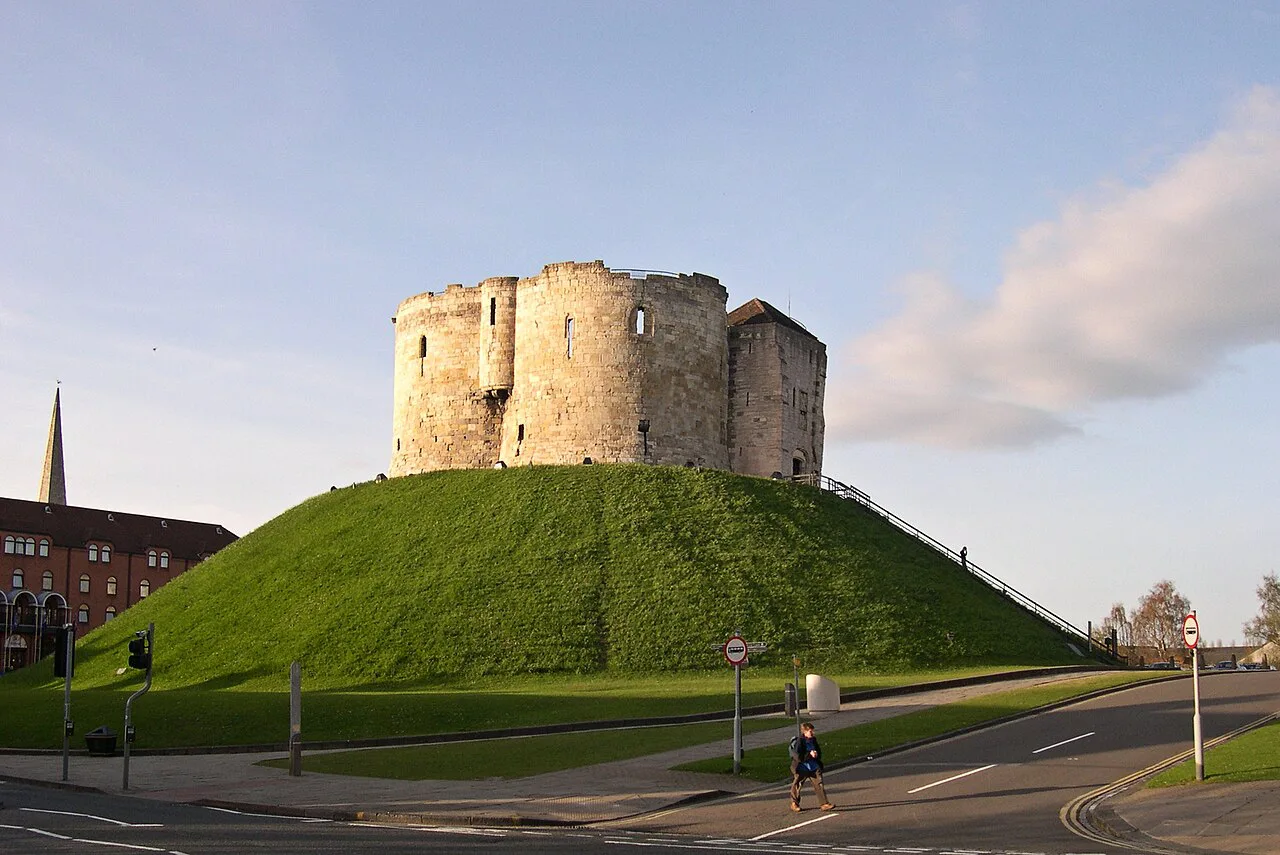
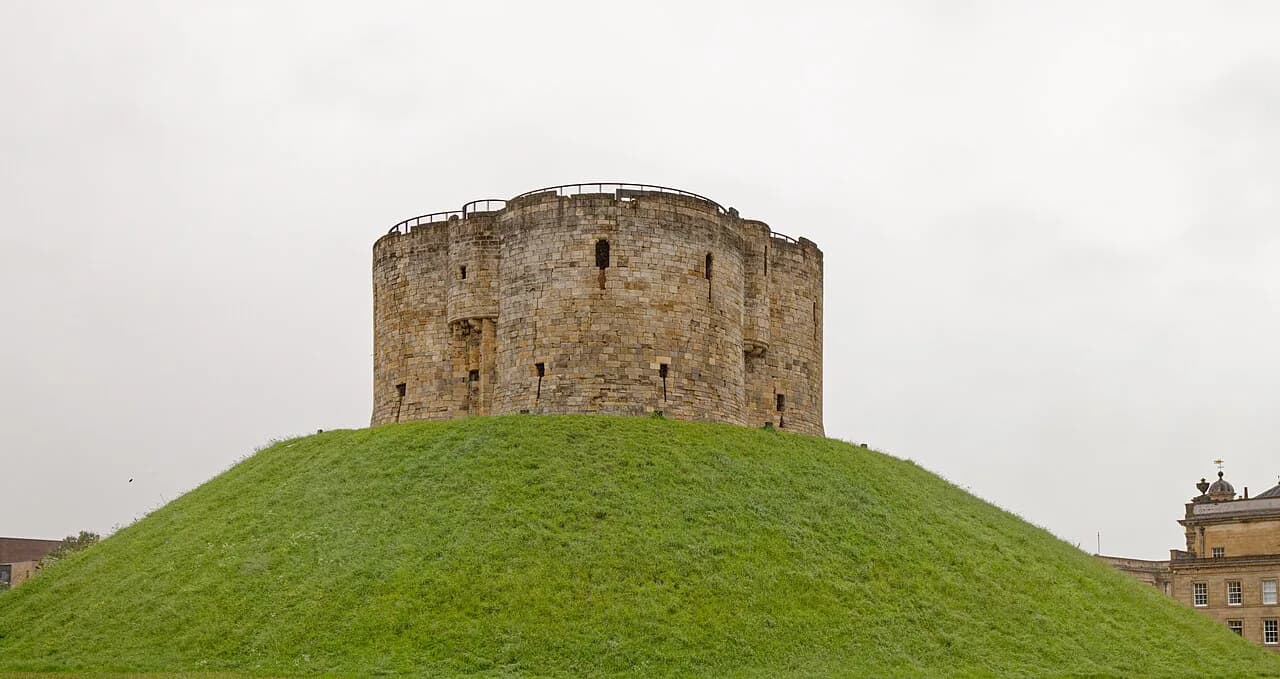
Clifford's Tower sits on a grassy mound beside the river, a short walk from the Shambles. The climb is brief but genuinely steep, and the reward is a rooftop view back over the city. Budget half an hour, not a whole morning.
This is a paid English Heritage site, so it belongs on the ticketed side of your list rather than the free one. Combine it with a walk along the riverbank and the streets around the castle area.
Jorvik Viking Centre: what the ride-style attraction adds on a wet day
The Jorvik Viking Centre puts Viking York across through a ride-style reconstruction rather than glass cases, which makes it the obvious pick when the weather turns. It suits families and anyone who wants archaeology served with atmosphere instead of labels. Give it about an hour.
It is a ticketed attraction and a popular one, so book a time slot for busy weekends rather than queueing on spec. Pair it with the Shambles nearby and you have a compact wet-weather block.
Museum Gardens: Yorkshire Museum and York Art Gallery in one stop
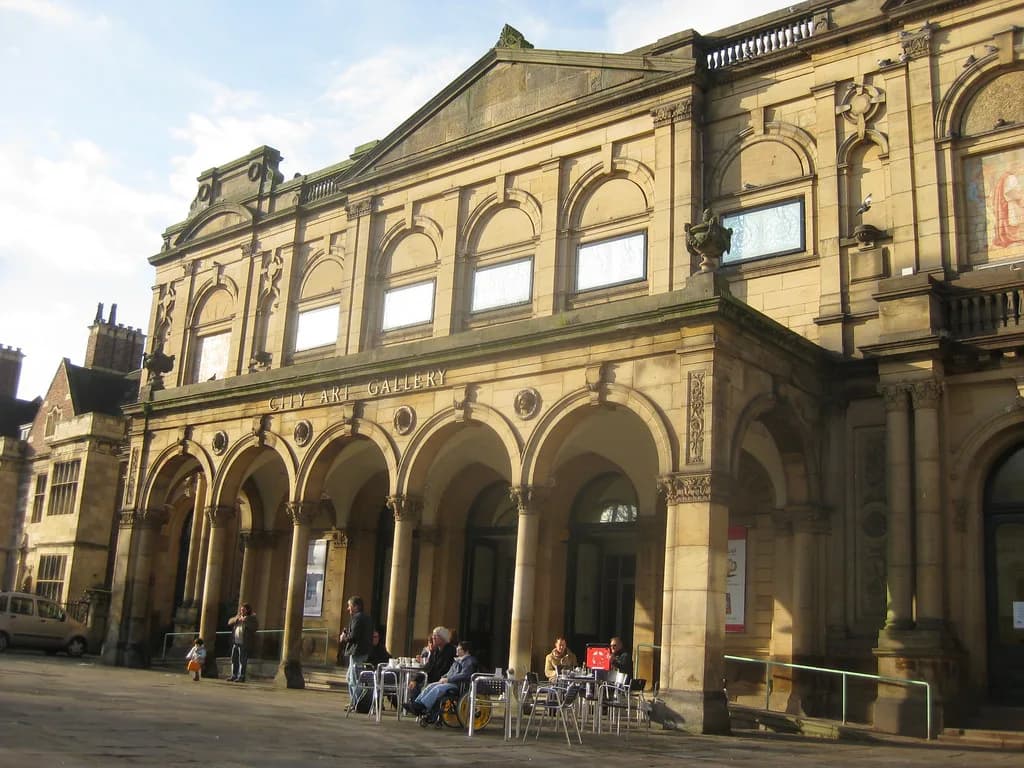
Museum Gardens combines flower beds, abbey ruins and two museums in one green space just beyond the Minster. The Yorkshire Museum holds regional archaeology, while the art gallery next door shows paintings and ceramics across historic and contemporary work. You can see both in an afternoon without leaving the gardens.
The gardens themselves are free and a good place to sit with a sandwich between museum visits. If you are travelling with children, the open space is a useful release valve after an indoor morning.
York Art Gallery: the small collection worth an hour and its ticket price
York Art Gallery is modest in size but well put together, mixing historic and contemporary pieces in combinations that keep you looking. An hour covers it comfortably. It is a sensible stop when you want art without committing a whole morning.
Admission was normally £8 at the time of writing, and some art passes cover entry, so check the current ticket price and any pass scheme before you go. That makes it a modest paid stop rather than a major expense.
If you are weighing up several collections, decide between the gallery, the castle museum and the railway museum before you arrive. York's museum spread is wide enough that you cannot do them all in a day.
Fairfax House: a Georgian townhouse for interiors and a quieter hour
Fairfax House is a Georgian townhouse from the mid-18th century, showing the elegant interiors of the period. It suits anyone who likes house museums and interior design, and it is a good way to escape the crowds on the main streets.
It features on local itineraries as a quieter alternative to the headline sights, and it fits neatly into an afternoon between the Shambles and the Minster. Check its opening days before building a day around it.
The Shambles and the medieval streets: when to go to avoid the crush
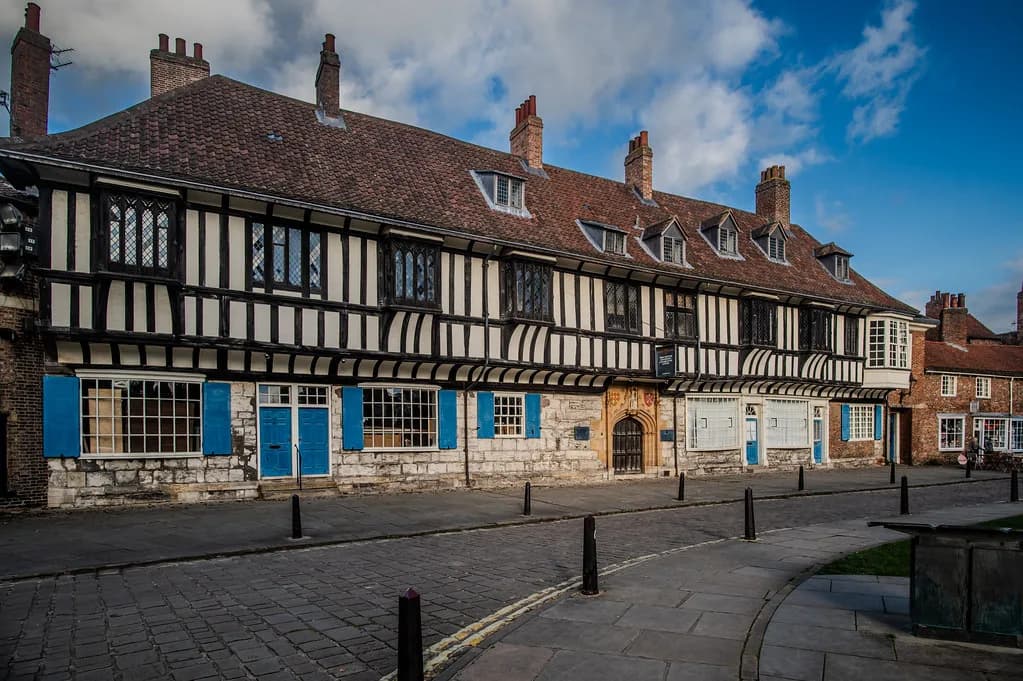
The Shambles is York's most famous street: a narrow run of overhanging timber-framed buildings that has become the city's signature photograph. Its likeness to Diagon Alley is unofficial, and the wizard-themed shops along it lean into that connection rather than reflecting real history. Treat the theme as fun, not as heritage.
Because the street is so narrow, it clogs quickly during shopping hours. Go early in the morning or after about 8pm in summer, when the light is golden and the crowds have thinned. Those are the hours for photographs and for actually seeing the buildings.
For lunch, Shambles Market offers variety with little fuss, and there are street food alternatives nearby if the market is too busy. It is the practical stop rather than the destination.
Afternoon tea and scones: Betty's Café Tea Rooms and Parlormade Scone House
Betty's Café Tea Rooms is the Yorkshire institution for afternoon tea, known for fat rascals and fruit scones with cherry eyes. There is usually a queue for the café, but a separate takeaway entrance at the side lets you grab a cake without waiting for a table. That is the workaround worth knowing.
Parlormade Scone House on the Shambles serves homemade scones in flavours from blueberry and lemon to cherry and lime, up several flights of narrow, creaky stairs in a tiny room overlooking the market. It is a breakfast stop as much as a tea stop, and early morning is the quieter time on that street.
Book ahead for a proper sit-down afternoon tea, especially at weekends, and treat the takeaway counters as the spontaneous option.
Free things to do in York: walls, gardens and streets that cost nothing
The walls, Museum Gardens and the medieval streets cost nothing, which is why York works well on a tight budget. Add the free national museums and you can fill a day without buying a single ticket.
The National Railway Museum is the standout free stop in the city, and it is a serious collection rather than a filler. It sits a short walk from the station and the Minster, which makes it easy to slot in.
Beyond the centre, Rowntree Park offers a green pause by the river. It is the kind of stop that makes a two-day visit feel less rushed.
Getting to York and getting around: train times, walking distances and cabs
LNER trains from London King's Cross reach York in about 1 hour 46 minutes, which puts the city within day-trip range. Book well in advance: fares rise sharply closer to the date, and railcards cut the price further. One traveller reported singles of about £21 with a railcard and roughly £30 without, so treat those as history rather than current fares and check the price for your dates.
Once there, walk. The centre is small and everything in this guide sits within a twenty-minute walk, though you should expect a lot of steps over a full day. A cab across the city is an option when you have luggage or tired legs.
A river trip is a pleasant way to rest your feet between sights.
How long you need: one day, a weekend or an overnight stop
One day covers the walls, the Minster, the Shambles and one museum at a relaxed pace. Two days lets you add Clifford's Tower, the Jorvik Viking Centre and a proper afternoon tea without sprinting between them.
An overnight stop works well as a break in a longer rail journey north, giving you an evening in the quiet streets and a morning before the crowds arrive. That overnight structure is what turns a rushed day into a comfortable one.
York in autumn, winter and summer: crowds, light and long evenings
Summer brings the long evenings that make York special: between about 8pm and 9:30pm the streets empty and the light turns golden, which is when the Shambles and the Minster look their best. The trade-off is daytime crowds.
Autumn and winter suit the city's spookier mood, with the walls framed by autumn foliage and fewer visitors on weekdays. If you want to avoid the crush, visit midweek rather than at the weekend.
Worth booking ahead: trains, tea rooms and cathedral entry
Book trains first, since fares are the biggest variable and rise with proximity to the date. Next, book timed entry for the Minster and the Jorvik Viking Centre, then reserve afternoon tea if you want a table rather than a takeaway box.
A railcard pays for itself quickly if you plan more than one UK rail trip, and it applies to York fares. Weekday travel avoids the heaviest crowds and often the highest prices.
Common mistakes: weekend crowds, closed days and steps on the walls
The most common error is arriving at the Shambles at midday on a Saturday; the street is narrow and jams solid. The second is assuming the walls are step-free — they are not, and the bars and gates involve stairs.
Check opening days for the smaller sites such as Fairfax House before you plan around them, and keep your museum choices to two rather than trying to tick off every collection. York rewards a short list done well.
If you are comparing cathedral cities, York's compact centre is easier to cross on foot than many, and the walls give it an edge for a day out. If you are weighing up another stop on the same trip, our guide to things to do in Birmingham covers that city's museums, canal towpaths and centre.
Plan Your Visit
Build your day around the walls in the morning, the Minster and a museum in the middle of it, then the Shambles after the crowds thin. Book the train and any timed entry first, and leave afternoon tea as the flexible stop.
If you have a second day, add Clifford's Tower, the Jorvik Viking Centre and a river trip, or simply slow down and let the medieval streets do the work.
Explore more York guides
Frequently Asked Questions
What is there to do in York in one day?
Walk the city walls from Bootham Bar, see York Minster, cross to Clifford's Tower and the Shambles, and pick one museum such as the Yorkshire Museum or York Art Gallery. Museum Gardens makes a good picnic stop between them.
How much time do I need in York?
One day covers the walls, the Minster, the Shambles and one or two museums. Two days lets you add the Jorvik Viking Centre, Clifford's Tower and a proper afternoon tea without rushing.
What are the best free things to do in York?
The city walls, Museum Gardens and the medieval streets cost nothing, and the National Railway Museum is free. These alone fill a day without a ticket.
Where can you get afternoon tea in York?
Betty's Café Tea Rooms is the classic choice, with a takeaway entrance to skip the queue for cakes. Parlormade Scone House on the Shambles serves homemade scones in a tiny room up narrow stairs.
Is York worth visiting for a day from London?
Yes. Trains from London King's Cross take about 1 hour 46 minutes, so a long day out works if you book early for a reasonable fare. Staying overnight gives you the quiet evening streets.
Is the Shambles connected to Harry Potter?
Only by unofficial likeness. The overhanging timber-framed street resembles Diagon Alley, and the wizard-themed shops lean into that, but there is no official connection.
When is the quietest time to see the Shambles?
Early morning before the shops open, or after about 8pm in summer when the crowds have gone and the light is golden. Weekday visits are calmer than weekends.
Sources
Notes for your next city break
Optional updates to our UK city guides.
You might also like

Continue reading
More guides you'll find useful