
Kirkstall Abbey: A Visitor's Guide to Leeds' Cistercian Ruins

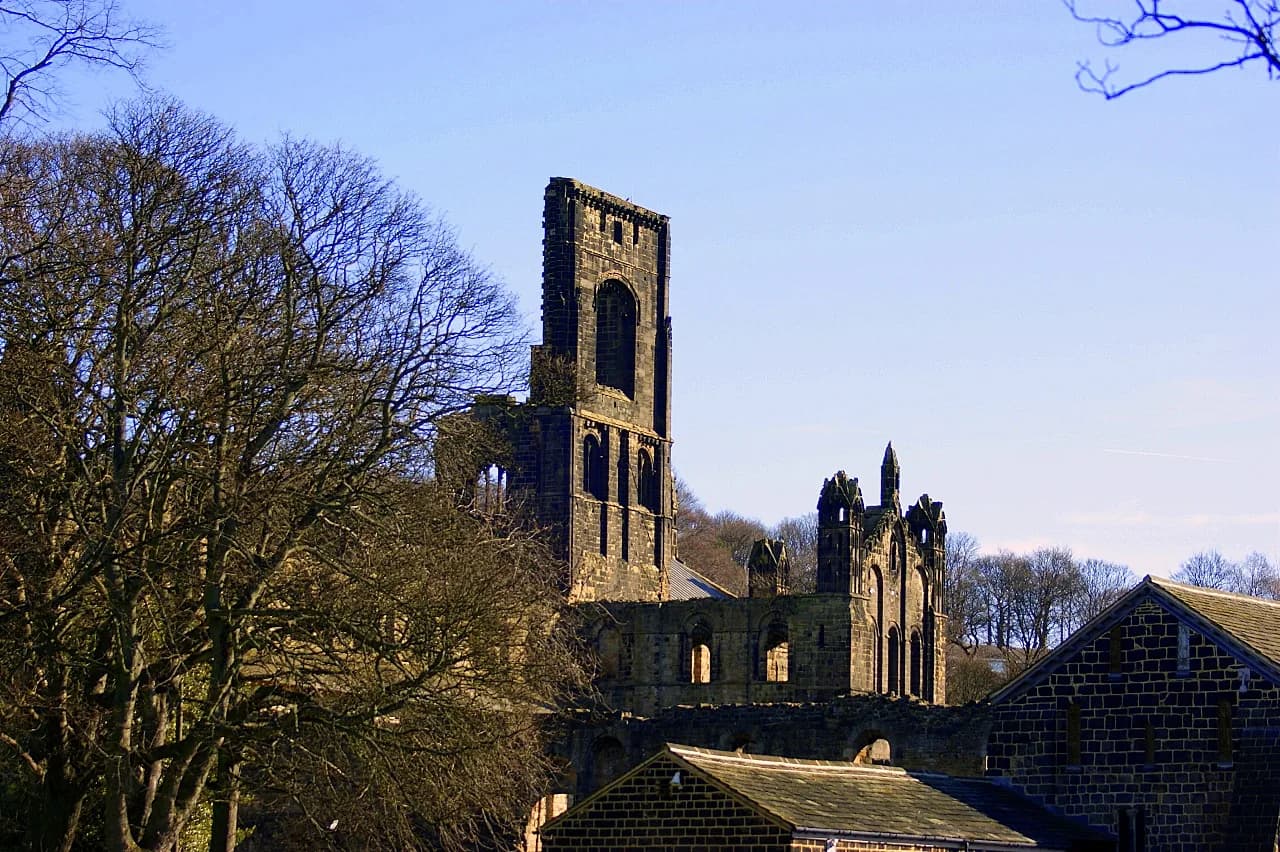
Kirkstall Abbey is the shell of a Cistercian monastery standing about three miles from the centre of Leeds, beside the River Aire. Leeds City Council owns the ruins, which visitors walk through as an open, outdoor site rather than a roofed museum. The appeal is the scale of the surviving church and claustral buildings, the riverside setting and the road that slices straight through the medieval precinct.
Plan on a half day rather than an hour. The ruins reward slow wandering, and the surrounding area gives you a second stop if the weather turns.
Where Kirkstall Abbey Stands
The abbey sits on the outskirts of Leeds, roughly three miles from the city centre, and the site is bisected by the A65 Kirkstall Road. That split is worth knowing before you arrive: the precinct is not one tidy enclosure but two halves separated by a busy arterial road, so you will cross between them during your visit.
The River Aire bounds the abbey to the south and was the monastic community's transport route, carrying quarried stone to a wooden jetty whose remains were excavated in the 1950s. Hawksworth Wood once stood to the west, providing shelter, fuel and building materials.
The setting has changed out of all recognition. Until the mid-eighteenth century the abbey stood in open countryside, and in the late eighteenth and early nineteenth centuries the main thoroughfare into Leeds actually ran through the nave of the church. Keep that in mind as you stand in the nave today, with traffic noise from Kirkstall Road in the background.
A Short History of the Abbey
Kirkstall was a Cistercian house, one of a cluster of Yorkshire abbeys founded by the order, and Alexander, its first abbot, completed the initial building work. He was careful about the estate's woodland at Hawksworth and wanted it preserved rather than stripped for timber, which is a useful detail to hold onto when you look at how the buildings relate to the land around them.
The monastery was dissolved in 1539, and the ruins have drawn artists and poets ever since. Water management shaped the whole layout: springs and streams above the abbey fed channels used for drainage, washing, cooking, machinery and liturgy, and a millpond stood where the car park and sports pitches are now.
What to See Inside the Ruins
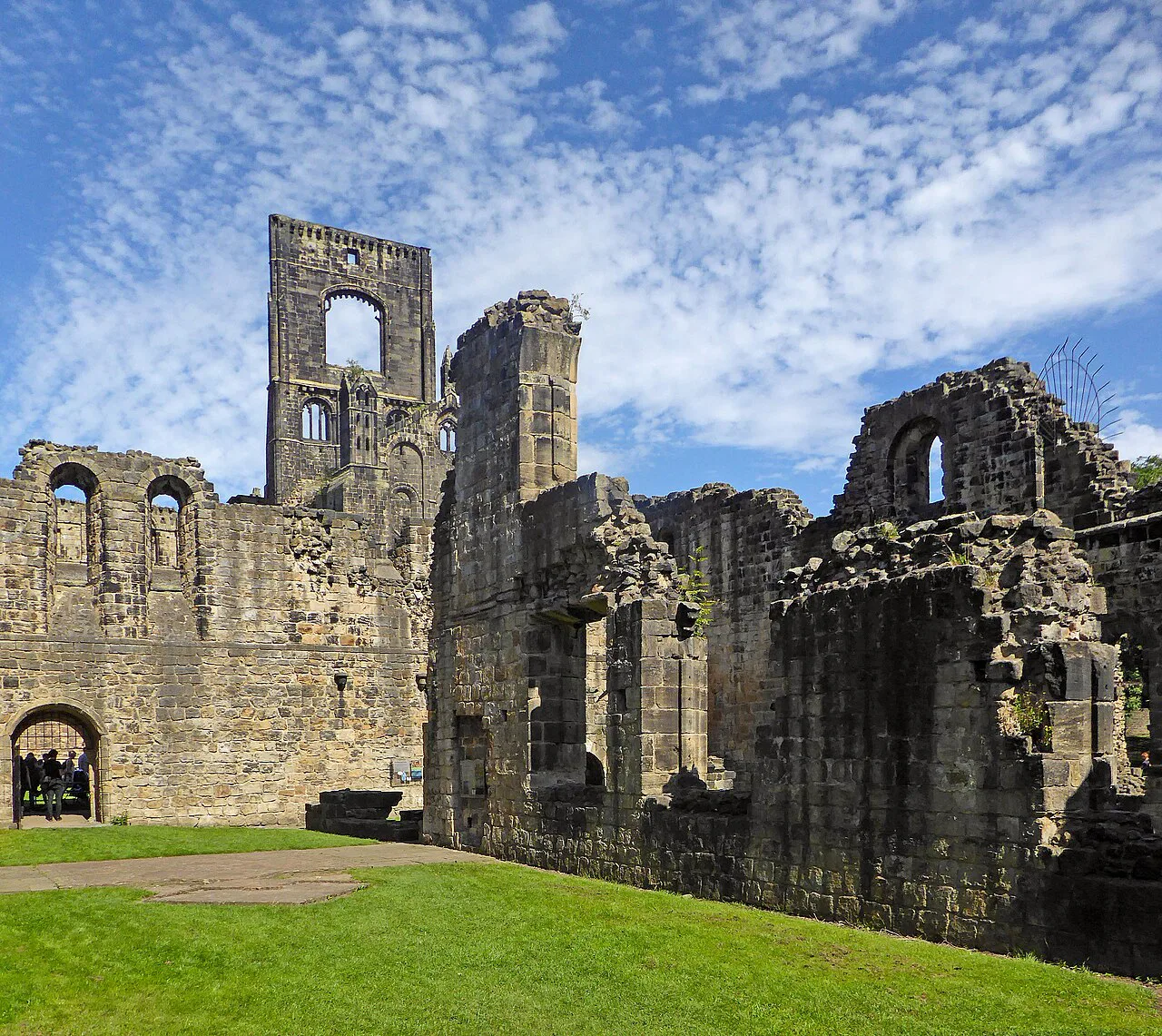
The church and its nave are the first thing most visitors head for, and they set the scale for everything else. From there the claustral buildings unfold: the cloister, the chapter house where the community met, the refectory, the warming house and the lay brothers' range. Walk the circuit in that order and the plan of monastic life becomes legible.
Look for the waterworks as much as the walls. The channels and the lost millpond explain why the site was chosen, and the River Aire's role as a transport route ties the abbey to the stone trade that built it.
The gatehouse now serves as the abbey museum, and it is the one roofed space on the visit. Treat it as a pause in an otherwise outdoor day rather than the main event.
Legends and Ghost Stories
Kirkstall has a ghost tradition, and it is worth telling as legend rather than fact. In the nineteenth century the local newspaper reported ghostly apparitions in the nave, with one witness describing a funeral procession of sombre men dressed in white moving slowly down the church. More recently, staff and visitors have claimed to see a former abbot of Kirkstall walking around the old gatehouse.
These are stories attached to a very atmospheric ruin, not established events. They are good fun to repeat as you walk the nave at dusk, provided everyone knows the difference.

How Long to Allow
Give the abbey a good two hours if you want to read the site properly, and longer if you are combining it with the gatehouse museum. The ruins are spread out and the ground is uneven, so a rushed circuit misses the point.
Pace yourself around the weather. This is an outdoor site with little shelter beyond the museum, so a dry forecast matters more here than at a roofed attraction.
Getting There from Leeds
The abbey lies on the A65 Kirkstall Road, about three miles out from the city centre, which puts it within reach of a bus along that corridor or a drive. The road bisects the precinct, so check which side your stop or parking serves before setting off.
The riverside position makes it a natural endpoint for a walk along the Aire from the city, and the abbey's setting beside the water is part of the visit rather than just the route to it.
Tickets, Opening Hours and Booking
Kirkstall Abbey is owned by Leeds City Council, and the council's Kirkstall Abbey website carries the visiting details, facilities and opening times. Admission arrangements, seasonal hours and any charges belong there rather than in a guide that cannot keep pace with them.
Check before you travel, especially out of season. If you are building a day around the abbey, confirm the site is open on your date first and then plan the rest of the itinerary around it.
Nearby in Leeds
The abbey sits in a city with a strong set of free and paid attractions, so it works well as one half of a day. The Royal Armouries Museum occupies a striking building by the waterfront in the city centre, and it pairs naturally with a riverside walk out to Kirkstall. If you would rather spend the other half indoors and free, our guide to museums in Leeds covers the city's options and how long to allow.
For a country-house contrast, Temple Newsam lies to the east of the city and combines a historic house with acres of parkland, which suits a different kind of day from the abbey's open ruins. If you would rather make a leisurely occasion of it, afternoon tea in Leeds is the other classic way to spend an afternoon in the city.
If you are weighing up which of the city's sights deserve your time, our guide to Leeds Attractions: 8 Visitor Guides sets out the full spread, from museums to parks and ruined abbeys.

Practical Trade-offs
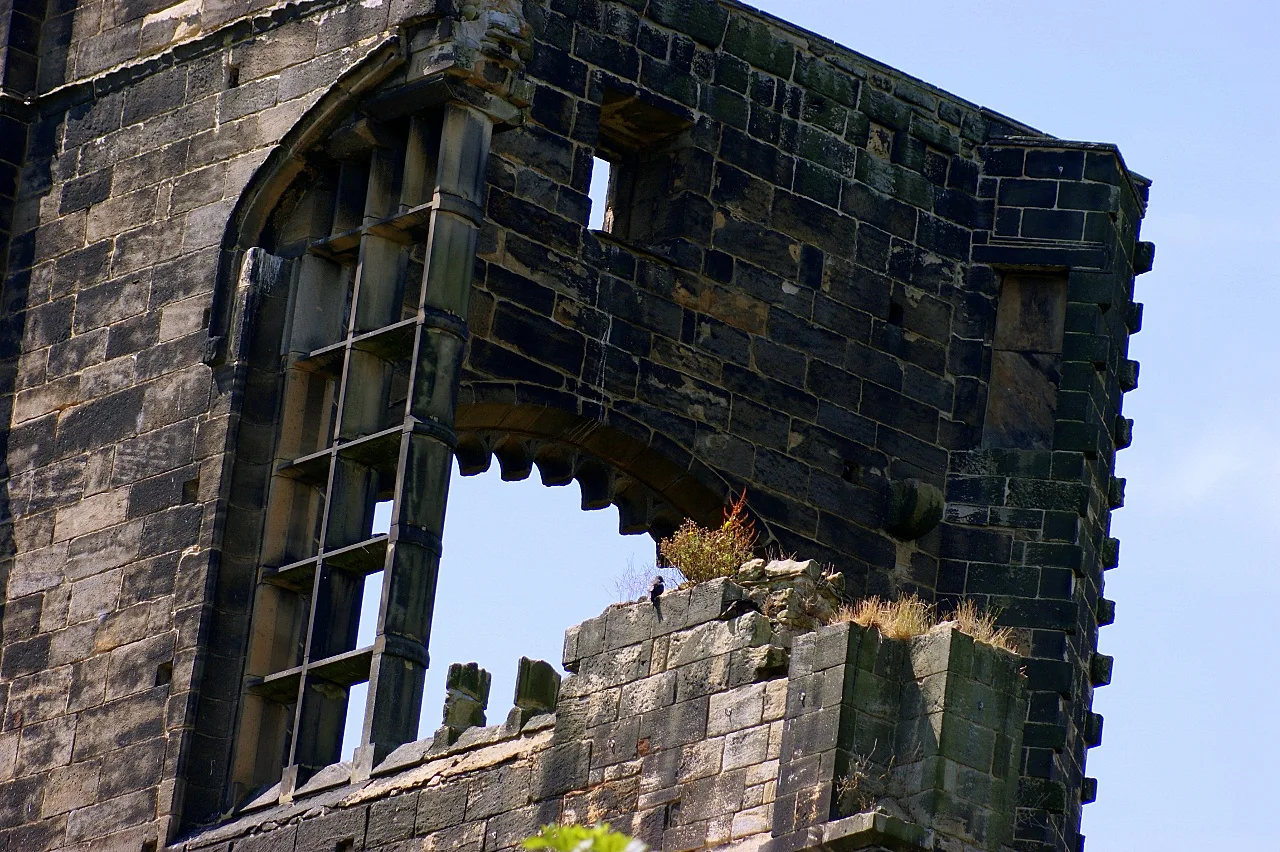
The abbey is an outdoor ruin, so the experience depends on the weather and on shoes that cope with uneven ground. There are steps and broken surfaces to negotiate, and the split precinct means crossing a main road partway through the visit.
The compensation is atmosphere and space. Rather than queuing past display cases, you get a whole monastic plan to walk through at your own pace, with the river at the southern edge and the ghost stories for company.
Who Kirkstall Abbey Suits
History lovers get the most from it, because the surviving plan rewards anyone who knows what a chapter house or a lay brothers' range was for. Families will find the ruins good for exploring, though the outdoor setting and uneven ground need supervising.
Walkers and anyone wanting a half-day out from Leeds should treat it as a destination in its own right rather than a quick stop. Combine it with a city-centre museum and you have a full, varied day without leaving Leeds; our guide to museums in Leeds shows which free options sit closest to the bus corridor out to Kirkstall.
Plan Your Visit
Kirkstall Abbey delivers a proper ruined-monastery experience on the edge of Leeds: a Cistercian plan to walk through, a riverside setting and a road running where the precinct once stood whole. Allow a couple of hours, wear sturdy shoes and go prepared for the weather.
Confirm opening times and visiting arrangements on the Leeds City Council site before you set out, then build the rest of your day around it.
Explore more Leeds guides
Frequently Asked Questions
Do you have to pay to go into Kirkstall Abbey?
Admission arrangements are set by Leeds City Council, which owns the abbey, and published on the council's Kirkstall Abbey website along with facilities and opening times. Check there for the current position before you travel, as arrangements can change by season.
How far is Kirkstall Abbey from Leeds city centre?
The ruins stand roughly three miles from the centre of Leeds, on the outskirts of the city beside the River Aire. The A65 Kirkstall Road runs through the precinct, so the site is split by a main road.
What is the history of Kirkstall Abbey?
Kirkstall was a Cistercian monastery whose first abbot, Alexander, completed the initial building work, and it was dissolved in 1539. The ruins later attracted artists and poets, and for a period the main road into Leeds ran through the nave of the church.
How long does it take to visit Kirkstall Abbey?
Allow around two hours to walk the ruins properly, and a little longer if you also visit the gatehouse museum. The site is spread out and the ground uneven, so a hurried circuit misses much of the monastic plan.
Is Kirkstall Abbey haunted?
There is a long tradition of ghost stories attached to the abbey. In the nineteenth century a local newspaper reported apparitions in the nave, including a funeral procession in white, while staff and visitors have since reported an abbot near the gatehouse. These are legends, not established facts.
What is there to see inside the ruins?
The church and nave, the cloister, the chapter house, the refectory, the warming house and the lay brothers' range are the main surviving elements. The gatehouse now houses the abbey museum, and the site's water channels and lost millpond explain how the monastery worked.
How do you get to Kirkstall Abbey from Leeds?
The abbey lies on the A65 Kirkstall Road, about three miles from the city centre, which puts it within reach of buses along that corridor or a car. The River Aire also makes a riverside walk from the city a natural approach.