
Royal Armouries Museum, Leeds: A Visitor Guide

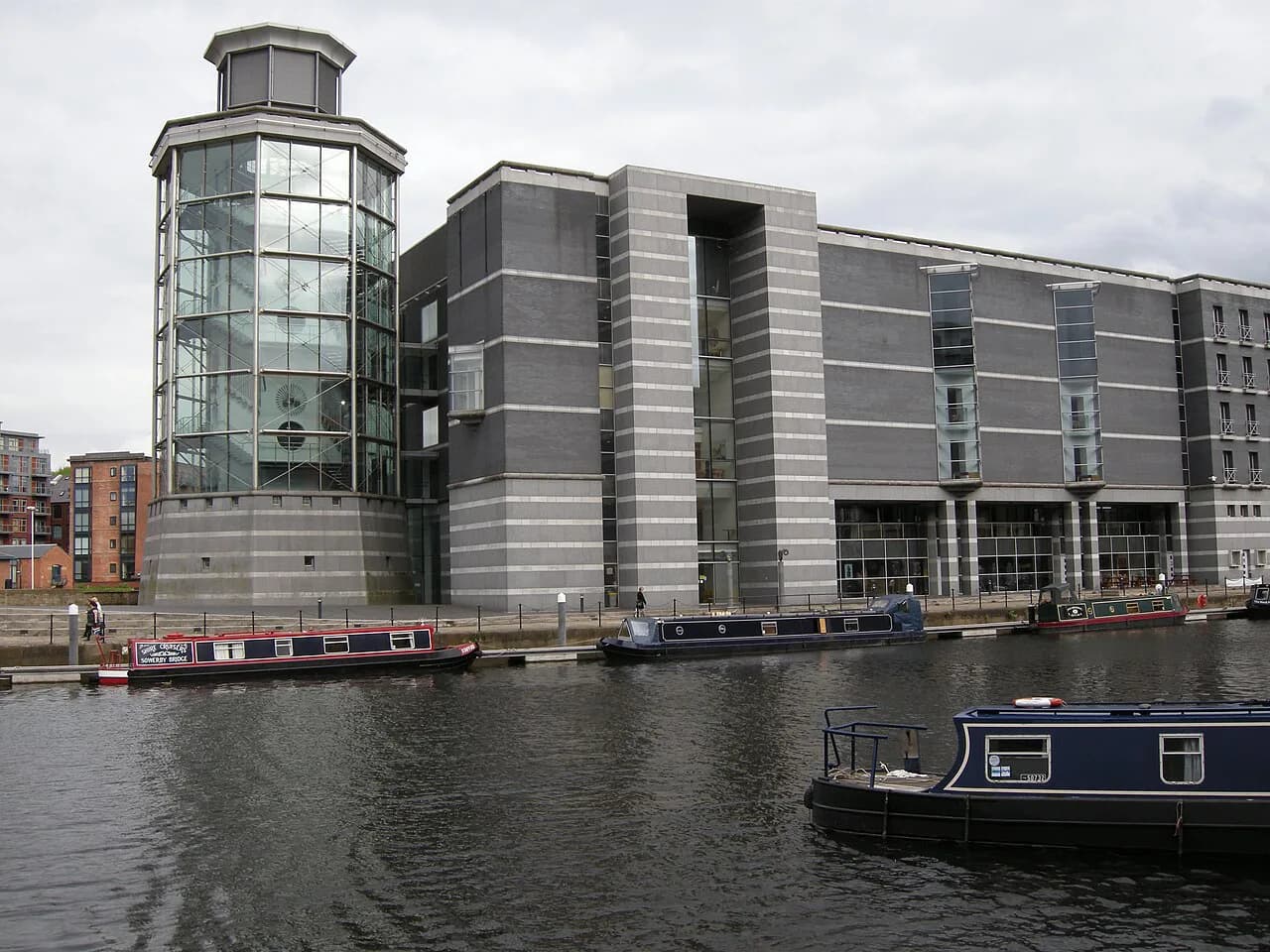
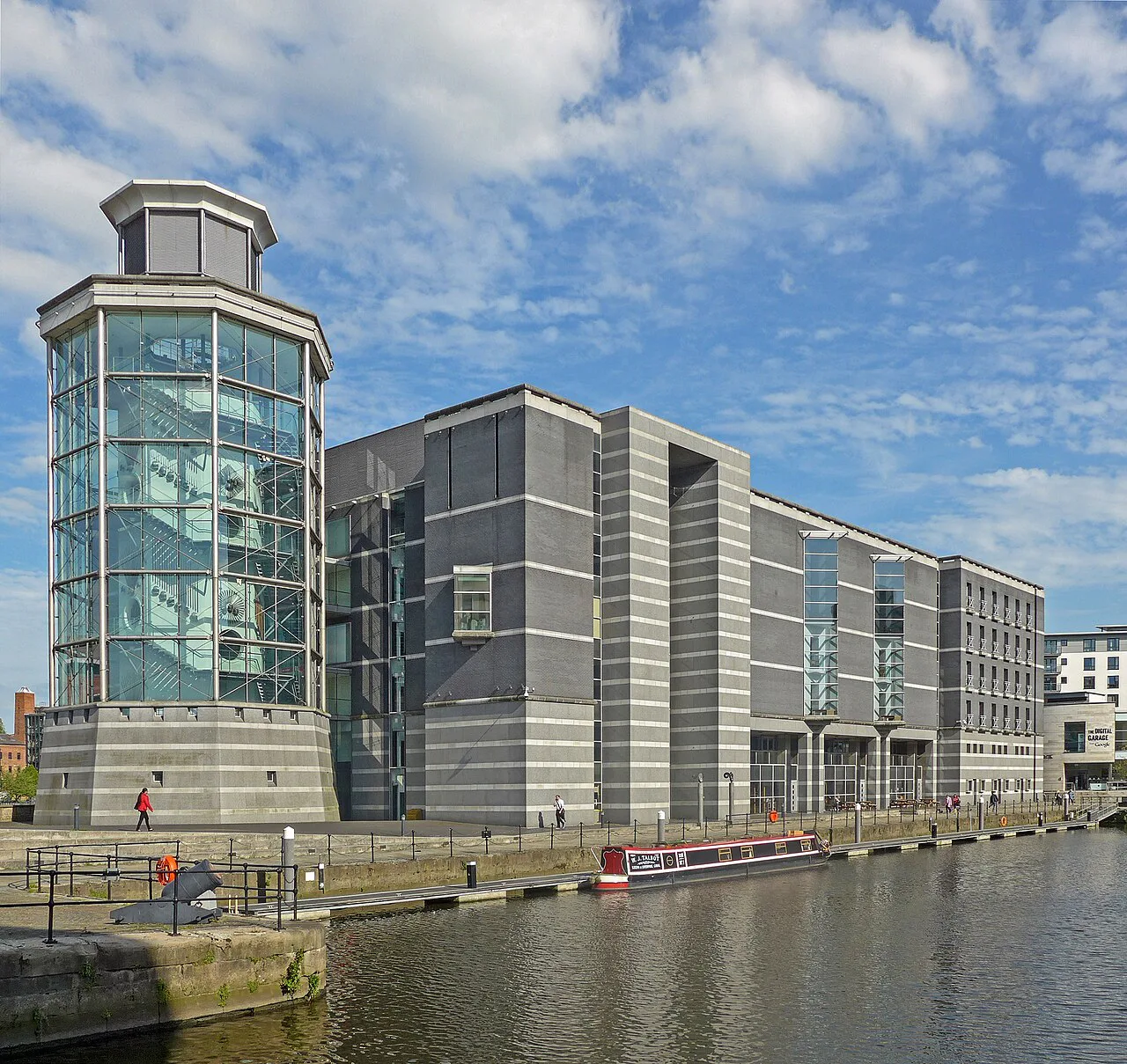
The Royal Armouries Museum in Leeds is the northern home of the UK's national museum of arms and armour, and it is the reason to walk south-east to Leeds Dock rather than stay in the shopping streets. Its collection runs from early medieval knights to the modern soldier, with objects from Europe, Asia and the Americas. It sits on Armouries Drive, Leeds LS10 1LT, on the waterfront, and gives a Leeds break of two to four hours that feels nothing like a city-centre gallery.
This is a single-place guide: what the museum is, what to see floor by floor, how to get there, how long to allow and what to do around Leeds Dock afterwards. Other Leeds sights, castles and country houses are covered separately in the wider Leeds Attractions collection, so you can slot this visit into a longer trip without turning it into a city itinerary.
What the Royal Armouries Museum Is
The Royal Armouries is the UK's national museum of arms and armour, and it works across three sites: Leeds, Fort Nelson near Portsmouth, and the White Tower at the Tower of London. Leeds holds the bulk of the display space, with the national collection spread over five floors of a purpose-built waterfront building. Knowing that structure helps you pace the visit, because central London visitors who have seen the White Tower have only seen a fraction of the whole collection.
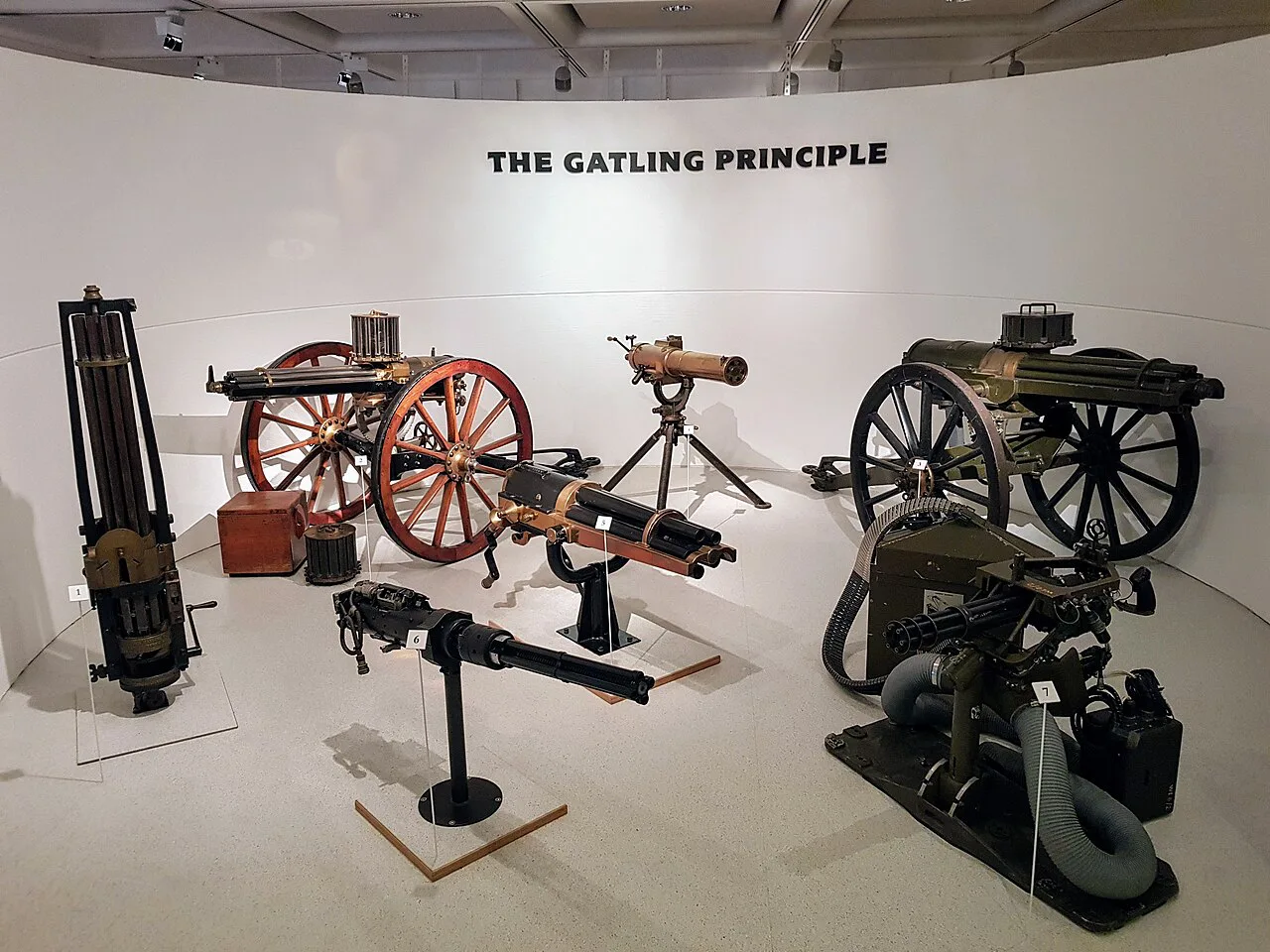
The collection runs above 75,000 objects, spanning the early medieval period to the present day and reaching across Europe, Asia and the Americas. That range is why the museum rewards a slow walk rather than a quick loop: the interest is in comparisons, whether between European plate armour and Japanese armour, or between a medieval knight's kit and a modern soldier's.
Where It Is: Armouries Drive, Leeds Dock
The museum stands at Armouries Drive, Leeds LS10 1LT, on Leeds Dock, south-east of the city centre and a short walk from the river. It is a landmark building rather than a hidden one, and the dock setting gives the visit a natural outdoor bookend, with waterfront seating outside the main entrance.
Treat the walk as part of the trip. From the city centre, head down toward the river and follow the waterside route to Leeds Dock; it is flat, signposted and gives you a proper view of the city's industrial waterfront on the way. The same approach means you finish back in the centre in time for evening plans, and you can combine the walk with the wider selection of museums in Leeds if you want a second indoor stop the same day.
How to Get There
On foot, the museum sits within comfortable walking range of the centre and is reached by following the river and dock signage rather than by cutting through the ring road. Buses run along the nearby main roads and the docks are served by the city's waterfront routes; if you are arriving by train, check a current journey planner for the best onward leg, since the exact distance from the station varies with the route you take.
If you are coming by car, allow time for the docks approach and check your parking options before setting out, as Leeds Dock is a mixed residential and visitor area rather than a city-centre car park cluster. A taxi from the station is a sensible option for anyone with limited mobility or heavy bags, and the museum is fully step-free at its entrance, making the arrival straightforward once you are on Armouries Drive.
What to See Across Five Floors
The displays move through the ages: early medieval knights, the arms and armour of the Ottoman Empire, the Wild West, Europe, Japan and India, and on to the modern-day soldier. Each floor has a distinct theme, so the sensible approach is to take them in order rather than drift, and to give the galleries that interest you most a full circuit. The Japanese arms and armour, the European royal pieces and the Indian and Ottoman material are the sections most visitors under-estimate.
The collection is described as one of the world's great arms and armour holdings, with weapons and armour from warriors across the centuries and from several continents. Look for the way technique changes: the move from mail to plate, the arrival of firearms, and the shift from battlefield equipment to ceremonial display. That comparison is what turns a room of steel into a history lesson.
The Tournament Gallery and the Royal Armour
The Tournament Gallery is the museum's showpiece, and Henry VIII reigns supreme there among the arms and armour of the kings and queens of England. Allow extra time here: this is where the royal connection is made explicit, and the scale of the horse and rider displays gives the collection its dramatic centre. Visitors with only an hour should head here first.
Around the Tournament Gallery, the royal houses of Europe and the Japanese shoguns are represented in separate displays, so you can compare how different courts armed and equipped their elite warriors. The effect is a reminder that arms and armour were as much about status and display as about fighting, which is the thread running through the whole building.

Daily Live Performances and Talks
The museum runs daily live performances, including combat demonstrations, object handling sessions and talks. These are timed events rather than permanent installations, so build your visit around one: check the day's programme on arrival and plan the floors around the demonstration slot rather than hoping to catch it later. For families, the combat demonstrations are usually the part children remember.
Object handling is the quieter option and works well for visitors who want to understand how heavy or awkward a piece of armour actually is. The talks give context that the displays alone cannot, particularly on the shift from medieval to modern warfare. If your group splits up, agree a meeting point and a time, because five floors make it easy to lose each other.
The Crossbow Range and Hands-On Elements
A crossbow range is among the museum's hands-on elements, giving visitors a chance to try the kind of weapon that features throughout the galleries. It is a good way to break up the reading and looking, and it appeals to teenagers who might otherwise drift. Check availability on the day, as ranges are staffed and time-limited.
Tickets and Opening Hours
The museum's own site is the place to confirm admission arrangements, opening days and any booked-event requirements before you travel, because these change with the season and with special exhibitions. The Leeds Inspired listing gives the address and contact details but does not set out ticket prices, so do not build a budget around a figure you have seen elsewhere.
Some events at the museum are separately ticketed, including the Genghis Khan exhibition listed as running from 26 June to 1 November 2026 and the October half-term Stories from the Steppe activity. These are listed events rather than permanent displays, so if either is the reason for your visit, confirm it is running on your date before booking travel.
How Long to Allow
Two hours covers the highlights comfortably; three to four hours lets you read, handle objects and take in a live demonstration without rushing. Five floors means stairs and walking, so plan a mid-visit pause rather than trying to power through in one push. Visitors with children often find two hours is the realistic limit, with a return trip for the rest.
If you are fitting the museum into a broader day, pair it with one other stop rather than three. The docks walk back to the centre takes time and energy, and the collection is dense enough that a second museum the same afternoon can blur. The sensible rhythm is museum in the morning, lunch by the water, then a gentle walk back through the city.
Food and Facilities
The on-site restaurant, The Master's, overlooks Leeds Dock and gives you a sit-down option without leaving the building, which matters on a wet day or with tired children. The museum also lists an accessible toilet, baby changing and wheelchair access, so the practical needs of a family visit are covered. Check the day's serving times on arrival, since the kitchen's hours may not match the museum's.
For a different setting, the waterfront around Leeds Dock has cafés and restaurants a short walk from the entrance, and the walk back toward the centre passes more options. An afternoon tea in Leeds can round off the day if you book ahead, though the docks are better suited to a casual lunch than a formal tea.

What Is Nearby on and Around Leeds Dock
The dock itself is a pleasant place to walk, with waterfront views and seating, and the riverside route back toward the centre brings you past the water at a gentle pace. Allow time to sit outside if the weather holds, and to walk the dock's edge before heading in. It is the outdoor half of the visit and worth an extra twenty minutes.
If you want more after the museum, Leeds Art Gallery and Leeds City Museum are both in the centre and make sensible second stops on the walk back. Both are indoor options, so they work as a rain plan, and both appear in our guide to museums in Leeds if you're weighing up which to pick. Fit in one, not both, if you have already spent three hours at the Royal Armouries.
Who It Suits, and When to Pick a Quieter Time
The museum suits families with older children, history enthusiasts and anyone who wants a substantial indoor attraction with a waterfront setting. It is less suited to very small children unless you plan around the live demonstrations and keep the visit short. The hands-on elements give it an edge over a glass-case-only museum.
Weekday mornings are the quietest bet, especially outside school holidays, when school groups fill the galleries and the live demonstrations draw a crowd. If you want a calm look at the Tournament Gallery, arrive at opening and work from the top floor down. Check term dates before choosing your day, as school holiday events can make the building much busier.
Fitting It Into a Leeds Break
The Royal Armouries is a strong anchor for a Leeds day, but it is deliberately different from the city's country-house and park attractions. Temple Newsam and Roundhay Park give you the outdoor, estate-scale contrast, and both make a better pairing with the museum than another indoor gallery. Pick one per day rather than cramming.
If you are staying longer, Harewood House adds a grand estate with gardens and a circular walk, and the shopping streets around the Leeds Corn Exchange bring you back to the centre. The museum fits neatly as the docks end of the city while those sights cover the northern and eastern edges.
Plan Your Visit
The Royal Armouries Museum earns its place on any Leeds shortlist because it holds the national arms and armour collection, not a local branch of it, and the docks location gives the visit an unusual setting. Build the day around a combat demonstration, give the Tournament Gallery proper time and allow for the walk back.
Book ahead only if you are travelling for a specific exhibition or a half-term event, and confirm the current opening days on the museum's own site before setting out. Everything else can be decided on the day: the order of floors, the lunch stop and the stroll along the water.
Explore more Leeds guides
Frequently Asked Questions
How much is the Royal Armouries Museum in Leeds?
Ticket prices are not set out in the visitor listings used here, so check the museum's own website for current admission arrangements before you travel. Do not rely on figures quoted in third-party listings, as these change.
How far is the Royal Armouries from Leeds railway station?
The museum is on Armouries Drive at Leeds Dock, a walk south-east of the city centre. The exact distance depends on your route, so use a current journey planner and consider a taxi if you have limited mobility or luggage.
Does the Royal Armouries have a café or restaurant?
Yes. The Master's restaurant overlooks Leeds Dock inside the museum, and the building also has an accessible toilet, baby changing and wheelchair access. Check serving times on the day, as the kitchen may not follow museum hours.
How long does it take to see the Royal Armouries Museum?
Two hours covers the highlights, and three to four hours lets you include a live demonstration, object handling and a careful look at the Tournament Gallery. The collection spans five floors, so plan a mid-visit break.
Is the Royal Armouries Museum free to enter?
Admission arrangements are not confirmed in the visitor listings covered here. Check the museum's own website for current entry terms and for separately ticketed exhibitions before you set a budget.
What can you see at the Royal Armouries Museum in Leeds?
Displays run from early medieval knights to the modern soldier, covering Europe, Japan, India, the Ottoman Empire and the Wild West. Henry VIII features in the Tournament Gallery, and daily combat demonstrations, talks and object handling run alongside the galleries.