A Weekend in Chester: Two-Day Plan for History and Tea
Plan a weekend in Chester with two days of Roman walls, the cathedral, the Rows and museums, plus honest trade-offs on walking time and what to book.
On this page
A weekend in Chester is best split into two walking days: the first inside the City Walls, taking in the Eastgate Clock, the cathedral and the Rows, and the second given over to museums and the Roman sites just outside them. Chester is a compact city on the River Dee in northwest England, bordering North Wales, and its centre is easy to cover on foot. The trade-off is that the obvious sights are close together and tempting to rush, so it pays to decide before you arrive which day carries the walking and which carries the exhibits.
Why Chester suits a two-day break
Chester claims a founding around 2,000 years ago and was once Great Britain's largest Roman settlement, which is why the Roman layer sits underneath a medieval street plan that survives unusually well. That combination is what makes the city worth a full weekend rather than an afternoon: ruins, walls, timber-framed shopping galleries and a cathedral all sit within a short walk of each other. If you want a wider shortlist before fixing an itinerary, the team's guide to things to do in Chester covers the same ground building by building.
The city also works as a base for North Wales, with the beaches at Llandudno and the mountains and lakes of Snowdonia within range if you hire a car for the day, though that naturally eats into time inside the walls. Two days leaves room to do both the centre properly and one excursion, but not much more. Chester's many 17th-century pubs, including the photogenic Bear and Billet, are the reward at the end of a long day on your feet.
Getting there and getting around on foot
Direct trains and buses run to Chester from destinations including London, Liverpool and Manchester, so the car can stay at home for a centre-based weekend. Once you are in, most of what a first-time visitor wants lies inside the circuit of the walls, and walking is quicker than driving between stops.
Two days on cobbles and stone steps calls for proper shoes rather than anything smarter, and the wall walk itself has uneven surfaces and stairways at the gates. If you are travelling with someone who finds steps difficult, plan the wall as a series of short sections entered and left at gateways rather than as one continuous circuit. Many of the city's headline sights cost nothing to see, and the free things to do in Chester guide is a sensible cross-check when you are building a budget.
Day one: the walled city on foot
Keep the first day inside the walls and resist the pull of the museums until day two. The natural order runs from the walls to the cathedral precinct, then down to the Rows and the river, which keeps you moving in one direction instead of doubling back.
Walking the City Walls and the Eastgate Clock
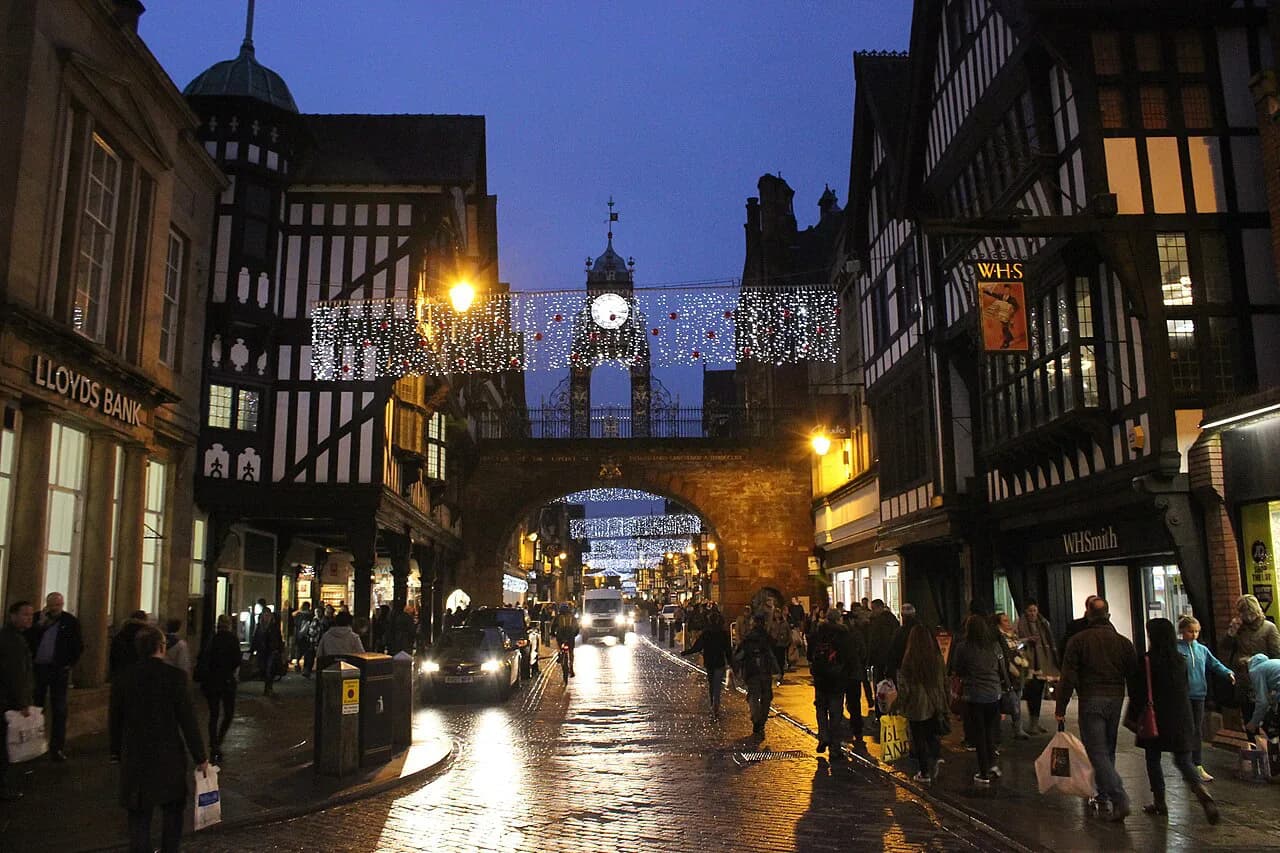
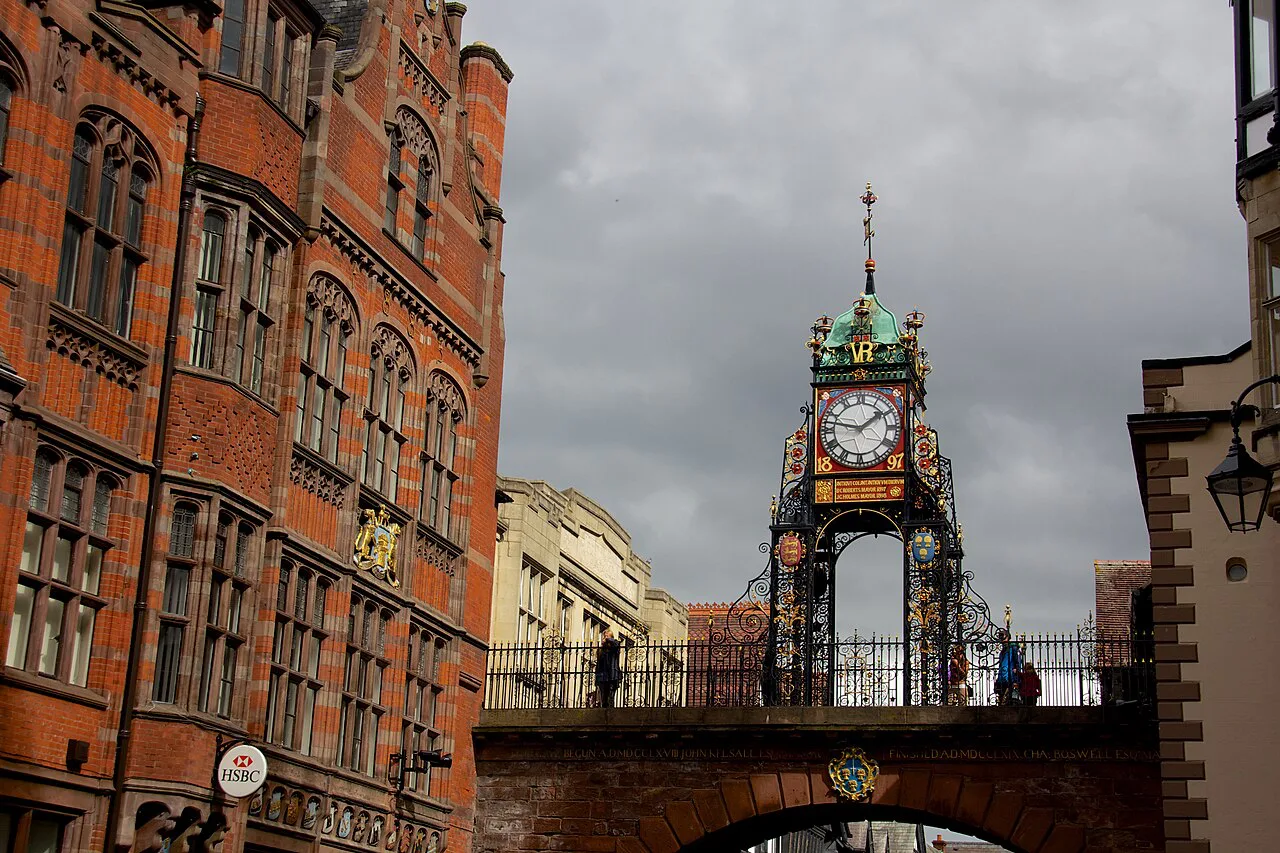
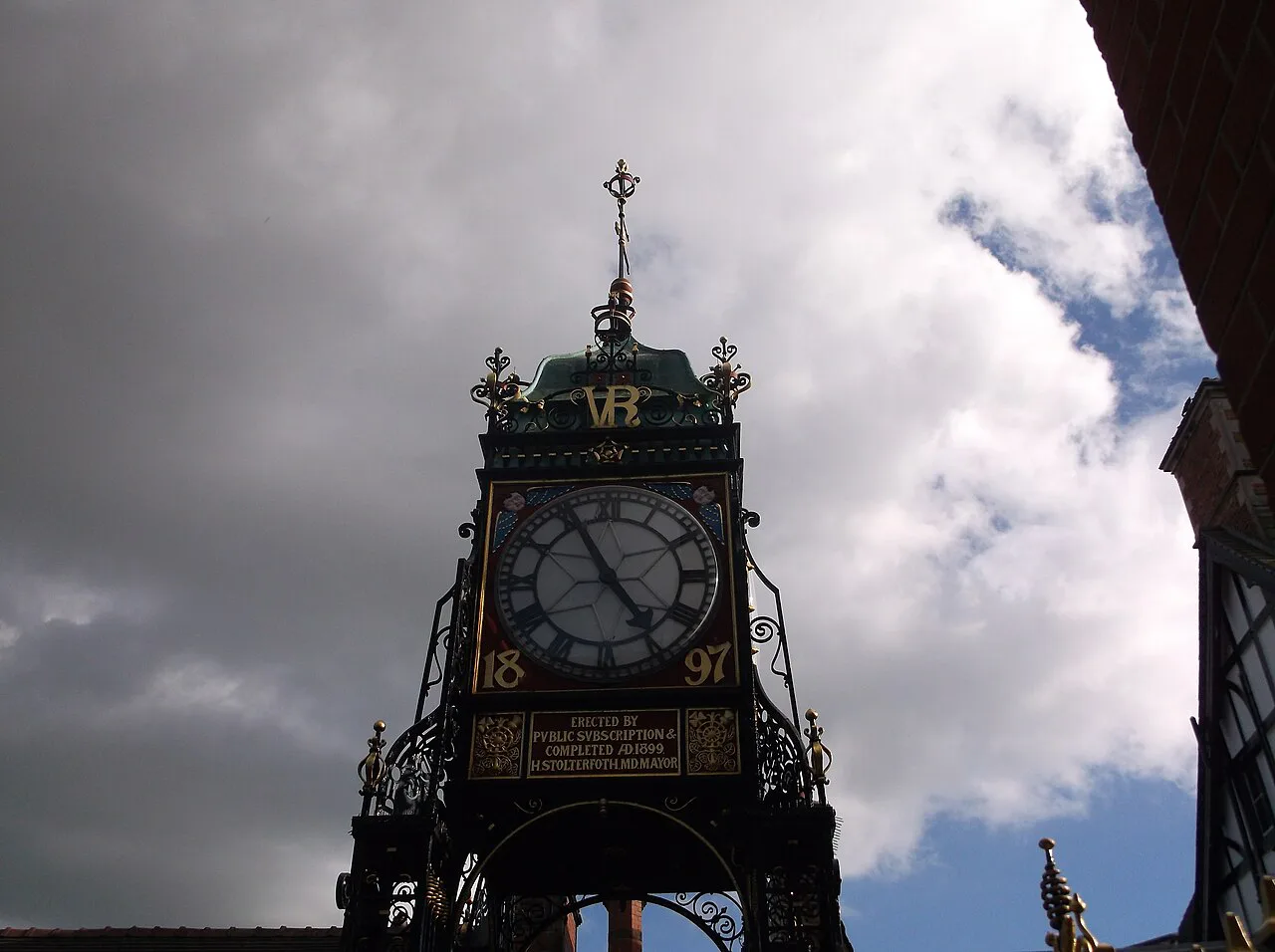
The City Walls were built by the Romans in the first century and still enclose the historic core, with towers and gates punctuating the route. The Eastgate Clock is the traditional city entrance and the most photographed point on the circuit, so treat it as a pause rather than a destination and keep going.
Rather than marching the whole circuit in one go, walk the sections nearest your other stops and save your legs for the afternoon. Photographers should time the Eastgate Clock for softer light, when the surrounding streets are less crowded and the structure reads more clearly in pictures. The broader Chester City Walls guide covers the gates and towers in more detail if you want to plan a full circuit.
Chester Cathedral and its precinct
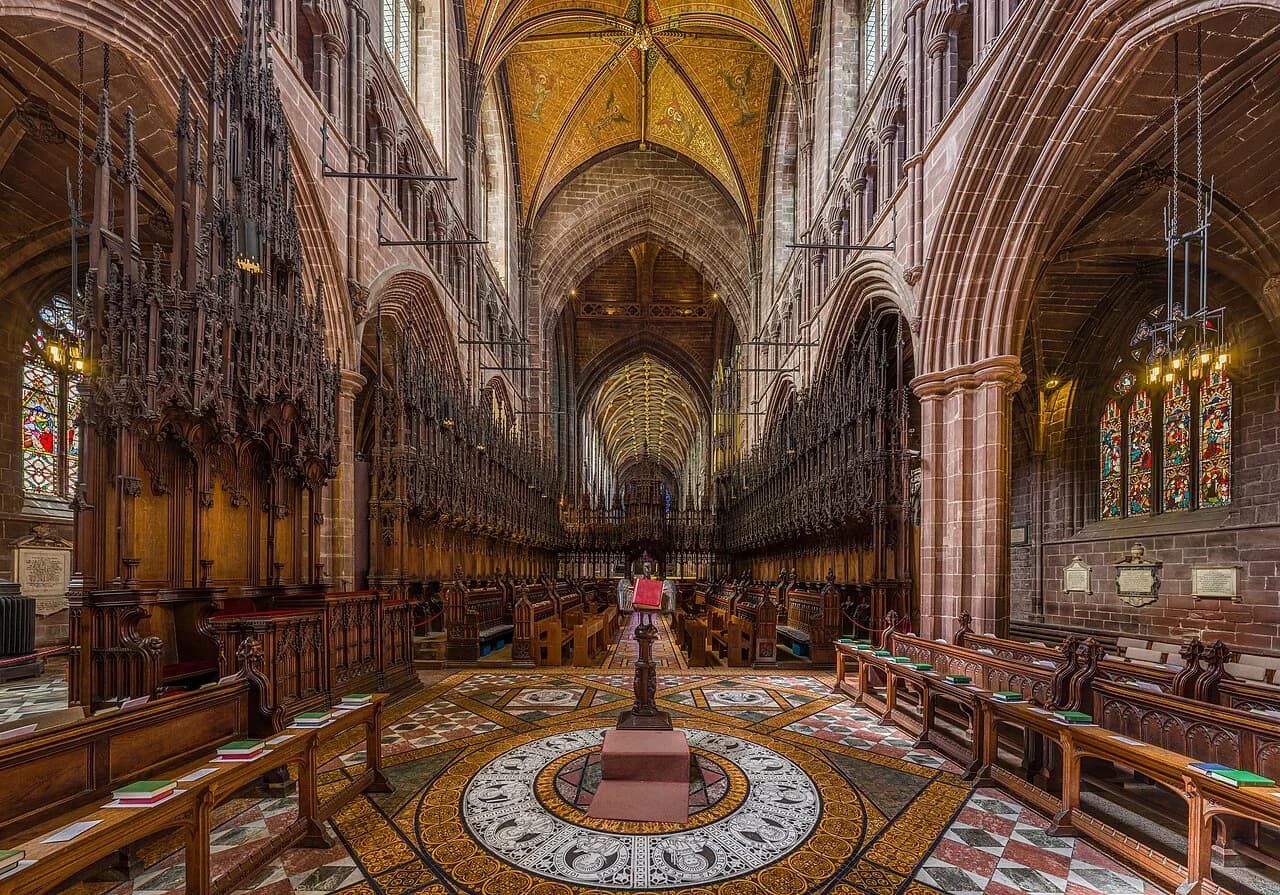
Chester Cathedral is the obvious anchor of the walled city, and its intricate architecture and sculptures reward a slow lap inside rather than a quick look through the door. Give it a decent slice of the morning, then use the surrounding precinct as a breather before the shopping streets.
Services and visitor access vary through the week, so check the cathedral's own published times before you build the day around it. Lunch nearby rather than on the hoof keeps the afternoon free for the Rows and the river.
The Rows and Chester High Cross
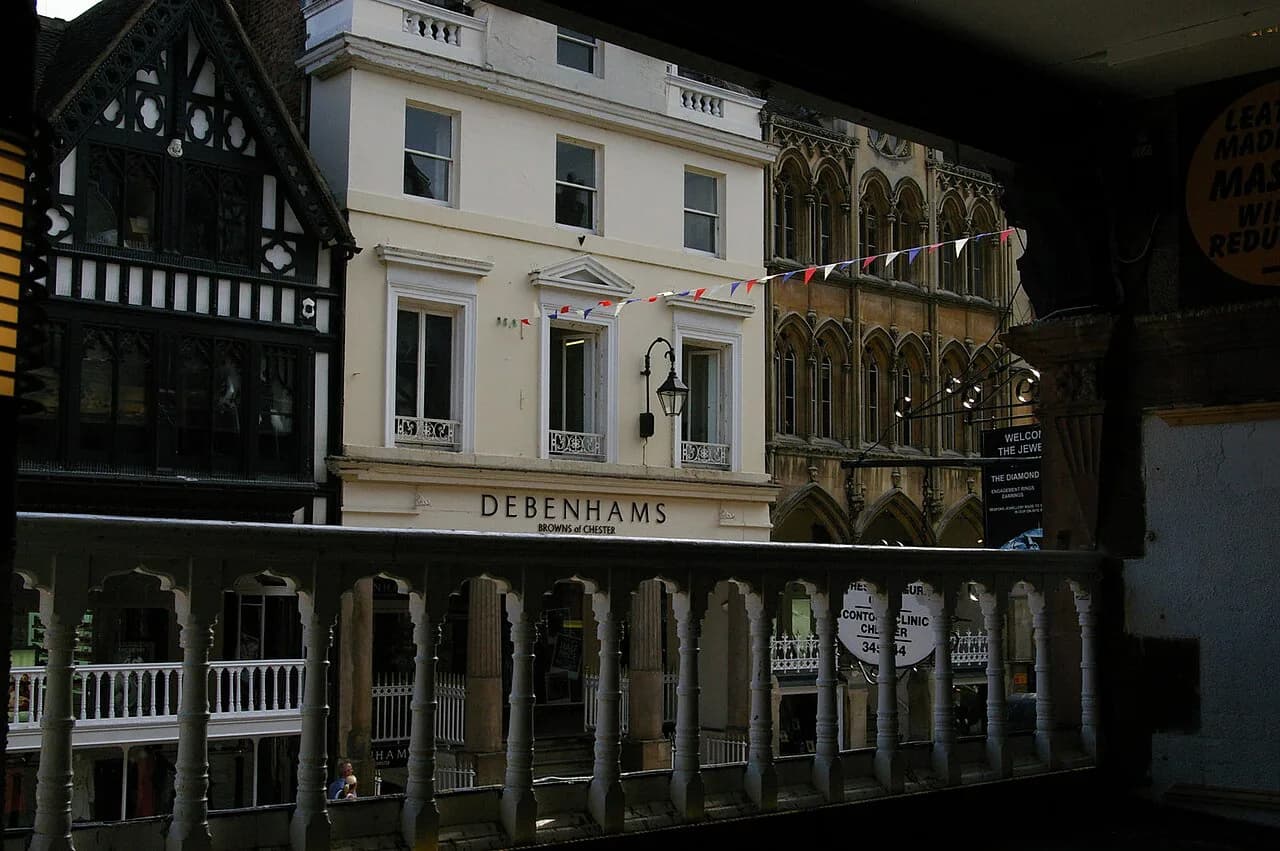
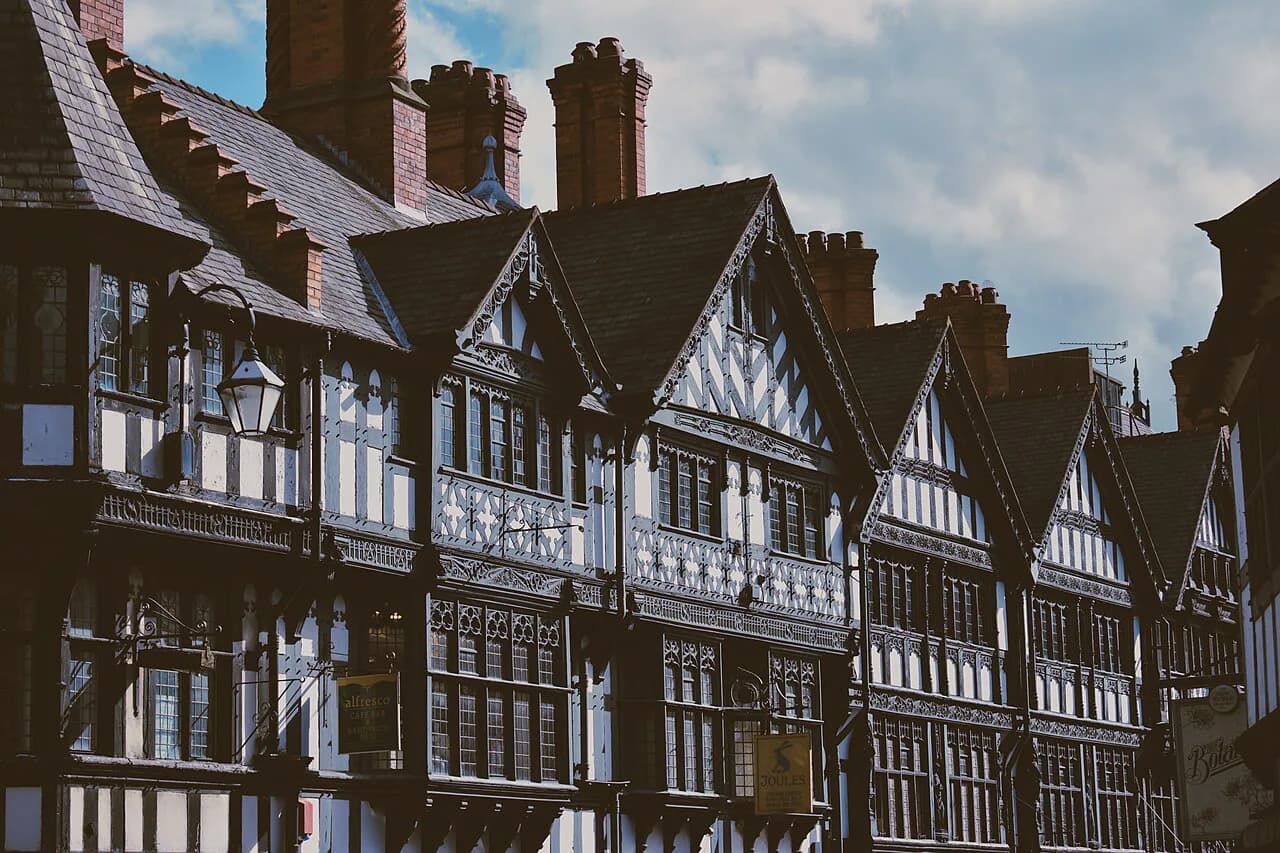
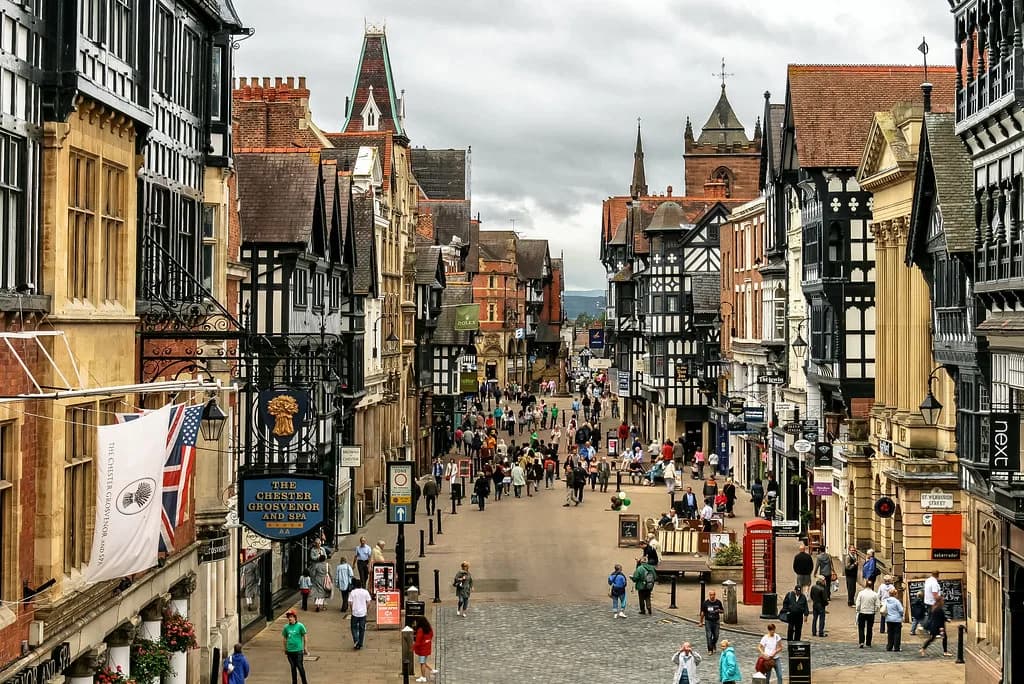
The Rows are the city's signature shopping district: half-timbered Victorian and Tudor buildings arranged on two galleried levels, so you shop at street level and again on the walkway above. The repetition is the point, and the upper galleries give you a raised view of the street without paying for anything. For a more detailed route through the galleries, see the shopping in Chester guide.
Chester High Cross is where a town crier makes midday announcements during the summer, which makes it a useful marker for timing your loop through the centre. Treat the proclamation as a bonus rather than a fixed appointment, since it runs seasonally rather than every day of the year.
The Groves and the River Dee
Leave the walls at the river side and you reach The Groves, a promenade along the River Dee that gives you the alternative view of the city after a day of streets. A river boat tour is the low-effort way to see the banks, and it works well as the last outing before dinner. Our guide to Chester boat trips sets out the options on the water.
Grosvenor Park sits just beyond the promenade and hosts summer concerts and theatre productions, so an evening performance is worth checking when you are planning. On a wet afternoon, swap the riverside for the city's covered collections instead.
Where to stop for afternoon tea
Break the day for tea rather than stacking every stop into one afternoon: a proper sit-down pause in the middle of the walled city is the difference between a pleasant weekend and an exhausting one. Tea rooms do not publish a single shared standard for sittings, so book or check ahead for the place you have chosen, especially on Saturdays.
Book directly with the venue you pick and ask what the sitting includes and how long the table is held, since afternoon tea service often runs to set sittings rather than all-day walk-ins. If you would rather not lose a fine afternoon indoors, save the tea for the rainy-day fallback and take a picnic to the park instead.
Day two: museums and Roman Chester
Day two belongs to the collections and the Roman remains, which sit close enough together to walk between. Start with the Grosvenor Museum and work outwards so the Dewa Roman Experience and the amphitheatre fall naturally into the route.
Grosvenor Museum and the Dewa Roman Experience
The Grosvenor Museum holds Viking-era artefacts, costumes and period furniture that set the city's long history in context. The Dewa Roman Experience takes the opposite approach and recreates Roman life, which suits families and anyone who prefers a walk-through to a display case.
Both are indoor stops, which makes them the obvious swap when the weather turns on what should have been a wall day. Check each venue's own opening days and ticket arrangements before committing, since they run independently of one another.
The Roman Amphitheatre and Roman Gardens
The Roman Amphitheatre is the most tangible piece of the city's Roman heritage and sits within easy reach of the museums, so it slots naturally between indoor stops. The Chester Roman Gardens nearby make a gentler place to sit and eat lunch outdoors when the weather holds.
Chester Castle and the Cheshire Military Museum
The Cheshire Military Museum is housed in Chester Castle and covers the city's military past, giving you a second, quite different collection within walking distance of the Roman sites. Pair the two rather than treating each as a separate outing, and you save a lot of walking.
Castle sites often have their own access arrangements and sometimes partial closures, so confirm what is open on your dates before you set out. It is the one stop on day two where a quick check is genuinely worth the effort.
Chester Racecourse and seasonal timing
Chester Racecourse shapes the mood of the city centre: the pubs become notably active from May to September when visitors come for horse racing. If your weekend coincides with a fixture, expect busier streets and book accommodation earlier; if you want a quiet break, the calendar is the thing to check first.
Beyond racing, the city's festival year covers heritage, film, music, literature and folk, and the Visit Cheshire events listing carries the published what's-on calendar as it is confirmed. Use it to see what falls on your dates rather than to plan around a single annual fixture.
What to book ahead
Book the bed first: a race fixture or a festival weekend can tighten supply inside the walls, and rooms near the centre, such as Macdonald New Blossoms Hotel on St John Street, The Queen at Chester Hotel on City Road and The Mill Hotel & Spa on Milton Street, are the convenient choices when you want to walk everywhere. The Mill also has a pool and spa, which is a fair consolation after two days on cobbles.
Reserve the table for afternoon tea and any river boat tour once your dates are fixed, since both are limited-capacity and awkward to arrange on the day. Museum tickets can usually wait until you know the weather, because that is what decides whether the wall walk or the collections come first.
Where to stay: inside or outside the walls
Staying inside the walls buys you short walks to everything and the option of an evening stroll along the Groves; staying outside the centre usually buys space and parking. Roomzzz Chester City is an aparthotel option with parking for a surcharge and a 24-hour front desk, while Grosvenor Stylish Apartments near Cuppin Street suits a self-contained stay close to the walls. Pick according to whether you value location or room to spread out.
Parking is the usual sticking point for drivers, and several central hotels charge for it or have limited spaces, so reserve a spot with your room rather than hoping on arrival. If you are arriving by train, the question disappears and you can spend the difference on tea.
Two-day plan for rainy days and short trips
Rain is the main threat to this itinerary, because the wall walk and the riverside stretch are the parts you cannot shelter through. Keep the museums in reserve as the wet-weather swap and you will not lose a day. The indoor activities in Chester guide lists further options if the forecast is genuinely grim.
If you only have one day rather than a weekend, cut the second day and keep the walled circuit: walls, cathedral, Rows and the Groves in a single loop. It is a full day on foot but it covers the city's best-known sights, and the museums can wait for a return visit. For a contrasting short break with a similar mix of walls and tea, the weekend in York plan follows the same logic.
Plan Your Visit
Chester rewards two days rather than one: give the walls, cathedral, Rows and river the first day, and the Grosvenor Museum, Dewa Roman Experience, amphitheatre and castle the second. Book the bed and the tea table early, keep the museums in reserve for rain, and check the race calendar before you fix dates.
Explore more Chester guides
Frequently Asked Questions
What can I do in Chester in one day?
Keep to the walled city: walk a section of the City Walls past the Eastgate Clock, look inside Chester Cathedral, wander the two galleried levels of the Rows and finish along the Groves beside the River Dee. That is a full day on foot, and the Grosvenor Museum, the Dewa Roman Experience, the Roman Amphitheatre and the castle can wait for a second visit.
How long does it take to walk around Chester City Walls?
Plan the walls as short sections rather than one continuous march, entering and leaving at the gates nearest your other stops. The surface is uneven and the gateways involve steps, so anyone who finds stairs difficult should split the circuit across the day or across both days of the weekend.
Where in the UK is Chester?
Chester sits in northwest England on the River Dee, close to the border with North Wales. Direct trains and buses run there from London, Liverpool and Manchester, and the city also works as a base for the beaches at Llandudno and the mountains and lakes of Snowdonia if you hire a car for a day.
Is Chester worth a weekend?
Yes, because the city has two distinct layers that deserve separate days: the walled medieval centre with its cathedral and Rows, and the Roman and military collections just outside it. Trying to fit both into one day means rushing the walls and skipping the museums.
What should I book ahead for a Chester weekend?
Fix accommodation first, especially if your dates clash with a race fixture or a festival, then reserve your afternoon tea table and any river boat tour, since both are limited-capacity and hard to arrange on the day. Museum tickets can usually wait until you see the forecast.
What can I do in Chester on a rainy day?
Swap the wall walk and the riverside promenade for the Grosvenor Museum, the Dewa Roman Experience and the Cheshire Military Museum in Chester Castle, which are all indoor stops. Confirm each venue's own opening days before you set out, because they run independently of one another.
Sources
Notes for your next city break
Optional updates to our UK city guides.
You might also like

Continue reading
More guides you'll find useful