Museums in Chester: A Practical Guide to the City's Best
Plan a museum day in Chester with Roman sights, city history collections and small independent museums, plus how to group them with the walls and Rows.
On this page
Chester's museums fall into three camps: city history, Roman Chester and small specialist collections, and most of them sit inside the walled centre. That means you can build a route on foot rather than criss-crossing the city by bus. The main trade-off is depth against breadth: two or three focused visits plus a wall walk will beat a rushed circuit of everything.
City history: the Grosvenor Museum and Chester History and Heritage
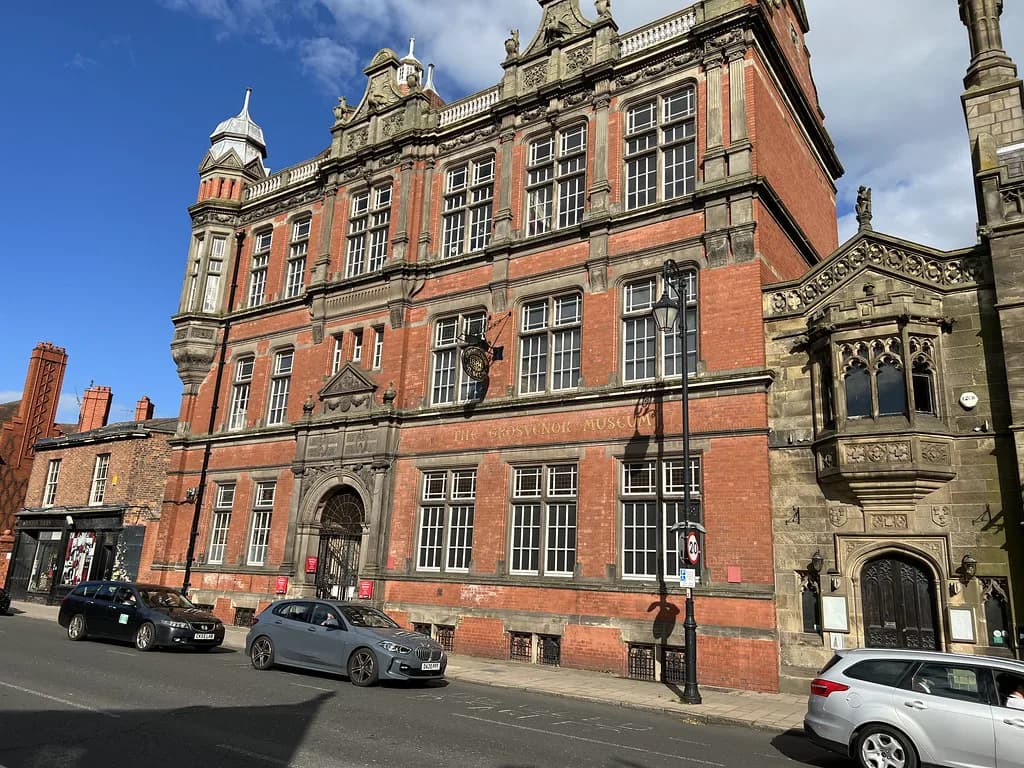
Start with the Grosvenor Museum, the city's main collection telling Chester's story from Roman Deva through the medieval town to the Victorian city. It sits within the West Cheshire Museums group, which also runs Chester History and Heritage, Weaver Hall Museum and Workhouse, Stretton Watermill and Lion Salt Works.
Chester History and Heritage is the smaller, archive-led counterpart, useful if you want to dig into buildings, streets and family history rather than objects in cases. Treat it as a research stop of perhaps half an hour rather than a headline attraction. Both sit comfortably in a walking route through the centre, so pair them with a stretch of the walls rather than saving them for a separate day.
For a wider shortlist of no-charge collections before you commit your day, see our guide to free museums in Chester; it is the quickest way to decide where to spend the money you do have.
Roman Chester on foot: Deva Roman Experience and Roman Tours
Roman Chester is best done as a walk with a museum stop, not the other way round. The Deva Roman Experience and Roman Tours both appear in the city's museum and gallery listings, and either works as an indoor anchor on a wet morning.
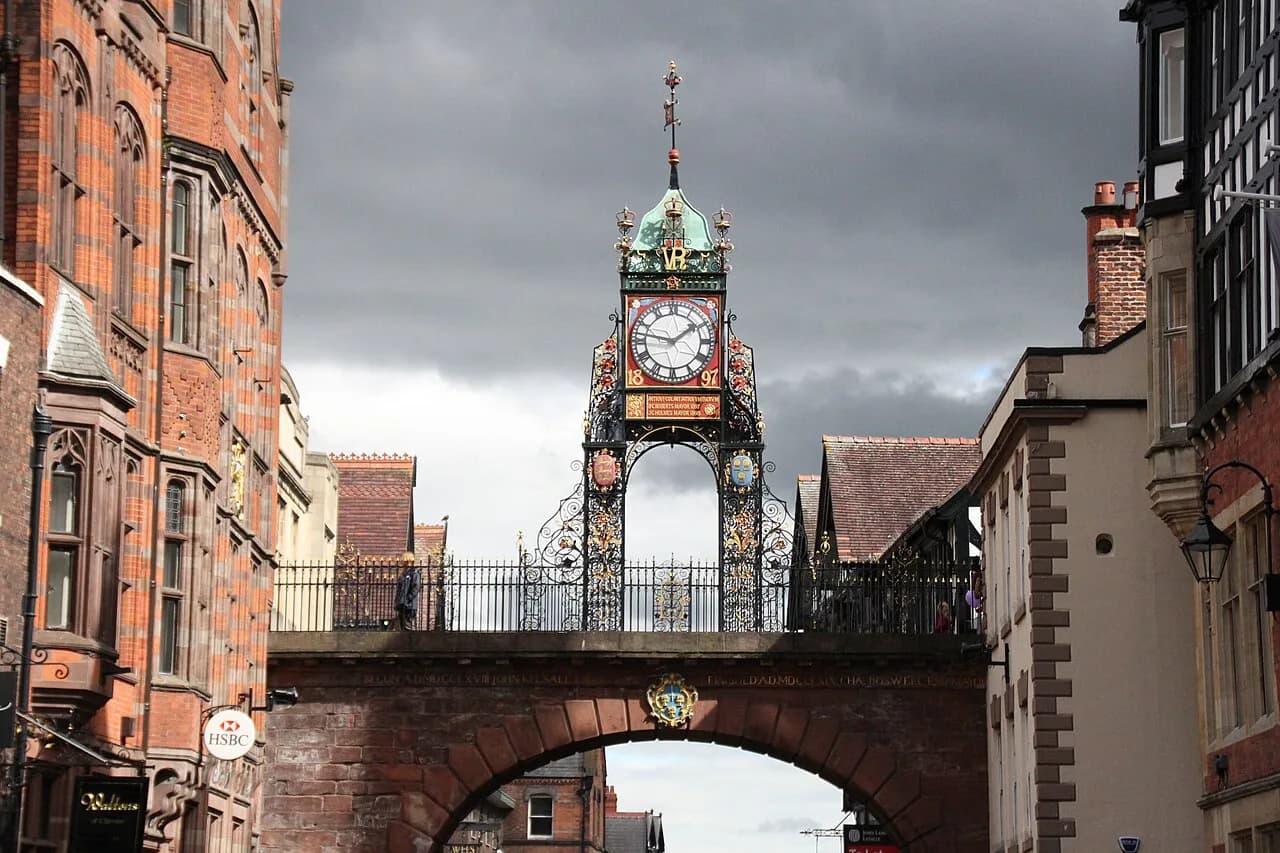
The city walls are the free, open-air companion piece: walk a section after your Roman stop and the legionary history makes far more sense than it does from labels alone. The walk is on stone, with steps at some points, so wear shoes you trust and allow extra time if anyone in your group is unsteady on their feet. Keep the Roman block to a half day and you leave room for a second theme after lunch.
Specialist and independent museums: Sick to Death and the Cheshire Military Museum
Sick to Death and the Cheshire Military Museum are the small independents that give Chester's museum scene its range, and both appear in the city's listings. Small sites are quick visits, often under an hour, which makes them good fillers between bigger stops rather than destinations in their own right.
The trade-off is that small museums run on tight staffing, so opening patterns can be narrower than the big civic museum's. Check the day you plan to go before building the rest of your route around one of them. If a site turns out to be shut, the walls and cathedral are always open substitutes nearby.
Free versus paid: how to budget your museum day
Decide your paid stops before you arrive, because Chester mixes charging and non-charging sites and the money adds up across a family. The Grosvenor Museum's own site is the place to confirm its current entry arrangements and any ticketed exhibitions.
Cheshire West and Chester Council's galleries and museums page is the reliable index for the borough's public sites, including the Grosvenor, Chester History and Heritage, the National Waterways Museum at Ellesmere Port, Lion Salt Works and Weaver Hall. Use it to check which sites are open before you travel, especially for the out-of-town museums.
Small independent attractions set their own prices and do not always publish them clearly in advance, so bring a card and treat those stops as the flexible part of your budget.
Chester Cathedral and the walls as heritage stops
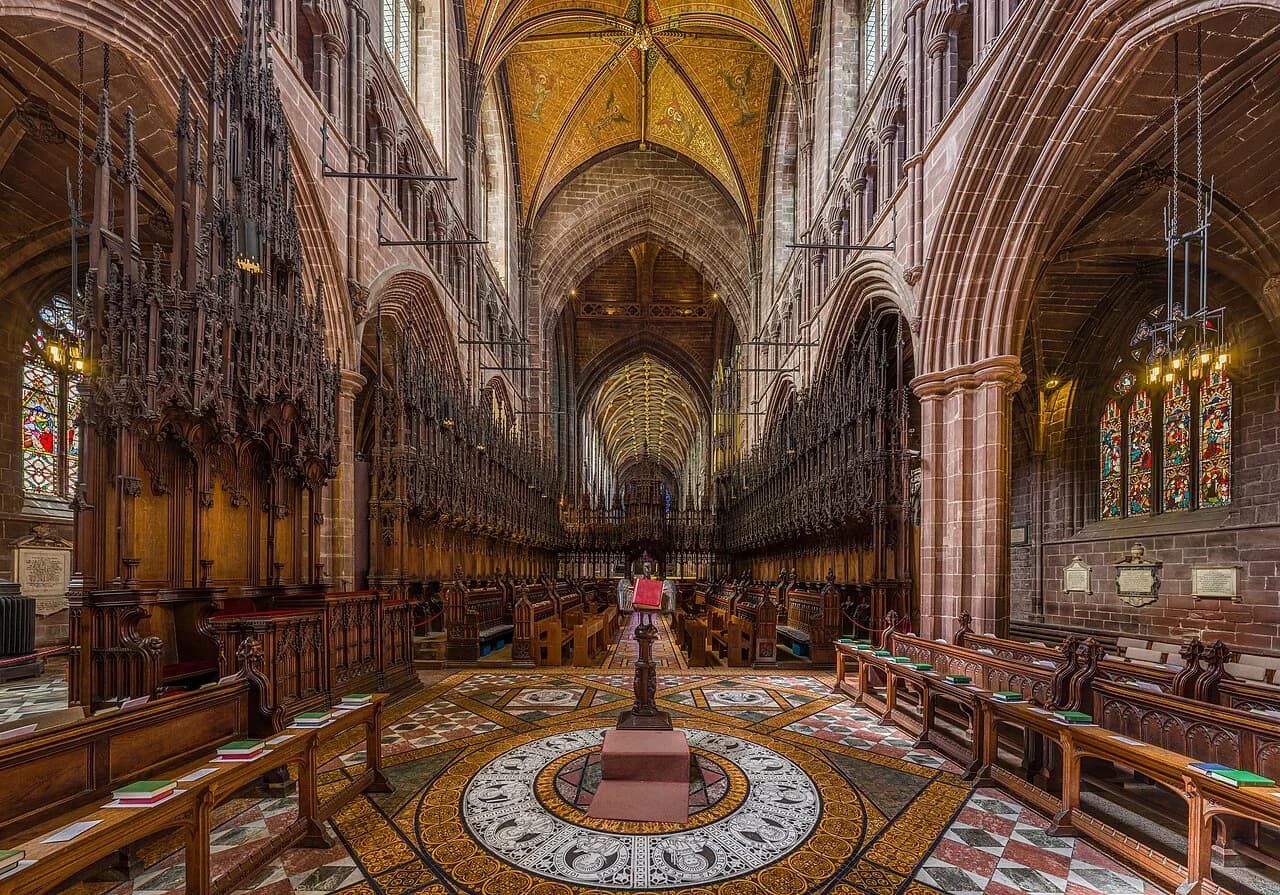
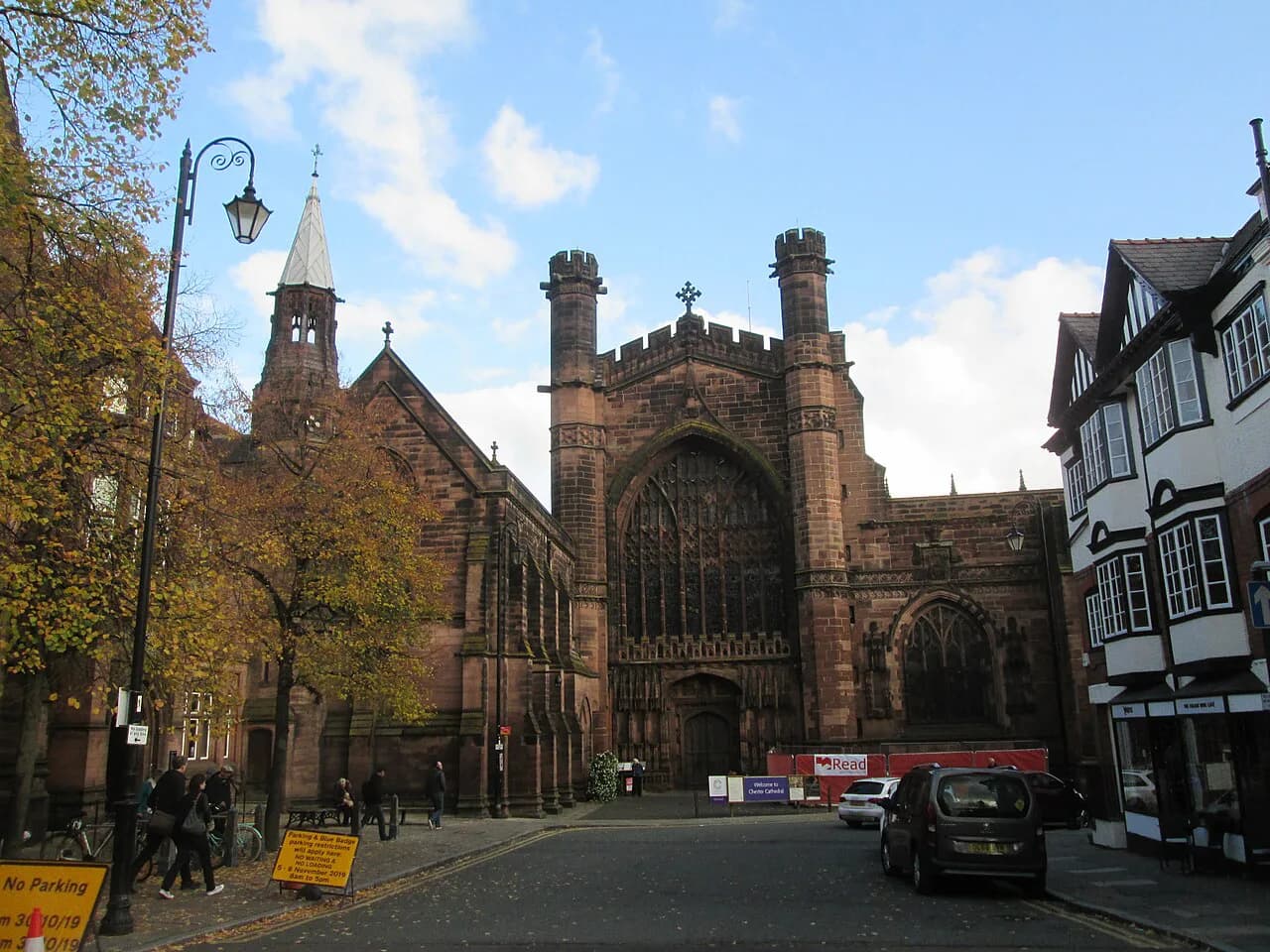
Chester Cathedral belongs on any museum day even though it is not a museum: it is a working building with its own visitor arrangements, and it appears alongside the museums in the city's heritage listings.
The walls do the same job for free. A full circuit is the classic walk, but for a museum day a short section near your chosen sites is enough. Build in a bench stop; cobbles and stone are tiring in a way that gallery floors are not. If you want castles as well, Chester Castle and the fortresses of the Welsh borders are covered separately in our guide to castles near Chester.
Museums outside the city centre
Three of the area's best museums need a trip out of Chester: the National Waterways Museum at Ellesmere Port, Lion Salt Works in Northwich and Weaver Hall Museum and Workhouse, also in Northwich. Lion Salt Works and Weaver Hall sit within the West Cheshire Museums group, while the National Waterways Museum is listed separately by the council, so check each site's arrangements before you set off.
These are half-day trips in their own right, not add-ons to a city-centre morning. Ellesmere Port sits on the Wirral side of the Mersey and is easiest by car or by train plus a walk, while Northwich has its own rail station. Pick one, not three, and give it proper time.
Stretton Watermill, near Farndon, is the other rural site in the same group, and it is a seasonal, weather-dependent visit rather than an all-year one.
Galleries on Watergate Street and in the Rows
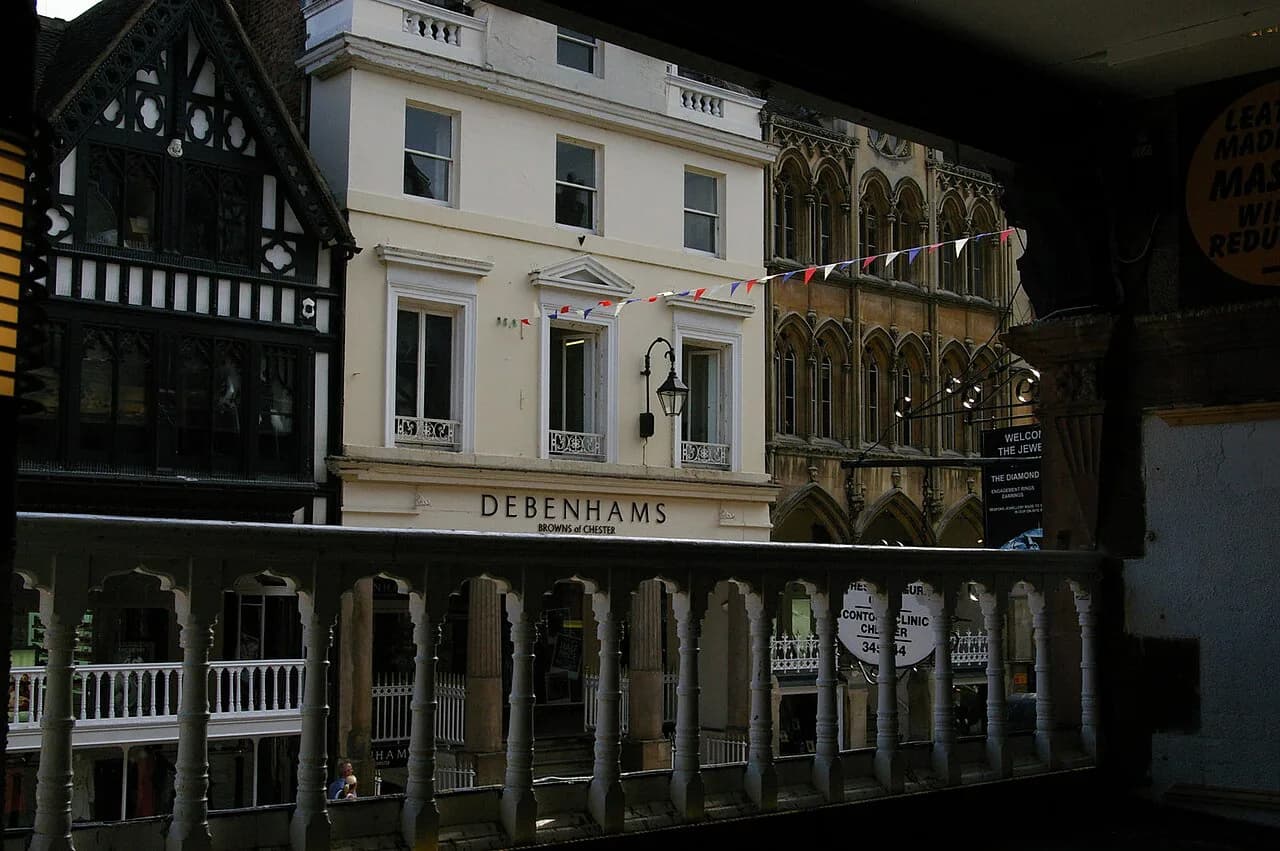
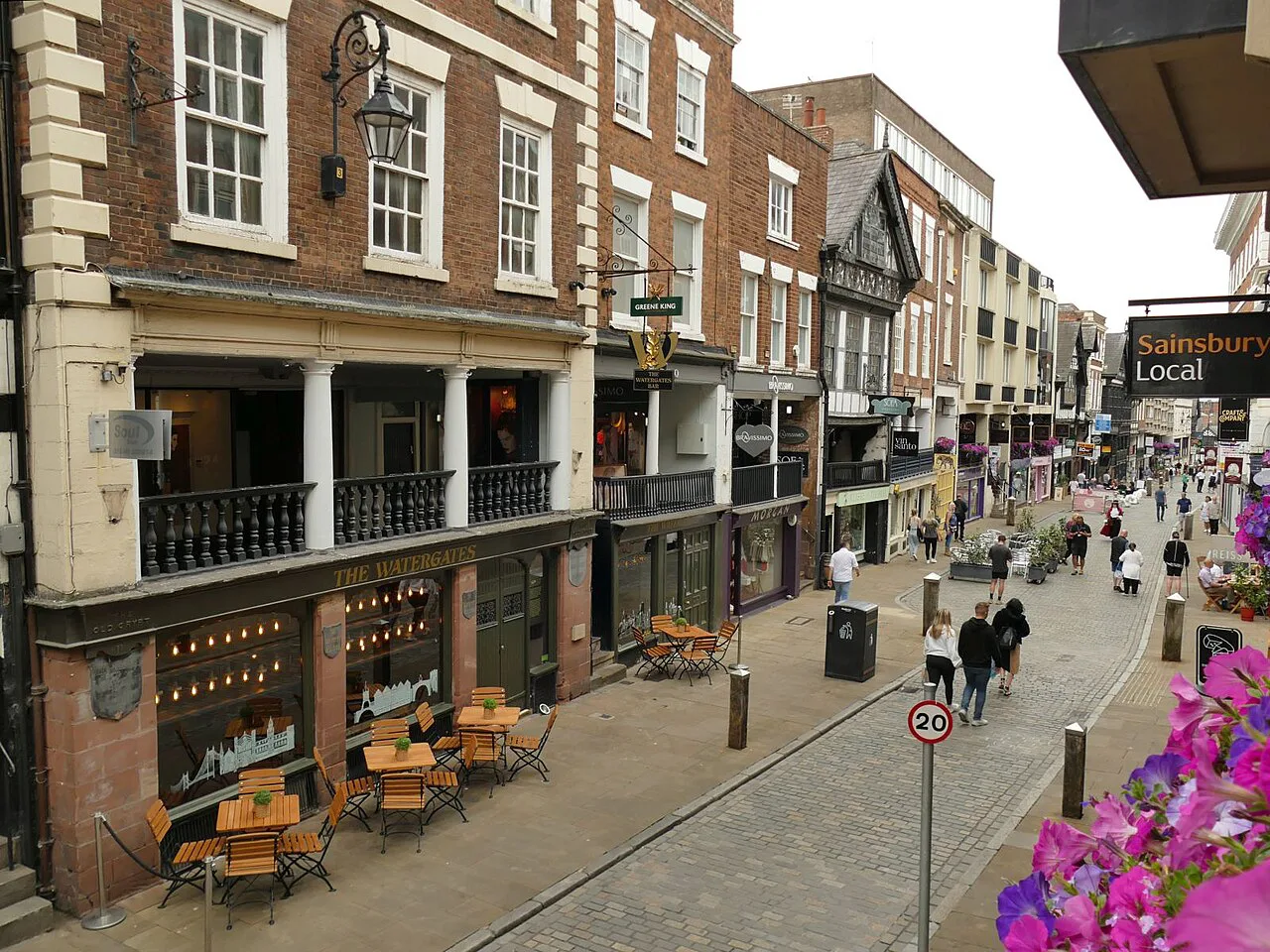
Watergate Street is where Chester's gallery browsing concentrates, with a run of spaces moving from contemporary to traditional as you walk. Because the street forms part of the Rows, you can dip in and out under cover, which makes it a sensible wet-afternoon alternative to a museum.
The council also lists Contemporary Art Space Chester, Place for Art, Castle Park Arts Centre and Crosshatch Art Workshops and Makerspace among the borough's gallery and studio spaces, several of which are outside the immediate centre.
Galleries here are shops as much as exhibitions, so opening hours track retail patterns and Sunday browsing can be limited. Plan gallery time for a weekday afternoon if browsing is a priority.
Sequencing a one-day museum route
A workable day is one big museum in the morning, a wall walk before lunch, a small independent or gallery run in the afternoon, and the cathedral as a late stop. Everything inside the walls is walkable, and crossings between the main sites take only a few minutes, so the risk is over-packing rather than distance. The same one-big-one-small pattern holds if you are comparing museums in Birmingham, where breadth of collections makes pacing just as decisive.
Allow roughly two hours for the Grosvenor Museum, an hour for a small independent, and an hour for the cathedral, then add walking and a proper sit-down. If you are fitting in a tea stop, put it between the museum and the walls rather than at the end, when everything is closing.
Accessibility and family considerations
Chester's centre is cobbled and the walls include steps and uneven stone, so pushchairs and wheelchairs need a planned route rather than an improvised one. Museums in the centre are the easier half of the day; treat the wall walk as optional and short if mobility is a concern.
Children do best with one interactive stop and one short museum, not three in a row. The Roman Experience suits that slot, and the walls give them somewhere to run between sits.
Getting to Chester and moving between sites
Chester sits on direct rail routes from London, Manchester, Liverpool and North Wales, and the station is a short walk from the walls. Once inside, everything in this guide except the out-of-town museums is on foot.
For the wider picture of what else to add to the day, our Chester Attractions: 8 Visitor Guides hub groups the city's sights by theme so you can slot museums in with the walls, the Rows and the river.
Booking ahead
Small independents and guided experiences are the ones most likely to need a time slot, because capacity is limited. Book those first and leave the big civic museum and cathedral flexible; walk-ins are normal at the larger sites.
If your evening plans include a walk with a storyteller, keep it separate from the museum day: our ghost tours in Chester guide covers the legends and how to book them honestly.
Rainy-day alternatives: libraries, community centres and retail units
If the weather turns and the museums you had planned are full, Chester and the wider Cheshire West area offer other indoor spaces that can absorb a wet afternoon. Cheshire West and Chester Council notes that alongside the area's galleries and museums, there are also lots of other spaces that can be used in libraries, community centres, and retail units. These are worth keeping in mind when you want to break up a museum-heavy day or find somewhere warm between booked attractions.
For a more structured indoor stop, the council lists several cultural venues beyond the city-centre sites covered in this guide. Its galleries include Contemporary Art Space Chester, Place for Art, Castle Park Arts Centre, and Crosshatch Art Workshops and Makerspace. Its museums include Chester History and Heritage and the Grosvenor Museum, both in Chester, as well as the Lion Salt Works in Northwich, the National Waterways Museum in Ellesmere Port, Stretton Watermill at Stretton, and the Weaver Hall Museum and Workhouse in Northwich. Several of these sit outside Chester, so they suit a day when you are prepared to travel a little further for an indoor visit.
It also helps to understand how the local museums are organised. The Grosvenor Museum sits within the West Cheshire Museums portfolio alongside Chester History and Heritage, Weaver Hall Museum and Workhouse, Stretton Watermill and Lion Salt Works. That grouping is useful when planning: if one site is busy or closed for the day, another in the same family of venues may fill the gap, and you can look at the portfolio as a whole rather than treating each museum as an isolated stop.
This approach is especially handy for travellers who have already worked through the city-centre museums and want a change of scene without leaving the region. Pair a library or community-centre stop with one of the outlying venues, and a rainy day becomes a chance to see a different side of Cheshire West rather than a washout.
Plan Your Visit
Build your Chester museum day around one big collection, one small independent and a wall walk, and treat the out-of-town sites as a separate half day. Confirm opening days on the council's galleries and museums page and the Grosvenor Museum's own site before you travel, since small sites vary.
Explore more Chester guides
Frequently Asked Questions
What museums are there in Chester?
In the centre, the Grosvenor Museum and Chester History and Heritage cover the city's history, the Deva Roman Experience and Roman Tours handle the Roman side, and Sick to Death and the Cheshire Military Museum are the small independents. Further out, the National Waterways Museum at Ellesmere Port, Lion Salt Works and Weaver Hall Museum and Workhouse in Northwich, and Stretton Watermill sit within the same West Cheshire Museums group.
Is the Grosvenor Museum free?
The Grosvenor Museum's own website is the place to confirm current entry arrangements and any ticketed exhibitions. Entry status can change, so check before you travel, particularly if you are visiting with a family.
What are some hidden gems in Chester's museum scene?
The small independent sites are the ones most visitors skip: Sick to Death and the Cheshire Military Museum sit close to the main route and take under an hour each. The galleries along Watergate Street are another good wet-afternoon alternative, since the Rows keep you under cover.
How long does a visit to the Grosvenor Museum take?
Allow around two hours to see the main collection without rushing. Add more if a temporary exhibition is running, and pair it with a short stretch of the walls rather than a second big museum.
Do you need to book Chester museums in advance?
Book the small independents and any guided Roman experience first, as capacity is limited. The larger civic museum and the cathedral are usually fine for walk-ins.
How do I visit the National Waterways Museum or Lion Salt Works?
Treat either as a half-day trip rather than a city-centre add-on. Ellesmere Port is easiest by car or by train plus a walk, Northwich has its own station, and opening days vary, so check the council's museums page before setting off.
Where should afternoon tea fit into a museum day?
Put it between your main museum and the wall walk, when you still have energy for the cobbles. Book tea rooms ahead at weekends, and keep the stop to around an hour so it doesn't swallow the afternoon.
Sources
Notes for your next city break
Optional updates to our UK city guides.
You might also like

Continue reading
More guides you'll find useful