
Old High Church, Inverness: A Visitor's Guide

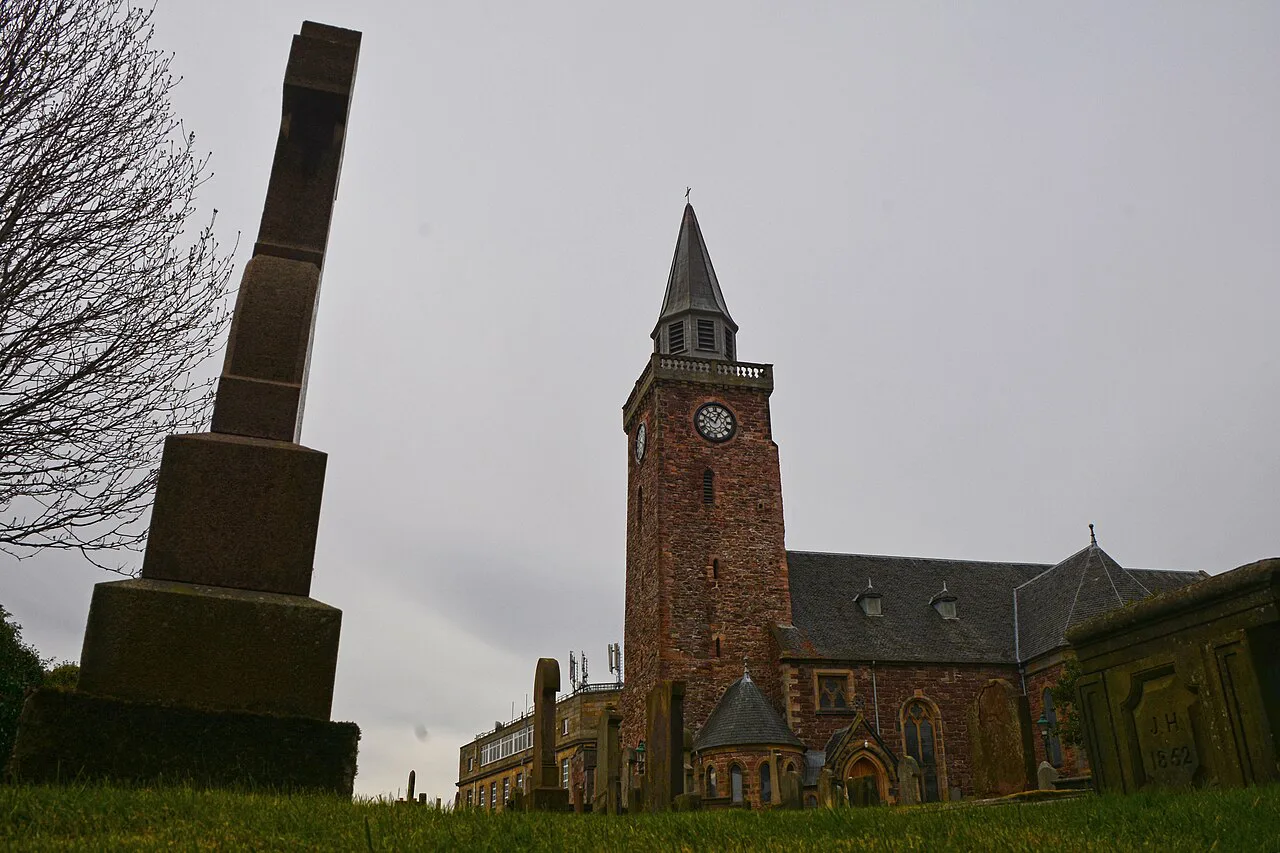
The Old High Church is the oldest building in Inverness, a Georgian shell wrapped around a much older tower on a small rise called St Michael's Mount above the River Ness. It is worth twenty minutes of your day for the churchyard, the tower and the stories attached to them rather than for a fully open interior.
Approach it with realistic expectations: regular worship at the Old High has ended and the building is largely closed and underused. Its interest lies in the fabric, the setting and the historical associations, all of which are visible from the street and the burial ground.
What the Old High Church is and why it matters
This is the historic town church of Inverness, the oldest congregation in the town, whose present building mainly dates from the eighteenth century. It sits within a few minutes' walk of the centre, so it slots easily into a morning of sightseeing around Inverness without needing a dedicated trip, and a short walk across the centre takes you to the museums in Inverness if you want to add an indoor stop.
Its importance is layered rather than spectacular: a religious site on the mount, a medieval tower, an eighteenth-century preaching box and a churchyard tied to some of the darker episodes in Highland history. If you are choosing between church buildings in the city, this one rewards an interest in history over architecture or atmosphere.
Where it stands on Church Street and how to get there
The church stands on Church Street in Inverness city centre, postcode IV1 1EY, on the banks of the River Ness at St Michael's Mount. From the railway station and the main shopping streets it is a short walk downhill towards the water.
Because it is in the centre, it pairs naturally with a wider circuit of the city's sights. If you are building an itinerary around the river, our guide to things to do in Inverness puts the Old High in context with the castle, the islands and the museums.
History in brief: St Columba, the 1300s tower and the 1770 rebuild
Legend holds that this has been a religious site since the first century, when St Columba preached here; treat that as tradition rather than documented fact. What is more solid is the age of the surviving fabric: the oldest part of the present structure is dated to the 1300s, while most of the building was constructed in 1770.
That mix explains what you see: a fairly plain Georgian church with an older, squat tower at one end, rather than a medieval cathedral. Knowing the dates in advance stops the visit feeling underwhelming, because you are looking at a building of two very different periods pressed together.
What to see from outside: St Michael's Mount, the tower and the churchyard
Start with the position: the church sits on a raised mound above the river, and the approach from Church Street gives you the tower against the water. The tower itself once served as a prison, a detail worth carrying with you as you walk round it.
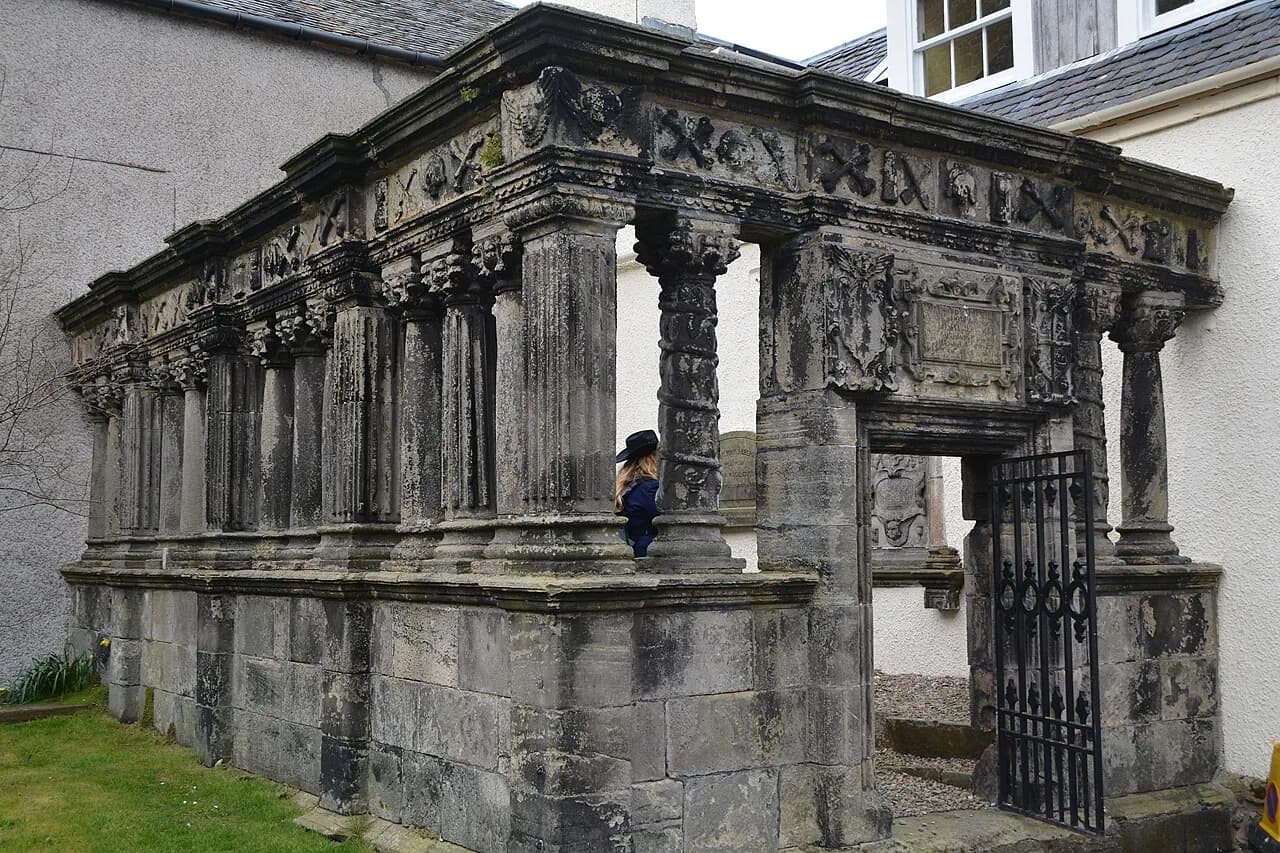
Then take the churchyard slowly. Gravestones, walls and the general quiet do most of the work here, and the whole circuit is small enough that you can see it properly in a quarter of an hour rather than rushing past on the way to the river.

The nightly bell and the Kirking of the Council tradition
The bell in the tower rings each evening, a custom that goes back to 1703, when it signalled a curfew intended to stop people carrying dangerous lanterns in the streets after dark. The curfew is long gone but the ringing continues as tradition, so if you are nearby in the evening you may hear it.
The church is also the setting for the Kirking of the Council, a ceremony around four centuries old held on the second Sunday in September, when councillors, youth groups and guests process to and from the church for a special service. If you are in the city that weekend, it is worth knowing that the surrounding streets see a procession.
Jacobite execution site and musket ball marks on the tower
After the Battle of Culloden in 1746, the churchyard was used for the execution of Jacobite prisoners, who were blindfolded and shot one by one outside the tower. Musket ball marks are said to remain visible on the tower wall, so look closely at the stonework on that side rather than walking straight past.
This is the part of the site that stays with people, and it is best approached quietly. The churchyard is a burial ground in active use as a memorial, so keep to the paths, keep voices low and do not climb on stones or walls to get a better look.
Outlander connections: why fans stop here
The executions in the churchyard are referenced in the third series of Outlander, and the church appears a few times in the books, which has made it a stopping point for fans of the series. If you are following the show's Scottish locations, this is a quick, central addition rather than a whole afternoon.
Come for the story rather than a set: there are no displays or costumes here, just the tower, the wall and the ground where the events are said to have happened. Pair it with other stops on a themed walk so the detour earns its place in your day, and if you want indoor interpretation instead, the museums in Inverness offer a drier counterpoint.
Is it open? What to check before travelling
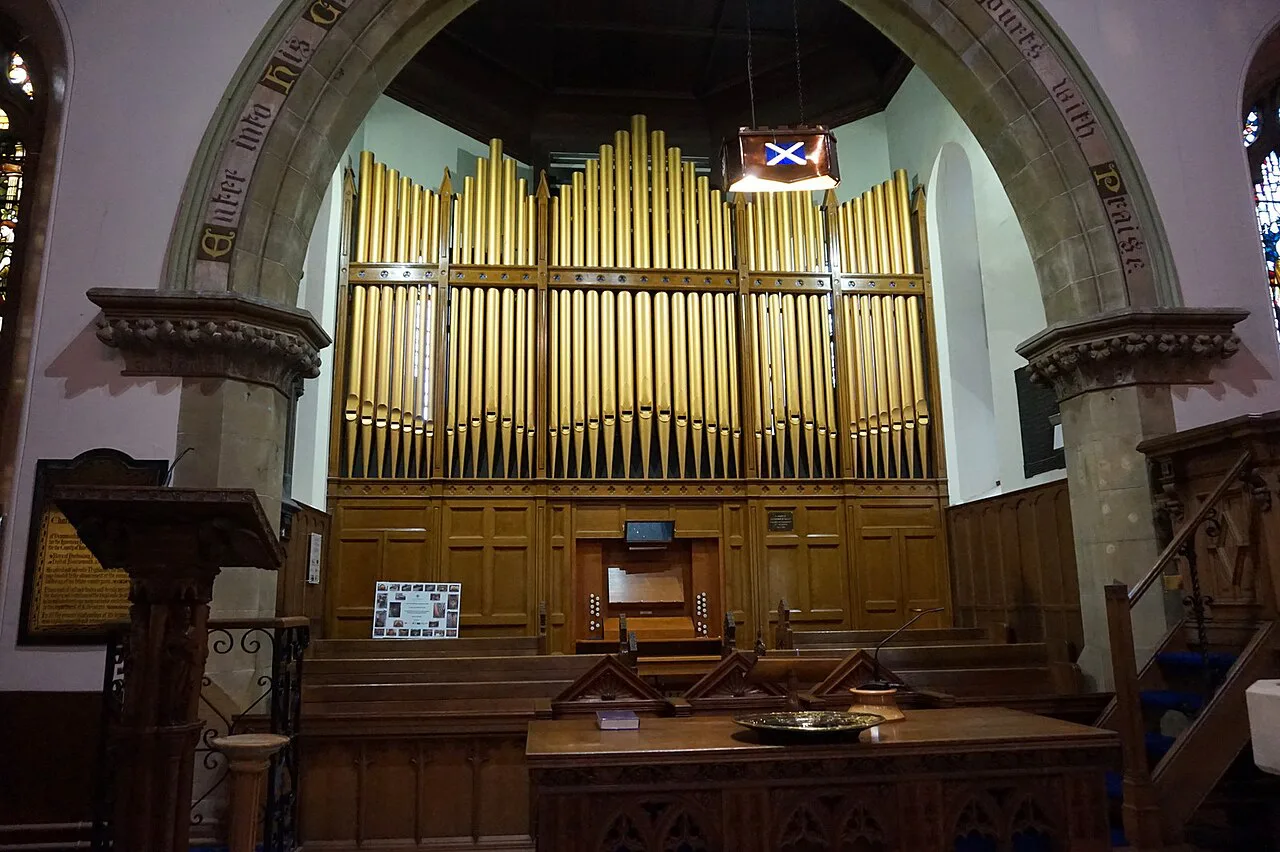
Visitors have been welcomed on weekdays during the summer, with volunteer guides on hand to show people around, although the building is now largely closed and underused. That is a seasonal pattern, not a year-round guarantee, so confirm the current position on the church website before you build a day around going inside.
Remember that regular worship has come to an end and the building is largely closed and underused, so a locked door is a normal outcome outside those times rather than a misfortune. Outside access to the churchyard and the tower exterior is the reliable part of any visit.
There is no admission charge to plan around, which makes this an easy stop to keep flexible. Check the church's own site for the latest visitor information and opening times before setting out.

How long to allow and what is nearby
Allow fifteen to twenty minutes for the exterior and churchyard, or a little longer if the interior happens to be open and you want to look properly. It is a stop on a walk, not a half-day destination, so slot it between bigger sights rather than making it the reason for your trip.
Inverness Castle sits close by on Castle Hill, an easy add-on if you are already in the centre and want another viewpoint over the river. Continue along the water and you reach Eden Court Theatre, a useful landmark on the riverside walk.
For a different kind of church interior, Inverness Cathedral is a short walk away and Greyfriars Church Inverness offers another Free Church of Scotland stop in the city. If the weather turns, the Inverness Museum and Art Gallery makes a dry alternative with a broader look at Highland history, and our guide to museums in Inverness covers the rest of the city's dry-weather options.
If you want green space after the churchyard, the Ness Islands are a pleasant stretch upstream along the river path. Our wider guide to museums in Inverness helps if you would rather spend the afternoon indoors.
Practical tips for a respectful visit
This is a burial ground and a historic church, not a visitor attraction with facilities, so treat it as you would any working cemetery: no picnics on graves, no climbing, and no flash photography inside if you do get in. The mound and the tower are the draw, and both are best seen on foot at a slow pace.
Wear shoes that cope with uneven paving and grass, and keep an eye on the weather coming off the river, because the exposed position makes it feel colder than the surrounding streets. A waterproof layer is more useful here than an umbrella.
If the interior is closed, do not be tempted to peer through windows or try doors; the churchyard and the exterior give you the story anyway. Save the inside for a summer weekday visit when guides are on hand.
Plan Your Visit
The Old High Church earns a short stop on any Inverness itinerary: the oldest building in the city, a tower that once held prisoners, and a churchyard tied to the aftermath of Culloden. Come for the stories and the setting, and check the church website before you travel if you hope to get inside.
Give it twenty minutes, pair it with the riverside walk and the castle, and you will have seen a side of Inverness that most short-break itineraries skip.
Explore more Inverness guides
Frequently Asked Questions
What is the oldest building in Inverness?
The Old High Church on Church Street is described as the oldest building in Inverness. Its oldest surviving fabric dates from the 1300s, while most of the present church was built in 1770, so it is a building of two distinct periods rather than a single medieval structure.
Is the Old High Church the oldest church in Inverness?
It is described as the oldest church in Inverness, standing on St Michael's Mount by the River Ness. The congregation is the oldest in the town, and the present building mainly dates from the eighteenth century.
Can you go inside the Old High Church?
Visitors have been welcomed on weekdays during the summer, with volunteer guides on hand. Regular worship has ended and the building is largely closed and underused the rest of the time, so confirm the current position on the church website before travelling if the interior matters to you.
Why is the Old High Church linked to Outlander?
The churchyard was used for the execution of Jacobite prisoners after the Battle of Culloden in 1746, an episode referenced in the third series of Outlander. The church is also mentioned in the books, which has made it a stop for fans of the series.
How long does a visit take?
Fifteen to twenty minutes covers the exterior, the tower and the churchyard. Add another ten minutes or so if the interior is open and you want to look around properly.
What else is nearby?
Inverness Castle on Castle Hill is close by, Eden Court Theatre sits along the riverside walk, and Inverness Cathedral and Greyfriars Church are both within walking distance of Church Street.
Is the churchyard accessible?
The churchyard sits on a raised mound with uneven paving and grass, so expect slopes and some rough ground underfoot. The position above the river is exposed, so dress for wind and rain.