Museums in Inverness: What to See and What It Costs
Inverness Museum and Art Gallery is free to enter and covers the Highlands from geology and the Picts to the Jacobites. Here is what to see and how long to allow.
On this page
Inverness Museum and Art Gallery is the one museum every first-time visitor should build into a city break, and it costs nothing to enter. It sits on Castle Wynd, just below the castle and a short walk from the railway station, so it slots easily into a morning or a wet afternoon. The collection is the story of the Highlands in miniature, from three-billion-year-old geology to the Jacobites and the modern city.
The museum is run by High Life Highland and holds the title of the oldest museum in the Highland region, with collections founded in 1825. Two main floors are connected by stairs and a lift, with the museum exhibits on both levels and the art galleries upstairs. It is a compact, well-labelled museum rather than a sprawling national institution, which is exactly why it works as a city-centre stop rather than a whole day out.
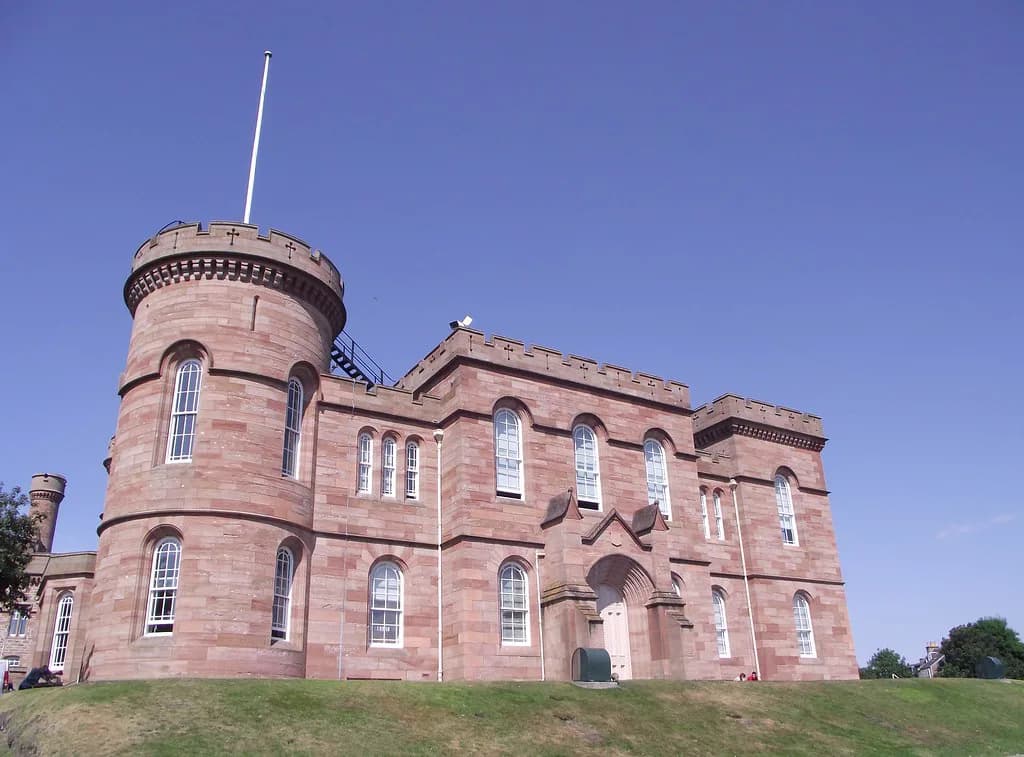
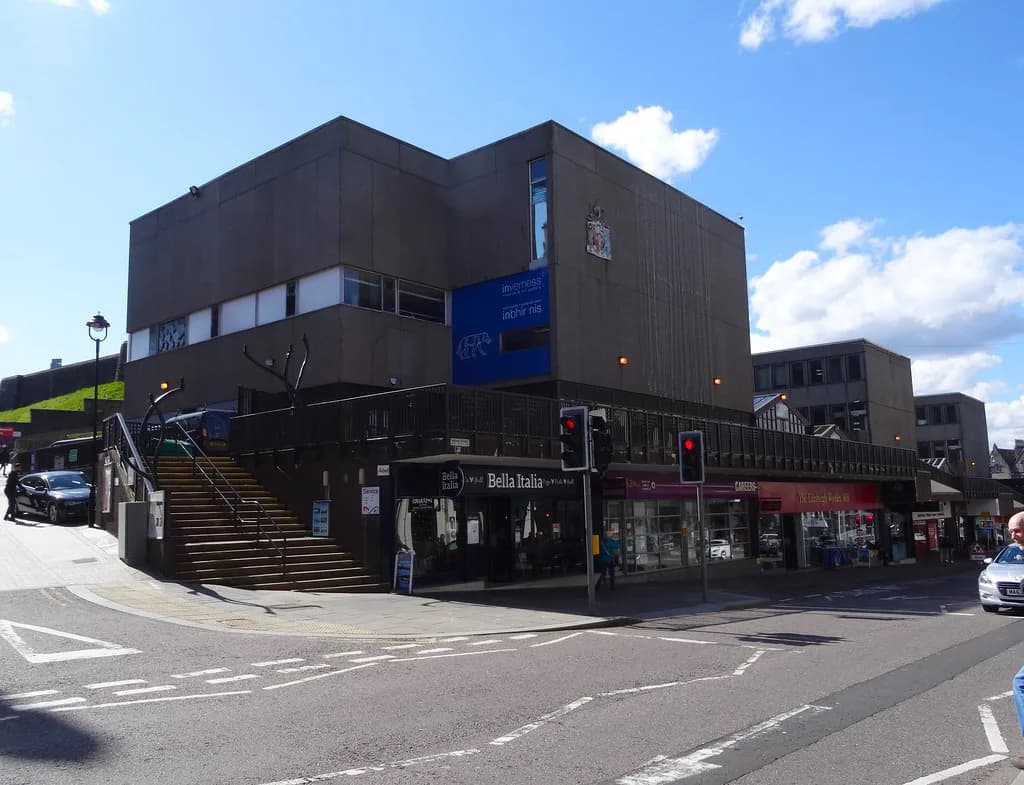
Inverness Museum and Art Gallery: free entry on Castle Wynd
The museum stands at the top of Castle Wynd, just past the Town House and below the castle hill, at IV2 3EB. There is no admission charge and donations are encouraged, which makes it the obvious anchor for a low-cost day in the centre. If you are weighing up which city collections charge and which do not, this is firmly in the free camp.
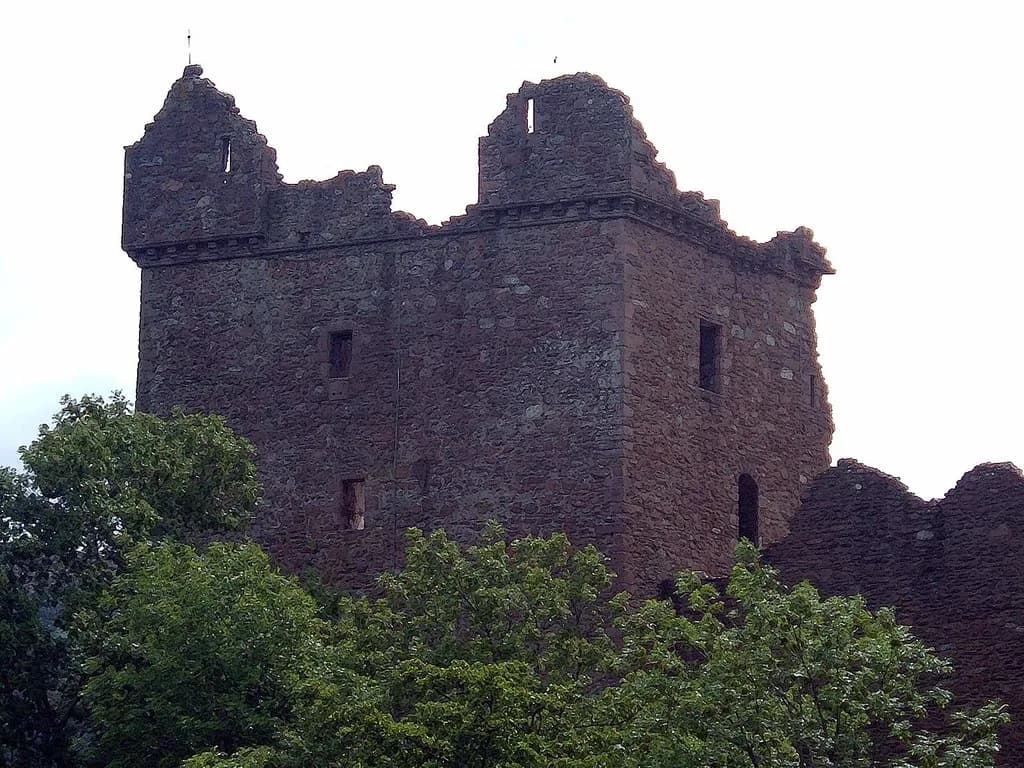
Because it sits directly under the castle, the museum pairs naturally with the castle above it and the riverside streets below. For a wider look at the fortifications that have stood on this hill, our guide to castles near Inverness sets the museum's neighbours in context. Plan the museum as a one-to-two-hour stop and you will still have time for the castle and a walk by the water.
What the museum holds: geology, Bronze Age finds and Pictish stones
The ground floor tells the story of the land and its earliest people, starting with Highland geology before moving through Mesolithic, Neolithic and Bronze Age finds. You will see carved stone balls, cooking vessels and beakers, then a strong Iron Age and Pictish section built around the museum's collection of carved symbol stones. A quernstone and personal objects such as brooches and combs sit alongside the stones, which makes the early galleries easy to follow even without prior knowledge.
The same floor finishes with medieval Inverness, Gaelic language and culture, and a habitat and wildlife display centred on Scottish wild mammals. Stuffed animals are not to everyone's taste, but the scenes give children something concrete to look at after the cases of stone. Expect the ground floor to take the larger share of your time.
Upstairs: the Jacobites, Highland culture and the modern city
The first floor picks up the story from the Jacobites and Bonnie Prince Charlie, which carries extra weight given how close the museum sits to Culloden. From there the displays move through Highland music, dress and weapons, including fiddles, bagpipes, tartan and broadswords, before covering the agricultural revolution, the clearances and twentieth-century Inverness. Look out for the recreation of Mrs Rollo's kitchen and the exhibition on aviation pioneer Ted Fresson.
If the politics and warfare of the Jacobite era are what draw you, the battlefield itself is five miles east of the city, and the National Trust for Scotland runs the visitor centre there. Treat the museum as the primer and Culloden as the follow-up, in that order, and the story lands far better.
The two first-floor art galleries and the craft showcase
Two art galleries occupy part of the first floor, alongside a contemporary craft showcase in the first-floor foyer. The programme changes through the year and covers contemporary and historic work across a range of media, with local, national and international artists and makers. New work by contemporary Highland artists is a regular feature, and pieces are often for sale if something catches your eye.
Because the displays rotate, it is worth checking what is on before you travel rather than assuming a particular show will still be hanging. For the wider picture of where to see and buy art in the city, our guide to art galleries in Inverness covers the museum's galleries alongside the other spaces worth knowing. Inverness Museum and Art Gallery publishes current and upcoming exhibitions on its own site.
Opening hours and the winter shift
The museum opens Tuesday to Saturday and closes on Sunday and Monday. In the main season it runs from 10am to 5pm; from November to March the days shorten to Tuesday to Thursday noon to 4pm and Friday and Saturday 11am to 4pm. That winter pattern is the single biggest planning catch, because a Monday or a late-afternoon arrival outside the core hours will find the doors shut.
The coffee shop keeps shorter hours than the museum itself, opening about half an hour after the galleries and closing roughly forty-five minutes before them. If a sit-down lunch or a scone is part of the plan, aim for the middle of the day rather than the edges. Confirm the day's times before setting out, since seasonal patterns and holiday variations can shift.
Getting there from the station and around the centre
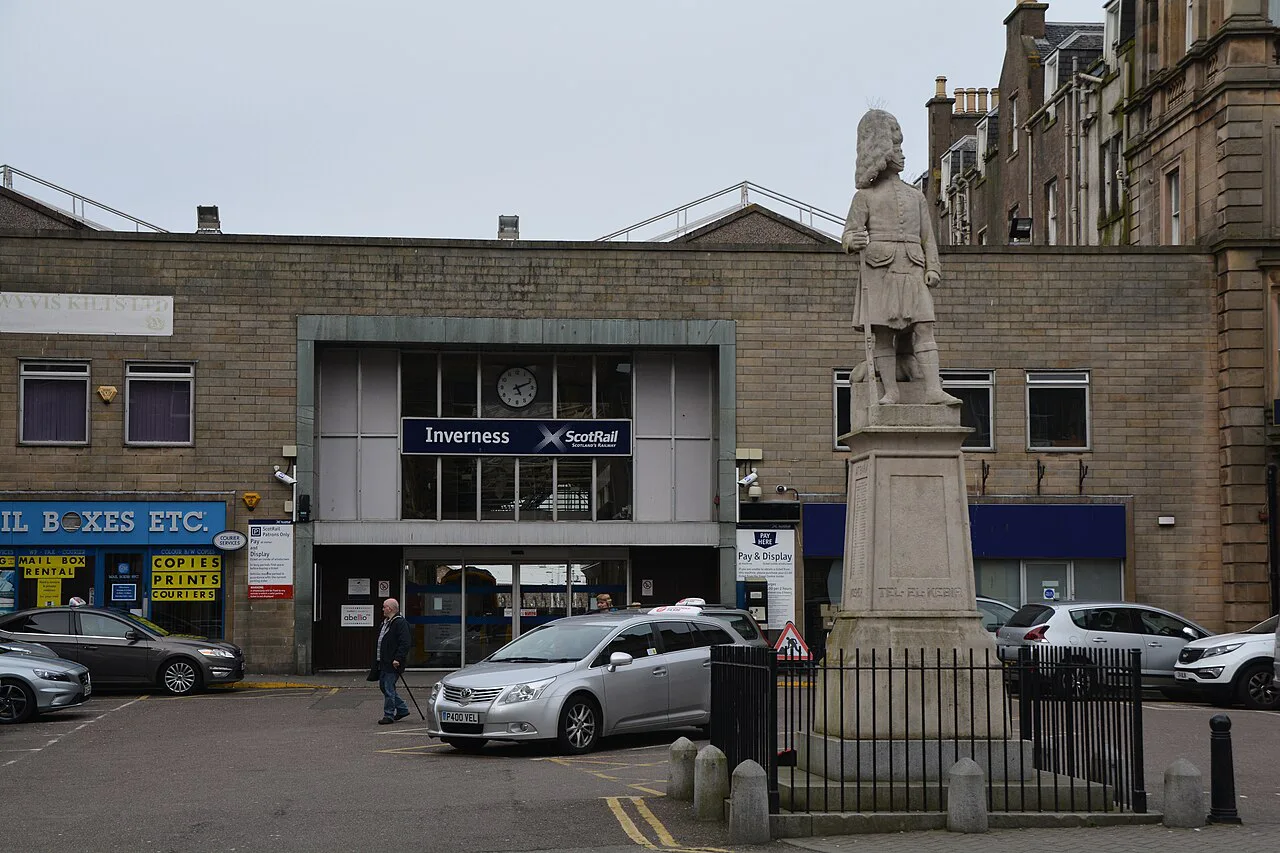
From Inverness railway station the walk is straightforward: head by Inglis Street and the High Street to the Town House, and the museum is at the top of Castle Wynd. It is a short city-centre stroll rather than a bus journey. Buses also stop nearby at Castle Steps and on Castle Street if you are coming from further out.
There is no public parking at the museum itself beyond a private disabled bay, but paid on-street parking on Castle Street and the Rose Street multi-storey and Eastgate Shopping Centre car parks are all close. Drivers should bank on a short walk from the car park rather than a doorstep drop-off. Assistance and service dogs are welcome; other pets are not admitted.
Access trade-offs: steps, the lift and step-free routes
The entrance has steps, and the passenger lift is out of order, so step-free access is not available there at present. Accessible toilets and an accessible parking bay are listed, but the entrance itself is the sticking point. Anyone who needs level access should ring the museum before travelling rather than arrive and hope.
This is the kind of detail that decides whether a museum is viable for a member of your group, so build it into the plan early. If step-free access is essential, ring the museum to check the latest lift status and any alternative arrangement before you set out. The museum's own visitor information is the place to confirm it.
How long to allow inside
Allow roughly an hour and a half to two hours to do the museum properly. The ground floor carries the bulk of the exhibits and rewards slow reading, while the upper floor moves faster unless the Jacobite material or a temporary exhibition grabs you. Add half an hour if you want a coffee or a browse in the gift shop on the ground floor.
Families with children will find the handling and dressing-up elements, such as piecing together a Bronze Age pot or trying on a kilt, stretch the visit usefully. If you are short on time, prioritise the Pictish stones and the Jacobite galleries, the two collections that give the museum its Highland character.
Nearby heritage: the castle, the cathedral and the riverside walk
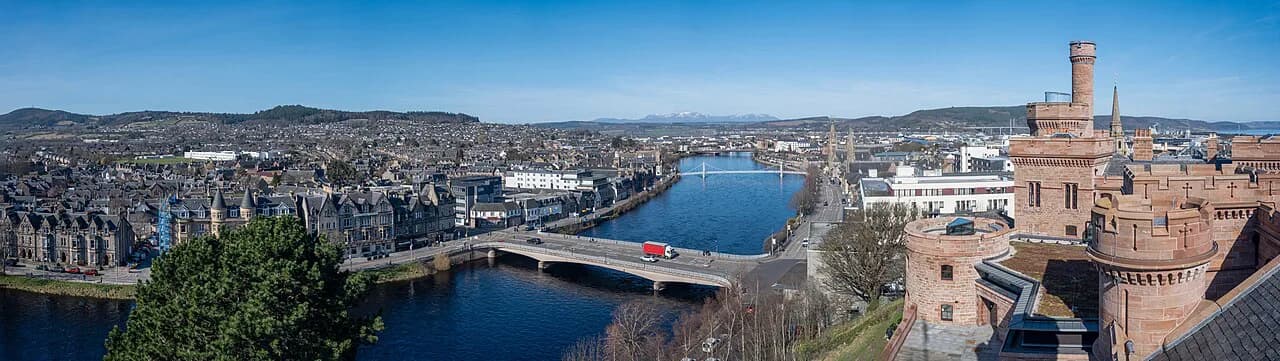
The castle hill above the museum is now the Inverness Castle Experience, with exhibitions and a rooftop terrace. It is a separate attraction from the museum and worth pairing on the same day while you are already on Castle Wynd. Our Inverness Attractions: 8 Visitor Guides hub maps out the other stops worth building around it.
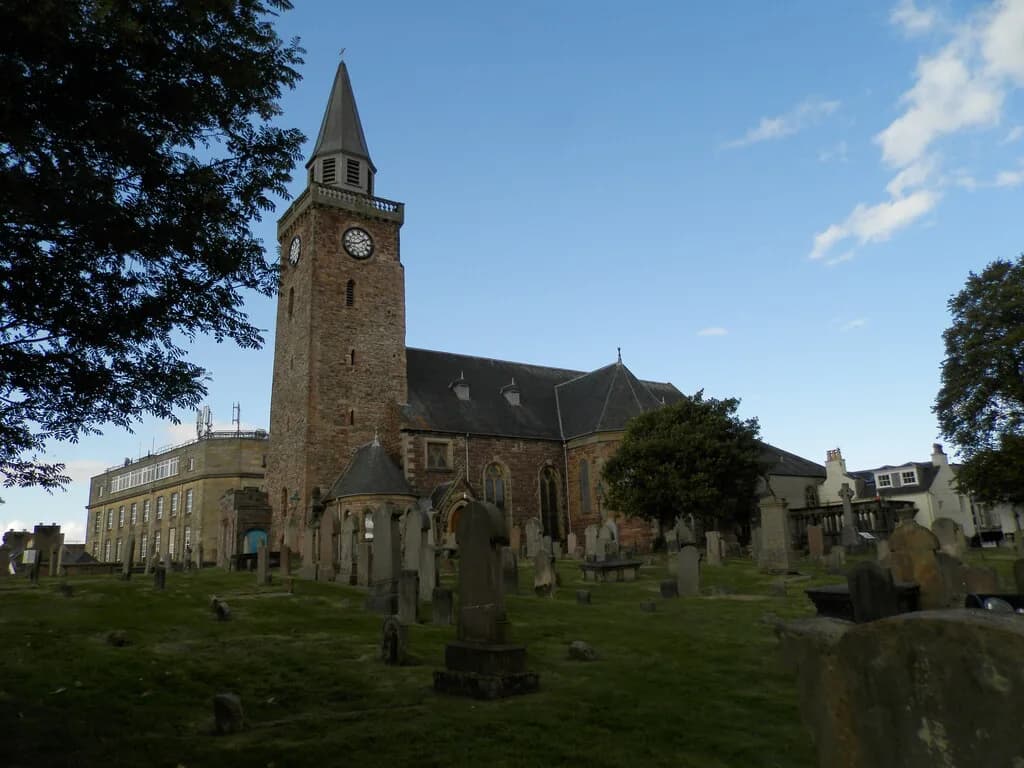
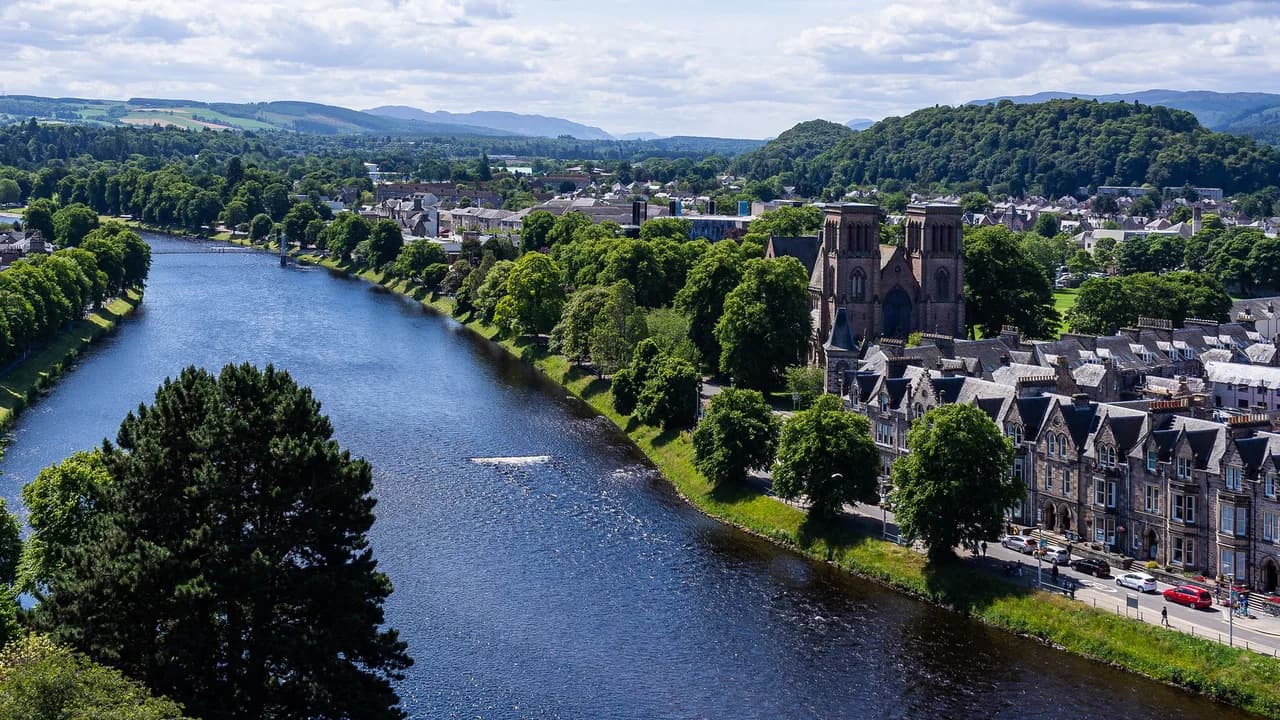
St Andrew's Cathedral, a pink freestone Gothic building of 1866 to 1869, stands on the River Ness and is open every day of the year. From there the riverside walk runs along Ness Bank to the Ness Islands and back past the cathedral, about three miles and an hour and a half on foot. Leakey's Bookshop, in an old Gaelic church on Church Street, is a short detour if second-hand books appeal.
If you want the city's story in chronological order before or after the museum, our history of Inverness fills in the gaps the displays only sketch. For a structured route that ties the castle, cathedral and river together, an Inverness walking tour makes the geography click. Walkers who prefer to go it alone will find the River Ness path easy to follow from the centre.
Planning around winter hours and a half-day in the centre
The realistic shape of a museum day in Inverness is a half-day in the centre rather than a full one. Start at the museum when it opens, move up to the castle, then walk down to the cathedral and along the river. In winter, when the museum opens at noon on Tuesday to Thursday, put the riverside walk first and save the galleries for the afternoon.
If you are comparing this museum with bigger city collections elsewhere in the UK, our guides to museums in Aberdeen and museums in Birmingham show how the free civic museum model plays out at different scales. The Inverness version is smaller, but the Highland material is unique to it. Build the day around the winter timetable and it will run smoothly.
Plan Your Visit
Inverness Museum and Art Gallery is free, central and genuinely useful, and it earns its place at the top of a city-break itinerary. Go for the Pictish stones and the Jacobite galleries, allow a couple of hours, and pair it with the castle above and the river below. Check the day's opening times and the current lift situation before you set out, especially between November and March.
Explore more Inverness guides
Frequently Asked Questions
Is Inverness Museum and Art Gallery free?
Yes. There is no admission charge, and donations are encouraged. That makes it the obvious anchor for a low-cost day in the city centre, alongside the riverside walk and the cathedral.
What can you see at Inverness Museum and Art Gallery?
The ground floor covers Highland geology, Bronze Age and Iron Age finds, Pictish carved stones, medieval Inverness and local wildlife. Upstairs covers the Jacobites and Bonnie Prince Charlie, Highland music, dress and weapons, the clearances and twentieth-century Inverness, plus two art galleries with changing exhibitions.
What are the opening hours in winter?
From November to March the museum opens Tuesday to Thursday from noon to 4pm and Friday and Saturday from 11am to 4pm. It is closed on Sunday and Monday. In the main season it opens Tuesday to Saturday from 10am to 5pm, and the coffee shop keeps shorter hours than the galleries.
How long does a visit take?
Allow about an hour and a half to two hours. The ground floor takes the larger share of the time because of the volume of exhibits, and the upper floor moves faster unless a temporary exhibition holds you. Add half an hour for the coffee shop or gift shop.
Is the museum accessible for wheelchair users?
The entrance has steps and the passenger lift has been out of order, so step-free access has been possible only via the stairs. Accessible toilets and an accessible parking bay are listed. Ring the museum before travelling if you need level access, and ask about the current lift status.
What else is near the museum in Inverness city centre?
The Inverness Castle Experience sits directly above on Castle Hill, St Andrew's Cathedral is a short walk to the River Ness, and the riverside walk to the Ness Islands runs about three miles and takes roughly an hour and a half. Leakey's Bookshop on Church Street is close by.
Sources
Notes for your next city break
Optional updates to our UK city guides.
You might also like
Continue reading
More guides you'll find useful