
Moot Hall, Keswick: A Visitor's Guide to the Market Square Landmark

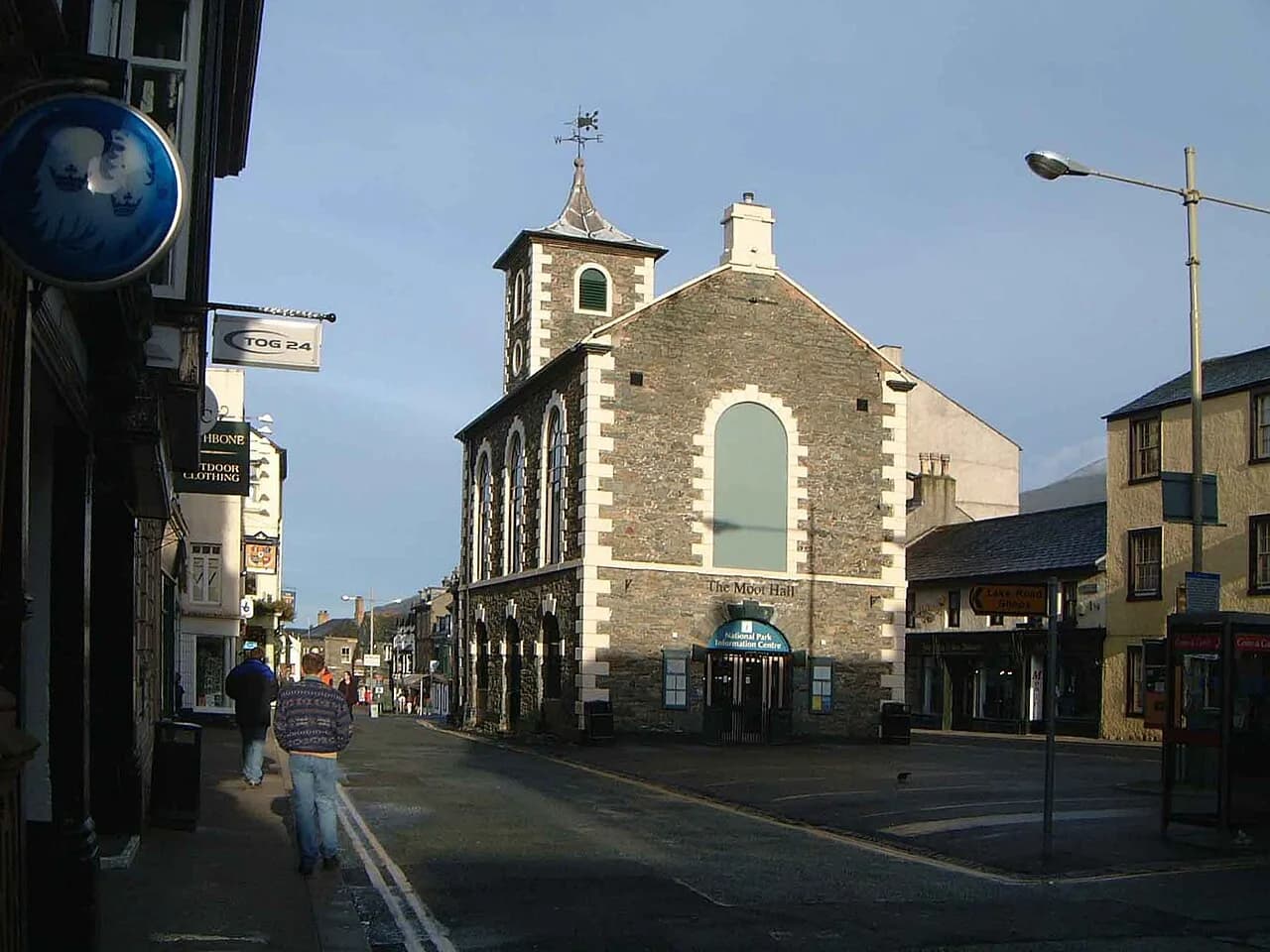
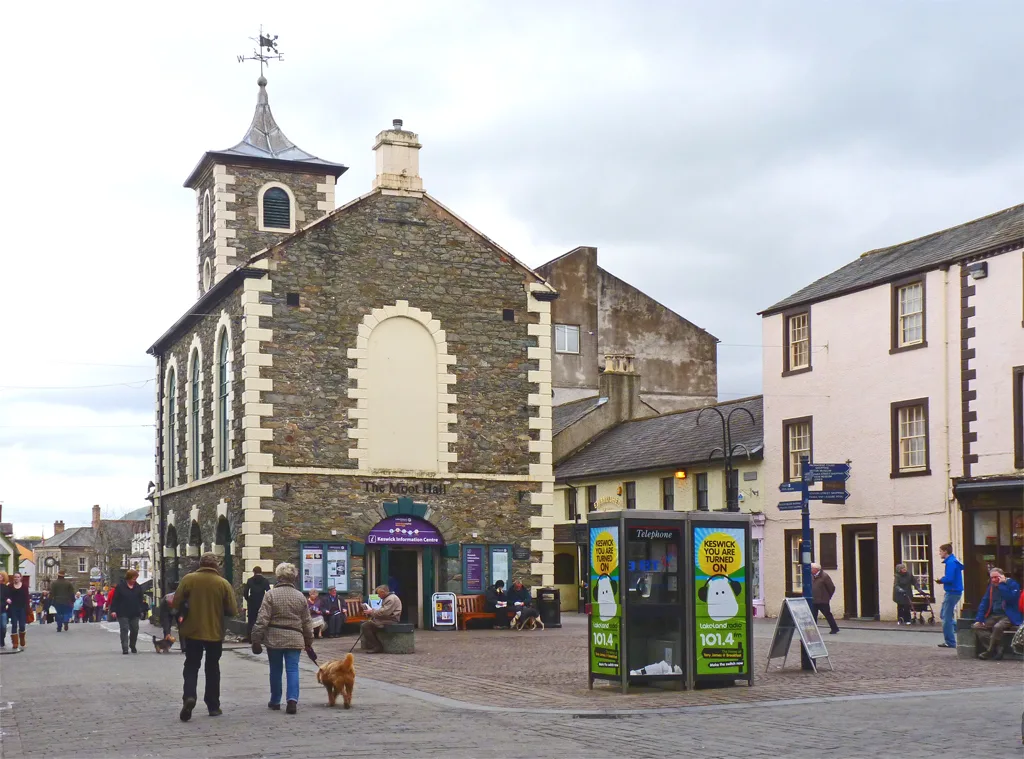
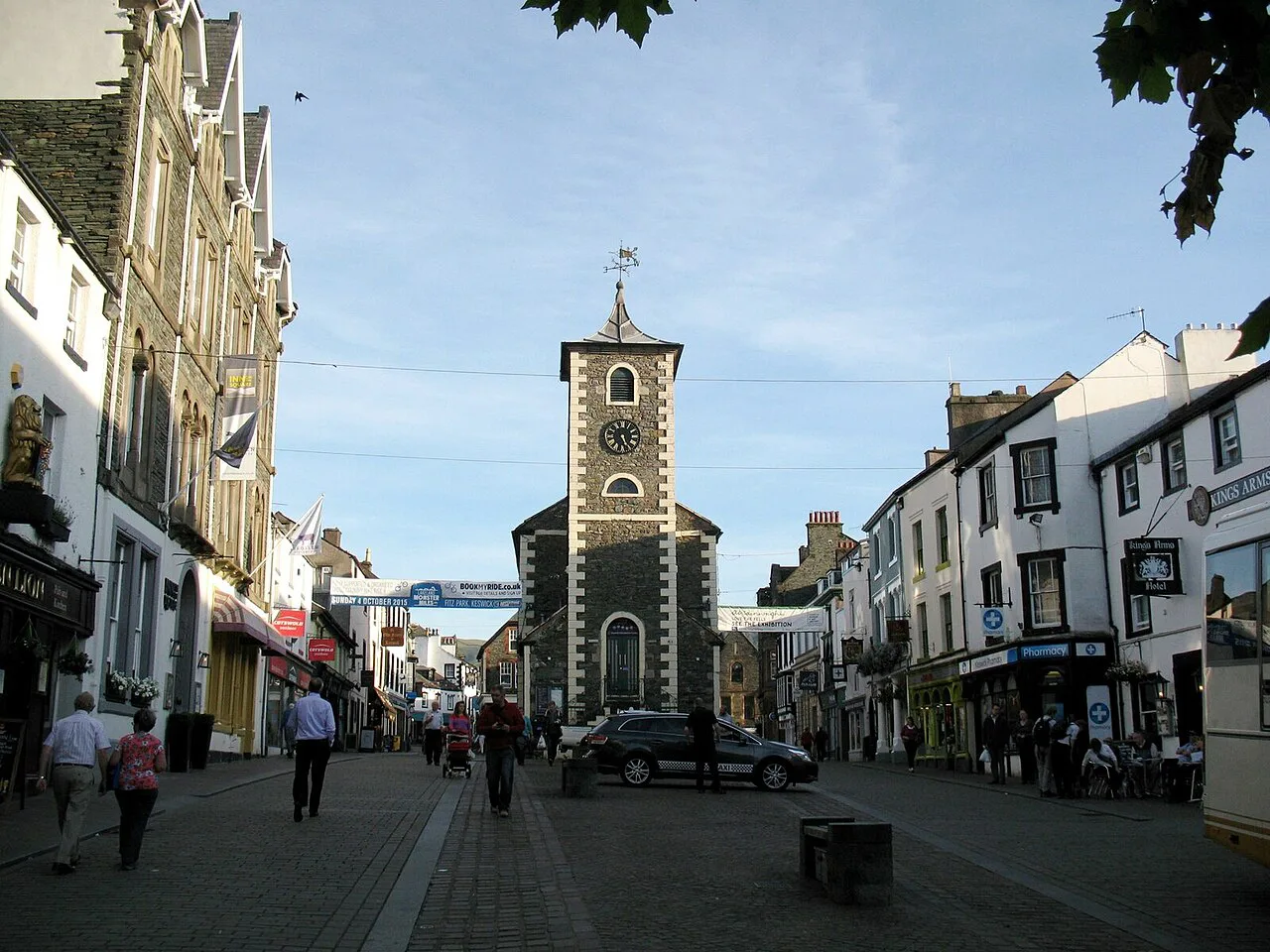
Moot Hall is the stone landmark at the southern end of Main Street in Keswick, standing squarely in Market Square and acting as the town's most recognisable meeting point. It is Grade II* listed, and its tower, clock and front steps are visible from the street without buying a ticket. Treat it as a short stop woven into a day in the town rather than a destination that fills an afternoon.
The main change for visitors is inside: the Lake District National Park Authority ran a tourist information centre here for about 25 years before closing it in 2026. Use this guide to understand what the building is, what happened to that service, and how to slot Moot Hall into a walk around Keswick and the lakeshore.
What Moot Hall Is
Moot Hall is a historic civic building occupying a prominent position in the middle of Keswick's Market Square, at the southern end of Main Street. Its listed status puts it among the more significant historic structures in the town, and it sits within the Lake District National Park. For a visitor, the value lies in the setting as much as the fabric: the square opens up around it, with shops, cafés and the start of several walking routes close by.
The building has served several purposes over its life, including as a market space, a court house, a museum and, most recently, a tourist information centre. That layering is why the interior layout and the exterior details differ from what you might expect of a plain town hall. Keswick Attractions pulls together the town's other named sights if you want to build a fuller day around the square, and its guide to museums in Keswick covers the town's indoor collections.
History in Brief
The present Moot Hall dates from 1813, although the site held an important town building long before that. Its lower floor originally worked as a market, while the upper floors were given over to offices and a court house. That mix of commerce and administration explains the building's solid, workmanlike appearance rather than any ornamental ambition.
Over the years the building also housed a museum, and later the national park authority's tourist information centre. The building is owned by the Battersby Trust, a charity that said the information centre's rent had not risen since 2001 and that it had to seek best value for its beneficiaries. That tension between heritage and running costs sits behind the change described below.
What You Can See From Outside
Start with the square tower, which carries an unusual one-handed clock dated 1814. A bell in the tower and a weathercock on top are traditionally said to have come from the manor house on Lord's Island on Derwentwater, a story worth repeating as local tradition rather than settled fact. Look also at the bars on the ground-floor windows and the small cell beneath the tower, reminders of the building's past as a place of holding and justice.
The front steps and main door carry a separate reputation in the fell-running world, where they are treated as the traditional start and finish point of the Bob Graham Round. You will not see any ceremony on an ordinary morning, but knowing the connection changes how the doorway reads. The same steps serve as a natural meeting spot for walks heading out of town.
The Tourist Information Centre Closure
The Lake District National Park Authority closed its tourist information centre in Moot Hall on 31 January 2026, putting seven staff roles at risk of redundancy. The authority cited budget cuts and what it called an unsustainable rent rise at its Moot Hall base. The building is understood to be due to be turned into a café, so the interior you encounter will not be a staffed visitor centre.
The authority said it would keep looking for alternative premises and raised the possibility of retaining some presence in Moot Hall with the incoming tenant's agreement, but that arrangement is not confirmed. Keswick Tourism Association has said it is in early talks with the authority about supporting an alternative. Plan on there being no staffed information desk in the building unless you confirm otherwise.

Tickets and Access
The outside of Moot Hall is part of the public street scene in Market Square, so the tower, clock, door and steps can be seen whenever you are in town. Interior opening hours and entry arrangements are not stated in current sources, and the change of use means any old visitor-centre information is out of date. Check with Keswick Tourism Association before travelling if seeing inside matters to your trip.
Getting There
Moot Hall's position in Market Square makes it easy to reach on foot from anywhere in central Keswick; Main Street runs down to it, and the square is the natural centre of town. Local bus services link Keswick with surrounding towns and villages, and the town's information point used to be the place to pick up timetables and last-minute maps. With the centre closed, sort your bus times and parking before you arrive rather than relying on a counter in the building.

How Long to Allow
Give Moot Hall ten to fifteen minutes if you only want to look at the exterior, read the tower details and take a photograph across the square. It becomes a half-day anchor if you use the steps as a meeting point for a walk, with routes heading out towards Derwentwater and the surrounding fells. Walkers commonly use the building as a start and finish marker rather than a sight in its own right.
If you are building a wet-weather day, pair the square with an indoor collection rather than stretching out your time at Moot Hall itself. The pencil museum Keswick is a short walk from the centre and gives you a proper hour or two under cover, and you can compare it with the other museums in Keswick if you want more than one indoor stop.
Nearby: Derwentwater and the Fells
Derwentwater sits within easy walking distance of Market Square, and the lakeshore paths make a sensible extension of any visit to the building. The fells rise on all sides of the town, so the square works well as a base for a short climb or a gentler waterside stroll. Plan your route before setting out, as signage and services in town have changed since the information centre closed.
Castlerigg Stone Circle is another well-known prehistoric site on the edge of town, reached by a walk or a short drive from the centre. Lodore Falls, on the Borrowdale road beyond the lake, pairs a waterfall with the Lodore Falls Hotel & Spa for a longer excursion. Both reward an early start if you want quieter paths.
Plan Your Visit
Moot Hall is a landmark to see on the way through Keswick rather than a ticketed attraction to schedule a morning around. Read the tower details, note the fell-running tradition attached to the steps, and treat the square as your starting point for the town and the lakeshore. Everything else in central Keswick sits within a short walk.
Because the tourist information centre has closed and the building's future use is still settling, confirm arrangements with Keswick Tourism Association before relying on any service inside the hall. That one check is enough to keep the rest of your day flexible.
Explore more Keswick guides
Frequently Asked Questions
What is Moot Hall in Keswick?
It is a Grade II* listed historic building standing in Market Square at the southern end of Main Street. Built in 1813, it has been used as a market, a court house, a museum and, most recently, a tourist information centre.
Is Moot Hall still a tourist information centre?
No. The Lake District National Park Authority closed its tourist information centre in the building on 31 January 2026, citing budget cuts and an unsustainable rent rise. The authority has said it is looking for alternative premises and has raised an unconfirmed option of keeping some presence in Moot Hall with the incoming tenant's agreement.
Can I go inside Moot Hall?
The tower, clock, door and steps are part of the public street scene and can be seen from Market Square at any time. Interior opening hours and entry arrangements are not published, and the building is understood to be due to become a café, so check current details with Keswick Tourism Association if seeing inside matters.
When was Moot Hall built?
The present building dates from 1813, though an important town building has stood on the same site for much longer. Its lower floor was originally a market, with offices and a court house above.
How long do you need at Moot Hall?
Allow ten to fifteen minutes to look at the exterior, read the tower details and take a photograph across the square. It becomes a half-day anchor if you use the front steps as a meeting point for a walk towards Derwentwater and the fells.