
Derwent Pencil Museum, Keswick: A Visitor Guide

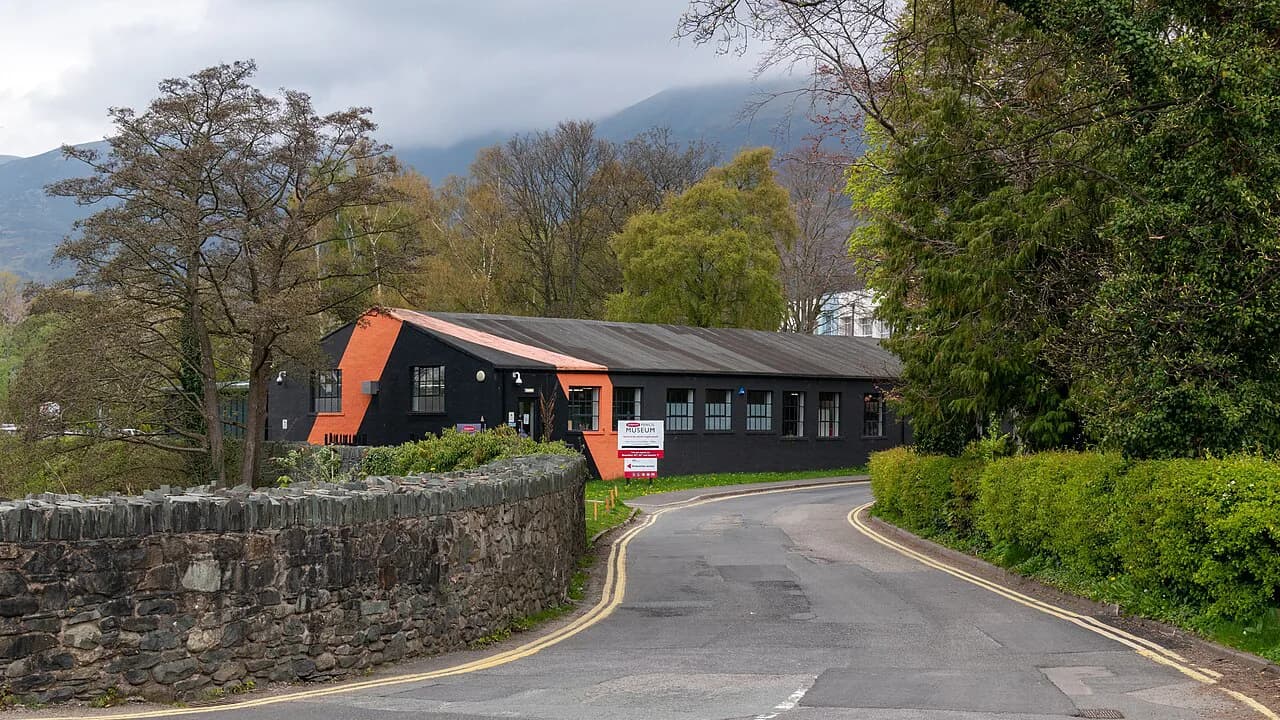
The Derwent Pencil Museum is Keswick's museum of pencil-making, housed on the site of the old Cumberland Pencil factory. It suits an hour or two indoors when rain sweeps across the fells, and it pairs neatly with a wander through the town centre afterwards. The exhibits cover the full arc of the trade, from a replica graphite mine to the wartime spy pencils made for RAF airmen.
This guide sticks to one place: what is inside, roughly how long it takes, and what sits within easy reach of the door. If you are weighing it against the rest of the town, the wider set of Keswick Attractions shows how it fits alongside the lakeshore and the stone circle, and our guide to the museums in Keswick covers the town's other indoor options.
Where the Derwent Pencil Museum Is
The museum stands in Keswick, in the northern Lake District, on the ground of the original Cumberland Pencil factory that ran from 1832 to 2008. The imposing 1916 factory building remains a local landmark, so the site itself carries a good deal of the story before you get through the door. Being in the town rather than out on the fells makes it an easy addition to a day in Keswick.
How to Get There
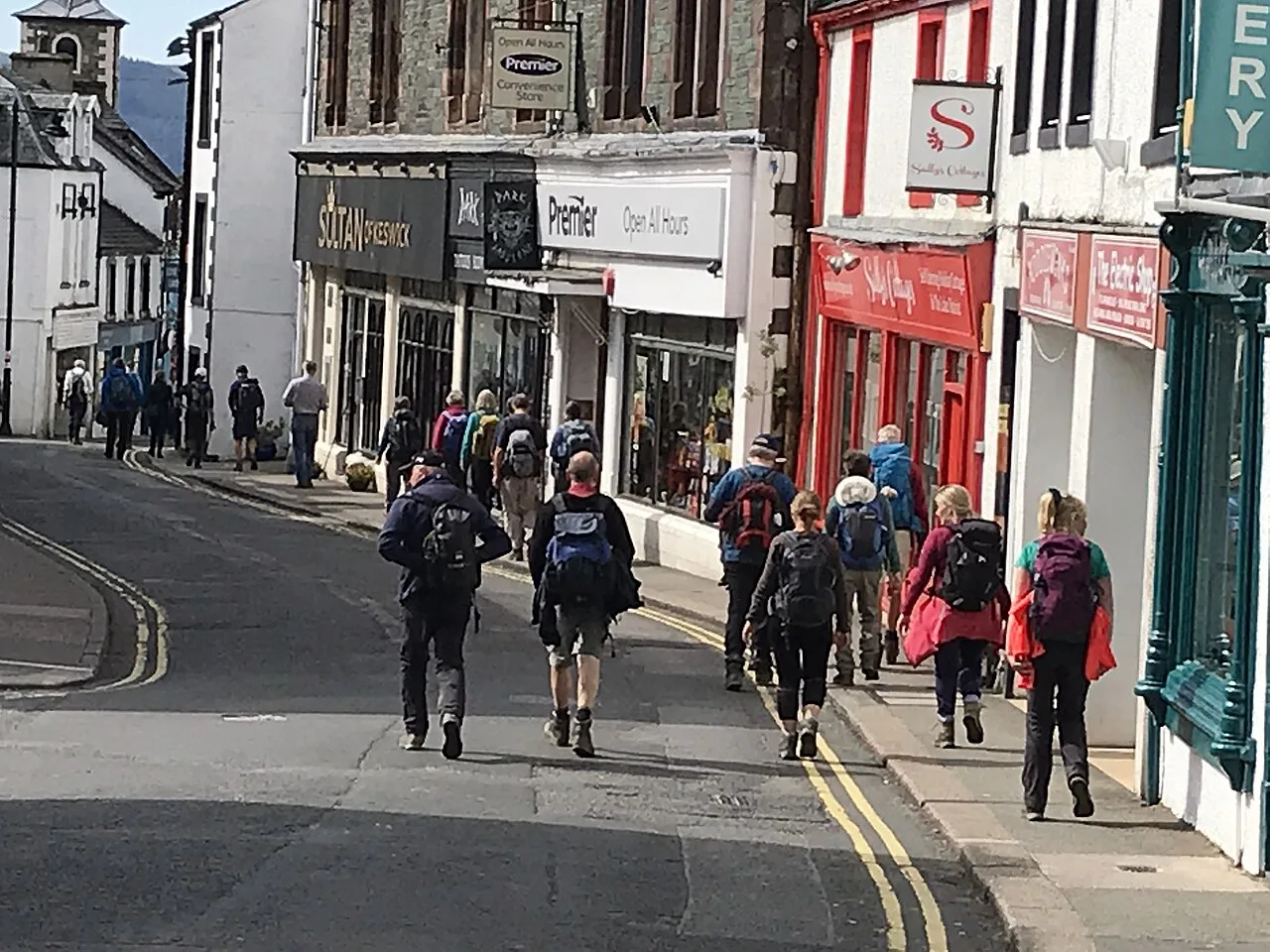
The museum is a short walk from Keswick town centre, which makes it practical to reach on foot from the shops, the Moot Hall and the bus stands. Leave the car where you are staying if you can, since town-centre parking in Keswick fills quickly in season. If you are driving, confirm the nearest parking options and charges before you set out.
A Short History of Pencil-Making in Keswick
Pencil-making in Keswick stretches back more than four centuries, to a rich seam of unusually pure graphite found in the Borrowdale valley nearby. Legend has it that a storm uprooted a tree and exposed the black lead beneath, a tale worth treating as legend rather than record. What is documented is the industry that grew from it: Banks, Son & Co. was founded in 1832, later becoming the Derwent Cumberland Pencil Co., and production eventually moved to Workington.
The Borrowdale connection is worth holding on to as you walk round, because it explains why a small Cumbrian town became known as the Home of the Pencil. The same story sits alongside the region's other old sites, such as Castlerigg Stone Circle, if you are building a day around local history.
The Replica Graphite Mine at the Entrance
You enter through a reconstructed graphite mine that recreates the dark, damp conditions of an 18th-century Borrowdale working. It is a deliberate piece of scene-setting: you feel the cramped, enclosed world where the raw material was cut by hand before you reach the displays about manufacturing. Go slowly here, because it gives the rest of the collection its context.
The World's Largest Pencil
The best-known exhibit is a bright yellow giant pencil, 7.91 metres long and weighing 446 kilograms, completed in May 2001 to mark the factory's long history. It holds a Guinness World Record and makes the obvious photo stop of the visit. Children tend to head straight for it, and it is the image most visitors take away.

The Second World War Spy Pencils
During the Second World War the factory was secretly commissioned by MI5 to make pencils for RAF pilots that concealed a silk map and a tiny compass inside the casing, designed to help downed airmen escape across enemy lines. The displays cover Charles Fraser-Smith, the man behind the design, and the replicas make the ingenuity plain. It is the most surprising part of the museum and the bit most adults linger over.
How Pencils Are Made: Graphite, Clay and Grades
Pencil cores are made by mixing finely ground graphite with clay, and the ratio decides the hardness: more graphite gives a softer, darker line, more clay a harder, lighter one. That single idea explains the B and H grades on every pencil in the shop, and it is the most useful thing to take away from the manufacturing displays. Once you know it, the colour charts and product ranges on the Derwent site make far more sense.
Workshops and the Derwent Shop
The museum runs hands-on pencil-making workshops where visitors can make their own souvenir to take home, which is the part children remember longest. On site there is also a Derwent art supplies shop, useful if you have run out of sketching kit mid-trip. The museum's events page carries any exhibitions or workshops it has listed, though past listings show what has already finished rather than what is on now.

Tickets and Opening Hours
Tickets are sold at the museum, and the shop and workshops sit within the same visit rather than as separate bookings. Check the museum's own site or ring ahead for current admission prices and opening days before you travel, since these change with the season. The museum also welcomes well-behaved dogs on leads inside, which makes it a rare rainy-day option that does not mean leaving the dog behind.
How Long to Allow and Who It Suits
Allow an hour or two: long enough to go round the mine recreation, the giant pencil, the spy pencils and the manufacturing displays without rushing, short enough to leave the afternoon free. It is not a large national museum, so anyone expecting galleries on that scale will find it modest. Families and anyone caught out by wet weather get the most from it, and it works well as a morning stop before the rain clears.
Nearby: Keswick Town and the Fells
Back outside, the town centre is minutes away, and the lakeshore walks at Friars Crag and Hope Park make an easy leg-stretch once the weather lifts. Museums in Keswick are few, so pairing this one with Keswick Museum, which sits by Fitz Park, gives you a full indoor day if the rain sets in.
For something wilder, Lodore Falls is a short drive south along the lake, and the National Trust countryside around the stone circle suits a late-afternoon leg-stretch. Pencil Museum first, boots second is a sensible order on a mixed-weather day.
Plan Your Visit
Treat the Derwent Pencil Museum as a compact, indoor Keswick stop of an hour or two, best paired with a town walk and a lakeshore stroll. Book nothing in advance beyond confirming opening days on the museum's own site, and go early in the day to leave the afternoon free. The spy pencils and the replica mine are the two things worth slowing down for.
Explore more Keswick guides
Frequently Asked Questions
Is the Derwent Pencil Museum worth visiting?
It is worth it if you want an indoor, weather-proof hour or two with a genuine local story behind it. The replica graphite mine, the giant pencil and the wartime spy pencils give it more substance than its size suggests. Anyone expecting a large national museum should adjust expectations.
Are pencils still made in Keswick?
Manufacturing moved from the Keswick site to Workington, and the original factory grounds now house the museum. The town's pencil-making history goes back to the Borrowdale graphite deposits found centuries ago.
What can you see at the Derwent Pencil Museum?
You enter through a replica 18th-century graphite mine, then pass displays on manufacturing, the record-holding giant pencil completed in 2001, and the Second World War spy pencils made for RAF pilots with a hidden map and compass. There is also an art supplies shop and hands-on pencil-making workshops.
How long does the Pencil Museum take?
Allow an hour or two. That covers the mine recreation, the main exhibits and a look round the shop without hurrying, and leaves the rest of the day for Keswick and the lakeshore.
Is the Pencil Museum dog-friendly?
Yes. Well-behaved dogs on leads are welcome inside, which makes it a practical wet-weather stop for visitors travelling with a dog.