
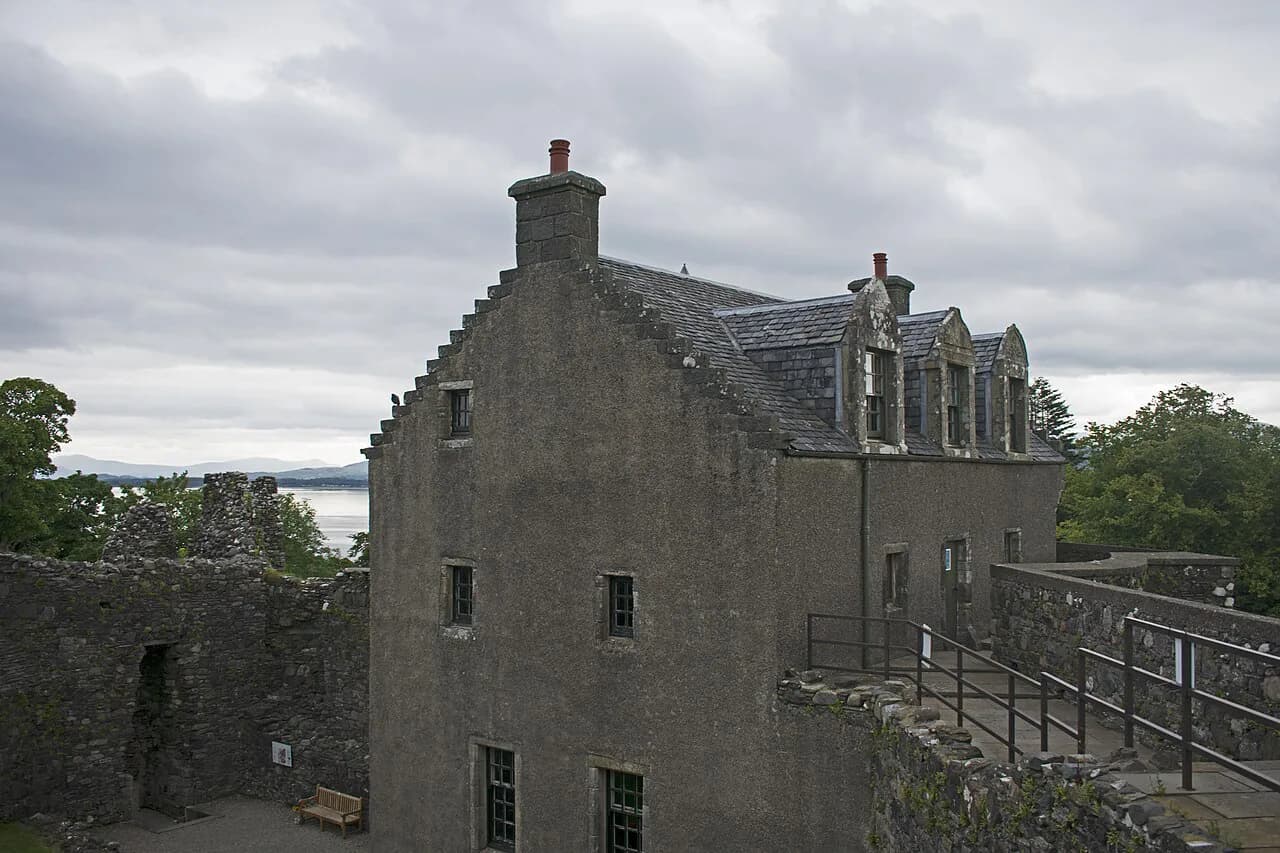
Dunstaffnage Castle: Scotland's Oldest Stone Castle

Dunstaffnage Castle is a ruined MacDougall stronghold built before 1240 on a rock above the Firth of Lorn, a few miles from Oban. Historic Environment Scotland cares for it, and a single visit takes in the curtain wall, the gatehouse, the battlements and a 13th-century chapel in the trees. It is worth the short trip from Oban if you want one of Scotland's oldest stone castles without a full day's commitment.
Allow roughly an hour to ninety minutes on site once you factor in the climb to the battlements and the walk down to the chapel. The castle suits travellers with a car or a bus pass better than those relying on a tight ferry timetable, because the site sits outside town rather than on Oban's waterfront.
Where Dunstaffnage Castle Is
The castle stands at Dunbeg, by Oban in Argyll, on a platform of rock looking over the Firth of Lorn. It lies about 3 miles (5 km) north-north-east of Oban, close enough for a short taxi or bus ride but far enough that walking there and back eats into a day.
The setting is half the appeal: broadleaved woodland runs around the walls, and the water opens out below the rock. Because the site is outside the town centre, plan your transport before you set out rather than assuming you can wander there from the harbour. It is worth checking current prices and opening dates with Historic Environment Scotland before you travel.
Getting There from Oban
By road, head north out of Oban on the A85 and follow signs for Dunbeg and the castle; the approach is short and the site is signposted from the main road. Buses along the Dunbeg corridor put you within a walk of the entrance, which makes a car-free visit realistic if you check times in advance.
Historic Environment Scotland offers a 25% discount at selected sites when you arrive by train, bus or bike, and it points visitors to Good Journey for planning. Treat the discount as applying at participating sites rather than guaranteed at Dunstaffnage, and confirm before you rely on it.
If you are coming from Glasgow or Edinburgh, Oban is the natural base, with the town's rail and bus connections feeding the local network. Pair the castle with an afternoon back in town rather than trying to squeeze it into a change of transport.
A Short History of the Castle
Dunstaffnage was a MacDougall stronghold, built before 1240 on its rock above the Firth of Lorn. Robert the Bruce captured it in 1308, after which it stayed in royal hands until 1469. That sequence explains why the ruins read as both a clan seat and a crown asset.
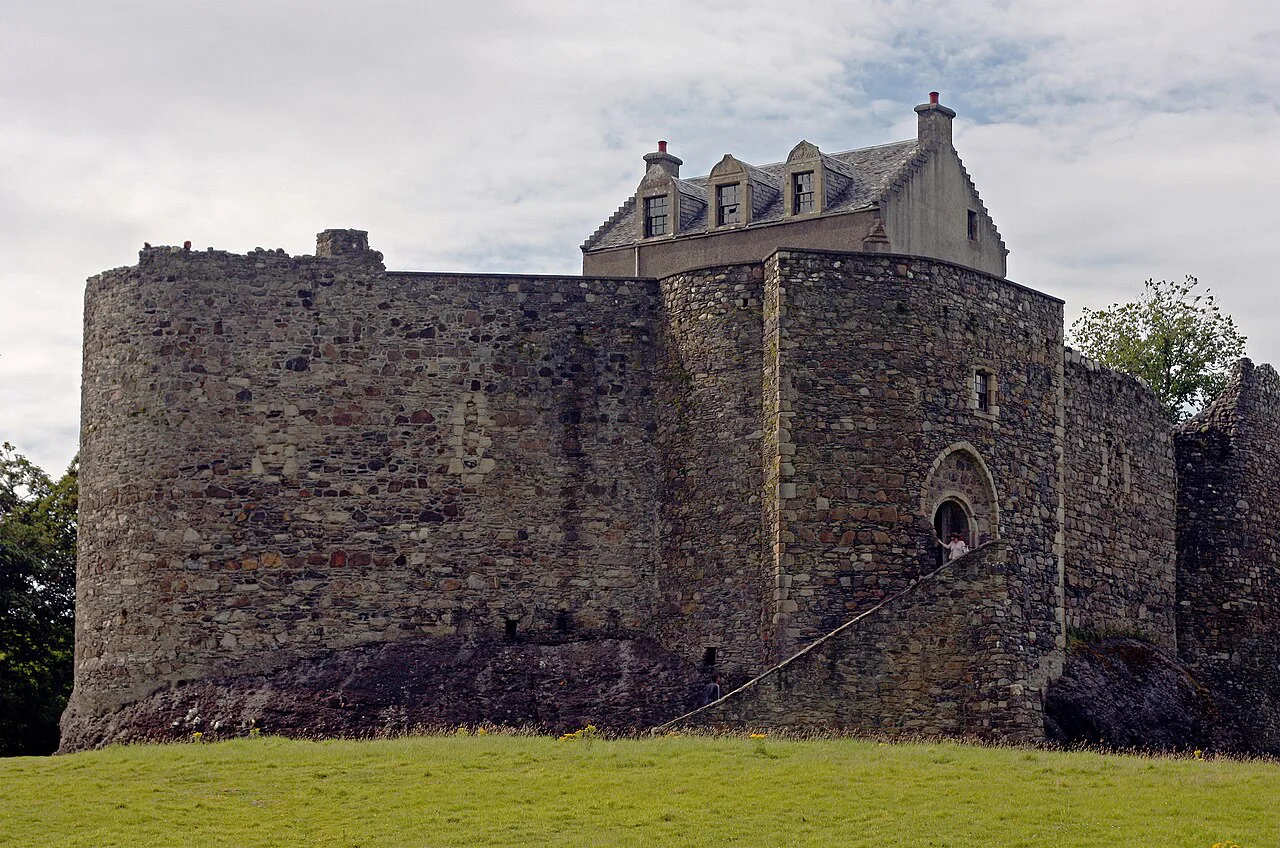
The curtain wall is among the oldest standing castle remains in Scotland, which is the main reason to come if you have already seen Oban's later monuments. The masonry is the attraction here; there is no furnished interior to walk through.
Flora MacDonald and the 1746 Story
Flora MacDonald was held at Dunstaffnage in 1746 before being sent to the Tower of London for aiding Bonnie Prince Charlie's escape. The story is told at the castle as part of its Jacobite chapter, and it gives the ruins a human face that the masonry alone does not.
Keep the dates straight when you read interpretation boards: the MacDougall castle, Bruce's capture and the Jacobite episode are centuries apart. The castle's importance is cumulative, not tied to a single event.
What to See: Curtain Wall, Gatehouse and Battlements
Start with the curtain wall, the daunting circuit of stone that makes Dunstaffnage one of Scotland's oldest standing castle remains. Then step inside the three-storey gatehouse built around 1500, which gives a sense of how the entrance worked as a defended residence rather than a simple doorway.
The climb to the battlements is the payoff, with views that show exactly why the MacDougalls chose this rock. It is also the physical trade-off: expect steps and uneven ground, and skip the climb if mobility or weather is against you.
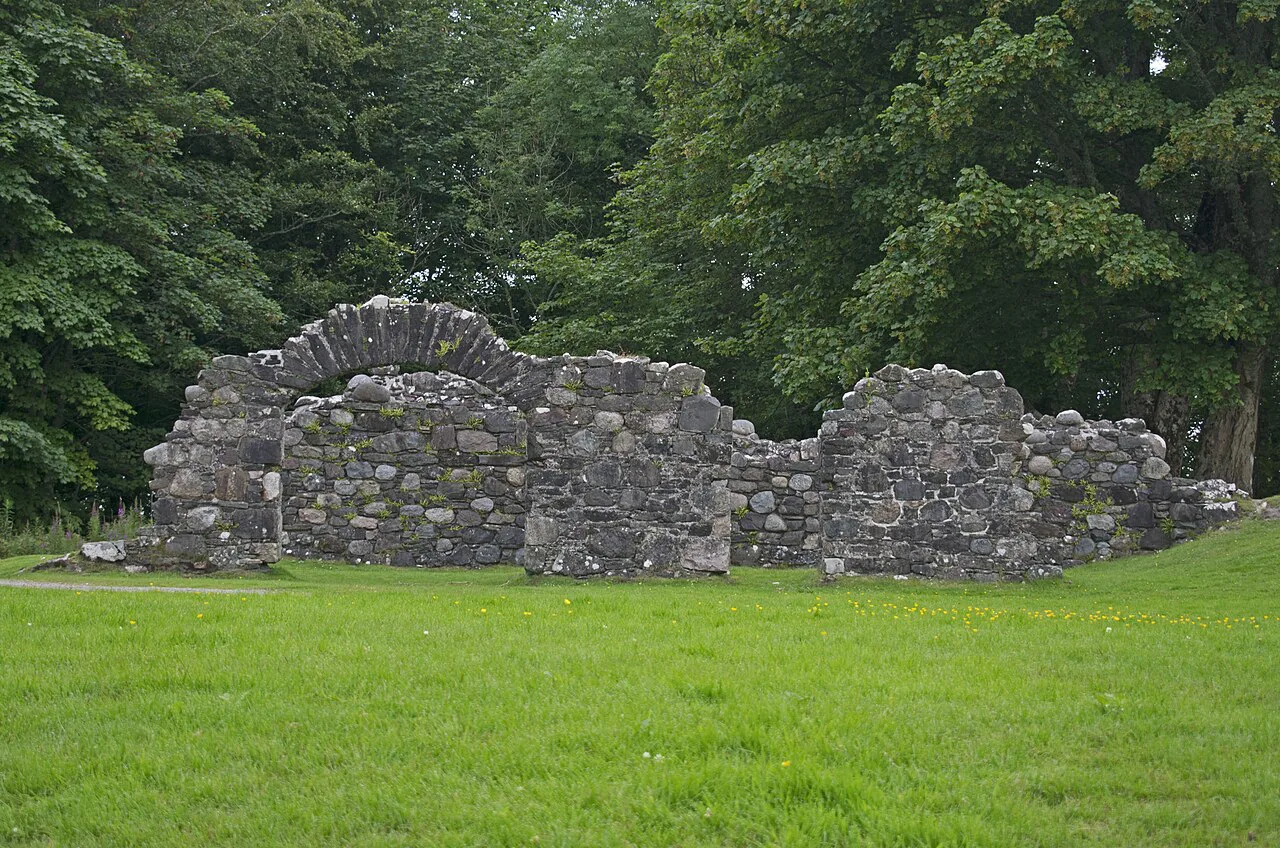

Dunstaffnage Chapel in the Trees
The 13th-century chapel sits tucked away in the trees within the grounds, and it is easy to miss if you head straight for the battlements. Look for it on the way in or out so you do not run out of time, and give it a few quiet minutes rather than treating it as a footnote.
The chapel and castle are covered together by the standard entry ticket, so there is no separate purchase to plan for. That makes the chapel worth building into your route rather than a detour for another day.
Tickets, Members and Partner Organisations
Historic Environment Scotland sells standard entry to the castle and chapel for a specific date and time, with family and carer ticket options alongside the usual adult tickets. Historic Scotland members enter free and without limit, and Explorer Pass holders book their visit through the same system.
Scots aged 7 to 25 with a Young Scot or National Entitlement Card can visit for a set low rate, and members of English Heritage, Cadw or Manx National Heritage receive free or discounted entry as partner organisations. Bring the card or membership that qualifies you, because the discount is checked at the point of entry.
Prices change, so check the current figure on the booking page before you budget rather than relying on a remembered number. Booking a timed slot online is the safest way to guarantee entry on the day you want.
Membership and the Explorer Pass
A Historic Scotland membership gives unlimited annual entry to ticketed sites, shop and café discounts, the members' magazine and free or discounted entry at partner sites in England, Wales and the Isle of Man. It pays off if you plan to visit several staffed sites across a year rather than just Dunstaffnage.
The Explorer Pass covers 14 consecutive days of entry to ticketed sites including Edinburgh Castle, Stirling Castle and Urquhart Castle, and holders get guaranteed entry when they pre-book online. For a short Scottish trip built around big-ticket castles, the pass is usually the simpler choice, and it is worth sketching a route with our things to do in Stirling before you commit.
Bats and Woodland Around the Castle
The castle and its surrounding broadleaved woodland are home to pipistrelle bats, a rare species in the west of Scotland. That shapes how you use the grounds: keep to paths, keep noise down and do not disturb roosting spots.
The trees and water also make the site feel wilder than a town-centre monument, which is part of why the short trip from Oban is worthwhile. Sturdy shoes matter more here than on a paved city visit.

How Long to Allow
Budget around an hour for the castle core and add 20 to 30 minutes if you want the chapel and the woodland walk. The battlement climb adds time and effort, so leave slack if you are visiting with children or anyone unsteady on steps.
Opening times vary through the year, and a ruined site can close at short notice for weather or maintenance. Check the current details on the official page before travelling, especially outside the main season.
Nearby: Pairing Dunstaffnage with the Rest of Oban
Back in town, Dunollie Castle Oban sits on the other side of the bay and offers a contrasting castle visit with its own story. It pairs naturally with Dunstaffnage because both are short trips from the centre.
Oban Distillery sits by the harbour close to the town centre, an easy stop once you are back from Dunbeg. For the wider pick of the town, Oban Attractions: 8 Visitor Guides sets out the options so you can build a sensible day.
Practical Points Before You Go
Wear shoes with grip, carry waterproofs and expect uneven stone underfoot, since this is a ruined site rather than a roofed museum. Historic Environment Scotland's site page carries the current opening and booking information you need for the day.
If you want the castle in photographs without backlighting, check the forecast and time your arrival accordingly; the rock position gives wide views in most directions. Combine the visit with a walk along the water rather than rushing back to town.
Is Dunstaffnage Worth the Trip from Oban?
Yes, if you want one of Scotland's oldest stone castles and a quiet chapel in the trees without committing a whole day. It rewards a half-day rather than a fleeting stop, and it works best as a car or bus trip from Oban rather than a long walk.
Buy your ticket for a timed slot, bring your membership or partner card if you have one, and make the battlement climb only if steps and weather suit you. Then head back into town for the harbour and a distillery visit.
Explore more Oban guides
Frequently Asked Questions
Who owns Dunstaffnage Castle?
Historic Environment Scotland cares for Dunstaffnage Castle and Chapel as a staffed heritage site, and the organisation sells entry through its own booking system. Members of partner bodies such as English Heritage, Cadw and Manx National Heritage receive free or discounted entry according to the official site.
Is Dunstaffnage Castle worth visiting?
It is worth it if you want a MacDougall stronghold on a rock above the Firth of Lorn, a short trip from Oban, with a curtain wall, a gatehouse and a 13th-century chapel. The main draw is the masonry and the outlook rather than furnished rooms, so allow an hour or so and combine it with something in town.
How long does it take to visit Dunstaffnage Castle?
Plan around an hour for the castle and its battlements, and add 20 to 30 minutes if you want the chapel and the woodland walk. The climb to the battlements is the part that takes the most effort, so leave extra time with children or anyone unsteady on steps.
Can you climb to the battlements at Dunstaffnage Castle?
Yes, a climb to the battlements is part of the visit and shows the strategic position of the stronghold above the water. Expect steps and uneven surfaces, and skip the climb if mobility or weather makes it unwise.
Is Dunstaffnage Castle free for Historic Scotland members?
Historic Scotland members get free, unlimited entry to all staffed Historic Environment Scotland sites, including Dunstaffnage, and book their visit through the official booking system. Explorer Pass holders can also book entry there. Members of partner organisations such as English Heritage, Cadw and Manx National Heritage receive free or discounted entry.
Does Dunstaffnage Castle have a car park?
The official site page does not set out parking detail, so check the Historic Environment Scotland page or contact the site before driving. The castle sits at Dunbeg, a short drive north of Oban, which makes a car the simplest option.
Was Dunstaffnage Castle used in Outlander?
There is no confirmed Outlander connection to state here. The castle's documented story is the MacDougall stronghold, Robert the Bruce's capture in 1308, royal ownership to 1469 and the detention of Flora MacDonald in 1746.
How do you pronounce Dunstaffnage?
The official Historic Environment Scotland page does not give a pronunciation guide, so there is no reliable version to publish. Say the name as it is written and local staff will understand you.