
Holy Trinity Church, Stratford-upon-Avon: What to See and How to Visit

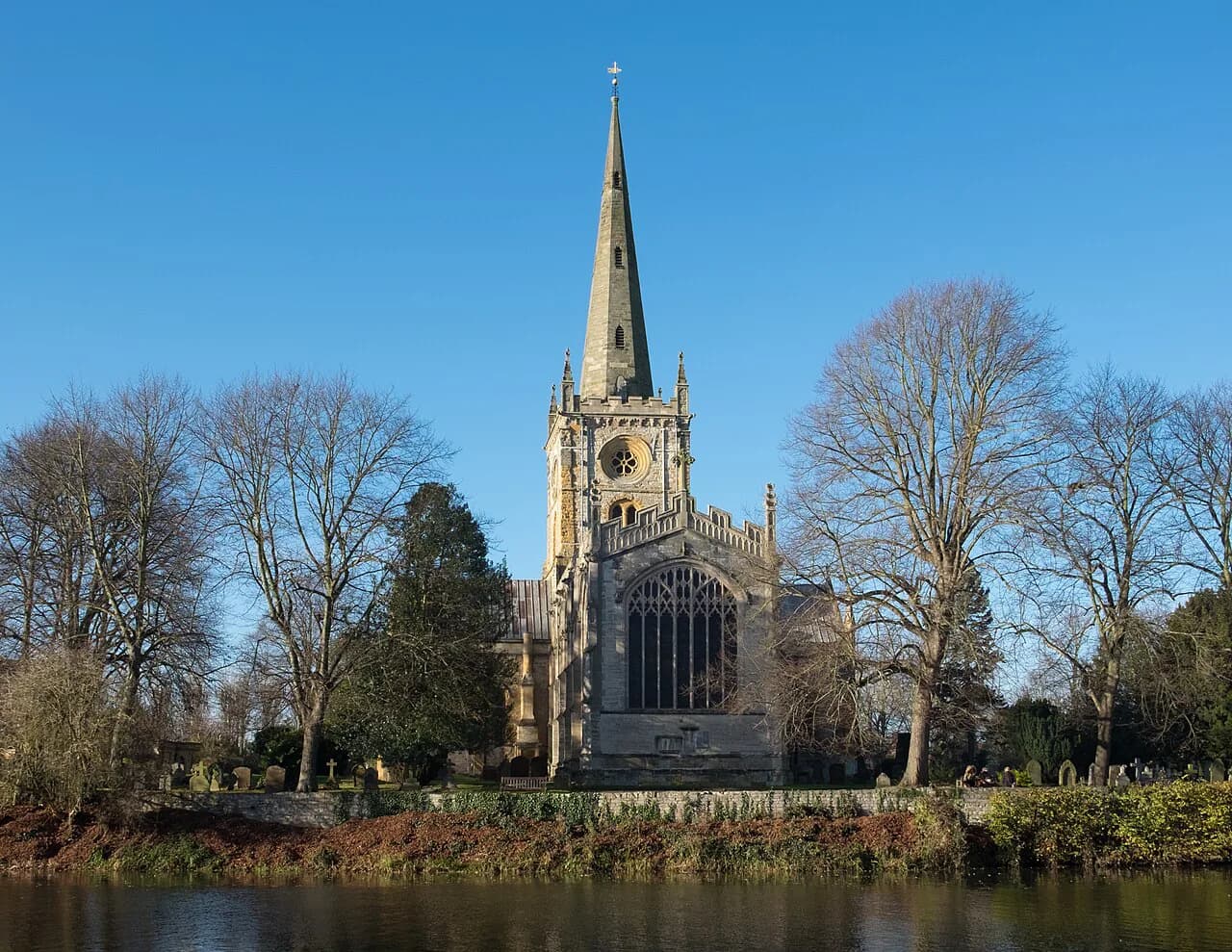
Holy Trinity Church is Stratford-upon-Avon's riverside parish church, set in Old Town at the southern end of the town centre, and it is the building most closely tied to William Shakespeare: he was buried here, and the church remains an active place of worship rather than a museum. Visiting takes a little planning because worship comes first, but the churchyard and the walk along the Avon make it worth more than a quick stop. Allow roughly an hour to see the building properly and to walk the churchyard and riverside path, and check the parish website before you go for the day's opening and any service closures.
Where Holy Trinity Church sits in Stratford-upon-Avon
The church stands in Old Town, the quieter, leafier street running south from the town centre towards the River Avon, well away from the crowds around the Birthplace. Its address is given as the Parish Office, Old Town, Stratford-upon-Avon, Warwickshire, CV37 6BG, which is the reference to give a taxi driver or to put into a map app.
The setting is part of the appeal: the churchyard runs down to the river, and the approach along Old Town passes timber-framed buildings and the almshouses that give this end of town its calm. If you are working out how Holy Trinity fits with the rest of the town, our guide to Stratford-upon-Avon Attractions sets out the other sights by area.
What the church is: a working parish church and Shakespeare's burial place
Holy Trinity is a Church of England parish church with regular worship, weddings, funerals and christenings, not a heritage attraction with a ticket desk at the gate. That matters for planning: when a service is on, visitors are asked to keep out of the way or come back later, and quiet is expected inside.
Shakespeare was baptised and buried at Holy Trinity, which is why the church draws visitors from all over the world alongside its regular congregation. Treat it as a place of worship that happens to hold one of the most famous graves in England, and the visit makes more sense.
A short history of the building
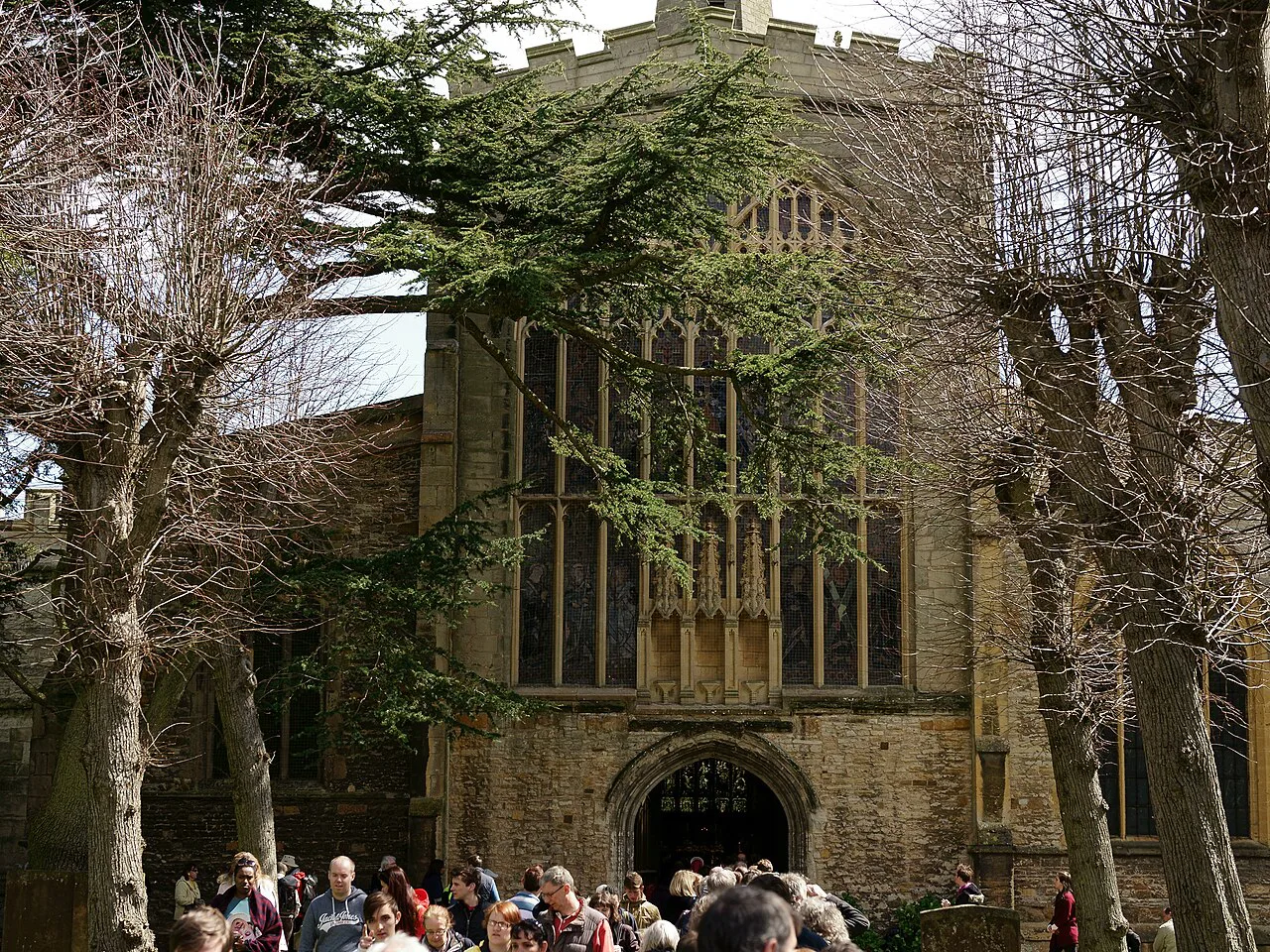
The present church is a medieval parish church that has been added to, altered and restored over several centuries, so the fabric you see is a patchwork rather than a single period. The nave, chancel, tower and windows show different phases of building, and later restorations changed the interior in ways that are easy to miss without looking closely.
The reason Holy Trinity appears in every account of Stratford is the Shakespeare connection: the playwright was baptised here in 1564 and buried in the chancel in 1616. The churchyard also holds his memorial, and the combination of grave and memorial in one small site is what makes the visit distinctive.
What to see inside
Head for the chancel, where Shakespeare's grave lies in the floor in front of the altar, marked and protected but visible to visitors who file past. The atmosphere is deliberately restrained: no flash, no leaning over the stone, and no lingering when a service is due to start.
Look up at the windows and around the walls for monuments and memorials, which record local families and clergy as well as the town's most famous son. The font has long been associated with Shakespeare's baptism, though the tradition deserves treating as tradition rather than documented fact.
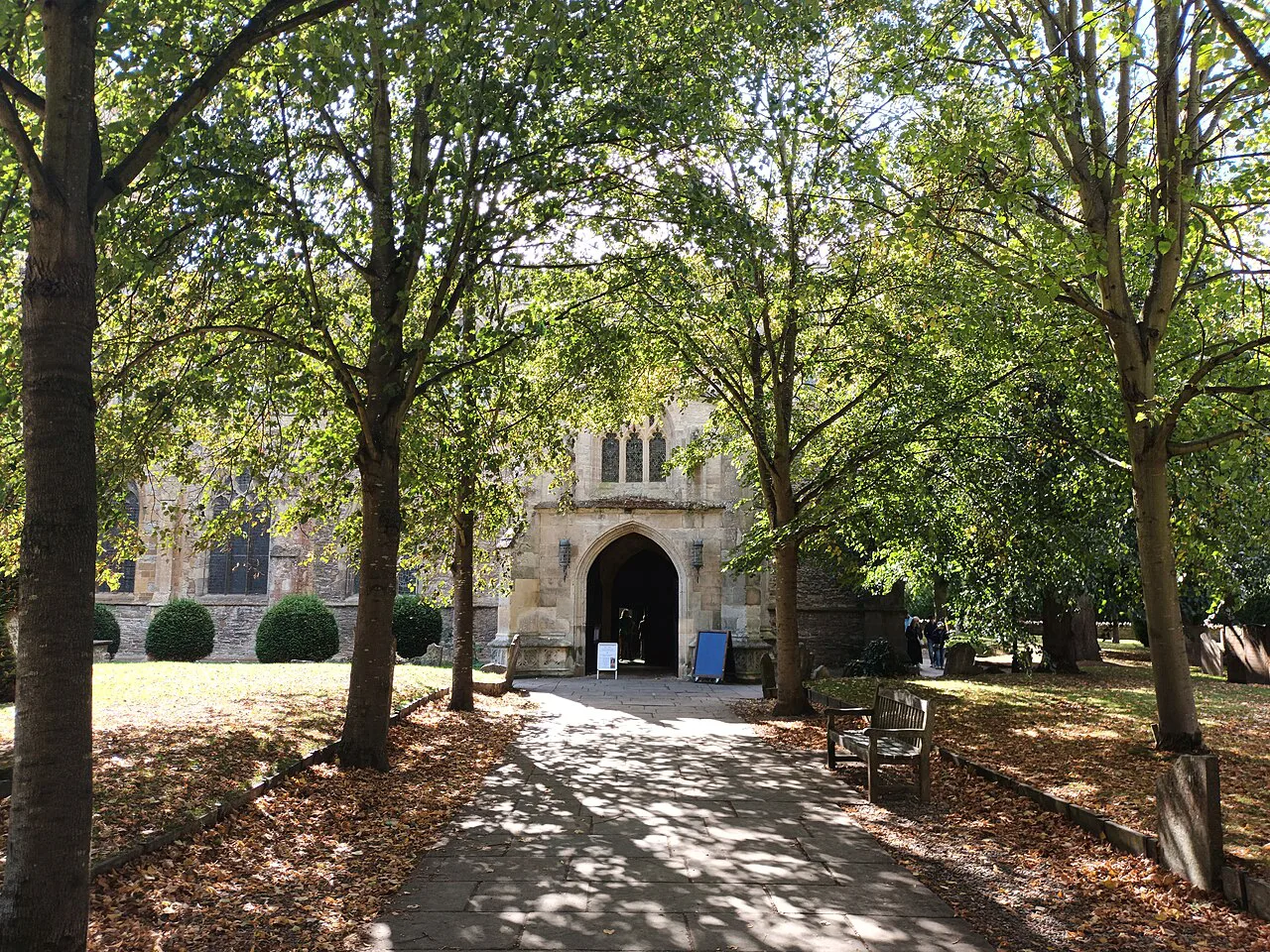
In the churchyard, Shakespeare's memorial is the focal point, and the trees and grass around it make the setting as memorable as the stone itself. Photography is fine for personal use, but keep out of the way of anyone praying or attending a service.
Visiting Shakespeare's grave: etiquette and practicalities
General access to the church building is free according to visitor reviews, so you can walk in without buying a ticket for the church itself. Any charge for the immediate area around the grave is handled by the church and is not fixed by a public listing, so confirm on arrival rather than budgeting for a specific figure.
Approach the grave quietly and keep children close, since it sits in an active place of worship and other visitors may be there to pray rather than to sightsee. If a steward or verger is on hand, ask before taking photographs of the grave area.

Opening times and closures: what to confirm before travelling
The parish publishes visitor information and the church website carries details of opening times and any closures, and that page is the one to trust on the day. Services, weddings and funerals can close the church to visitors at short notice, so build some flexibility into your day.
Sunday mornings are the least reliable time for sightseeing because of services, and weekday middays are usually the most straightforward for a short visit. If your trip hinges on seeing the grave, plan another church or museum as a backup rather than a tight schedule.
How long to allow
Give the church itself around thirty minutes: enough to walk the nave and chancel, see the grave and read the memorials without hurrying past people. Add another twenty to thirty minutes for the churchyard and the riverside walk, which is where many visitors spend the most pleasant part of the stop.
If you are combining Holy Trinity with the Birthplace and the other Shakespeare houses, put the church at the start or end of the day, when Old Town is quietest. A rushed ten-minute stop tends to feel unsatisfying given the walk out here.
Getting there: on foot from the town centre and station
From the town centre, walk south along Bridge Street and then into Old Town; the church is about ten to fifteen minutes on foot from the Birthplace area and is signposted locally. From Stratford-upon-Avon railway station, the walk is longer, roughly twenty to twenty-five minutes through the town, or a short taxi ride.
The riverside path along the Avon also brings you to the churchyard from the recreation ground and the theatre side of town, which makes a pleasant approach in dry weather. The route involves some uneven paving and a slope down towards the river, so wear sensible shoes.

Access and steps
The approach along Old Town is largely level, but the churchyard paths and the church itself have steps and uneven surfaces in places, and the riverside path slopes. Visitors with mobility difficulties should ring the parish office ahead of time to ask about the best entrance and any assistance available.
Inside, floors are stone and can be slippery in damp weather, and the chancel area around the grave is narrow when a group is present. Leave buggies and large bags behind where you can, and allow extra time if you need step-free access.
Nearby: the Birthplace, Anne Hathaway's Cottage and the riverside
Shakespeare's Birthplace on Henley Street is the natural companion visit, a fifteen-minute walk back into town, and the Shakespeare Birthplace Trust runs it along with the other houses. If you'd rather spend the afternoon indoors, the museums in Stratford-upon-Avon are run by the same trust. Anne Hathaway's Cottage sits out at Shottery, a separate trip of a couple of miles from the church, so plan it as its own outing rather than tacking it onto the same hour.
Back towards town, the Royal Shakespeare Theatre and the Swan Theatre sit on the riverside and pair well with a late-afternoon walk from the churchyard. If you want a fuller picture of the town, our guide to things to do in Stratford-upon-Avon covers the streets and sights between them.
Practical tips for a good visit
Go early in the day or late in the afternoon for the quietest light and the fewest groups, and avoid Sunday morning worship unless you are attending it. Photography without flash is generally acceptable, but keep the camera down during prayers and services.
Dress for the weather, since the churchyard and riverside are as much part of the visit as the interior, and carry cash only for donations if you wish to give. For a slower half-day, combine the church with the riverside walk and a stop for afternoon tea in Stratford-upon-Avon on the way back into town.
Plan Your Visit
Holy Trinity Church rewards a deliberate visit rather than a rushed one: a working parish church, a medieval building and the grave of William Shakespeare, all in a quiet corner of Old Town beside the Avon. Check the parish website for opening times and any service closures, then give yourself an hour for the church, churchyard and riverside walk.
For the rest of the town, the Stratford-upon-Avon Attractions: 8 Visitor Guides page maps out the Birthplace, the theatres, the museums and the Shakespeare houses so you can slot the church into a sensible day.
Frequently Asked Questions
Can you visit Shakespeare's grave for free?
General access to the church building is free according to visitor reviews, so you can walk in without buying a ticket for the church. Any charge for the immediate area around the grave is handled by the church, so confirm on arrival rather than budgeting for a set figure. The parish website lists opening times and any closures.
Where is Holy Trinity Church in Stratford-upon-Avon?
It stands in Old Town at the southern end of the town centre, with the churchyard running down to the River Avon. The postal address is given as the Parish Office, Old Town, Stratford-upon-Avon, Warwickshire, CV37 6BG. It is about ten to fifteen minutes on foot from the Birthplace area and roughly twenty to twenty-five minutes from the railway station.
What are Holy Trinity Church's opening times?
The parish publishes opening times and closures on its own website, and those are the details to rely on for the day you travel. Services, weddings and funerals can close the church to visitors at short notice, so build some flexibility into your plan. Sunday mornings are the least reliable time for sightseeing.
How long does it take to visit Holy Trinity Church?
Allow around thirty minutes inside for the nave, chancel, grave and memorials, plus twenty to thirty minutes for the churchyard and riverside walk. A rushed ten-minute stop tends to feel unsatisfying given the walk out to Old Town. If you combine it with the Birthplace or the theatres, put the church at the start or end of the day.
Is Holy Trinity Church still an active church?
Yes. It is a Church of England parish church with regular worship, weddings, funerals and christenings, not a heritage attraction with a ticket desk at the gate. Visitors are asked to keep out of the way during services and to keep quiet inside. Treat it as a place of worship that happens to hold one of England's most famous graves.
What else is near Holy Trinity Church?
Shakespeare's Birthplace on Henley Street is a fifteen-minute walk back into town, and the Royal Shakespeare Theatre and Swan Theatre sit on the riverside towards the town centre. Anne Hathaway's Cottage at Shottery is a separate trip of a couple of miles, so plan it as its own outing rather than part of the same hour. The riverside walk along the Avon is the most pleasant way to link them.