
Mary Arden's Farm: Shakespeare's Mother's Home in Wilmcote

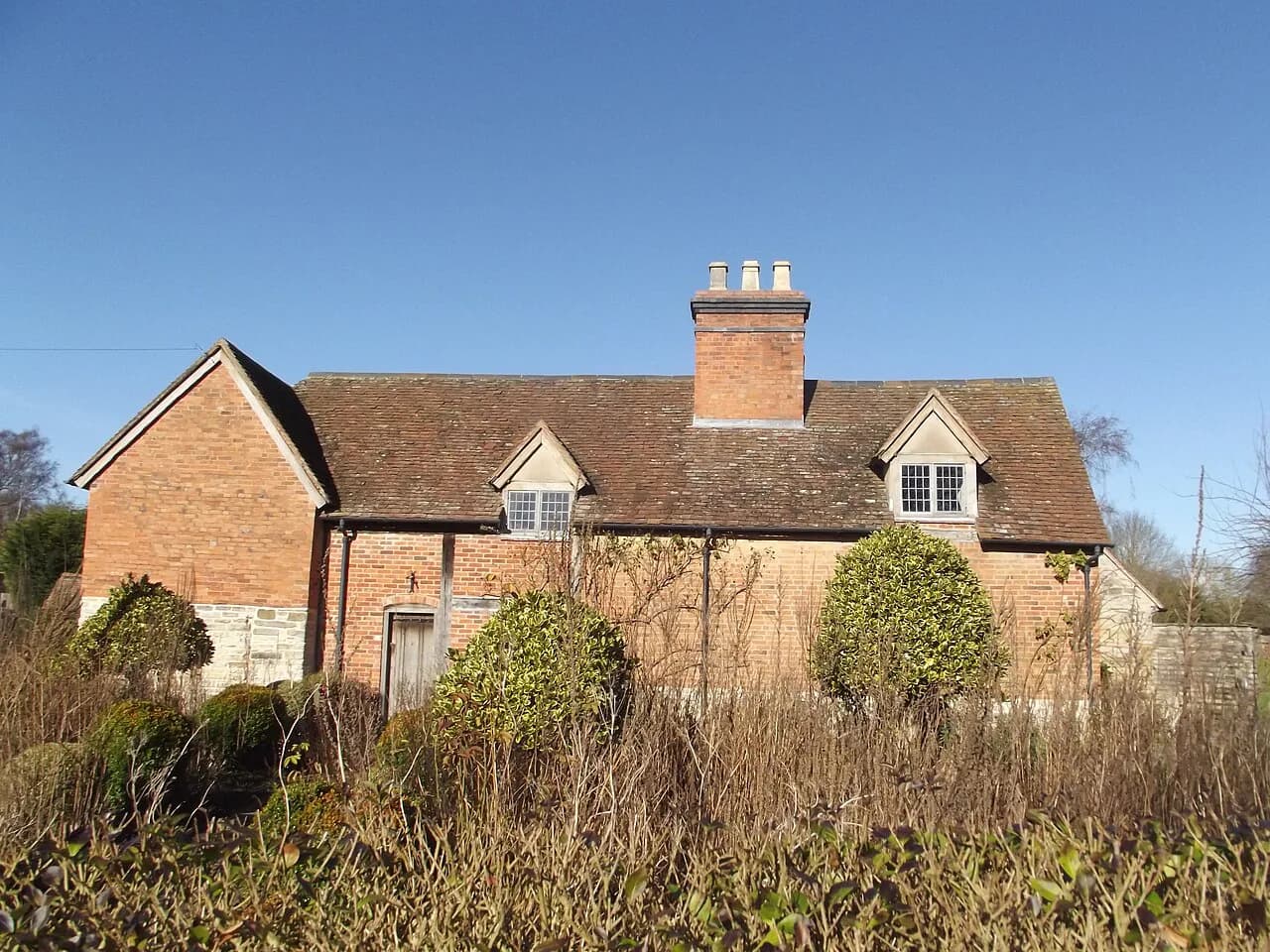
Mary Arden's Farm is a Tudor farmhouse in the village of Wilmcote, a few miles outside Stratford-upon-Avon, where William Shakespeare's mother grew up. The site now runs as a countryside museum, with the farmhouse at its heart and historic breeds, field walks and falconry around it. It is the quietest of the Shakespeare properties and the one that rewards slowing down.
This guide covers the two-house story that confuses first-time visitors, what there is to see, a realistic time budget and the rail and road route from Stratford. For the wider picture of the town, see the Stratford-upon-Avon Attractions: 8 Visitor Guides hub, which links every property in one place.
What Mary Arden's Farm is and where it sits
The farm stands in leafy Wilmcote, a small village a few miles from Stratford-upon-Avon, and the site has been a farm complex for around 500 years, as it was in Shakespeare's day. The complex holds more than one building, so the first thing to fix in your mind is which house you have come to see. Arrive knowing the layout and the visit makes sense immediately.
Wilmcote sits on the Stratford-upon-Avon to Birmingham line, with its own station a short walk from the village. That makes the farm one of the few Shakespeare sites you can reach without a car, though the rail service is not frequent, so check times before you commit. Driving from Stratford takes only a few minutes.
Who Mary Arden was
Mary Arden was William Shakespeare's mother, and her family held land at Wilmcote. The house where she grew up is the modest timber-framed building on the site, and the Arden family's connection to the land is the reason the property belongs to the Shakespeare story at all. Without her, Wilmcote would be an ordinary Warwickshire village.
To place her in the wider family, the Shakespeare's Birthplace page covers the house in Henley Street where her son was born and the trust that now runs both sites. The Shakespeare Birthplace Trust cares for Mary Arden's Farm alongside its other Stratford properties, so a combined ticket often makes sense for more than one visit. If you want to compare what else the trust runs before booking, the museums in Stratford-upon-Avon guide sets out each property.
The twist: Palmer's Farm and the two houses
For around 200 years, visitors and school groups were shown the grander house facing the road as Mary Arden's home, and its image appeared on chocolate boxes, tea towels and postcards. Timber dating later showed the wood in that building was cut too late to belong to Mary Arden's early life, and the house was found to have belonged to the Palmer family; it was renamed Palmer's Farm.
A smaller house close by was also tested, and its timbers were pinned to the spring of 1514, a date that tallied with Mary Arden's family. Records confirmed that Robert Arden, Shakespeare's grandfather, bought land in Wilmcote in 1514 and built the house that sat largely ignored next to Palmer's Farm. The smaller building, not the handsome one on the road, is the childhood home.
The twist has a human coda: the smaller house was lived in by tenants until 1979, including a Mrs Holmes who was born there and stayed into her nineties, apparently never knowing whose childhood home it had been. Tour guides now tell the story, and knowing it before you arrive turns a quick look at two old houses into the best part of the visit.
What to see inside the farmhouse
The smaller farmhouse had already been used by the Shakespeare Birthplace Trust as a Victorian home exhibit before the dating discovery. It remains presented that way, so expect Victorian interiors rather than a pure Tudor reconstruction, with guides on hand to explain the Arden connection. Read that as the honest trade-off: the building is authentic, the display is not a walk-through of 1514.
Palmer's Farm itself is a fine example of 16th-century Warwickshire life and still forms part of the attraction, with guided tours available. Visitors sometimes assume the grander building is the main event and the smaller one a sideshow; the reverse is true, so allow time for both.
The working farm, rare breeds and field walks
Beyond the houses, the site runs as a working countryside museum with an organic farm and rare breeds of animals of the kind kept in medieval England, including Longhorn cattle and Old English fighting cocks. There are marked field walks around the grounds and picnic areas, plus a children's playground. This is what stretches a visit from an hour to half a day.
The farm keeps birds of prey as medieval households would have done, when trained hawks caught rabbits and grouse for the table, and there are falconry displays as part of the site. Heart of England Falconry is based here. Displays are the sort of thing families plan around, so confirm timings when you arrive rather than building the day around a guessed slot.

How long to allow and pacing a family visit
Two to three hours covers the two houses, the farmyard and a short field walk at a comfortable pace. Families with young children, or anyone lingering over the falconry, should plan closer to half a day. History-focused adults can see the farmhouse properly in an hour and walk the grounds afterwards.
The pacing question is really about weather. Field walks and the farmyard are outdoor activities, and a wet day pushes everyone into the houses, which have limited space. If rain is forecast, come early and do the farmhouse first. Picnic areas and the playground also work better on a dry day, so build in the option to retreat to Stratford if the sky turns.
Tickets, opening days and seasonal hours
The site is seasonal rather than open all year, and exact opening days and hours change with the season, so check the Shakespeare Birthplace Trust's own pages for Mary Arden's Farm before travelling. Third-party listings quote dates and times that may already be out of date. Ticket prices are not set out here; buy or check them at the official source when you book.
The farm has been listed as open daily from 18 March to 3 November, 10am to 5pm, but treat that as an example of the seasonal pattern rather than a promise for your dates. The trust adjusts schedules, so the official page is the only place to rely on.
Getting there from Stratford-upon-Avon
By car, Wilmcote is a few miles from Stratford-upon-Avon and signposted from the village, with the farm complex on the edge of the settlement. By rail, Wilmcote has its own station on the line towards Birmingham, and the village is a short walk from it. Bus services between Stratford and the surrounding villages also pass nearby, though timetables vary by season.
Whichever route you take, the practical point is the same: this is a village site rather than a town-centre one, so a car or a train timetable is part of the plan. Rail is the more relaxing option if the trains line up, while drivers get more flexibility for combining the farm with Anne Hathaway's Cottage on the way back into Stratford.

Access and practical notes for families
The site is a working farm with old buildings, uneven ground and outdoor paths, so sturdy shoes matter more than smart ones. The two houses are historic structures with stairs and thresholds, as you would expect of buildings of this age. Picnic areas and the playground make a packed lunch a sensible option for families.
A visit works best for children who like animals and open space, and for adults who want the quieter side of the Shakespeare story. The falconry and rare breeds carry it for younger visitors; the timber-dating story carries it for everyone else. Bring layers, since farmyards are exposed, and plan the indoor houses for the middle of the day.
Nearby Shakespeare properties and the town
In Stratford itself, Shakespeare's Birthplace on Henley Street is the natural companion, telling the family story from the other end. Shakespeare's New Place occupies the site of the house he bought as a successful playwright, while Hall's Croft was the home of his daughter Susanna and her husband. Holy Trinity Church, Stratford-upon-Avon holds his grave and is a short walk from the town centre. If you want to weigh the town's sites against the farm before committing a day, the museums in Stratford-upon-Avon guide works as a like-for-like comparison.
A few miles the other way, Anne Hathaway's Cottage at Shottery is the thatched family home of Shakespeare's wife and one of the most photographed buildings in Warwickshire. Together with the farm, these make a three-site day for the determined, or a comfortable two-day break. For a full list, the museums in Stratford-upon-Avon guide sets out what each one covers.
If you want to build a break around the properties, the things to do in Stratford-upon-Avon guide groups them by area. An evening at the Royal Shakespeare Theatre or the Swan Theatre, Stratford-upon-Avon makes a good counterweight to a morning on the farm, and afternoon tea in Stratford-upon-Avon rounds off a day of walking.
Verdict: who the farm suits and when to skip it
Mary Arden's Farm suits families with children, anyone interested in the Shakespeare family beyond the famous son, and visitors who want a rural counterpoint to Stratford's streets. The Palmer's Farm story alone justifies the trip for history-minded travellers. Allow half a day if you have children and two hours if you do not.
Skip it if your time in Stratford is a single day and your priority is the Birthplace, the church and the theatre; the village detour eats into a tight schedule. Skip it too if you need guaranteed indoor activities, since much of the appeal is outdoors. Otherwise, this is the Shakespeare site most visitors miss and the one they remember.
Plan Your Visit
Mary Arden's Farm gives you the Shakespeare family's rural life, a genuine Tudor farmhouse, a working farm and a 200-year case of mistaken identity. Go for the smaller house and the 1514 timbers, stay for the falconry and the field walks, and give it two to three hours. Check the official Shakespeare Birthplace Trust pages for current opening days and ticket prices before you travel, and build the visit around a train to Wilmcote or a short drive from Stratford.
Frequently Asked Questions
Is Mary Arden's Farm open?
The farm operates seasonally rather than all year, so opening days change through the year. Check the Shakespeare Birthplace Trust's official Mary Arden's Farm page for the current calendar before setting out, since third-party listings can lag behind.
Where is Mary Arden's Farm and how do I get there?
It is in Wilmcote, a small village a few miles from Stratford-upon-Avon. Wilmcote has its own railway station on the line towards Birmingham, a short walk from the village, and drivers reach the farm in a few minutes from Stratford.
Was Mary Arden's Farm really Shakespeare's mother's home?
Yes, but only after a correction. For around 200 years the grander house facing the road was shown as her home; timber dating placed the wood in that building too late, identified it as Palmer's Farm, and pinned the smaller neighbouring house's timbers to spring 1514, matching Robert Arden's purchase of land at Wilmcote that year.
How long does a visit to Mary Arden's Farm take?
Allow two to three hours for the two houses, the farmyard and a short field walk. Families with young children, or anyone watching the falconry, should plan closer to half a day.
What is there for children at Mary Arden's Farm?
A working farm with rare and historic breeds such as Longhorn cattle and Old English fighting cocks, falconry displays, field walks, picnic areas and a playground. Much of it is outdoors, so dress for the weather.
What else is near Mary Arden's Farm?
Anne Hathaway's Cottage at Shottery, Shakespeare's Birthplace on Henley Street, Shakespeare's New Place, Hall's Croft and Holy Trinity Church in Stratford-upon-Avon are all within a short drive, and Wilmcote is on the rail line into the town.