
Clifford's Tower, York: What to See and How to Visit

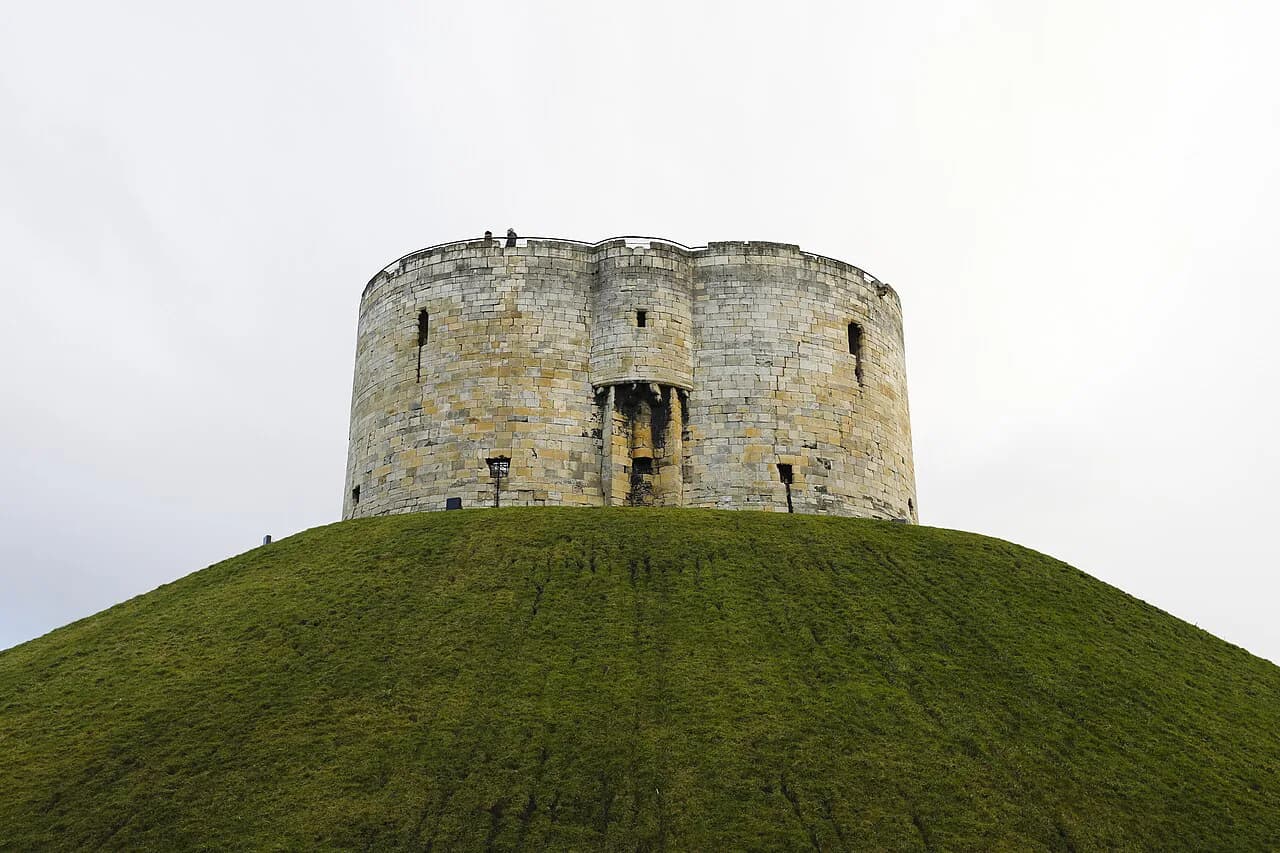
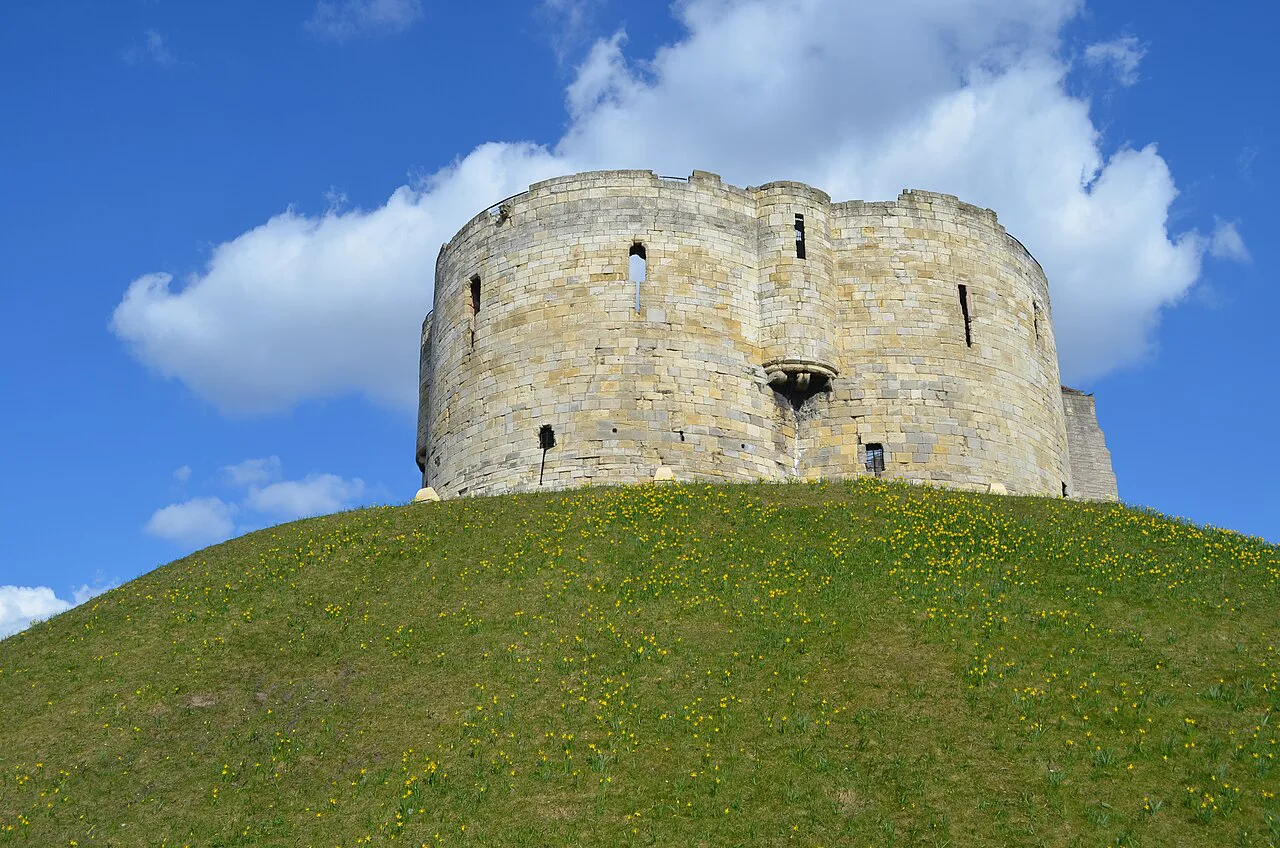
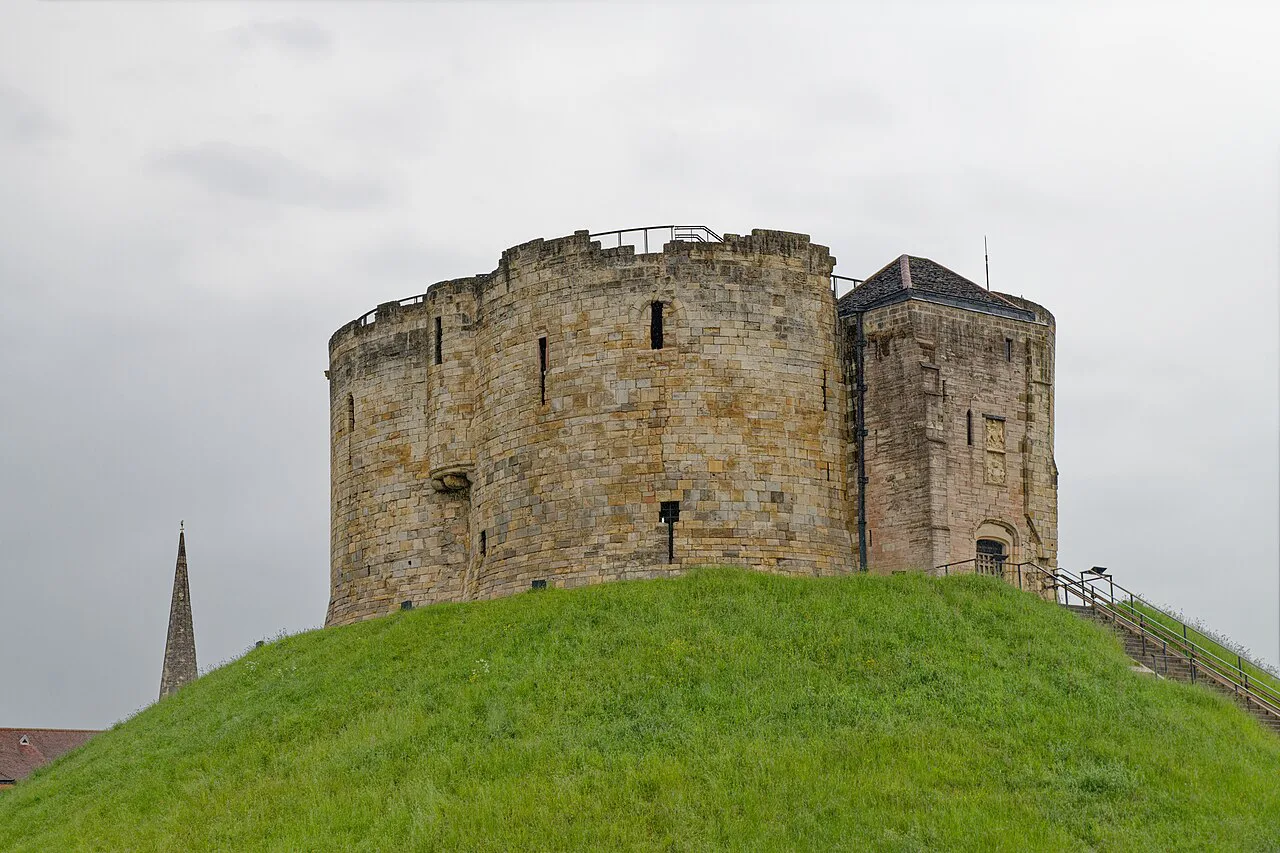
Clifford's Tower is the surviving keep of York Castle, sitting on a high grassy mound in the centre of York within easy reach of the River Ouse and the main shopping streets. It is the one substantial fragment left of a castle begun in the eleventh century, and it now offers roof-deck views across the city as well as displays on its own turbulent past. Allow roughly an hour, including the climb and the panorama from the top.
What Clifford's Tower Is
The tower stands on a steep motte at Tower Street, York, North Yorkshire YO1 9SA, a short walk from the river and from the Castle Museum. It is a shell of a keep rather than a furnished castle: the walls survive, the interior floors do not, and much of the visit is about reading the structure and the views. This is a place to climb, look and imagine rather than to wander through recreated rooms.
It is managed by English Heritage, which publishes the current admission prices, opening days and any seasonal changes on its own site. Because prices and hours move with the seasons, check the official page before you travel rather than relying on older figures.
A Short History of York Castle
William the Conqueror built the castle in 1068 to control the rebellious north, and the motte you climb today is the remnant of that Norman earthwork. Over the centuries the site served as a royal mint, a medieval stronghold and a Civil War garrison, which is why the tower feels more like a layered defensive site than a single-period building.
The site also carries one of the worst antisemitic massacres of the Middle Ages, when the Jewish community of York was trapped and killed here in 1190. It is a documented event, not folklore, and it belongs in any honest account of the tower. Expect interpretation inside that addresses it soberly.
The name Clifford comes from the Clifford family, who held the castle in later medieval centuries, and it stuck to the keep even after the rest of the castle fell out of use. What looks like a romantic ruin is therefore a record of royal power, religious persecution and centuries of reuse in one small compass.
What to See Inside
A new roof deck gives views over York's historic skyline, and new walkways and staircases have opened up parts of the tower that were closed for centuries. Immersive soundscapes and stories carry the tower's history through the visit, which suits anyone who wants context rather than bare stone.
The reward for the climb is the panorama: the Minster's towers, the river and the rooftops of the old city all line up from the top. Bring a camera and give yourself time at the railings rather than treating the roof as a quick photo stop.
Tickets and Opening
Clifford's Tower charges admission, and English Heritage sets the current price and any concession or member rates. Book through the official English Heritage page for Clifford's Tower so you see the live price, the day's opening times and any pre-booking requirement in one place.
There is a car-free incentive worth knowing about: show a bus or train ticket or a bike helmet and you get 20% off the walk-up ticket price, under an offer that runs to 31 March 2027. That discount applies to the walk-up price, not to an advance online booking, so decide which route suits you before you set off.

How Long to Allow and the Climb
Most visitors spend around an hour here, and that includes the ascent, the roof deck and the interpretation inside the walls. The climb is up staircases and a steep path, so it is not a flat museum circuit and it rewards shoes with grip.
If you are short of time, the tower works as a 45-minute stop between the river and the Castle Museum; if you like reading panels and taking photographs, budget closer to ninety minutes. Either way, the visit is compact rather than sprawling, which makes it easy to slot into a city-centre day.
Getting There From York Station
From York Station, catch bus 3 or bus 4 from Stop RD outside the station; the ride to Clifford's Tower takes about five minutes and buses are frequent. Direct trains reach York from London King's Cross and many other UK cities, so the car-free approach works for most visitors.
On foot, York's mediaeval City Walls offer an alternative route between the station and the tower, and cyclists are welcome at the site with National Routes 65 and 66 meeting in the city. The walk is the more scenic option; the bus is the quicker one when you are carrying bags.
Regular buses also run into York from Leeds, Malton, Scarborough and Selby, though some rural routes do not operate on Sundays. If you are coming from a smaller town, check the day of travel before you commit to a bus-based plan.
Access and Practicalities
The tower involves steps, staircases and uneven surfaces, and the roof deck is reached by climbing. Check English Heritage's accessibility information for Clifford's Tower before you travel if anyone in your group uses a wheelchair, a pushchair or has difficulty with heights or stairs.
There are taxis at York Station and accessible bus and train information for the city, which helps if you are combining the tower with other stops. Toilets and refreshments sit in the surrounding streets rather than on the motte, so plan accordingly.

Nearby: Castle Museum and the City Centre
York Castle Museum, run by York Museums Trust, sits just 100 metres from the tower, which makes the pair an obvious half-day combination. It is a separate attraction with its own ticket, so treat them as two visits rather than one entry.
The tower also sits within walking distance of the River Ouse, the city-centre shopping streets and the rest of the historic core. For a wider plan across the city, see the York Attractions hub, which sets Clifford's Tower alongside York Minster and the National Railway Museum York.
If you are building a full day, the National Railway Museum on Leeman Road is free to enter and makes a natural counterpart to a paid tower visit. Round things off with afternoon tea in York or a wander through The Shambles, both within the same central circuit; for other places to stay and explore around the centre, see these York Neighborhoods.
The Legend of the Bleeding Walls
A persistent York story says the tower's walls once ran with blood, linked in folklore to the massacre of 1190. It is a legend, repeated in popular retellings rather than a documented physical event, and it should be told as folklore rather than fact.
Treat the story as part of the tower's afterlife in local imagination, not as evidence of anything supernatural, and let the documented history carry the weight of the visit.
Plan Your Visit
Clifford's Tower is a compact, climbable remnant of York Castle with strong views and a serious history, best paired with the Castle Museum next door. Check English Heritage for the current price and opening times, then decide whether the car-free discount or an advance booking suits you better.
Frequently Asked Questions
Is Clifford's Tower the same as York Castle Museum?
No. Clifford's Tower is the surviving keep of York Castle, managed by English Heritage, and it charges admission. York Castle Museum is a separate museum run by York Museums Trust, about 100 metres away, with its own ticket and its own opening times, so plan them as two visits.
Do you have to pay to get into Clifford's Tower?
Yes, Clifford's Tower charges admission, and English Heritage publishes the current price along with any concession or member rates. There is also a car-free discount for visitors arriving by bus, train or bike under a time-limited offer, so check the terms before you travel.
How do you get to Clifford's Tower from York Station?
Catch bus 3 or bus 4 from Stop RD outside York Station; the journey to the tower takes roughly five minutes and services are frequent. Walkers can follow the City Walls route instead, which is longer but more scenic.
How long does it take to visit Clifford's Tower?
Allow about an hour for the climb, the roof deck and the interpretation inside the walls. If you read every panel and take photographs, closer to ninety minutes is realistic.
Why is it called Clifford's Tower?
The name comes from the Clifford family, who held York Castle in the later medieval period, and it stayed attached to the keep after the wider castle fell out of use.
What happened to York's castle?
York Castle began as a Norman earthwork and motte raised in 1068, later serving as a royal mint, a medieval stronghold and a Civil War garrison. Most of it has gone, leaving Clifford's Tower as the main surviving structure on the motte.