
York City Walls: A Practical Guide to Walking York's City Walls

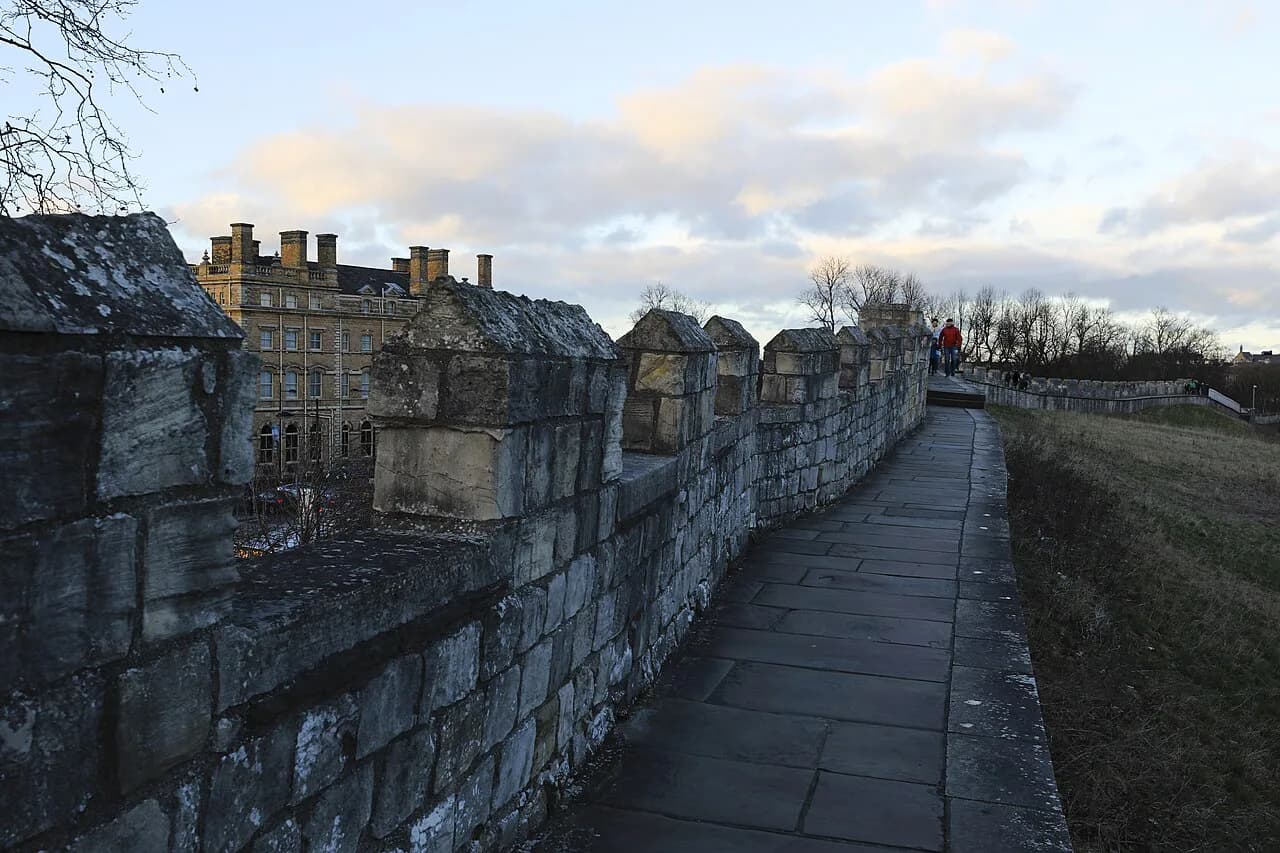
York City Walls give you an hour of rooftop-level York for nothing: a stone walkway on top of the old ramparts, open to anyone who can manage the stairs. The circuit is the best-value view in the city, and the best way to understand how compact central York really is.
This guide treats the walls as one attraction rather than a city itinerary: where the entrances are, which stretches are worth the climb, how long the full walk takes and what to do when the weather turns. It also covers the paid sights that sit directly below the ramparts, so you can decide what to add on the day.
York City Walls at a glance
The walls form a rough ring around the historic centre, broken into long surviving stretches rather than a continuous loop. Because the walkway sits above street level, you get views into private gardens, over rooftops and across to the Minster that are invisible from pavement height.
The best reason to walk them is the combination of history and outlook: you are standing on defences that have been repaired and rebuilt over centuries, with the medieval stonework you see today replacing earlier Roman earthworks and walls. Treat the walk as a 60 to 90 minute open-air sight in its own right rather than something you squeeze between shops.
Walkers report the walls as free to explore and open daily, shutting at dusk, with closures on icy days and some holidays. Because those conditions change with the weather, confirm the day's status before setting out on a frosty morning.
If you are building a short break around free sights, the walls belong near the top of your list alongside the city's museums and riverside paths.
A short history of York's walls
York's defences began in the Roman period, when the legionary fortress at Eboracum was enclosed by earth and timber ramparts. Those lines set the shape that later builders followed, which is why the medieval walls sit so tightly around the old centre rather than looping widely.
The stone circuit you walk today is largely medieval, patched and refaced over the centuries as gates, towers and wall walks were rebuilt. The bars, or gatehouses, controlled entry to the city and remain the landmarks that name the surviving stretches.
Interpretation along the route is patchy, so reading up before you climb adds a lot. The city's Roman story is told at the Yorkshire Museum, and the walls make more sense after an hour among its collections.
How the free walkway works
Access points are at the main gates and at a handful of stairways along each stretch. You do not have to walk the whole circuit: join at one bar, walk a section, descend and pick up the next stretch later in the day, which suits families and anyone with tired legs.
The path on top is narrow in places, with a low parapet on one side and a drop on the other, so it is not a place for buggies, wheelchairs or large groups walking abreast. Expect to step aside for oncoming walkers and to queue briefly at the tighter stairways on busy weekends.
AllTrails records the full circular route as about three miles with roughly 150 feet of elevation gain, taking around one to one and a half hours.
The walking is easy in gradient terms, but the surface is uneven stone with worn steps. Sturdy shoes matter more than fitness here, and a torch is useful if you start late on a winter afternoon.
Where to start and the best sections for views
The stretch beside the railway station is a sensible first taste: you climb near the station, walk a short section and get an early view of the Minster across the rooftops. It is easy to reach on foot from the station forecourt and quick to abandon if the weather closes in.
The section near the art gallery and Exhibition Square gives the classic view of the Minster's towers, and it drops you close to Museum Street and the city centre. Bootham Bar is a convenient entry point here, and the walk from it towards Monk Bar covers some of the finest stonework on the circuit.
For the Minster itself, plan a separate visit rather than trying to see everything from above. Inside, the chapter house, the stained glass and the climb up the central tower justify a half day, and the building is far more than a backdrop to the walls.

How long to allow and what to expect underfoot
Allow 60 to 90 minutes for the full circuit at an unhurried pace, with stops for photographs and the information panels. If you only have half an hour, pick the station-to-Micklegate stretch or the Bootham Bar to Monk Bar stretch and leave the rest for another visit.
The route includes several flights of stone steps at each access point, some of them spiral and worn smooth in the middle. People with a fear of heights should note that the walkway has a low outer parapet in places and no handrail on the inner side.
There is no shelter, no bench seating of any substance and no toilets on the wall itself. Plan a cafe stop at either end and carry water in summer, when the stone reflects the heat.
Opening, access and weather
The walls close at dusk, which in midsummer means a long evening window and in December an early finish. Check the sunset time for your visit date and start the full circuit at least two hours before it to avoid being turned back at a closed stairway.
Ice and snow are the main reasons for closure, and the stone treads become genuinely dangerous in frost. Rain makes the walkway slippery but rarely closes it, so waterproofs and grippy soles are the practical answer.
A short video tour of the full walkway is a useful way to see the stairs, surfaces and sightlines before you commit an afternoon to it, especially if you are travelling with older relatives.
Nearby sights below the ramparts
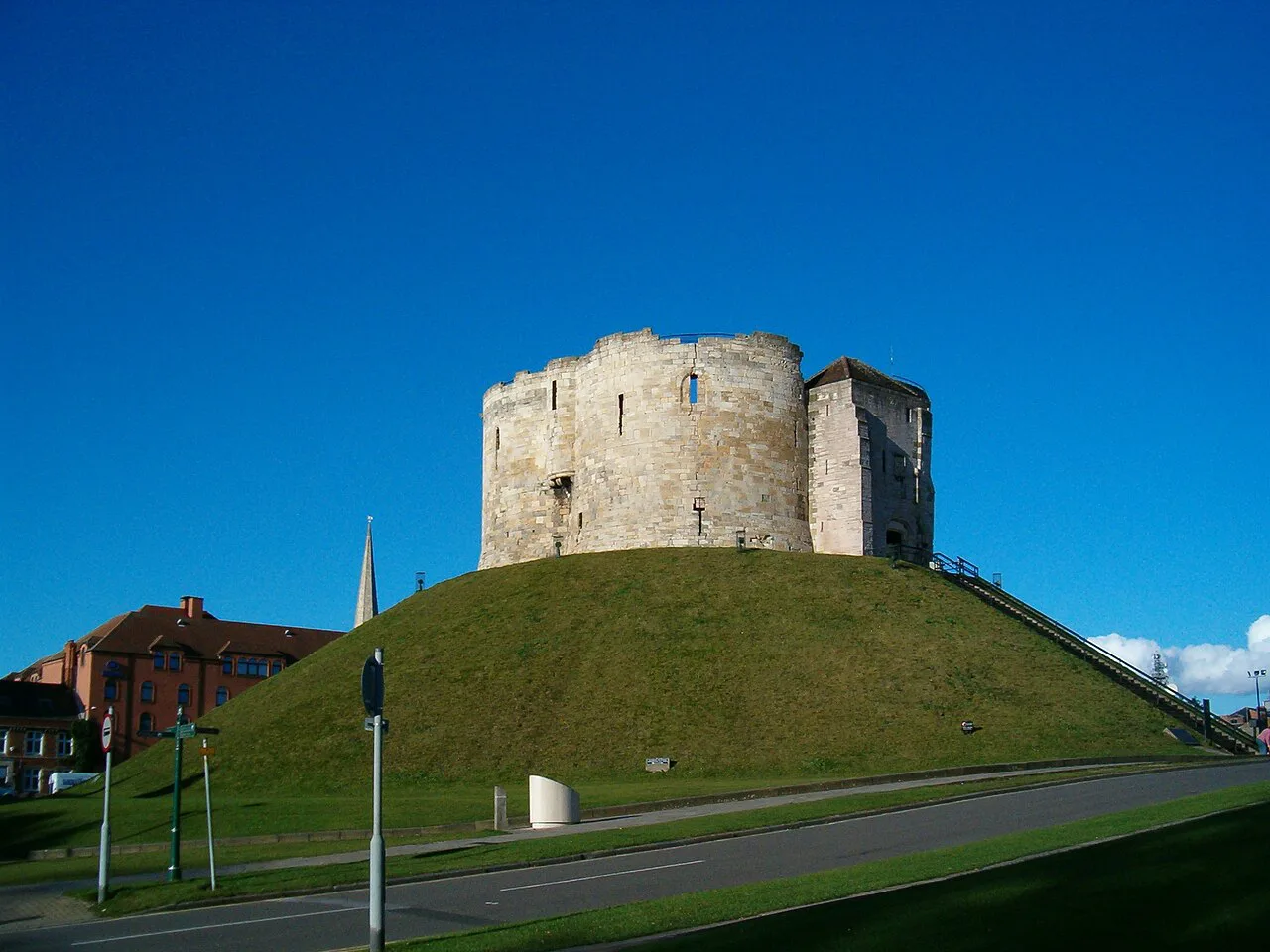
At the southern end of the circuit, Clifford's Tower sits on its grassy mound just inside the walls, and the climb to the top gives a view back along the ramparts. It is a separate paid attraction, so decide on the day whether the walls' free outlook is enough.
The York Castle Museum occupies the former prison buildings beside the tower and is the obvious rainy-day pairing with the walls. Its recreated streets and period rooms take a couple of hours and suit anyone who wants social history rather than stone.
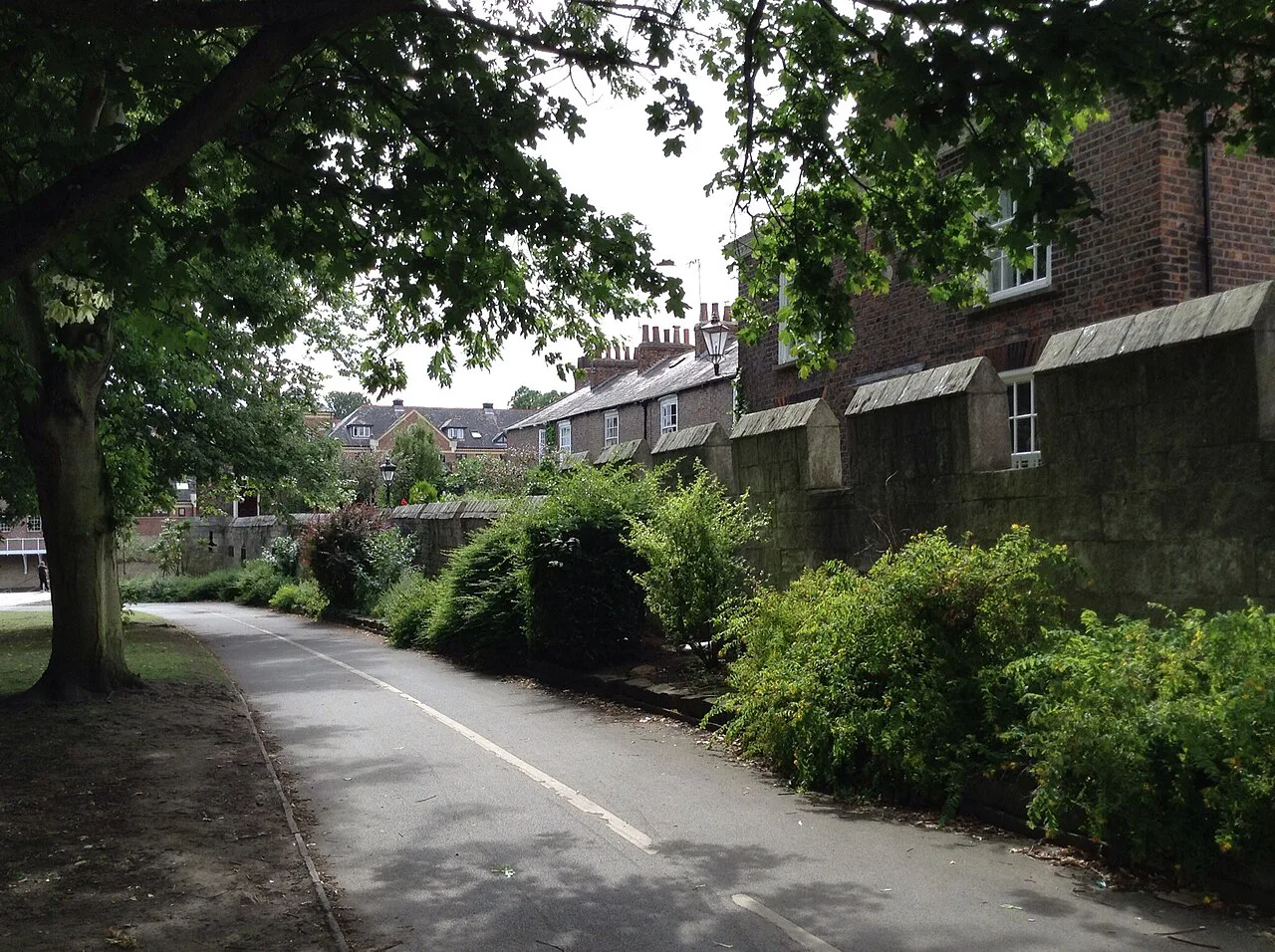
The riverside path along the Ouse runs close to the southern walls between Low Ousegate and Skeldergate Bridge, giving a flat, sheltered alternative when the ramparts are icy. From here you can also loop into the city centre for a wander through the Shambles.
If you want to see how the walls, the river and the shopping streets fit together before you arrive, a quick look at the city's area guides helps you choose where to stay.

Museums to pair with a wall walk
York Museum Gardens sit just outside the walls near the Minster, and the ruined abbey and planted beds make a good picnic stop after a morning on the ramparts. Entry to the gardens is free and they are open daily.
Inside the gardens, the Yorkshire Museum holds Roman collections that make sense of the walls' origins, and the museum runs city-wide Roman events through the Eboracum Roman Festival each May. The 2026 festival runs from 16 to 31 May, with the living history encampment in the gardens on 23 and 24 May.
A short walk west along Leeman Road brings you to the National Railway Museum, where the great hall of locomotives is free to enter and appeals to families who need an indoor break.
Practical tips for the walk
Wear shoes with grip, take a light waterproof and avoid the walls in frost or high wind, when the exposed walkway feels far colder than the streets below. A small daypack beats a shoulder bag on the narrow sections where you need both hands on the rail.
Start early if you want photographs without crowds, and finish with a proper cup of tea in the city centre rather than carrying a flask up the stairs. Weekday mornings are the quietest window on the busiest stretches near the Minster.
If the walls leave you wanting more medieval walking, the comparable circuit at Derry City Walls is a useful comparison for a future trip.
Plan your wall walk
The walls are the simplest good decision in York: no ticket, no queue at the gate, and a view that explains the whole city in an hour. Build the walk into your first morning, when the light is best and the stonework is quiet.
Pair the ramparts with one indoor sight, either the Minster or a museum, then finish along the river. That combination gives you history, a long view and a flat walk home without any of it feeling rushed.
Explore more York guides
Frequently Asked Questions
Are York City Walls free to walk?
Yes. The walkway is open to the public at no charge, and it is one of the best free things to do in the city.
How long does it take to walk the York City Walls?
The full circular route is about three miles and takes around one to one and a half hours at a steady pace, longer with photo stops and stair climbs.
Where is the best place to start a York City Walls walk?
Start near the railway station for an easy first section with a Minster view, or at Bootham Bar if you want the classic view across to the Minster towers.
Are the walls accessible for wheelchairs and buggies?
No. The walkway is reached by stone stairways and the path is narrow and uneven, so it suits confident walkers on foot rather than wheels.
Are the walls closed in bad weather?
They close on icy days and some holidays, and shut at dusk each day, so a frosty morning or a late winter start may mean a change of plan.
What is nearby to visit after the wall walk?
Clifford's Tower and the York Castle Museum sit below the southern walls, the Museum Gardens and Yorkshire Museum are near the Minster stretch, and the riverside path runs close by.