Free Things to Do in Liverpool: Where to Go and What to See
Plan a free day in Liverpool with waterfront museums, two cathedrals, Albert Dock walks and Mersey views, plus honest trade-offs on queues, steps and extras.
On this page
Liverpool gives away a great deal of its best sightseeing. The Merseyside Maritime Museum, the International Slavery Museum and the Museum of Liverpool are all free to enter, and the walk between them along the Royal Albert Dock and Pier Head costs nothing at all. Add both cathedrals and a green space or two and you have a full day without paying an admission fee.
The trade-off is in the extras. Tower climbs, ticketed exhibitions, stadium tours and live music venues sit outside the free bracket, so it pays to decide in advance where you will spend and where you will simply walk past. For the wider picture, including paid attractions, see our guide to things to do in Liverpool.
What you can do for free in Liverpool: the short answer
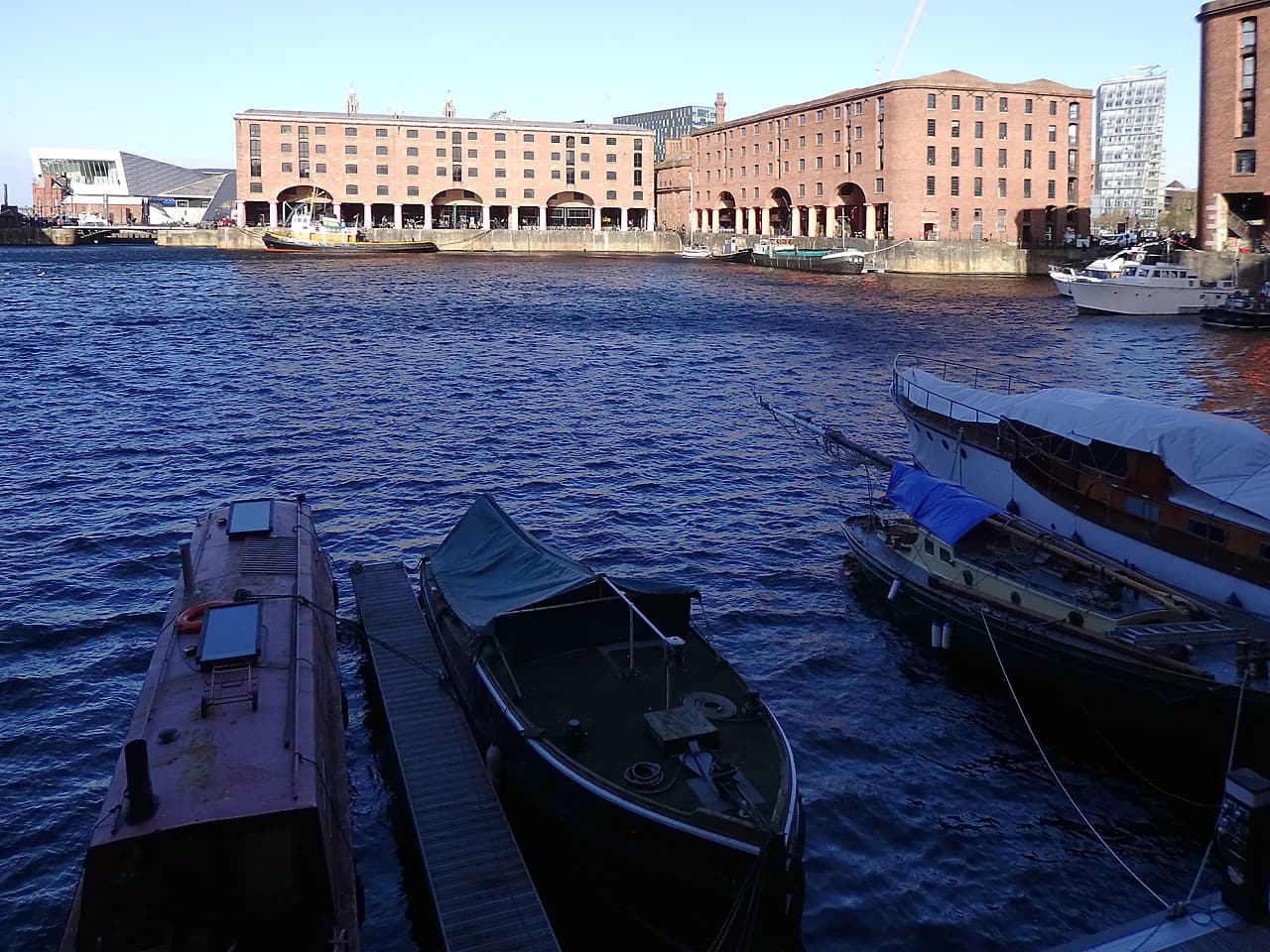
The strongest free cluster is the waterfront between the Royal Albert Dock and the Pier Head. Three national museums sit within a few minutes of each other, and the riverside walk linking them gives you docks, warehouses and Mersey views without a ticket. Allow at least half a day here if you want to go inside more than one museum.
Away from the river, both cathedrals are free to enter, and Mathew Street gives you the Beatles' early performance history at street level. A fourth free option is green space: Sefton Park and the city's other parks suit a cheap afternoon, while Crosby Beach, north along the coast, holds Antony Gormley's Another Place sculptures in the open air.
Free sights still cost time. Museum visits run to an hour or two each and the walk between the Pier Head and the cathedrals is uphill, so a realistic free day covers two museums, one cathedral and the waterfront rather than everything on the list.
Free museums on the Royal Albert Dock: Merseyside Maritime Museum and International Slavery Museum
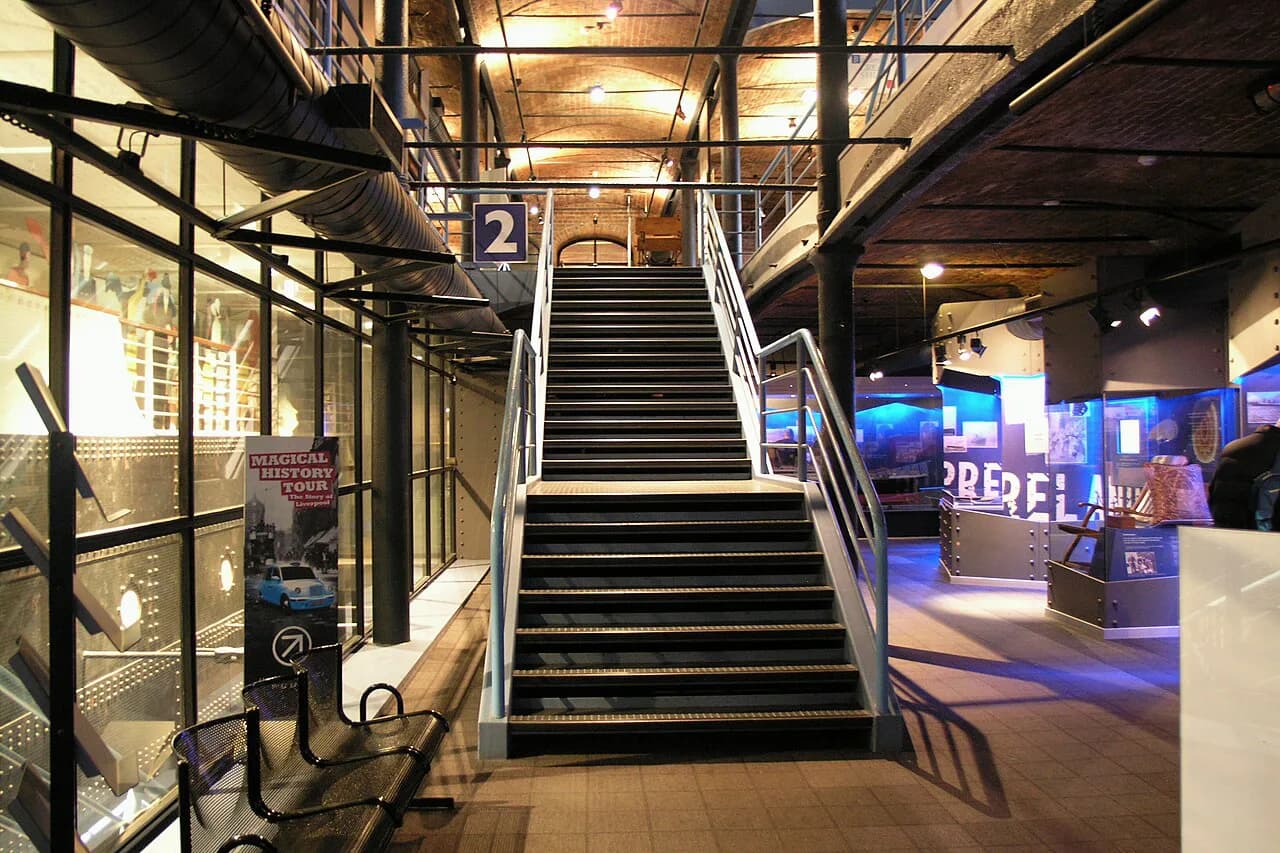
The Merseyside Maritime Museum tells the port's seafaring story through interactive exhibits and artefacts, and the International Slavery Museum occupies the same building, where it presents the history and harrowing true stories of enslaved people. Both are free to visit and sit on the Royal Albert Dock, which makes them the natural first stop of the day.
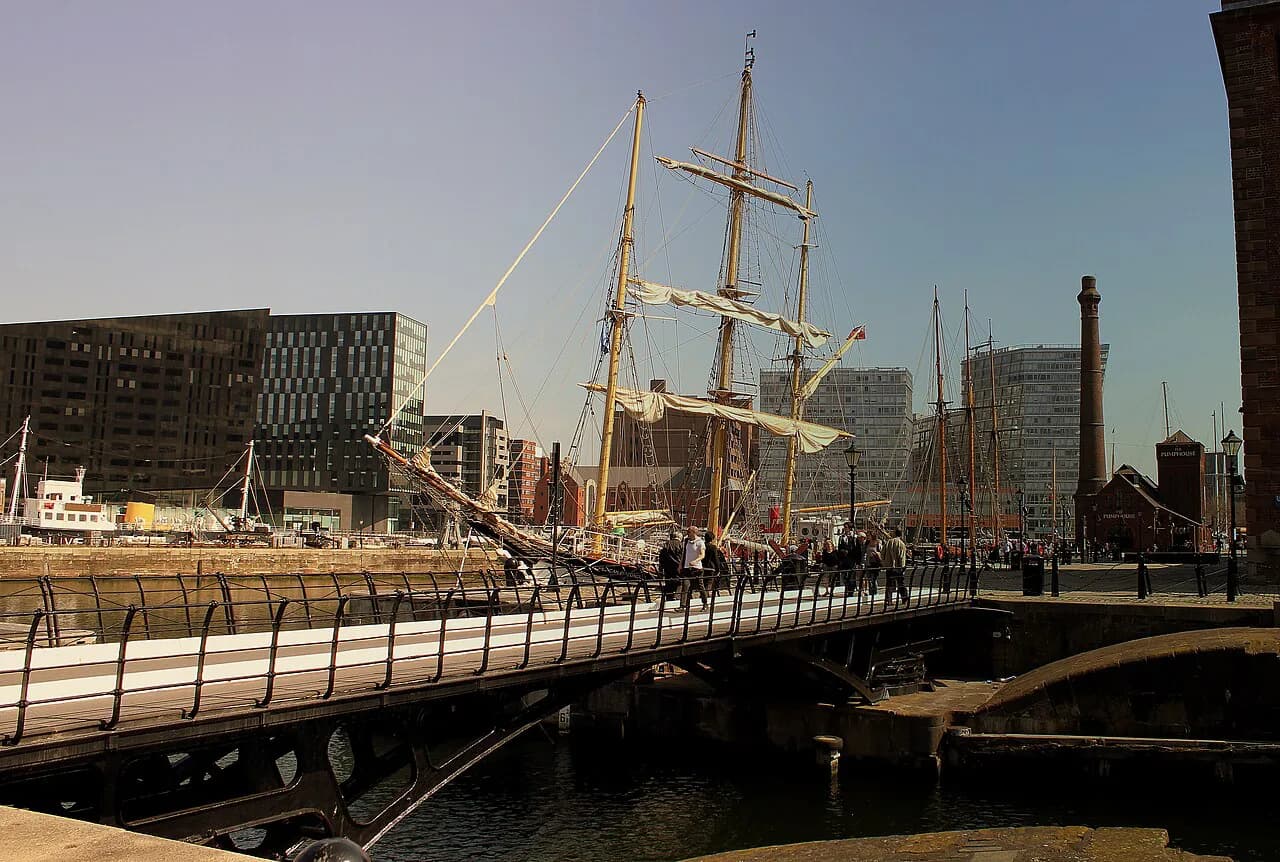
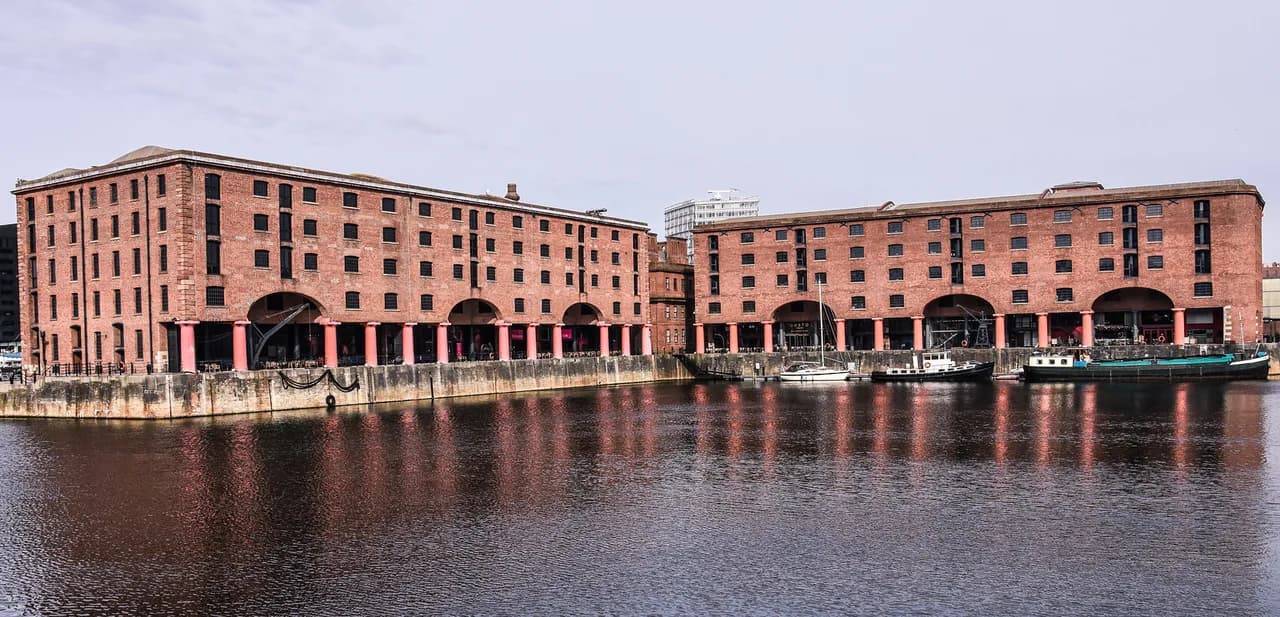
Plan them as one visit rather than two separate trips, since you can move between the floors without leaving the building. The subject matter is heavy, so pairing a maritime gallery with a lighter stop afterwards works better than doing both museums back to back. The dock itself opened in 1846, designed by architect Jesse Hartley and engineer Philip Hardwick, and its warehouses stored cotton, tobacco and sugar before the area was regenerated in the 1980s; that history is the reason the museums are here.
Walking the dock circuit takes roughly an hour and a half to two hours, longer if you go into a museum or stop for lunch, so a morning plus an early afternoon covers both collections comfortably. Entry is free; special exhibitions and events can carry a charge. If the weather turns, the indoor activities in Liverpool page lists further cover.
Tate Liverpool: what the free collection gives you and when to book
Tate Liverpool occupies a converted warehouse on the Royal Albert Dock and opened in 1988 as one of the four Tate galleries. Its collection is modern and contemporary, ranging from painting and sculpture to photography and installation, and it champions regional artists alongside international names.
Treat the gallery as a flexible stop rather than a fixed appointment. One hour and a half to two hours covers the collection and a paid exhibition, so it fits neatly into a free afternoon on the dock. Exhibitions rotate, so the display you read about months ago may have closed; the gallery's own listings are the place to confirm what is on and whether a particular show is ticketed.
The location does most of the work: you step out of the gallery straight onto the dock, within easy reach of the maritime museums and the waterfront walk. Combine it with the free museums for a full indoor day when it rains.
The Museum of Liverpool at the Pier Head
The Museum of Liverpool sits at the Pier Head and is free to visit, making it the obvious complement to the dock museums. It covers the city's culture and history and works as an introduction before you walk the streets themselves, which is useful if you have only one day and want context fast.
Positions matter here. The Pier Head is the northern anchor of the waterfront walk, so start or finish at the museum and let the river path carry you south to the Albert Dock. Allow an hour for a focused visit and more if you read the galleries in full; families usually need longer because of the interactive displays.
Because entry is free, it is also a sensible rainy-day fallback. Go early in the day if you want the galleries before the school groups arrive, and keep the dock walk for the brighter part of the afternoon.
Liverpool Cathedral and the Metropolitan Cathedral: free entry, tower and crypt trade-offs
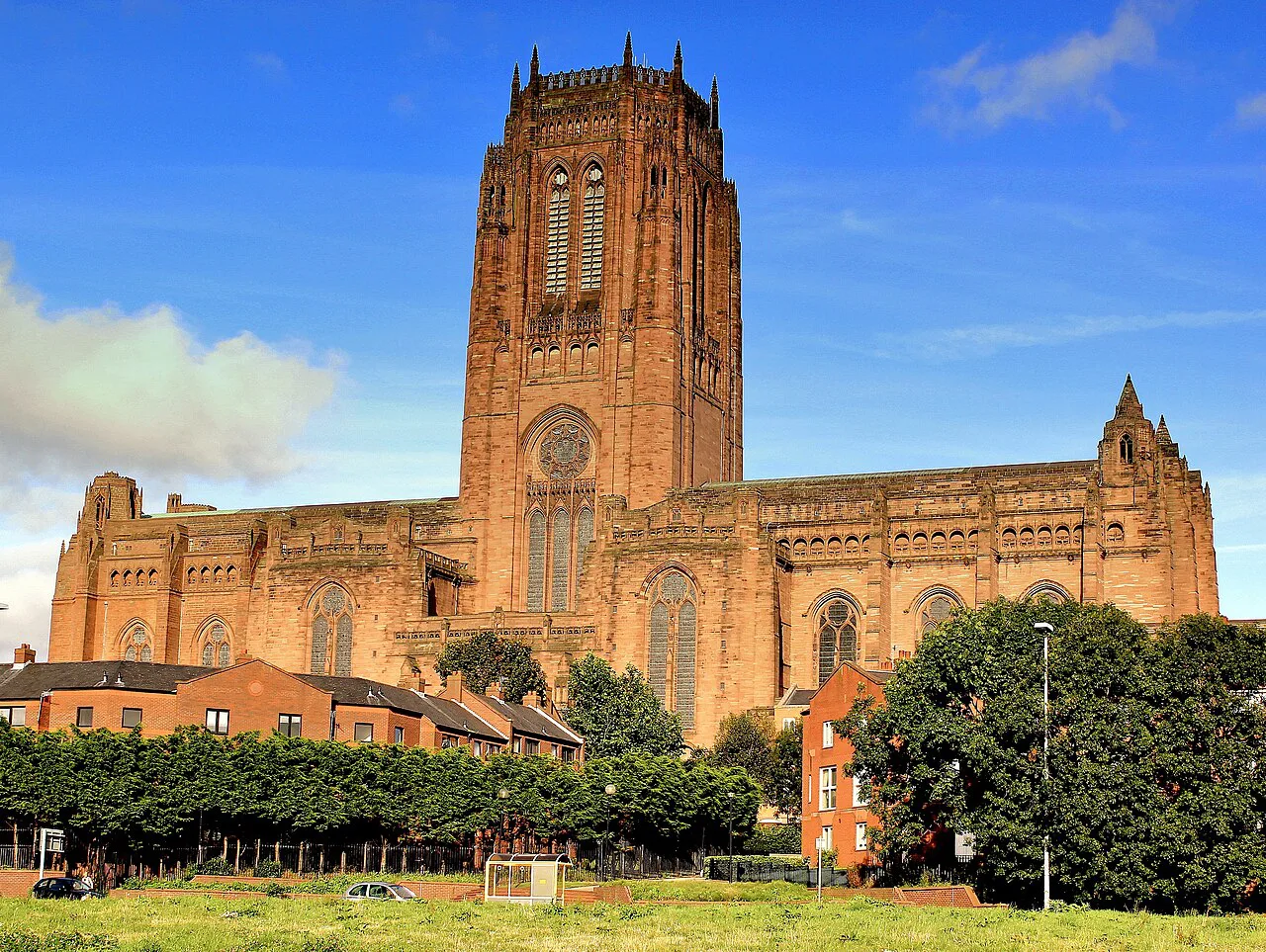
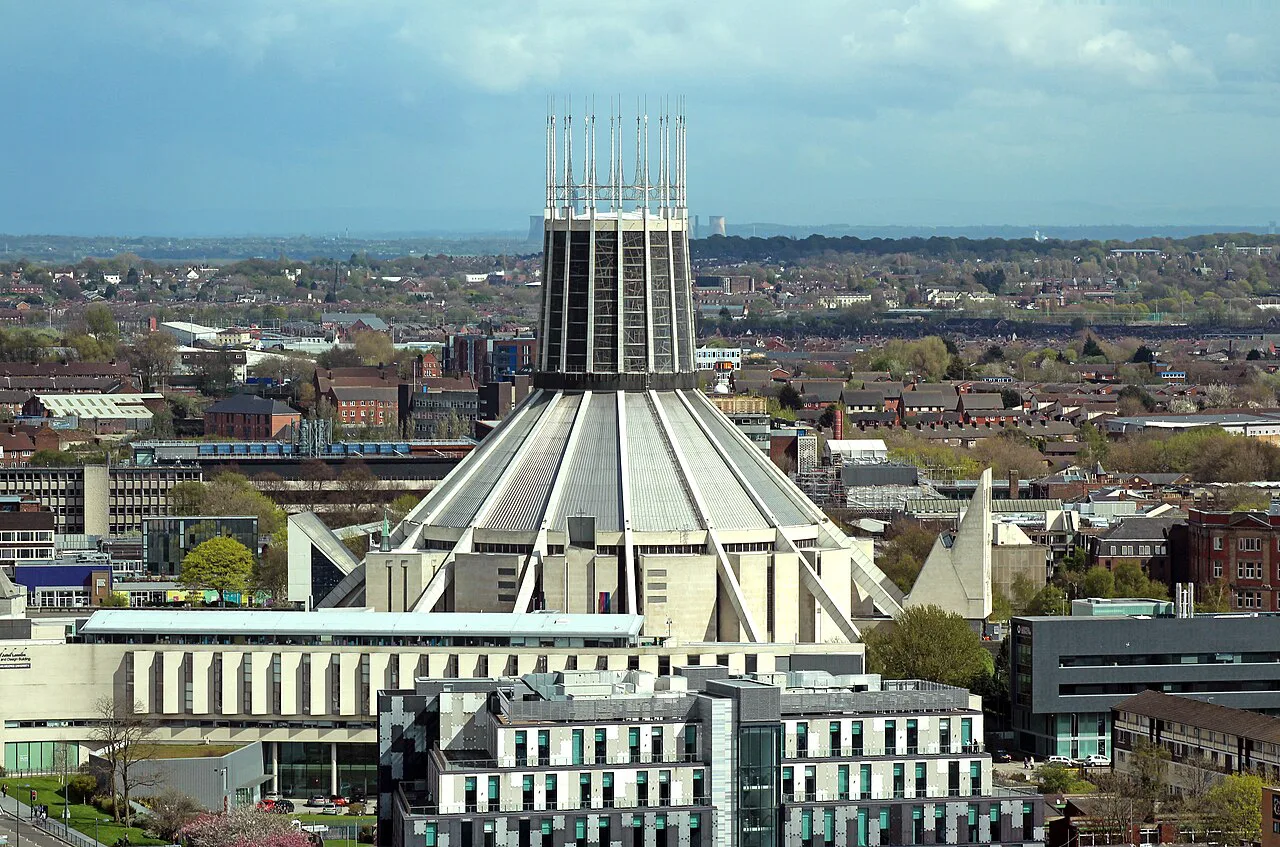
Liverpool has two cathedrals within sight of each other, and both are free to enter. Liverpool Cathedral is the vast Gothic-revival building on St James's Mount, while the Metropolitan Cathedral of Christ the King, the circular modernist landmark, stands a short walk away on Hope Street. Seeing both in one outing is the sensible plan, and Hope Street itself links them.
The trade-offs are vertical and financial. Liverpool Cathedral's tower climb is a paid extra with a long staircase and exposed viewpoints, so it suits confident walkers on clear days and rewards them with the best roof-level view in the city. The crypt below is a separate attraction with its own arrangement; check the cathedral's own visitor information before you go if either is the reason for your visit. The Metropolitan Cathedral is the easier visit of the two if steps are a concern.
Budget an hour for each cathedral, plus fifteen minutes to walk between them, and more if you climb the tower. Donation boxes are standard in both buildings and entry remains free whether or not you contribute.
Walking the Royal Albert Dock and Pier Head waterfront
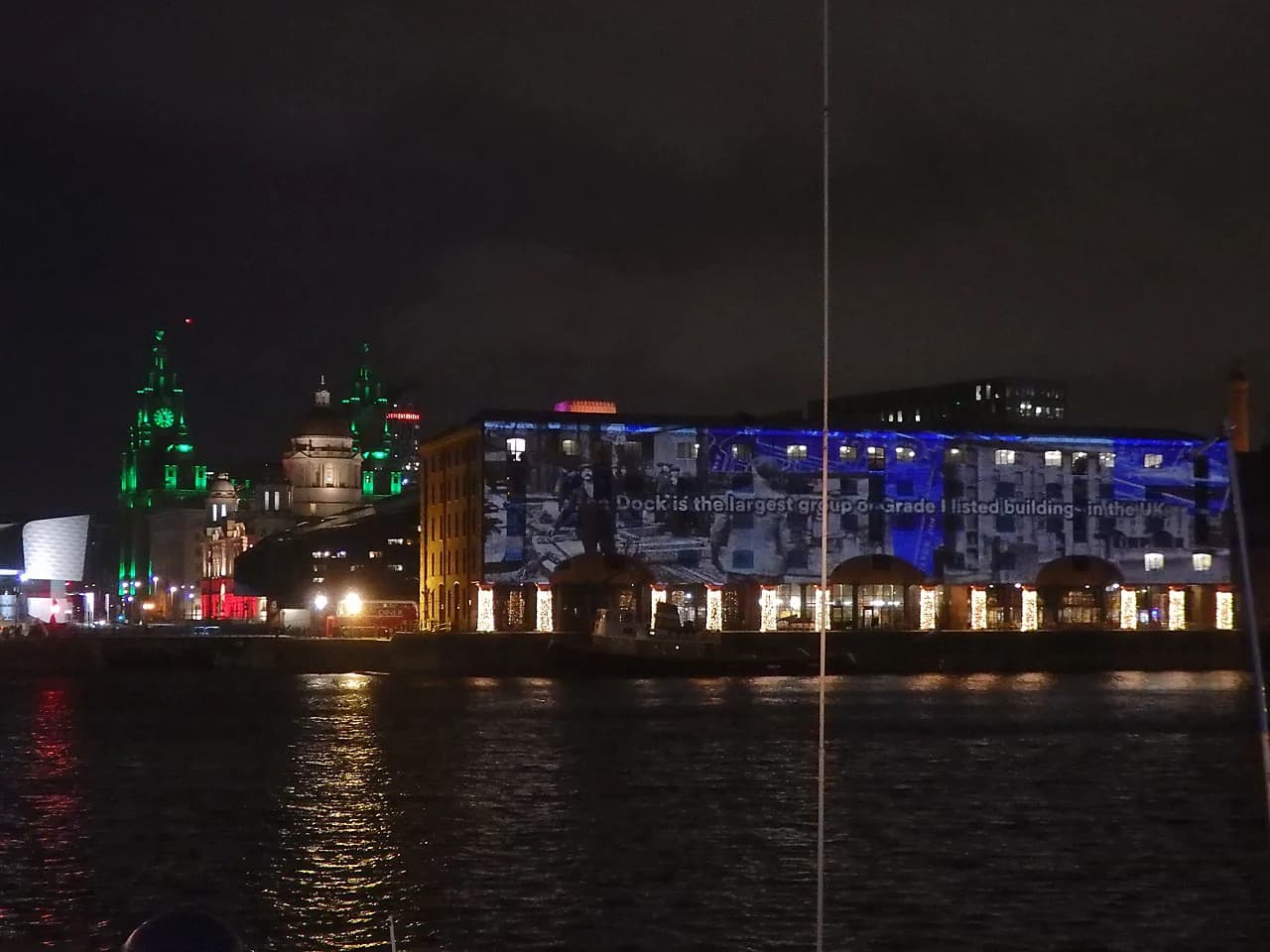
The waterfront walk from the Royal Albert Dock to the Pier Head is the backbone of a free day in Liverpool. The route passes the dock warehouses, the museum cluster, the open space of the Pier Head and the river edge, with ferries and boats moving on the Mersey throughout. You can walk it in either direction and break it wherever a museum or a bench appeals.
Allow ninety minutes at an easy pace, longer with stops. The path is level and largely paved, which makes it the most accessible stretch in this guide, though wind off the river can be sharp even on sunny days. Boat trips on the Mersey leave from the dock area and are a paid add-on if you want time on the water rather than beside it.
This is also where the architecture of Liverpool's rebirth is most visible: converted warehouses, the modern museum buildings and the ferries all in one view. Photographers should plan the walk for late afternoon when the light comes across the river.
The Liverpool sign and the photo stop near the docks
The Liverpool sign stands in a public space across from the Albert Dock and takes five to fifteen minutes depending on crowds. It is a photo stop, not a destination, so slot it into the waterfront walk rather than making a separate journey. Early morning is the quietest time to get a clean shot.
Pair it with the dock circuit instead of treating it as its own outing. The shopping in Liverpool guide covers the retail side of the dock area if you want to extend the visit.
Views from above and the river: what is free and what is not
Some of Liverpool's best views cost nothing: the Pier Head waterfront, the river path and the elevated ground around the cathedrals all give you the city for free. The paid alternatives are the cathedral tower climb and any ticketed viewing attraction, so decide whether a rooftop panorama is worth the spend before you commit.
For a different angle entirely, cross the River Mersey. The ferry crossing is the classic way to see the waterfront skyline from the water and appears on our things to do in Liverpool roundup, while the riverside paths at the docks give you the same water and skyline without a ticket. On foot, the walk between the Pier Head and the Albert Dock is the most rewarding free view in the city.
Parks and green space for a cheap afternoon
Sefton Park is the big Victorian park south of the centre, with a lake, glasshouse and enough paths for a couple of hours. It is free, it is where locals go on a sunny afternoon, and it pairs well with the cathedral end of the city rather than the waterfront. Bring a picnic and the day costs almost nothing beyond the bus fare.
Smaller green spaces sit closer to the centre, and the ground around both cathedrals gives you lawns and viewpoints without leaving the walk. For families, a park plus one free museum is a more realistic day than three museums.
If you want to build a longer trip out of free and cheap stops, our free things to do in Leeds guide shows how the same approach works in another northern city. If you are comparing cities, our free things to do in Birmingham guide covers the same idea of free museums and parks elsewhere. Closer to home, the markets in Liverpool are worth a look for cheap food to take to the park.
Crosby Beach and the Antony Gormley sculptures without a car
Crosby Beach, north of the city along the coast, is where Antony Gormley's Another Place places cast-iron figures along the sand and into the water. It is free, it is open air, and the tide changes the scene completely, so some figures stand clear and others are half-submerged depending on the hour. This is a beach outing, not a city-centre stop.
Getting there without a car means a train from central Liverpool to the Crosby area and a walk to the shore. Check tide times before you go, because the figures are at their most dramatic at low water, and wear shoes you do not mind getting sandy or wet. Allow half a day for the return trip, and pick a dry day since there is no shelter on the beach.
Free music history: Mathew Street and the Cavern Club area
Mathew Street in the city centre is free to walk, and it is where the Cavern Club first opened in 1957 and became a focal point for the rock and roll scene of the 1960s. The street itself, the signage and the surrounding Beatles heritage are open to anyone; going inside the Cavern Club is a separate, ticketed matter.
The Beatles Magical Mystery Tour, a two-hour bus that starts at the Albert Dock and ends at the Cavern Club, is a paid attraction, and its stops at Penny Lane, Strawberry Field and the band members' former homes are photo stops rather than house visits. If you would rather spend nothing, walk Mathew Street, read the plaques and photograph the street frontages, then use the money you have saved on a cup of tea.
Free things to do in Liverpool with kids
Families do best with the Museum of Liverpool and the Merseyside Maritime Museum, both free, both indoors, both with displays that hold children's attention. The waterfront walk between them gives kids space to run and boats to watch, and the Liverpool sign is a quick photo stop that breaks up the walking.
Sefton Park's lake and open ground make a free afternoon for children, and Crosby Beach works for older kids who can handle the wind and the walk to the sand. Skip the cathedral tower with young children; the staircase is long and the reward is a view they will not thank you for. A realistic family day is one museum, the waterfront and the park.
Free things to do in Liverpool for adults and couples
Adults can build a free day around the two cathedrals, the waterfront and Tate Liverpool, with the Cavern Club area as an evening walk. The International Slavery Museum gives the day weight, and the dock architecture gives it atmosphere. Couples who want a slow day can do one cathedral, the dock circuit and an hour in the Museum of Liverpool, and still have time for a riverside coffee.
Rainy-day free options and indoor backup plans
Rain in Liverpool is rarely a reason to abandon the day: the free museums on the dock are indoors, and the Museum of Liverpool covers a wet afternoon. The two cathedrals are also shelter, and both are free to enter. Start with the dock museums because three collections sit under one roof between the maritime and slavery displays.
If you have more time than the rain lasts, the indoor activities in Liverpool guide has further options, including paid ones. Keep the Crosby Beach trip for a dry day, since there is no shelter on the sand.
How to build a free day: a walking route and time allowances
Start at the Royal Albert Dock in the morning with the Merseyside Maritime Museum and the International Slavery Museum, which together take two to three hours. Walk north along the waterfront to the Pier Head and give the Museum of Liverpool an hour or two, then continue to Mathew Street for a quick look at the Cavern Club area. That fills a full day on foot with no admission fees.
A second free day puts the two cathedrals on Hope Street first, walking between them, and finishes with a park or the river path. The city-centre free sights link up on foot, which is the real advantage: you spend your money on lunch and tea rather than transport.
If you are squeezing Liverpool into a single day, our one-day itinerary shows how to fit the free waterfront stops around paid attractions. The Liverpool Attractions: 8 Visitor Guides hub shows the individual guides for each major site.
Plan Your Free Day in Liverpool
Free sightseeing in Liverpool works because the best of the city sits in a walkable line along the river and up to Hope Street. The Merseyside Maritime Museum, the International Slavery Museum and the Museum of Liverpool cost nothing to enter, both cathedrals are free, and the waterfront walk is the best value in the city. The paid extras, such as the cathedral tower, ticketed exhibitions and the Cavern Club, are optional rather than necessary.
Build your route around one museum cluster and one cathedral, leave Crosby Beach for a dry, low-tide day, and keep a park afternoon in reserve for sunshine. Check cathedral and museum websites for current opening days before travelling, since these change through the year and matter more than price when entry is free.
Explore more Liverpool guides
Frequently Asked Questions
What can you do for free in Liverpool?
The core free circuit runs along the waterfront: the Merseyside Maritime Museum, the International Slavery Museum and the Museum of Liverpool all cost nothing to enter, and the walk between them past the Royal Albert Dock and Pier Head is free. Both cathedrals are also free to enter, and Mathew Street, Sefton Park and Crosby Beach cost nothing to visit. Paid extras such as the cathedral tower climb, ticketed exhibitions, the Cavern Club and the Beatles bus tour are optional.
Is the Museum of Liverpool free to enter?
Yes. The Museum of Liverpool at the Pier Head is free to visit and covers the city's culture and history, which makes it a good first stop before walking the streets. Allow about an hour for a focused visit and longer if you read the galleries in full. It is also the most useful indoor fallback on a wet afternoon.
Are Liverpool's cathedrals free to enter?
Both Liverpool Cathedral and the Metropolitan Cathedral of Christ the King are free to enter, and Hope Street links them in a walk of about fifteen minutes. The tower climb at Liverpool Cathedral is a paid extra with a long staircase, so it suits confident walkers on clear days. Donation boxes are standard in both buildings, but entry stays free whether or not you contribute.
Are there beaches in Liverpool?
Crosby Beach lies north of the city along the coast and holds Antony Gormley's Another Place, cast-iron figures set along the sand and into the water. It is free and open air, with no shelter, and the tide changes which figures stand clear. Check tide times before travelling, since low water gives the most dramatic scene, and allow half a day for the return trip.
Which Liverpool attractions charge for extras?
Free entry does not always mean a free visit. Liverpool Cathedral's tower climb carries a charge, Tate Liverpool's special exhibitions can be ticketed, and the Cavern Club and the two-hour Beatles Magical Mystery Tour are paid attractions. Stadium tours sit in the same bracket. Decide in advance which extras are worth your money and treat the rest as things to walk past.
Sources
Notes for your next city break
Optional updates to our UK city guides.
You might also like
Continue reading
More guides you'll find useful