Parks in Liverpool: Which Green Space Is Best for You
A practical guide to parks in Liverpool, from Sefton Park's Palm House to Croxteth's 500-acre estate, with what each is best for and how long to allow.
On this page
Pick your park by purpose. Sefton Park suits a long lakeside wander around the Palm House, Croxteth Country Park suits a half-day estate visit, and St James Gardens gives you a quiet half hour beside the Anglican Cathedral. The city council lists each of these with its acreage, address and headline features, which is the quickest way to judge scale before you set out.
Distances matter more than they look on a map. The big south Liverpool parks sit several miles from the waterfront, so a bus or taxi is usually the sensible way to reach Sefton Park, Calderstones Park or Croxteth. Central gardens such as St John's Gardens, next to St George's Hall, and Falkner Square in Toxteth work as add-ons to a sightseeing day rather than trips in their own right.
What Liverpool's parks are like and how to pick one
Liverpool's green spaces fall into three rough groups. The Victorian showpieces, Newsham Park and Princes Park among them, were laid out with lakes, formal planting and listed landscaping. The country estates, led by Croxteth, add a hall, gardens and family attractions. Then come the smaller gardens and neighbourhood parks that fill a spare hour rather than a whole afternoon.
For a city-break timetable, choose one big park and one small one. Sefton Park alone covers 235 acres, so pair it with a short stop at St James Gardens or St John's Gardens rather than trying to squeeze in Calderstones as well. Walkers who want an unhurried day should give a single large park most of an afternoon.
Families have more choice than any other group, from playgrounds and multi-sports courts to the miniature railway and farm at Croxteth. If rain is likely, keep an indoor option in reserve, because most of these spaces are open-air and exposed.
Sefton Park: the Palm House, lakes and 235 acres
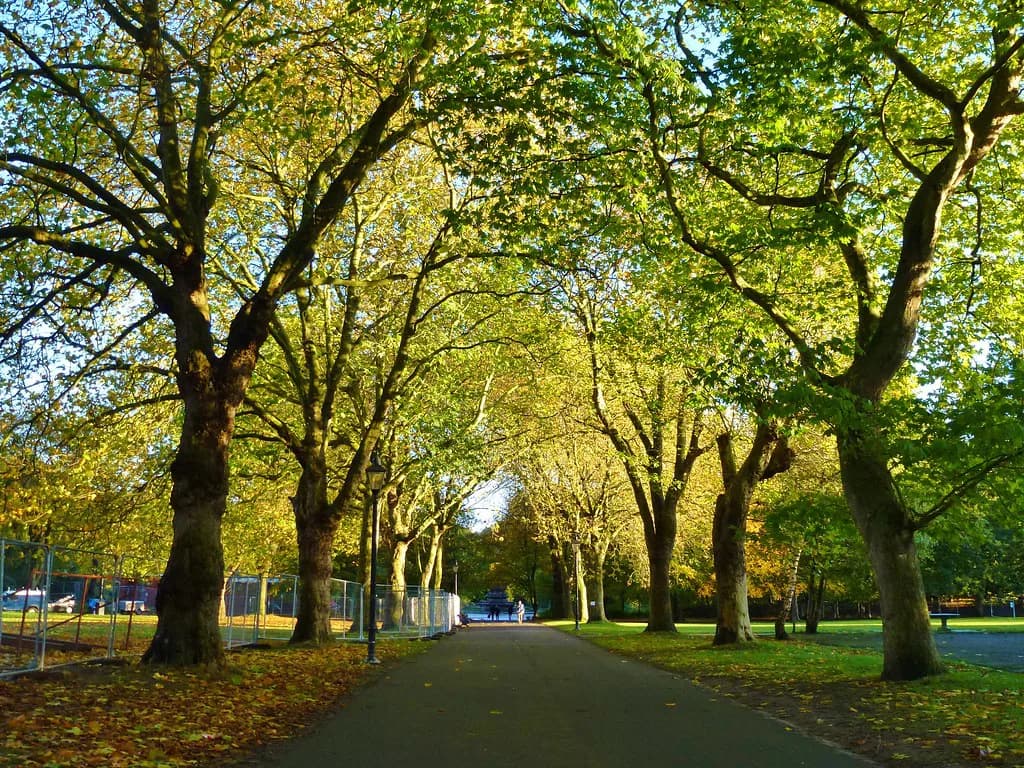
Sefton Park is the headline green space in south Liverpool: 235 acres with a glass Palm House, tennis courts, lakes, cafes and a band stand, all set within a park with a rich history. The Palm House is the reason many visitors come, and the lakes and open lawns give you room to spread a picnic or let children run.
Allow at least a couple of hours if you want to circle the lakes and see the Palm House without hurrying. The park is listed in the L17 area, a few miles south of the centre, so build in bus or taxi time on each side of your visit. Because the site is so large, decide on one or two features to aim for rather than trying to cover everything.
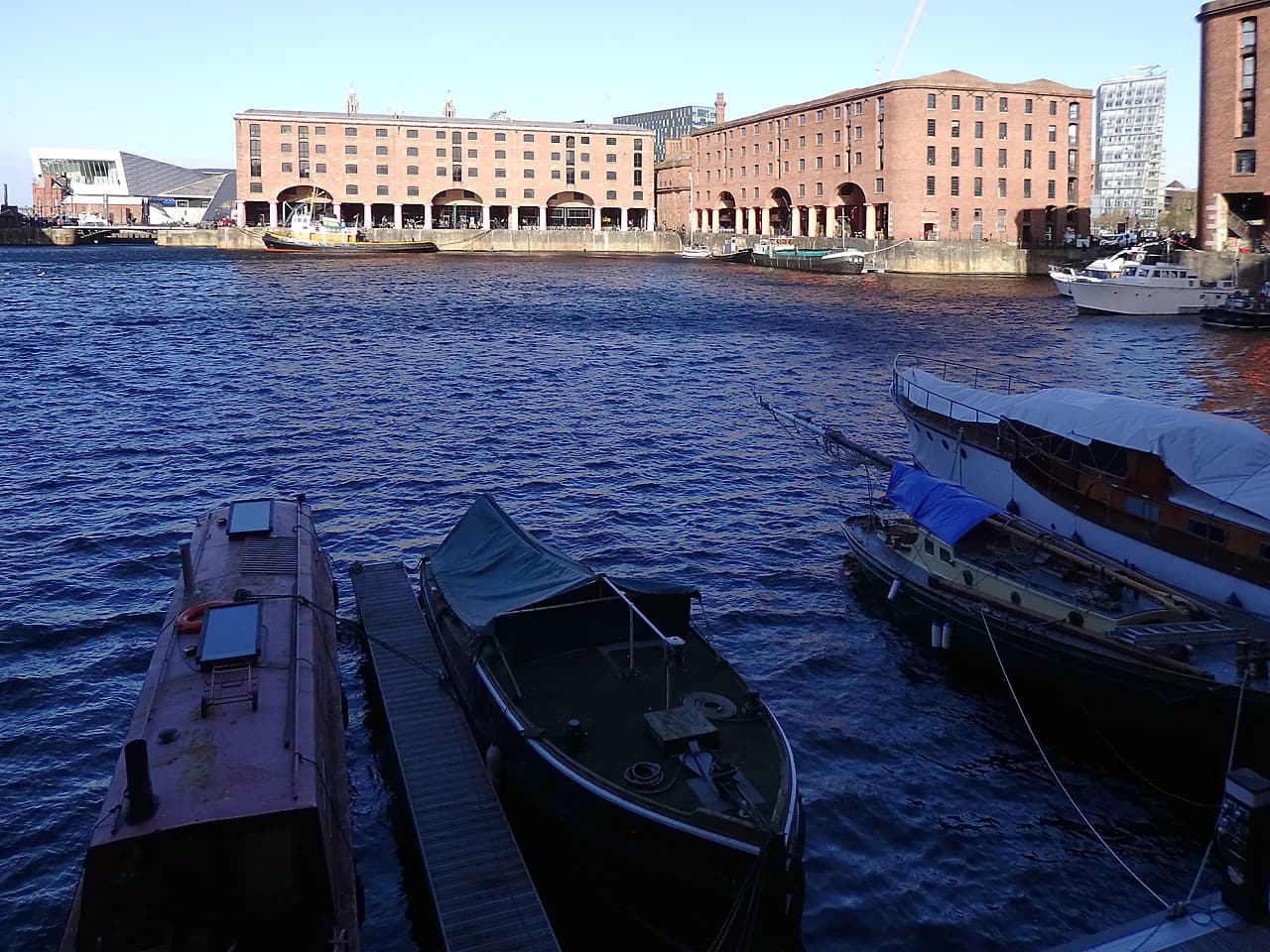
Sefton Park works well as the green half of a day that also takes in the waterfront. The Royal Albert Dock and the museums around it sit back towards the centre, so a morning at the docks and an afternoon in the park is a realistic split.
Calderstones Park: woodland, a lake and Japanese gardens
Calderstones Park covers 94 acres and combines woodland, a lake and fields with Japanese and old English gardens, which makes it the most varied of the south Liverpool parks. It sits on Calderstones Road in L18 and is billed as a family park, so it suits mixed groups where some want a gentle walk and others want space to play.
The trade-off against Sefton Park is character rather than scale. Calderstones feels more like a series of gardens than one grand landscape, so it rewards a slower wander through the planted sections instead of a circuit. Two hours is a comfortable allowance if you want to see both the lake and the Japanese garden.
Croxteth Country Park: the 500-acre estate, hall, farm and miniature railway
Croxteth Country Park is the big day out among Liverpool's green spaces. The council describes a 500-acre estate with a Grade II* listed hall, a farm, a miniature railway and a Victorian walled garden, which gives families several separate things to do in one visit.
Because the estate is so spread out, allow half a day rather than an afternoon. The entrance is on Muirhead Avenue East in L11, north-east of the city centre, so plan transport carefully and treat this as a destination in its own right. Hall opening arrangements change with the season, so confirm before travelling.
The Grade II* hall ties neatly into the city's wider heritage sightseeing, alongside the cathedrals and waterfront buildings. If your trip leans towards markets and shopping, keep Croxteth as a separate outing instead of folding it into a town-centre day.
Stanley Park and the Isla Gladstone Conservatory
Stanley Park covers 111 acres in Anfield, on Walton Lane, and holds the Isla Gladstone Conservatory along with formal gardens and lakes. It is a good pick if you are already heading to the Anfield area and want a green stop that does not require a separate trip across the city.
The formal gardens and lakes give it a more structured feel than the open lawns at Sefton. An hour to ninety minutes is enough for the conservatory and a circuit of the gardens, which makes it easier to slot into a busy day.
Newsham Park: a Grade II listed Victorian park
Newsham Park is a Grade II listed Victorian park of 121 acres with an action sports hub and lakes used for model boating and fishing. It sits on Gardner's Drive in L6 and appeals to visitors who care about Victorian park design as much as open space.
Its mix of activities makes it one of the more sociable parks in the north of the city. Give it an hour or two if you want to see the lakes and the sports area, and treat it as a neighbourhood visit rather than a headline sight.
Princes Park: lakeside walks and parkruns
Princes Park is another Grade II historic park, this one in Toxteth with a fishing lake and a children's play area. The council notes that it hosts regular parkruns, which makes it a practical choice if you want exercise rather than a gentle stroll.
The entrance is on Devonshire Road in L8, close enough to the city centre to reach without a long journey. An hour covers the lake loop comfortably; runners will want longer. Combine it with the nearby Falkner Square if you are exploring Toxteth on foot.
Greenbank Park: lake, walled garden and cafe
Greenbank Park in L18 packs a lake, a children's playground, a walled garden and a large glass-fronted cafe into a compact space. The cafe makes it one of the easiest parks to visit without carrying your own supplies, and the walled garden gives the park a sheltered corner on a breezy day.
The trade-off is size: this is a park for an hour, not an afternoon. It works best as a stop between Calderstones Park and the centre, when you want a coffee and a short walk rather than another full circuit.
Otterspool Park: Mersey views and a riverside walk
Otterspool Park is the park to choose for river views. The council describes a space where you can walk, run, cycle or fly a kite with uninterrupted views across the Mersey, on Otterspool Drive in L17.
This is an exposed, open stretch, so wind and weather shape the visit more than in the wooded parks. Bring a layer and plan a shorter outing if the forecast is poor. Walkers and cyclists get the most from it; it is less suited to a purely indoor-minded afternoon.
Wavertree Botanic Gardens: a walled Victorian botanic garden
Wavertree Botanic Gardens is a 19th-century public park with a walled botanic garden and a Grade II listed curator's lodge. It sits on Edge Lane in L7, on the eastern side of the city, and suits visitors who like the structure of a walled garden rather than open parkland.
Its scale makes it a short stop: an hour is realistic for the walled garden and the surrounding lawns. Pair it with a museum afternoon if the weather turns, since the two together fill a half day without a long journey between them.
Smaller and quieter green spaces: St James Gardens, St John's Gardens and Falkner Square
The best quiet hour in central Liverpool is St James Gardens, a sunken, secluded former cemetery alongside the Anglican Cathedral on St James Road. The council calls it an oasis of peace, and its hollow setting keeps the traffic noise away from the graves and paths.
St John's Gardens is the other easy central stop, sitting next to St George's Hall on William Brown Street. It is a memorial garden rather than a place to linger all afternoon, but it fits neatly into a walk between the hall, the libraries and the galleries.
Falkner Square is one of the earliest public open spaces in the city and now a neighbourhood park and conservation feature on the edge of Toxteth. Expect a local, residential feel rather than visitor facilities, and treat it as a ten-minute breather on a walking route.
Parks in south Liverpool: Woolton, Allerton and Childwall
South Liverpool holds a cluster of parks worth knowing about beyond Sefton and Calderstones. Allerton Towers is a 35-acre park near Woolton Village with the remains of an Italianate mansion, while Camp Hill and Woolton Woods covers 74 acres and suits dog walking and sport.
Reynolds Park in Woolton is loved for its lawns and walled and topiary gardens, which the council suggests as a setting for picnics and walks. Childwall Woods, a 39-acre local nature reserve on Countisbury Drive, offers trails over grassland and a wilder contrast to the formal gardens.
This cluster is best reached by bus or taxi from the centre, and the distances between these parks are short enough to combine two in a day. Drivers have the most flexibility here, because the parks sit within residential neighbourhoods rather than on a single visitor route.
Parks for families: playgrounds, sports courts and space to run
Families should start with Croxteth for the farm, miniature railway and walled garden, then look at Springfield Park and Belle Vale Park for playgrounds. Springfield Park on East Prescot Road has lawns, woodland and a children's play area, while Belle Vale Park has a playground and multi-sports courts in a densely populated area.
Older children who want to move rather than play have good options. Everton Park has a hub for skateboarders, BMX and scooter riders plus a nature trail and, according to the council, the best view of the city. Newsham Park and Doric Park add multi-use games areas for football and other sports.
Two practical points shape a family visit. First, most of these facilities are outdoors, so a wet forecast means switching to an indoor plan. Second, the larger estates take real time to cross, so pick one or two facilities rather than promising everything in a single afternoon.
Practicalities: getting around, time needed, toilets and cafes
Walk times depend on which park you choose. Central gardens such as St John's Gardens and St James Gardens are minutes from major sights, while Sefton, Calderstones and Croxteth need a bus or taxi. Note the postcode for each park on the council's list before setting off, because the spread across L17, L18 and L11 is wider than visitors expect.
Cafes are named at Greenbank Park, Sefton Park and Croxteth, which makes those the simplest choices if you want to eat on site. Elsewhere, carry water and snacks. For a sit-down meal, afternoon tea in the city centre is a separate booking rather than something to expect inside a park.
Boating and waterfront trips pair naturally with Otterspool and the Mersey-side parks. If you want time on the water as well as beside it, book that separately and keep the park as the relaxed half of the day.
How the parks fit into a Liverpool city break
For a short break, choose one big park and one central garden. A morning at Sefton Park followed by St James Gardens and the cathedral makes a coherent day, while Croxteth deserves its own half-day slot because of the estate's size. This beats trying to tick off every green space on the council's list.
Parks also give you a free-feeling counterweight to paid attractions. Build a green hour into each day between the museums and the waterfront, and you will see more of the city without adding to your ticket spend.
If your trip stretches across a weekend, one park per day is a comfortable rhythm. Families may prefer Croxteth and Sefton, while walkers will get more from Otterspool and the south Liverpool cluster.
Plan Your Visit
Choose by purpose: Sefton Park for the Palm House and lakes, Croxteth for a family half-day, Calderstones for gardens, and the central gardens for a quiet hour between sights. Check transport before you commit, since the best-known parks sit several miles from the waterfront. If you are comparing cities, our guide to parks in Birmingham applies the same purpose-first approach to its green spaces.
Liverpool's parks reward a slower pace than a checklist allows. Pick two, walk them properly, and leave the rest for a return trip.
Explore more Liverpool guides
Frequently Asked Questions
Are Liverpool parks free to visit?
The council lists the parks and gardens with addresses, acreages and features, and several are public open spaces. Admission, parking charges and any charges for individual attractions are not set out on that page, so check the current details before you travel.
Which is the biggest park in Liverpool?
Croxteth Country Park is described by the council as a 500-acre estate, making it the largest in the council's listing. Sefton Park is listed at 235 acres, and Walton Hall Park at 130 acres.
Which Liverpool park is best for families?
Croxteth Country Park offers the most for children, with a farm, a miniature railway and a Victorian walled garden. Springfield Park and Belle Vale Park have playgrounds, while Everton Park has a skate and BMX hub.
How long does it take to walk around Sefton Park?
Sefton Park covers 235 acres, so allow at least two hours to circle the lakes and see the Palm House at an easy pace. Add travel time, because the park sits in L17, a few miles south of the centre.
Are there parks near Liverpool city centre?
Yes. St John's Gardens sits beside St George's Hall on William Brown Street, and St James Gardens lies alongside the Anglican Cathedral on St James Road. Falkner Square in Toxteth is a short walk further out.
Do any Liverpool parks have cafes?
The council names a large glass-fronted cafe at Greenbank Park, cafes at Sefton Park, and a farm and walled garden at Croxteth. Opening times are not listed, so check before relying on them for a meal.
What is there to see at Calderstones Park?
Calderstones Park covers 94 acres with woodland, a lake and fields, plus Japanese and old English gardens. It is a family park on Calderstones Road in L18.
Sources
Notes for your next city break
Optional updates to our UK city guides.
You might also like
Continue reading
More guides you'll find useful