Museums in Liverpool: What to See, What's Free and How Long
Plan a museum day in Liverpool: free national museums, dockside maritime and slavery galleries, time budgets, opening hours and what to book ahead.
On this page
Liverpool's best museum day costs nothing to enter: National Museums Liverpool runs a group of city museums and galleries that are free to visit, and most of the waterfront ones sit within a short walk of each other. The paid experiences, such as the Beatles Story at the Royal Albert Dock, are the ones to budget for. This guide separates the two so you can plan a realistic day rather than a list of must-sees.
Everything below is grouped by theme and place, with a time budget attached. The dockside cluster is treated as one visit so you are not zig-zagging along the waterfront, and the city-centre museums are grouped separately for a shorter second day.
Free museums run by National Museums Liverpool
The core collection is free. National Museums Liverpool states that its museums and galleries are free to visit, which makes the World Museum, the Museum of Liverpool and the dockside museums the sensible backbone of any trip. Entry to the permanent displays is the default; special exhibitions can carry a charge.
The main sites are spread between the Royal Albert Dock and the streets behind it. The Merseyside Maritime Museum and the International Slavery Museum share the dock buildings, while the Museum of Liverpool sits on the waterfront nearby and the World Museum is a short walk up towards the city centre. Plan your loop in that order and you avoid doubling back.
World Museum: what to see and how long to allow
The World Museum is the big one for families: its collections run from Japanese Samurai armour and ancient Egyptian mummies to bugs and outer space. That breadth means it rewards a proper half-day rather than a quick circuit. Give it two to three hours if you want Egypt and natural history without rushing.
If you are travelling with younger children, pick one or two galleries and leave. The space and bug sections hold attention well, while a full pass through every floor is a lot of walking for small legs. Sitting it near the start of your day, when energy is highest, works better than squeezing it in before closing.
Museum of Liverpool: the city's own story
The Museum of Liverpool tells the city's story on the waterfront, covering its port history, migration and music. It is the natural companion to the maritime museum: one explains the trade and ships, the other the people who built the place. Allow around an hour and a half, more if you read the displays properly.
Because it sits by the river, it works as a natural first or last stop of a dockside day. Pair it with a walk along the waterfront and you get the geography of the city straight before heading into the dock warehouses.
The Royal Albert Dock cluster
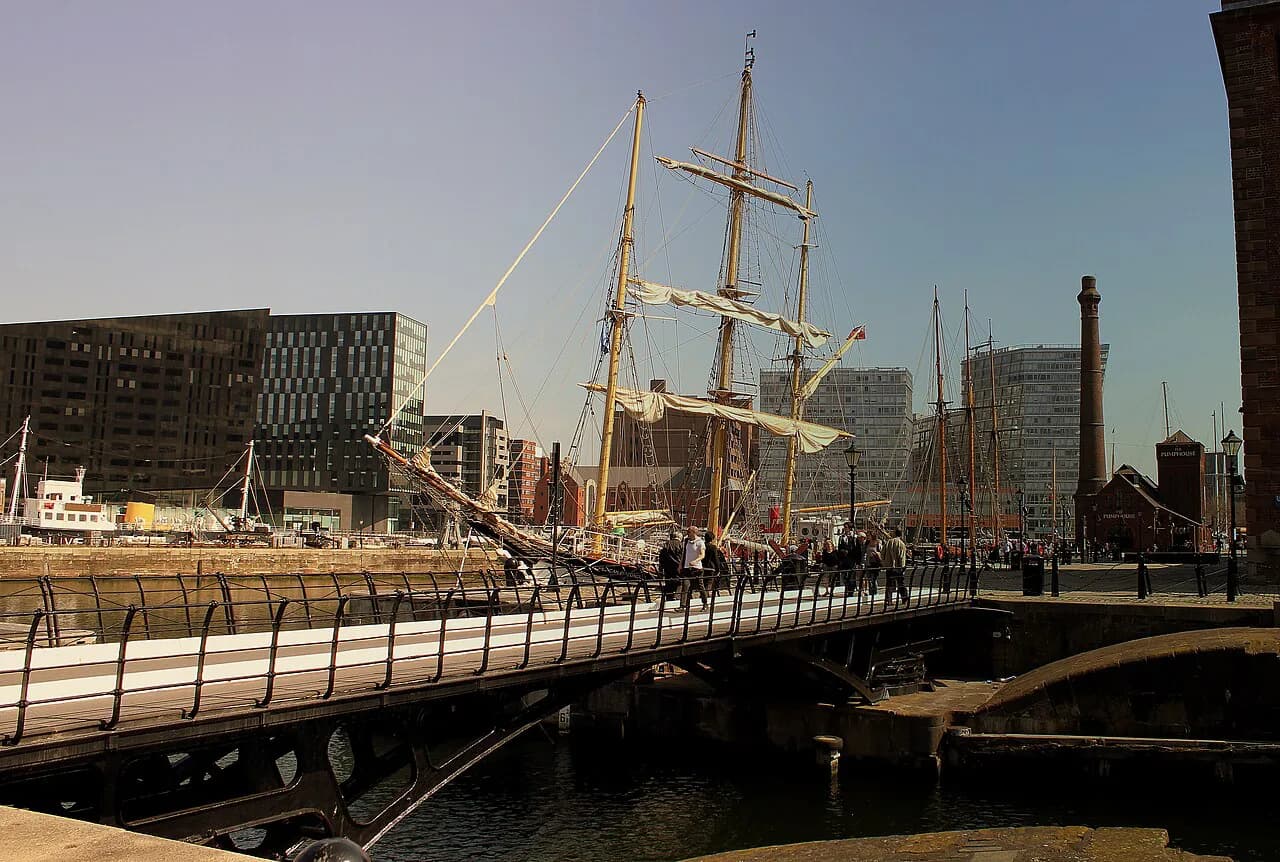
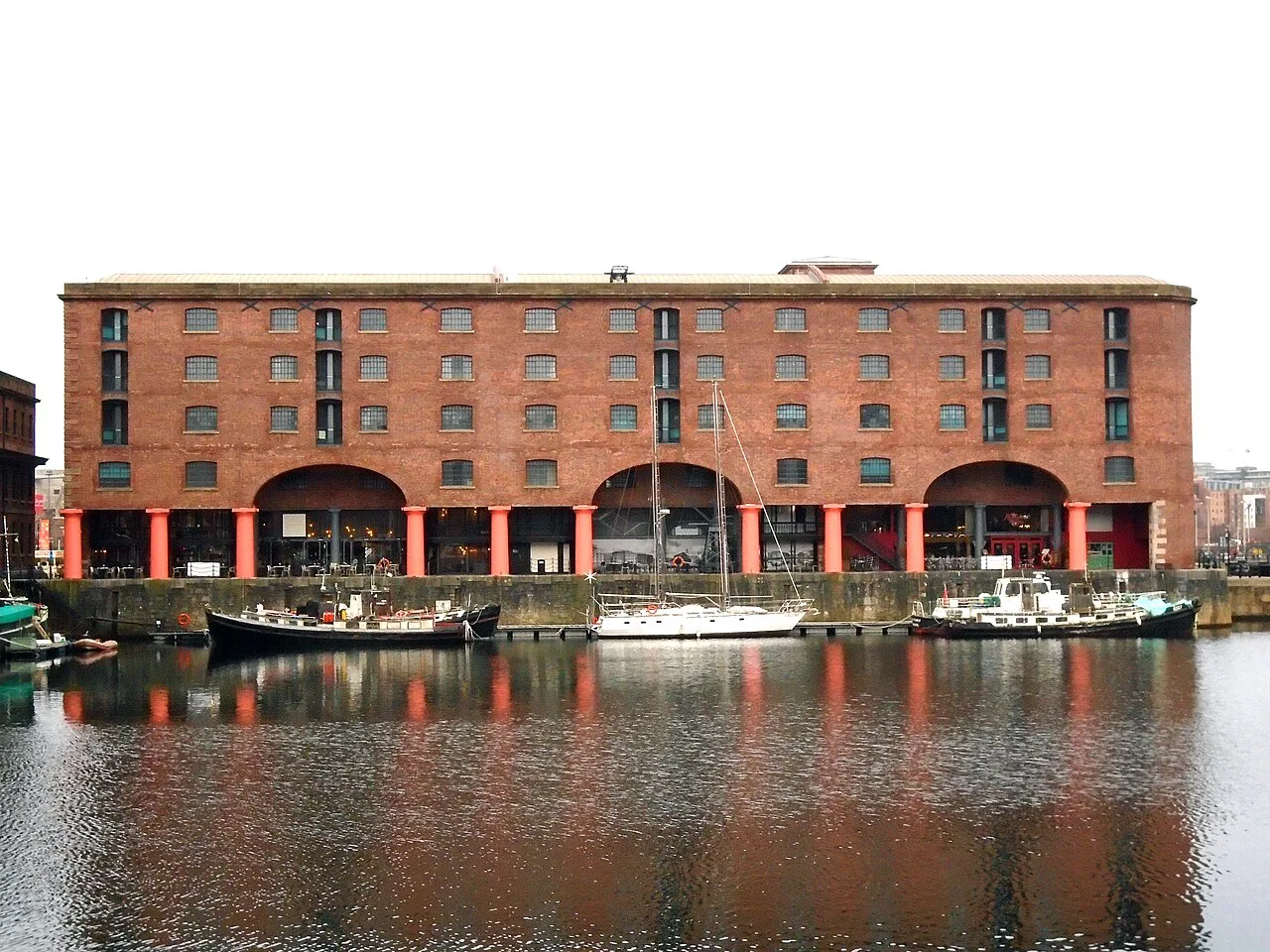
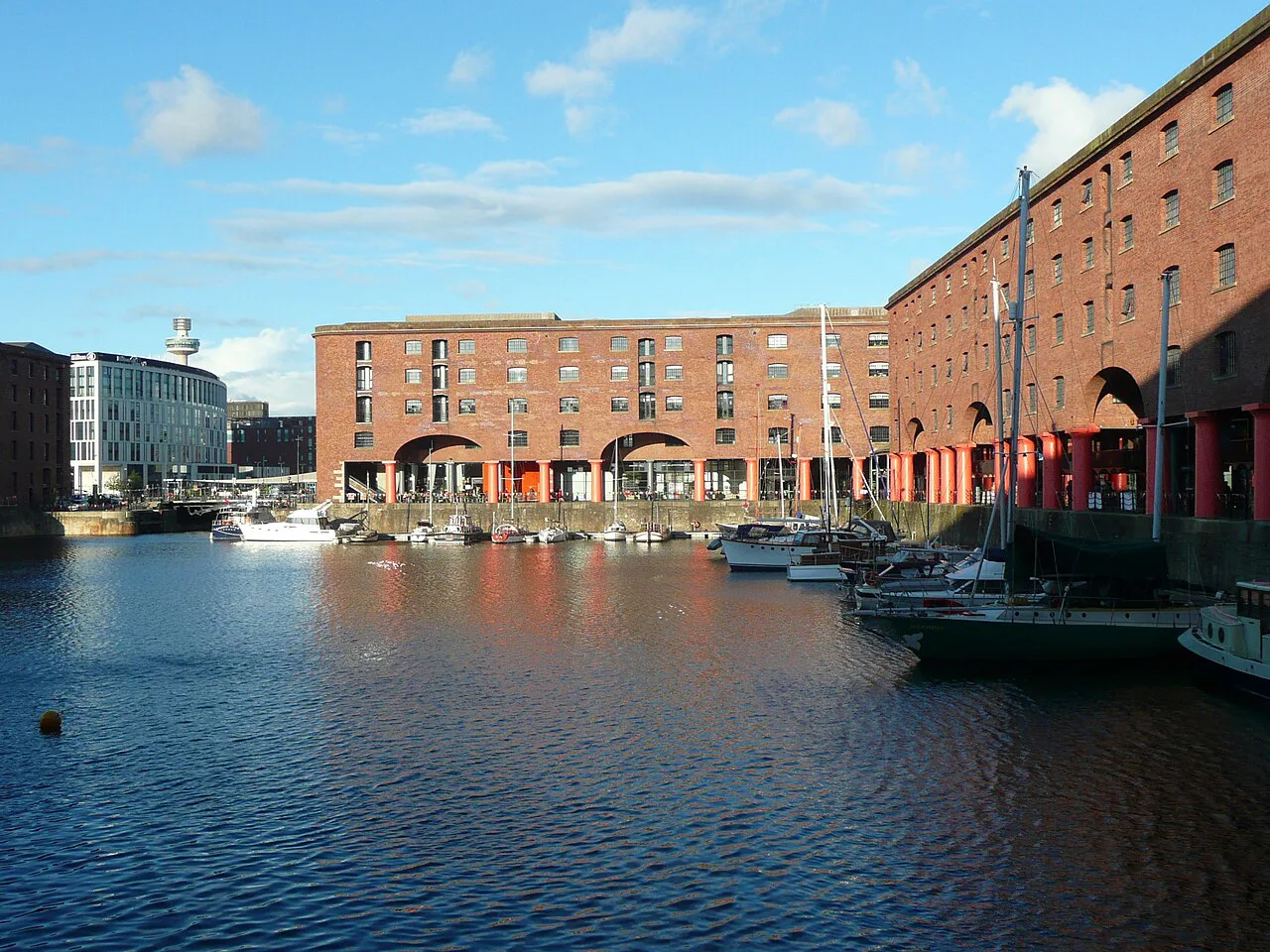
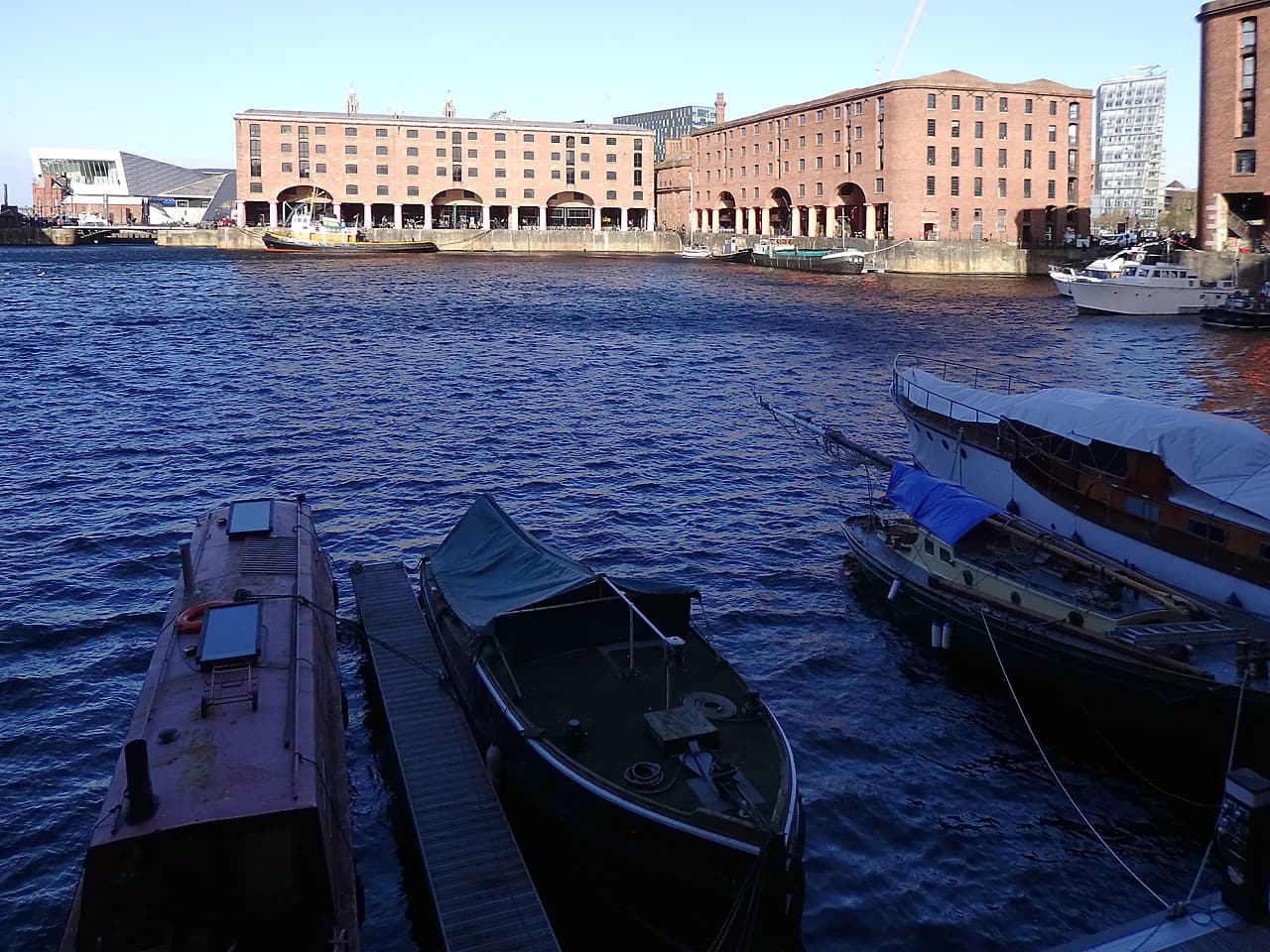
Treat the Royal Albert Dock as one visit rather than three. The Merseyside Maritime Museum covers the city's seafaring past and sits beside the International Slavery Museum, which addresses Liverpool's role in the slave trade. Both are part of the free national collection, so a single morning or afternoon covers a lot of ground.
Budget around one and a half to two hours for the dock itself without entering a museum, and add museum time on top. The warehouses hold shops and restaurants as well as galleries, so a half-day here fills easily. Walk the waterfront first, then go inside as the weather or your legs dictate.
The Beatles Story is the paid option on this stretch and the one to book ahead in busy periods. It suits fans who want a dedicated exhibition; if you would rather spend the money elsewhere, the free museums plus a walk to Mathew Street covers the music story at street level.
Cathedrals and places of worship as heritage stops
Liverpool's two cathedrals anchor the city's heritage beyond the museums. Lonely Planet highlights the cathedral with a secret as one of the city's key sights, and both buildings reward a short visit for their architecture alone. They are places of worship first, so check service times before planning a look round.
It is worth opening up the full cathedral guide before you go. If your trip leans towards castles and ruins rather than church architecture, Chester and the wider region supply day-trip options that are separate from the city's museum day.
Paid versus free: budgeting a museum day
Most of a Liverpool museum day is free at the door, so the real spending is on the paid attractions and on food and drink. Decide in advance which one paid experience earns its place: the Beatles Story at the docks or the Magical Mystery Tour, which starts from a bus stop in Albert Dock opposite the ticket booth. Check current prices on the Beatles Story and Magical Mystery Tour websites before booking.
Book the paid attraction for a fixed slot and keep the free museums flexible either side. That way a long queue at one free site does not wreck the day. If art is your priority, the city's galleries deserve their own slot rather than a rushed hour.
Museums with children
The World Museum is the strongest pick for children because the subject matter does the work: dinosaurs, mummies, bugs and space need no explaining. Keep the visit to one or two floors and leave while everyone is still enjoying it. The dockside museums work better as a shorter stop with a run along the waterfront afterwards.
Build in a break rather than pushing through. A sit-down lunch or a snack at the Albert Dock resets the day, and the walk between sites gives restless legs something to do. The paid Beatles experiences suit older children and teenagers more than toddlers.
Opening hours, days and closures
National Museums Liverpool's museums and galleries open from 10am to 5pm, Tuesday to Sunday. Monday is the day to plan around, so put a paid attraction or a cathedral visit there instead. Confirm times on each venue's own page before setting out, as seasonal changes are common.
Do not assume the same hours apply to Tate Liverpool, the Beatles Story or other venues; they run their own timetables. Late openings and holiday hours are worth checking on each venue's own website the week you travel, whether that is National Museums Liverpool, Tate Liverpool or the Beatles Story.
Getting between the museums on foot
The waterfront museums and the Albert Dock are close enough to walk between without public transport. From the dock to the Museum of Liverpool is a matter of minutes, and the World Museum is a further walk up into the city centre. Wear shoes you can do a few miles in.
If you are arriving by train, James Street station puts you within a short walk of the Albert Dock. Walking between the waterfront sites is easy, and the whole dockside loop can be done on foot from a base near the river.
Where afternoon tea fits a museum day
Afternoon tea slots neatly after the waterfront museums close for the day, or as a midday break if you are splitting the docks. Book a table rather than turning up, especially at weekends. Our guide to afternoon tea in Liverpool covers the city's tea rooms and what to expect.
Spa hotels around Liverpool and Chester also bundle afternoon tea with treatments, which suits a slower day away from the museums. Treat these as spa packages rather than city-centre tea rooms; they are a different kind of outing.
Two half-days and one full day
For a full day, start at the World Museum when it opens, walk down to the Museum of Liverpool, then finish at the Royal Albert Dock with the maritime and slavery museums. That gives you the city's story in sequence and leaves the evening free for the waterfront or a meal.
For two half-days, put the World Museum and the city-centre galleries in one, and the dockside cluster plus a paid Beatles experience in the other. That split keeps walking manageable and leaves room for a cathedral visit if the weather turns.
Practical niggles: queues, steps and tired legs
Expect queues at the free museums at opening time and around school holidays, and queue early rather than midday. Lift access and buggy space vary between buildings, so ask at the entrance if you need step-free routes. Historic warehouses are not always generous with space.
Carry water and plan a sit-down stop; the dockside walk between sites is longer than it looks on a map. If a museum is packed, swap the order and come back later, since the free sites cost nothing to revisit.
Where to stay for a museum-led break
Staying between the waterfront and the city centre puts every museum on this list within walking distance. Hotels near James Street and the Albert Dock are the most convenient for a short trip, while the commercial district gives you easier access to the World Museum.
For a wider view of the city beyond museums, the history of Liverpool and the broader things to do in Liverpool guides fill in the streets and stories around the collections. If you want a different city's museums for comparison, our guides to museums in Cambridge and museums in Derry cover two very different collections.
Plan Your Museum Day
Start with the free National Museums Liverpool sites, book one paid attraction if it matters to you, and keep the day to two or three museums rather than five. The World Museum earns the most time, the dockside cluster covers the city's maritime and slavery history, and the Museum of Liverpool ties the story together.
Explore more Liverpool guides
Frequently Asked Questions
Which museums in Liverpool are free?
National Museums Liverpool states that its museums and galleries are free to visit, which includes the World Museum, the Museum of Liverpool, the Merseyside Maritime Museum and the International Slavery Museum. Special exhibitions can carry a charge, and paid attractions such as the Beatles Story are separate.
Are Liverpool museums open every day?
National Museums Liverpool lists its museums and galleries as open 10am to 5pm, Tuesday to Sunday, so Monday is the day to plan around. Other venues such as Tate Liverpool and the Beatles Story run their own timetables.
How long does the World Museum take?
Allow two to three hours to see ancient Egypt and the natural history galleries without rushing. Families with young children often do better with one or two floors and a break.
Is there a Titanic museum in Liverpool?
The dockside museums that tell the maritime story are the Merseyside Maritime Museum and the International Slavery Museum at the Royal Albert Dock. Check the National Museums Liverpool site for what each museum currently displays.
Do I need to book Liverpool museums in advance?
Entry to the free national museums does not need booking. Paid experiences such as the Beatles Story or the Magical Mystery Tour are worth reserving for a fixed time in busy periods; prices are on their own booking pages.
Can I visit the Royal Albert Dock museums in one go?
Yes. The Merseyside Maritime Museum and the International Slavery Museum share the dock buildings, so a single visit covers both, with the Museum of Liverpool a short walk away.
Sources
Notes for your next city break
Optional updates to our UK city guides.
You might also like
Continue reading
More guides you'll find useful