History of Oban: Distillery, Castle and Bay
A short history of Oban, from Mesolithic cave dwellers and the 1794 distillery to Dunollie Castle and the growth of the town around its horseshoe bay.
On this page
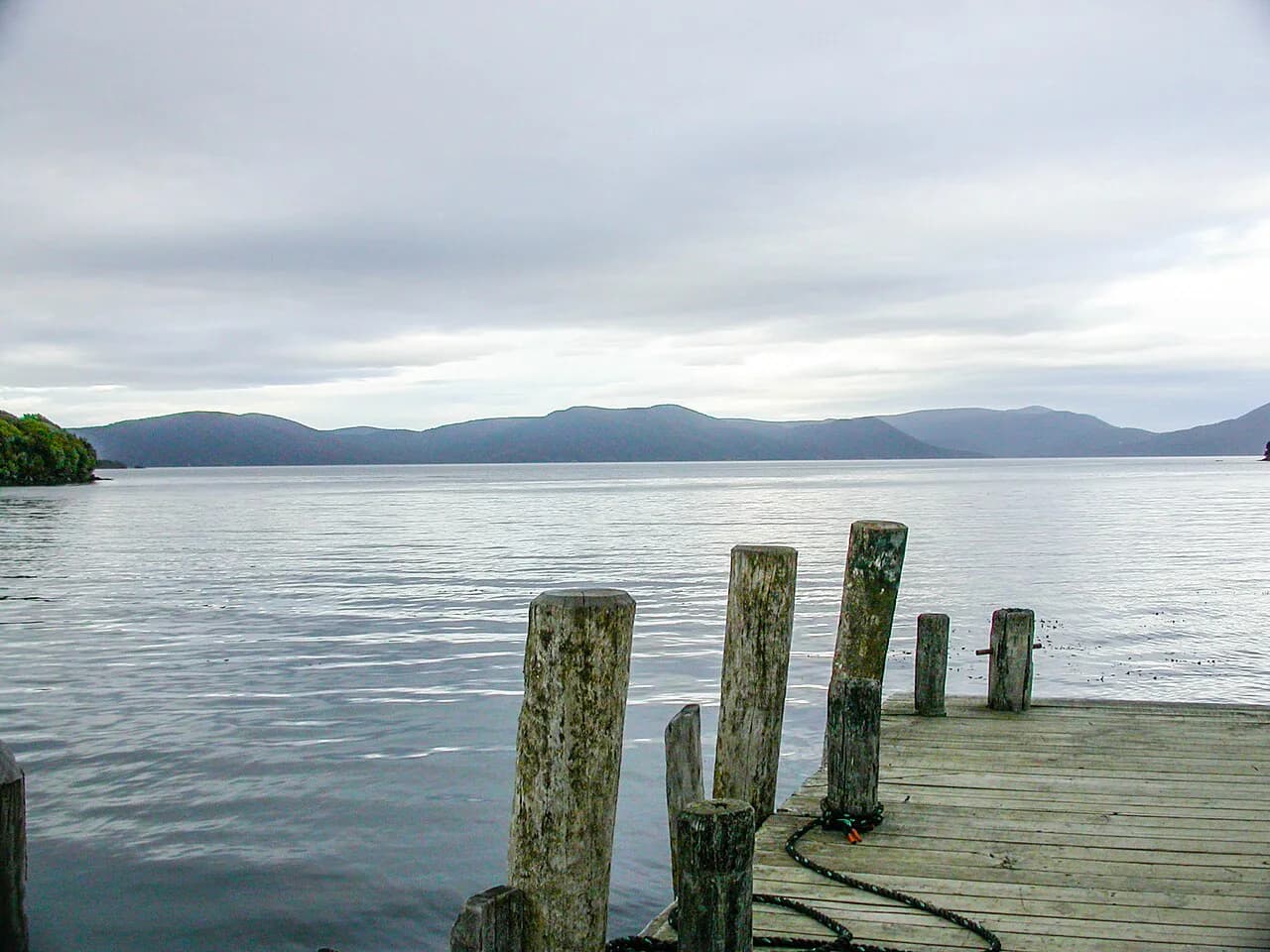
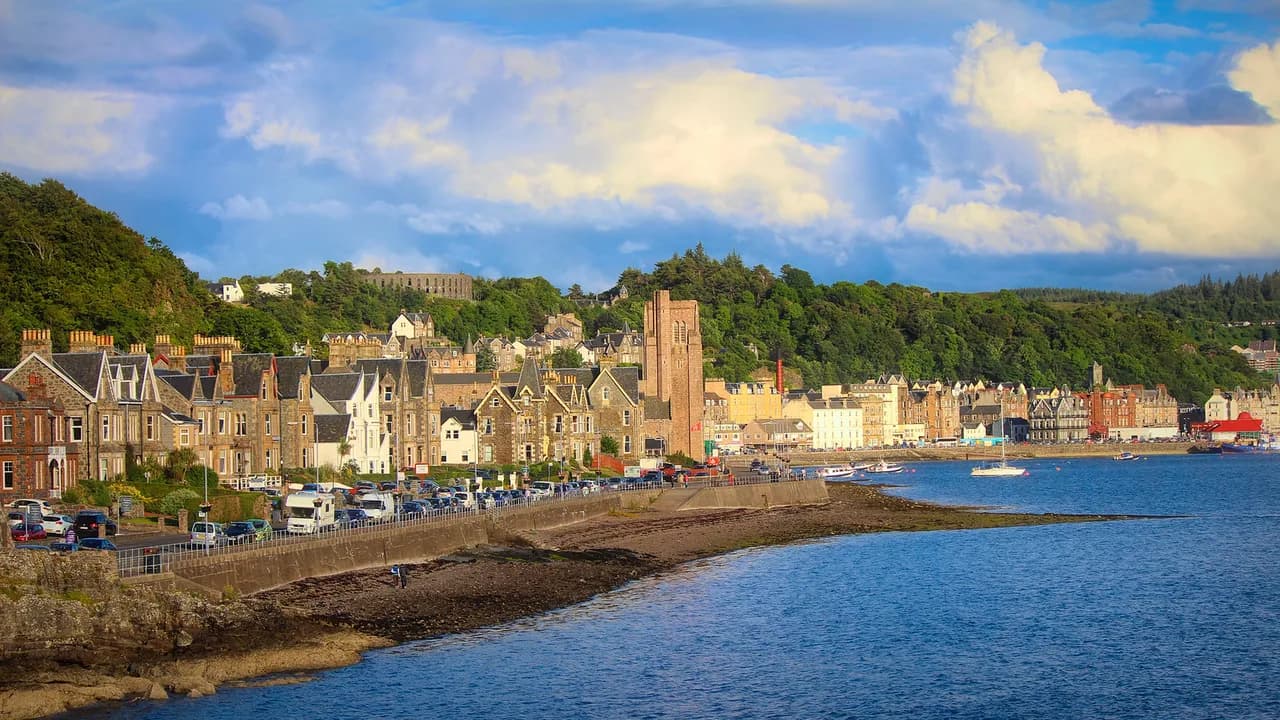
Oban is a west coast town built around a horseshoe-shaped bay, and its Gaelic name, An t-Òban, simply means The Little Bay. That sheltered curve of water is the reason people settled here long before there was a town at all. The history you can still walk through runs from cave dwellers and a ruined castle to a distillery that turned a small settlement into a port.
Oban in Brief
The town's shape is the first thing to understand: everything historic in Oban relates to the bay. The horseshoe curve offered food and shelter to people from Mesolithic times, and evidence of early cave dwellers has turned up in the town centre.
That early occupation clustered around the spot where Oban Distillery now stands, which is a neat accident of geography: the town grew outward from the same ground that first attracted settlers. If you want the broader picture of what there is to do once you have the history straight, our guide to things to do in Oban covers the town's headline sights.
Mesolithic and Prehistoric Oban
Long before any town existed, the bay and its caves supported people who left traces in the centre of modern Oban. The sites around Oban Bay are noted for a distinct culture of their own, which makes the town's prehistory more than a footnote to the distillery story.
The wider landscape takes that story much further back. Kilmartin Glen, inland from Oban, holds 350 ancient monuments within a 6-mile radius of the village centre, 150 of them prehistoric.
Kilmartin House Museum is the place to make sense of that density of remains, and it pairs naturally with a day spent driving the glen rather than staying in town. Budget a full day if you want both the museum and a walk among the monuments.
Dunollie Castle: Oban's Oldest Building
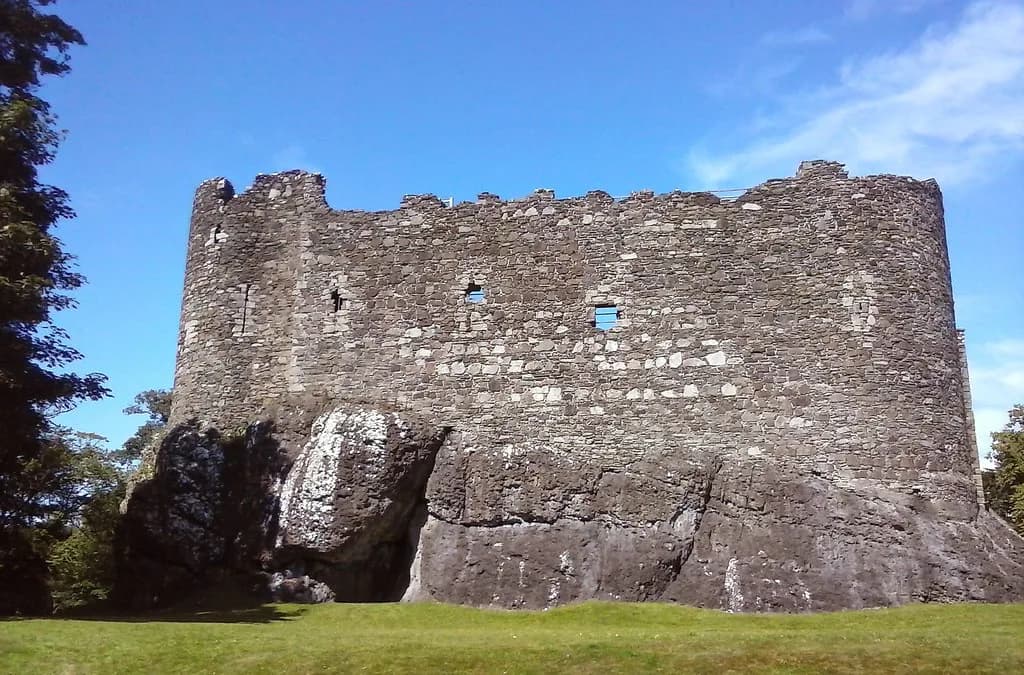
Dunollie Castle is Oban's oldest building, and its foundations reach back to the Bronze Age. It stands as a ruin with a view, and the outlook from its walls is largely unchanged from the era when the Clan MacDougall chiefs ruled Scotland from strongholds in Argyll.
At the height of their power the MacDougalls held eight strategically placed castles, mostly around the coastline, which let them control Dalriada through the 12th century. Dunollie was one of that chain, so a visit here is really a visit to the seat of regional power rather than a single picturesque ruin.
Nearby Dunollie House holds the MacDougall collection, which can be viewed by appointment while the clan continues fundraising to put it on permanent public display. Plan that as a booked arrangement, not something to turn up for. If ruined walls are your reason for coming, our round-up of castles near Oban puts Dunollie alongside the others worth the drive.
Before the Distillery
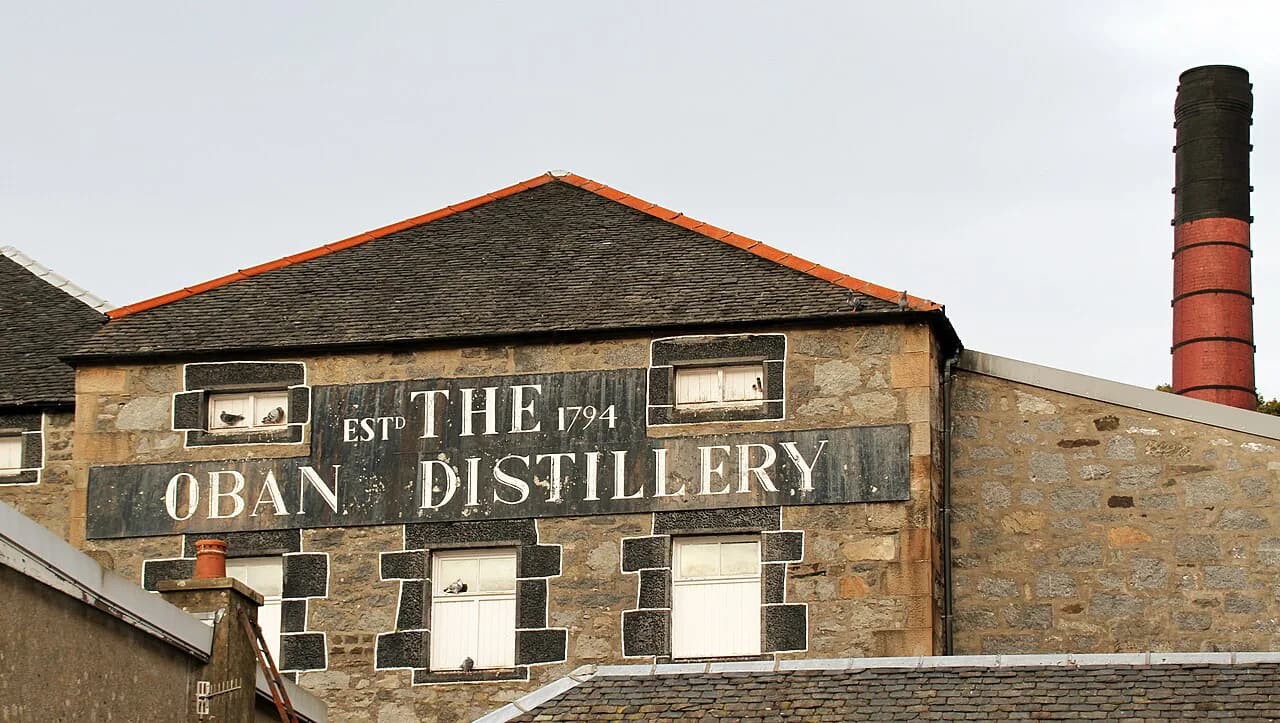
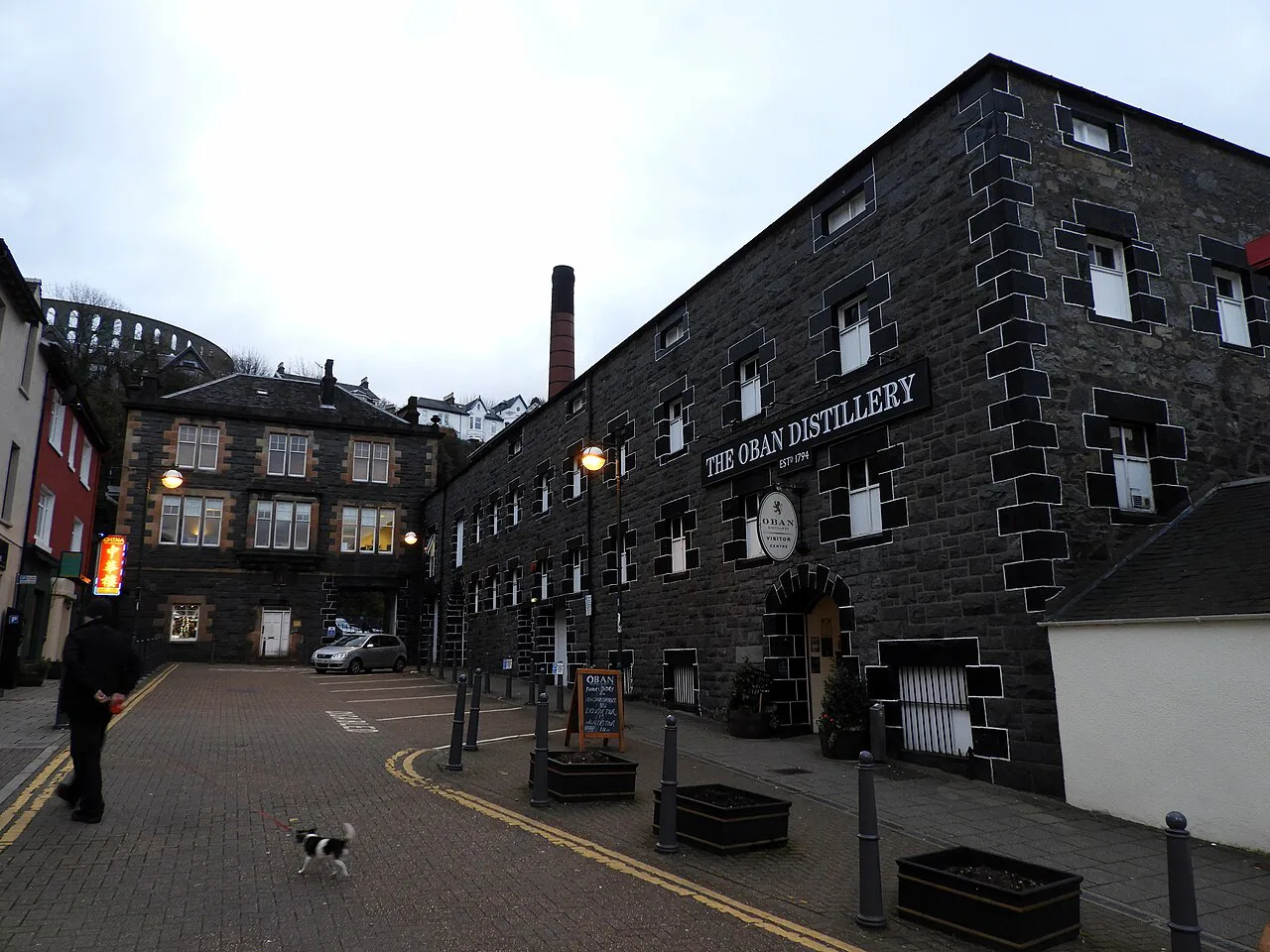
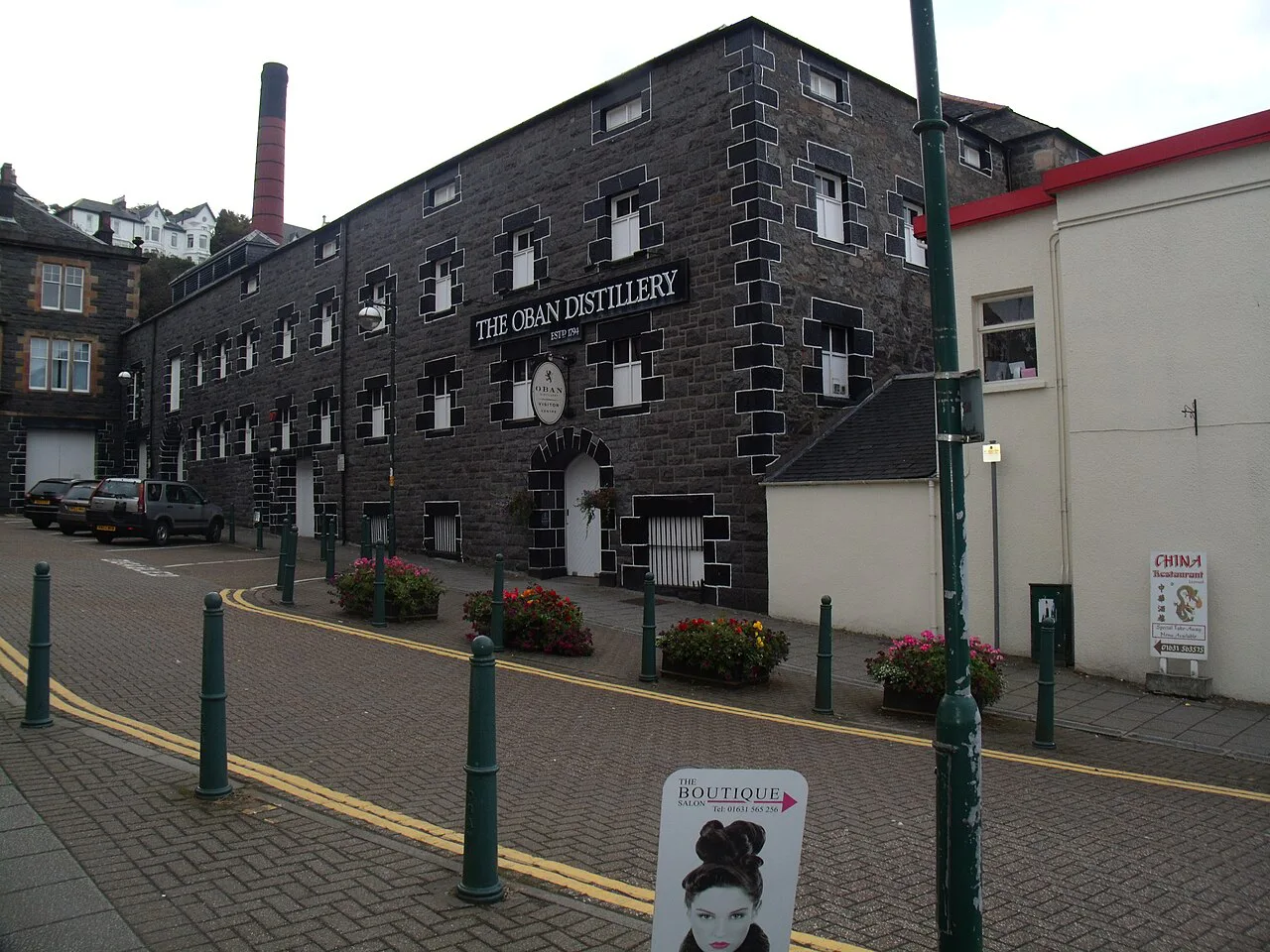
Until the late 18th century Oban was a shadow of the town it became, with little housing and only a small quarry and shipbuilding trade. The founding of Oban Distillery in 1794 is the hinge on which the town's modern history turns.
That is worth holding on to when you walk the town: the streets around the distillery are the oldest commercial ground in Oban, and the distillery predates most of what surrounds it. It also explains why the distillery sits so centrally rather than on an industrial edge.
1794 and the Export Trade That Built Oban
Once the distillery was in production, Oban began shipping whisky along with wool, slate and kelp to larger ports such as Liverpool and Glasgow. That trade, rather than tourism, drove the town's rapid expansion.
The Liverpool connection is a reminder that Oban was plugged into a wider west-coast trading world; if that port's own story interests you, our history of Liverpool covers the other end of the route.
For the visitor, the practical consequence is a compact town centre where the distillery, the harbour and the main shopping streets sit within a few minutes of each other. George Street and the surrounding blocks are the modern descendants of that trading settlement, and our guide to shopping in Oban covers what is there now.
Boswell and Johnson in 1775
Samuel Johnson and James Boswell passed through Oban in 1775, several years before the distillery was founded and about 20 years after the Highland clans had been disarmed. They recorded several passable hostelries, and remarked on both the scenery and the hospitality of their Highland hosts.
Their account captures Oban at the moment before whisky changed it: a small place with inns, a fine bay and little else in the way of industry. Reading it alongside a walk along the Esplanade gives the town's waterfront a sense of before and after.
The Ossian Controversy
Argyll's legends have long inspired writers, and the most contentious example is Ossian, a supposed 3rd-century Gaelic poet said to have lived in the area. James Macpherson published poems he presented as Ossian's in the 18th century, and many of his contemporaries considered them fake.
Some scholars argue that Johnson and Boswell's journey to the Western Isles was partly a mission to prove that Ossian did not exist and that Macpherson had invented the legends. Treat the whole episode as a cultural quarrel about authenticity rather than as evidence about a real ancient poet; it matters to Argyll because it shaped how outsiders imagined the Highlands.
Dunadd and the Crowning Legend
Dunadd, a fort on the River Add, is reputed to have been where the ancient kings of Scotland were crowned. The site was occupied from as early as AD 500, and its name means fort on the river after its Iron Age origins.
Carved footprints in the rock are believed to be the mark of those followers, which is the detail most visitors remember. Treat the crowning as tradition rather than documented ceremony, and the footprints as a striking piece of sculpture whose meaning is inferred. The site is in the care of Historic Scotland and is open free of charge all year round, which makes it one of the best value stops in the wider area.
Oban as a Gateway to the Islands
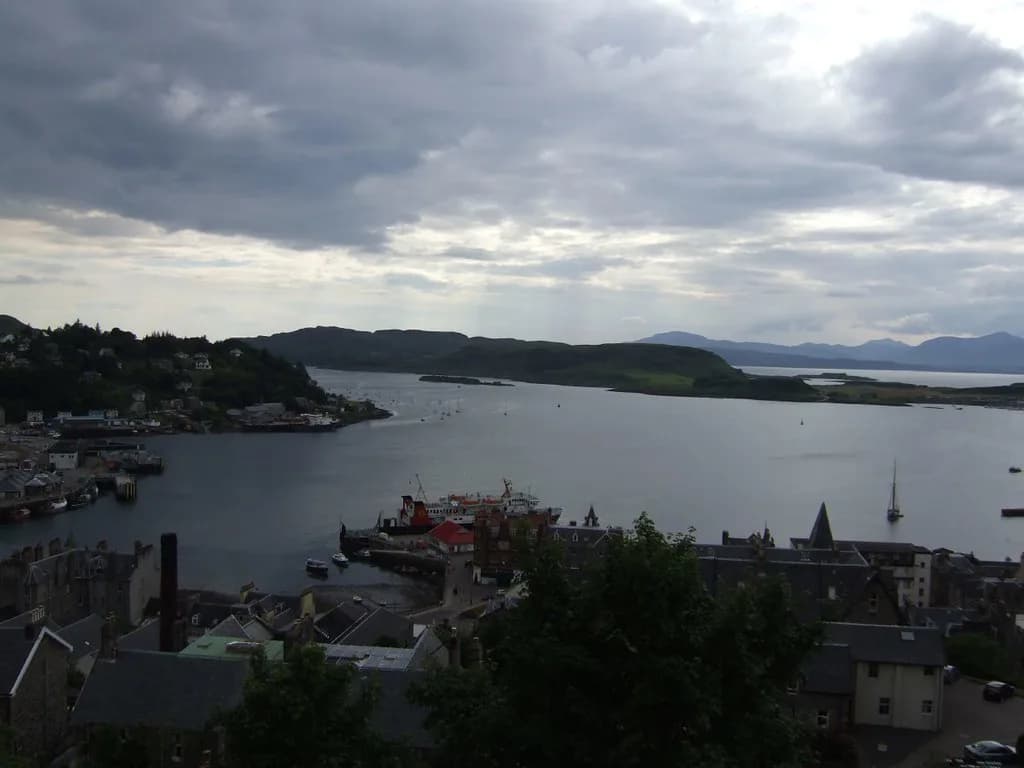
Oban's position made it the natural jumping-off point for the Inner Hebrides, and that role still shapes the town's economy today. Scheduled inter-island flights connect Oban with Coll, Colonsay, Islay and Tiree, alongside the ferries that most travellers picture.
For a short break, the sensible split is a day of town history and a day on the water. Our guide to Oban boat trips covers the options from the harbour, and it is worth fixing your crossing before you book accommodation because island sailings fill up in season.
What to See Today
The visible trail of Oban's history starts at Dunollie Castle, continues through the distillery and the town centre streets, and then heads inland to Kilmartin and Dunadd for the prehistoric and early medieval layers. Dunadd is the standout for anyone willing to drive, given its royal reputation and free year-round access.
Allow half a day for Dunollie and the town centre, and a full day for the Kilmartin and Dunadd loop. Ticket prices, opening days and distillery tour times change with the season, so confirm them with each site before you set out.
If you would rather build the day around a single anchor, our collection of Oban Attractions gives you a place to start. Finish with something civilised: afternoon tea in Oban is the obvious reward after a morning on your feet.
Plan Your Visit Around the History
Build your Oban itinerary in layers: the bay and distillery for the town's own story, Dunollie for the MacDougalls, and the Kilmartin glen for everything that came before. That order makes sense of the place rather than treating each site as an isolated stop.
Walk the centre on foot, save a day for the glen, and book the distillery and the MacDougall collection before you travel. Prices, opening hours and tour slots vary through the year, so check the relevant site's own page when you book.
Explore more Oban guides
Frequently Asked Questions
Why is Oban called Oban?
The town's Gaelic name is An t-Òban, which means The Little Bay, taken from the horseshoe shape of Oban Bay. The name describes the geography that first drew people to the site rather than any founder or clan.
How old is Oban as a town?
The bay has been occupied since Mesolithic times, with evidence of early cave dwellers found in the town centre near where Oban Distillery now stands. The town as a built settlement expanded rapidly after the distillery was founded in 1794 and began exporting whisky, wool, slate and kelp.
Who were the MacDougalls of Dunollie?
The Clan MacDougall chiefs ruled parts of Argyll from a chain of castles, holding eight strategically placed strongholds at the height of their power and controlling Dalriada through the 12th century. Dunollie Castle, Oban's oldest building, has Bronze Age foundations, and the MacDougall collection at nearby Dunollie House can be viewed by appointment.
What was Ossian and was it real?
Ossian was presented as a 3rd-century Gaelic poet reputed to have lived in the Argyll area, and James Macpherson published poems in the 18th century that he attributed to him. Many of Macpherson's contemporaries considered the poems fake, and some scholars argue that Johnson and Boswell's journey to the Western Isles was partly aimed at disproving them, so treat the cycle as a cultural legend rather than a record of a real poet.
Was Oban founded at the distillery?
The distillery, founded in 1794, is the hinge of the town's modern growth: before it Oban had little housing and only a small quarry and shipbuilding trade, and whisky exports to ports such as Liverpool and Glasgow drove its rapid expansion. People had settled around the bay long before that, so the town's origins run deeper than the distillery.
Sources
Notes for your next city break
Optional updates to our UK city guides.
You might also like
Continue reading
More guides you'll find useful