History of Liverpool: What to See and Decide
A plain timeline of Liverpool's history, from King John's 1207 charter to the docks and the Liver Birds, with the streets and sites where you can still trace it.
On this page
Liverpool began in 1207, when King John gave permission for a settlement to be built beside the River Mersey, close to the Irish Sea. That single grant is the clearest starting point for the city's history, and it is the one founding date worth fixing in your mind before you walk its streets. Almost everything else you will see on a city break is a later layer: docks, hotels, churches and the two bronze birds on the waterfront.
The useful way to read Liverpool is geographically. A medieval grant by the river, a dock master's engineering, a Victorian hotel front and a twentieth-century legend all sit within a walkable centre, which is why this guide ties each period to a place rather than listing dates in isolation. Where a story is contested or legendary, it is labelled as such; where it is documented, the place that proves it is named.
What Liverpool Is: A Seaport Written Into Its Streets
Liverpool is a River Mersey seaport, and its shape reflects that: a waterfront of docks and grand buildings, with the commercial streets running inland behind them. The city grew from a small settlement into a significant port over centuries rather than in a single burst, which is why its architecture jumps between medieval fragments, Georgian terraces and monumental Victorian frontages. If you enjoy reading a city through its dates, the history of Birmingham offers a comparable timeline to try next.
For a visitor, that layering is the attraction. You can stand in a tiny cul-de-sac off Crosshall Street and read a pilgrimage legend, then walk to the waterfront and look up at birds that most people wrongly credit to the building's own architect. Between those two points sits the dock history that made the city wealthy, and the hotels and entertainments that grew up to serve it.
Quick Timeline: The Eras at a Glance
1207: King John grants permission for a settlement by the Mersey, and Liverpool begins as a fishing village that grows into a modest port. This is the founding date to anchor everything else to, and it is the safest starting point for any account of the city.
Seventeenth century: Liverpool is still a minor seaport at the Restoration of 1660, well before its dock-building age. Eighteenth and nineteenth centuries: dock engineering, including the work associated with William Hutchinson, transforms the town's fortunes. Twentieth century: grand hotels, mass entertainment, war, and stories that have since hardened into local legend.
Today: the surviving markers are the waterfront buildings, the hotel front at Ranelagh Place, the small garden at Standish Street and the street names that recall vanished attractions. Treat the timeline as a route map rather than a school list, because each era still has an address in the centre.
1207: King John and the Mersey Settlement
The founding story is short and unusually clean. King John granted permission for a settlement to be built by the River Mersey near the Irish Sea, and Liverpool grew as a fishing village in the following period. There is no dramatic battle or royal foundation ceremony to visit, so treat the river itself as the monument: the town exists because of that stretch of water.
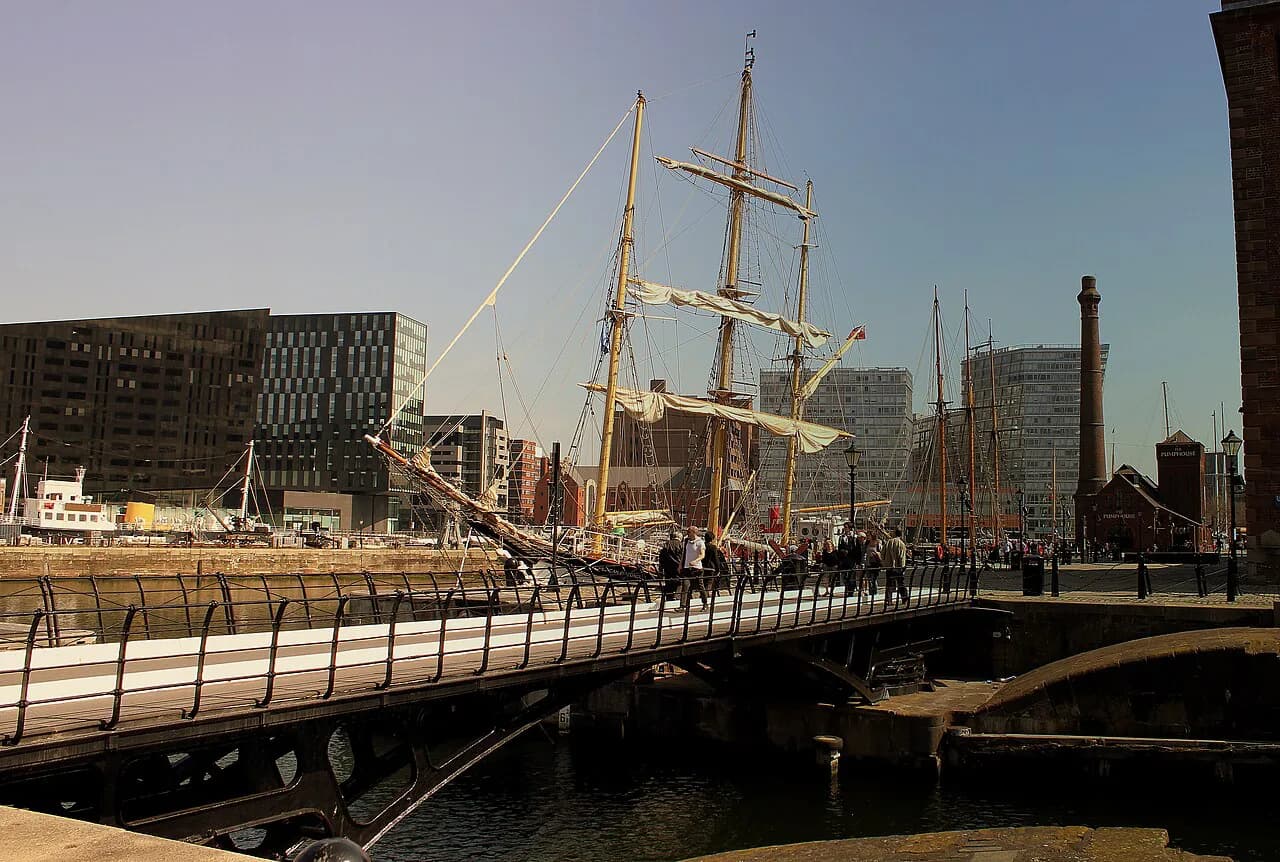
To see the logic, walk the waterfront and look at the Mersey rather than at any single building. The early settlement's advantage was position, close to the Irish Sea and sheltered enough to trade, and that geography explains why the docks later came to dominate the city's economy. Everything monumental in Liverpool follows from this modest beginning.
From Fishing Village to Modest Seaport
Centuries passed before Liverpool became a major port. At the Restoration in 1660 it remained an insignificant seaport, which is a useful corrective to the idea that the city was always a great maritime power. The transformation came later, and it came from engineering and trade rather than from royal favour.
That gap between founding and growth is what makes the centre readable. You are not looking at a medieval city that expanded gradually; you are looking at a town that stayed small, then accelerated hard, leaving a waterfront of confident Victorian and Edwardian buildings. Knowing the slow start helps you date what you are seeing as you walk.
William Hutchinson and the Making of the Docks
William Hutchinson is the name to know for Liverpool's dock era, credited as a remarkable dock master whose work shaped the port and, in local accounts, saved lives. He is not a household name, which is exactly why he is worth a paragraph in any Liverpool timeline: the city's wealth rests on engineering and administration as much as on merchants.
There is no single Hutchinson monument to visit, so read the docks as his legacy. Walk the waterfront and notice how the water spaces and quays are arranged; that ordered layout is the visible result of the dock-building age. Pair this with a museum visit if you want the wider port story, since the city's collections cover the maritime history in more depth than any street plaque.
The Liver Birds and the Royal Liver Building
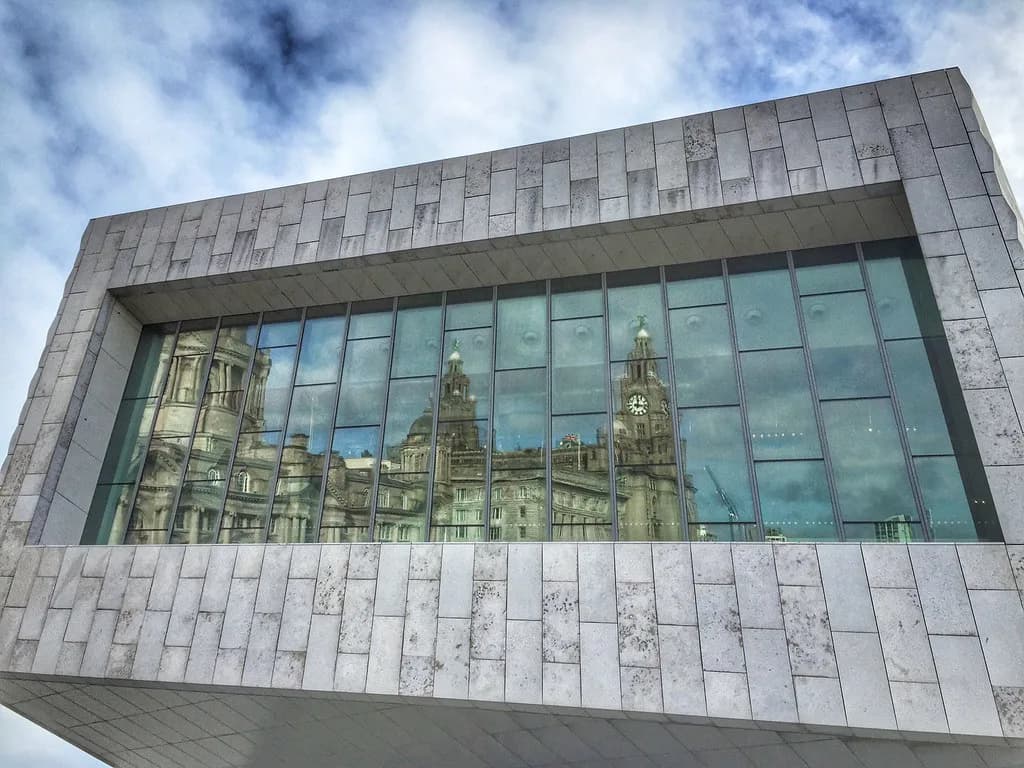
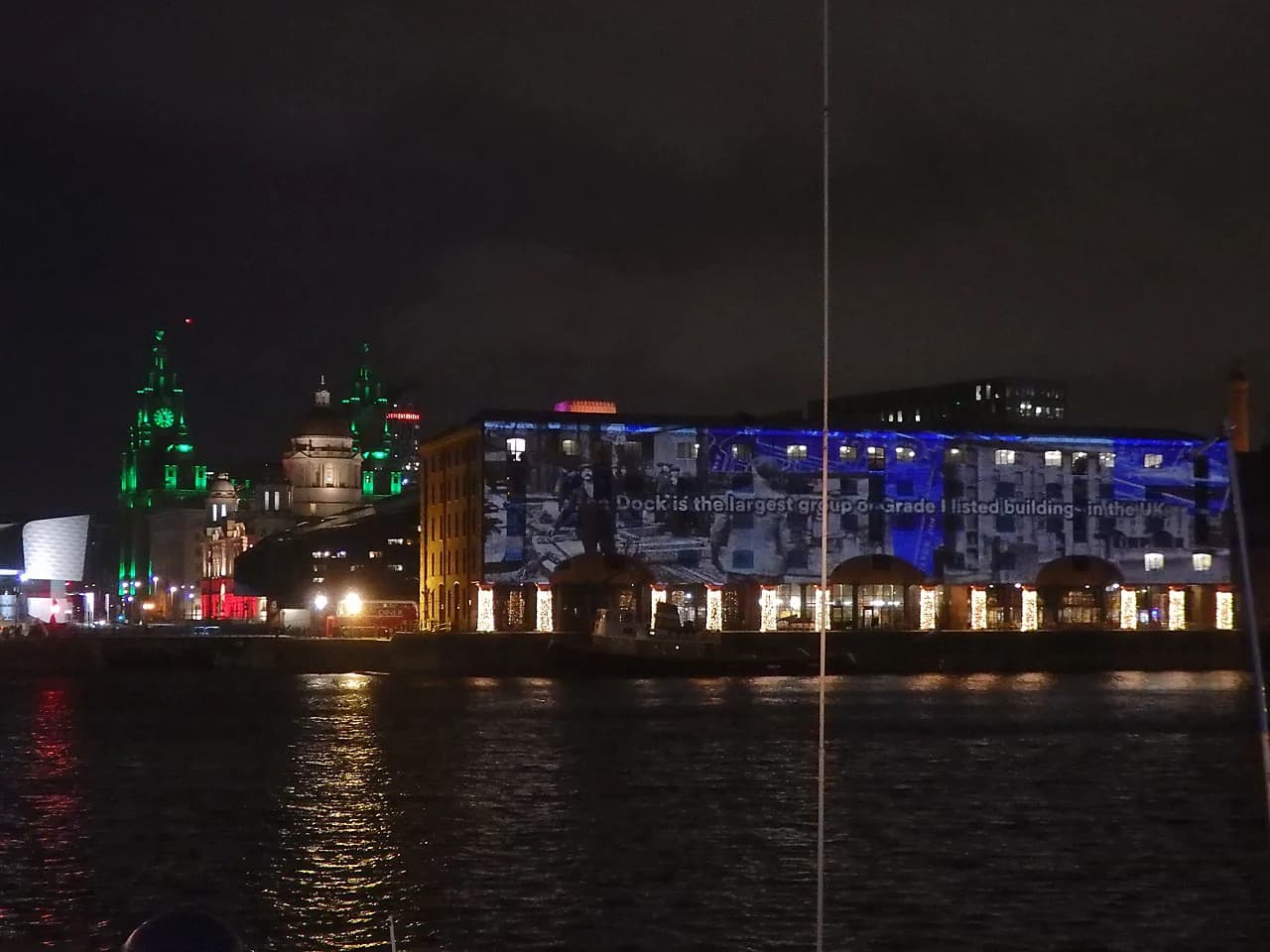
The Liver Birds on the domes of the Royal Liver Building are Liverpool's most recognisable image, and most people assume the building's architect, Walter Aubrey Thomas, designed them. The local history record corrects that assumption directly: the birds were not his work, and the story of their true designer is one of sadness and denial.
For a visitor the practical point is simple. Look up at the domes from the waterfront and treat the birds as a piece of sculpture with its own history, separate from the architecture beneath them. The building sits in the heart of the dock area, so it fits naturally into a walk along the river rather than needing a separate trip.
St Patrick's Cross on Standish Street: Legend and Garden
Off Crosshall Street in the city centre, a small cul-de-sac called Standish Street holds a beautifully maintained garden around St Patrick's Cross. Many people believe that in AD 432, on the instructions of Pope Celestine, St Patrick preached his final sermon here before sailing for Ireland to convert its people. Treat that as a tradition attached to the site rather than a documented event.
What you can actually see today is modest and easy to miss: a quiet patch of garden in an obscure corner of the centre. That is precisely why it rewards a deliberate detour, because you get a pilgrimage legend without the crowds of the waterfront. Add it to a city-centre walk and give it a few minutes rather than a half-day.
The Adelphi and Ranelagh Place: Three Hotels on One Site
Three hotels named Adelphi have stood on the site overlooking Ranelagh Place in Liverpool, and the present building is the third of them. The story of the successive hotels is a compact lesson in how the city rebuilt its grand frontage, and it gives you a specific address to look at rather than an abstract claim about Victorian hospitality.
Stand at Ranelagh Place and you are reading a layered site, which is a good habit for the rest of the centre. The building you see is the survivor, not the original, and knowing that stops you mistaking the present facade for the whole history. It is a short walk from the main shopping streets, so it works as a pause rather than a destination.
War Years and the Huyton Internment Camp Story
The Huyton internment camp story describes how local people helped improve the lives and fortunes of some World War Two prisoners held in their own community. It is presented as local history narrative, told because it illuminates the town's wartime experience rather than because every detail is officially documented. Read it in that spirit.
Huyton sits outside the city centre, so this is background reading rather than a walking stop on a short break. Its value is in showing that Liverpool's twentieth-century history extends into its suburbs and satellite towns, not just the waterfront. If your trip is centre-focused, save it for the train home.
Old Swan's Mass Graves Story: A Claim Told as Legend
The Old Swan story concerns an event in 1973 that official authorities and agencies deny ever took place, despite people coming forward to attest to it and limited photographic evidence. It is a claim, openly contested, and should be read as a local legend rather than established fact. The honest version is that you decide what you think.
That framing matters for anyone interested in the city's darker stories. Liverpool has a strong tradition of ghost walks and haunted places, and the good ones tell legends as legends. If that style appeals, browse the ghost tours in Liverpool rather than treating the Old Swan claim as proven history.
Lost Liverpool Entertainment: Wax Museum, Punch and Judy and Eastham Ferry
Liverpool has long entertained its residents and visitors with a remarkable range of attractions, performances and exhibitions, and some of the strangest have vanished entirely. Reynold's Wax Museum is the outstanding example of the bizarre end of that spectrum, remembered now only through written history rather than a building you can enter.
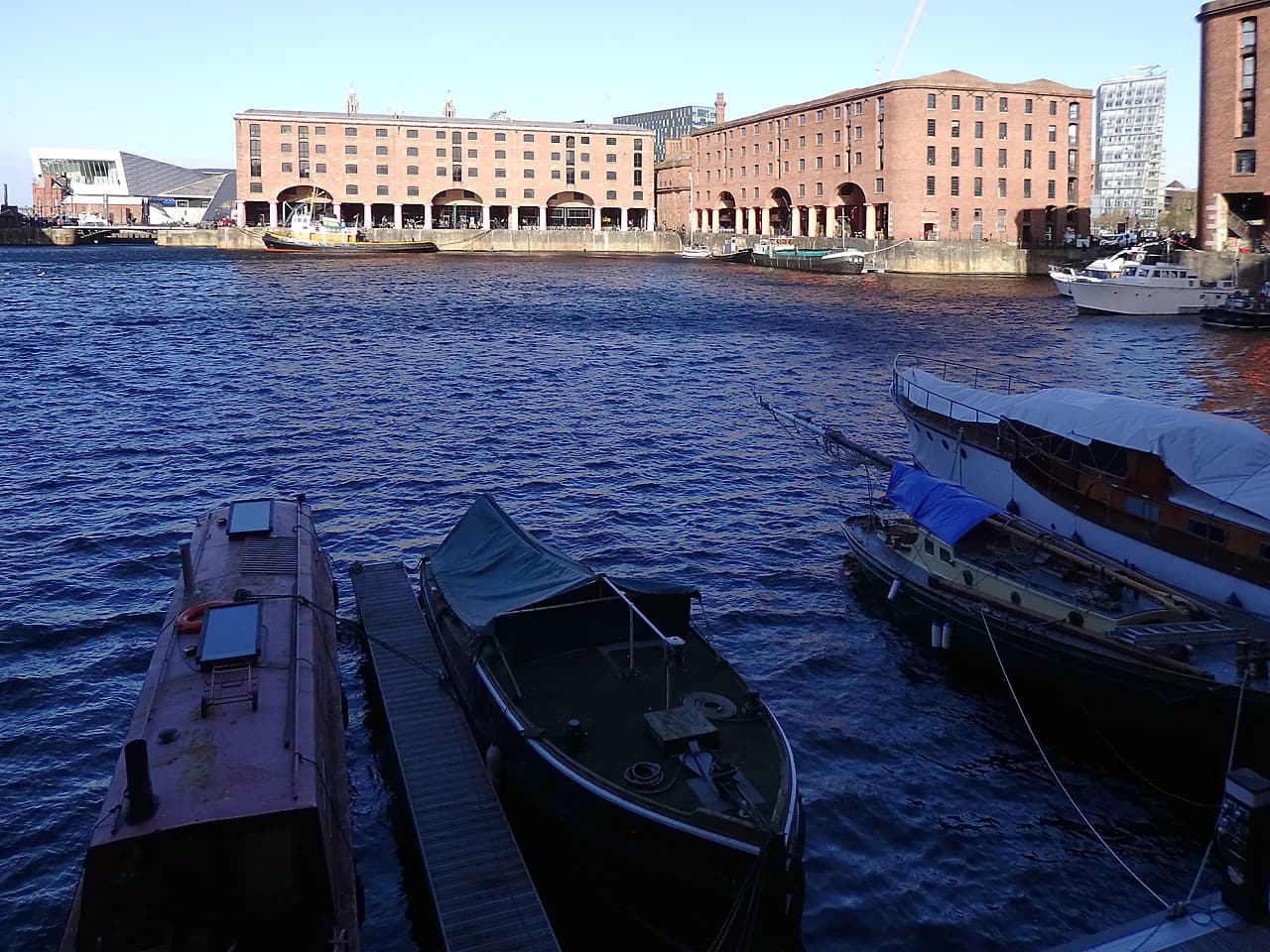
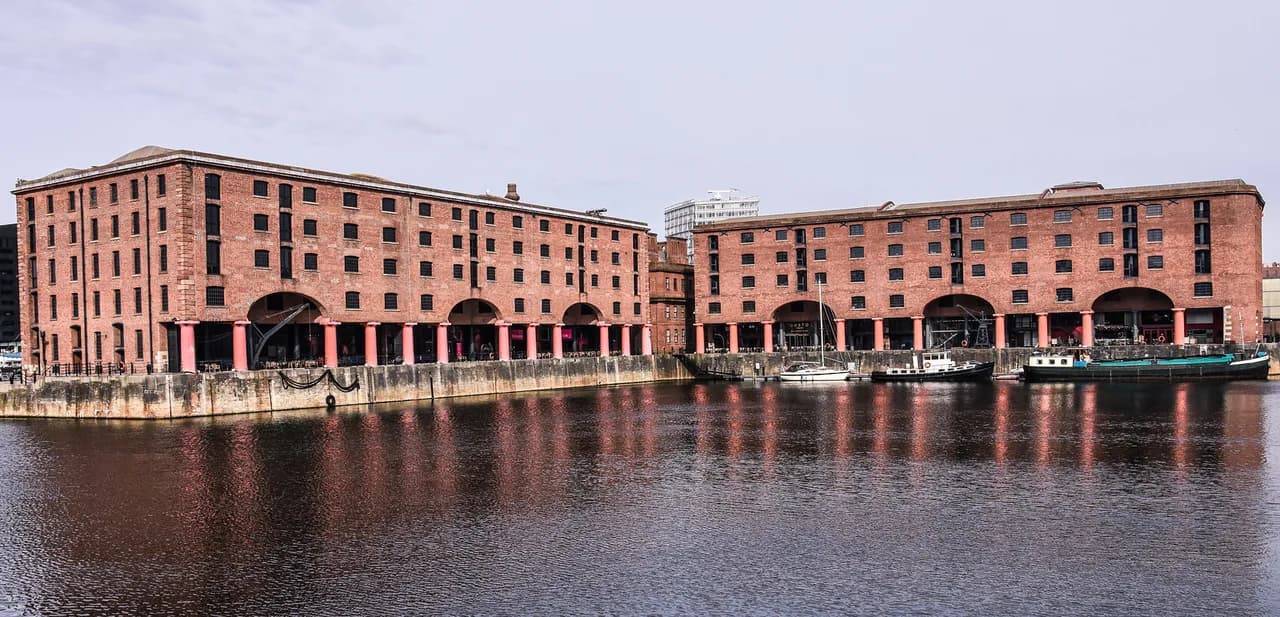
The Punch and Judy people of Merseyside performed regularly up to the 1970s at the junction of St John's Lane and Lime Street, later moving to Williamson Square and then the Albert Dock. Those three locations still exist as streets and spaces, so you can trace a lost entertainment's route through the modern centre in an afternoon.
Across the Mersey, Eastham Ferry pleasure gardens on the Wirral coast were among the most popular places of entertainment serving the public all over Merseyside. None of these three is a current attraction, and none should be planned as one; they are historical. Their value is in showing how the city entertained itself before the modern museum-and-gallery era.
A Short City-Centre Walking Route Linking the Surviving Sites
Start at Standish Street off Crosshall Street and find the small garden around St Patrick's Cross. From there, head towards the waterfront for the Royal Liver Building and its domes, which gives you the medieval legend and the Edwardian icon in a single continuous walk. Both are free to look at from outside, and neither requires a ticket.
Finish at Ranelagh Place for the Adelphi frontage, then follow the old Punch and Judy geography through Williamson Square towards the Albert Dock if you have energy left. That last stretch ties the vanished entertainment story to a real walk, and the Albert Dock also puts you next to the city's museum quarter if you want to continue indoors.
Allow a half day for the route at an easy pace, longer if you stop in a museum or gallery on the way. The distances are short but the interest is dense, so a rushed version defeats the purpose. Build in a coffee stop rather than treating it as a march between plaques.
Practical Points: What Is Free, What to Book and How Long to Allow
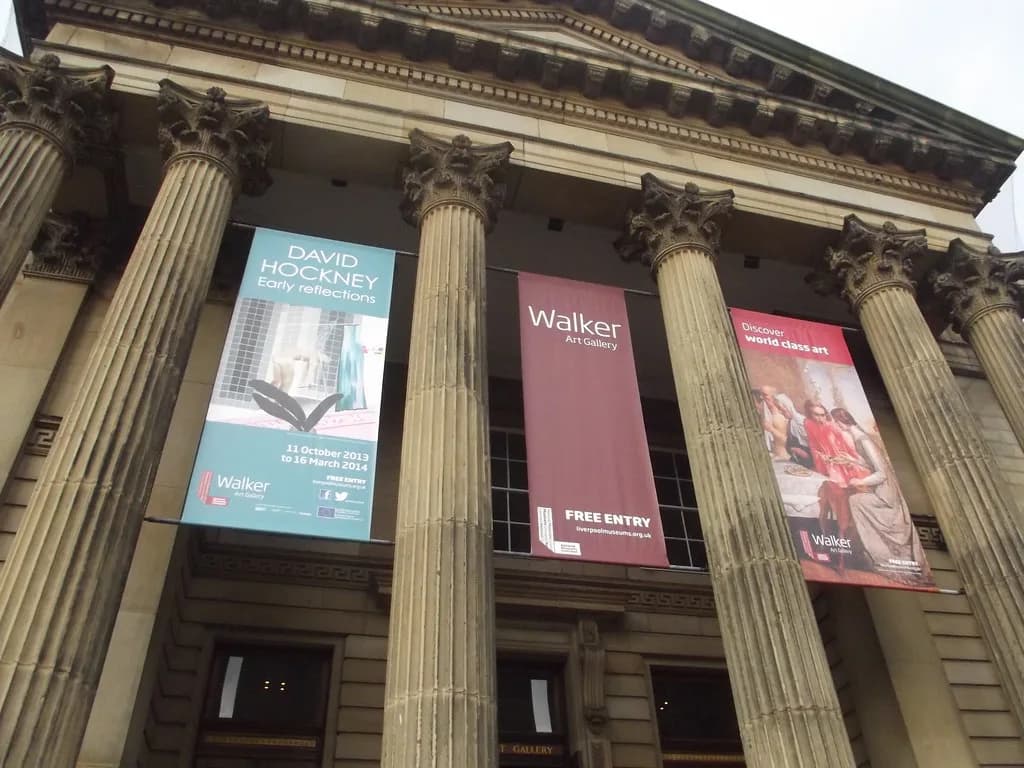
Many of the city's museums sit within the national collection, which is the group to look at first when planning a rainy day. Opening days vary between venues, and special exhibitions can carry a charge even where general admission does not, so look up the specific museum for the day you plan to go instead of expecting a uniform policy.
Liverpool's free museums cluster around the waterfront and the Albert Dock, so the indoor insurance against rain costs nothing at the major national venues. Check which ones open on the day of your visit and save the paid exhibitions for the ones you care about most.
The sites in this timeline are mostly exterior: a garden, domes, a hotel front, a street junction. That means they cost nothing to see and need no booking, but it also means they are best in dry weather and daylight. Indoor museum time is the sensible insurance against rain, and booking ahead matters more for popular exhibitions than for the streets themselves.
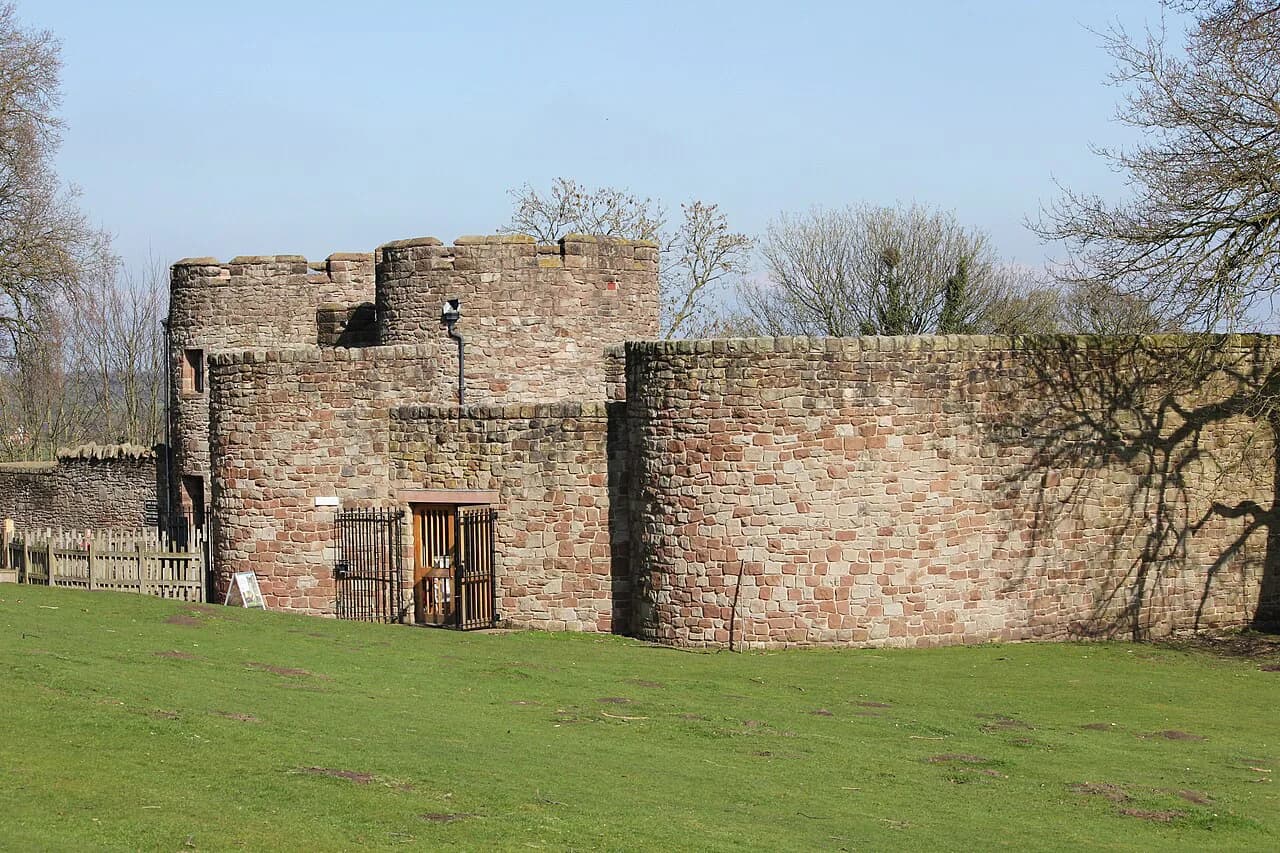
If your interests run to castles and historic houses rather than city streets, look beyond the centre for a day out; the region's fortified sites are run by named heritage bodies and charge admission. Museum collections in the city are the better bet for the port and dock story, since they cover the maritime history in depth.
Plan Your Visit
Liverpool's history is unusually easy to walk because the key markers are close together and mostly free to view from outside. Start with the 1207 founding, then let the waterfront, Standish Street and Ranelagh Place carry you forward through the centuries. The contested stories, from Old Swan to St Patrick's sermon, are part of the experience as long as you read them as legends.
Check current opening days for any museum or gallery you plan to enter, since the streets are always accessible but the buildings are not. Build the walk around daylight and keep an indoor option in reserve, and the city's layered history will give you a full day without a single queue.
Explore more Liverpool guides
Frequently Asked Questions
When was Liverpool first founded?
In 1207, when King John gave permission for a settlement to be built by the River Mersey near the Irish Sea. Liverpool then grew as a fishing village over the following period, and it remained a modest seaport for centuries before the dock age transformed it. There is no single building from that moment to visit, so the river itself is the best place to start.
Who designed the Liver Birds on the Royal Liver Building?
Not the building's architect, Walter Aubrey Thomas, despite what most people assume. Local history writing treats the true designer's story as one of sadness and denial, and the birds should be looked at as sculpture with its own separate history. The domes are visible from the waterfront and cost nothing to see from outside.
Where did St Patrick preach before sailing to Ireland?
Many people believe St Patrick preached his final sermon at the site now marked by St Patrick's Cross, in a small garden on Standish Street off Crosshall Street in Liverpool city centre. The tradition places the sermon in AD 432, on the instructions of Pope Celestine, before he sailed to convert the people of Ireland. Read it as a legend attached to the place rather than documented fact.
Is the Old Swan mass graves story true?
Official authorities and agencies deny that the 1973 event ever took place, even though people have come forward to attest to it and limited photographic evidence exists. Treat it as a contested local claim rather than established history, and decide for yourself what you make of it. It is modern legend rather than an old ghost story.
What is Liverpool most famous for?
Its waterfront, above all the Royal Liver Building with the two Liver Birds on its domes, and the dock history that made the city wealthy. The port's growth owed much to engineering figures such as William Hutchinson, the dock master remembered in local history writing. The surviving markers of that story are mostly in the city centre and mostly free to view.
Can I still visit Reynold's Wax Museum or the Eastham Ferry pleasure gardens?
No. Both belong to Liverpool's entertainment history rather than its current attractions, and Reynold's Wax Museum in particular is remembered only through written accounts. The Punch and Judy pitches at Lime Street, Williamson Square and the Albert Dock are places you can still walk through, but the performances ended. Plan them as historical geography, not as days out.
Sources
Notes for your next city break
Optional updates to our UK city guides.
You might also like
Continue reading
More guides you'll find useful