History of Birmingham: Plan Your City-Break by Era
From a forest settlement valued at 20 shillings in 1086 to the workshop of the world, trace Birmingham's story through markets, canals and trades.
On this page
Birmingham began as one small settlement in thick forest, the home of a tribe led by a man called Birm or Beorma, and grew into Britain's centre of manufacturing by the twentieth century. The story is easiest to follow in date order, because each phase left something a visitor can still see, from the market core to the canal network.
The dates do the heavy lifting. A hamlet worth 20 shillings in 1086 held 1,500 people by 1538 and 23,000 by 1731, which is the fastest way to grasp how quickly the town outgrew its medieval frame. Use the timeline below to plan which districts to walk.
Why the Site Mattered
Geography did most of the early work. Birmingham sat on a dry site with a good water supply, and routes converged at Deritend Ford across the River Rea, which made it a natural meeting point for traders moving through the Midlands.
The surrounding land supplied coal, iron and timber, the three inputs that metalworking needed. That combination explains why a forest clearing became a manufacturing town rather than a farming village, and why smithing appears here long before the great factories.
The de Bermingham Lords and the Market Charter
The de Bermingham family held the lordship of the manor for roughly four hundred years from around 1150. They granted their tenants unusual freedoms and placed few obstacles in the way of trade, which encouraged craftsmen and merchants to settle rather than move on.
The decisive date is 1166, when Peter de Birmingham obtained a market charter from Henry II. In 1250 William de Bermingham secured permission for a four-day fair at Whitsun, turning the town into a regional trading event as well as a weekly market.
A market town also bred small-scale smithing and metalworking, and craftsmen were listed among the taxpayers by 1327. Walk the streets around the old market core today and you are tracing the footprint of that medieval trading town, though the buildings themselves are later.
1538: Leland's Birmingham
When the antiquary Leland visited in 1538 he found 1,500 people living in 200 houses, one main street with a number of side streets, markets, and many smiths selling goods across England. That is a compact, walkable town by modern standards, and it is worth holding the scale in mind.
The smiths are the detail that matters. Birmingham was already exporting metal goods nationally in the sixteenth century, which sets up the specialisation in trades that later made the town famous.
The Civil War Years, 1642 to 1646
Birmingham supplied the Parliamentarians with swords, pikes and armour during the English Civil War, and emerged from it with a stronger reputation as a metalworking centre. The war years are the hinge between a market town with smiths and a town organised around armament and manufacture.
Visitors following this thread should read the period as a commercial story rather than a battlefield one: the town's contribution was production, not siege. For a wider regional comparison, the history of Liverpool shows how differently a port city's fortunes were made.
1731 and the Industrial Turn
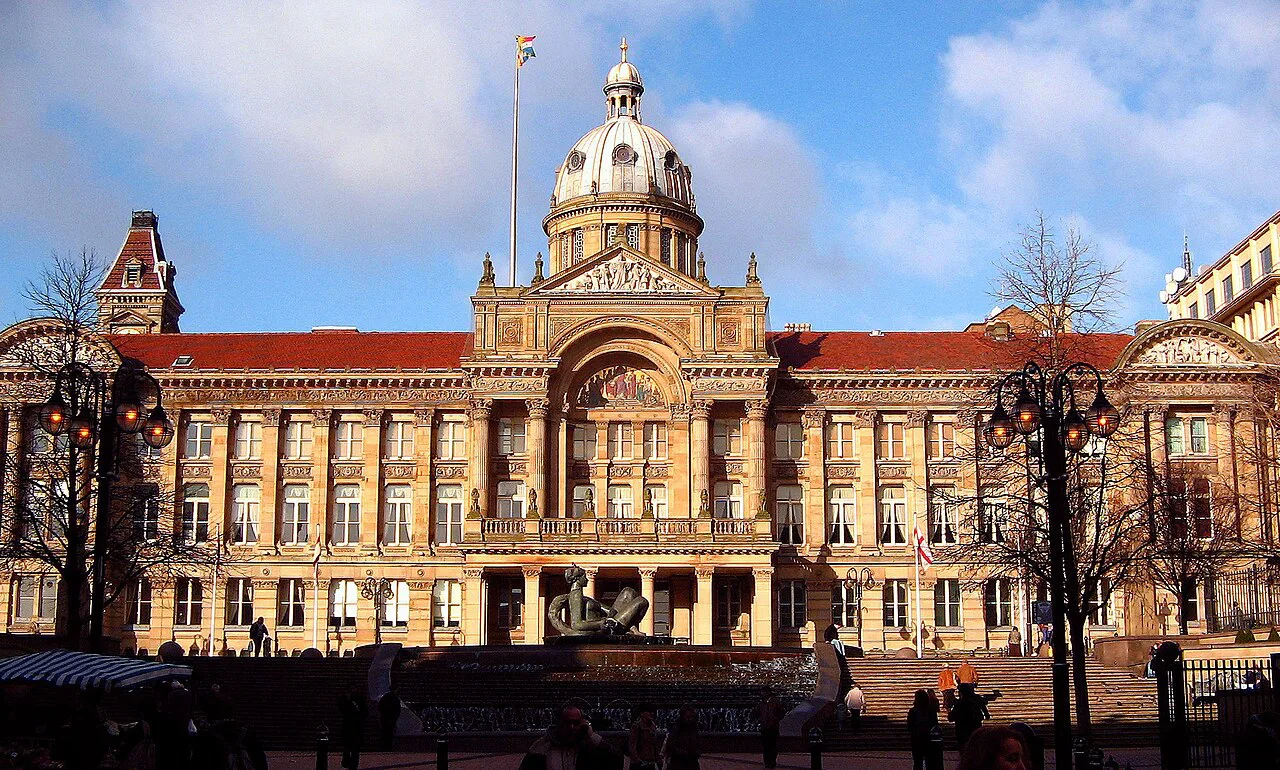
By 1731 the population had reached 23,000 and manufacturing business was thriving. By the Industrial Revolution Birmingham had become the industrial and commercial centre of the Midlands, a shift built on the trades that had been present since the medieval period.
This is the era to keep in mind when you walk the city centre: the street pattern of a market town was being stretched to hold a manufacturing city. The scale jump from 1,500 people in 1538 to 23,000 in 1731 is the single most useful number pair for understanding Birmingham.
The City of a Thousand Trades
Birmingham was known as the city of a thousand trades, a world-leading pioneer of jewellery, toys and buckles. Variety rather than one dominant industry shaped the workforce, and small workshops were as characteristic as large works.
The Jewellery Quarter carries that identity today, and it remains a working district rather than a museum piece. More than 40% of the UK's handmade jewellery is produced there, according to the University of Birmingham, which makes a walk through the quarter a look at a live trade rather than a reconstruction.
Canals and Bournville
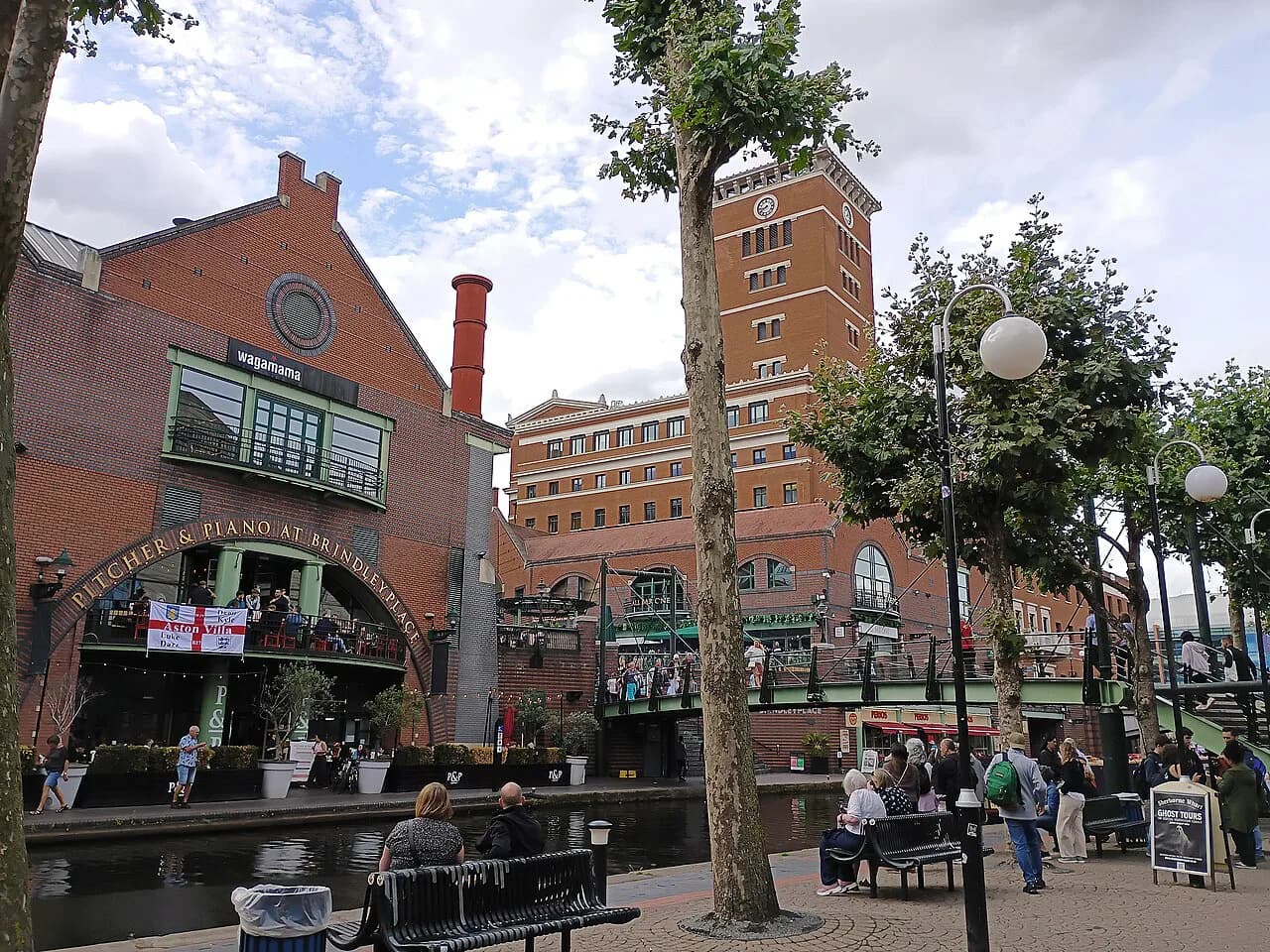
The canal network marked Birmingham as a key player in the global export market and carried the goods that the workshops produced. The popular saying that Birmingham has more canals than Venice is a local boast rather than a survey figure, but the extent of the network is real and the towpaths are among the easiest routes to walk.
In the nineteenth century George and Richard Cadbury opened their chocolate factory at Bournville, fixing the city as a household name well beyond metalwork. Bournville sits south of the centre and is a separate trip from a city-centre walk, so plan it as a half-day rather than a detour.
From Industry to Arts
Former industrial properties have been converted into some of Birmingham's arts and nightlife venues, with the old Custard Factory in Digbeth the clearest example. Digbeth is walkable from the city centre and rewards an afternoon rather than a quick look.
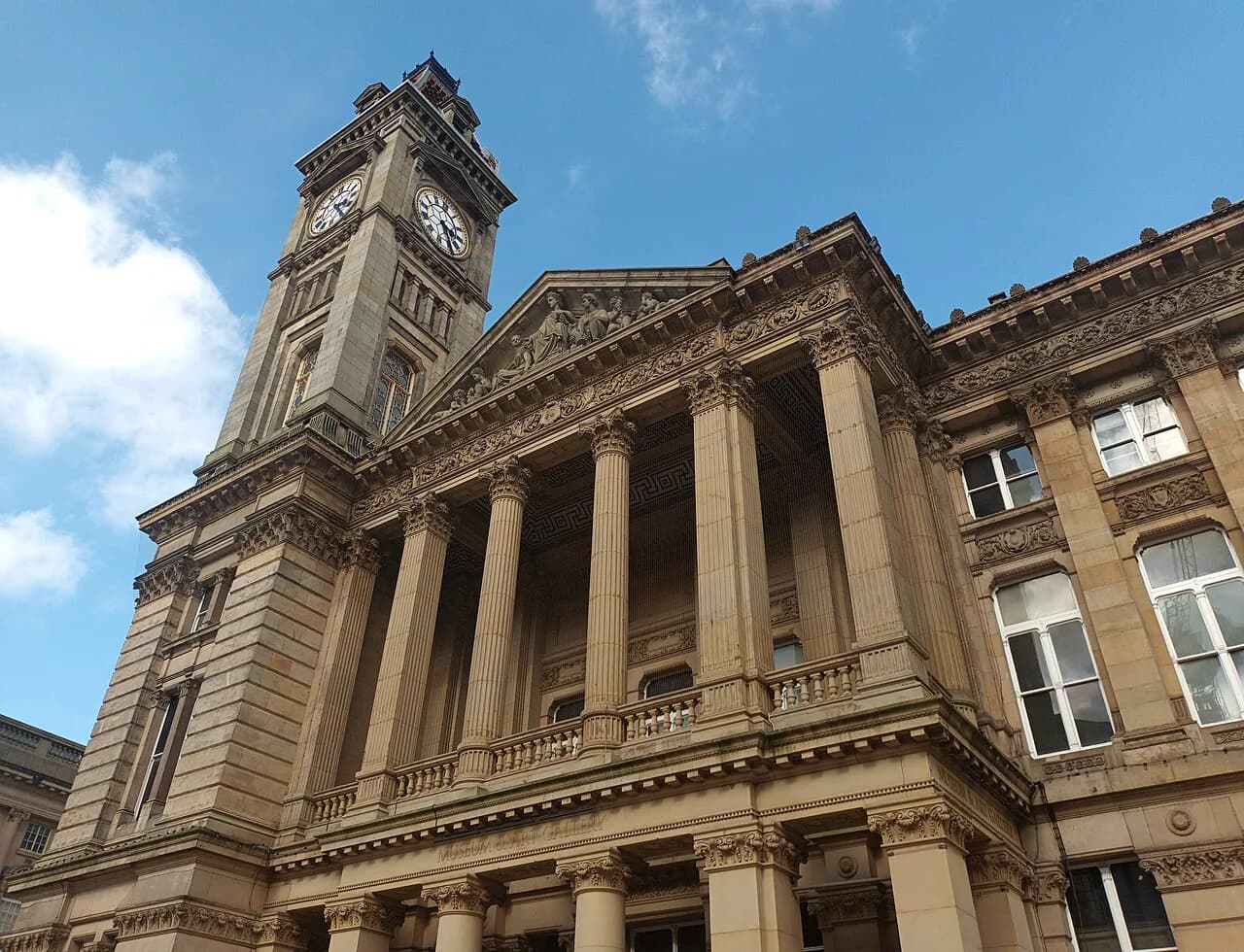
The city now centres on arts, culture, commerce and entertainment, and its motto is Forward. For the museum side of that story, the museums in Birmingham cover the collections and galleries that hold the city's art and objects, while the free museums in Birmingham list the sites that cost nothing to enter.
Where to See This History on a City Break
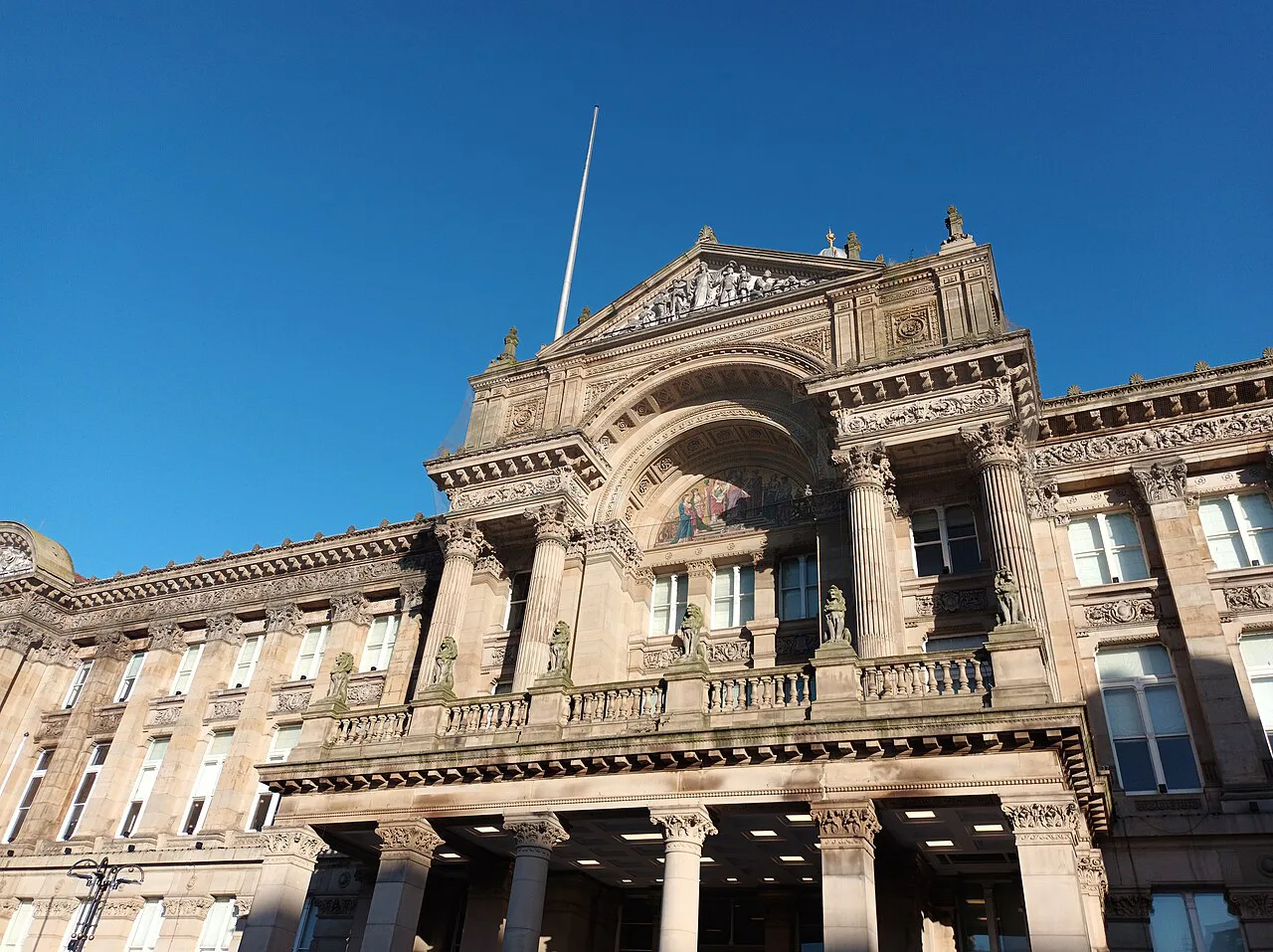
The history is spread across districts rather than gathered in one place, and that is the main trade-off of a history-focused visit. The market core, the canal towpaths, Digbeth and the Jewellery Quarter each carry a different century, and walking between them takes time.
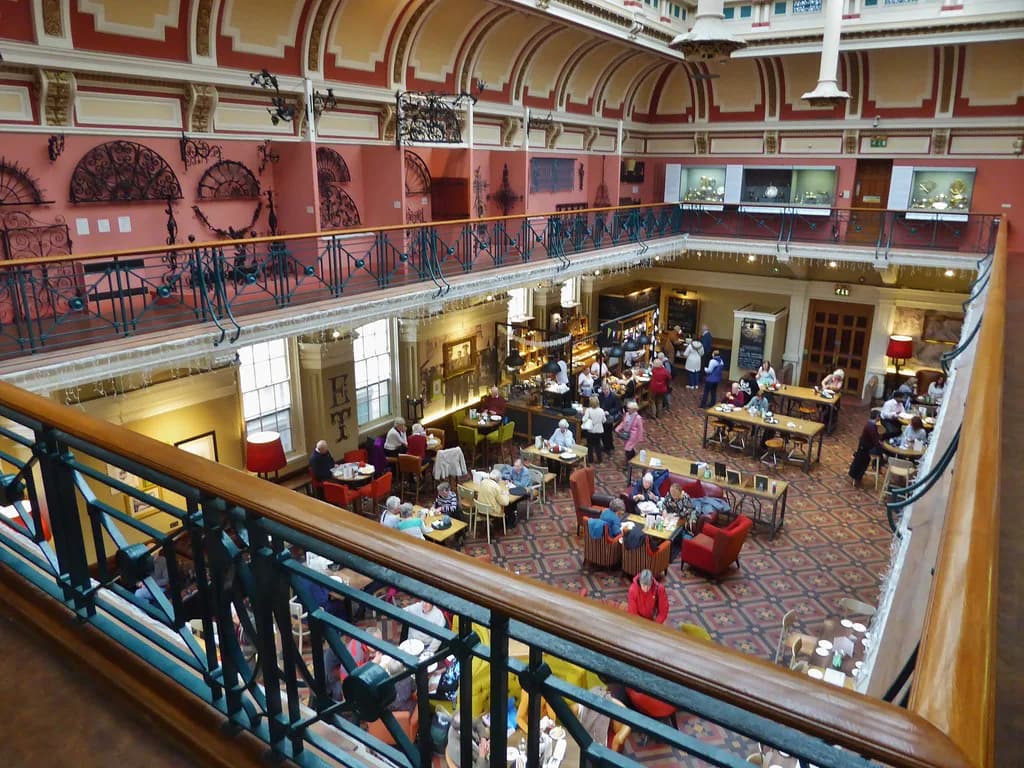
Start in the centre for the market town, follow the canals for the industrial haulage story, then head to Digbeth and the Jewellery Quarter. Pairing the walk with art galleries in Birmingham gives you a warm stop in the middle of the day and a change of pace from street-level history.
If your interests run to older buildings and legends, ghost tours in Birmingham cover the stories attached to historic sites, and haunted places in Birmingham sets out the venues with tales attached. Treat the supernatural elements as folklore, and the buildings as the real attraction.
For the built fabric of the twentieth century, Birmingham architecture is a subject in its own right, and castles near Birmingham make a day trip for anyone wanting medieval walls after a week of industrial history.
How Long to Allow and Fitting It Into Two Days
Two days is enough to walk the core story without rushing. Give the first day to the centre, the canals and Digbeth, and the second to the Jewellery Quarter plus one museum or gallery, which keeps the walking manageable and leaves room for meals.
Distances matter here because the story is deliberately spread out. Grouping stops by district rather than by century saves the most time, even if it means telling the timeline slightly out of order as you walk.
Plan Your Visit
Birmingham's history reads best as a sequence of scale: a hamlet worth 20 shillings, a market town of 1,500 people, a manufacturing city of 23,000, and then the workshop of the world. Each stage left a district behind, so the walking route is the story.
Check opening days and any admission charges with each venue before you travel, since they vary by site and season. Build the day around districts, keep one indoor stop as a fallback, and the timeline will make sense on foot.
Explore more Birmingham guides
Frequently Asked Questions
How old is Birmingham?
Birmingham began as a Saxon settlement in thick forest, the home of a tribe led by a leader called Birm or Beorma. The town was worth 20 shillings in 1086, gained a market charter from Henry II in 1166, and held 1,500 people by the time Leland visited in 1538.
What is Birmingham historically famous for?
Metalworking and variety of trades. The town supplied swords, pikes and armour to the Parliamentarians during the English Civil War, was known as the city of a thousand trades for jewellery, toys and buckles, and became the industrial and commercial centre of the Midlands by the Industrial Revolution.
What are five key dates in Birmingham's history?
1166, when Peter de Birmingham obtained the market charter from Henry II; 1250, when William de Bermingham won permission for a four-day Whitsun fair; 1538, when Leland counted 1,500 people in 200 houses; 1642 to 1646, the Civil War supply years; and 1731, when the population reached 23,000.
Where can I walk through Birmingham's history?
The market core tells the medieval and market-town story, the canal towpaths carry the industrial haulage era, Digbeth shows the conversion of former industry into arts venues, and the Jewellery Quarter is still a working jewellery district where more than 40% of the UK's handmade jewellery is produced.
How long does Birmingham's history take to see?
Two days covers the core story at a comfortable pace: the centre, canals and Digbeth on day one, the Jewellery Quarter plus a museum or gallery on day two. Bournville sits south of the centre and works better as a separate half-day.
Sources
Notes for your next city break
Optional updates to our UK city guides.
You might also like
Continue reading
More guides you'll find useful