
Hove, Brighton: a Neighbourhood Guide for a City Break

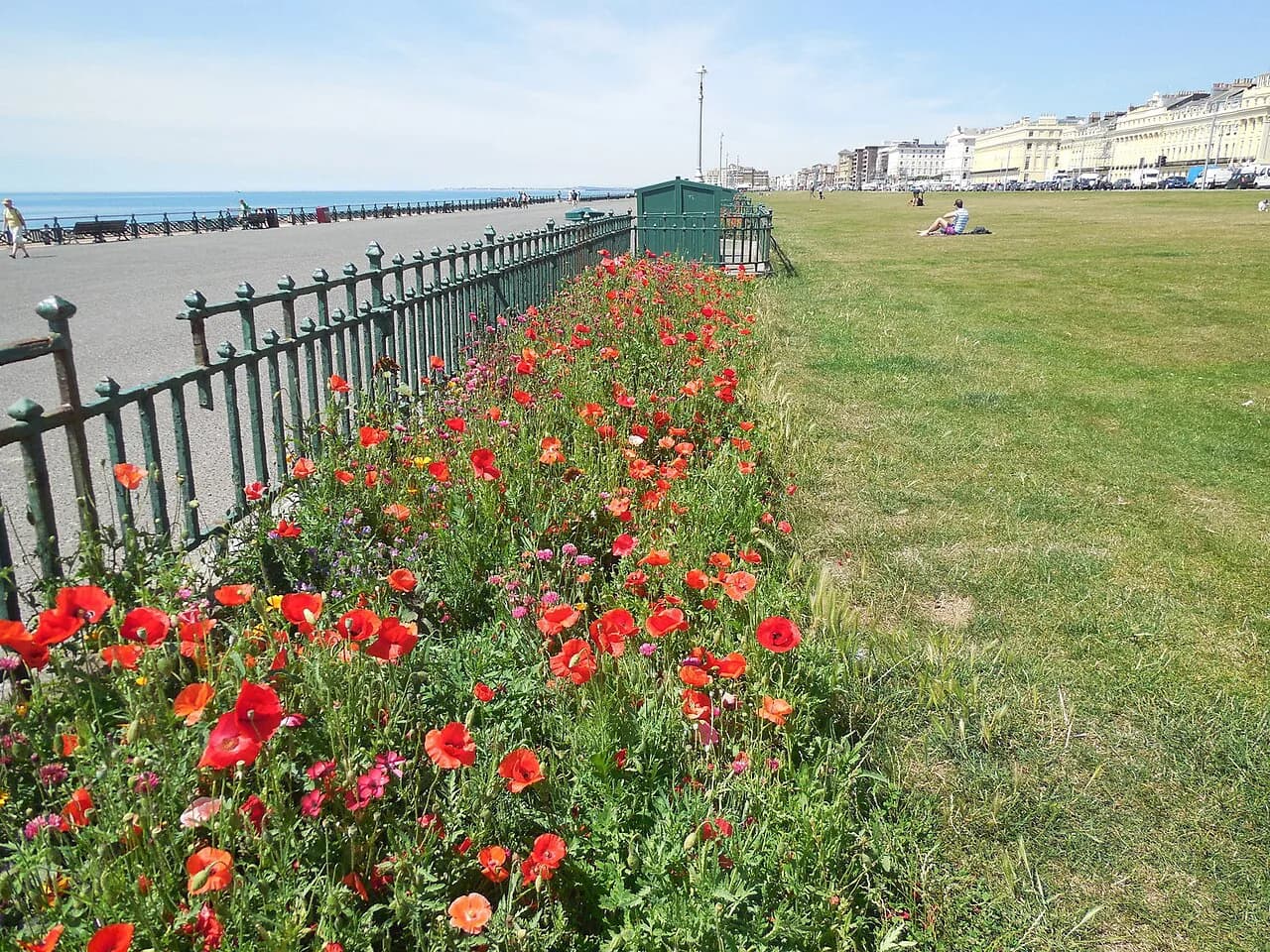
Hove is the calmer western half of Brighton & Hove, a district of Regency streets and a wide seafront promenade that suits travellers who want the coast without the bustle of the city centre. It merged with Brighton to form one city in 2000, and it keeps a distinctly gentler character of its own.
Where Hove sits in Brighton & Hove
Brighton & Hove is a single unitary authority on the south coast of England, in East Sussex, created in 1997 by merging the towns of Brighton and Hove. The two town centres sit side by side along the English Channel, with Hove to the west of Brighton's pier and Lanes.
For a visitor this means one continuous seaside city with two different moods. Hove's centre clusters around its own station and Church Road, while Brighton's shops, pier and nightlife stretch east from the promenade.
The character of Hove: Regency streets at a slower pace
Hove is known for genteel Regency architecture, broad residential streets and a seafront that feels more local than resort. Strolling the crescents and squares behind the promenade is the main pleasure here, and it costs nothing.
The pace is noticeably slower than central Brighton. Expect quiet mornings, independent cafes and a seafront walk where the loudest thing is usually the gulls.
Who Hove suits, and who it does not
Hove suits couples, families and anyone who wants quieter evenings, more space and a proper seafront walk within reach of Brighton's sights. It also works well for travellers who plan to spend days exploring the city but want to sleep away from the bars.
It is less suited to visitors who want Brighton's nightlife, pier and shopping on the doorstep. If your trip is built around the Lanes, the pier, the museums in Brighton and late nights, staying centrally will save you a daily walk or bus ride. Compare the options in these Brighton Neighborhoods before you book.
What to see in Hove
The seafront and promenade are the district's defining feature: a long, flat walk with views across the Channel and the pebble beach below. It is the place to start, whether you walk west towards Hove Lagoon or east towards Brighton's pier.
Hove Park offers a green breathing space inland, and Hove Museum and Art Gallery covers local art and history. For more collections of this kind across the city, see the guide to museums in Brighton.
Preston Manor, a historic house with admission charged per adult on the ticket listings, sits north of the seafront between Hove and Brighton. Book or check its opening days before you travel, since historic houses often run limited hours. If you are planning a rainy day inland, the guide to museums in Brighton covers nearby collections to pair with a visit.

Eating and drinking in Hove
Hove's eating scene runs to independent cafes, delis and neighbourhood restaurants rather than big-name chains, spread along Church Road and the streets behind the seafront. The best approach is to pick a stretch, walk it, and choose somewhere busy with locals.
For a traditional treat, afternoon tea in Brighton is easy to arrange, and several venues along the seafront do a proper version. Book ahead for weekend sittings, when seaside tables fill quickly.
Where to stay in Hove and what to expect
Hove has fewer hotels than central Brighton, so most visitors base themselves in Brighton and visit Hove for an afternoon. If you want to stay in Hove itself, expect smaller guesthouses and aparthotels rather than large seafront names.
Brighton's big seafront hotels, including The Grand Brighton on King's Road, sit a walk or short bus ride east of Hove. They make sense if you want the classic seaside-hotel experience with the pier on your doorstep, and many of them also serve a traditional afternoon tea in Brighton without you needing to leave the building.
Room rates change by date and season, so check live prices for your own dates rather than relying on any figure you see quoted elsewhere. Aparthotels and self-catering options can work well for families staying several nights.
Getting to Hove by train, bus and on foot
Hove has its own railway station, a short walk from the seafront and Church Road, with services along the coast and up to London. Buses run frequently along the seafront and Western Road between the two town centres.
On foot, the promenade connects Hove directly with Brighton's seafront, and the walk between the two centres is flat and straightforward. From Gatwick Airport, Brighton is roughly 30 miles, or 48 kilometres, away by road.
Getting around Hove on foot
Hove is compact enough to explore on foot: the station, Church Road and the seafront sit within a comfortable walking radius of each other. Buses and rented bikes fill the gaps if you are heading further west or inland to Hove Park.
Wear comfortable shoes for the promenade, which is flat but long, and allow an easy half-day to walk the seafront and back with a cafe stop.


Nearby: central Brighton within reach
The Royal Pavilion, The Lanes and North Laine are all a walk or short bus ride east of Hove. The Lanes Brighton rewards an unhurried wander through its twisting alleys of jewellers and boutiques.
North Laine Brighton is the bohemian counterpoint, packed with independent shops and street performers. Further east, Kemptown Brighton has its own character and delis worth an afternoon.
If you want a full day of Brighton sights, start with a plan from things to do in Brighton and work west towards Hove for the evening.
Practical trade-offs: crowds, pebbles and promenade walking
Hove's beach is pebble, like Brighton's, so bring something to sit on rather than expecting sand. The promenade is flat and easy walking, but the exposed seafront can be windy and cold even in summer.
Summer weekends bring the biggest crowds to the seafront, while spring and autumn give you the same walk with more space. Time your visit for a weekday morning if you want the promenade largely to yourself.
Plan Your Visit
Hove works best as a calm base or an easy half-day from central Brighton, built around the seafront, Regency streets and a proper cafe stop. Decide whether you want quiet evenings or Brighton's bustle on the doorstep, then book accordingly; if you settle on the city centre, afternoon tea in Brighton is an easy way to slow the pace and soak up the seafront.
Explore more Brighton guides
Frequently Asked Questions
Is Hove a good area to stay in Brighton?
Hove suits travellers who want quieter evenings, a wide seafront promenade and Regency streets, with Brighton's main sights a walk or short bus ride east. It is less convenient if your trip centres on the pier, the Lanes and nightlife.
What is there to see in Hove?
The seafront and promenade are the highlight, along with Regency architecture, Hove Park and Hove Museum and Art Gallery. Preston Manor, a historic house with admission charged per adult, sits between Hove and Brighton and is worth checking before you travel.
How do you get from Brighton to Hove?
Hove has its own railway station, and buses run frequently along the seafront and Western Road between the two centres. The promenade also connects them directly on foot, a flat and straightforward walk.
Is Hove Beach the same as Brighton Beach?
They are part of the same continuous pebble shoreline along the English Channel, but Hove's stretch feels quieter and more local than the busy section around Brighton's pier. Both are best enjoyed with something to sit on.
Is Hove walkable from Brighton city centre?
Yes. The promenade links the two town centres directly, and the route is flat. Allow a comfortable stroll rather than a quick dash, and use buses or rented bikes if you are heading further west or inland.
Does Hove suit families or couples?
Both. The quieter streets, seafront walks and aparthotel options work well for families staying several nights, while couples tend to appreciate the calm evenings and independent cafes.