
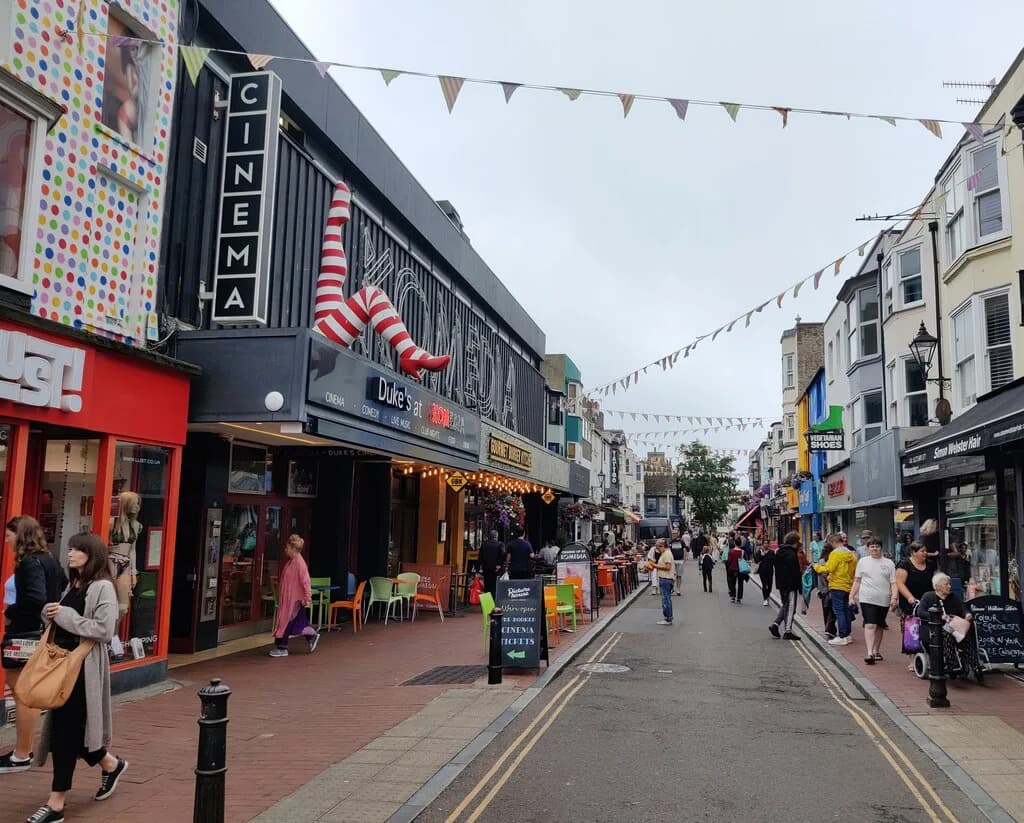
North Laine, Brighton: What to See, Where to Eat and How to Get There

North Laine is Brighton's independent quarter, a grid of narrow streets and terraces just north of the city centre where the draw is browsing rather than a single ticketed attraction. It is a place to wander, duck into shops and rummage, not a museum you work through in an hour. The anchor stop is Upper Gardner Street and its antiques and flea market.
What North Laine is and where it sits in Brighton
North Laine sits in central Brighton, in East Sussex, within the BN1 postcode area and a short walk from the main shopping streets. It is a district of small streets rather than one grand thoroughfare, so you explore it by turning corners rather than following a single route. Think of it as the browsing counterpart to the city's bigger sights.
The distinction that trips people up is between North Laine and The Lanes. They are separate quarters with different characters, and mixing them up sends you to the wrong streets, so plan them as two separate wanders. The Lanes Brighton is its own compact tangle of passages and jewellers' windows; North Laine is the spread of independent shopfronts to the north.
Who North Laine suits, and who it does not
North Laine suits anyone who enjoys pottering: browsing independent shops, poking around a flea market and stopping for coffee without a fixed itinerary. It also suits travellers who have already ticked off the headline attractions and want an afternoon at street level. Budget-conscious visitors will find that the pleasure here is mostly in looking rather than paying entry fees.
It does not suit everyone. The streets are cobbled and the flea market is reached down an uneven, crumbling concrete ramp, so anyone needing step-free, smooth surfaces should plan carefully or choose a different quarter. Nor is it a quiet, museum-style sightseeing stop: expect busy pavements and crowds, particularly at weekends. If you want galleries and glass cases instead of shop windows, head for the city's museums in Brighton; likewise, those who prefer a sit-down treat to a shopping wander can swap the cobbles for afternoon tea in Brighton.
The character of the streets: cobbles, terraces and independent shopfronts
The look of North Laine is cobbles, terraced shopfronts and a dense mix of small independents, with new independent shops and small chains opening around the area. It reads as a working neighbourhood rather than a curated shopping centre, which is exactly why it rewards a slow wander. Wear shoes you can walk on cobbles in.
The shopping here is described as huge in range, with pictures, clothing, toys, collectibles and books among the stock, so you name it and someone is probably selling it. Treat that as a signal of variety rather than a promise of any particular shop: units change, and the fun is in what you find on the day.
Upper Gardner Street and the North Laine Antiques and Flea Market
Upper Gardner Street holds the North Laine Antiques and Flea Market, the district's signature stop and the best single place to head for a rummage. Approaching from Kensington Gardens, you pass GAK and then turn onto Upper Gardner Street to reach it.
Inside, glass cabinets run floor to ceiling down the right-hand side, packed with objects of every shape, size and degree of cleanliness. Alongside the occasional genuinely good find sit damaged paperweights, old mugs, rusty pin badges, broken leather-bound books and a great many vases. Go in expecting a rummage with mixed stock, not a curated antiques showroom.
Two practical warnings come from the approach itself: the concrete ramp down into the market is uneven and crumbling, and the surrounding streets are cobbled. That makes it a poor choice for wheelchairs, pushchairs or anyone unsteady on their feet. Opening days, stall numbers and admission are not fixed in this guide, so ring ahead before making the market the purpose of a trip.
What to see on a wander: Kensington Gardens and the surrounding streets
Kensington Gardens is a natural spine for a North Laine wander, linking the shopping streets with the Upper Gardner Street turn-off. Walk it slowly and look up: the interest is in the mix of shopfronts and the small side streets running off it. Brighton Silver, a jeweller, is at 9 Kensington Gardens in the area, which gives you one concrete landmark to orient by.
The pleasure of the district is cumulative: a few streets of browsing, a market rummage, a coffee, then another loop. Build in time to double back, because the best bits are often on the return leg. If you want a broader shortlist of city sights to pair with the wander, start with the Brighton Attractions guides.

Shops and browsing: what kind of independents you will find
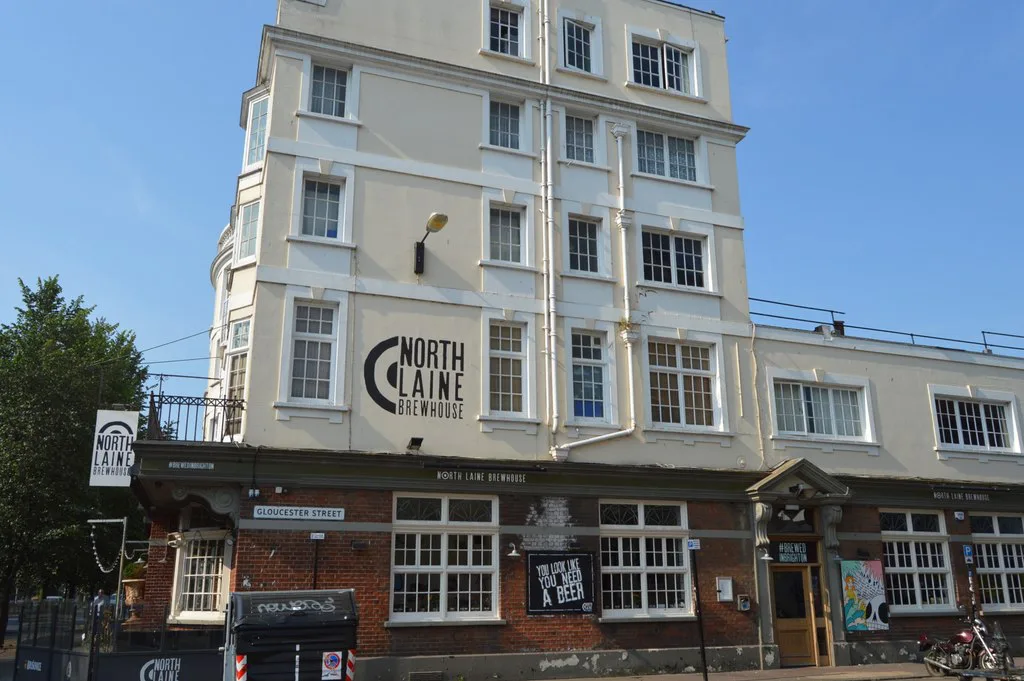
This is independent-shop territory: small traders, one-off units and the kind of places where the stock changes with the season. Browsing is free, and the pleasure is in comparison shopping across dozens of doorways rather than heading for one named store. Because units turn over, treat any specific shop name as a lead to check rather than a fixed itinerary.
The market stock leans towards the eccentric: framed pictures, old books, badges and bric-a-brac in among the genuinely desirable. If you are buying, examine condition closely before you commit, since much of what is on offer is worn or damaged by design. Check what each trader accepts before you fall for something.
Where to eat and drink in North Laine
North Laine is full of places to stop for lunch or a drink, with bars and restaurants among the draws of the area. The sheer choice of independents and small chains means you rarely need to book far ahead for a casual bite; walk, look at menus and pick. For a more formal sit-down with a pot of tea, the city's afternoon tea rooms are a short walk away.
One honest trade-off: the busiest streets at the busiest times make for slow service and crowded tables, so eat slightly early or late if you want calm. None of the specific cafés or restaurants here can be vouched for individually, so use the pavement menu and your own eyes. Compare with the neighbouring quarter if you want a different atmosphere.
Where to stay in and around North Laine
Staying in or beside North Laine puts you within walking distance of the shops and the market, which is the main argument for choosing it. The trade-off is bustle: a central position means more noise and busier streets than a quieter residential quarter. If you want a calmer base with its own seafront character, Hove Brighton is the obvious alternative.
Brighton has a spread of hotels, guesthouses and self-catering options, and the central position of North Laine means most of the city's rooms are within reach on foot. Book direct where you can, and read the location carefully: a BN1 address sounds central but can still be a twenty-minute walk from Upper Gardner Street. For a different central base, Kemptown Brighton offers a distinct village feel.
Getting there and getting around on foot
North Laine is a walking district: once you are in it, you move between streets on foot, and cobbles mean sensible shoes. Brighton's main railway station is the natural arrival point for central Brighton, with the seafront and pier a walk south. From the station area, head downhill towards the shopping streets and you will meet the North Laine grid.
Buses serve central Brighton, but the details of routes and stops change, so check the operator's own information on the day rather than relying on a printed guide. For the last stretch, walking is quicker than driving, and parking in the centre is limited and expensive.

How long to allow and when to go
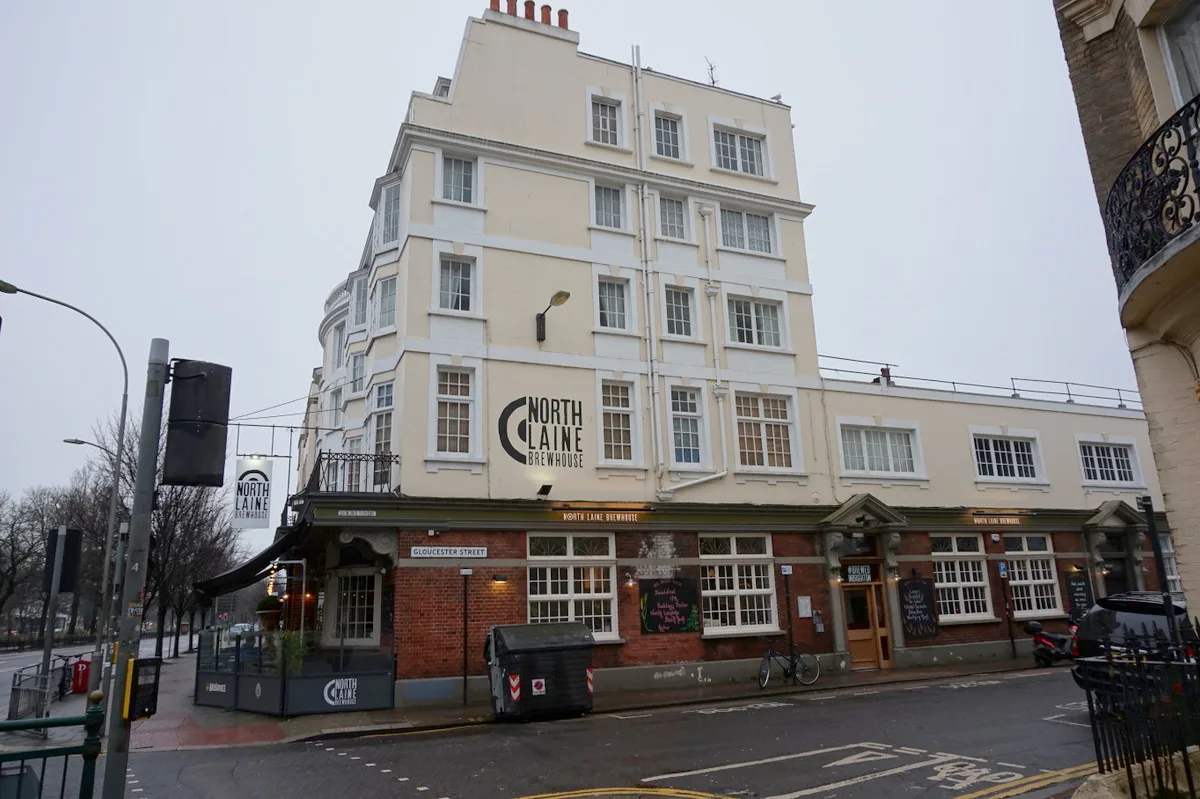
Set aside a half-day, around three to four hours, for a proper wander: an hour of general browsing, time in the flea market and a stop for food. A rushed hour will get you down one or two streets and no further. If you are combining North Laine with The Lanes and the seafront, give the whole outing a full day.
Weekday mornings are the quietest bet for browsing, with weekends bringing the crowds. Seasonal hours at individual shops and the market vary, so check the specific venue before travelling for it. The market's days are the single detail most worth confirming in advance.
Practical trade-offs: uneven ground, crowds and busy weekends
The honest summary is that North Laine trades polish for character. Cobbles, a crumbling concrete ramp into the market and crowded pavements on weekends are the price of its charm. Anyone with mobility needs, or who dislikes crowds, should plan a weekday visit and keep to the smoother main streets.
Budget-wise, browsing costs nothing and the market is a rummage rather than a ticketed attraction, which makes North Laine one of the cheaper ways to spend an afternoon in Brighton. Check any individual shop or stall for prices and card acceptance. Pair it with a free museum if you want the day to cost even less, and our guide to museums in Brighton lists which ones have free entry.
What is within walking distance of North Laine
North Laine sits close enough to the rest of central Brighton that you can walk between the main draws. The Lanes, the seafront and the pier are all reachable on foot, and the main shopping streets run alongside the district. That makes it easy to fold a North Laine wander into a wider day of sightseeing.
For a fuller picture of how the quarters fit together, use the area guides, which set North Laine alongside the seafront, Kemptown and Hove. If your day is built around a castle, cathedral or museum, plan that separately and treat North Laine as the browsing interlude.
Plan Your Visit
North Laine rewards an unhurried afternoon of browsing, with Upper Gardner Street and its antiques and flea market as the anchor. Go on a weekday if you can, wear shoes for cobbles and leave room to double back. Skip it if you need step-free streets or prefer glass-case sightseeing.
Before you travel, confirm the market's opening days and the hours of any specific shop you have in mind, since these change and are not something this guide can guarantee. Everything else, from the wandering to the coffee stop, you can improvise on the day.
Frequently Asked Questions
What is North Laine known for?
It is known as Brighton's independent quarter: cobbled streets, small independent shops and the North Laine Antiques and Flea Market on Upper Gardner Street. The appeal is browsing and rummaging rather than a single ticketed attraction.
Is North Laine the same as The Lanes in Brighton?
No. They are separate districts with different characters. The Lanes is its own tangle of passages and jewellery windows, while North Laine is the grid of independent shopfronts to the north. Plan them as two separate wanders.
How long does it take to walk around North Laine?
Allow around three to four hours for a proper wander, including browsing, a rummage in the flea market and a stop for food. A quick hour will only cover a street or two.
Where is the flea market in Brighton's North Laine?
The North Laine Antiques and Flea Market is on Upper Gardner Street, reached via an uneven concrete ramp off the street. Approach from Kensington Gardens, passing GAK, then turn onto Upper Gardner Street.
Is North Laine worth visiting on a Brighton city break?
Yes, if you enjoy browsing shops and markets at street level. It is less suitable for anyone needing step-free, smooth surfaces or quiet, museum-style sightseeing, since the streets are cobbled and the market ramp is uneven.
What is the nearest station to North Laine?
Brighton's main railway station is the natural arrival point for central Brighton, and North Laine is a walk downhill from it. Check current train times and routes before you travel.