Museums in Brighton: What to See, Free Entry and Booking
Plan your museum time in Brighton with the Royal Pavilion, Brighton Museum, Hove Museum of Creativity, Preston Manor and the Booth Museum.
On this page
Brighton's museum scene centres on Brighton & Hove Museums, the trust that runs the Royal Pavilion & Garden, Brighton Museum & Art Gallery, Hove Museum of Creativity, Preston Manor & Gardens and the Booth Museum of Natural History. That single ownership matters for planning: you are choosing between five distinct experiences rather than five versions of the same thing. A palace, an art and design collection, a local-history museum, a country house and a natural-history collection all sit within the city.
The honest advice is to pick two rather than attempt all five. The Royal Pavilion justifies a half day on its own, especially with a guided tour added, and Brighton Museum & Art Gallery pairs with it naturally because both sit in the same central cluster. Hove, Preston Manor and the Booth Museum reward travellers who have already done the centre and want a second day with a different texture.
How the five museums divide up
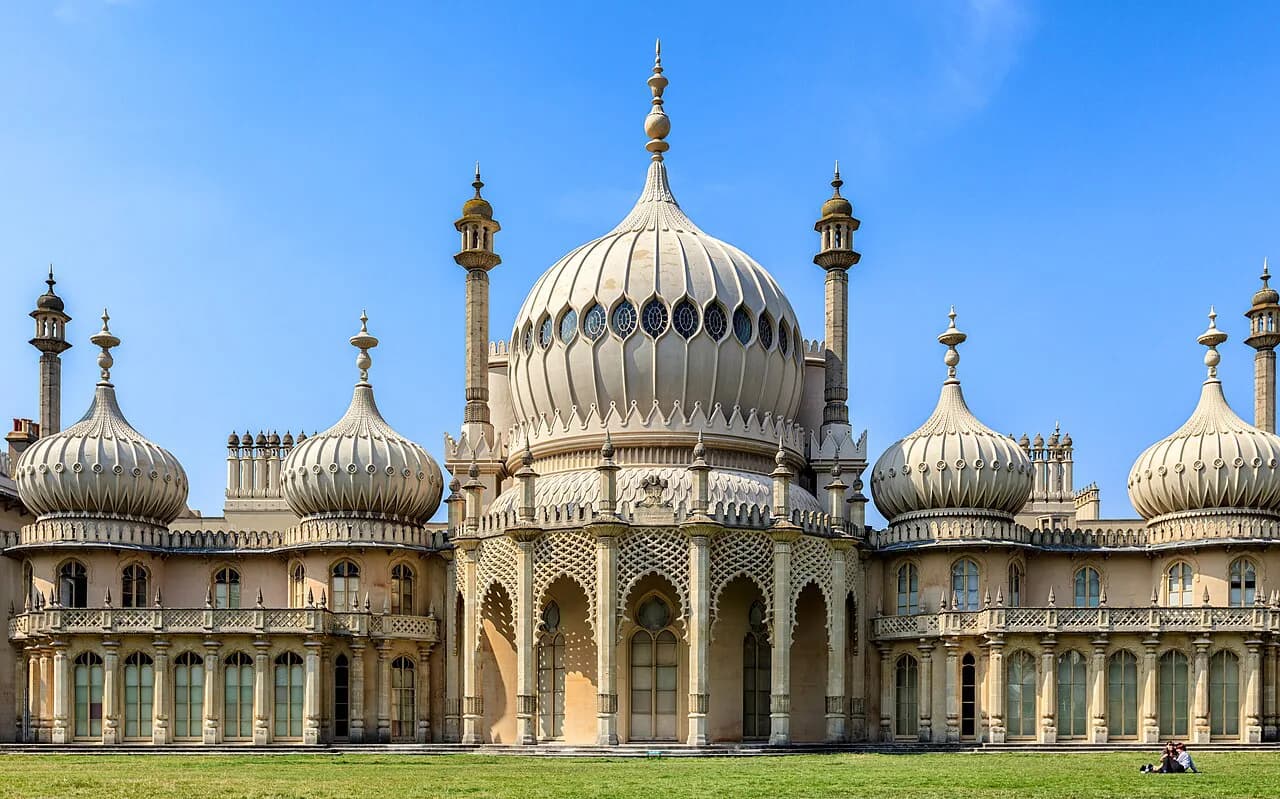
The Royal Pavilion & Garden is the palace: a Regency pleasure palace and the reason most people start here. Brighton Museum & Art Gallery is the art and design stop, with a changing programme of events in its galleries. Hove Museum of Creativity covers creativity and local collections in Hove, Preston Manor & Gardens is the country-house stop with gardens, and the Booth Museum of Natural History handles natural history.
Grouping them this way solves the first decision. If you have one day, take the Pavilion plus Brighton Museum & Art Gallery. If you have two, add Hove Museum of Creativity on a Hove day, or Preston Manor & Gardens and the Booth Museum if you are heading out of the centre. Trying to squeeze all five into a short break produces a rushed checklist rather than a good trip.
Each site rewards a different pace. The Pavilion is dense and decorative and needs time in the state rooms; Brighton Museum & Art Gallery suits an hour of wandering between other stops; the Booth Museum and Hove Museum are gentler, family-friendly visits. If you are weighing up free entry against paid sites, our guide to free museums in Brighton sets out which collections cost nothing to walk into.
Royal Pavilion & Garden: the first-visit anchor
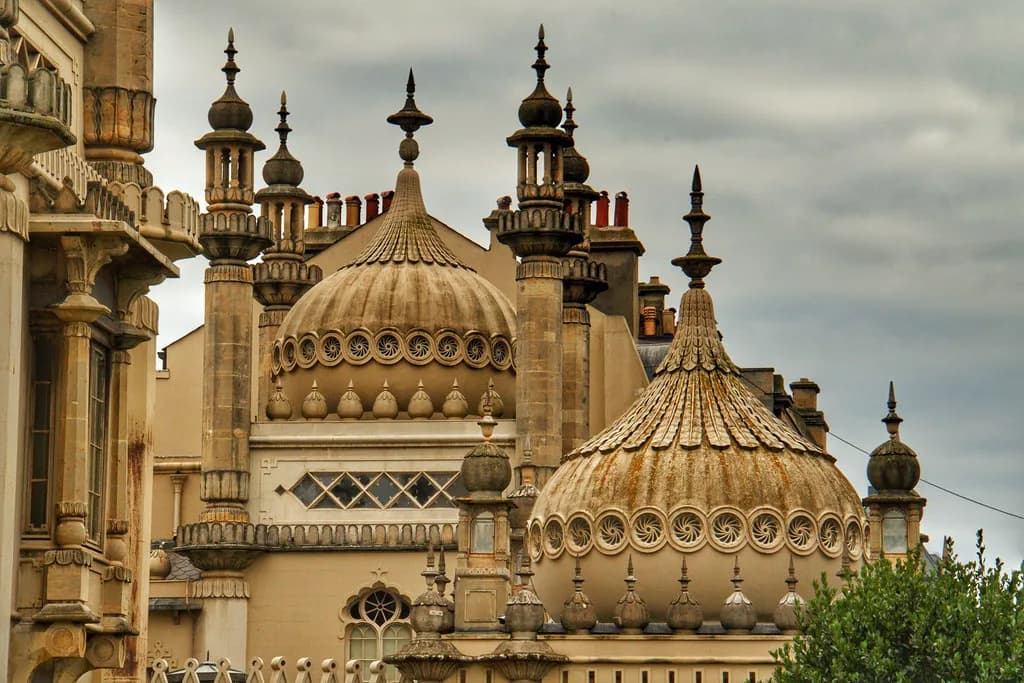
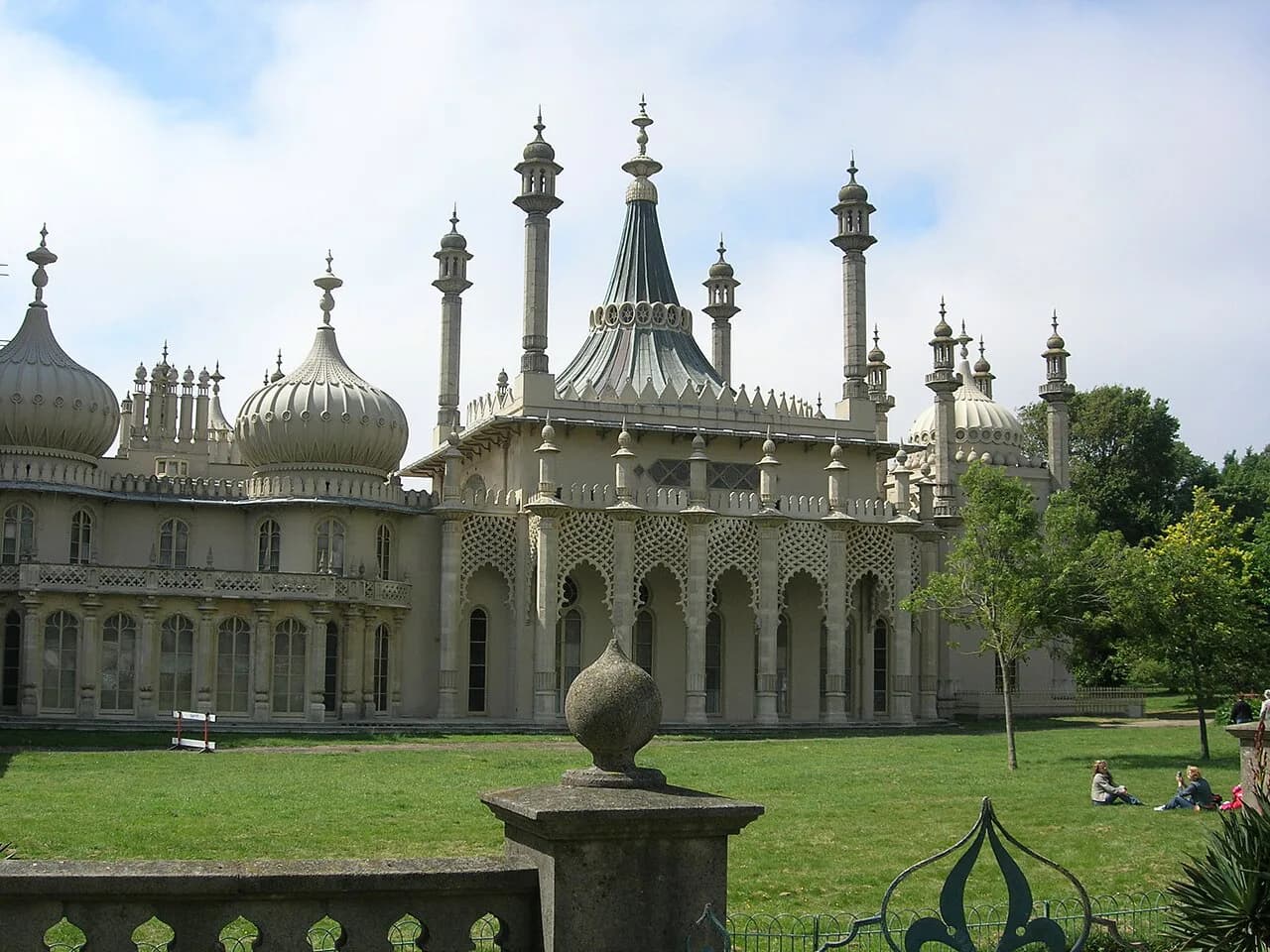
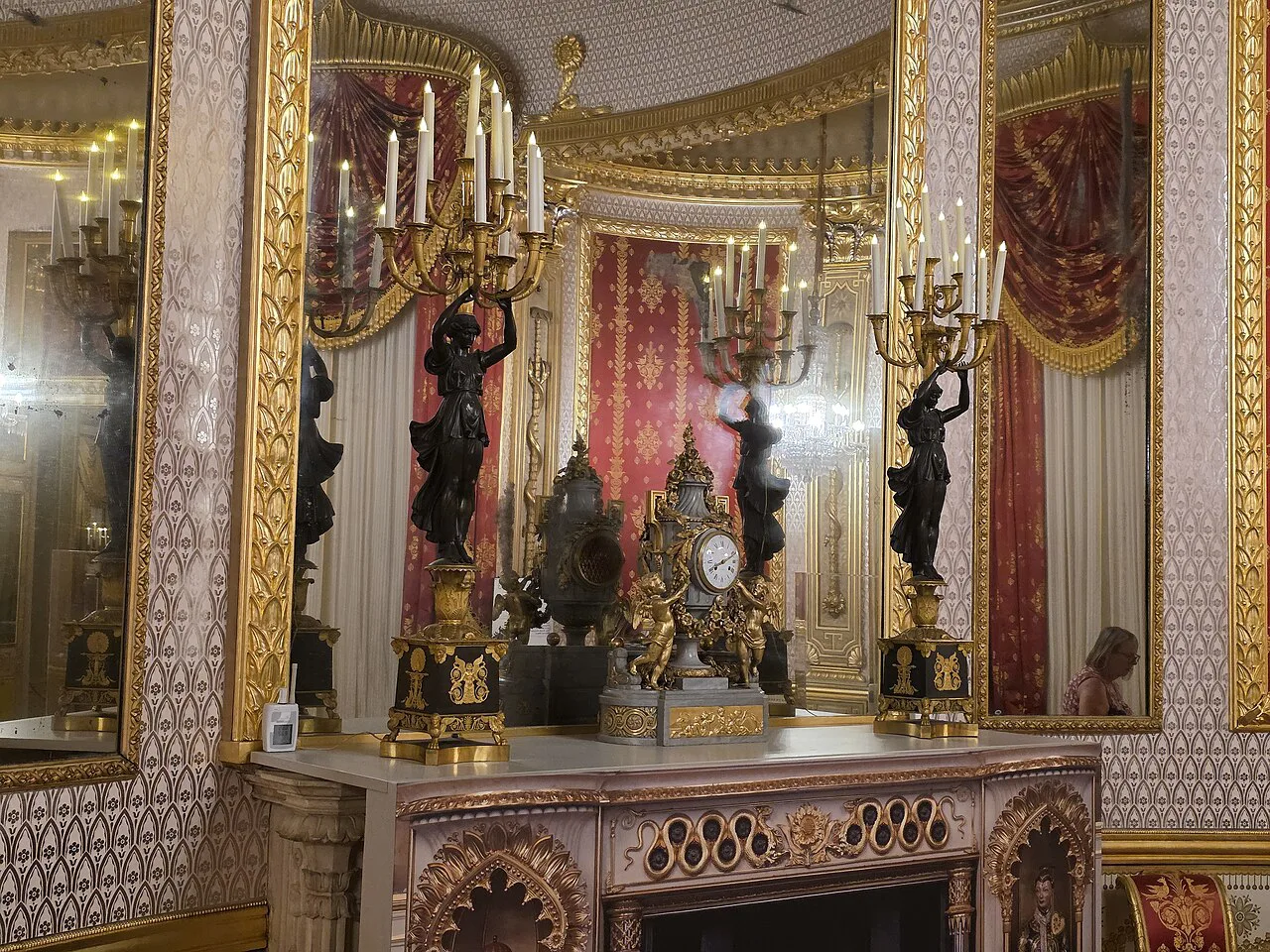
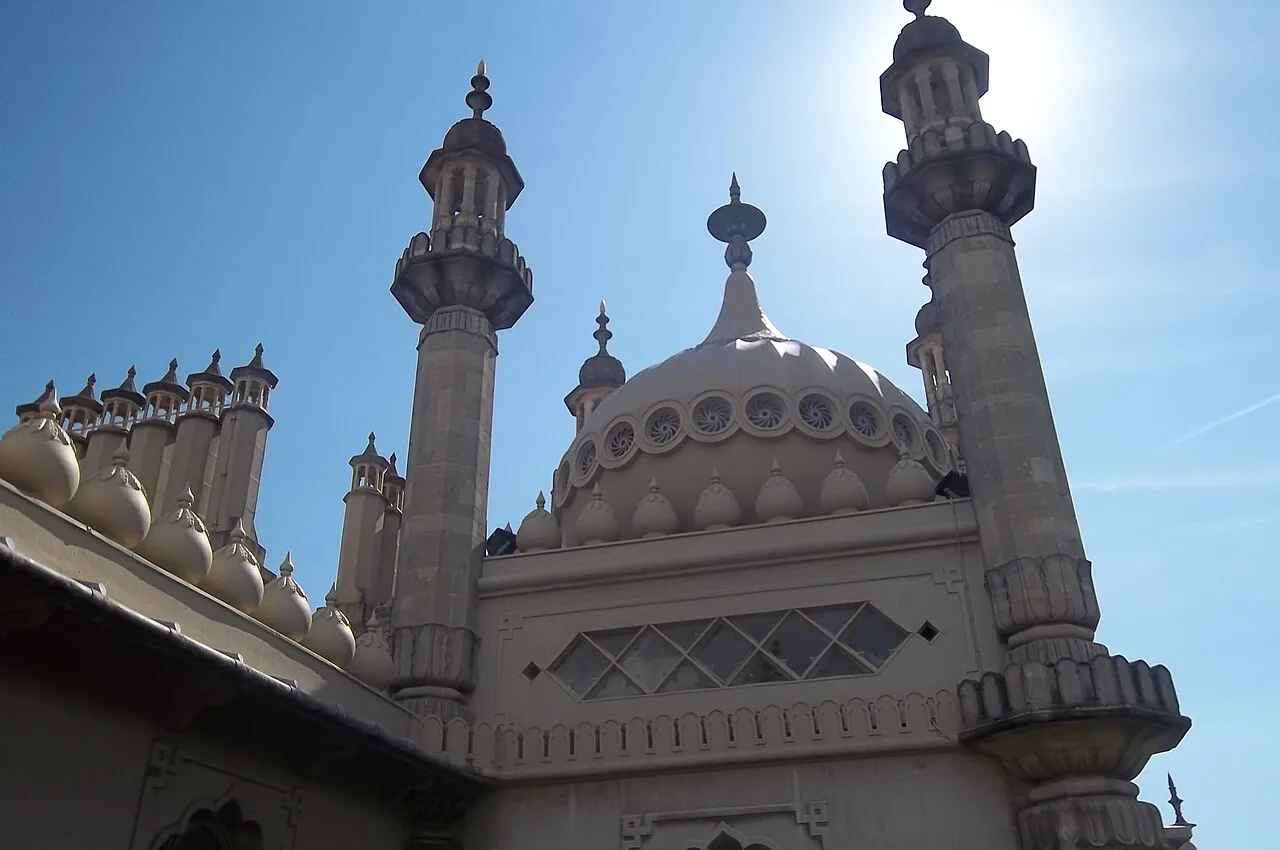
The Royal Pavilion dominates a first visit because it is unlike anything else in Britain: an exotic palace interior set inside a seaside town, with a garden around it. It is also the site where booking decisions actually matter, because the trust sells separate guided tours alongside general admission. Turn up without a plan and you may spend your time in the state rooms while missing the parts of the building that tours open up.
The current programme lists the Official Tour of the Royal Pavilion as running every Saturday at 2pm, an expert-guided route through the opulent interiors. That fixed slot makes Saturday the obvious day for a tour-led visit, and it means Saturday visitors should decide in advance whether they want the tour or a self-guided walk-through.
For the building's wider story, the history of Brighton explains how the town grew around the court and why the Pavilion sits where it does. Reading a short history before you go makes the interiors legible rather than merely pretty, particularly the sequence of royal owners and the town's transformation into a resort.
Royal Pavilion tours in practice
Three tours do different jobs, and choosing between them is the main booking decision at the Pavilion. The Secrets of the Royal Pavilion Tour – Ground Floor covers hidden corners of the ground floor, while the Secrets of the Royal Pavilion Tour – Upper Chambers goes up to the first floor and into spaces usually off-limits to visitors. The Upper Chambers tour is the one to book if you have seen the state rooms before or want something beyond the standard route.
The Secrets tours are listed as ongoing programmes with start dates in 2026 rather than one-off events, so the practical question is availability on your dates rather than whether the tour exists. Book through the museum's own pages and treat the tour as the spine of your Pavilion visit, with the state rooms either before or after depending on the time slot you secure.
Weigh up effort before you commit. The Upper Chambers tour involves a first floor, and basement tours involve stairs and confined passages, so anyone with mobility concerns should look at the access information before paying for a tour rather than after. For most visitors the ground-floor Secrets tour is the comfortable middle option between a standard ticket and the more specialist routes.
Basement and tunnel tours: servants and shelters
The Basement & Tunnel Tours are the route into servant life and the Second World War shelters rather than another walk through the state rooms. The trust lists them as running from May to August, with the programme beginning in May 2026, so they are a seasonal option rather than a year-round one. That makes them a genuine reason to time a Brighton visit for the warmer months.
If you have done the Pavilion before and found the interiors crowded, this is the tour that changes the experience. It shifts attention from decoration to the working building underneath, which suits travellers more interested in social history than royal ceremony. Check dates for your window before building a day around it, since the season is limited.
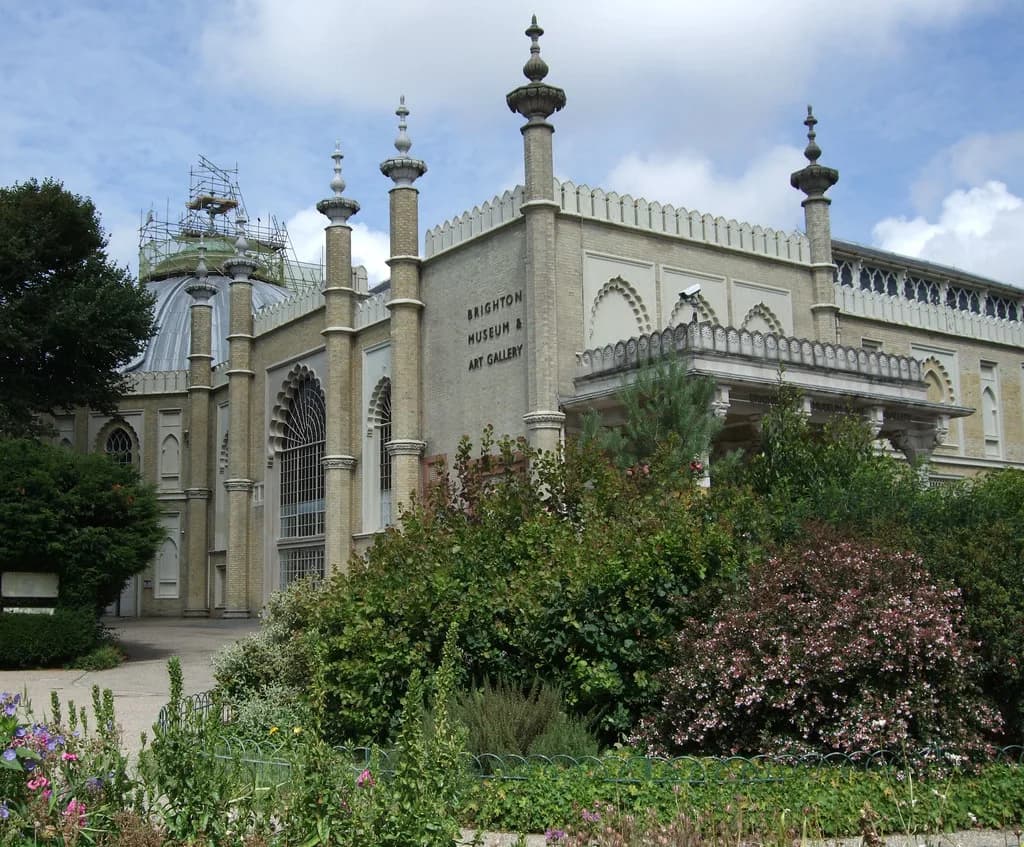
Brighton Museum & Art Gallery
Brighton Museum & Art Gallery adds the design and art layer that the Pavilion alone does not provide, and it sits close enough to pair with a Pavilion visit in the same half day. The museum's own events listings show what is running in its galleries, from pop-up film screenings to curator talks and family activities, so the calendar can change what a visit looks like.
Its collection is part of the city's public art story, which is worth knowing if you are choosing between venues. Use the museum's own programme to time a visit around a talk or screening rather than arriving cold, and pair it with our round-up of art galleries in Brighton if you want to compare commercial galleries with the public collection.
Allow roughly an hour for the permanent displays and longer if an event is on, and keep the visit flexible: the gallery programme rotates, so a repeat visitor will find something different. Families should note that the museum runs story times and activity sessions, which are listed on the events page and worth checking against your dates.
Hove Museum of Creativity
Hove Museum of Creativity suits travellers who want a quieter, more local museum and are already spending time in Hove. It fits naturally into a Hove day built around the seafront and the neighbourhood's independent shops rather than a dash from the station. If your only free day is a central Brighton day, this is the one to leave out rather than squeeze in.
Treat it as a reason to cross into Hove rather than a substitute for the Pavilion. It works best for families and for anyone interested in how the city's creative collections are presented, and it pairs well with a slow lunch. The trade-off is travel time: the trip from the centre adds to your day, so it should be the main stop rather than an add-on.
Preston Manor & Gardens
Preston Manor & Gardens is the country-house stop, with gardens around it, and it appeals to visitors who prefer domestic history and period rooms to palace spectacle. The trust lists it among its five museums, and like the others it runs seasonal programming rather than a static display. Build it into a day that includes the Booth Museum, which is also outside the central cluster.
The manor works best for travellers on a second visit or with a full afternoon to spare. It is also the site where seasonal events alter the offer, so check the Brighton & Hove Museums what's-on listings before a visit. Anyone building a heritage day should compare it with the castles near Brighton if they want a wider choice of historic houses and ruins.
Booth Museum of Natural History
The Booth Museum of Natural History is the natural-history option and the obvious pick for families and rainy hours. It gives children something concrete to look at and gives adults a change of register after a morning of Regency interiors. It is one of the trust's five sites, so it appears on the same listings as the Pavilion.
Because it sits outside the central cluster, it is easier to pair with Preston Manor than with the Pavilion. Plan it as a half-day rather than a quick stop, and use it as your wet-weather fallback: a natural-history collection holds attention when outdoor plans collapse. Families should check the events page for school-holiday activities before travelling.
Sequencing two or three museums in a day
A sensible one-day sequence is the Royal Pavilion in the morning, ideally with a tour, then Brighton Museum & Art Gallery in the afternoon. Both sit in the centre, so you avoid travel time between stops. If you add a third, make it a short visit rather than a full museum, and accept that the Pavilion will take the largest share of the day.
For a second day, choose either a Hove day (Hove Museum of Creativity plus the seafront) or a Preston Manor and Booth Museum day. Grouping by geography rather than by theme saves the most time, because the two outlying sites pair more naturally with each other than with the centre. Trying to cross the city between all five in one day defeats the purpose.
Evenings can extend the museum day rather than end it. A Brighton walking tour slots neatly after an afternoon gallery visit, and the town's outdoor landmarks fill the gaps between timed entries. Build in slack: a tour at a fixed time anchors the day, and everything else should bend around it.
Booking ahead: which tickets to secure early
Book ahead for tours and timed seasonal events, and leave general museum wandering to the day. The Pavilion's official Saturday tour, the Secrets tours and the Basement & Tunnel Tours are the items that sell on a schedule, and seasonal programming such as Father Christmas appearances, the Christmas Regency Cream Teas and the carol concert is date-specific by nature. If your trip depends on one of those, secure it before you travel.
The current programme runs well into 2027, with the Regency Ball weekend in January 2027 and a Spirit Chasers ghost-hunting night at the Pavilion listed for April 2027. Those are advertised events rather than evidence of anything supernatural, and they sell as evening experiences. Read the Brighton & Hove Museums listings as dated programming and match them to your dates, since they are one-off nights rather than a continuous run.
If you are drawn to ghost nights, our guide to ghost tours in Brighton separates legend from theatre, which is the right frame for an atmospheric evening in a historic building. The same applies to storytelling events: treat them as performances and enjoy them on those terms.
Free versus paid: planning the museum budget
Treat free versus paid as a question to answer site by site rather than a rule about Brighton museums. National collections in the UK are often free while historic buildings and country houses typically charge, and Brighton's five sites do not all work the same way. Check the booking page for each venue before you commit your day, since admission and tour tickets are priced separately where tours exist.
Budget for tours as an add-on rather than assuming a general ticket covers everything. The Pavilion's guided routes are separate products, so a day with a tour costs more than a day without one, and that is the main variable in a Brighton museum budget. Plan the free stops around the paid ones to keep the total sensible.
Family stops and seasonal programming
Family programming rotates, so match the listing to your dates rather than expecting a fixed offer. The current programme includes Dragon Hunters Wanted! A Magical Quest at the Royal Pavilion for October half term 2026, a Diwali celebration at the Pavilion in November 2026, and a winter exhibition, A Fairy Tale of Frost and Fire, running from late November 2026 into January 2027.
Brighton Museum & Art Gallery carries the quieter family offer, with story times and hands-on sessions listed in its events calendar. These are the stops that work when children need something to do rather than something to look at, and they are usually shorter than a tour. Check the calendar for the week you are travelling before promising a specific activity.
Access, stairs and effort
Weigh up stairs before booking. The Upper Chambers tour goes to the first floor, and the basement and tunnel route involves below-ground passages, both of which are harder work than a standard state-room visit. If anyone in your party has limited mobility, choose the ground-floor Secrets tour or a general admission ticket instead, and check access details on the venue's own pages.
Effort also means time on your feet. A palace tour, a gallery and a walk between them add up to a long day, so build in a sit-down stop rather than chaining three venues back to back. The city's afternoon tea stops make a natural break, and our afternoon tea in Brighton guide covers where to book.
Getting around and fitting museums into a Brighton day
Central Brighton is walkable, so the Pavilion and Brighton Museum & Art Gallery can share a morning without any transport. The outlying sites need a bus or a longer walk, which is why they belong on a separate day. Plan the centre first and the outskirts second rather than zig-zagging across the city.
A walking tour is a good way to link the central stops and get your bearings before a museum visit. Pair it with the seafront if the weather holds, and keep the museums for the hours when you want to be indoors. Our round-up of things to do in Brighton helps position the museums among the piers, lanes and seafront.
If you are comparing Brighton with other UK cities for a museum break, our guides to museums in Birmingham and museums in Aberdeen show how different cities structure their collections. Brighton's advantage is concentration: five sites under one trust, with the flagship in the centre.
Where museums meet afternoon tea
The Pavilion runs food and drink events alongside its exhibitions, which lets you combine a museum visit with a proper sit-down. Christmas Regency Cream Teas are listed for 15 to 22 December 2026 in the King William IV Room, following a visit to the winter exhibition, and the programme also includes Christmas banquets in mid-December 2026.
Book these as you would a restaurant: they are dated events with limited seatings rather than walk-in tea service. If your trip falls outside December, look at the city's year-round tea rooms instead and treat the Pavilion events as a seasonal bonus. Our afternoon tea in Brighton guide covers the wider choice, including larger venues such as The Grand Brighton.
Plan Your Visit
Start with the Royal Pavilion and Brighton Museum & Art Gallery, then decide whether a second day goes to Hove or to Preston Manor and the Booth Museum. Book tours and dated events first, since those are the items with fixed times, and leave general admission flexible. Check the trust's what's-on page and each venue's booking page for current opening days and ticket prices before you travel.
Build the day around one anchor and let the rest of the city fill the gaps: the seafront, the lanes and a tea stop are all within reach of the central museums. That structure keeps a short break relaxed and leaves room for the exhibits you actually want to see.
Explore more Brighton guides
Frequently Asked Questions
Which museums in Brighton are worth visiting?
Brighton & Hove Museums runs five sites, and each does a different job. The Royal Pavilion & Garden is the palace and the obvious first stop, Brighton Museum & Art Gallery adds art and design, Hove Museum of Creativity covers Hove's creative collections, Preston Manor & Gardens is the country house, and the Booth Museum of Natural History handles natural history. Pick two for a short break rather than attempting all five.
Is Brighton Museum free?
Admission arrangements differ between the five Brighton & Hove Museums sites, so treat free entry as a site-by-site question. Check the booking page for the specific museum you plan to visit, and note that guided tours at the Royal Pavilion are sold as separate products on top of general admission.
Do you need to book the Royal Pavilion in advance?
Book ahead for any guided tour, including the Official Tour of the Royal Pavilion, which is listed as running every Saturday at 2pm. The Secrets tours and Basement & Tunnel Tours also run on fixed schedules, so securing a place before you travel is the safe approach. General admission can usually be arranged closer to the day.
How long does the Royal Pavilion take?
Allow about half a day if you are adding a guided tour to the state rooms, since the tour runs to a fixed slot and the interiors reward unhurried looking. A self-guided walk-through takes less time, which leaves room for Brighton Museum & Art Gallery in the same afternoon.
What can you see on the Royal Pavilion basement and tunnel tours?
These tours focus on servant life below stairs and the Second World War shelters rather than the decorated state rooms. They are listed as running from May to August, beginning in May 2026, so they suit a warm-weather visit rather than a winter one.
Which Brighton museum is best for families?
The Booth Museum of Natural History is the natural-history option and works well for children and wet afternoons. Brighton Museum & Art Gallery runs story times and hands-on sessions, and the Royal Pavilion's family quests appear as dated school-holiday programming, so check the calendar for your week.
Is Hove Museum of Creativity worth the trip from central Brighton?
Yes, if you are giving Hove its own half day rather than squeezing it into a central Brighton itinerary. The journey from the centre adds travel time, so pair the museum with the seafront and Hove's independent shops. On a single-day trip, keep to the Pavilion and Brighton Museum & Art Gallery instead.
Where is the Booth Museum of Natural History?
The Booth Museum of Natural History sits outside Brighton's central museum cluster, which is why it pairs best with Preston Manor & Gardens on a second day. Plan transport between the two in advance.
Sources
Notes for your next city break
Optional updates to our UK city guides.
You might also like


Continue reading
More guides you'll find useful