
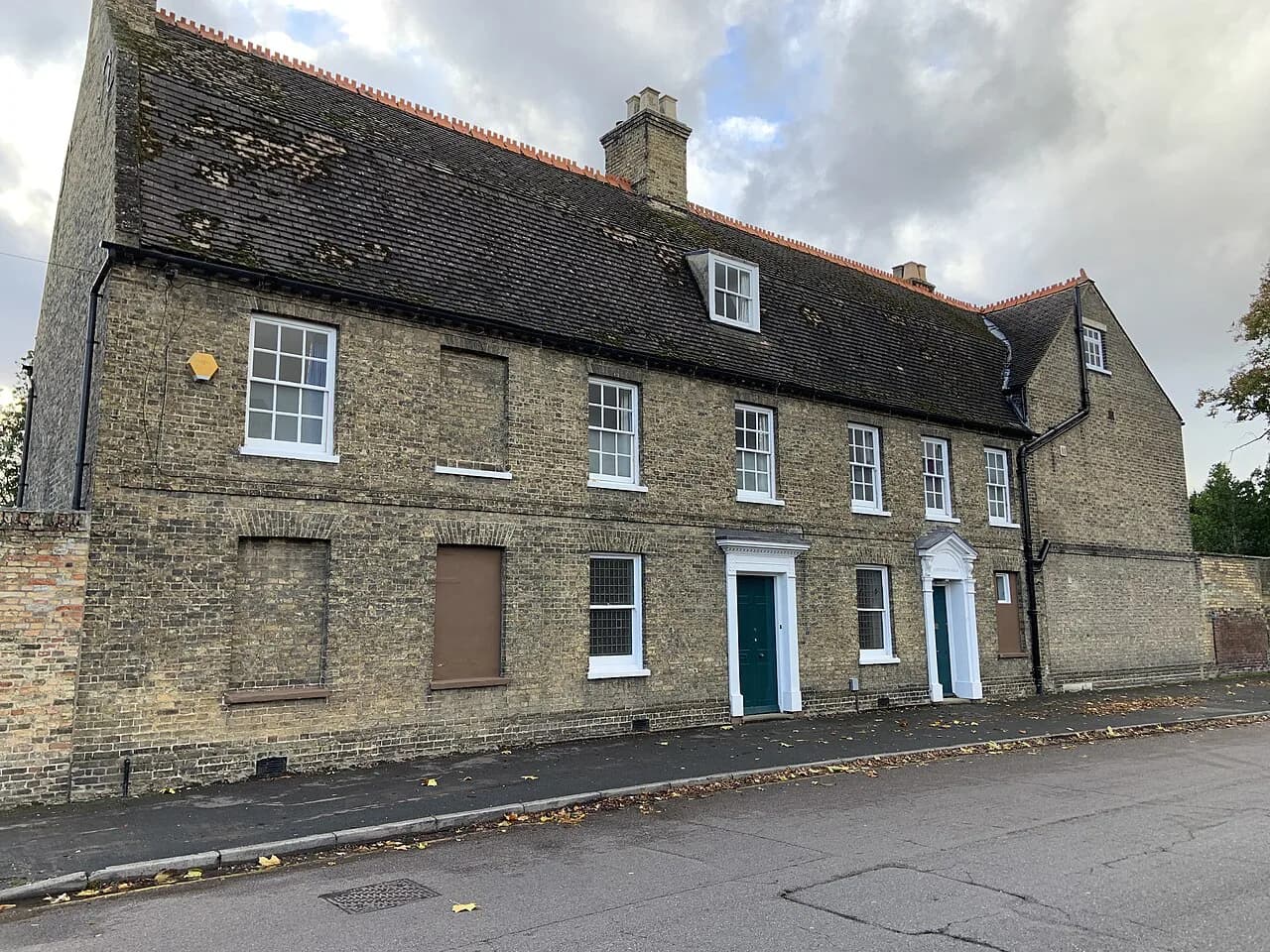
Chesterton, Cambridge: What to See and Who It Suits

Chesterton is a former parish on the north side of the River Cam that has been absorbed into Cambridge as a suburb. It rewards visitors who want a quieter, residential side of the city and a slice of medieval church history rather than colleges and crowds. This guide covers what the district is, what to see, how to reach it and who it suits.
What Chesterton Is
Chesterton sits north of the river and was once a parish in its own right, separate from Cambridge; over the years it became a thriving suburb of the city. That history explains its character: it reads as a lived-in residential district with its own churches and streets rather than a tourist quarter. Treat it as a place to walk and look rather than a ticketed destination.
Where Chesterton Sits and How to Reach It
The district lies immediately north of the River Cam, within walking distance of the historic core across the river bridges. Plan it as a half-day extension of a city-centre day rather than a separate trip. For the main sights and museums on the other side of the river, see the Cambridge City Centre Guide.
Brief History: From Separate Parish to Suburb
Chesterton's independence is documented in its church records: the parish church's patronage passed through the medieval abbey of St Andrew at Vercelli in Italy, then to the King's Hall and later Trinity College in Cambridge. The village also hosted a band of Carmelite friars who settled in the parish in 1247 and had moved to Newnham by 1252. Those medieval threads are the most interesting thing about Chesterton for a historically minded visitor.
By the twentieth century the old parish had been folded into the city, and a photographic record of Chesterton Road traces that transformation from village to suburb. The wider city is covered in Cambridge Neighborhoods if you are comparing districts for a stay.
Chesterton's Churches and Their Medieval History
The parish church is the historical anchor of the district. Medieval Chesterton supported several religious guilds, including a guild of the Resurrection, also called Corpus Christi, founded around 1337 by young people of both sexes, which held a yearly procession on Low Sunday and paid for masses for members' souls. The guild's lands were later absorbed into the Church and Town estate, a reminder of how much parish life once organised itself around the church.
A chantry at St Mary's altar was endowed by villagers and served by priests from the thirteenth century, with the chaplain chosen by leading parishioners who required a daily mass of St Mary. Those endowments lapsed long ago, so read the story before you walk rather than expecting to find the chantry intact. Tell it as history, not as fabric you will see.
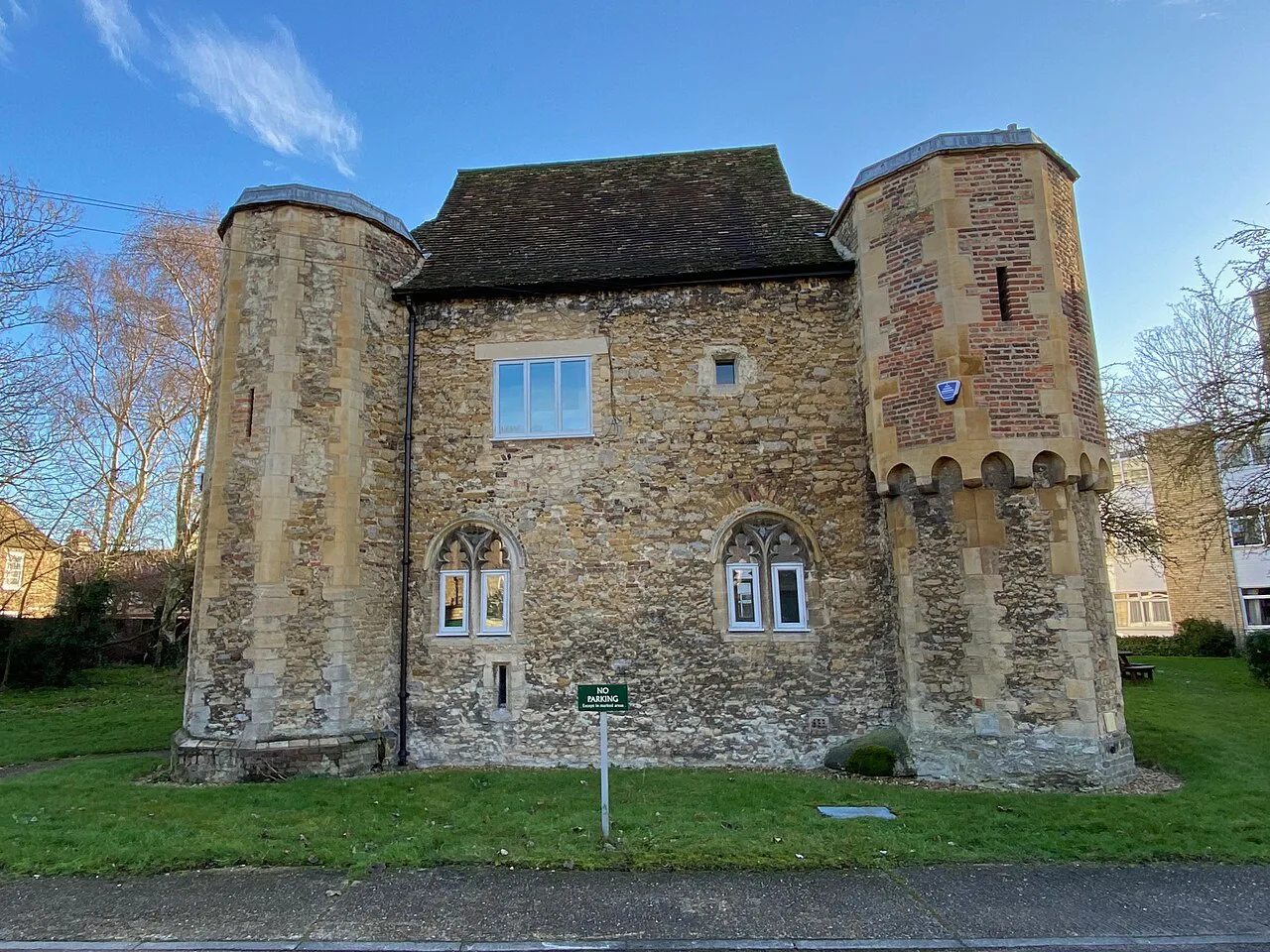

Chesterton Lane and Its Buildings
Chesterton Lane is the most tangible street to explore on foot. A local history project documents individual buildings along it, including St Andrew's at 11 Chesterton Lane, St Giles, and a corner house known as the Three Swans. Use these as landmarks for a short walking loop rather than expecting visitor attractions with opening hours.
Where to Eat and Stay in Chesterton
Chesterton is a residential district first, and the records here name buildings on Chesterton Lane rather than hotels or restaurants in the area. The honest advice is to base yourself in the city centre or along the main roads into town, then walk into Chesterton for an afternoon. If a proper afternoon tea is part of the plan, compare options in the centre with the afternoon tea in Cambridge guide, where venues and booking details are set out.
Visitors who want a livelier, more food-focused neighbourhood should look at Mill Road, Cambridge, which has a denser concentration of independent places to eat. Chesterton suits people who prefer quiet streets and river walks to a busy restaurant scene. If you are weighing a more central setting for a sit-down treat, the afternoon tea in Cambridge guide covers venues and booking details across the city.
Who Chesterton Suits, and Who It Does Not
Chesterton suits walkers, church-history enthusiasts and repeat visitors who have already done the colleges and want a calmer corner of the city. It does not suit anyone expecting a concentration of museums, tea rooms or shops within a few streets; those are across the river, which is why anyone planning an afternoon tea in Cambridge should look to the centre instead. If your priority is ticking off the big sights, plan your days in the centre and treat Chesterton as a stroll.
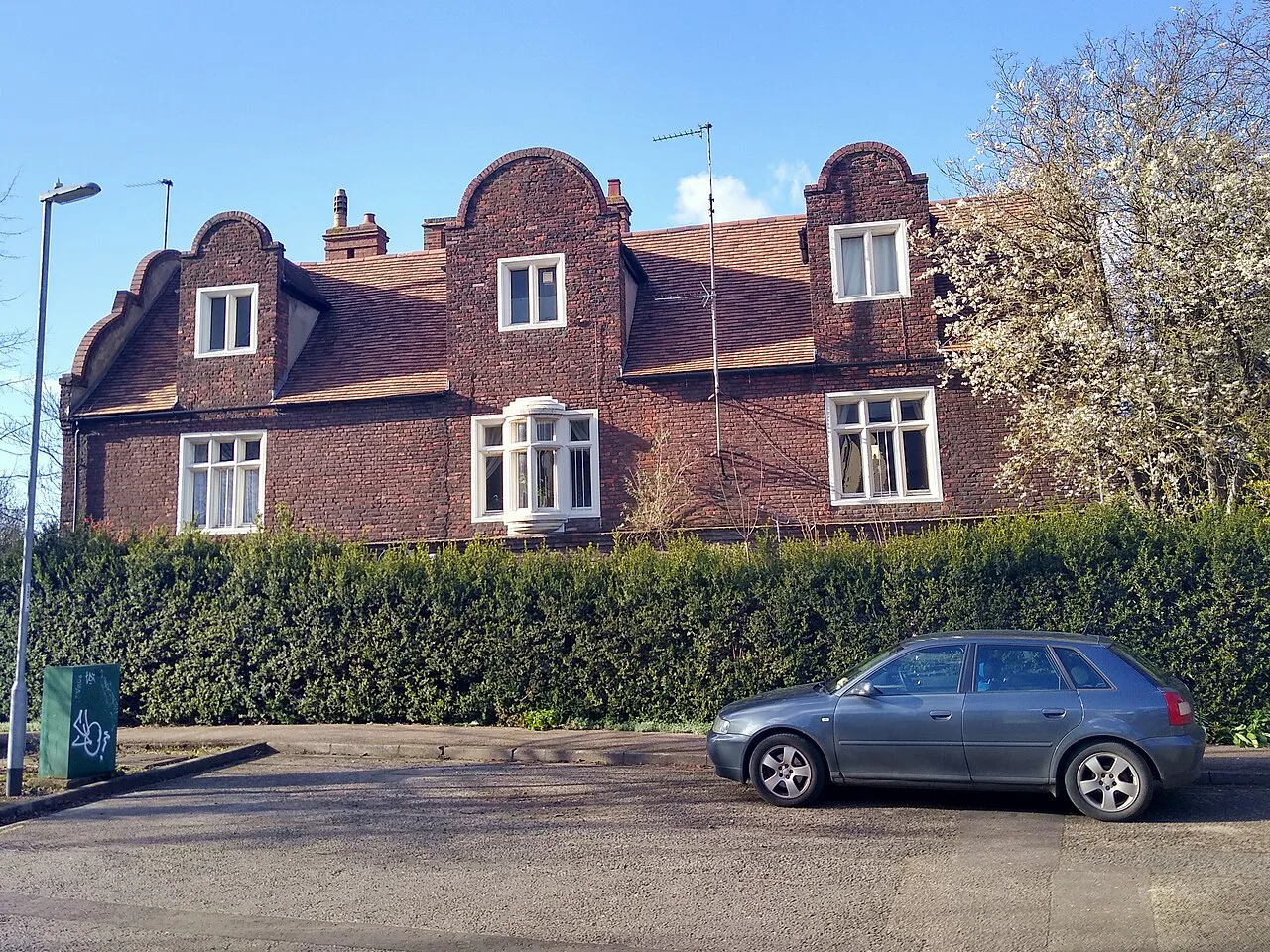

Getting Around Chesterton and Nearby Walks
The district is compact and best covered on foot, with the River Cam forming its southern edge. A simple route is to cross from the city centre, follow Chesterton Lane to see the named buildings, and loop back along the river. Allow a couple of hours rather than a full day, and check opening details for any church you hope to step inside before you set out.
Practical Points Before You Go
Bring comfortable shoes, since the appeal here is streets and church history rather than indoor attractions. Combine Chesterton with the city centre on the same day so you are not dependent on a thin local offering for food and shelter. If you are weighing up where to base yourself, the city centre remains the practical choice for a first visit.
Plan Your Visit
Chesterton is a residential former parish with a strong medieval church story and one interesting lane to walk. Give it an afternoon, read up on its guilds and chantries first, and keep the city centre as your base for museums, meals and afternoon tea. It is a rewarding detour for the curious rather than a destination in its own right, and if that afternoon tea matters to you, the afternoon tea in Cambridge guide points you to the right venues.
Explore more Cambridge guides
Frequently Asked Questions
Is Chesterton part of Cambridge or a separate village?
Chesterton began as a parish separate from Cambridge and has since been absorbed into the city as a suburb. The street pattern and its own parish church still give it a distinct feel, but it is now part of Cambridge rather than a village standing apart from it.
What is there to see in Chesterton, Cambridge?
The main draw is the parish church and its medieval guild and chantry history, which you can read up on before walking the streets. Chesterton Lane is the most rewarding stretch on foot, with buildings such as St Andrew's at 11 Chesterton Lane, St Giles and the Three Swans serving as landmarks. There is no cluster of ticketed attractions, so come for a walk rather than a sightseeing checklist.
Is Chesterton a good area to stay in Cambridge?
It is a quiet residential district, so it suits travellers who value calm streets and river walks over proximity to museums and restaurants. Most visitors are better based in the city centre and treating Chesterton as an afternoon walk. If you want a food-focused neighbourhood instead, Mill Road has a denser spread of independent places.