
Mill Road, Cambridge: What to See, Eat and Expect

Mill Road is a working neighbourhood street in south-east Cambridge, known for independent shops and a dense concentration of small restaurants rather than for college architecture. It rewards a few hours of strolling and eating rather than a sightseeing tick-list, and it makes most sense once you have already seen the colleges in the centre. Read this alongside the wider Cambridge Neighborhoods: 4 Area Guides if you are choosing which part of the city to base yourself in.
What Mill Road is and where it sits
Mill Road is a two-lane road that runs south-east from near Parker's Piece, starting at the junction with Gonville Place and East Road, and continues out through the residential south-east of the city. That orientation matters: the city-centre end is a short walk from the main college and shopping area, while the far end feels like an ordinary suburban high street rather than a tourist zone.
Treat it as a single long street to walk rather than a district of separate sights. The useful stretch for a visitor is the portion between the centre end and the railway bridge, where most of the food shops and independent businesses cluster. Beyond that the road continues into quieter residential streets that hold little for a short break.
The character of the street: independent shops, food and everyday Cambridge
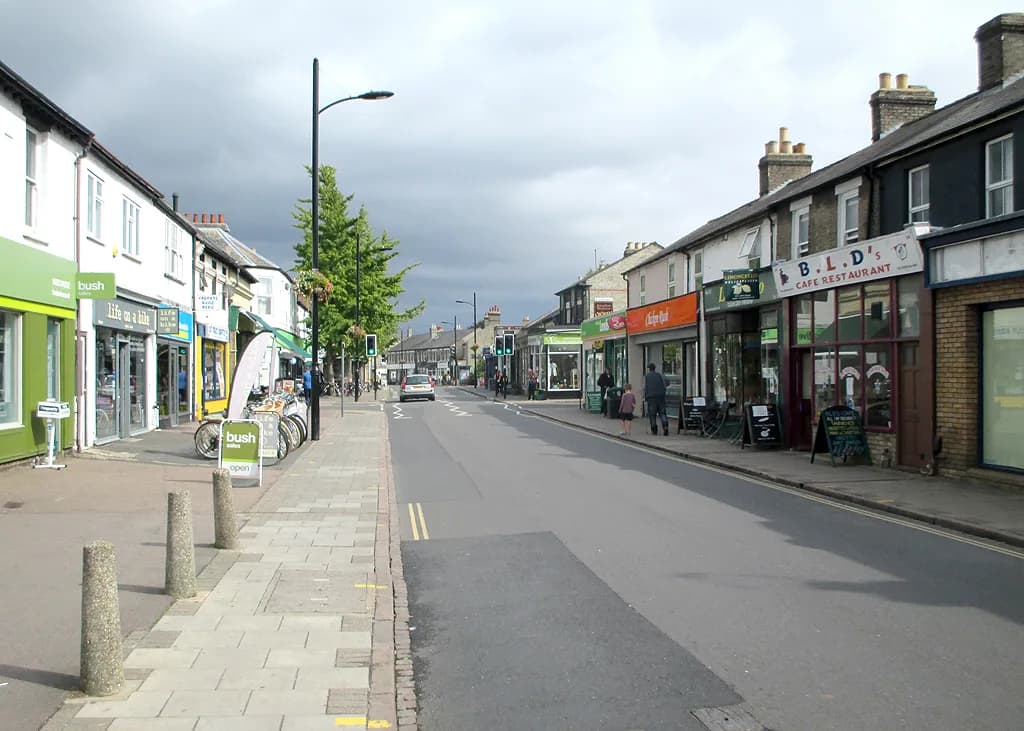
This is everyday Cambridge: grocers, cafés, takeaways and small retailers serving the people who live nearby, with a strong independent streak. Visit Cambridge notes that the city has over 250 independent businesses and that its historic core and cobbled streets are home to a wide array of independent boutiques, and Mill Road is where much of that independent character concentrates outside the centre.
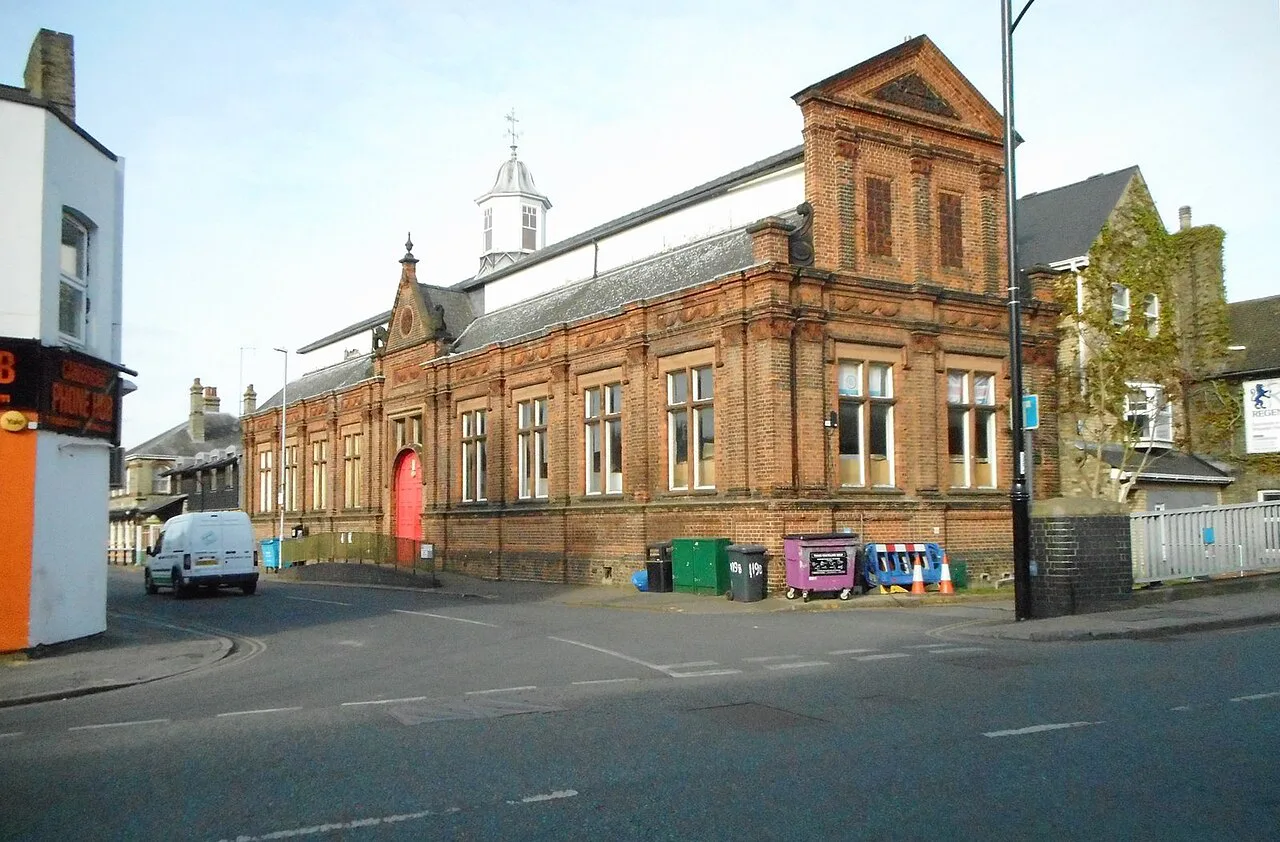
Do not expect the postcard image of Cambridge here. The buildings are a mix of Victorian terraces and later shopfronts rather than quads and chapels, and the appeal is in the variety of small businesses and the low-key, lived-in atmosphere. If your idea of a city break is entirely medieval courtyards and formal gardens, this street will feel ordinary.
Who Mill Road suits, and who it does not
It suits travellers who have already done the headline sights and want a few hours of real-life neighbourhood Cambridge, especially anyone interested in food and independent shops. It also works well for repeat visitors and for people staying nearby who want somewhere to eat without returning to the centre. If your trip is built around museums, castles and formal architecture, the Cambridge Attractions hub is the better starting point, and our museums in Cambridge guide covers the collections worth a morning, though a pot of tea at Parker's Tavern at University Arms belongs on the same shortlist, before you walk out here.
It suits families and couples less well as a headline destination, because there are no major ticketed attractions on the street itself. Anyone with limited mobility should note that the pavements are ordinary urban pavements alongside traffic, not a wide pedestrianised lane. For a classic sightseeing base with colleges on the doorstep, the Cambridge City Centre Guide covers that ground properly.
Getting there on foot, by bike and by bus
The simplest approach is on foot from the centre: walk to Parker's Piece and continue south-east along Mill Road from the Gonville Place end. Cambridge is flat and compact, and the Visit Cambridge site lists walking and cycling routes as one of the main ways to explore the city, so a bike is a sensible option if you have one.
Cambridge is the UK's cycling capital, with around 55 per cent of residents making a journey by bike at least once a week, so expect plenty of cyclists and plan to keep clear of the cycle lane. Buses and trains serve the city, but route numbers and timetables change, so check the operator's own site for the service nearest your accommodation rather than relying on a printed guide.
Eating on Mill Road: the food scene in outline
Mill Road's reputation rests on small independent restaurants and takeaways representing a wide range of cuisines, including Korean and Lebanese cooking among others. Cambridge Foodies describes it as a street of small independents, which is the right expectation: intimate rooms and modest shopfronts rather than large dining rooms.
Menus, prices and opening days are set by each business and change, so pick two or three candidates before you go and confirm directly with the restaurant. Book ahead for dinner at the weekend, when the smaller rooms fill quickly, and expect a short wait at peak lunchtimes. If a sit-down afternoon tea is part of your plan, that is a city-centre exercise rather than a Mill Road one, and our afternoon tea guide covers the options.

Shopping and independent businesses
Shopping here is incidental rather than destination retail: food shops, specialist grocers and small retailers rather than chains. That is the point of the street, and it pairs naturally with a food-focused visit. For a full day of shopping, Cambridge has three main shopping centres, The Grafton, Lion Yard and Grand Arcade, which cover the high-street and premium brands in the centre.
Allow time to browse rather than shop with a list. The pleasure is in spotting a bakery, a deli or a bookshop you did not plan for, and the street rewards a slow walk in a way that a shopping centre does not.
The old and the new: Mill Road's place in Cambridge history
Mill Road is a Victorian and later growth corridor, laid out as Cambridge expanded beyond its historic core, and its fabric reflects that ordinary commercial past rather than royal patronage or college foundation. The city's grand narrative belongs to the centre: the University of Cambridge was founded in 1209 and marked its 800th anniversary in 2009, and that story is told in stone around King's College and Great St Mary's rather than here.
Read the street as a contrast rather than a monument. Seeing how ordinary Cambridge lives sharpens your sense of the university city, and it is a useful counterweight to a day spent in chapels and courts.
Practical points: the rail bridge, road layout and busy times
Mill Road is a working road with traffic, narrow pavements in places and a railway bridge that marks the transition from the busy shopping stretch to the quieter end. It is not pedestrianised, so walk with the traffic in mind and cross at the marked points. The street is busiest at commuter times and at weekend lunch, when the pavements and smaller restaurants fill; a weekday morning is calmer.
There is no single visitor centre on the street, so plan your route in advance and use a map on your phone. If you are combining Mill Road with the colleges, do the centre first and walk out here for lunch or an early dinner, which avoids retracing your steps in the dark.
Where to stay around Mill Road
Mill Road itself is a residential street rather than a hotel district, and the named Cambridge hotels are concentrated in the city centre and along the river. That makes the centre the practical base for most short breaks, with Mill Road as an easy walk or short cycle away. The Cambridge City Centre Guide sets out what staying centrally involves.
If you want a quieter base away from the crowds, look at the city's other neighbourhoods rather than expecting a Mill Road hotel. Chesterton, Cambridge, on the opposite side of the city, is a greener and calmer alternative for some travellers.

What is within walking distance
From the centre end of Mill Road you can reach Parker's Piece and continue into the shopping heart of the city in well under half an hour on foot. The colleges, the market square and the main museums sit in that central cluster, and our museums in Cambridge guide covers the free national collections worth building a day around.
The Fitzwilliam Museum and the other University of Cambridge Museums sit in the centre of the city, a walk from Mill Road for a fit visitor. Newnham, Cambridge, lies beyond that museum quarter and is a separate, quieter excursion rather than a continuation of this street.
Mill Road in a two-hour visit
Start at the Gonville Place end near Parker's Piece, walk south-east along the shopping stretch, and stop for coffee or lunch at one of the small cafés on the way. Browse a grocer or two, cross the rail bridge for the change of atmosphere, then turn back. Two hours covers the street comfortably at browsing pace, and a meal adds another hour.
Pair it with a morning in the centre: colleges and a museum before lunch, then Mill Road for a late lunch and a wander. If you would rather spend the afternoon in a grand room with a pot of tea, see our guide to afternoon tea in Cambridge and then fit Mill Road around it. That sequence uses the street for what it does best and leaves the headline sights to the hours when they are less crowded.
Common mistakes on a first visit
The most common error is expecting a pedestrianised tourist lane and finding a working road with traffic, so wear comfortable shoes and keep your bearings. The second is arriving without checking restaurant days, since small independents often close on particular days or run shorter hours; confirm before you travel.
The third is treating Mill Road as a substitute for the city centre rather than a complement to it. Do both, and use the Cambridge Neighborhoods to see how this street fits with the rest of the city.
Plan Your Visit
Mill Road is worth a half-day if you want to eat well and see how Cambridge lives outside the college gates; it is not worth rearranging a short break around. Build it into a day that already includes the centre, and confirm restaurant days and any travel arrangements before you set out.
Frequently Asked Questions
Is Mill Road Cambridge worth visiting?
Yes, if you want independent shops and a strong small-restaurant scene in an everyday neighbourhood rather than another set of college buildings. It works best as a half-day addition to a city-centre itinerary, not as the centrepiece of a short break.
What is Mill Road known for?
It is known for independent businesses and a dense cluster of small restaurants and food shops along a working road in south-east Cambridge. It is not a pedestrianised tourist street and has no major ticketed attractions of its own.
How do I get to Mill Road from Cambridge city centre?
Walk south-east from Parker's Piece, starting at the Gonville Place and East Road end, and continue along the road. Cambridge is flat and compact, and cycling is a common way to reach the street; bus routes and times are also available for your dates.
Where should I eat on Mill Road?
Look for the small independent restaurants along the shopping stretch, which cover a range of cuisines including Korean and Lebanese cooking among others. Menus, prices and opening days vary by business, so confirm directly with your chosen restaurant before you go.
Is Mill Road a good place to stay in Cambridge?
Mill Road is a residential street rather than a hotel district, and the named Cambridge hotels are concentrated in the city centre and along the river. Most visitors are better off staying centrally and walking or cycling out to Mill Road for a meal.
What shops are on Mill Road?
Expect food shops, grocers and small independent retailers rather than chains. For high-street and premium brands, Cambridge's three main shopping centres, The Grafton, Lion Yard and Grand Arcade, are in the city centre.