
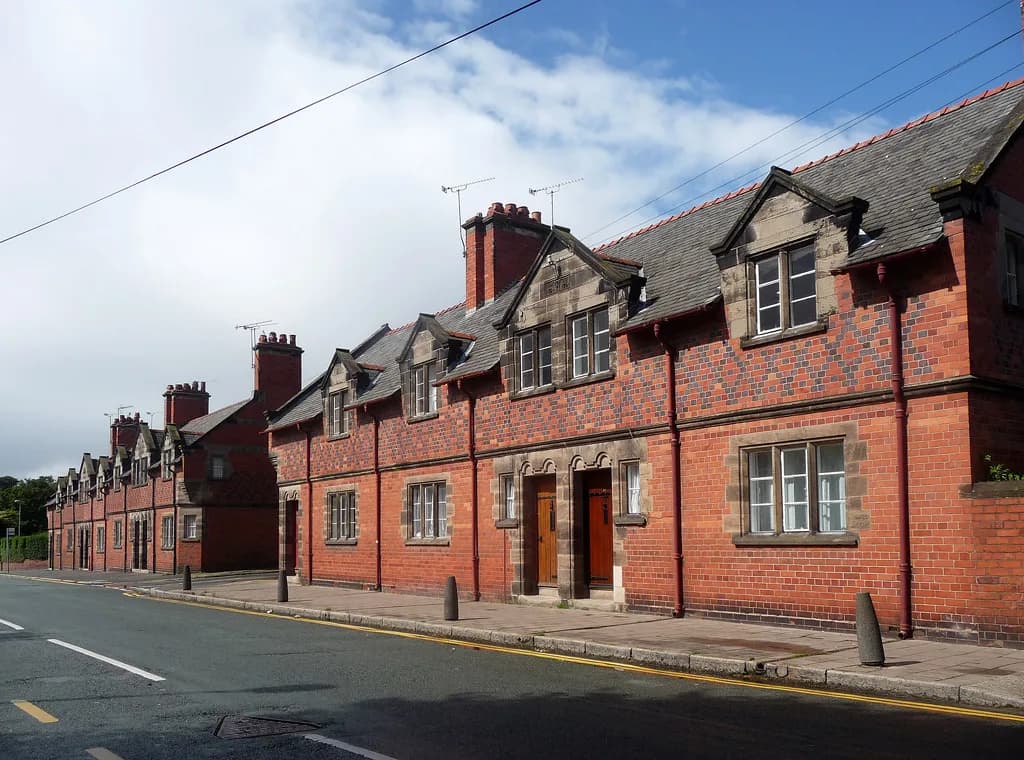
Handbridge, Chester: What to See and Where to Stay

Handbridge is best understood as Chester's urban village: a residential district on the south bank of the River Dee, reached from the city centre over the Old Dee Bridge, with everyday shops, pubs and restaurants of its own. Visitors choose it for calm rather than sights, using it as a base for riverside walks and a short walk into the centre. It is one of the areas covered in our guide to Chester Neighborhoods.
What you get is a lived-in neighbourhood with a butcher, a fruit and veg store and a delicatessen, plus several public houses and restaurants, according to local property listings. What you do not get is a museum quarter or a block of headline attractions; those sit across the river, where a guide to museums in Chester helps you choose which to visit. Treat Handbridge as somewhere to sleep, eat and stroll, not as a substitute for the city centre.
Where Handbridge sits
Handbridge lies directly south of Chester city centre, on the far side of the River Dee, and the historic crossing point is the Old Dee Bridge. The district's main street, also called Handbridge, runs south from the bridge, with Lower Bridge Street and St Olave Street forming the approach on the city side. That geography matters more than any map grid: almost everything a visitor wants in Chester is on the northern bank.
The district falls within Cheshire West and Chester and shares the CH postcode area with the rest of the city, which is useful when checking bus routes or typing an address into a booking form. For orientation, a simple street map of Handbridge shows how compact the residential core is. If you are weighing it against other bases, our Chester Attractions page shows how much of the sightseeing sits north of the river.
The character of the area
Handbridge reads as an urban village: dense enough to have pavements, street lights and a row of shops, small enough that residents recognise the butcher and the greengrocer. Day-to-day amenities named in local listings include quality independent butchers, a fruit and veg store, a delicatessen, and several public houses and restaurants. That mix is the appeal, and it is also the limit of it.
Architecturally it is a residential district rather than a planned visitor quarter, so the pleasures are ordinary: a short high street, side streets of terraced and semi-detached houses, and the river at the bottom of the hill. If you want grand civic buildings and a dense cluster of cafés, the Old Town on the north bank delivers more of that per minute on foot.
Who it suits and who it does not
Handbridge suits travellers who want a quiet base within a pleasant walk of the centre, who value a proper local shop and a pub over a hotel lobby, and who plan to spend daylight hours out sightseeing. It is a sensible choice for couples and for repeat visitors who have already done the headline sights and want a slower rhythm.
It suits less well if you want to step out of your door into restaurants and bars at midnight, or if mobility is limited and you would rather not walk over a historic bridge to reach the main sights. Compare Hoole, Chester, which has its own busy ribbon of independent shops and cafés on the north-east side of the city, if a livelier village feel matters more than river access.
Walks: the River Dee and Chester Meadows
The main open-air draw is the water. Local listings describe pleasant walks along the banks of the River Dee and close by Chester Meadows, the broad floodplain that opens up south of the district. These are flat, informal walks rather than a signed heritage trail, so bring shoes that cope with damp grass in winter.
The river also frames the city's history: the Dee was Chester's medieval port, and the walls and bridges on the north bank make more sense once you have seen the water up close. Pair a morning on the meadows with an afternoon on Chester City Walls for a full day on foot without needing a car.
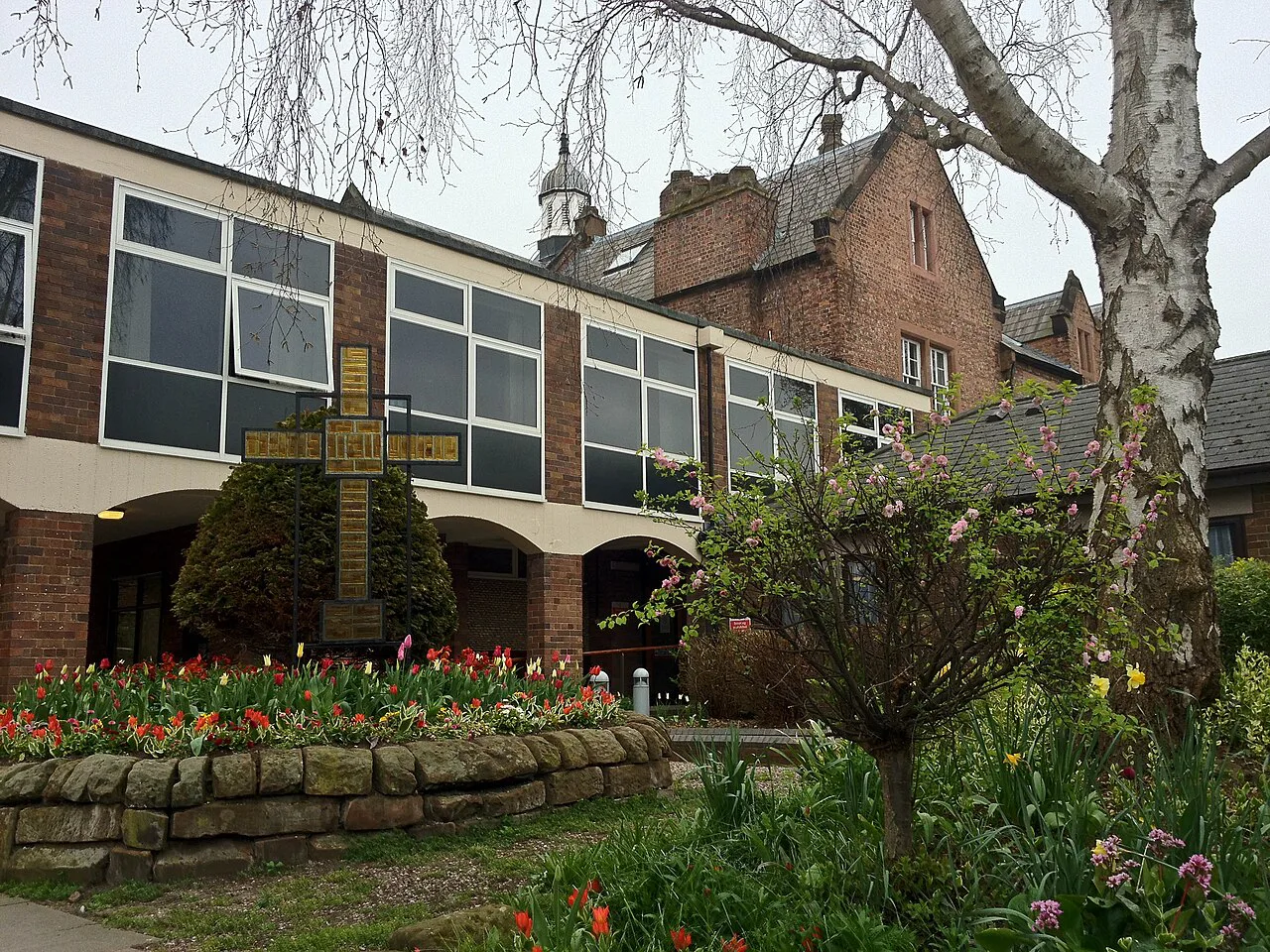

Crossing into the city
The Old Dee Bridge is the practical anchor of any stay here: cross it northwards and you are on Lower Bridge Street, with the city centre, the Rows and the cathedral close beyond. Local listings put the city centre at roughly a five-minute walk from the heart of Handbridge, which is short enough to make a car unnecessary for most days.
Walking is the default. Pavements run along the main street and across the bridge, and the route into the centre is level enough for most visitors, though the bridge itself is old and narrow with limited footway. For a wider look at the river's role in the city, our Chester Old Town guide covers the waterfront and the streets immediately north of the bridge.
Eating and drinking
Handbridge has several public houses and restaurants serving the residential streets, which means the trade is local rather than tourist-driven. Menus, opening hours and prices change with the seasons, and no reliable schedule is published in advance for the district as a whole, so check each venue's own site or phone ahead on the day you plan to eat. Booking matters most on weekend evenings and around race days, when Chester fills up.
For a smarter sit-down, cross the bridge: the city centre holds the bulk of Chester's dining rooms and tea rooms, including the traditional afternoon tea service that draws visitors in its own right. If tea is the point of the trip, plan it as a city-centre booking rather than something to find on the Handbridge side.
Independent shops and everyday errands
The high street's independent traders are the district's quiet asset: a butcher, a fruit and veg store and a delicatessen, all named in local listings, sit alongside the pubs and restaurants. For self-catering stays or a picnic on the meadows, that is a genuinely useful cluster within a short walk of the bridge.
Shopping hours vary by trader and are not published as a district schedule, so treat early mornings and Sunday afternoons as uncertain and buy provisions before you need them. Larger grocery runs are easier in the city centre, where choice and late opening are wider.
Where to stay
Handbridge is overwhelmingly a residential district, and accommodation is thinner than in the centre, so most visitors end up in guesthouses or small hotels on the city side and walk across. Book early for weekends and race fixtures, and check whether a listed address is genuinely south of the river before you assume a river view.
If you would rather be in a district with a strong stock of places to eat and drink on the doorstep, the Garden Quarter, Chester, north-west of the centre, is the busier alternative for evenings out. Handbridge wins on river walks and quiet nights; the Garden Quarter wins on choice of dinner.


Getting there and around
On foot and by train, the district is straightforward: arrive at Chester station on the north side of the city and walk south through the centre to the Old Dee Bridge. Drivers should note that Handbridge sits conveniently close to the A55 Chester southerly bypass and to Chester Business Park, which makes it a practical base for a work trip mixed with sightseeing.
Parking in the old streets is limited and often resident-permit controlled, so ask any accommodation directly about a space before booking rather than assuming on-street parking. Buses run through the city centre and are the easiest fallback if a day out leaves you tired on the return leg.
Nearby within walking distance
The real advantage of sleeping in Handbridge is the walkable radius: the river and meadows to the south, the bridge and the city centre to the north, and the cathedral, Rows and walls within a comfortable stroll. Our Chester guide pulls together the museums, cathedral and castle options and what each one charges or does not, which is the fastest way to plan a two-day loop from this base.
Museum-goers should know that several of the city's collections sit in the centre rather than in Handbridge, so build them into a city-side day rather than expecting them locally. The Grosvenor Museum on Grosvenor Street, for example, is a city-centre stop with a collection that includes a painting titled Handbridge, Chester, held by a venue at that address. If you are planning a collection-hopping day across the bridge, our guide to museums in Chester sets out what each one offers and costs, and it pairs naturally with a city-centre afternoon tea booking once the galleries close.
Plan Your Visit
Handbridge works best as a quiet, walkable base: sleep south of the river, shop at the butcher and greengrocer, walk the meadows in the morning and cross the Old Dee Bridge for the museums and cathedral. Anyone wanting a livelier evening should look at the Garden Quarter, Chester instead, and anyone wanting a second village-style alternative can compare Hoole.
Frequently Asked Questions
Is Handbridge a good area to stay in Chester?
It suits travellers who want a quiet residential base within a short walk of the city centre, with a butcher, greengrocer, delicatessen, pubs and restaurants nearby. It is less suitable if you want a dense choice of bars and restaurants on your doorstep, or if walking over an old bridge to reach the main sights is a problem.
How do you walk from Handbridge into Chester city centre?
Head north along Handbridge's main street to the Old Dee Bridge, cross it, and continue onto Lower Bridge Street into the centre. Local property listings describe the centre as roughly a five-minute walk from the heart of the district, and the route is on pavements throughout.
What is there to do in Handbridge itself?
The district is residential, so the draws are the riverside walks along the River Dee, Chester Meadows close by, the independent shops on the main street, and the pubs and restaurants. Bigger sights such as the cathedral, Rows and museums are across the river in the city centre.
Are there pubs and restaurants in Handbridge?
Yes, several public houses and restaurants serve the district, according to local property listings. Menus, opening hours and prices change, and no single district-wide schedule exists, so check each venue directly on the day and book ahead for weekend evenings or race fixtures.
Where can you walk near Handbridge?
The banks of the River Dee and Chester Meadows are the obvious walks, both close to the district and described in local listings as pleasant. They are informal riverside paths rather than waymarked trails, so wear footwear that handles damp ground in wetter months.
Is Handbridge within walking distance of Chester's museums?
The city's main collections sit on the north bank, but the walk across the Old Dee Bridge makes them reachable on foot from the district. The Grosvenor Museum on Grosvenor Street is one city-centre option, and it holds a painting titled Handbridge, Chester.
How do drivers use Handbridge as a base?
It sits close to the A55 Chester southerly bypass and to Chester Business Park, which helps if you are mixing work and sightseeing. Parking on the old residential streets is limited and often permit-controlled, so confirm a space with your accommodation before booking.