
Chester City Walls: A Visitor's Guide to the Two-Mile Circuit

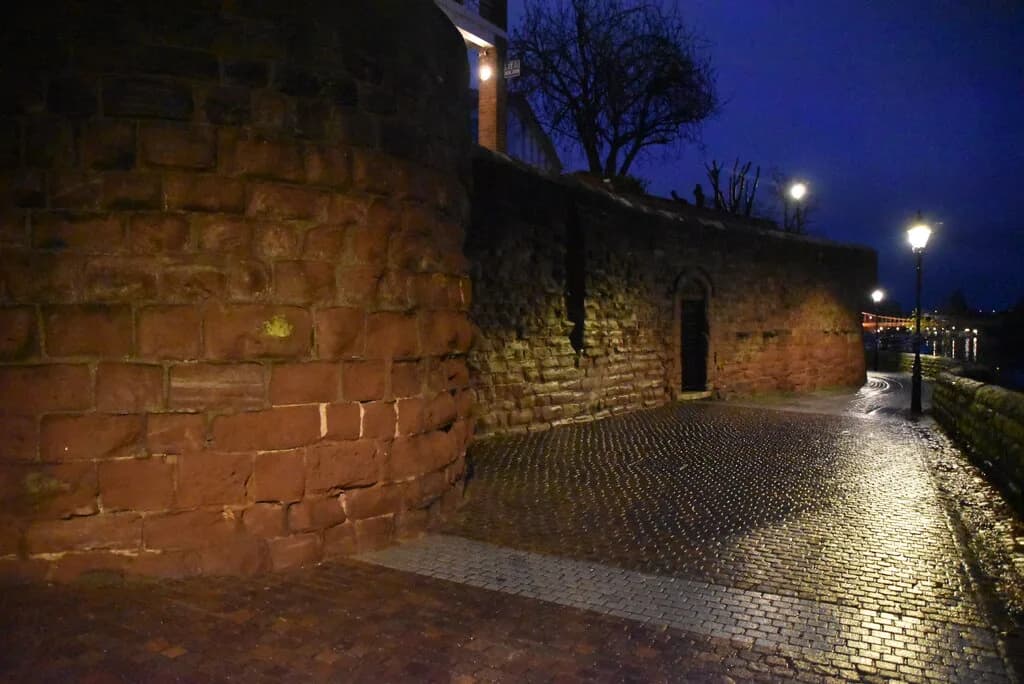
Chester City Walls are a continuous walkway on top of defences that have ringed the city since Roman times, and a full lap runs around two miles. Walking them is free, and the reward is an elevated view of the city on one side and the River Dee on the other.
That makes the walls one of the best value introductions to Chester: you get the Roman story, the Victorian details and the main landmarks without buying a ticket. This guide covers what you pass, how long to allow, where to join and what has changed since a section collapsed.
What Chester City Walls Are and Where They Sit
The walls wrap around the historic core of Chester, close to the cathedral, the shopping streets and the river. They are the responsibility of Cheshire West and Chester Council, and they are scheduled monuments, meaning Historic England treats them as a nationally important archaeological site.
They are unusual in Britain for being a complete circuit still in use, which the BBC describes as unique in the UK. Instead of a single ancient structure, they are a layered piece of engineering, built and rebuilt over many phases of history. Few other cities let you walk a full ring of defences like this, so if you enjoy the format, the York City Walls offer a comparable circuit to plan next.
History in Brief: Roman Deva to the Eastgate Clock
Chester began as the Roman fortress of Deva, and the walls trace that military outline. Much of what you walk on today is later work, including walkways added by the Victorians on top of the older defences.
The Eastgate Clock is the circuit's signature landmark, a Victorian piece now popular as a photo stop above the main shopping streets. Give it a look from below as well as from the wall: the gate and clock together show how the walls thread through the working city centre.
Near the northern stretch, King Charles Tower carries a famous story: that Charles I stood there in 1645 to watch his army defeated at the Battle of Rowton Moor. Treat that as legend attached to the tower rather than a verified eyewitness account, and enjoy the view over the canal.
The Collapsed Section and the Scaffolded Detour
A section of the walls close to the Eastgate Clock collapsed in January 2020, and repair work has been staged since. Contractors first had to stabilise the site before any investigation or repair could begin, and Historic England must approve each stage before the next starts.
To complete a circuit, walkers leave the historic stones at that point and follow a scaffolded walkway enclosed by white wooden panels, which hides the damaged stretch from view. The engineer leading the project has said no timescale for completion can be given until the wall has been properly inspected.
Plan on the detour still being in place and allow a little extra time for it. If an uninterrupted lap matters to you, a shorter out-and-back stretch between Eastgate and Newgate gives you the best views without the full circuit.
The Walk Itself: Two Miles with Views Over the City and the River Dee
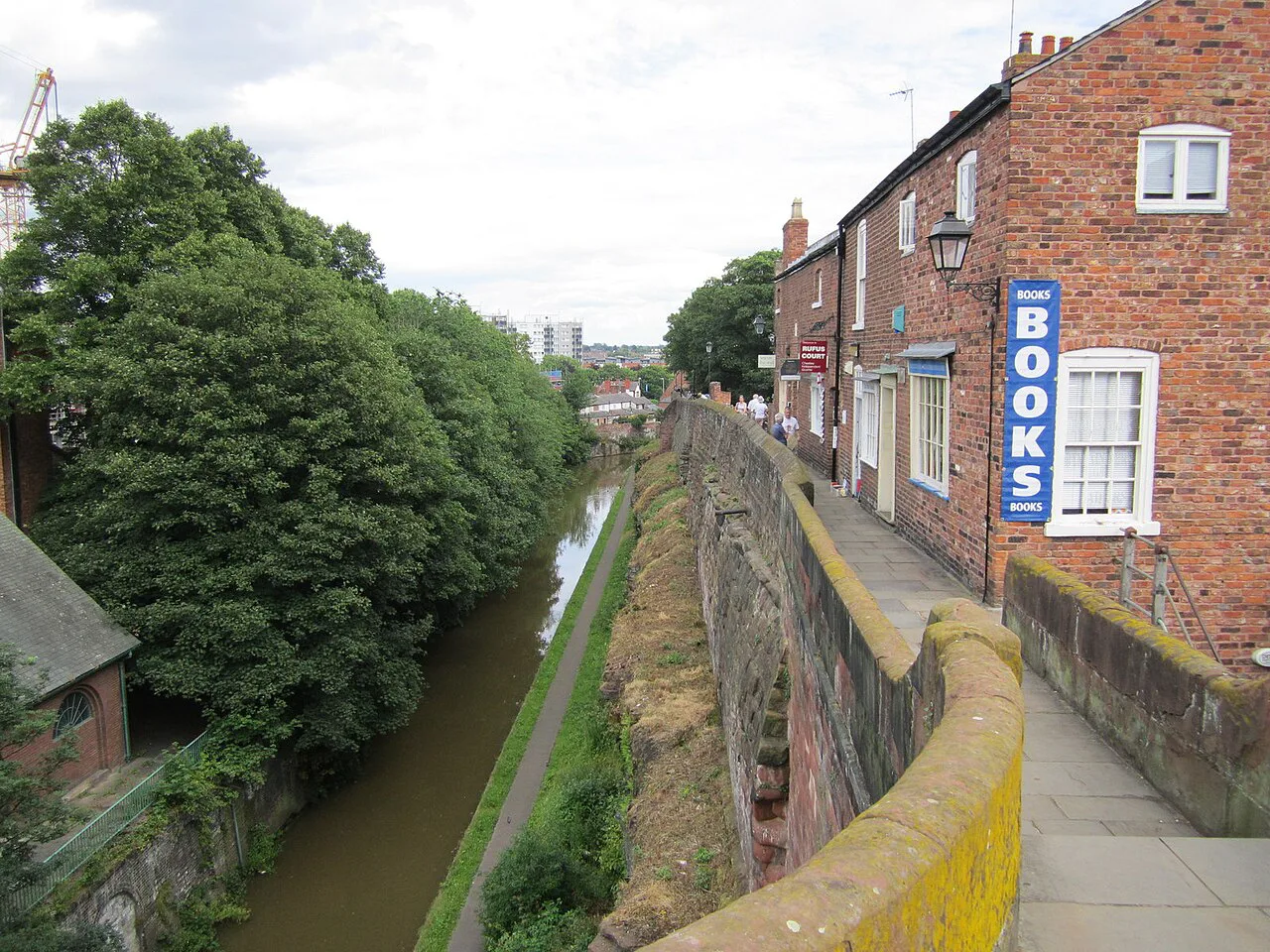
A full circuit is around two miles of walking on an elevated path, with the city centre on one side and glimpses of the River Dee on the other. The surface is uneven in places and includes steps, so it rewards sensible shoes over a brisk pace.
If you have time for nothing else in Chester, the walls are worth it. They give you an overview of the city's layout, put the main sights in context and cost nothing beyond your time.
Key Stops En Route
The Eastgate Clock tops most itineraries, and the stretch between Eastgate and Newgate packs the most into the shortest distance: the clock, a view down into the Roman amphitheatre and a sight of the river. Walking north from Eastgate takes you past King Charles Tower towards the cathedral.
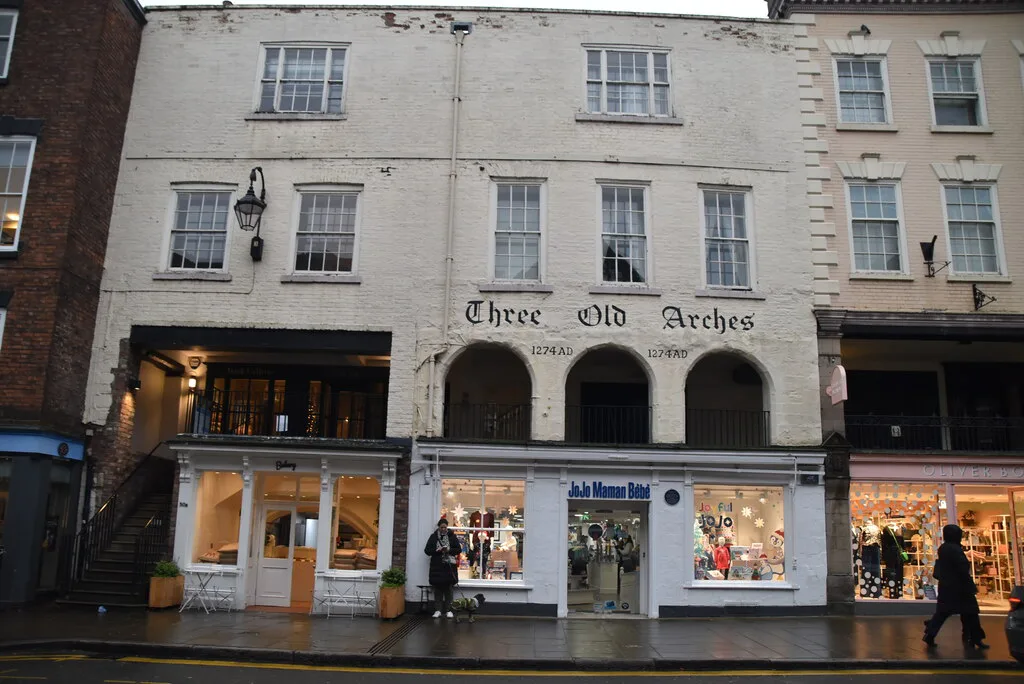
The Rows, Chester's double-level medieval shopping galleries, sit below the wall at the centre and make a useful sheltered finish if the weather turns. Drop down the steps at Newgate or Eastgate and you are straight back into the shopping streets.

Looking Down on the Roman Amphitheatre
From the wall near Newgate you look directly down into the Roman amphitheatre, the largest such site in Britain according to a walking guide to the walls. It is a reminder that Chester was a major military base in Roman Britain, not just a pretty medieval town.
The same guide describes the amphitheatre as managed by English Heritage with free public access, and you can walk down into the arena as well as viewing it from above. For the full story of the site and its excavation, the dedicated guide covers what survives and what to look for.
How Long to Allow and Where to Join
Allow 60 to 90 minutes for a steady lap without long stops, and more if you plan to photograph the clock, read the interpretation and detour into the amphitheatre. A short visit of an hour works if you concentrate on the Eastgate to Newgate stretch and skip the scaffolded section.
Eastgate is the most convenient place to start, with steps up to the walkway right by the clock and the shopping centre. Newgate and Northgate also give access, and the walls run close to the coach and bus drop-offs in the centre, so a lap can slot into a short stay.
If you are arriving by public transport, aim for the historic core and follow signs for the walls rather than trying to drive into the centre. The inner ring road and limited central parking can eat into a short visit.
Access, Steps and Ramped Sections
Sections of the walls can be reached by ramps, notably at Northgate and around Newgate, but older stretches have narrow steps and uneven surfaces. That makes the circuit only partly suitable for wheelchairs and pushchairs, and it is worth choosing your entry point with that in mind.
For a flatter alternative, the Rows and the streets around Chester Cathedral are easier going and still put you in the heart of the historic centre. The cathedral sits just off the walls, so it combines naturally with a partial lap.
Is There a Ticket? Cost, Ownership and Who Looks After the Walls
Walking the walls is free, and there is no ticket or booking to arrange. The circuit is maintained by Cheshire West and Chester Council, funded through its highways budget rather than a dedicated central government grant.
Because the walls are a scheduled monument, repairs move at the pace of approval and investigation rather than a commercial timetable. That explains why the collapsed section has taken years to resolve and why the detour may still be there when you visit.
Getting There from the City Centre
The walls are within walking distance of the main shopping streets, the market and the cathedral, so most visitors reach them on foot. Eastgate is the easiest entry point if you are coming from the shops, and the walkway begins immediately by the clock.
Crucially, do not expect to park on the walls themselves: access points sit among buildings constructed over the last two thousand years, which is exactly why restoration work is so awkward. Use central car parks or public transport and walk the last stretch.

Practical Pointers: Toilets, Coffee and Shelter
Public toilets are available in the centre, including facilities at New Chester Market near the Town Hall and on Princess Street for a quicker stop. For coffee, Jaunty Goat on Bridge Street and Sienna Patisserie near Eastgate are suggested by a local walking guide.
If rain sets in, The Rows provide a covered route back through the centre, and the walls themselves offer little shelter. Carry a waterproof and treat the circuit as an outdoor activity rather than something you can duck out of halfway.
Nearby Places to Combine with the Walls
The Rows, the amphitheatre and Chester Cathedral all sit within a short walk of the circuit, so a lap plus one indoor sight makes a solid half-day. The cathedral, on St Werburgh Street, is the obvious choice for a longer stop and a contrast to the open-air walls.
The River Dee lies just beyond the walls, and Chester Racecourse occupies the riverside meadow at the Roodee. Race days draw crowds, so check the fixture list before planning a quiet riverside walk.
For more Roman context, the Grosvenor Museum and the Deva Roman Experience both sit in the centre and help explain what you have seen on the walls. Either makes a useful rainy-hour companion to the circuit.
What to Expect from the Restoration Work
Repair work is being carried out in stages: stabilising the site, then investigating the structure, then the repairs themselves. The principal structural engineer has said the wall's long history of rebuilding makes it hard to diagnose, and no completion date has been set.
That means the current detour is part of the experience for now. Treat it as a chance to see conservation in progress rather than a flaw, and check the council's pages before you travel if an unbroken lap matters to you.
Plan Your Visit
Chester City Walls give you a free two-mile loop, honest views of a working city and a clear sense of the Roman fortress underneath. Allow 60 to 90 minutes, start at Eastgate and accept the scaffolded detour for what it is.
Wear shoes that cope with steps and uneven stone, keep an eye on the weather, and pair the walk with one indoor sight such as the cathedral, the amphitheatre or a museum. That combination gives you the best of Chester without rushing any of it.
Frequently Asked Questions
Is it free to walk Chester City Walls?
Yes. Walking the walls costs nothing and needs no ticket or booking. The circuit is maintained by Cheshire West and Chester Council rather than run as a paid attraction, which is why it ranks as one of the best-value things to do in the city.
How long does it take to walk the whole of Chester City Walls?
Allow about 60 to 90 minutes for a steady lap of the roughly two-mile circuit, plus extra if you stop for photos at the Eastgate Clock or look down into the Roman amphitheatre. A short visit of an hour suits the stretch between Eastgate and Newgate.
Are Chester City Walls wheelchair accessible?
Partly. Ramps give access at points including Northgate and around Newgate, but older stretches have narrow steps and uneven surfaces. If you need step-free routes, the Rows and the streets around the cathedral are easier.
What happened to the collapsed section of Chester City Walls?
A section close to the Eastgate Clock collapsed in January 2020. The repair has been staged, starting with stabilising the site, then investigation and finally rebuilding, with each stage needing approval from Historic England. No completion date has been set.
Where should I join Chester City Walls?
Eastgate is the most convenient starting point, with steps up to the walkway beside the clock and the shopping centre. Newgate and Northgate also give access, and all are a short walk from the central shops and the coach drop-off.
What can I see from Chester City Walls?
You get elevated views over the city centre and across to the River Dee, plus the Eastgate Clock, King Charles Tower and a view down into the Roman amphitheatre near Newgate. The Rows sit below the wall in the centre.
Is the Roman Amphitheatre free to visit?
A walking guide states that the amphitheatre is managed by English Heritage and has free public access, and you can see it from the wall before walking down into the arena. Check the English Heritage listing before you go for any changes.