
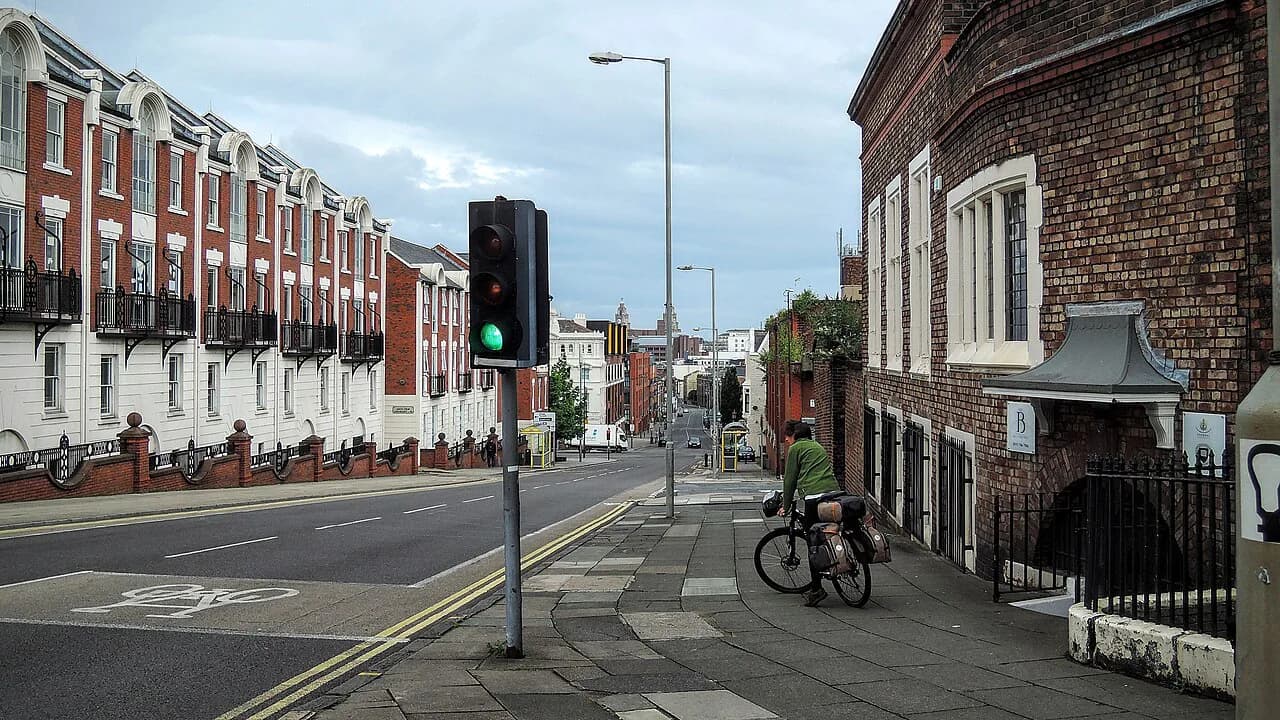
Georgian Quarter Liverpool: What to See and Where to Stay

The Georgian Quarter is Liverpool's handsome residential district just south of the city centre, known locally as Canning and framed by two cathedrals. It suits travellers who would rather sleep among Georgian terraces and cobbled streets than above a bar, and who are happy to walk into the centre for the big sights.
Plan around three things: the architecture, the cathedral walk and the food and drink on the doorstep. Base yourself here for two or three nights, give the streets a slow morning and use the rest of the day for the waterfront, museums and the wider city. Check opening times for the cathedrals before you set out.
What and where the Georgian Quarter is
The quarter sits within downtown Liverpool as a compact, roughly rhombus-shaped district, and locals often call it Canning rather than Georgian Quarter. Its appeal is architectural and residential: handsome houses, cobbled streets and two cathedrals that anchor the whole area. Treat the Canning name as a local alias rather than an official designation, and you will hear both used interchangeably.
For a short break this means a base that feels like a neighbourhood rather than a tourist zone. You get quiet evenings and a short walk to the centre, but fewer late-night venues on your doorstep than in the Ropewalks or Cavern Quarter. If you want nightlife on the doorstep, stay elsewhere and visit the quarter by day instead.
Why the architecture matters
The Georgian houses and cobbled streets are the reason to come, and they shape how you use the area. This is a place for walking slowly, looking up at doorcases and windows, and stopping for coffee rather than ticking off attractions. The flip side is that the streets are residential: keep noise down in the evenings and expect quieter pavements after dark.
If you are choosing between neighbourhoods, weigh the trade-off honestly. The Georgian Quarter gives you character and calm; the city centre gives you convenience and buzz. For a couple of nights with a mix of culture and food, the quarter works well as a base, with the centre a manageable walk away. If you would rather be among the city's museums, our museums in Liverpool guide can help you weigh a more central base.
Pair the architecture with the city's wider heritage by treating the quarter as one chapter of a longer Liverpool itinerary. Use our Liverpool Attractions to slot the cathedrals and streets alongside the waterfront and museums, so you are not walking back and forth across the city.
Two cathedrals on the doorstep
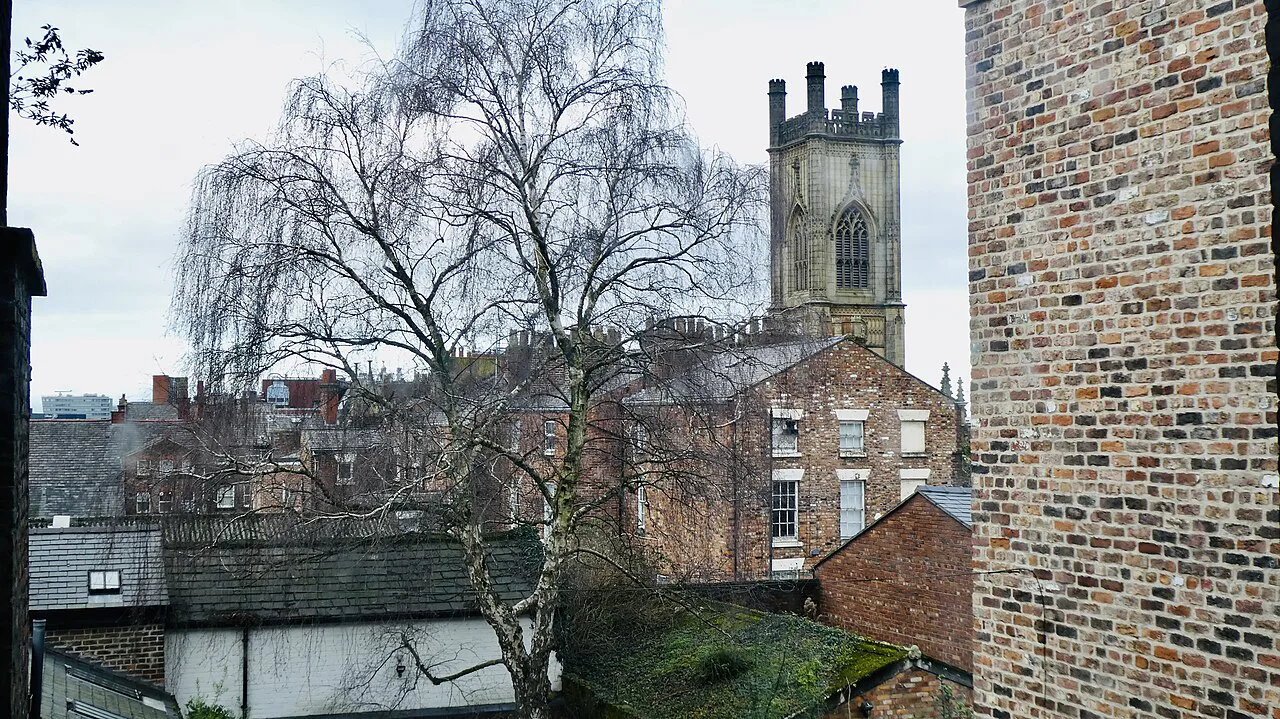
The two cathedrals are the quarter's defining landmarks and the easiest way to orient yourself on foot. Use them as the two ends of a walk: start at one, wander the streets between, and finish at the other. Neither needs to be an event in itself; they are the anchors of the neighbourhood, not separate day trips.
Check the cathedrals' own websites for opening times, service schedules and any admission details before you go, as these change seasonally and around services. Do not build a day around tower access or exhibitions without confirming them first. On a short break, allow a couple of hours for the walk between them and the streets in between.
Streets to wander
Hope Street links the two cathedrals and is the spine of the quarter, with the cultural life of the area clustered along it. Falkner Street, Canning Street and Blackburne Place are the residential streets to wander for the architecture, and Falkner Square gives you a green pause. Walk them in a loop rather than a there-and-back, so the character changes as you go.
For a sense of how people actually live here, look at the property listings. Flats, apartments and houses to rent cluster around Falkner Square, Blackburne Place, Canning Street, Hardman Street, Upper Parliament Street and Myrtle Parade, which tells you where the residential heart lies.
Use Hope Street as your orientation line. It is where you will find the cultural and eating-out end of the quarter, while the side streets give you the quiet, handsome houses. Wander one side street off it per visit and you will see the range of the architecture without rushing.


Culture and food
The quarter has a reputation for culture, pubs and good eating, and much of that life runs along Hope Street and its immediate surroundings. It is the kind of place where you can combine a cathedral visit with a long lunch and a wander, without needing to plan much. Book ahead for dinner if you are visiting at a weekend, when the neighbourhood restaurants fill up. If you would rather make an occasion of the afternoon, our afternoon tea in Liverpool guide covers the bookings worth making.
For a wider sweep of the city's food and drink, the Ropewalks and the city centre are a short walk away, and the Cavern Quarter covers the music-led night out. If you would rather spend an afternoon indoors, our guide to museums in Liverpool covers what to see and what's free. The Georgian Quarter is the quieter, more residential option, best for a leisurely evening rather than a big night.
If afternoon tea is on your list, it works well as the centrepiece of a slower afternoon in this part of the city, with the walking done before or after rather than squeezed around it. Our afternoon tea in Liverpool guide sets out the options and how far ahead to book.
Who the Georgian Quarter suits, and who it does not
The quarter suits couples, solo travellers and small groups who want a handsome, quiet base with culture and food within walking distance. It also suits longer stays, when an apartment with a kitchen beats a hotel room. It does not suit anyone who wants bars and clubs on the doorstep, or who finds cobbled streets and steps difficult underfoot.
Families will find the residential streets and squares calmer than the city centre, but the area is not a purpose-built family destination. Travellers with limited mobility should plan routes along the flatter main streets and check access details with the cathedrals directly. If nightlife is the priority, the Cavern Quarter Liverpool is the more sensible base.
Where to stay
The quarter's accommodation is dominated by apartments, flats and houses rather than big hotels, which suits longer city breaks and self-catering stays. Listings cluster around the same residential streets, so expect a genuinely local stay rather than a tourist-strip one. Check the exact address and access arrangements before booking, since many are conversions rather than purpose-built lets. If museums are on your itinerary, our museums in Liverpool guide shows which are free and how long each takes, so you can plan your days from this base.
For a short break, a flat in the quarter gives you a kitchen and a neighbourhood feel, while a city-centre hotel gives you a shorter walk to the main sights. Look at how close your shortlisted address is to Hope Street for the easiest orientation.

Getting there and getting around on foot
The Georgian Quarter is a walking neighbourhood, and that is the best way to see it. Liverpool's main stations are a reasonable walk away, and once here the streets between the two cathedrals and along Hope Street are the whole point. Wear shoes suited to cobbles, especially in wet weather.
Use walking routes rather than buses for the centre and the cathedral walk, and check live transport information for anything further afield. If you are arriving by train, plan your route from the station to your accommodation on foot before you travel, using a map app for the last stretch.
Nearby: the Baltic Triangle, the city centre and Princes Park
The Baltic Triangle sits within walking distance and is the livelier, creative end of the city, while the centre gives you the main museums and shopping streets. Princes Park and the area around Upper Parliament Street are close enough to extend a walk from the quarter. Build a route that links them rather than making separate trips.
Because the quarter is compact, you can treat nearby areas as extensions of the same walk. Start in the Georgian Quarter, head to the Baltic Triangle for a later afternoon, and return via the centre. That gives you three different characters in one day without a single bus fare.
Plan Your Visit
Base yourself in the Georgian Quarter if you want architecture, calm evenings and two cathedrals at either end of a walk, with the city centre a short stroll away. Book an apartment a little ahead for longer stays and confirm cathedral opening times before you travel. Leave the nightlife to the Ropewalks and the centre, and enjoy the quiet streets here.
Before you go, check the cathedrals' own websites for services and opening hours, and your accommodation's exact access arrangements. That way the only surprises on the day are decorative.
Explore more Liverpool guides
Frequently Asked Questions
What is the Georgian Quarter in Liverpool known for?
It is known for its handsome Georgian houses, cobbled streets and two cathedrals, and locals often call the district Canning. The area is residential, so visitors come for the architecture, the walk between the cathedrals and the food and drink around Hope Street rather than for nightlife.
Is the Georgian Quarter a good area to stay in Liverpool?
It is a good base if you want a quiet, characterful neighbourhood within walking distance of the city centre. It suits couples, solo travellers and longer stays in apartments better than anyone who wants bars on the doorstep, and cobbled streets make sturdy shoes worthwhile.
What streets make up the Georgian Quarter?
Hope Street is the spine that links the two cathedrals, with Falkner Street, Canning Street and Blackburne Place among the residential streets worth wandering. Property listings in the district also cluster around Falkner Square, Hardman Street, Upper Parliament Street and Myrtle Parade.
How do you get to the Georgian Quarter?
The quarter is a walking neighbourhood and Liverpool's main stations are a reasonable walk away, so most visitors arrive on foot. Plan the last stretch from the station to your accommodation with a map app, and check live transport information for anything beyond the centre.
What is Hope Street in Liverpool known for?
Hope Street links the two cathedrals and carries much of the quarter's cultural life, including its pubs and places to eat. Use it as your orientation line, then explore the side streets off it for the quieter Georgian architecture.