
Park Estate Nottingham: A Guide to The Park

The Park Estate, usually shortened to The Park, is a Victorian residential district on the western edge of central Nottingham, close to Nottingham Castle. It is not a ticketed attraction: there is no visitor centre, no admission fee and no museum inside it. Its appeal is the streetscape itself, a grid of period houses and crescents lit by gas lamps and held together by green spaces and conservation rules.
The estate is managed by The Nottingham Park Estate Limited, known as NPEL, which was formed in 1985 to maintain and improve the estate for its members and residents. That body publishes heritage and history material aimed at visitors as well as residents. It runs the estate as a working neighbourhood with its own office, parking arrangements and planning controls, so treat a wander here as a walk through somewhere people live rather than a sightseeing circuit.
What the Park Estate Is
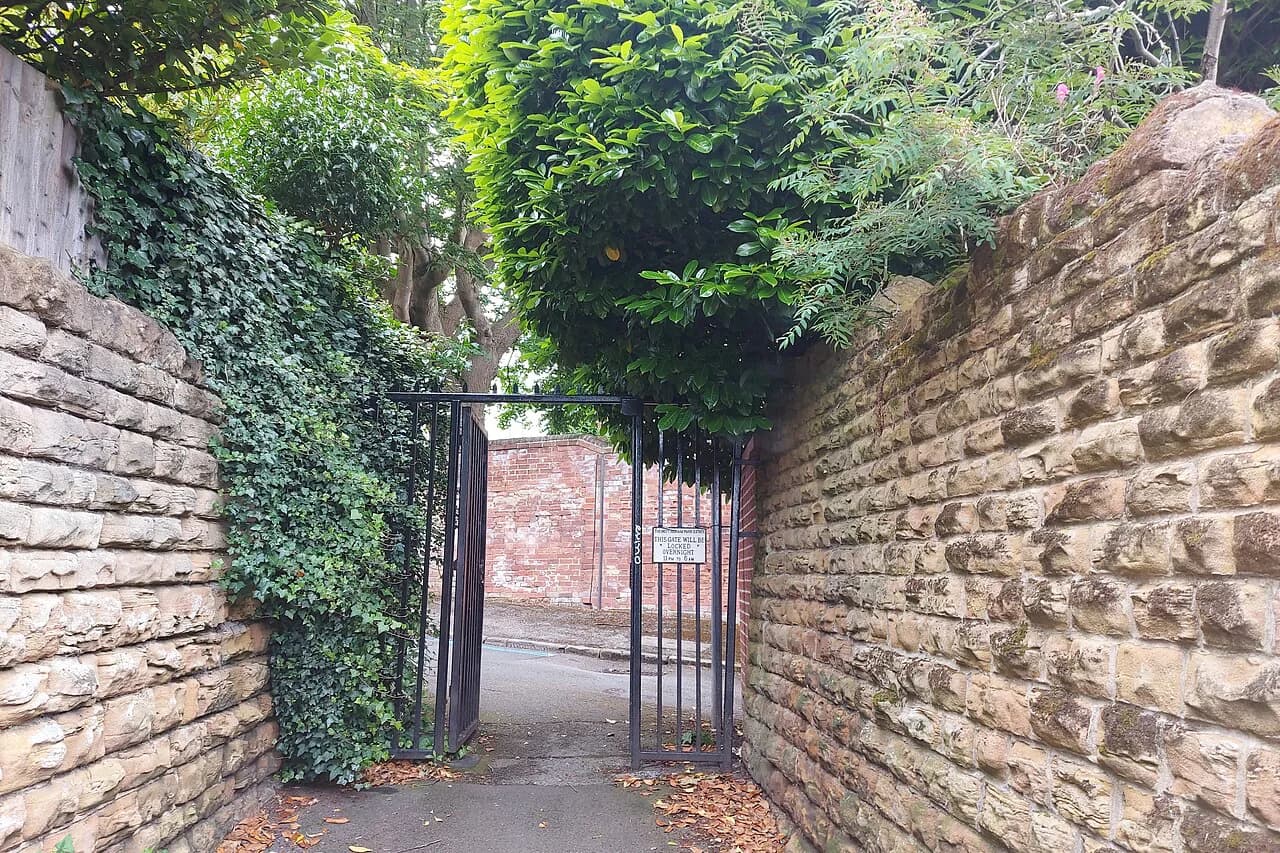
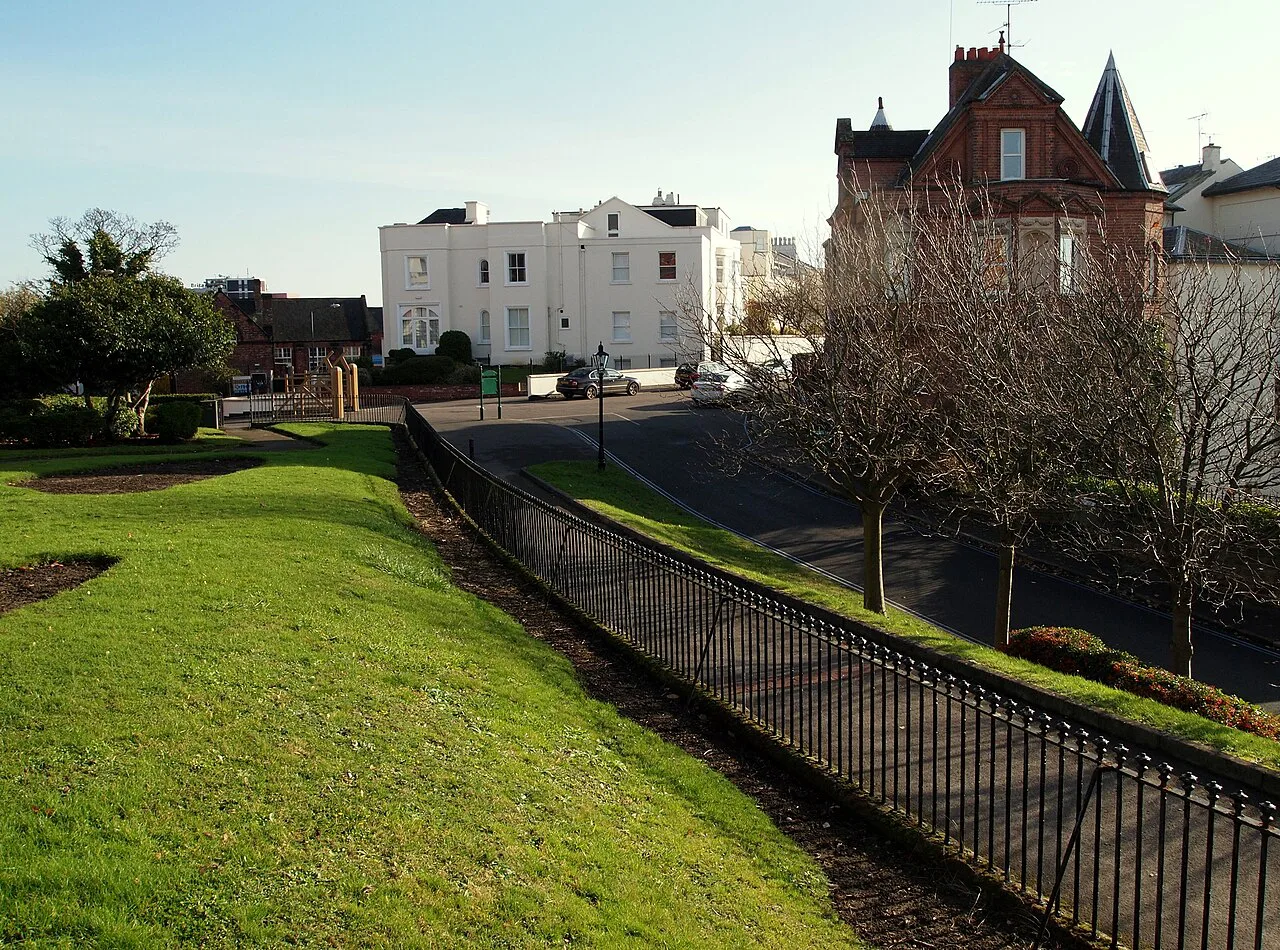
The Park is one of Nottingham's established residential addresses, described by estate agents active in the area as a prestigious and sought-after location. It sits within a conservation area, and the estate company publishes a conservation area appraisal and management plan covering its heritage. For a visitor, that means the interest is architectural and atmospheric: grand Victorian and Regency-style houses, tree-lined roads and a sense of enclosure.
Set your expectations accordingly. There is no central square of shops, no cluster of cafes and no official walking route marked out for tourists. You come for a half-hour to an hour of strolling and looking, then move on to the castle or the city centre, both of which are close by. Anyone expecting a museum quarter or a heritage attraction with an entrance desk will be disappointed; if indoor exhibits are what you are after, our guide to museums in Nottingham points you to the city's collections instead.
A Short History: Victorian Character and Conservation
The estate's housing stock is largely Victorian, with Regency and Georgian-style terraces alongside later infill. Listings in the area point to individual houses of the 1870s and 1880s and to Grade II listed Regency homes on Park Terrace, which gives a fair sense of the range. The estate company's heritage pages set out the conservation framework that has kept the street pattern and much of the detailing intact.
That protection is why the Park reads as a coherent piece of Victorian town planning rather than a patchwork. It also explains why you will see construction and maintenance notices rather than marketing banners: the estate publishes planning applications, construction licences and skip permits for residents. If you are interested in how a historic district is actually run, the estate's own site is more informative than any plaque on a wall.
What to See on Foot: Park Terrace and Cavendish Crescent
The period streetscape is the draw. Park Terrace, on the estate's edge, holds listed Regency houses and substantial townhouses, and it is the address most often cited by agents selling into the area. Cavendish Crescent and Cavendish Crescent North curve through the estate's heart and carry some of its most distinctive period homes, including pairs of houses dating from the 1870s and 1880s. Walk these two and you have seen the estate's architectural high points.
Lenton Road runs along the eastern side of the estate and holds the estate office at number 7a, a useful landmark if you need a fixed point. Tattershall Drive, Lenton Avenue and Huntingdon Drive are other roads that appear repeatedly in descriptions of the estate's better addresses. None of these is a formal sight, so the pleasure is in the details: doorcases, bay windows, boundary walls and the way the roads follow the slope towards the castle.
The Gas Street Lamps and Green Spaces
The estate's most distinctive feature is its gas lighting. According to the estate company, the Park has 227 gas street lights, and each lamp contains a mechanical clock that controls when the gas turns on and off. The estate thanks residents for reporting faults, which tells you the system is maintained rather than merely preserved as a museum piece. Look for the lamps as dusk approaches, when the effect is at its best.
Green spaces are part of the estate's managed fabric rather than public parks with facilities. The estate lists green spaces among its responsibilities, alongside parking and access, so the planting and lawns you pass are maintained by the estate rather than the city council. This is a neighbourhood first, so respect the planting and the privacy of the houses you pass.

Who the Park Suits and Who It Will Not
The Park suits travellers who enjoy architecture and quiet streets and who are happy to build a walk out of observation alone. It also suits anyone staying nearby who wants an evening stroll among gas lamps after the museums close. Photographers and anyone interested in Victorian town planning will get the most from it. If you are weighing how to spend a rainy hour instead, our guide to museums in Nottingham covers the indoor options.
It will not suit families looking for hands-on attractions, groups wanting cafes and shops on the doorstep, or anyone with limited mobility who needs step-free, bench-lined routes, since the estate's roads follow a slope towards the castle and the sources describe no visitor facilities. If that is your group, spend the time at the castle and the city-centre museums instead and see the Park only in passing.
Where to Stay and Eat in and Around the Park
The Park is overwhelmingly residential, and no hotel, restaurant or cafe within it is named in the estate's public material. Plan to sleep and eat outside the estate boundary and walk in. The practical upside is quiet at night; the trade-off is that you will not find a corner shop or a breakfast spot by stepping out of your door inside the Park.
For a base with more life on the street, look at the city centre and the areas around it, then walk up to the Park as an excursion. Our guide to Nottingham Neighborhoods sets out the alternatives, and the Lace Market Nottingham guide covers the east side of the centre for restaurants and bars. If an afternoon of tea and cakes is part of the plan, our guide to afternoon tea in Nottingham pairs naturally with a Lace Market base. West Bridgford, south of the river, is a different proposition again, with its own centre.
Getting There and Getting Around
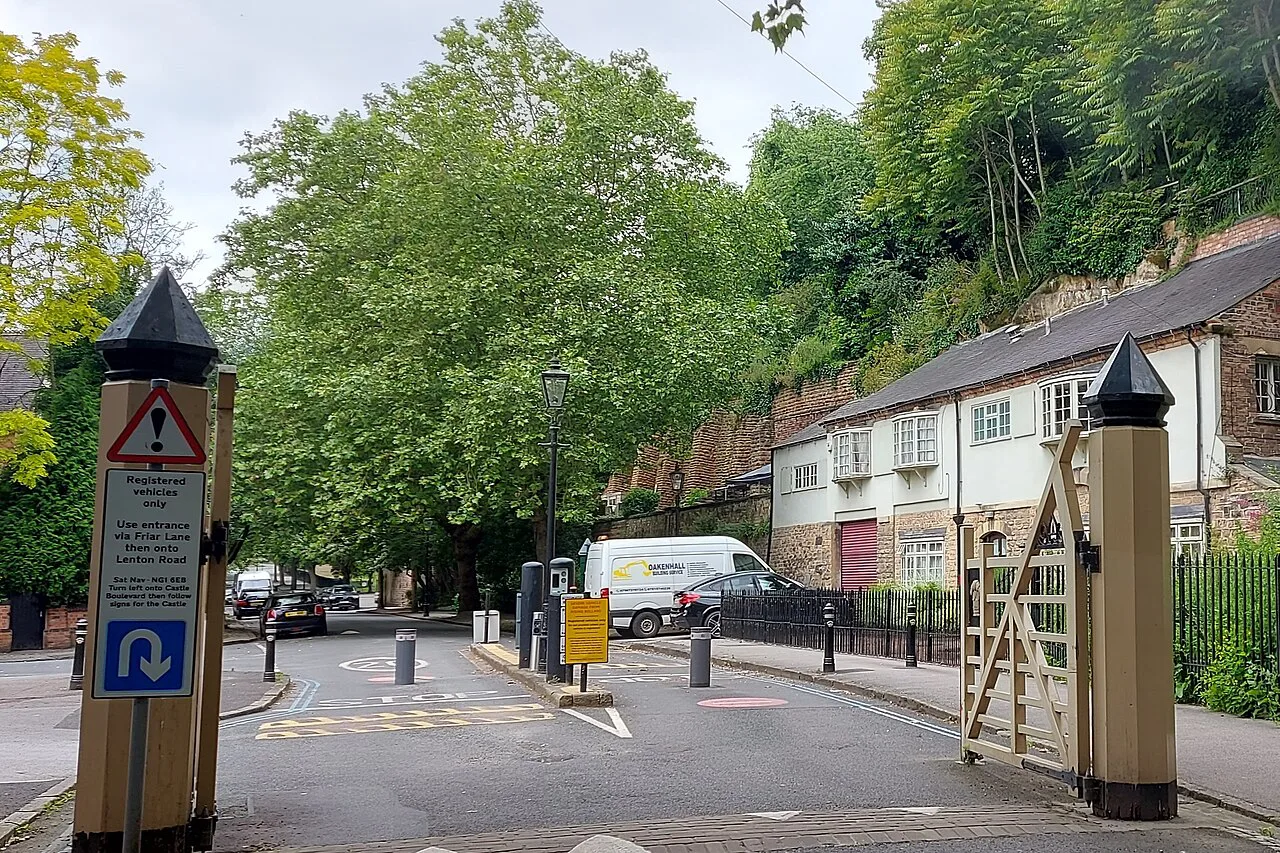
The estate sits immediately west of the city centre, within walking distance of the castle and the main shopping streets. Because it is a controlled residential district, access by car is not simply a matter of turning in: the estate publishes a parking and access page and posts notices about bollards and gate mechanisms. Read that page before driving, and expect to park outside the estate if access controls apply.
On foot, the estate is easy to enter from Lenton Road and the roads running up from the castle side. Allow around an hour for a slow loop taking in Park Terrace, the crescents and a stretch of the gas-lit streets. The estate office at 7a Lenton Road is open on Monday, Wednesday and Thursday between 8.00 am and 4.00 pm, with telephone and email enquiries handled on the other days, if you need to ask about access.

What Is Within Walking Distance
Nottingham Castle is the obvious neighbour, sitting on the estate's eastern edge, and estate agents routinely cite it as a selling point of Park addresses. The city centre's shops, bars and theatres are a short walk beyond. Use our Nottingham Attractions hub to plan the castle and the surrounding sights before or after your walk.
The Lace Market and Hockley lie on the other side of the centre, each a reasonable walk or a short bus ride from the Park. If you want a full day, pair the estate walk with a museum or two and finish with afternoon tea in the city. Our things to do in Nottingham guide and our afternoon tea in Nottingham picks give you the rest of the day.
Practical Tips and Mistakes to Avoid
The first mistake is expecting an attraction. The Park has no ticket office and no guided tour published by the estate, so plan your visit as a walk. The second is treating it as a public park: the estate is private residential property with an estate office, planning controls and access management, and residents' notices about bollards and events show that traffic and entry are actively managed.
The third is relying on house-price figures as a guide to anything. Rightmove listings show asking prices for homes in the Park, with figures in the hundreds of thousands and over a million pounds in recent listings, but these are sale prices, not visitor costs. Check the estate's own pages for current access arrangements before you travel, since parking and bollard arrangements change with maintenance work.
Is the Park Estate Worth Your Time?
Yes, if you give it an hour and treat it as a walk rather than a destination. The gas lamps, the crescents and the Victorian frontages are the reward, and the castle and city centre are close enough to combine with it. Go in the late afternoon so the lamps come on while you are still there.
No, if you need facilities, signage and a fixed route. In that case, put your time into the castle and Nottingham's museums and see the Park only from the castle side. Either way, check the estate's site for access notices in the week you travel.
Frequently Asked Questions
What is the Park Estate in Nottingham?
It is a Victorian residential district on the western edge of central Nottingham, close to Nottingham Castle, managed by The Nottingham Park Estate Limited. It is a conservation area with period houses, green spaces and gas street lighting, not a ticketed visitor attraction.
Can you drive through the Park Estate in Nottingham?
Access is controlled and the estate publishes a parking and access page plus notices about bollards. Check those pages before driving in, and expect to leave the car outside the estate if controls apply.
Who owns the Park Estate in Nottingham?
It is managed by The Nottingham Park Estate Limited, formed in 1985 to maintain and improve the estate for its members and residents. The company also runs the estate office at 7a Lenton Road.
Is the Park Estate worth visiting on a Nottingham city break?
Yes if you enjoy architecture and quiet streets, since the crescents and gas lamps make a rewarding hour. It is not worth a special trip if you want museums, cafes or a formal visitor experience.
How do you get to the Park Estate from Nottingham city centre?
Walk west from the castle and the main shopping streets; the estate begins along Lenton Road and the roads climbing from the castle side. Driving is subject to the estate's access and parking arrangements.
What is there to see in the Park Estate?
Park Terrace, Cavendish Crescent and Cavendish Crescent North for period architecture, plus the estate's 227 gas street lights and its green spaces. There is no museum or visitor centre inside the estate.