Museums in Nottingham: What to See and What to Book
Plan museum days in Nottingham with this practical guide to castles, caves, courts and galleries, plus how to group sites and what to book before you go.
On this page
Nottingham's museums fall into two practical clusters: the castle, caves and courtroom sites packed into the city centre, and the park-and-hall sites out to the west led by Wollaton Hall. Pick one cluster per day rather than trying to do both, and you will spend your time in the collections instead of on buses.
The city's museum estate is broader than most visitors expect. Nottingham City Museums runs the unique historic sites of Newstead Abbey, the ancestral home of Lord Byron, and Wollaton Hall and Deer Park with its Tudor mansion and Natural History Museum, and supports Nottingham Industrial Museum, Nottingham Castle, the Museum of Nottingham Life, Green's Windmill and the Museum of the Mercian Regiment at the Castle site.
Alongside that city-run group sit independent operators, most visibly the National Justice Museum, which also runs the City of Caves next door. Knowing which body runs each site matters, because ticketing, booking and membership work differently between them.
Nottingham museums at a glance: what to prioritise
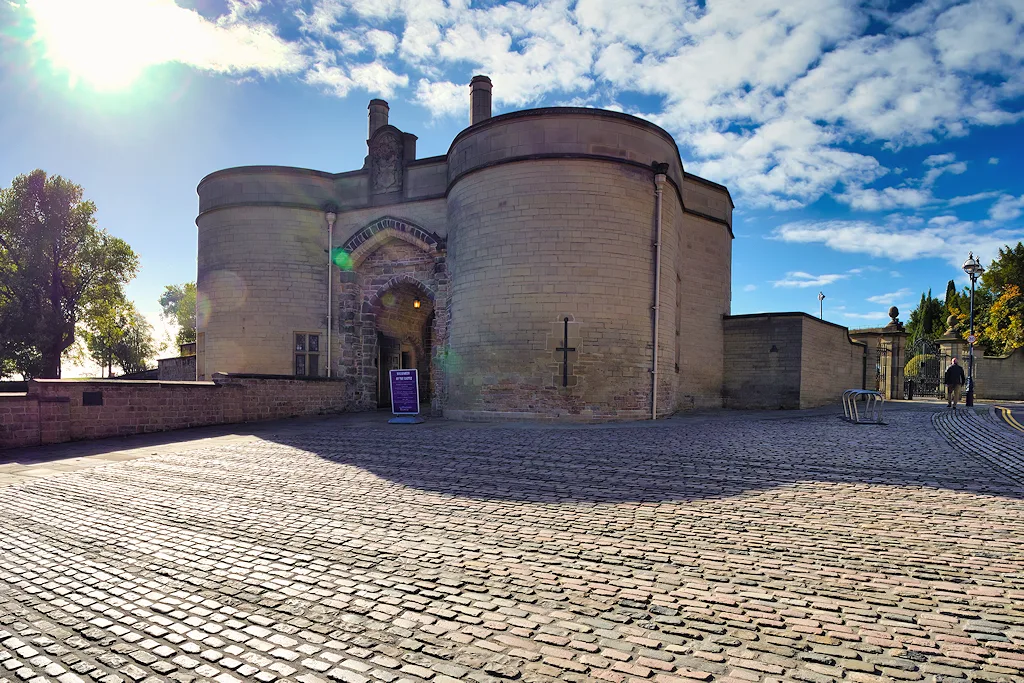
First-timers should start with Nottingham Castle for the city story, then the National Justice Museum for the most atmospheric interiors in Nottingham. Add the City of Caves if you want the underground layer, and give Wollaton Hall a half day of its own because the deer park is as much the attraction as the mansion.
Travellers with a car or a spare afternoon should put Newstead Abbey high on the list: it is Lord Byron's ancestral home and sits in an estate rather than a city street. Green's Windmill and the Museum of Nottingham Life suit anyone with a specific interest in milling, science or social history rather than a general sightseeing day.
A working rule: book the courtroom and cave sites, turn up for the park and gallery sites. The first pair involve timed or guided access and limited space underground, while the second pair absorb walk-in visitors far more comfortably.
How Nottingham's museums group together
The City Council lists the main museums, galleries and attractions in one place, and reading that list before you plan is the quickest way to see how the sites divide up. The centre holds the castle, the justice museum and the caves within a compact walking area, with Nottingham Contemporary and New Art Exchange a short walk or tram ride away.
The western group is dominated by Wollaton Hall and Deer Park, with the city's industrial collections and the smaller heritage sites filling out the picture elsewhere. Grouping by geography rather than by theme avoids the classic mistake of crossing Nottingham twice in one day for two museums that could have been an afternoon apart.
Theatre Royal and Royal Concert Hall and Nottingham Playhouse appear on the same council culture list as the museums, which is useful if you want to pair an afternoon exhibition with an evening performance in the same part of town.
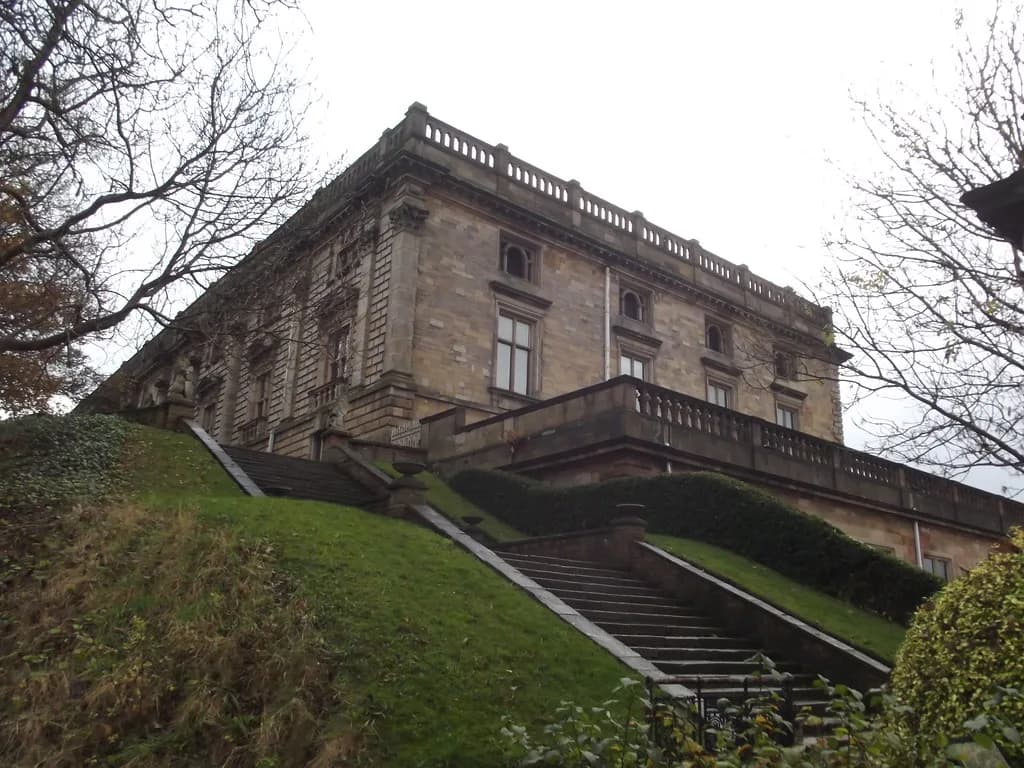
Nottingham Castle: the city story on its own rock
Nottingham Castle is the anchor of the Castle Quarter, and the site includes the Museum of the Mercian Regiment, so a single ticket area covers both the castle story and a regimental collection. Allow a couple of hours if you read the displays properly, longer if you also want the grounds and the surrounding streets.
The castle sits within the group Nottingham City Museums supports, so ticketing and events follow the city's museum arrangements rather than a separate charity. Check the castle's own pages for the day you plan to visit, since castle sites often close parts of the grounds for events.
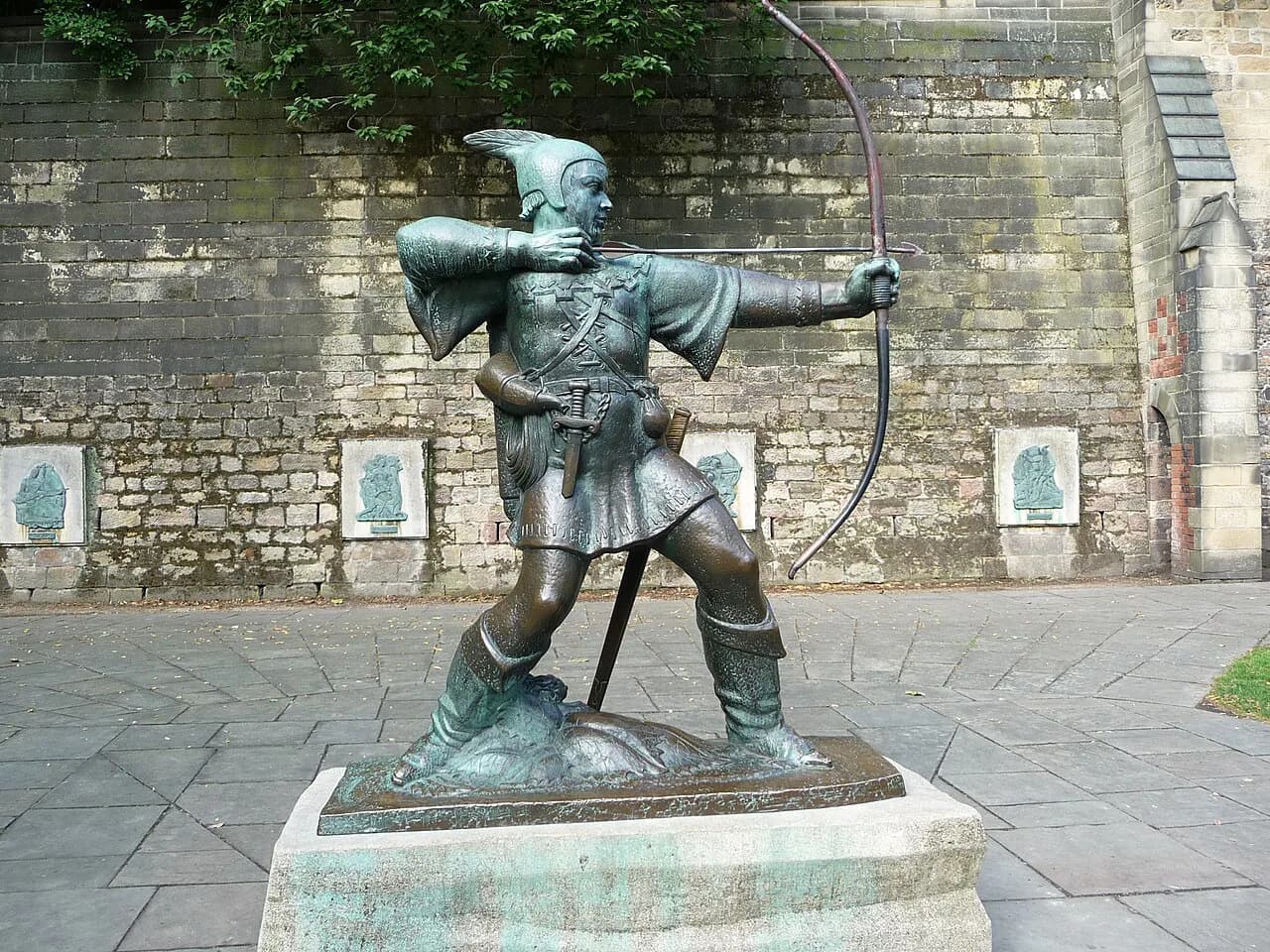
Robin Hood is a learning theme across the city's museums rather than the subject of a dedicated museum, so treat any promise of a Robin Hood museum with scepticism. The castle area is where the legends attach themselves, and it is worth reading them as stories rather than history.
The National Justice Museum: courtrooms, cells and the law
The National Justice Museum is an independent educational charity that explores justice and the law from the past to the present day, using real courtrooms and historic prison spaces. It is the most distinctive interior in Nottingham: cells, corridors and courtrooms that explain how the legal system actually worked rather than just displaying objects.
Because the museum sells tickets alongside the City of Caves, you can pair the two in one booking and one visit. That combination makes a natural half day in the city centre and saves a second journey back to the same street.
The building is often described as the old Galleries of Justice, and plenty of ghost stories have grown up around its cells. Treat those tales as legends told for atmosphere, not as documented events, and enjoy them for what they are while you tour the real spaces.
City of Caves: the underground site run alongside the justice museum
The City of Caves is a network of spaces cut into the sandstone beneath Nottingham, and the National Justice Museum runs it as a companion attraction. The museum describes it as a hidden life underground, which is a fair warning that you will be in confined, dimly lit spaces with steps rather than a wide gallery.
Anyone uneasy in enclosed spaces, unsteady on stairs or travelling with a pushchair should check access before booking, because cave sites rarely offer a straightforward step-free route. Choose a timed slot rather than arriving late in the day, when the last entries tend to fill.
Pairing the caves with the justice museum works because they share an operator and sit close together in the centre. If you only have time for one underground experience in Nottingham, the caves give you the geology and social history that no other site in the city can.
Wollaton Hall and Deer Park: Tudor mansion and natural history
Wollaton Hall is a Tudor mansion set in a deer park, and it houses the city's Natural History Museum. Nottingham City Museums names it as one of the two unique historic sites it runs directly, alongside Newstead Abbey, which tells you it is a flagship rather than a small local collection.
Give Wollaton a half day: the park is large, the walk from the gates to the hall takes real time, and the natural history galleries reward a slow pass. Families do well here because the deer park lets children run off the museum legs that build up in the centre.
Volunteers help restore the Walled Garden at Wollaton, which is one reason the grounds feel more cared for than a simple park. If you are visiting outside the main season, check the hall's page before travelling because estate buildings often run reduced days.
Newstead Abbey: Lord Byron's ancestral home
Newstead Abbey is the ancestral home of Lord Byron and the second of the unique historic sites run directly by Nottingham City Museums. Inside, you can explore Byron's private apartments along with an eclectic collection of objects that reflects the abbey's long and complicated life.
Newstead sits in its own estate rather than in the city, so budget for transport and treat it as a half day at minimum. The gardens are part of the appeal, and the combination of house and grounds makes it the best choice for anyone who wants a country-house day without leaving Nottingham's museum network.
Poetry and place connect here: Byron's association with the abbey is the reason the site carries weight beyond its architecture. Read the house displays with that in mind and the rooms make more sense than a bare list of period furniture would.
Green's Windmill and the Museum of Nottingham Life
Green's Windmill is a working piece of industrial heritage supported by Nottingham City Museums, and it pairs well with the Museum of Nottingham Life for a social-history morning. Both are smaller sites, so treat them as add-ons to a castle day rather than headline attractions.
Small volunteer-supported sites often run limited opening, so confirm the windmill and Museum of Nottingham Life are open on your chosen day before setting out. That single check saves the most common wasted trip in Nottingham's museum circuit.
The industrial collection is genuinely strong for a city this size, with artefacts covering the lace trade and engineering heritage. If your interests lean towards machines and social change, these two sites will interest you more than another gallery.
Nottingham Contemporary and New Art Exchange
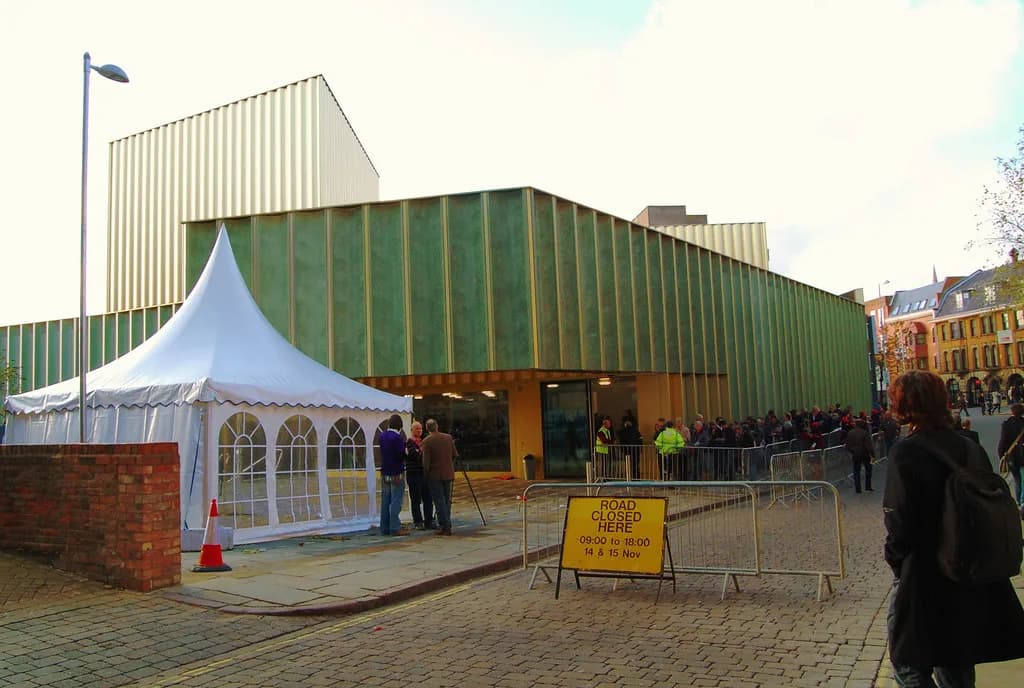
Nottingham Contemporary is the city-centre gallery for contemporary exhibitions, and New Art Exchange is the other main visual-arts venue, both listed by the council alongside the museums. Entry arrangements and exhibition programmes change, so consult each gallery's listings before you build a day around a particular show.
These two are the right choice on a wet afternoon when you want a short visit between other stops. They also make a sensible pairing with a castle visit because both sit in the same central band of the city.
Exhibitions rotate, and a gallery that is between shows is a very different proposition from one mid-installation. Check what is on at each venue's own listings page rather than assuming a permanent collection, and adapt your itinerary if the timing does not work.
Nottingham Industrial Museum and the Museum of the Mercian Regiment
Nottingham Industrial Museum is one of the sites Nottingham City Museums supports, and the Museum of the Mercian Regiment sits within the castle site. Together they cover the city's manufacturing story and its military history without requiring a separate journey.
The Mercian Regiment museum being inside the castle grounds makes it easy to fold into a castle visit rather than treating it as a standalone stop. That is the efficient way to plan it: see the castle, then spend the extra hour on the regimental displays.
Industrial museums tend to be volunteer-run and open on restricted days, so check before travelling if machinery and engines are the main reason for your visit. A working engine day is a different experience from a quiet gallery day.
Free versus paid: which sites charge and how to plan a budget
The city-run and charity-run split is the key to budgeting: Nottingham's city collections and museums include free-entry options, while the independent justice museum and cave sites sell tickets. Check the ticket page for each site on the day you book rather than relying on a remembered figure.
For a cheap day, build around the castle area and the city galleries, then add one paid experience such as the caves as your splurge. Groups and families should look at annual passes where an operator offers them, since a single return visit can justify the outlay.
If you are comparing the Midlands, our guide to museums in Birmingham and museums in Aberdeen shows how other cities structure free and paid collections. Nottingham's advantage is density: several sites sit within a short walk of each other.
How long to allow at each museum
Allow two to three hours for Nottingham Castle, two hours for the National Justice Museum, about an hour for the City of Caves, and a half day for Wollaton Hall or Newstead Abbey. Those estimates assume you read labels rather than sprint through, and they leave room for the walking between sites that eats into any city day.
A realistic single day is castle, justice museum and caves, all in the centre, with lunch in between. Keep Wollaton or Newstead for a second day; trying to add either to a centre day leaves you rushed in the car park rather than in the galleries.
Rainy days compress everything: queues build at the indoor sites, and the caves absorb visitors slowly. On those days, pick two sites and accept that a third will have to wait for the next visit.
Getting around: walking routes and grouping by area
The castle, the justice museum and the caves sit close enough together that you can walk between them without planning transport. That cluster is the reason a Nottingham city break works so well on foot, and it is where to base yourself if museums are the priority.
Wollaton Hall and Newstead Abbey both need a bus, tram or car, so group them with each other or with a park walk rather than sandwiching them between city stops. Plan the outward leg first and the return leg before you go in, because estate sites are quieter in the late afternoon.
If you are building a wider itinerary, our Nottingham attractions hub pulls the city's guides together so you can see what else fits around the museum days.
Book ahead or turn up
Book the National Justice Museum and the City of Caves in advance, particularly at weekends and school holidays, because courtrooms and cave passages hold limited numbers at a time. Reserve a morning slot and you leave the afternoon free for the castle.
City-run sites such as Wollaton Hall and Newstead Abbey generally allow more flexibility, though special exhibitions and house tours can change that. Check the relevant site page on Nottingham Museums for the day you intend to go.
Group visits, school parties and event days fill the courtroom and cave slots first, so avoid those if you want a quiet experience. A weekday morning is the most reliable bet for the interior sites.
Practical trade-offs: stairs, caves, seasonal hours and crowds
Cave and cell spaces involve steps, uneven floors and confined passages, and they are not suited to everyone. If anyone in your group has mobility issues, check access arrangements with the National Justice Museum before booking rather than discovering the problem at the entrance.
Estate sites run to seasonal rhythms, with gardens and parkland often more reliable than the house itself outside summer. City galleries and museums are the safer indoor bet when the weather turns, but their exhibition changeovers can leave gaps.
Finally, remember that the castle, caves and courts all sit within a few minutes of each other, so crowded days in one cluster can be dodged by swapping to the other. That flexibility is the real advantage of Nottingham's compact museum map.
Plan Your Visit
Plan Nottingham around two days: one for the castle, justice museum and caves, and one for Wollaton Hall or Newstead Abbey. Book the courtroom and cave slots in advance, leave the galleries and park flexible, and check each site's own page for the day you plan to go.
Explore more Nottingham guides
Frequently Asked Questions
Are there any museums in Nottingham that are free to visit?
Yes. Nottingham's city-run museums include free-entry options, and the national-style collections are the cheapest way into the city's history. The independent justice museum and the caves sell tickets, so budget for one paid experience alongside the free sites.
What are some must-see things to see in Nottingham?
Start with Nottingham Castle for the city story, then the National Justice Museum for courtrooms and cells, and add the City of Caves for the underground layer. Wollaton Hall and Newstead Abbey deserve a separate half day each.
Is there a Robin Hood museum in Nottingham?
No dedicated Robin Hood museum is listed among the city's museums. Robin Hood appears as a learning theme across Nottingham Museums sites, and the legends attach most strongly to the castle area.
What museums are there in Nottingham?
Nottingham City Museums runs Newstead Abbey, Wollaton Hall and Deer Park, and supports Nottingham Castle, Nottingham Industrial Museum, the Museum of Nottingham Life, Green's Windmill and the Museum of the Mercian Regiment. The National Justice Museum and City of Caves are run separately.
Which Nottingham museums are best for a rainy day?
The castle, the National Justice Museum and the city galleries are the most reliable indoor options, with the caves adding a dry underground experience. Book ahead on wet weekends because indoor capacity fills quickly.
How long do you need at Nottingham Castle?
Allow two to three hours for the castle and the Museum of the Mercian Regiment within its site. Add extra time if you want to walk the surrounding Castle Quarter streets.
Do you need to book the National Justice Museum in advance?
Booking ahead is sensible because courtroom and cell spaces hold limited numbers at a time. It also lets you combine the justice museum and the City of Caves in one visit, since the same operator runs both.
Is Wollaton Hall free to visit?
Wollaton Hall and Deer Park is run by Nottingham City Museums as one of its two unique historic sites. Check the hall's own page for current entry arrangements before you travel, as these can vary by season and event.
Sources
Notes for your next city break
Optional updates to our UK city guides.
You might also like
Continue reading
More guides you'll find useful