
Nottingham Castle: what to see, tickets and time to allow

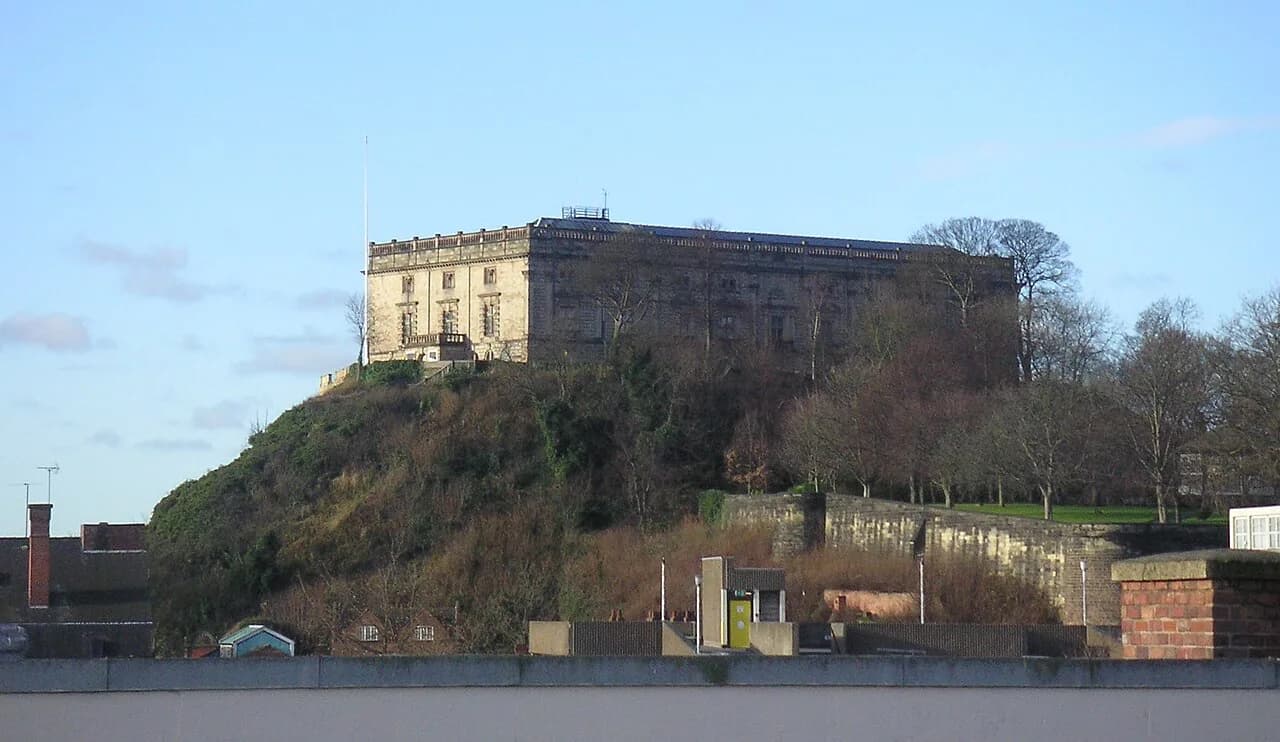
Nottingham Castle is not a ruin on a hill but a 17th-century mansion standing on the historic castle rock, holding a museum and art galleries across several floors. Visitors come for the building and the grounds as much as for the collections, so plan on a half day rather than an hour. The site sits at the top of Lenton Road, a short walk from the city centre but uphill most of the way.
This guide sticks to what the castle's own site and its visitor listings set out: where it is, what to see, roughly how long to allow and the honest constraints like the climb and the steps. Admission, hours and cave tour arrangements are the details most worth confirming directly before you set out.
What Nottingham Castle is today
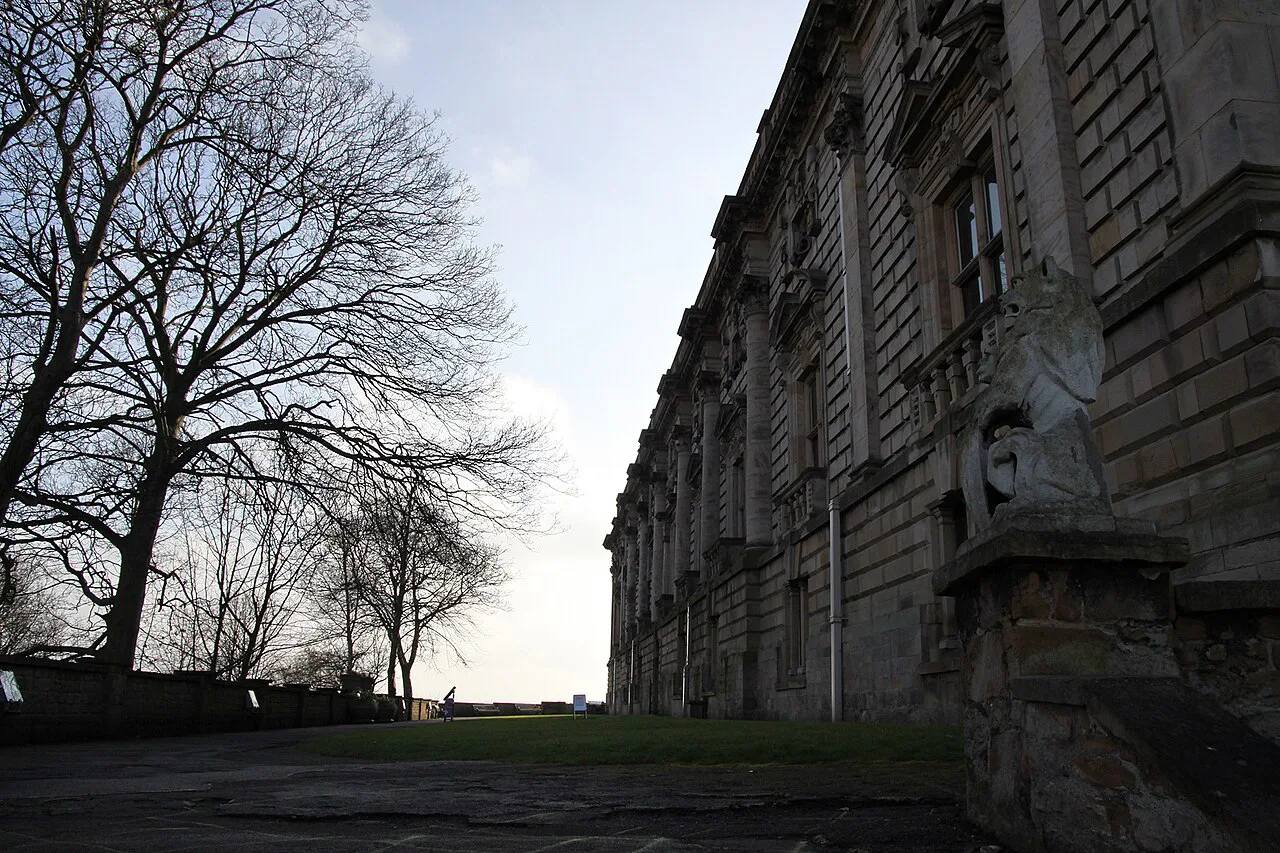
The building visitors walk around is a 17th-century mansion, sometimes described as a ducal palace, rather than a medieval fortress. It houses a museum with collections of silver, glass and paintings, and sits within grounds that also hold the historic castle rock. That mixture of mansion, museum and grounds is what makes the visit, and it is worth knowing before you arrive so you are not expecting battlements. If you are weighing up other historic sites, Canterbury Castle offers the opposite experience: a genuine Norman keep in ruins.
The official site describes the offer as the castle and grounds alongside a museums and gallery section, so treat the interior as the core of the visit and the grounds as the breathing space around it. The castle's blog pages also point to a downloadable Bloomberg Connects app, which is handy if you like to read about objects as you go.
Where it is and how to get there
Nottingham Castle is on Lenton Road in Nottingham, postcode NG1 6EL, on the high ground west of the city centre. The official contact address is Nottingham Castle, Lenton Road, Nottingham NG1 6EL, and the site publishes an email address for enquiries.
From the centre, the approach is a walk uphill from the Old Market Square area towards the castle rock; it is a short distance but a steady climb, so allow more time than a flat city walk of the same length. If anyone in your party finds hills difficult, look at buses or a taxi for the ascent and save energy for the site itself.
A short history: the rock and the mansion
The story is really two stories layered on one site: the medieval castle that once held the rock, and the mansion that replaced it. The building you enter today is that later house, and the museum collections inside carry the city's history, including silver, glass and paintings. Keep that distinction in mind and the visit makes much more sense than hunting for medieval walls that are not the main event.
The castle's own news and blog archive includes historical pieces on the galleries and collections, including a timeline of the Lace Gallery and a look at the Art Gallery through time, which are useful pre-reading if you want the context before you arrive.
What to see in the castle and grounds
Plan the visit in two halves: the mansion interior with its museum and galleries, then the grounds outside, which give you the views and the sense of the rock. The official site runs the visit as the castle and grounds on one side and museums and gallery on the other, so check both when you plan. Wear shoes you can walk in, as the grounds involve uneven surfaces and slopes.
Children's trails and craft sessions appear on the castle's programming, including a Saint Zita trail and crafts activity listed in the news and blog archive. These are scheduled events rather than permanent fixtures, so check the what's on pages for current dates before you travel.
Inside the museums and galleries
The museum collections cover silver, glass and paintings, spread through the mansion's galleries. If you are choosing between this and a free national museum elsewhere in the city, the castle's draw is the combination of the historic house and the city's own collections in one place. Give the galleries at least an hour if you like to read labels; more if you sketch or photograph.
The gallery spaces have their own histories, and the castle publishes pieces on the Art Gallery through time and on the Rebellion Gallery, which help you read the rooms rather than walk through them blind.
If you want a second, very different art stop in the city, Nottingham Contemporary at Weekday Cross runs a changing exhibition programme and lists its family offering under the Family Arts Standards scheme, which makes it an easy pairing with the castle's historic collections on another afternoon.
The Lace Gallery and Nottingham's textile story
The Lace Gallery is the part of the castle most tied to Nottingham's identity as a textile city, and the castle publishes a Lace Gallery timeline alongside collection notes on lace and costume. If you have an interest in industry or design, go here before the painting galleries while your attention is fresh.
The collections behind it are catalogued by theme, including lace, costume and textiles, industry and social history, which tells you the breadth of what sits in store and on display.

Cave tours and the sandstone caves
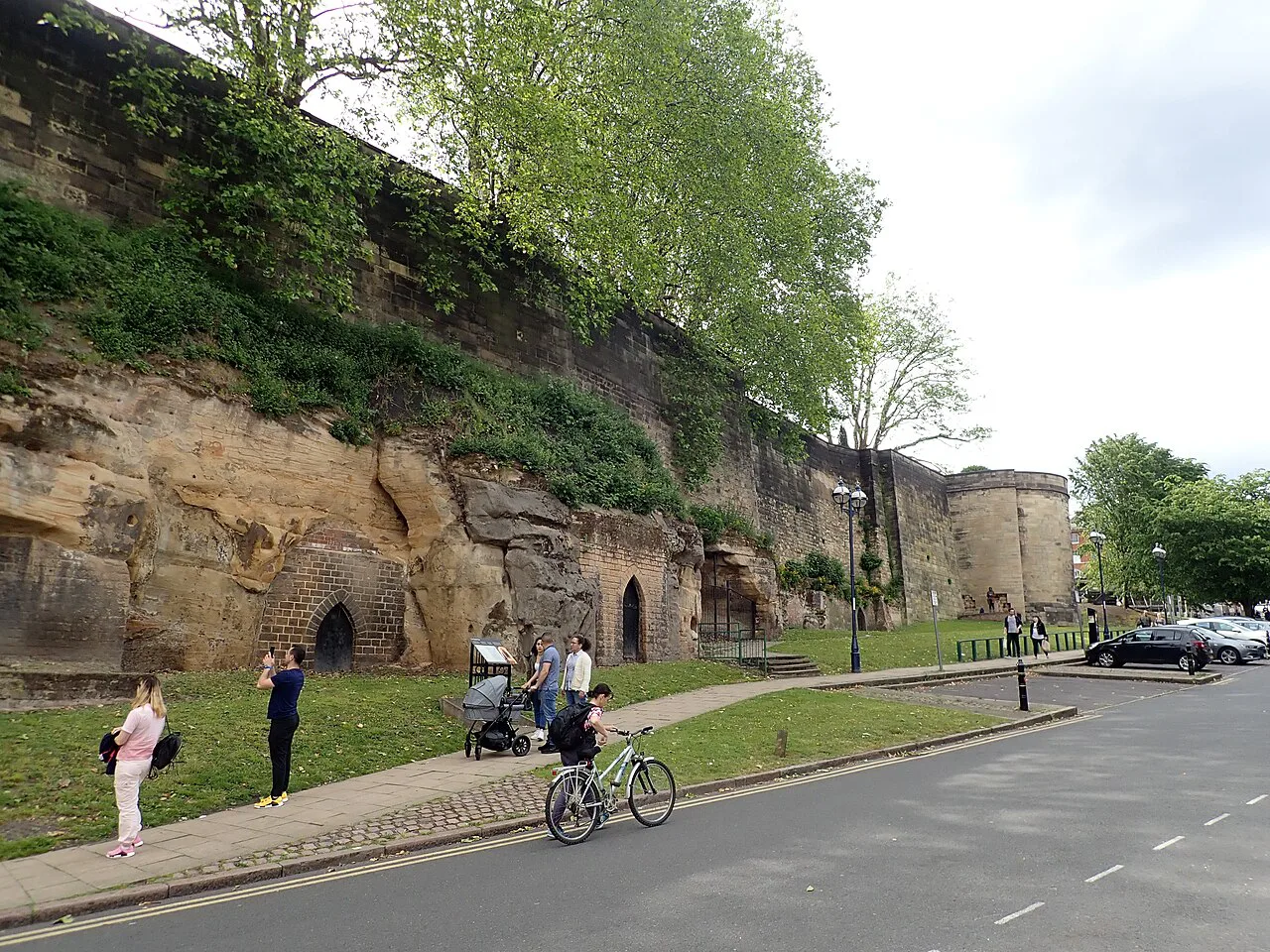
Cave tours are listed as their own part of the castle's offer, separate from the museum and galleries, which reflects the sandstone caves beneath the site. If caves are the reason for your visit, book or check the cave tour arrangements directly with the castle rather than turning up and hoping. Cave tours are also distinct from the separate cave attractions in the city, which are different businesses with their own tickets and entrances.
Caves mean cool, damp conditions and sometimes low passages, so dress for the temperature underground even on a warm day above.
Tickets and how admission works
Admission is arranged through the castle's buy tickets link on its own site, which is the place to confirm what a ticket covers, whether the grounds are included and whether cave tours are separate. The castle also runs a Rover Pass, described in its news and blog archive, which is worth reading if you plan repeat visits.
Read the ticket pages closely rather than trusting an old figure: the site carries season pass subscription prices dated 2023, which are not a day admission quote. Use the buy tickets flow for the current admission charge.
Opening hours and seasonal changes
Opening days and hours change with the season, and the castle's what's on listings are organised by month and year, which shows how much the programme shifts across the calendar. Check the visit section of the official site for the day you plan to travel, especially outside school holidays and in winter.
The same listings carry dated events, including an October and Halloween programme and a temporary exhibition running from late September into the following January, so what is on depends heavily on when you go.
How long to allow, and when it is busiest
Allow three to four hours for the mansion, galleries and grounds at a comfortable pace, and add time for a cave tour if you are taking one. Two hours is enough only if you move briskly through the galleries and skip the grounds. Weekends and school holidays are the busiest, so an early start gives you quieter galleries and an easier climb.
The climb up from the city centre is the part people underestimate, so build ten to fifteen minutes of uphill walking into your timing each way.
Accessibility, steps and the climb
The site sits on a rock above the city, so the approach is uphill and the grounds include slopes and steps; how much of the interior is step-free needs confirming with the castle directly. The official site has an accessibility page in its visit navigation, which is the right place to start if you use a wheelchair or have limited mobility.
If stairs are a problem, ask about lift access and the shortest step-free route from the entrance before booking, and consider arriving by taxi to avoid the climb entirely.

Family visits and activities
Families get the most out of the castle when they check the what's on listing first, because trails and craft sessions run on set dates rather than every day. The Saint Zita trail and crafts, the Spooky Circus Trail and a travelling showmen exhibition all appear as dated items, so match your visit to the programme rather than the other way round.
The Bloomberg Connects app gives another way to keep children engaged with the collections on a phone, and it costs nothing extra beyond your ticket.
Nearby on the castle site: Brewhouse Yard
Brewhouse Yard sits within the wider castle site and appears in the castle's own collections and blog material, including a piece on the Flawford Virgin. Treat it as part of the same visit rather than a separate outing, and check whether it is open on your day before counting on it.
Grouping the site this way means one climb up the rock covers several things, which is the practical argument for giving the castle a half day.
Nearby in the city: caves, Wollaton Hall and Old Market Square
The city's cave attractions are separate from the castle's own cave tours, with their own entrances and tickets, so do not assume one admission covers both. Old Market Square is the natural orientation point in the centre and the start of the walk up to the castle.
Wollaton Hall is the other big historic-house visit in Nottingham and makes a sensible pairing on a different day rather than the same afternoon. For a wider shortlist of what to see, our Nottingham Attractions covers the city's main sights.
Practical tips: booking, weather and what to wear
Book online before you travel, particularly for cave tours and for school-holiday dates, and check the what's on page so you know which galleries or trails are running. The grounds are exposed on top of the rock, so take a waterproof and expect wind even when the city below feels mild.
Wear flat shoes for the climb and the uneven ground, and carry water in summer because the walk up is the strenuous part of the day.
Plan Your Visit
Nottingham Castle rewards a half day: the 17th-century mansion, the museum collections and the Lace Gallery, plus the grounds and the option of a cave tour. Go early, wear proper shoes, and accept the climb as part of the visit.
Confirm admission, opening days and cave tour arrangements on the castle's own site before you travel, since these are the details that change.
Explore more Nottingham guides
Frequently Asked Questions
Is Nottingham Castle free to visit?
There is no free-entry claim to rely on here: admission is handled through the castle's own buy tickets route, so check the current charge there before you go. The grounds and the museum sit within the same site, but what a ticket covers is best confirmed on the official site.
How long does it take to visit Nottingham Castle?
Allow three to four hours for the mansion, museum, galleries and grounds at a comfortable pace, plus extra time if you join a cave tour. Two hours works only for a brisk pass through the galleries without the grounds, and the uphill walk from the centre adds time each way.
What is inside Nottingham Castle now?
The building is a 17th-century mansion holding a museum with collections of silver, glass and paintings, along with galleries including the Lace Gallery and the Rebellion Gallery. The grounds sit around it on the castle rock, and cave tours are offered separately from the museum route.
Are there caves underneath Nottingham Castle?
Yes: cave tours are listed as their own part of the castle's offer, separate from the museum and galleries. Check tour arrangements directly with the castle, and note that the city's other cave attractions are separate businesses with their own tickets.
How do you get to Nottingham Castle from the city centre?
Walk uphill from the Old Market Square area to Lenton Road, where the castle's address is NG1 6EL. The distance is short but the climb is steady, so allow ten to fifteen minutes each way or take a bus or taxi to the top.
Is Nottingham Castle accessible for wheelchair users?
The site is on a rock above the city, with an uphill approach and slopes and steps in the grounds. The official site has an accessibility page, so check step-free routes and lift access there, or contact the castle, before booking.