
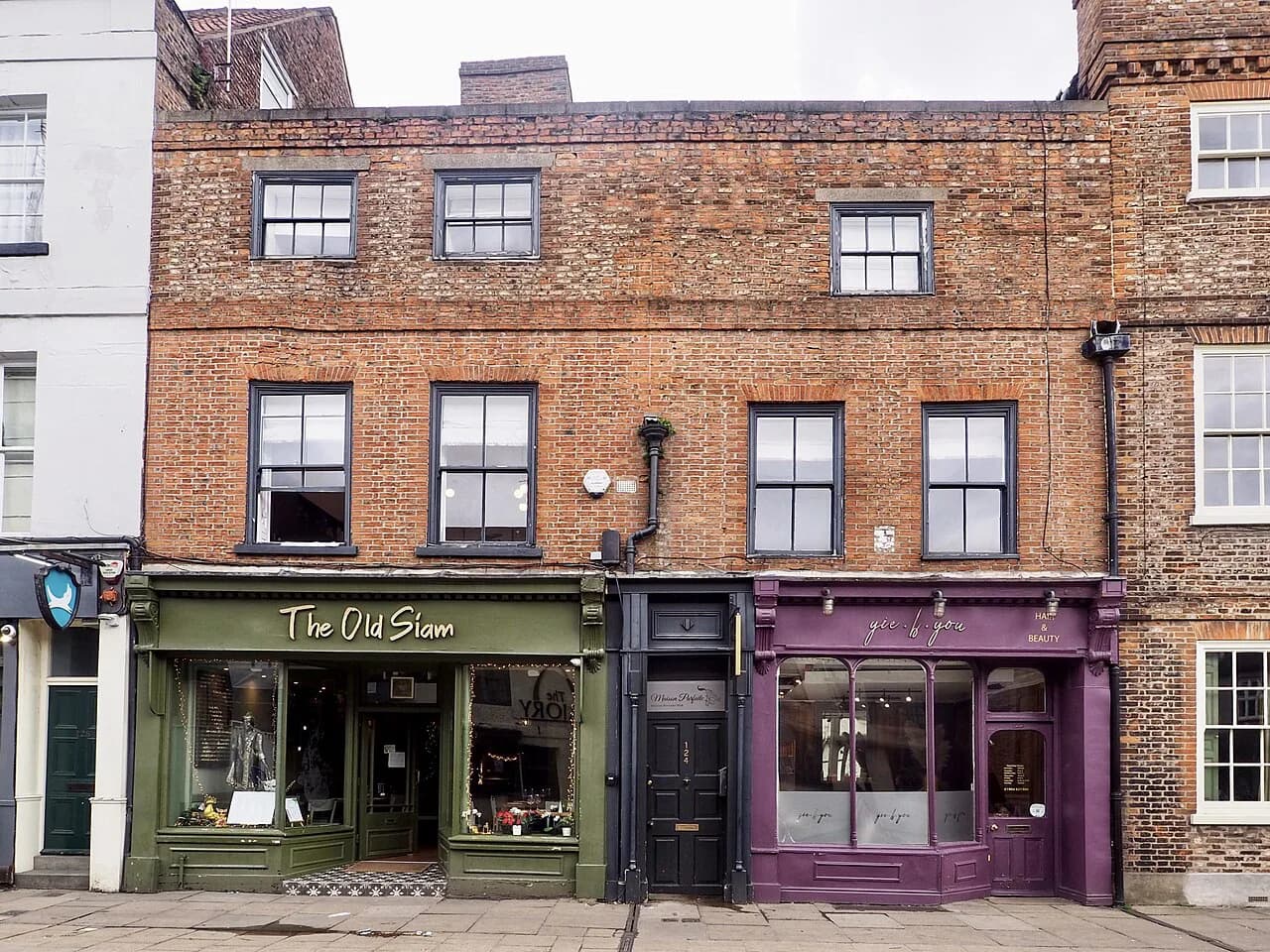
Micklegate, York: What to See, Where to Eat and How to Plan a Visit

Micklegate is best treated as one street-and-gateway district rather than a slice of the city centre. You come for Micklegate Bar, the gatehouse on the wall walk, and for the long street of brick townhouses that runs from it towards the River Ouse. Plan on a couple of hours if you add the small museum in the gate to a walk along the street.
Micklegate in a Nutshell
Micklegate is the historic approach to York from the south-west, and its name belongs to both the street and the gate at its head. The gate, Micklegate Bar, sits on the route of the city walls, which the museum listing describes as having stood sentinel to York for more than 800 years. The street runs down from the bar towards the old city and the river, lined with townhouses that have been converted into shops, flats and offices over the centuries.
Treat the street and the bar as two separate things to plan for. The gate is a historic building with a wall walk running over it; the street below is a working city street with listed buildings on both sides. Budget time for both rather than expecting one to deliver the other, and save the museum for when the weather turns, comparing it against the wider choice of museums in York if you want a longer indoor day.
Where Micklegate Sits in York
Micklegate lies on the south-western side of the historic core, running from Micklegate Bar into the streets that lead towards the River Ouse. That puts it within easy reach of the centre and the walls, without the density of visitors you find around the Minster. Use the York City Centre guide if you want the cathedral and the main shopping streets as your base.
The street is a route rather than a destination in itself, which is why it works well as a place to stay or to walk through on the way in. For a broader shortlist of what to see across the city, the York Attractions guide is the place to start.
A Short History of the Bar
Micklegate Bar was a home as well as a gatehouse, and families lived in it until 1918, according to the museum's own account of the building. The same account records that the heads of traitors and tyrants from across York's history were displayed on the bar after execution, so that the population could see them. Treat that as the museum's telling of the story rather than as a set of dates to quote.
The museum frames the gate around the city's conflicts, from the Viking invasions through to the English Civil War, and around the wall itself as a defensive ring. Expect the exhibition to lean into the darker side of the street's past rather than a polite architectural survey.
Micklegate Bar Museum: What the Exhibition Covers
The museum occupies the bar itself and covers two themes: the Ring of Stone, meaning the city walls, and Life in the Bar, which uses residents' stories to show what living in the gatehouse was like. It also sets out how the walls protected York from invasion and how they shaped the city's growth. The museum offers education, corporate and group visits and sells tickets online.
The museum's listing states that an admission ticket gives unlimited free entry for a year from the date of purchase, and that a combined ticket covering Micklegate Bar Museum, DIG, Barley Hall and JORVIK Viking Centre is available. Check the current terms and prices on the museum's own website before you book, because those offers can change.
The museum suits anyone who wants the gate's history explained in one compact stop, and it is the obvious indoor fallback if rain interrupts a wall walk. It is a small exhibition in an ancient building, so do not expect a half-day museum, and if you want a longer indoor day, the museums in York guide covers the larger collections across the city.
Walking the City Walls at Micklegate Bar
The wall walk passes over Micklegate Bar, and the museum positions the bar on the route of York's city walls. Walking it gives you the street below from above, which is the best way to see the scale of the gatehouse against the townhouses. The walls are exposed and unsheltered, so wind and rain change the experience completely.
Plan the wall walk and the museum as alternatives rather than a single combined ticket, since both take time and the walls reward a dry day. The city walls feature in the things to do in York guide if you want the wider network of routes.

The Street Itself: Brick Fronts and Shopfronts
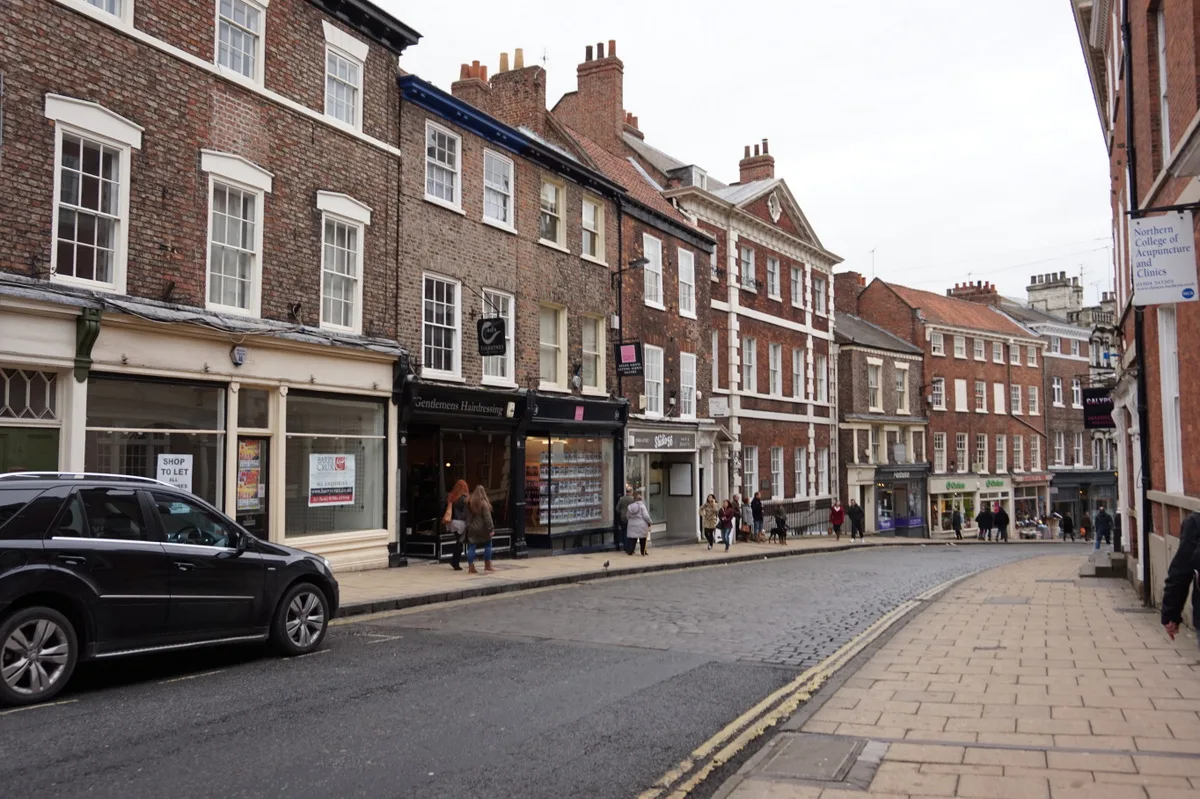
Look up as you walk. Numbers 11 to 13 Micklegate are two houses built around 1740 and restored in the late twentieth century, with a three-storey brick front, paired modern shopfronts and a half-hipped pantile roof; number 13 was home to the York watercolourist and engraver Henry Cave for some years until 1830. The building is listed at Grade II.
Further along, numbers 74 to 76 are a mid-eighteenth-century house, now shops and flats, subdivided in the early nineteenth century and altered again later. Inside, the record notes Regency fittings such as reeded cornices and a staircase with a swept mahogany handrail, though those interiors are not open to casual visitors. It is also listed at Grade II.
Use the historic environment records to pick out what you are looking at: brickwork, shopfronts and roof shapes are the visible clues. The street repays a slow walk with your eyes at first-floor level rather than a straight march from the bar.
Who Micklegate Suits
Micklegate suits travellers who want to be close to the old city without sleeping beside the busiest streets, and who value a wall walk and a small museum over a full day of attractions. It is a good fit for a short city break built around history and walking.
It is less suited to anyone who wants the cathedral and the main shopping streets on the doorstep, or who needs everything on one flat level, since the bar and the walls involve steps. If you prefer a quieter residential street with independent shops, compare Clifton, York instead.
Getting There and Getting Around on Foot
Micklegate is a walking street, and the sensible way to arrive is on foot from the centre or from the riverside. The gate sits on the wall route, so you can approach along the walls or along the street itself and get a different view either way. Walking is also the only practical way to see the listed fronts at first-floor level.
For a wider picture of walking routes and how the districts connect, the York Neighborhoods guide sets out the areas around the centre.
Eating and Drinking on and Near Micklegate
Micklegate's townhouses have been converted to shops and flats over the centuries, and the street is a working commercial one rather than a café strip. Look at what is trading on the ground as you walk, since tenants change and the historic records do not tell you what is open today. If a proper afternoon tea is part of the plan, the afternoon tea in York guide covers where to book.

Where to Stay in the Area
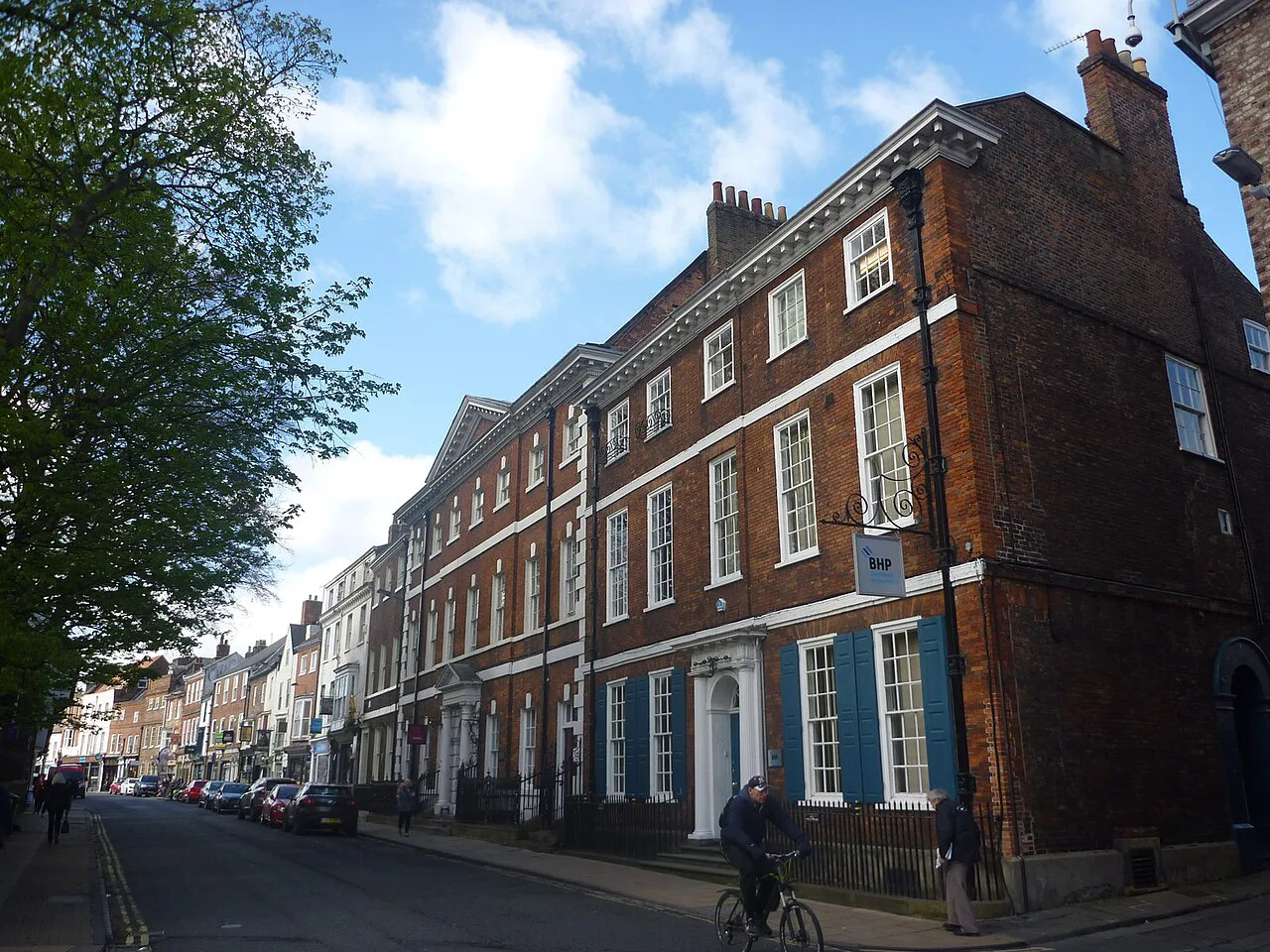
The street's converted townhouses include flats above shops, which tells you the area mixes residential and commercial use. That makes it a plausible base for a city break, but the historic records describe buildings rather than current accommodation, so book through a source that confirms availability and access. Check whether your room involves stairs before you commit, given the age of the buildings.
Practical Trade-offs: Steps, Weather and Time
The main trade-off is between the wall walk and the museum. The walls give you the view and the sense of the gatehouse in the townscape but are exposed to weather; the museum gives you the history in a compact, indoor space, and its listing notes group and education visits. If rain keeps you off the walls for longer, the museums in York guide lists the city's other indoor options for the same kind of day.
Allow a couple of hours for the street, the bar and the museum together, and more if you walk a stretch of the walls. Steps and uneven surfaces are part of both, so plan around them rather than expecting level access throughout.
What Is Within Walking Distance
From Micklegate you can walk into the old city, reach the riverside and pick up the wall route without needing transport. The centre's main sights, including the Minster, sit within the same historic core, so the street works as a starting point rather than a separate trip.
Nearby districts are also walkable, and Bishopthorpe Road, York is the other side of the river if you want a different street to explore on the same day.
Plan Your Visit
Micklegate is a short, rewarding district: the bar, the wall walk above it and a street of listed brick fronts that rewards looking up. Build the museum in as the wet-weather option, walk the walls on a dry day and use the street as your route into the old city.
Check the museum's own website for current ticket terms, prices and opening times, and confirm wall access on the day, since weather and maintenance affect the route.
Frequently Asked Questions
Where is Micklegate in York?
Micklegate runs from Micklegate Bar, the gatehouse on the city walls, into the south-western side of York's historic core towards the River Ouse. It is close enough to the centre to walk in, which makes it work well as a base or as a route into the old city.
What is there to see on Micklegate?
The two anchors are Micklegate Bar itself and the street of listed brick townhouses leading away from it. Numbers 11 to 13 are two houses built around 1740, and numbers 74 to 76 are a mid-eighteenth-century house subdivided in the early nineteenth century, both Grade II listed and best appreciated by looking at first-floor level. The wall walk passes over the bar.
What is the history of Micklegate Bar?
The museum tells the gate's story through the Ring of Stone, meaning the city walls, and Life in the Bar, which draws on residents' stories. Families lived in the bar until 1918, and heads of traitors and tyrants were displayed on it after execution, as the museum recounts. The exhibition also covers the Viking invasions through to the English Civil War.
Is Micklegate Bar Museum worth visiting?
It is worth it if you want the gatehouse's history explained in one compact, indoor stop, and it works as the fallback when rain interrupts the wall walk. The exhibition is small, so treat it as part of a couple of hours on the street rather than a half-day out. The museum sells tickets online and offers group and education visits.
How long should I allow in the Micklegate area?
Two hours covers the street, the bar and the museum at an unhurried pace, and you should add more if you walk a stretch of the walls. Steps and uneven surfaces feature on both the gate and the wall route, so plan around them if anyone in your group needs level access.