
York City Centre: A Practical Guide to the Historic Core

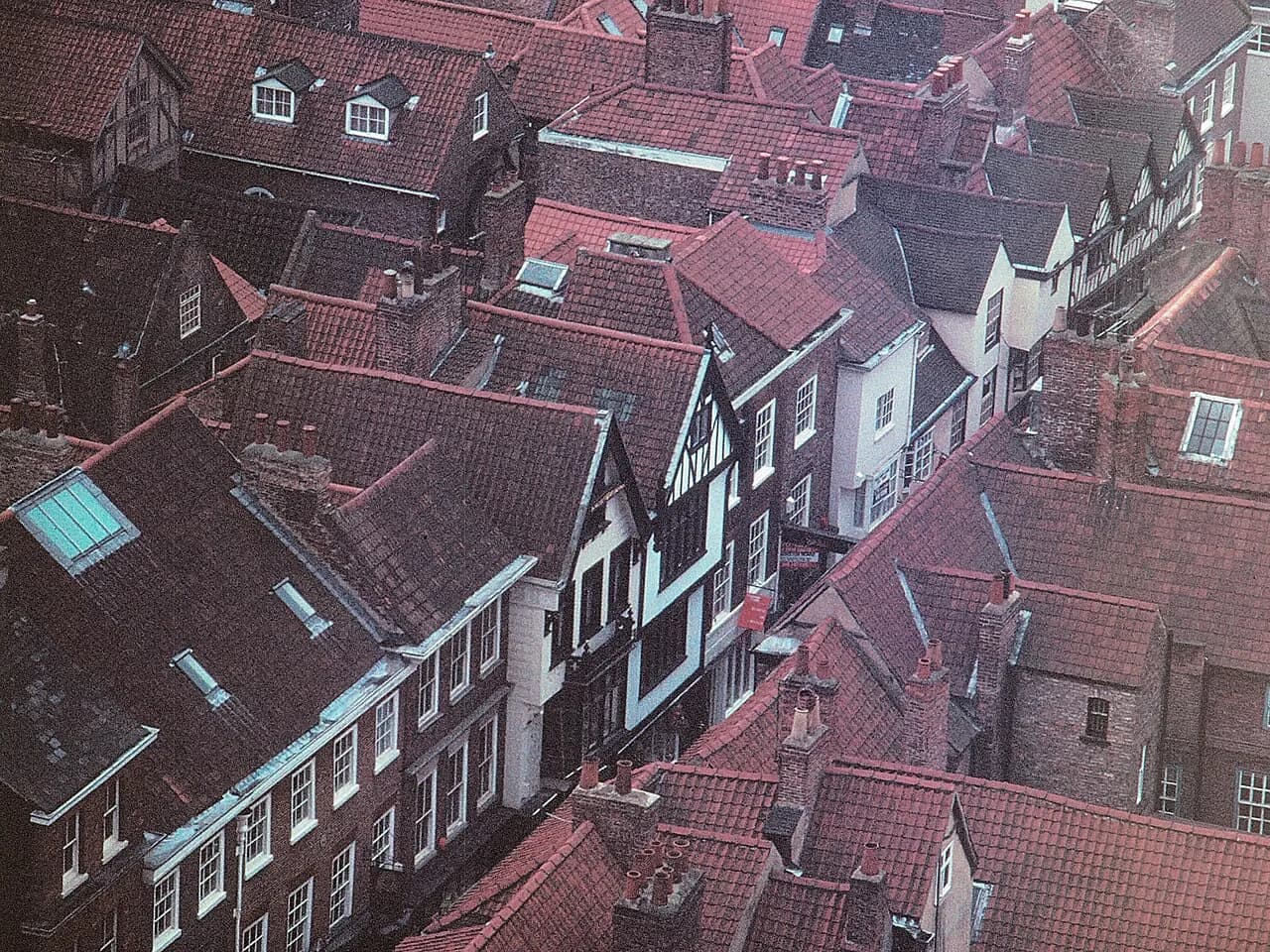
York city centre is compact enough to cross on foot in under half an hour, which makes it one of the easiest historic cores in Britain to plan around. Most of the headline sights sit within or just outside the medieval walls: the Minster, the Shambles, Clifford's Tower and the riverside. It suits travellers who want history, museums and a proper tea in one walkable pocket rather than a car-dependent sprawl.
It suits people who enjoy crowds in small doses, stone staircases and a bit of planning. It is less comfortable for anyone needing step-free routes at every turn, or for drivers who want to park at the door, and the narrow lanes can be testing on a busy Saturday. Pick your base inside the walls and you can leave the car behind for the whole break.
What York City Centre Is and Who It Suits
The centre is the walled medieval city plus the streets that spill from its gates, bounded roughly by the River Ouse on the west and the Minster quarter on the north-east. Within that small area you get a Gothic cathedral, a castle mound, a Viking museum, a castle museum and a railway museum. Two or three days covers the highlights comfortably; one long day gets you the Minster, the Shambles and a riverside walk.
The centre rewards people who like museums and streetscape rather than big-ticket theme parks, and it is genuinely good for a rainy day because the ticketed attractions are indoor. It is harder work for anyone pushing a buggy over cobbles or climbing spiral stairs, and drivers should expect to pay for parking and walk in. If you want a quieter base with local shops and restaurants, look at the surrounding neighbourhoods before booking.
The Historic Core in Brief: Walls, Minster and the Shambles
York's city walls still loop much of the old town, with long stretches intact in several sections and views of the Minster from parts of the circuit. Walking a section is free and makes a good orientation before you commit to paid attractions. There is little shelter up there, so save the walk for a dry hour.
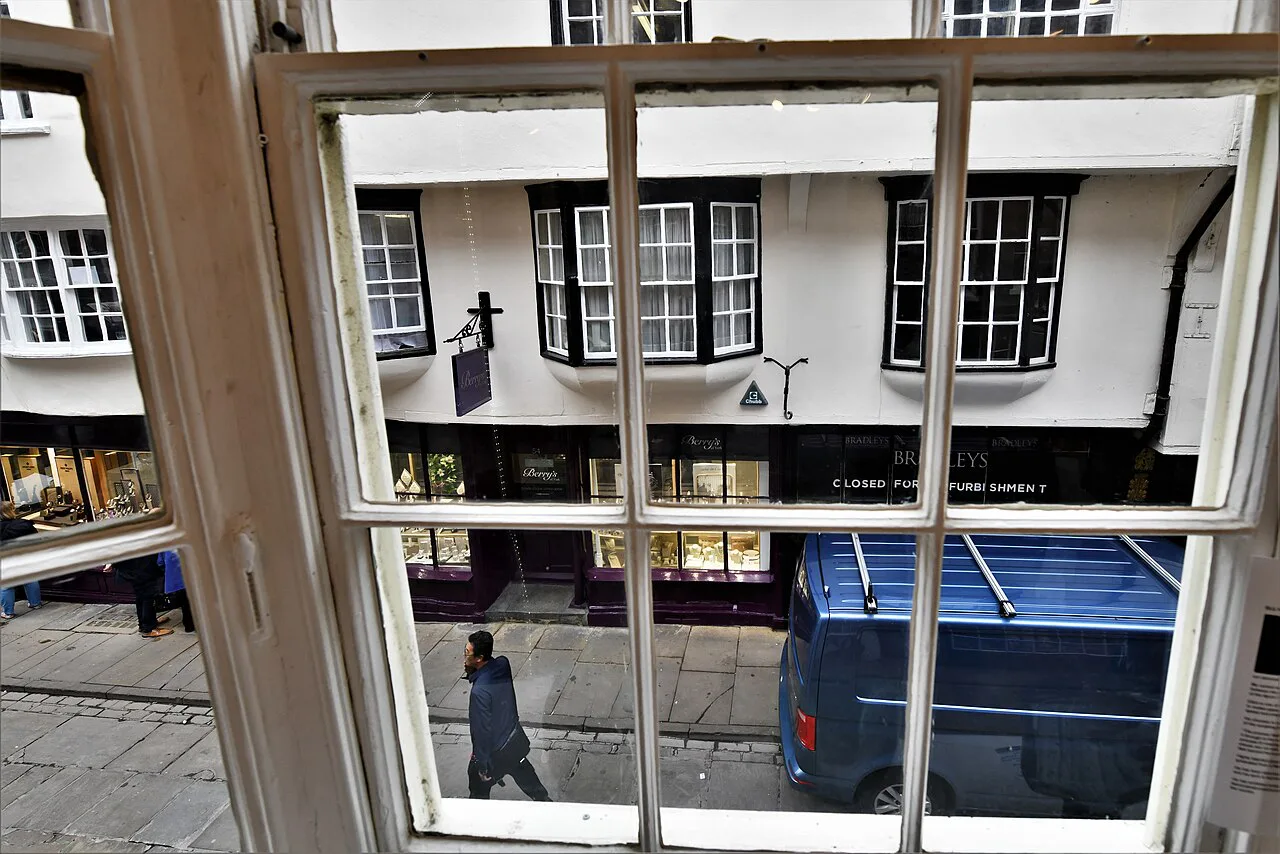
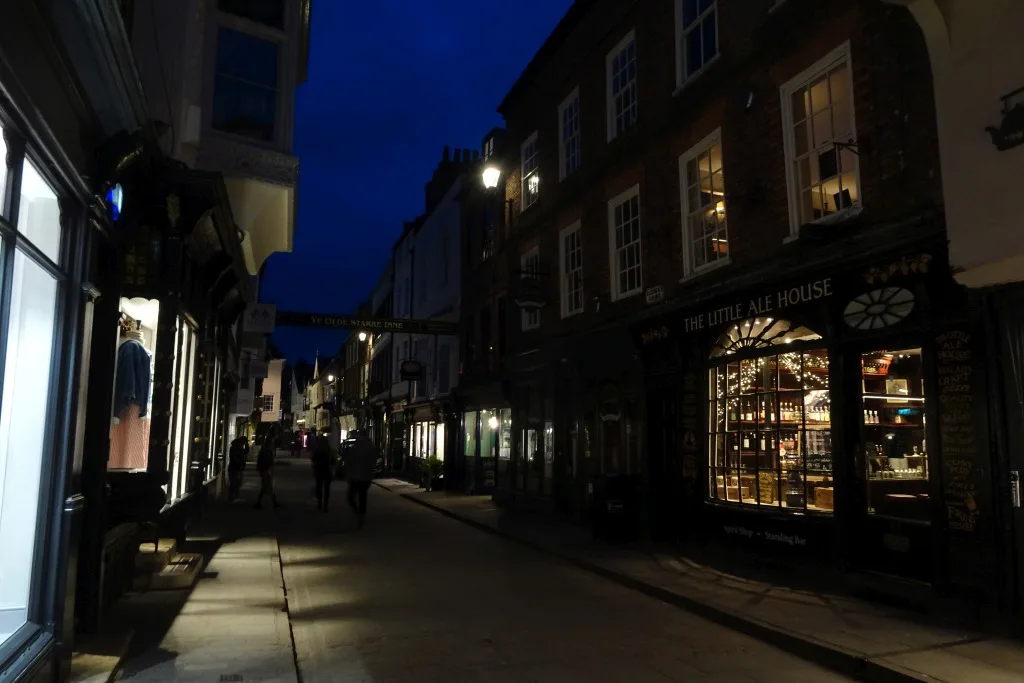
The Shambles is the famous timber-framed lane, and it is worth seeing early or late rather than at midday, when the narrow street fills. It is often linked in popular culture to the Diagon Alley of the Harry Potter films, a comparison fans make rather than an official designation. Combine it with a wander through the snickelways and market streets nearby, which is free and takes an hour at an amble.
York Minster dominates the north-east quarter and is the city's defining building. Clifford's Tower sits on its grassy mound above the river, and the Treasurer's House garden nearby is free to walk through, with the house itself ticketed. The ghost stories attached to Treasurer's House are legends told to visitors, not documented fact, so enjoy them as storytelling.
What to See in the Centre: Named Picks and Time to Allow
The Yorkshire Museum, run by York Museums Trust, holds Roman collections that include a real Roman mosaic you can walk on, and it sits in the Museum Gardens, which are open seven days a week. Allow about two hours for the museum and another hour for the gardens, which are a good picnic stop between sights.
The National Railway Museum is a major draw for families and train enthusiasts and sits a short walk west of the Minster, outside the walled centre but close enough to include in the same day. If you are choosing where to spend an afternoon tea budget, this is a sensible free anchor before a paid stop.
JORVIK Viking Centre, York Castle Museum and Clifford's Tower are the main ticketed stops in the centre. Allow an hour for JORVIK's ride-through experience, two hours for the Castle Museum's recreated streets, and half an hour for Clifford's Tower and its views. These are best spread over a day rather than crammed into one afternoon.
Free and Low-Cost Options in the Centre
The walls, the Shambles, the riverside path along the Ouse and the Museum Gardens cost nothing and fill a morning between them. The National Railway Museum has free entry, with donations welcome, and is a strong wet-weather option given its size and indoor halls. A free walking tour also runs from Exhibition Square, taking around two hours and finishing at the Shambles; confirm current start times with the tour organisers before you rely on them.
The riverside walk between Low Ousegate and Skeldergate Bridge passes close to Clifford's Tower and is a good way to link the centre with the water without paying for a cruise. York also runs park and ride services from the outer edges, which is the simplest way to avoid city-centre parking charges; check routes and fares with the park and ride service on the day you travel.

Museums and Ticketed Attractions Worth Booking Ahead
JORVIK and the Castle Museum are the two where booking ahead pays off, particularly at weekends and in school holidays when queues build. The Minster's central tower involves a climb up a narrow spiral staircase of 275 steps with no lift, and the tower can close in wind, ice or snow, so treat it as a fair-weather extra. Buy Minster entry in advance online where you can, and keep the tower as an option rather than a fixed plan.
York Museums Trust runs the Yorkshire Museum, York Castle Museum, York Art Gallery and York St Mary's, so a single look at its site tells you what is on and which exhibitions need booking. Its programme changes through the year, including festival weeks when the Museum Gardens host re-enactors and city-wide trails. That makes the Trust's events pages the place to check before fixing your dates.
Clifford's Tower and the Treasurer's House are the smaller ticketed stops, and both are quick visits that fit around the bigger museums. Neither needs booking far ahead, so slot them in when you are passing rather than building the day around them.
Getting There and Getting Around on Foot
York station sits on the west edge of the centre, a short walk from the walls and the river, which makes the train the easiest arrival. From the station you can walk into the old town in around ten minutes, or pick up a bus if you have luggage. Once inside the walls, everything on this list is walkable and a car becomes a liability rather than a help.
Wear shoes you can walk in for a full day and expect cobbles, kerbs and the occasional staircase. The centre is largely flat along the river but slopes up towards the Minster and the castle mound. If stairs are a problem, plan your days around the museums and the riverside and treat the walls and tower as optional extras.
Where to Eat in the Centre
The centre covers every budget, from market stalls and sandwich shops to full afternoon tea services in the smarter hotels and tea rooms. Shambles Market is the pragmatic lunch stop when you want to eat quickly and keep walking, while the streets around the Minster and the river hold the sit-down options. Book a table for afternoon tea if it is the centrepiece of your day, since the popular sittings fill first.
For a sit-down dinner, the centre is convenient but busy, and the surrounding neighbourhoods often give better value. Micklegate, across the river, has its own cluster of pubs and restaurants within a ten-minute walk of the centre, which makes it a good alternative base for eating.
Where to Stay Inside the Walls
Staying inside the walls buys you the shortest walk to everything on this list, at a premium and often with small rooms in old buildings. Staying just outside gives you cheaper rates and quieter nights for ten minutes on foot. Fenwick's York store sits in the centre, so a hotel near it puts you within easy reach of the shops and the Minster quarter without a bus ride.
For a calmer base with independent shops and cafés, look at Bishopthorpe Road south of the river, which is a short walk from the centre and has a village feel. It suits couples and families who want to retreat from the crowds at the end of the day.
Clifton, north-west of the centre, is another option if you are arriving by car and want easier parking without losing the walking distance.

What Is Within Walking Distance
From the centre you can walk to the Museum Gardens and the Yorkshire Museum in about ten minutes, to the station in around fifteen, and to the riverside path in five. Clifford's Tower, the Shambles and the Minster all sit within a fifteen-minute walk of each other. That compactness is why a car is unnecessary once you arrive and why two nights covers the centre well.
If you want to spread out, the neighbourhoods around the centre each have their own character and are reachable on foot. Use the area guides to decide whether to stay in the middle or on the edge, then plan your days around a single walking loop through the centre.
Honest Trade-offs: Crowds, Steps and Seasonal Hours
The main frictions are crowds on the Shambles, the step-heavy climbs at the Minster tower and Clifford's Tower, and the lack of shelter on the walls in rain. Book the popular museums ahead, start early on Saturdays, and keep a wet-weather backup that is indoors. Check current opening days, prices and tower access before you travel, since these shift with the season.
Plan Your Visit
Base yourself inside the walls or a short walk out, plan one walking loop through the Minster, the Shambles and the riverside, and book JORVIK or the Castle Museum ahead if you are visiting at a weekend. Use the free walls, gardens and railway museum to balance the budget. Check the York Museums Trust site for what is on during your dates before you commit.
Explore more York guides
Frequently Asked Questions
What is there to do in York city centre?
The centre covers the city walls, York Minster, the Shambles, Clifford's Tower, the riverside along the Ouse and the Museum Gardens with the Yorkshire Museum. JORVIK Viking Centre and York Castle Museum are the main ticketed stops, and the National Railway Museum is a short walk west.
Is York city centre walkable?
Yes. The walled centre is compact and the headline sights sit within about fifteen minutes of each other on foot. Expect cobbles, kerbs and stairs at the Minster tower and Clifford's Tower, and leave the car outside the walls.
What can you do for free in York city centre?
Walk a section of the city walls, wander the Shambles, stroll the riverside path and the Museum Gardens, and visit the National Railway Museum, which has free entry with donations welcome. A free walking tour also runs from Exhibition Square, finishing at the Shambles.
How long do you need in York city centre?
One full day covers the Minster, the Shambles and a riverside walk. Two or three days lets you add the Yorkshire Museum, JORVIK, the Castle Museum and Clifford's Tower without rushing, and absorbs a wet afternoon.
Where should you stay in York city centre?
Hotels inside the walls put you closest to everything at a premium, while Bishopthorpe Road south of the river and Clifton to the north-west offer calmer bases within walking distance. Micklegate across the river is a good alternative for pubs and restaurants.
Which York attractions should you book ahead?
Book JORVIK and York Castle Museum ahead at weekends and in school holidays, when queues build. Buy Minster entry in advance where you can, and treat the central tower climb as optional because it can close in wind, ice or snow.