Museums in York: A Practical Guide to the Best Picks
Plan a museum day in York: the Victorian street at York Castle Museum, Roman and Viking finds at the Yorkshire Museum, art and the Museum Gardens.
On this page
York's museums split neatly into two clusters: York Castle Museum at the southern end of the centre, and the Yorkshire Museum, York Art Gallery and York St Mary's grouped around the Museum Gardens and Exhibition Square to the north-west. All four are run by York Museums Trust, the charity that also manages the gardens, so one plan can cover several sites.
If you have time for one, choose York Castle Museum for the recreated Victorian street Kirkgate and the Debtors' Prison cells; choose the Yorkshire Museum if archaeology and natural history appeal more. Art-led visitors should head for the gallery and the Centre of Ceramic Art, which sit a short walk apart.
Museums in York at a glance: which one suits you
York Castle Museum occupies the site of the castle and holds social-history displays rather than fine art: the reconstructed Kirkgate street, the period rooms including Moorland Cottage, the Debtors' Prison, and costume and twentieth-century galleries such as Secrets of Dress, The Sixties and 1914: When the World Changed Forever.
The Yorkshire Museum sits in the Museum Gardens and carries the archaeology and natural-history weight: Roman York, Viking North, Yorkshire's Jurassic World and the touring exhibition Chariots, Treasure and Power, which covers the Melsonby Hoard.
York Art Gallery, with its Centre of Ceramic Art, and York St Mary's, a medieval church used for contemporary art, suit anyone who wants a quieter hour rather than a full afternoon. Both appear on the Trust's venue list alongside the Castle Museum and the Yorkshire Museum.
If you are travelling with children, the Castle Museum's street and prison cells are the easiest sell; the Yorkshire Museum's dinosaur and Viking material works better for curious older children. Splitting the two across separate days avoids a rushed march through both.
York Castle Museum: Kirkgate, the period rooms and the Debtors' Prison
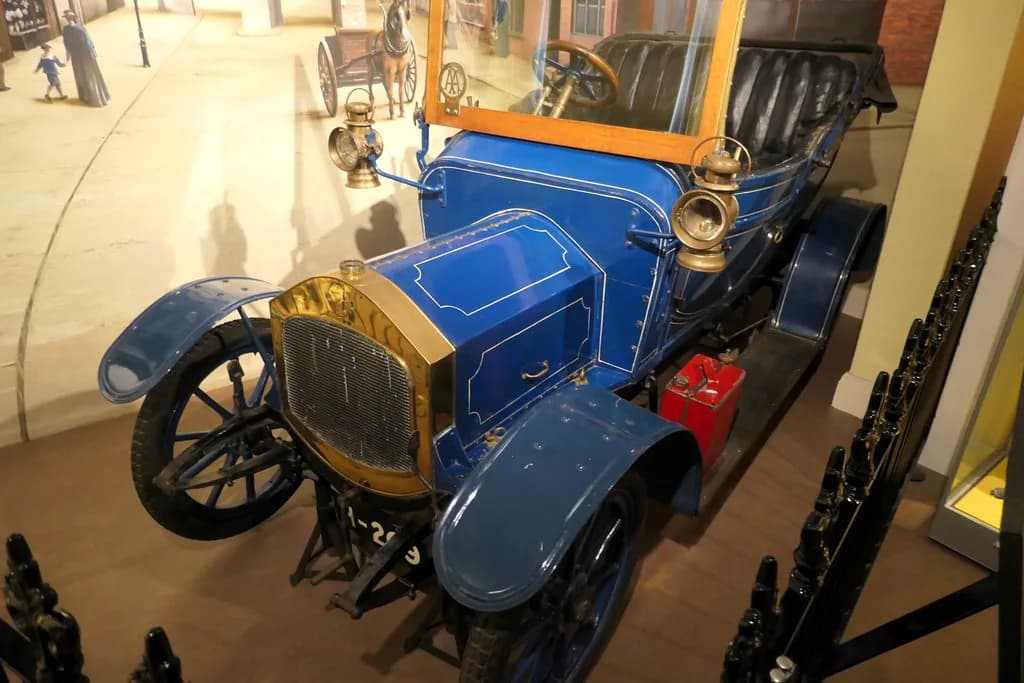
Kirkgate is the museum's centrepiece: a cobbled Victorian street lined with shopfronts that you walk through rather than view behind glass. It is the reason most visitors put the Castle Museum first, and it is where school groups and families congregate, so arrive at opening if you want photographs without a crowd.
Beyond the street, the period rooms including Moorland Cottage show domestic life room by room, while the Debtors' Prison displays explain what happened to people jailed for unpaid debts in the castle. The costume gallery Secrets of Dress, The Sixties and 1914: When the World Changed Forever extend the visit into the twentieth century.
The museum also holds temporary shows, a recent example being Sugar, Skill and Shiftwork on York's confectionery workers, and it publishes seasonal programming such as October half-term activities and Christmas displays. What is on during your dates is listed on the museum's own exhibitions and events pages.
Collections highlights include the automaton clock, the Berwick Kaler outfit, the Fairfax buff coat and Princess Mary's 1914 Christmas gift, each a single object worth hunting down rather than an entire gallery. Look them up before you go so you can steer children towards one or two targets.
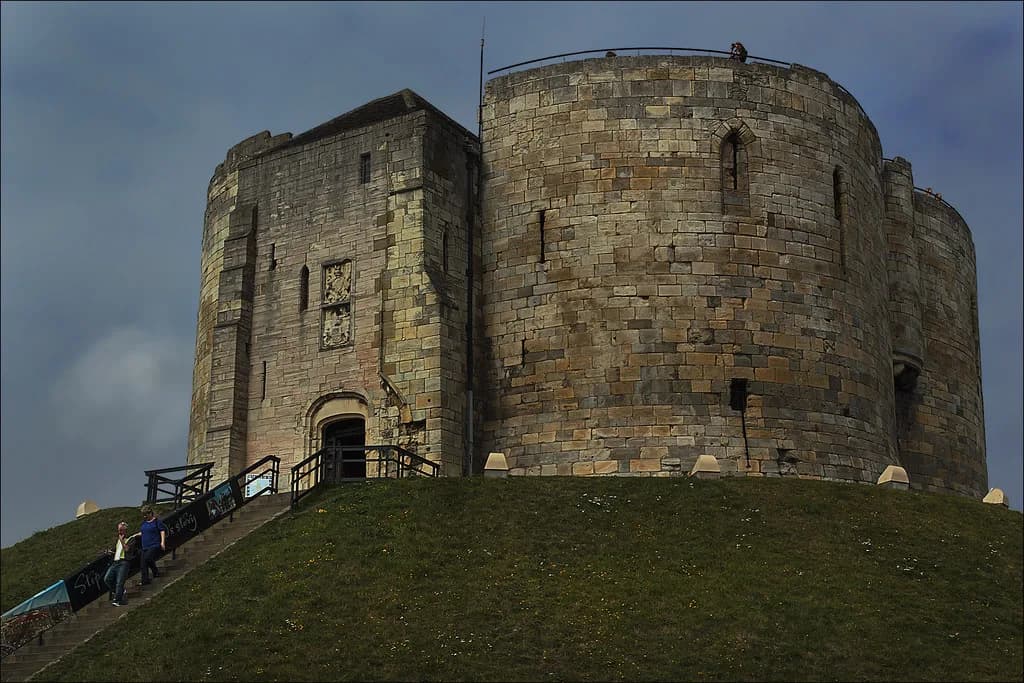
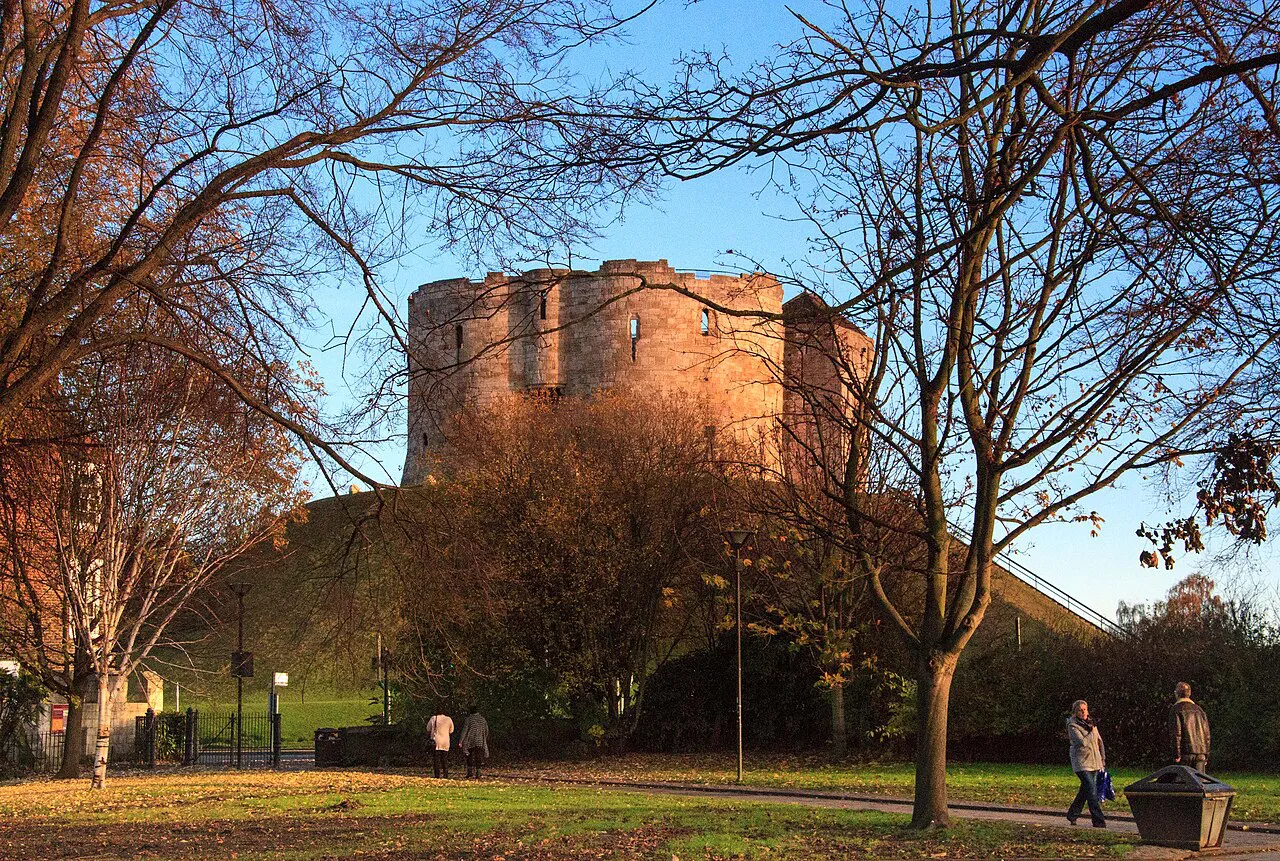
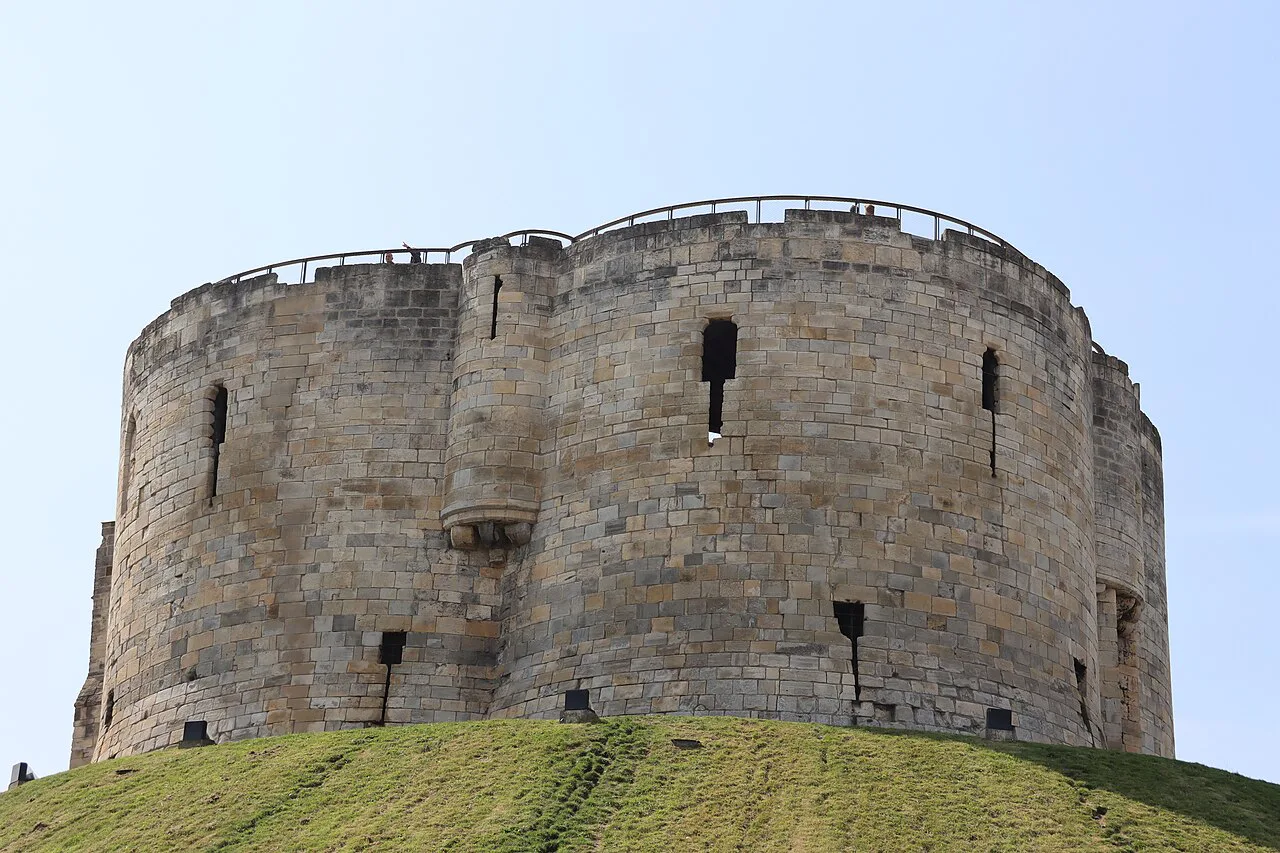
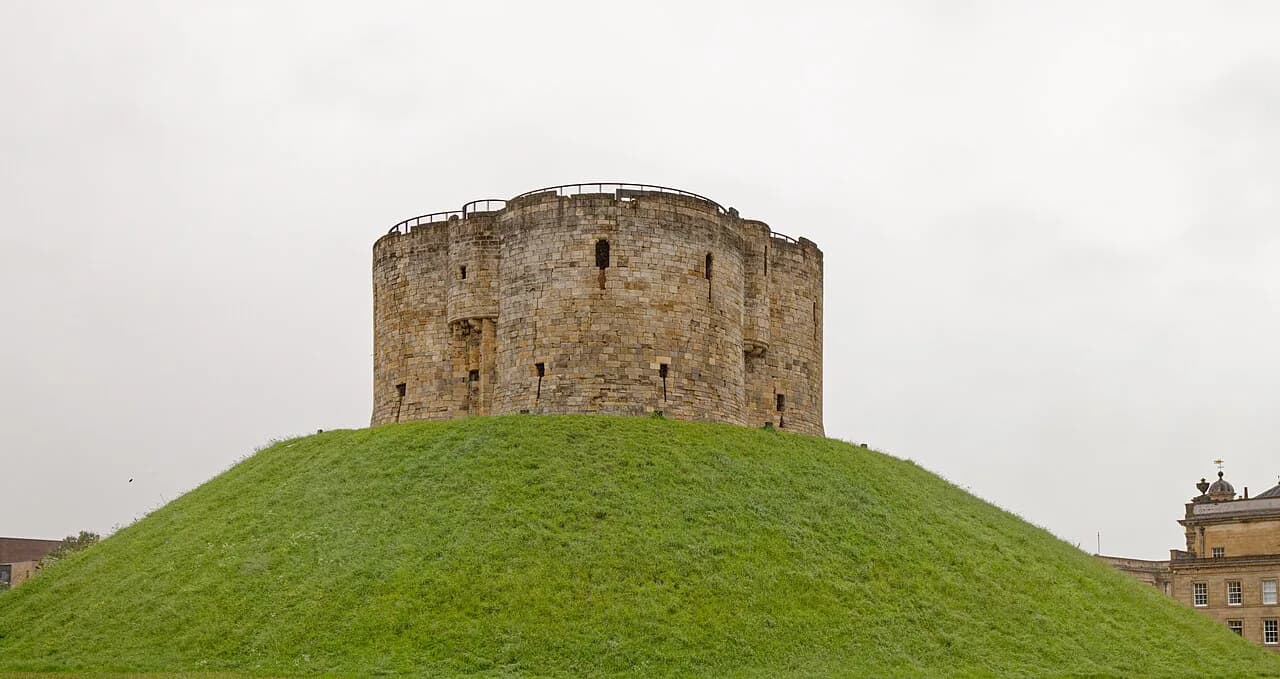
The castle site itself has a separate layer of interest: Clifford's Tower, the stone keep on the motte above, is looked after by English Heritage rather than the Trust and is ticketed separately, so budget it as its own short visit.
Yorkshire Museum: Roman York, Viking North and the Jurassic galleries
The Yorkshire Museum's displays run from the geological to the medieval: Yorkshire's Jurassic World covers the coast's fossil heritage, Roman York introduces the fortress city's people, and Viking North handles the Scandinavian period. Chariots, Treasure and Power: Secrets of the Melsonby Hoard is a loan exhibition rather than a permanent fixture.
Roman material here gives context to the walls and the fortress remains you pass on a city walk, so a morning in the museum followed by a circuit of the centre makes a coherent day. Readers who want the street-level archaeology should pair it with a walk that covers the Roman remains.
The Yorkshire Museum also runs temporary shows, and the Trust's site currently flags Turner, Wedgwood & Beyond: Inspired by Flaxman. The museum hosts finds days with the Portable Antiquities Scheme, where members of the public bring in objects for identification. Check the events calendar for whether one falls during your stay.
The building shares its setting with the ruins of St Mary's Abbey and the Multangular Tower, both visible from the gardens, which makes the museum an easy stop inside a longer outdoor wander. Give the galleries an hour and a half and the gardens half an hour on top.
York Art Gallery and the Centre of Ceramic Art
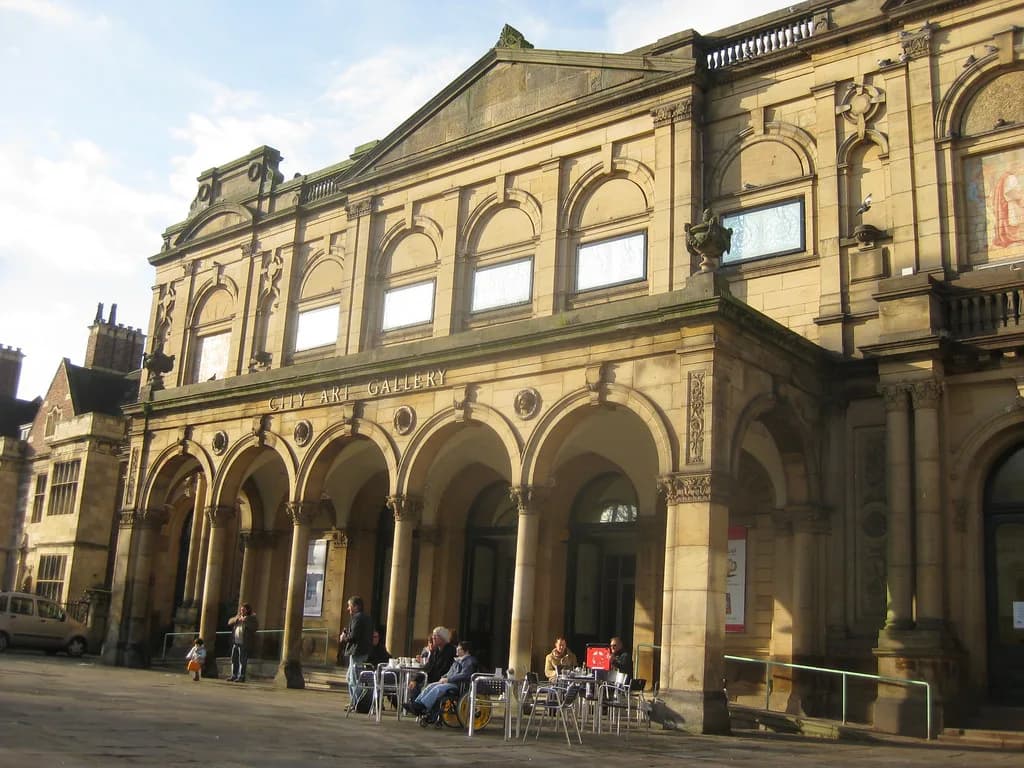
York Art Gallery holds paintings and decorative art and houses the Centre of Ceramic Art, which the Trust lists as a venue in its own right. It is the natural pick for anyone who would rather look at pictures and pots than at farm machinery or fossils.
The gallery runs changing exhibitions and prize shows; the Trust's site currently flags the Aesthetica Art Prize 2026 and Turner, Wedgwood & Beyond: Inspired by Flaxman. Treat these as programming for a set period rather than permanent rooms, and check the dates on the gallery's own listings before building a day around one.
The gallery sits between the Museum Gardens and the Minster quarter, so it slots neatly after a Yorkshire Museum morning, or as shelter on a wet afternoon. If you are weighing several art stops across the region, compare the city's public collections before committing.
Ceramics lovers should not skip the Centre of Ceramic Art even if the temporary show does not appeal; it is the reason many visitors add the gallery to a museum day at all. Allocate 45 minutes if you are short, or a full morning if the studio pottery tradition is your interest.
York St Mary's: contemporary art in a medieval church
York St Mary's is a redundant medieval church on Castlegate, close to the Castle Museum, now used by the Trust for contemporary art installations. The bare interior and surviving medieval glass make it a different experience from a conventional gallery: quiet, short and free of crowds.
Because it sits almost opposite the Castle Museum, it works best as a 20-minute add-on before or after Kirkgate rather than as a destination in itself. Check what installation is current before you go, since the space is programmed rather than filled with a standing collection.
Castlegate itself has the street layout of the medieval city, so the walk to and from St Mary's gives you a sense of the old riverside quarter without a detour.
York Museum Gardens: the outdoor half of the Yorkshire Museum visit
The Museum Gardens are open seven days a week and sit directly outside the Yorkshire Museum, holding plant collections, wildlife and the abbey ruins. Treat them as part of the museum visit rather than a separate attraction, because the two share a gate and a mood.
The gardens are the best answer to a short day or a change in weather: if rain clears, walk the ruins and the riverside path instead of paying for another indoor hour. They are also the easiest place to let children run before a timed museum slot.
For a wider sense of how the abbey, the walls and the Minster fit together, read the city's architectural history before you arrive. It makes the fragmentary ruins in the gardens far easier to picture.
Free versus paid: how to decide what to book
York's museums are not uniformly free: the Trust sells tickets for its venues, and the Castle Museum advertises that tickets booked through it last 12 months, a validity statement rather than a price list. Admission prices and any concession rates sit on each venue's own tickets page.
If keeping costs down is the priority, plan around the free options first and pay for one headline museum rather than three. Our guide to free museums in York sets out which collections you can see without buying a ticket.
Book ahead for the Castle Museum in school holidays and around Christmas, when half-term activities and festive displays draw local families as well as visitors. The Yorkshire Museum and gallery are usually easier to walk into, but a major touring exhibition can change that.
Castles and historic houses in the region sit outside the Trust's ticket system, so if you want a combined ruins-and-museum day, price them separately. Our castles near York guide covers the ticketed options beyond the city centre.
How long to allow at each museum
Allow two to three hours at York Castle Museum if you want Kirkgate, the period rooms, the prison and at least one temporary show; a fast lap of the street alone takes under an hour but misses the point.
The Yorkshire Museum needs around 90 minutes for the permanent galleries, plus 30 minutes in the gardens and ruins. The art gallery takes 45 minutes to an hour unless a major exhibition is running, and St Mary's is a 20-minute stop.
A realistic single day covers one big museum plus one small one, with a walk and a meal in between. Trying to fit the Castle Museum, the Yorkshire Museum and the gallery into one day leaves you sprinting past the objects that make each place distinctive.
Getting between the museums on foot
The Castle Museum and the Yorkshire Museum sit at opposite ends of the walled centre, roughly a 20-minute walk apart via Castlegate, the Shambles and the Minster quarter. York's centre is compact and pedestrianised, so walking is quicker than driving between them.
A sensible order starts at the Castle Museum, takes in St Mary's next door, walks north through the shopping streets to the art gallery and finishes at the Yorkshire Museum and gardens. Doing it in reverse works equally well and puts the gardens at the start of the day.
If you are arriving by train, the station is west of the centre and the Yorkshire Museum is the nearer of the two big museums, which makes it a natural first stop. Leave luggage at your accommodation before setting out, as museum cloakrooms are not a substitute for a left-luggage service.
Pairing museums with the rest of a York day
Museums work best as half a day, with the other half spent outdoors: the walls, the riverside and the Minster quarter all reward a slow walk. Booking a table for afternoon tea gives the day a shape and guarantees a sit-down in the mid-afternoon lull.
For an evening after a museum day, the city's ghost walks trade on its darker history, told as legend rather than fact. They suit anyone who has spent the afternoon on the Debtors' Prison and wants the spooky version.
History-led visitors can also add a house with its own darker tales, or plan a walk that takes in the streets around the Minster. Both make a natural complement to a morning of museum labels.
Practical points: tickets, timed entry and peak dates
Buy Castle Museum tickets in advance for October half-term and the Christmas period, when themed activities and displays fill the calendar. The museum's own site lists what is on and where to book.
Access is worth checking before you book: the Trust publishes visitor-information and access pages for each venue, covering step-free routes and relaxed openings. The Castle Museum runs relaxed Christmas sessions, which suit visitors who find crowds difficult.
If you are comparing museum cities, the same approach applies elsewhere: pick one flagship collection, one smaller venue and one outdoor space, then leave the rest for a return trip. The same logic holds for the museums in Birmingham, where one headline collection and a smaller house museum make a comparable day.
Plan Your Visit
Start with one big museum: the Castle Museum for Kirkgate and the prison, or the Yorkshire Museum for Roman and Viking material. Add St Mary's or the art gallery if you have a second block of time, and keep the Museum Gardens for the gap between them.
Book the Castle Museum ahead in school holidays and around Christmas, check ticket prices and opening days on each venue's own site, and walk rather than drive between the two ends of the centre.
Explore more York guides
Frequently Asked Questions
Which is the best museum in York?
It depends on your interests. York Castle Museum is the strongest pick for social history, with the reconstructed Kirkgate street, period rooms and the Debtors' Prison. The Yorkshire Museum is better for archaeology and natural history, covering Roman York, Viking North and Jurassic fossils. Art-led visitors should choose York Art Gallery and the Centre of Ceramic Art.
Is York Castle Museum the one with the Victorian street?
Yes. Kirkgate is the museum's recreated Victorian street, lined with shopfronts you walk through. The same site holds the period rooms including Moorland Cottage, the Debtors' Prison displays and costume galleries such as Secrets of Dress and The Sixties.
How long does York Castle Museum take?
Allow two to three hours to see Kirkgate, the period rooms, the prison displays and one temporary exhibition at a comfortable pace. A quick pass through the street alone takes under an hour but skips most of the collection.
What can you see at the Yorkshire Museum?
The permanent galleries cover Roman York, Viking North and Yorkshire's Jurassic World, alongside changing loan exhibitions such as Chariots, Treasure and Power on the Melsonby Hoard. The museum sits inside the Museum Gardens, so the abbey ruins and the Multangular Tower are part of the same visit.
Do you need to book York museums in advance?
Booking ahead is sensible for York Castle Museum during school holidays and the Christmas period, when themed activities draw local families. The Yorkshire Museum and York Art Gallery are usually easier to enter without a reservation, though a major touring show can change that. Ticket prices, opening days and any timed slots are published on each venue's own site.
Which museums are free in York?
Not all of York's museums are free, and the York Museums Trust venues sell tickets, so check each one before you go. Some collections and the Museum Gardens cost nothing to enter, and a separate guide to free museums in York sets out the options.
How far apart are the main museums?
York Castle Museum and the Yorkshire Museum sit at opposite ends of the walled centre, roughly a 20-minute walk apart through Castlegate and the Minster quarter. The centre is compact and largely pedestrianised, so walking is the practical way to link them.
Sources
Notes for your next city break
Optional updates to our UK city guides.
You might also like
Continue reading
More guides you'll find useful