
Aston Hall: A Visitor's Guide to Birmingham's Jacobean Mansion

Aston Hall is a Grade I listed red-brick mansion in Aston Park on the north side of Birmingham, built between 1618 and 1635 for Sir Thomas Holte and lived in by James Watt Junior from 1817 to 1848. It suits travellers who want one substantial historic house rather than a circuit of small sights, with the public park around it offering fresh air before or after the interiors. If you're deciding which part of the city to base yourself in, our Birmingham Neighborhoods guide maps out four areas.
Plan it as a half-day anchored on the house, not a quick photo stop: the architecture, the Holte story and the later Watt residency each reward a slow read of the interpretation. The hall sits two miles or so from the city centre by road, so treat the journey as part of the outing and pair it with one nearby stop rather than trying to fit in a full city circuit. If you're weighing up where to stay for the wider trip, our Birmingham Neighborhoods guide is a useful planning companion.
What Aston Hall Is and Where It Sits
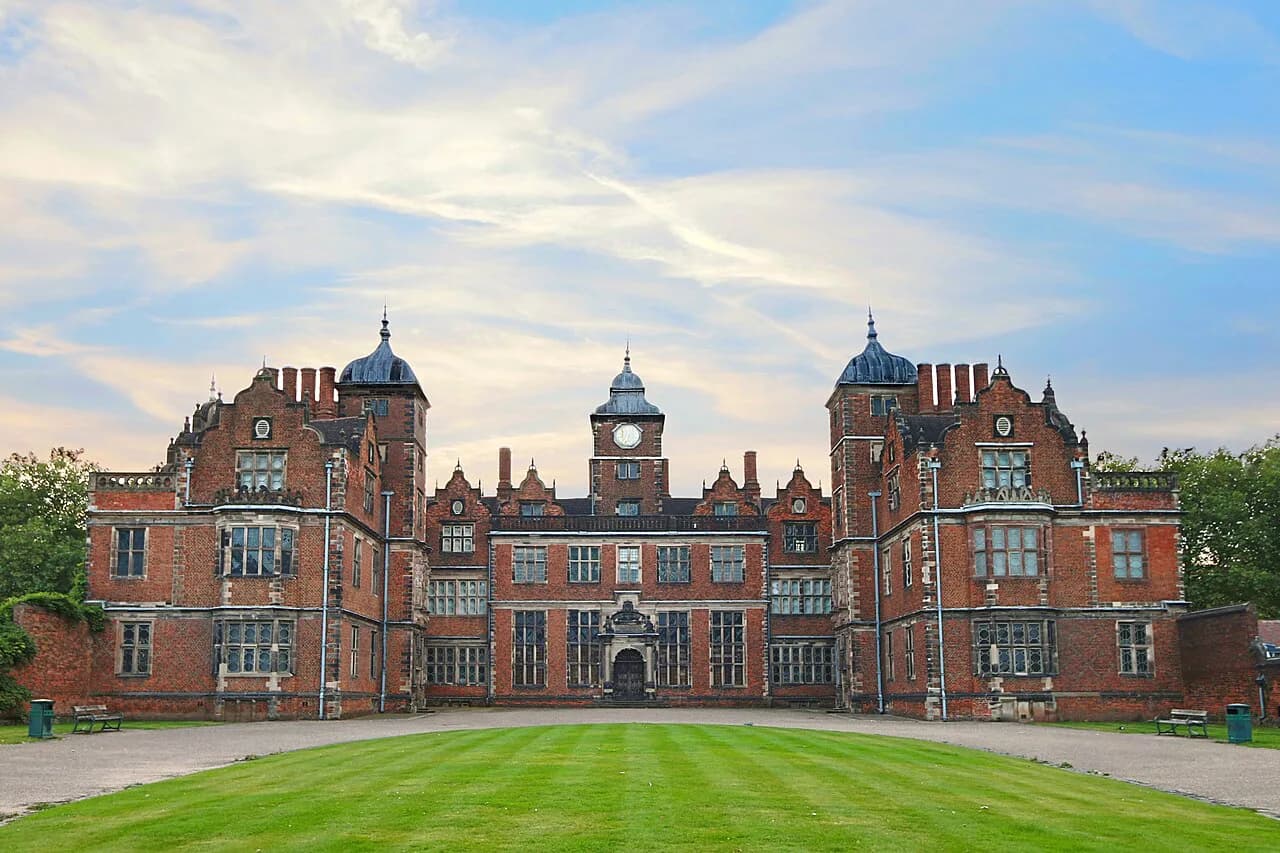
The hall is a seventeenth-century red-brick mansion standing in Aston Park, a public green space north of central Birmingham in the B6 postcode area. Its setting is suburban rather than rural: you get lawns and mature trees around a very urban building, with the city's roads and rooftops never far away. Expect a park that belongs to the neighbourhood, with dog walkers and families alongside visitors. If you want to weigh Aston against the city's other areas, our Birmingham Neighborhoods guide covers four districts worth knowing.
Because the park wraps around the house, you can see the exterior, the turrets and the brickwork without committing to the interiors, which makes it a flexible stop if your day is running late. If you would rather build a fuller day of Birmingham sights, the city's attraction guides are a useful place to match this visit with something in the centre.
A Short History: Sir Thomas Holte and James Watt Junior
Sir Thomas Holte commissioned the house, which was built between 1618 and 1635 and is now Grade I listed, a designation reserved for buildings of exceptional architectural or historic interest. The scale of the build and the family's standing in the area explain the ambition of the facade you see today.
The house had a second distinguished chapter when James Watt Junior, son of the engineer whose work powered the Industrial Revolution, lived there from 1817 to 1848. That pairing, a Jacobean country house and an industrial-age tenant, is what makes the hall worth reading about before you arrive rather than simply walking through.
The Exterior and Grounds: Red Brick, Turrets and the Park
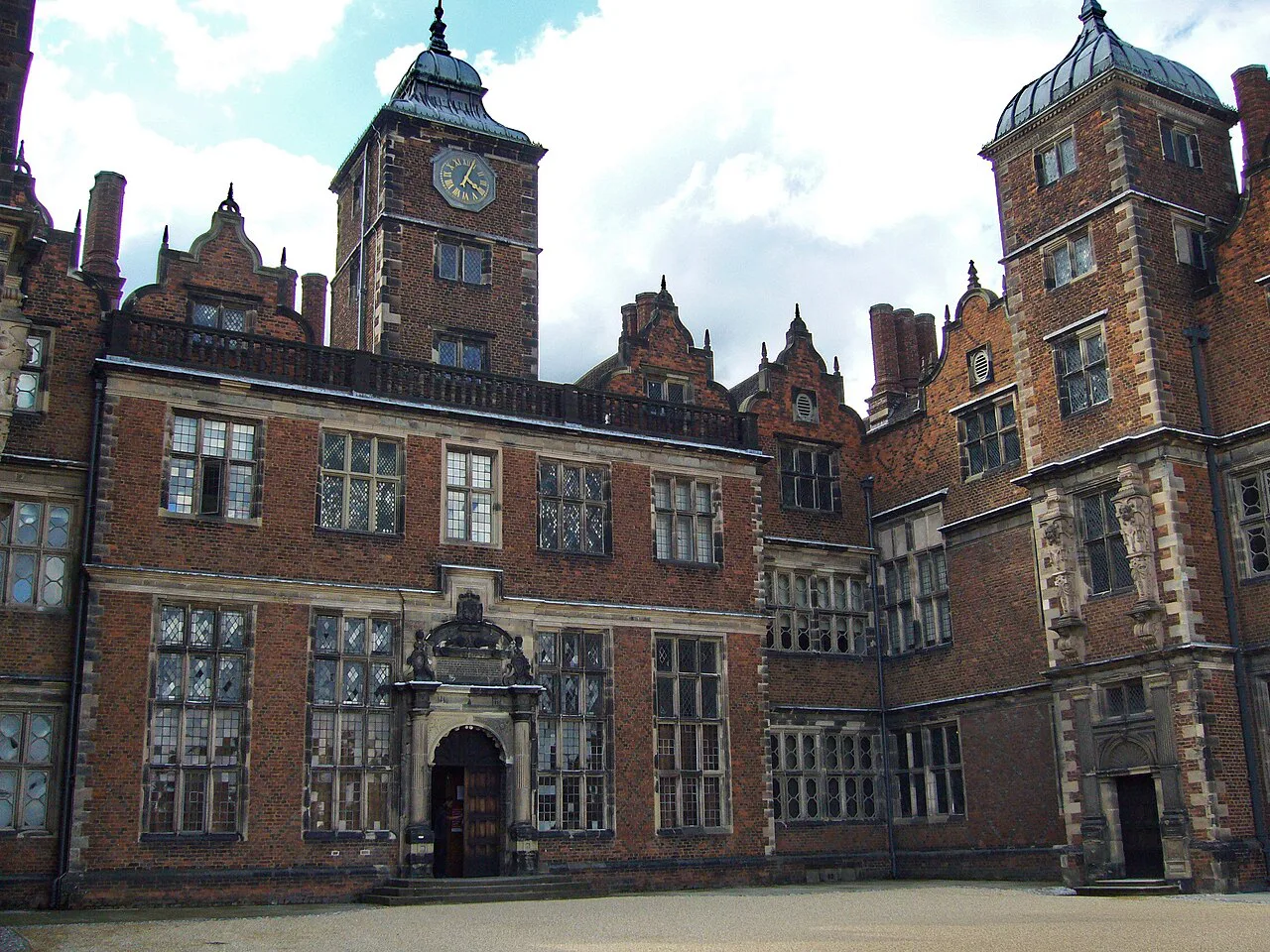
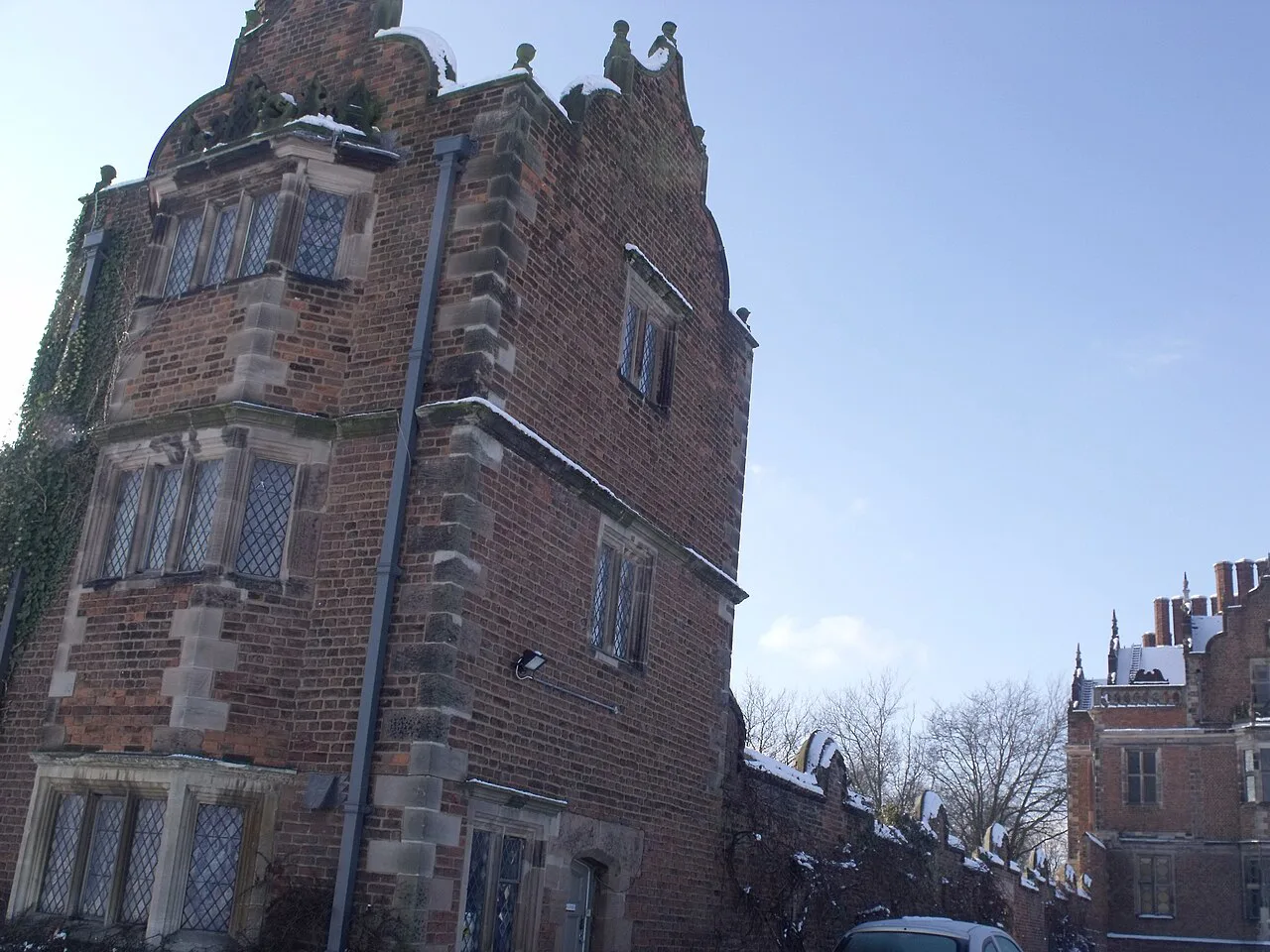
The facade is the star of the visit: warm red brick, pronounced turrets and a roofline that reads clearly across the park lawn. Walk the outside first and use the park paths to see the house from different angles, since the front elevation and the side wings tell slightly different stories about the building's shape.
The park itself is a straightforward public green space with lawns and mature trees, so it works best as a picnic or leg-stretch rather than a garden with formal planting to tour. Visitors describe the surroundings as a picturesque public park, which is the right expectation to set: bring a coat and comfortable shoes, and treat the grounds as breathing room around the house.
What to See Inside the Hall
Inside, the draw is the sequence of period rooms and the way the house interprets both its Jacobean origins and its later nineteenth-century residency. Read the room notes as you go, because the same spaces carry two layers of history and the furniture and decoration shift between them. Allow yourself to linger in the main state rooms rather than rushing to the exit.
If your taste runs to collections and galleries, balance the hall with the free-to-enter Birmingham Museum & Art Gallery in the city centre, which holds the city's broader art and social history collections and pairs neatly with a Holte-and-Watt day.

How Long to Allow for a Visit
Give the house and park between two and three hours if you want to read the interpretation panels and walk the grounds, and rather less if you are content with the exterior and a loop of the park. The rooms are not vast, but a Jacobean house rewards slow looking more than fast counting, and the park adds a natural half hour on a fine day.
If you are travelling with children or on a tight schedule, a one-hour circuit of the ground floor plus the park will still give you the essence of the place. Decide before you arrive which of those two visits you want, because the journey out from the centre makes a rushed trip feel longer than it is.
Tickets, Opening Hours and Booking Ahead
Birmingham Museums manages the hall, and its own pages carry the current admission charges, opening days and any seasonal closures; book or check there before you travel rather than relying on third-party listings. Timed slots and school-holiday demand can change how a visit feels, so a quick check the week before is worth the minute it takes.
The park around the house is a public green space and is described as free to visit, so a walk around the exterior costs nothing even if the interiors are closed on the day you arrive. Treat the interiors and the park as two separate decisions and you will not be disappointed by a closed door.
Getting to Aston Hall by Train, Bus and Car
The hall sits on the north side of Birmingham in Aston Park, a couple of miles from the city centre, which puts it within reach of a short bus or train ride plus a walk rather than a central stroll. Check the current bus routes, nearest station and walking directions with Transport for West Midlands before setting out, since routes and timetables change.
Driving is the simplest option if you are combining the hall with a wider West Midlands day out, and the park's location just off the Aston expressway makes it easy to reach from the M6. Parking arrangements and charges are best confirmed with Birmingham Museums when you check opening times.
Access Notes: Steps, Floors and the Grounds
This is a seventeenth-century house, so expect stairs, uneven floors and narrow doorways in the historic rooms; the park paths are gentler but not all surfaced for wheels. If anyone in your group has mobility needs, ask Birmingham Museums about lift access and step-free routes before booking, since the answers vary by room and floor.
Wear flat shoes and bring a waterproof layer, because the park walk between the entrance and the house is exposed on a wet day. Allow extra time if you are slower on stairs; the house is not large, but the vertical bits add up.

Nearby: What Else to Pair with a Visit
The most natural companion is the city centre, where Birmingham Cathedral (St Philip's) and the surrounding Colmore Row streets make an easy hour before or after the hall. If you are planning an afternoon tea in Birmingham, the Grand Hotel on Colmore Row and the surrounding hotels and tea rooms give you a natural pairing with a cathedral visit. If you would rather pick your base first, our guide to Birmingham Neighborhoods covers four areas worth weighing up.
North of the city, Sutton Park at Sutton Coldfield offers a much larger expanse of heath and woodland if you want a country walk after the house. If you would rather stay in the city, the Birmingham Back to Backs on Hurst Street give a National Trust look at working-class homes that contrasts sharply with the Holte family's mansion.
For a greener half-day, the Birmingham Botanical Gardens on Westbourne Road in Edgbaston offer glasshouses and formal planting as a counterpoint to Aston's lawns, while a wander along the canal towpaths gives you the city's industrial waterways in an hour or so.
Legends: The Hall's Ghost Stories Told as Legends
Aston Hall has a reputation among ghost-story enthusiasts, and local legend attaches tales of apparitions and strange noises to its corridors and staircases. Treat these as stories, not history: they belong to the folklore that accumulates around old houses, and nothing in the visitor record confirms them as fact.
The more solid Civil War association is worth telling as legend too: the Holte family lived through the conflict, and the house's Royalist connections have been embroidered over the centuries. Enjoy the stories as atmosphere, and let the architecture and the documented residents carry the historical weight.
Plan Your Visit
Aston Hall earns its place on a Birmingham break as a single, well-defined historic house with a genuine double history and a park that lets you enjoy the exterior for nothing. Build the day around the house and one nearby stop, keep the visit to a morning or afternoon, and confirm the current admission and opening arrangements with Birmingham Museums before you travel.
Explore more Birmingham guides
Frequently Asked Questions
What did Aston Hall used to be?
It was built between 1618 and 1635 as the home of Sir Thomas Holte and is now a Grade I listed historic house open to visitors, with Aston Park around it. James Watt Junior lived there from 1817 to 1848.
Is Aston Hall haunted?
The hall has a reputation for ghost stories, but these are local legend rather than documented fact. Enjoy them as folklore and let the architecture and the Holte and Watt history carry the visit.
How long does it take to visit Aston Hall?
Allow around two to three hours to see the interiors at a relaxed pace and walk the park. A one-hour circuit of the ground floor and the grounds works if you are short of time.
How do you get to Aston Hall from Birmingham city centre?
The hall is in Aston Park, a couple of miles north of the centre. You can reach it by bus or train plus a short walk, or by car from the M6. Check current routes and the nearest station with Transport for West Midlands.
Do you need to book Aston Hall in advance?
Check the Birmingham Museums pages for the current booking system and any timed slots before you travel. Booking ahead is sensible during school holidays, when demand is higher.
Is Aston Hall free to visit?
The park around the hall is a public green space that is free to visit, so the exterior costs nothing. Admission to the historic interiors is set by Birmingham Museums and should be checked on their pages.