Things to Do in Birmingham: Museums, Canals and City Sights
Plan a Birmingham city break with museums, canal towpaths and the Digbeth street-art quarter, plus honest advice on grouping sights by area and time needed.
On this page
Birmingham works best as a two-day city, with one day for the city centre and canal-side and a second for Digbeth and a half-day extension. If you have only a day, pick the centre and the towpaths and leave the rest, because the city's sights are spread across distinct quarters rather than stacked in one block.
The short answer for a first visit is museums and galleries in the morning, a canal-side walk through Brindleyplace in the afternoon, and an evening show at the Hippodrome if the programme suits. Around Digbeth's street art scene, canal-side walks in Brindleyplace and shows at the Hippodrome, each pick sits in its own quarter and deserves its own slice of the day.
What to See in Birmingham: The Short Answer
Give Birmingham two days if you can. Day one covers the city centre for museums and the shopping core, then the canal-side for a towpath walk into the evening. Day two belongs to Digbeth for street art and independent spaces, with a half-day extension to a nearby town or village if you have the appetite for a train ride.
With a single day, cut ruthlessly: choose one museum, walk the canal-side, and stop. Trying to add Digbeth on top of the centre turns a pleasant day into a march between quarters, and the bits in between are not the reason you came.
How Birmingham's Sights Group by Area
Think of the city in three pieces. The city centre holds the main museums, galleries, shops and the Hippodrome theatre. The canal-side, anchored by Brindleyplace, is a walking quarter of towpaths and waterfront. Digbeth, south-east of the centre, is the street-art and independent-venue quarter.
Grouping by area is the single biggest time-saver in Birmingham, because the distances between quarters eat a day faster than any queue. Plan each half-day around one quarter, and use the time between them on foot along the canals rather than doubling back on yourself.
Museums and Galleries Worth Your Time
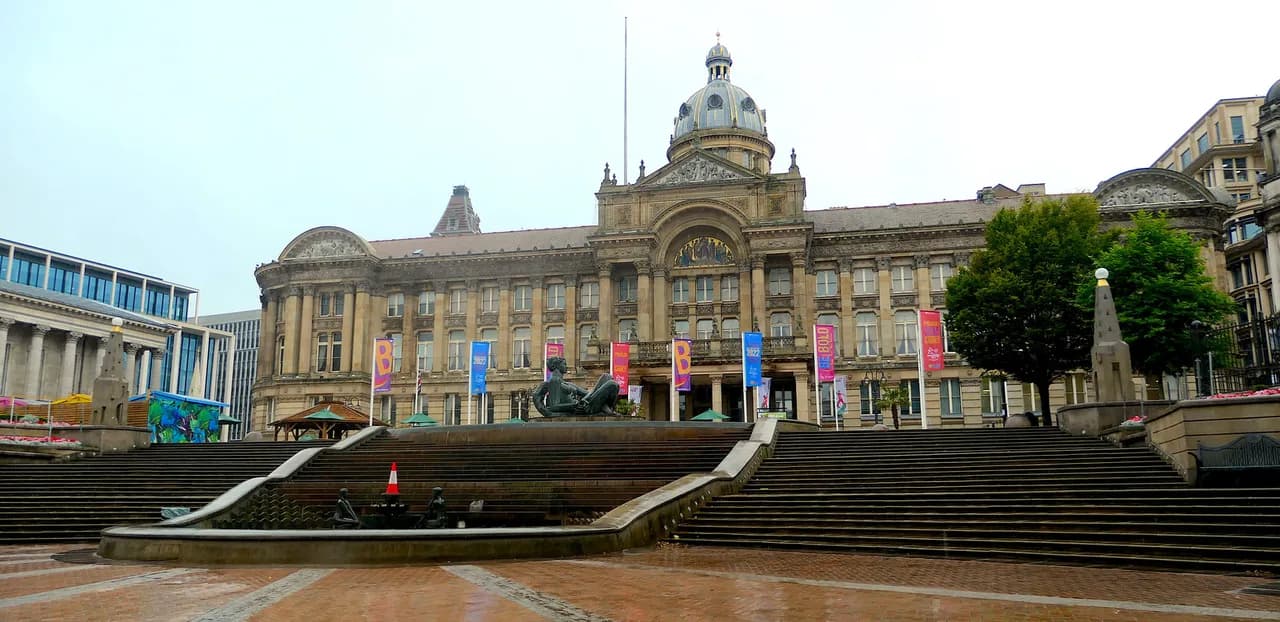
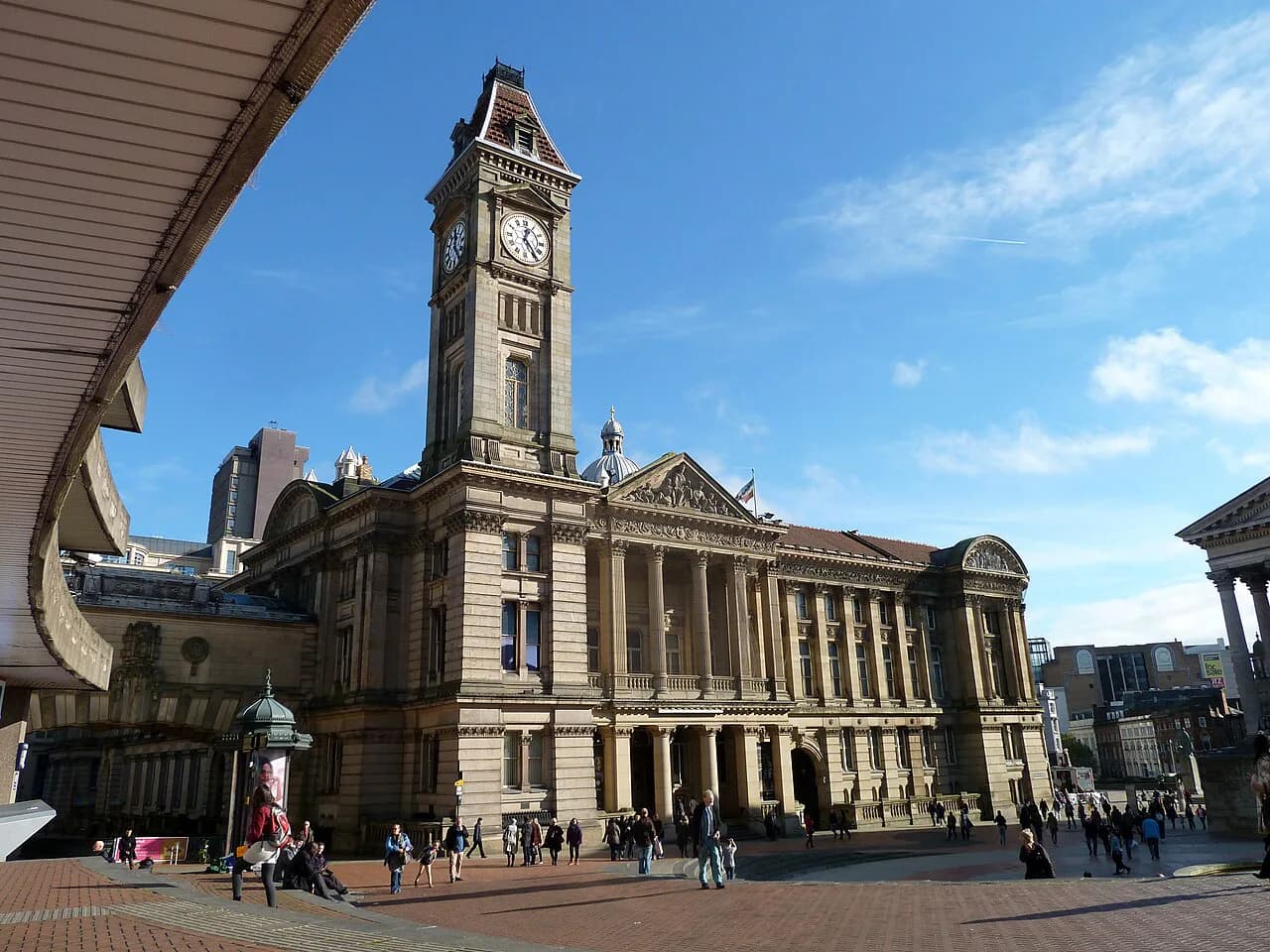
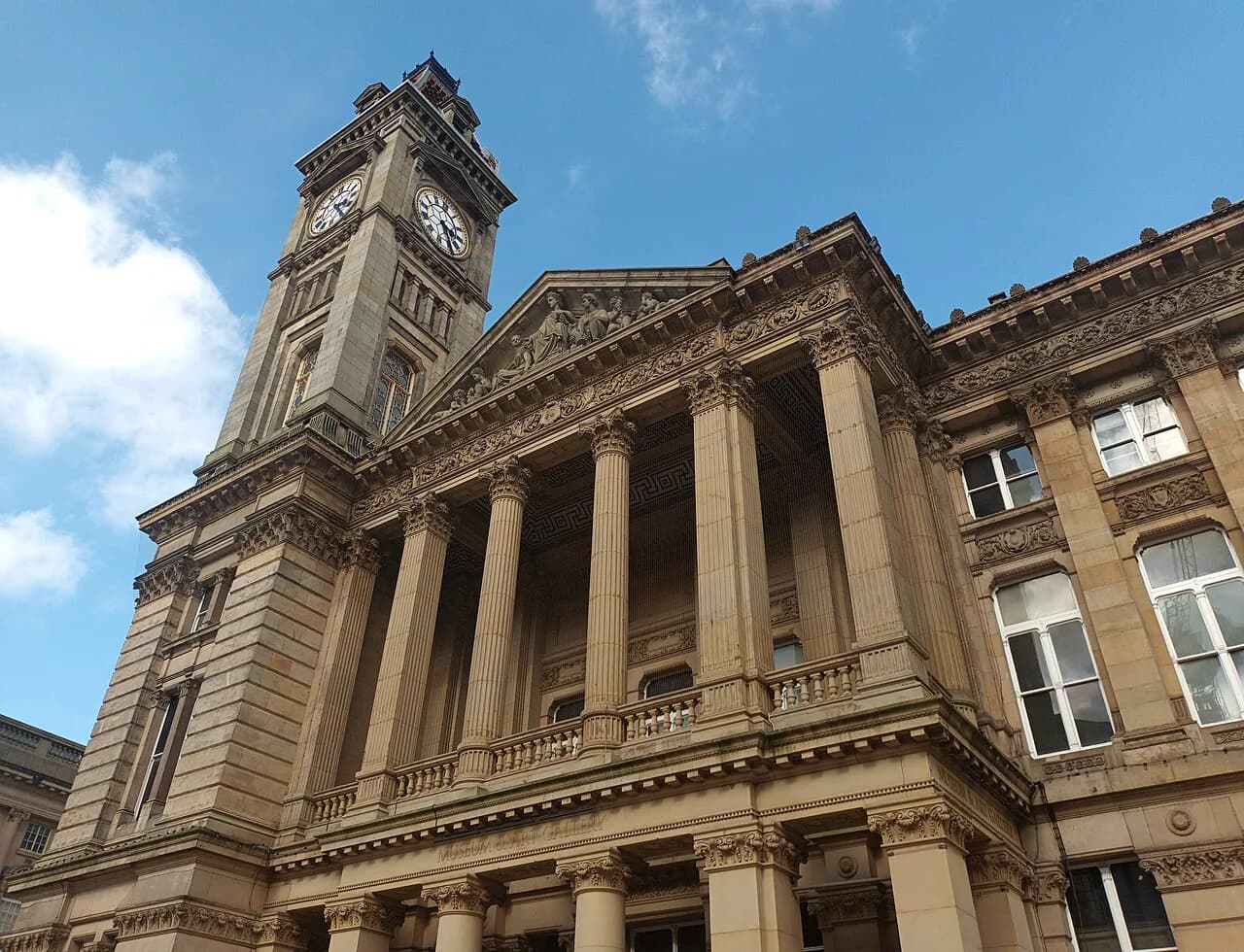
Birmingham's museum and gallery offer is the strongest reason to give the city a full day rather than an afternoon. The city centre concentration means you can pair a museum with a gallery without a bus ride between them, and the surrounding streets give you somewhere to sit and reset between collections.
Treat a museum morning as three hours minimum: one collection in depth beats two in a rush, particularly if you are travelling with someone whose patience for display cases runs shorter than yours. Check opening days before you build the day around a specific venue, since civic collections can close a day or two each week.
Canals and Brindleyplace: Walking the Towpaths
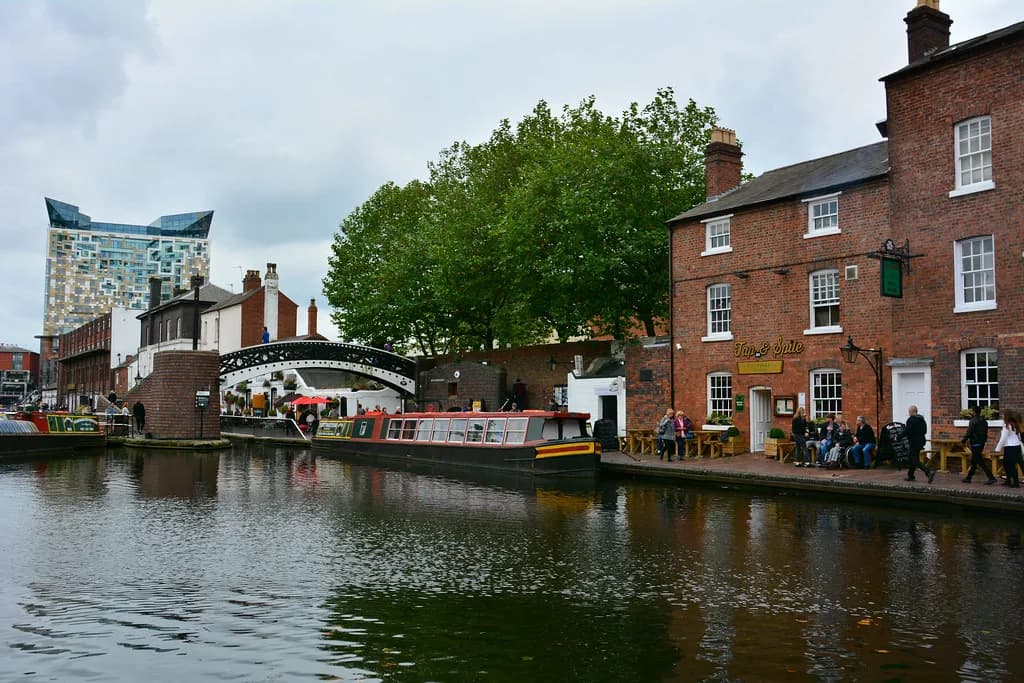
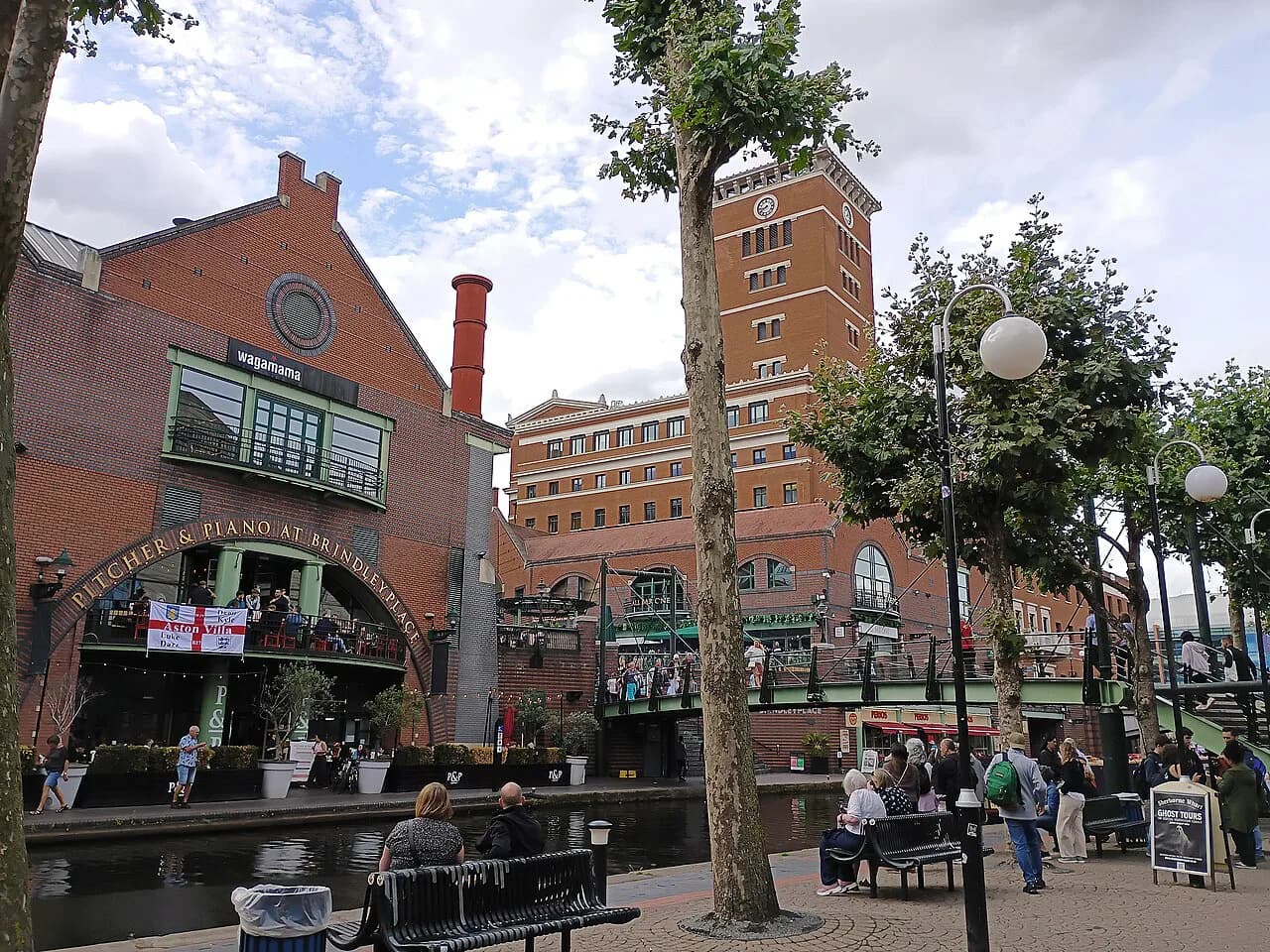
Birmingham's canal network is the city's best free attraction and its most underrated one. The towpaths around Brindleyplace give you a waterfront walk with pubs and bridges, and the route is flat and easy to follow. Allow an hour to ninety minutes for a relaxed circuit with stops.
The trade-off is surface and lighting: towpaths can be uneven, and under bridges the light drops quickly, so wear shoes with grip and keep an eye on the time if you are walking after dusk. A canal walk also gives you a natural link between the centre and the outlying quarters, which is far more pleasant than the same distance along a main road.
Digbeth Street Art and Independent Spaces
Digbeth has become the city's creative quarter, and its street-art scene is the headline draw. Set aside two hours to wander rather than follow a fixed route, because the walls change and half the pleasure is turning a corner into something new. Weekend daytime is the most comfortable window for browsing.
Independent venues in Digbeth pair well with a street-art walk, but their programmes vary week to week, so check what is on before you commit an evening. The area is also where you will find the city's more unusual date ideas and small-scale events, which makes it a good second-day anchor rather than a first-day one.
The Hippodrome and an Evening's Entertainment
The Birmingham Hippodrome is the city's big-stage theatre and the obvious choice for an evening out. Shows anchor a day nicely: a matinee frees the evening, while an evening performance means you should keep the afternoon light and close to the centre.
Book the show before you book the hotel, since the performance schedule, not your preference, should decide which night you stay. If you are travelling as a group, agree on the show first and build the rest of the trip around it, or you will spend the whole planning conversation negotiating.
Family-Friendly Picks and Pacing a Day With Children
With children, cut each quarter down to one anchor and accept that you will cover less than you planned. A museum in the morning, a canal walk with a snack stop, and an early dinner is a full and successful day. Trying to add Digbeth to that is where the tears start.
Rain is the real variable in Birmingham, so keep a wet-weather alternative up your sleeve that does not require a booking. A covered market or a museum you have already researched will save an afternoon far better than a scramble on a phone in a doorway.
Indoor options matter most in the shoulder months, when the canal-side is least appealing and the city centre busiest. Having a shortlist of indoor activities saved in advance means a wet morning costs you an hour rather than the day.
Free Things to Do in Birmingham
Birmingham is generous with free options: the canal towpaths cost nothing, and the city's public collections give you a substantial morning out without a ticket. Walking the quarters is itself the attraction, and a free day here is not a poor relation of a paid one.
Build a free day around one anchor and let the walking fill the rest, which is the backbone of this guide to the free things to do in Birmingham. The mistake is treating free sights as a second tier and trying to bolt them onto a paid itinerary, which produces a rushed day and no time to actually look at anything.
Towns and Villages Near Birmingham for a Half-Day Extension
If you have a spare half-day, the towns and villages around Birmingham make a good change of scale after the city centre. Pick one and go properly rather than trying to tick off two, since the travel time is the same either way and a single place rewards the effort.
Wolverhampton is the most straightforward extension from the Birmingham conurbation and has enough to fill an afternoon on its own. Check train times before you go, because a half-day trip becomes a whole-day trip quickly once the timetable gets thin.
Bournville and Birmingham's Chocolate Heritage
Bournville is the model village built around the chocolate works, and it gives you a very different Birmingham from the city centre. The architecture and the green setting are the draw, and a couple of hours on foot covers the core comfortably.
Pair Bournville with a canal-side afternoon if you are based in the centre, since both suit a slower pace and neither demands a booking. If your time is tight, choose one of the two rather than both.
Walks and Green Space In and Around the City
Birmingham's green space is easy to overlook when you are planning around museums and theatres, but the country walks around the city are a genuine option for a dry day. They suit a half-day and reward a pair of proper shoes more than a detailed itinerary.
Use green space as your flexible slot: if the weather holds, take it, and if it turns, swap in an indoor anchor without disturbing the rest of the plan. That one piece of flexibility protects a two-day visit better than any amount of over-planning.
Getting Around Birmingham on Foot, by Canal and by Train
Birmingham's centre is walkable, and the canal network gives you a traffic-free route between quarters that makes walking genuinely the best way around. For the wider conurbation, the train is the sensible option, and stations in the centre put you within reach of the main sights.
The trade-off with walking the towpaths is that they are not always the direct route, and in poor light or after rain they are slower than a street-level walk. Budget extra time for a canal route rather than treating it as a shortcut.
Where to Fit In a Proper Afternoon Tea
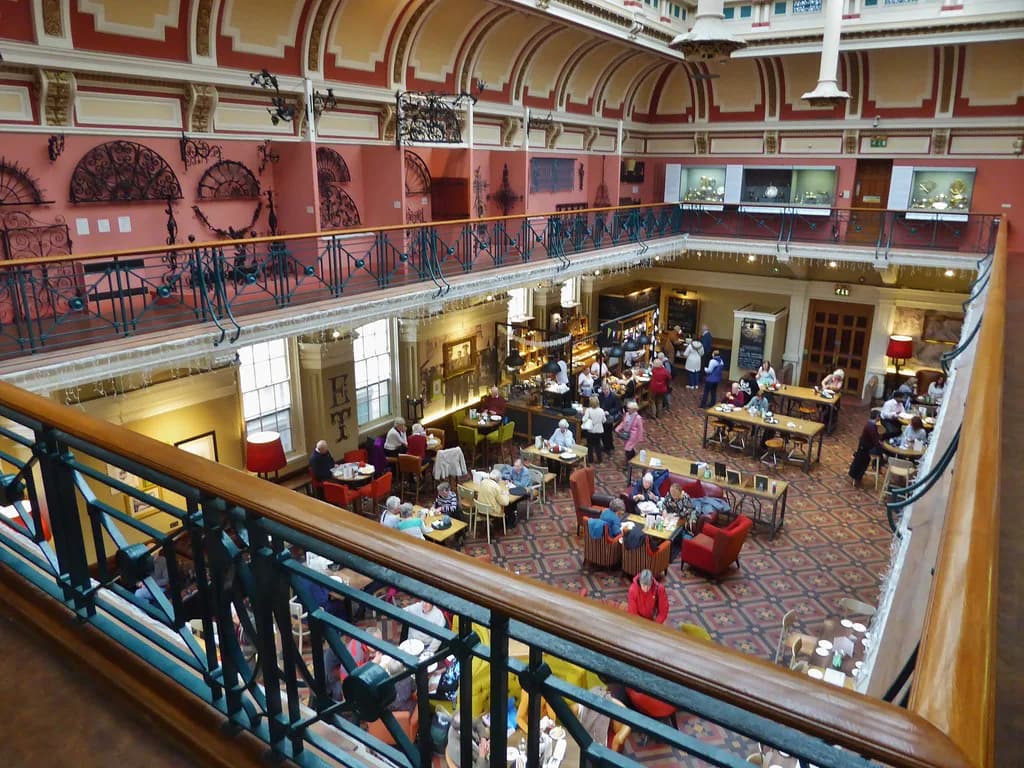
Afternoon tea fits naturally into the late-afternoon slot, between the museum and the evening, and it is a good way to sit down when your legs have had enough. Book ahead for the well-known rooms, since the sitting you want is often the first to go.
The Grand Hotel Birmingham is the city-centre option to know about when you are working out where the day's pause should fall. Check current serving times and whether booking is required before you build the afternoon around it.
A Suggested One-Day and Two-Day Plan
For one day, start with a city-centre museum, walk the canal-side through Brindleyplace after lunch, and finish with a show or an early dinner. Keep the walking short and resist the urge to add Digbeth, which deserves its own half-day.
For two days, give day one to the centre and canal-side, and day two to Digbeth and an afternoon tea, with the Hippodrome in the evening if the programme works. If you would rather have the whole thing mapped out for you, our suggested weekend in Birmingham takes the same areas in a different order.
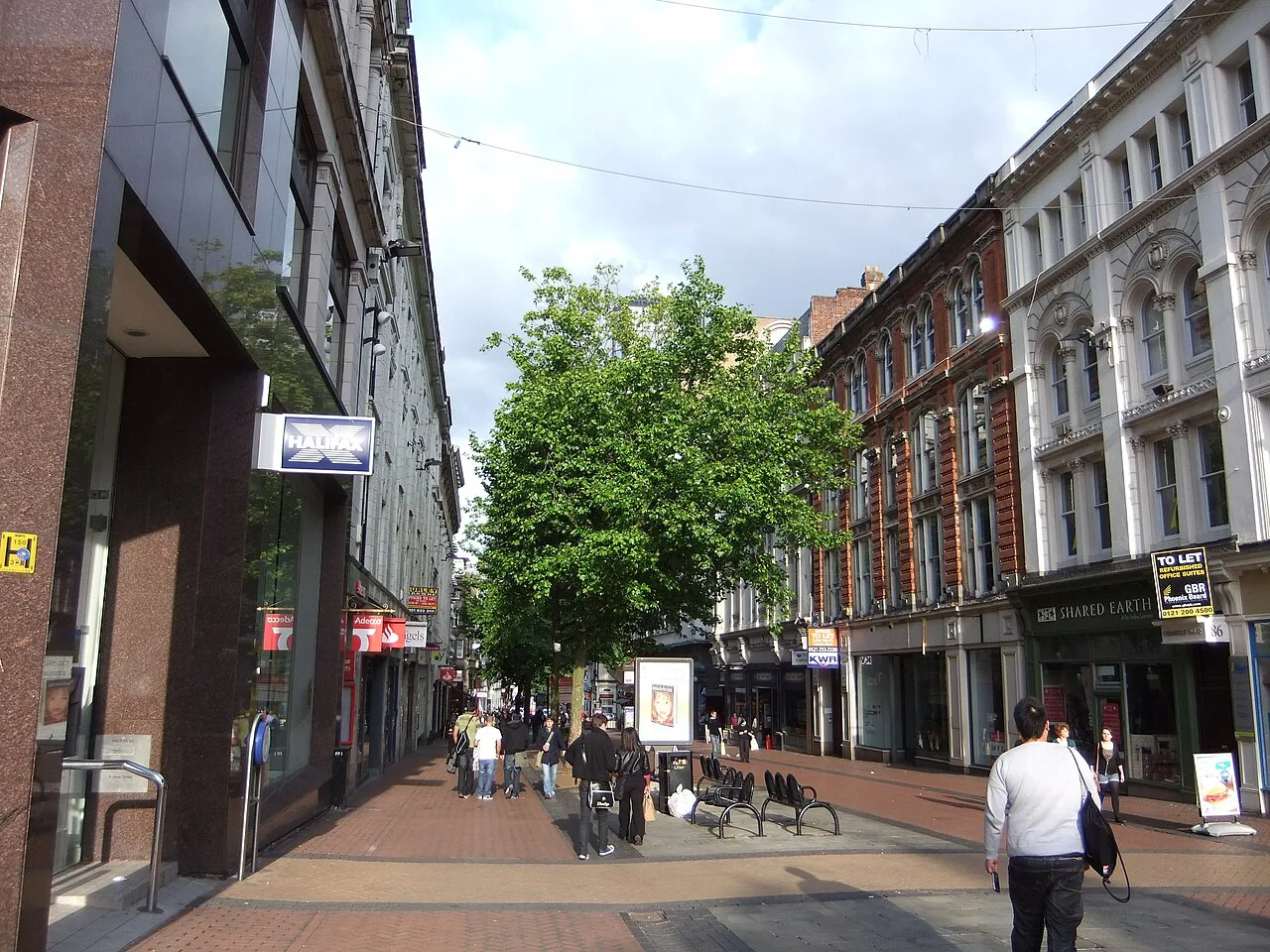
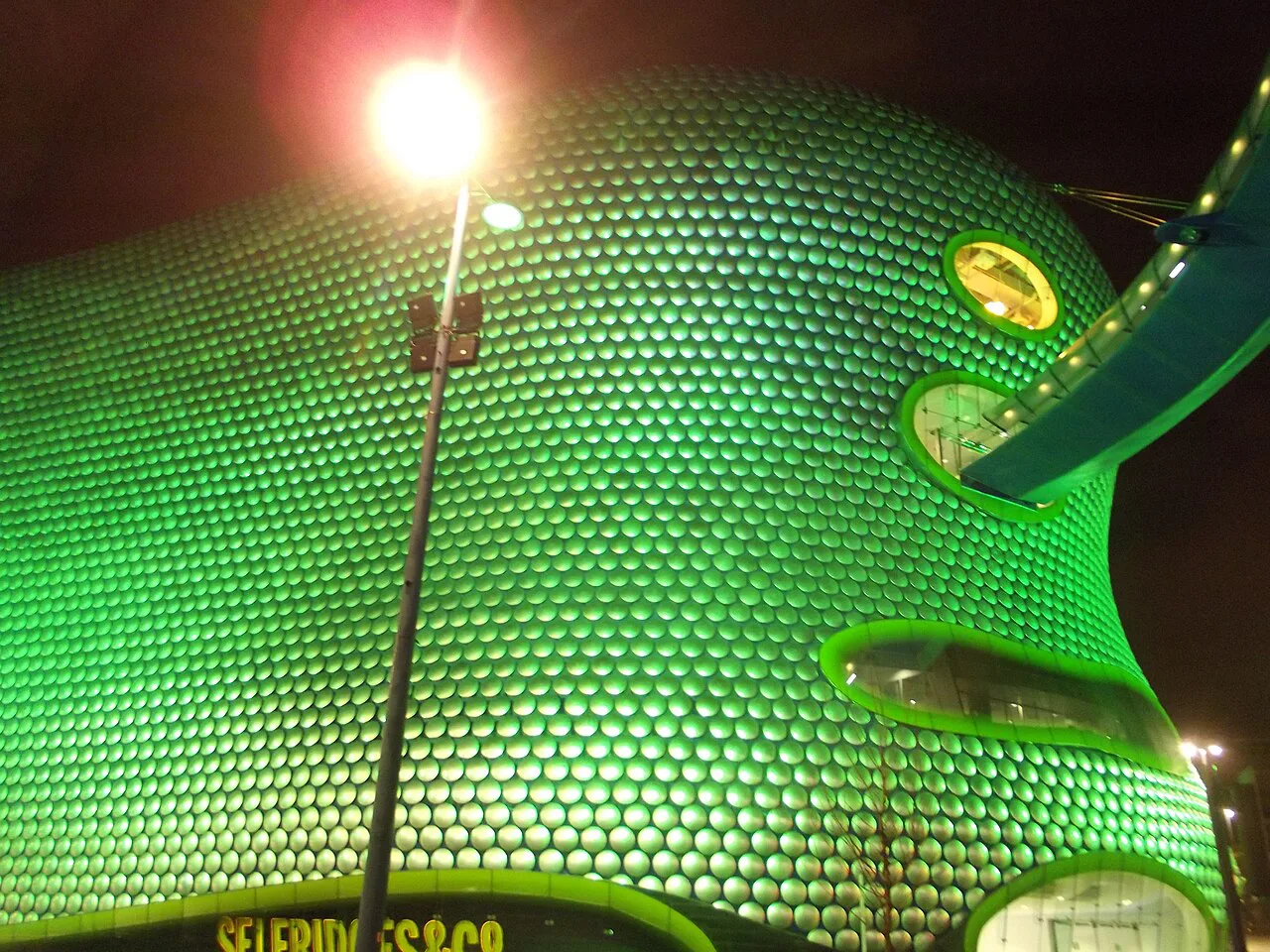
Use the shopping core as a rain plan rather than a destination: the Bullring & Grand Central sits in the middle of the centre and gives you a covered hour if the weather turns. That way a wet afternoon costs you a museum, not the trip.
Practical Trade-offs: Queues, Steps, Seasonal Hours and Booking Ahead
The honest trade-offs in Birmingham are distance, weather and timing. The quarters are close enough to walk but far enough that you cannot do all three in a day without rushing. Rain changes the value of every outdoor plan, and civic venues keep their own opening days, so a quick check of the specific venue the evening before is worth more than any general rule.
Book theatre tickets and any afternoon tea you have your heart set on; leave museums and canal walks unbooked. That split keeps your days flexible while protecting the parts that genuinely fill up, and it means a change of plan costs you an hour rather than an evening.
If you are weighing Birmingham against another British city for a short break, the honest comparison is scale: Birmingham gives you a big-city spread of quarters with a compact walkable core, while smaller cities give you everything within ten minutes of the station. Choose Birmingham for the variety, not for convenience. If you would rather test that trade-off somewhere smaller, our guide to things to do in Brighton compresses landmarks and lanes into a walkable core.
Plan Your Visit
Build your Birmingham trip around quarters, not a checklist: one museum, one canal walk, one Digbeth wander, and a theatre evening if the programme suits. That structure holds up whether you have one day or three, and it leaves room for the rain that will almost certainly appear.
Check the specific venue's opening days and the theatre's programme before you travel, then leave the rest loose. The city rewards a plan that bends.
Explore more Birmingham guides
Frequently Asked Questions
How many days do you need in Birmingham?
Two days covers the city comfortably: one for the city centre and the canal-side, one for Digbeth and a slower afternoon. With a single day, choose a city-centre museum, walk the canal towpaths through Brindleyplace, and leave Digbeth for another visit rather than rushing all three.
Is Birmingham worth visiting?
Yes, if you want a big city with distinct quarters rather than a compact sightseeing core. The museums and galleries in the centre, the canal-side walks around Brindleyplace and the street-art scene in Digbeth give you three different days in one city, and the theatre scene anchors an evening.
What can you do for free in Birmingham?
Walking the canal towpaths costs nothing, and the city's public collections give you a substantial morning out without a ticket. Building a free day around one anchor and filling the rest with walking works better than treating free sights as extras to bolt onto a paid itinerary.
What is there to do in Birmingham with kids?
Keep each half-day to one anchor: a museum in the morning, a canal walk with a snack stop, and an early dinner is a full day with children. Keep a wet-weather alternative such as a covered market in reserve rather than booking everything in advance.
Is there anything fun to do in Birmingham for adults?
Adults have the theatre at the Hippodrome, the street-art and independent venues in Digbeth, and the canal-side pubs around Brindleyplace. Book the show before the hotel, so the performance schedule decides which night you stay rather than the other way round.
What are some hidden gems in Birmingham?
Bournville is the most rewarding detour for a half-day, with its model-village architecture and green setting a contrast to the city centre. The canal towpaths away from the busiest stretches are the other underrated option, and both suit a slower pace without a booking.
Sources
Notes for your next city break
Optional updates to our UK city guides.
You might also like
Continue reading
More guides you'll find useful