
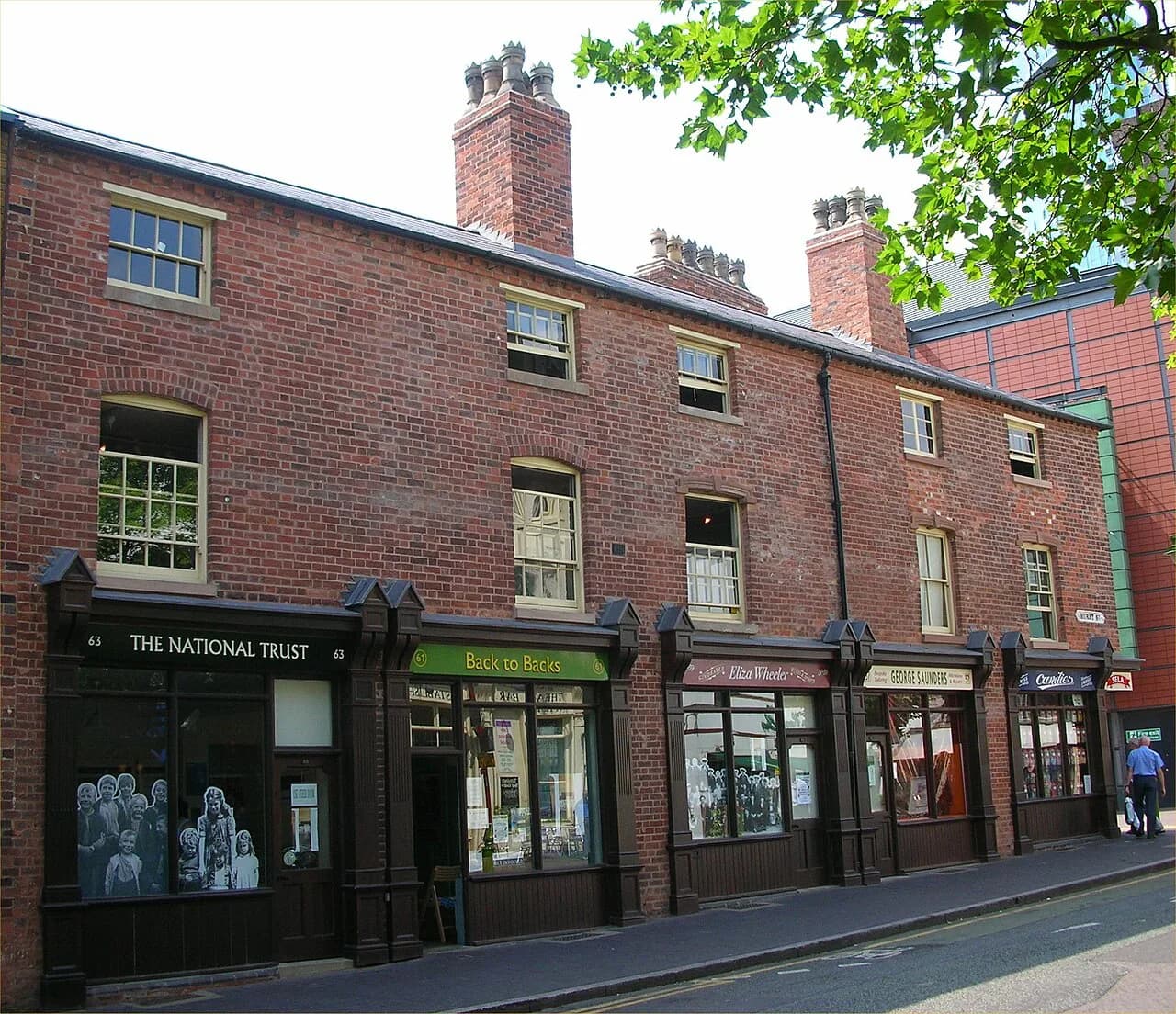
Birmingham Back to Backs: a visitor's guide

Birmingham Back to Backs preserves the last surviving stretch of back-to-back housing in the city, a small terrace on Inge Street and Hurst Street restored by the National Trust and opened to visitors in 2004 after the restoration was completed. Entry is by guided tour, so a booked visit is a different experience from simply walking past the front doors. The address is 55–63 Hurst Street and 50–54 Inge Street, Birmingham B5 4TE, right beside the Hippodrome Theatre. That location puts it within easy reach of New Street station and the central shopping streets, making it a natural short stop rather than a half-day outing.
What Birmingham Back to Backs is
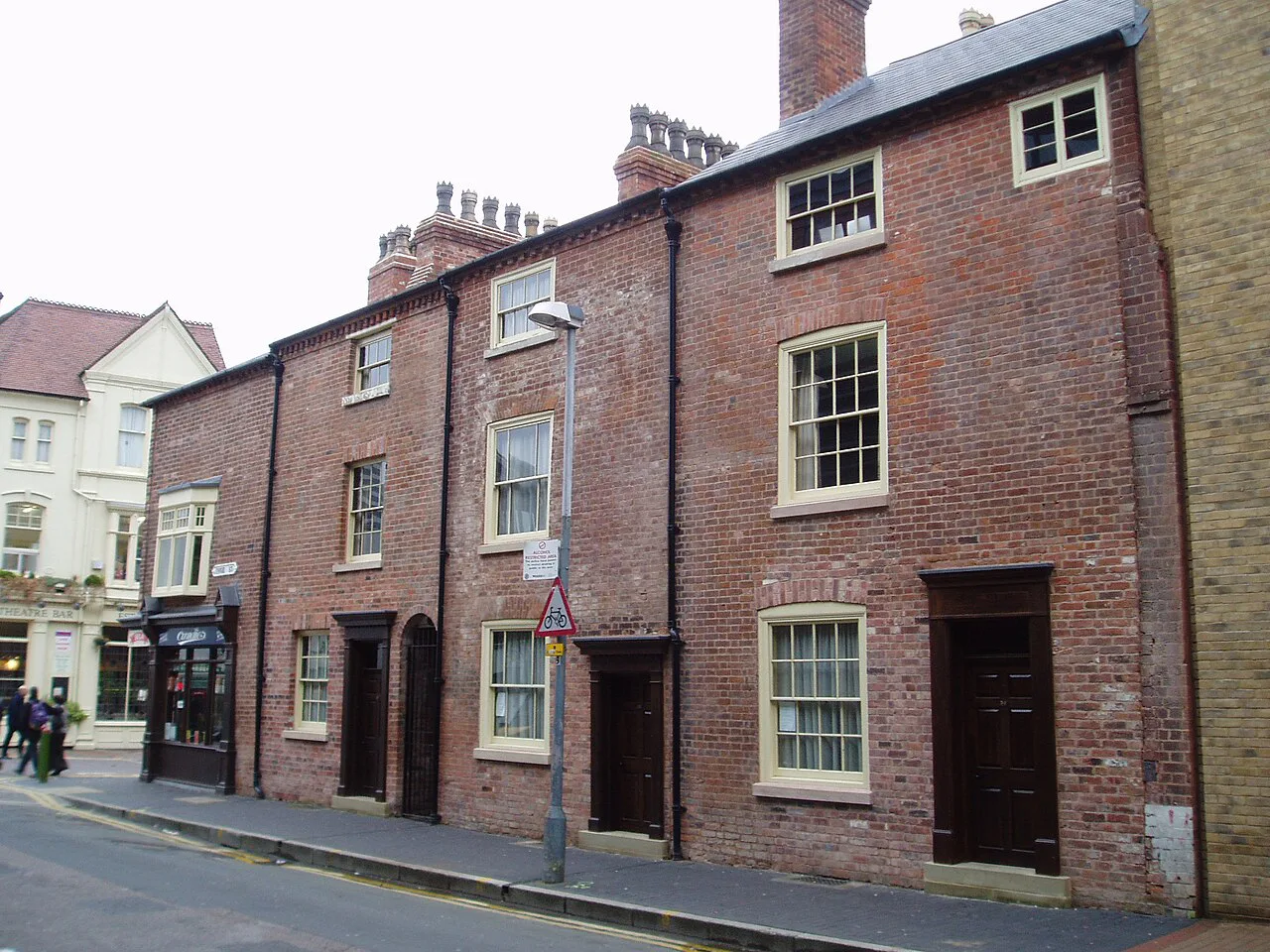
Back-to-back houses were two-storey terraced homes built literally back to back, sharing walls and space so tightly that families lived in cramped rooms around small communal courtyards. Birmingham Back to Backs is the sole survivor of that housing type in the city, a small terrace restored to show how working-class households lived. The site is run by the National Trust, and the restored houses are presented with period detail rather than as an empty shell. It is a compact place with a big story, and the intimacy of the rooms is the point.
Where they are
The houses stand at 55–63 Hurst Street and 50–54 Inge Street, Birmingham B5 4TE, immediately next to the Hippodrome Theatre in the Southside part of the city centre. That theatre landmark is the easiest orientation: if you can find the Hippodrome, you are at the courtyard entrance. The street address is worth noting because the site is easy to miss between larger buildings. Use the postcode for mapping rather than a vague city-centre search.
Getting there
The Back to Backs are about ten minutes' walk from New Street station, the main rail hub for the city, and very close to many bus stops. That makes them practical on foot from most central hotels, though the walk is short enough to combine with other nearby stops rather than plan as a separate trip. If you are arriving by train, exit towards the Hippodrome and Southside and look for the Inge Street and Hurst Street corner. For drivers, use the theatre address as your navigation target and treat parking as a separate question to sort with whichever car park you choose.
How a visit works
Access to the houses is by pre-booked guided tour, not by wandering through at will, so book ahead if the Back to Backs are a priority for your trip. The tour format matters because the interiors are small and the story is told through the rooms, the courtyards and the outdoor toilets that served the households. Booking also protects you from turning up and finding the next available slot does not suit your day. Check the National Trust property page for the current tour times, ticket prices and any seasonal closures before you travel, since those details change.
What you see inside
The restored houses are the core of the visit, with period rooms that show how families were packed into two-up two-down homes around communal courtyards. Outdoor toilets and the shared yard are part of the experience, and the tour uses sight, sound and even the smells of the period to make the past tangible. A handful of shops are included on the site, giving a sense of the surrounding street life that served these households. The whole thing is an affecting rendering of ordinary life rather than a grand civic monument.
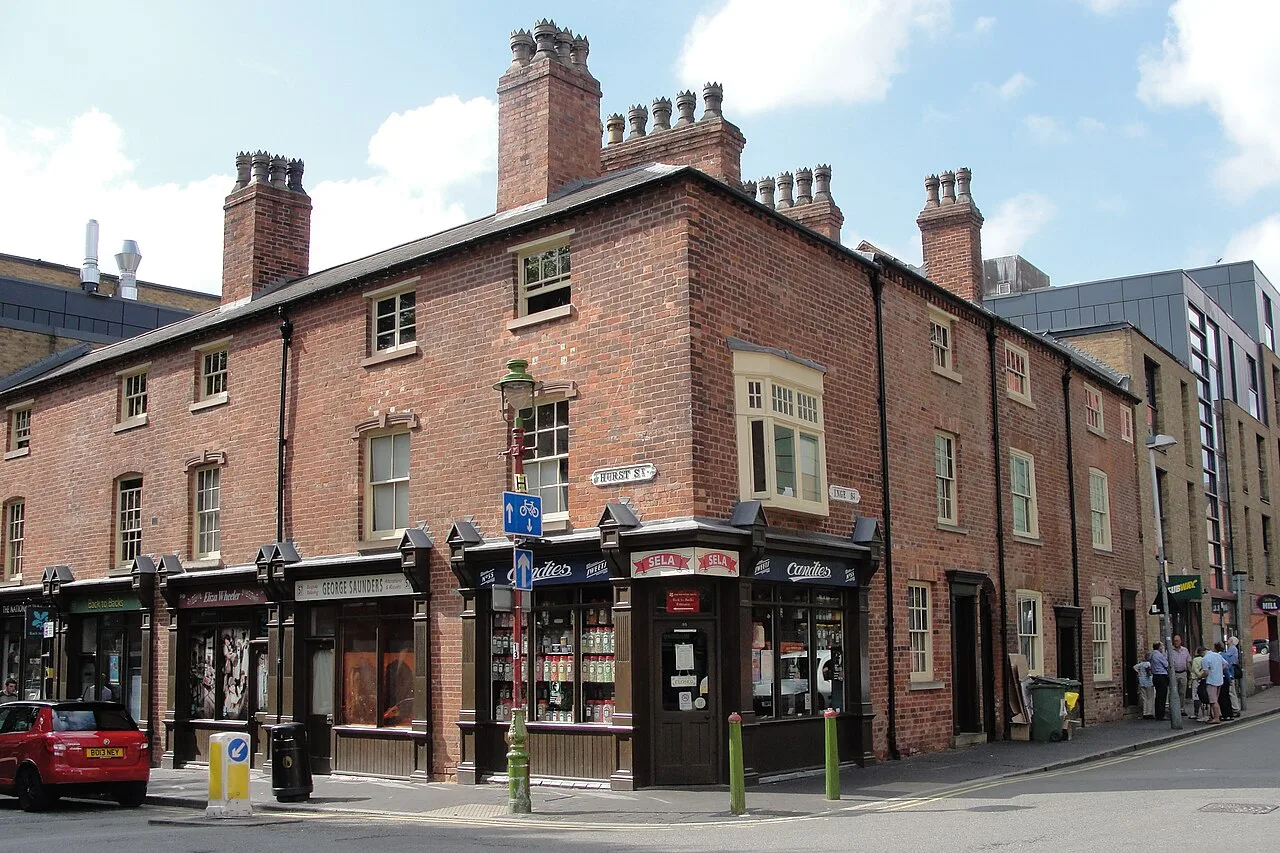

The history in brief
Back-to-back housing helped Birmingham grow into a manufacturing powerhouse in the 19th century, and the Cool Places description notes that a quarter of the city's working families lived in this kind of housing until the 1960s, when back-to-back became a byword for slum. Most of these houses were demolished in clearance programmes, and with them went a large part of the city's domestic history. This small terrace survived and has been restored to keep that story visible. The result is a rare chance to stand inside the kind of home that housed the majority rather than the few.
Why the houses survived
Demolition removed most of Birmingham's back-to-backs, and this short terrace on Inge Street and Hurst Street is the sole survivor. The restoration project was completed and the site opened to visitors in 2004, as BBC News reported when the attraction marked twenty years. Survival was not automatic; it took a campaign and a restoration to turn a condemned housing type into a place people can visit. That context is why the site feels like a fragment rather than a full street, and why the guided tour matters so much.
How long to allow, and when to go
Plan for a focused visit rather than a whole afternoon: the site is a small terrace, and the tour itself sets the pace. Weekday slots are often easier to secure than weekends, and booking the first tour of the day leaves the rest of your time free for the Hippodrome area or the wider city centre. If you are fitting the Back to Backs into a busy day, pair them with something close by rather than crossing town. Allow extra time for the walk from New Street and for finding the entrance beside the theatre. If you want a slower, more indulgent pairing nearby, afternoon tea in Birmingham makes an easy contrast to the cramped rooms.

Tickets and opening hours
Ticket prices, opening days and tour times are set by the National Trust and are not fixed year-round, so confirm them on the property page when you book. Because entry is by guided tour, the times you see are tour departures rather than general opening hours, and a sold-out day can look open from the street. Book online in advance where possible and keep the confirmation to hand. If you are visiting as a National Trust member, check the member arrangements at the same time as you book.
Nearby: the Hippodrome and central Birmingham
The Hippodrome Theatre is literally next door, so a matinee or evening show pairs naturally with a daytime tour. The wider Southside and Chinese Quarter streets around Hurst Street are full of places to eat, and the walk back towards New Street passes close to the Bullring and the central shopping core. For a change of pace, the Birmingham museum and art gallery sits within the central grid and makes a good wet-weather companion. If you have more time, the Birmingham Botanical Gardens at Westbourne Road offer a greener counterpoint to the tight Victorian rooms. If you are deciding which part of the city to base yourself in, compare the Birmingham Neighborhoods before booking.
Practical points: steps, tight spaces and small rooms
These are genuine working-class homes from the 19th century, so expect narrow stairs, low doorways and small rooms that were not designed for groups. The tour moves through tight spaces and may involve steps, which is part of the honesty of the experience but worth knowing if anyone in your party has mobility limitations. There is no way to widen a back-to-back, so the constraint is the building itself. Check current access arrangements with the National Trust when you book, as the tour may not be adaptable on the day.
Plan Your Visit
Birmingham Back to Backs is a small, specific and worthwhile stop: the last surviving court of its kind in the city, shown by guided tour and tied to the streets beside the Hippodrome. Book ahead, check the National Trust page for current tour times and prices, and allow a short window rather than a whole day. Pair it with the theatre, a central museum or a walk back through Southside to make the most of the trip. For the wider picture, start with Birmingham Attractions and build the rest of your day around it.
Explore more Birmingham guides
Frequently Asked Questions
What are the Birmingham Back to Backs?
They are the last surviving stretch of back-to-back working-class housing in Birmingham, a small terrace on Inge Street and Hurst Street restored by the National Trust and opened to visitors in 2004. The houses show how families lived in cramped two-storey homes around communal courtyards.
Where are the Birmingham Back to Backs?
The address is 55–63 Hurst Street and 50–54 Inge Street, Birmingham B5 4TE, immediately beside the Hippodrome Theatre in the Southside part of the city centre.
How do I get to Birmingham Back to Backs?
They are about ten minutes on foot from New Street station, with many bus stops very close by. Use the theatre as your landmark and look for the Inge Street and Hurst Street corner.
Do you need to book Birmingham Back to Backs?
Yes. Entry is by pre-booked guided tour rather than general admission, so book ahead through the National Trust property page, especially for weekends and school holidays.
How long does a visit to Birmingham Back to Backs take?
Allow a focused visit rather than a half day: the site is a compact terrace and the guided tour sets the pace. Build in extra time for the walk from New Street and for finding the entrance beside the Hippodrome.
When did Birmingham Back to Backs open to visitors?
The site opened in 2004 after a project to restore the former homes on Inge Street and Hurst Street was completed, as BBC News reported when the attraction marked twenty years in 2024.