
Sarehole Mill: Visiting Tolkien's Birmingham Watermill

Sarehole Mill is a Grade II listed watermill on the River Cole in Hall Green, south Birmingham, now run as a museum. It is a compact site rather than a full day out: two waterwheels, a mill pond and a wooded sculpture trail, with the Tolkien association as its strongest draw.
Allow roughly an hour to ninety minutes for the mill and grounds, and treat it as one stop in a wider day across the city. The city's larger museums and galleries sit a bus or train ride away, so the mill works best as a morning or early-afternoon anchor rather than the whole outing. Once you have the mill fixed, our guide to Birmingham Neighborhoods helps you decide which area to base the rest of the day in.
What Sarehole Mill Is
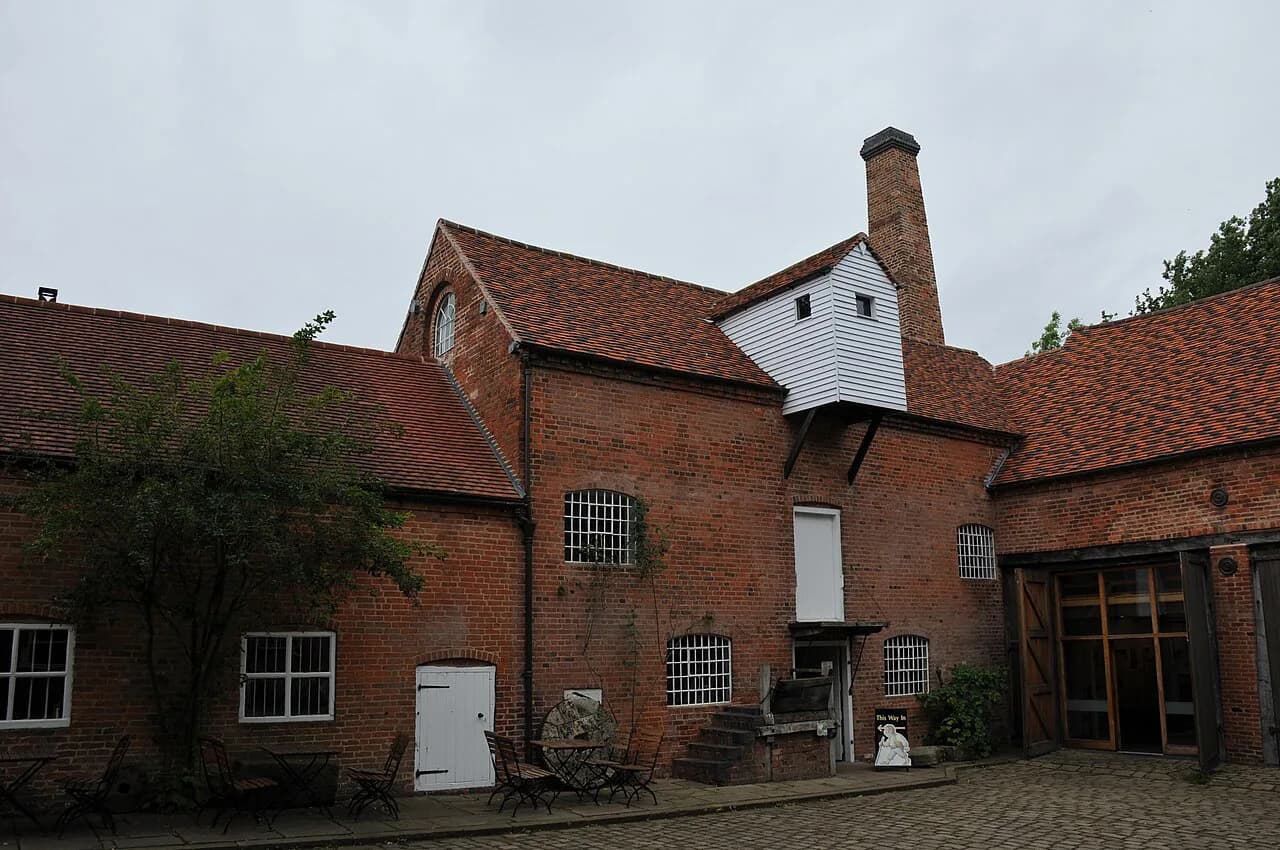
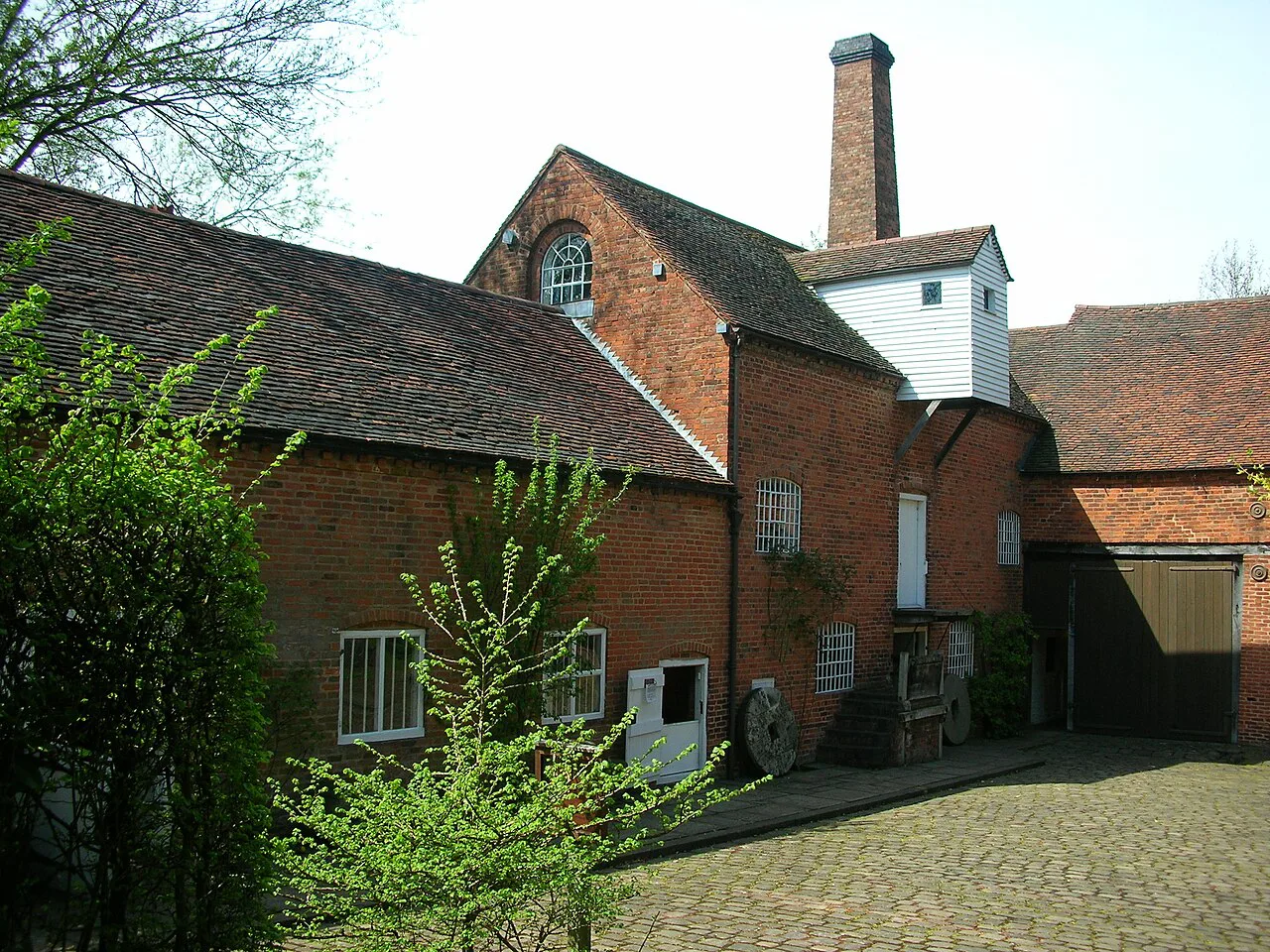
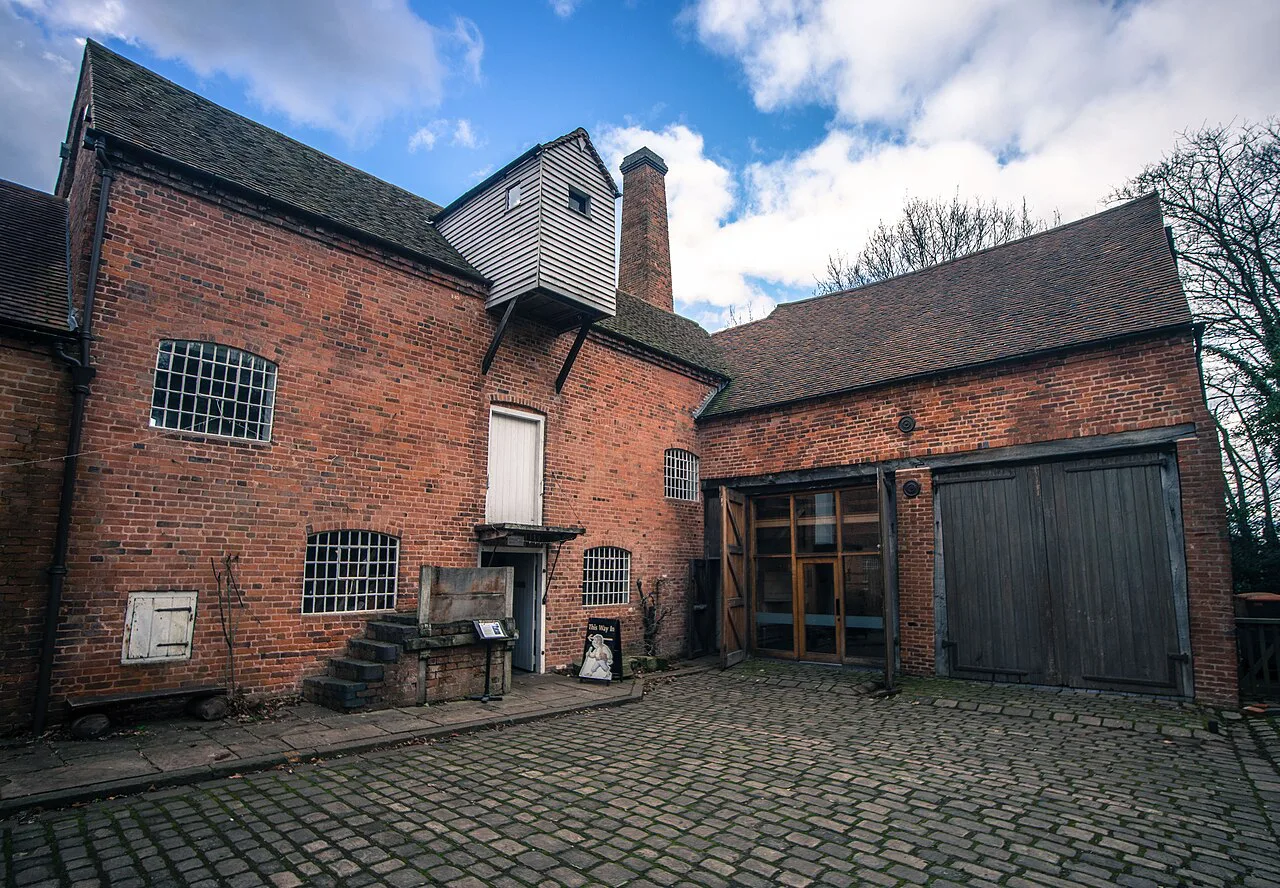
The mill stands on Cole Bank Road in Moseley, Birmingham, postcode B13 0BD, on the banks of the River Cole. It is a 250-year-old watermill, and Birmingham Museums runs it as a museum with a tour guide on hand to tell the story of the site and the people who worked it.
The building is listed Grade II and sits in an area once called Sarehole, which is now swallowed by the southern suburbs. That suburban setting matters: you are not visiting a remote rural mill but a pocket of old landscape between housing, which makes the pond and the trees feel more surprising than the address suggests.
Why Tolkien Matters Here
J.R.R. Tolkien spent part of his childhood in the Sarehole area, and the mill and its surrounding landscape are promoted as an inspiration for the world behind The Hobbit and The Lord of the Rings. Treat that as association and inspiration rather than a map: the mill is not a filmed location and no source claims a one-to-one match with a place in the books.
For Tolkien readers, the appeal is the ordinary machinery and water that a boy could watch and remember: the wheels, the pond, the damp green edge of the Cole. Go for that texture and the mill's own history, and the visit rewards you without needing any fictional overlay. If the mill morning leaves you wanting a fuller sense of the city's old corners, our Birmingham Neighborhoods guide covers the areas worth walking next.
A Short History of the Mill
The mill dates to the 18th century, and its working life was not purely about flour. It has a role in metalworking as well as corn milling, and it retains two waterwheels, which is why the interior is more interesting than a single-purpose village mill might be.
The site's survival into museum use makes it one of the older industrial buildings left in this part of Birmingham. Read the displays for the sequence of trades and owners rather than expecting a single tidy story, because the mill changed purpose over its working life.
What to See on a Visit
Inside, the waterwheels and milling equipment are the core of the visit, and the interpretation explains how water from the Cole drove the machinery. Outside, the mill pond is the calm centre of the grounds, with wildlife around the water and paths to walk.
The Woodland Realm is the second draw: a wooded area filled with sculptures carved from sustainably sourced timber. It gives children something to move between and gives adults a reason to linger after the mill rooms, so save time for it rather than treating it as a exit path.

Tickets and Opening Days
The mill opens Friday to Sunday, 11am to 4pm, so a Monday to Thursday trip to Birmingham will miss it entirely. Plan the rest of your itinerary around those three days rather than hoping to slot the mill in at the last minute.
Admission prices are not listed here; check the Birmingham Museums page for the mill before you travel, along with any seasonal changes to those days. National Art Pass holders get free entry at Sarehole Mill, plus 10 per cent off in the café and shop, an offer listed as expiring 1 January 2027. That is a passholder benefit, not a general free-admission policy.
A café and shop are on site, and the passholder discount applies in both. If you are building a museum day, the free national collections in the city centre make a sensible counterweight to a paid smaller site like this one, so check what each charges before you commit your budget.
How Long to Allow
Budget an hour for the mill rooms and the pond, and add half an hour if you walk the Woodland Realm properly or stop for a drink. That is a realistic shape for a small watermill museum rather than a figure invented to fill a day.
The trade-off is depth against breadth: Sarehole rewards a slow look at the machinery and the interpretation, but it will not occupy a family for a whole day. Pair it with a second stop in south Birmingham or head back into the centre for a larger collection.

Getting There
The address is Sarehole Mill Museum, Cole Bank Road, Moseley, Birmingham B13 0BD, with a phone number of 0121 348 8000 for queries; check current opening times before travelling. It sits south of the city centre in Hall Green, so allow for a bus or train plus a walk rather than expecting to stroll there from New Street.
Check the route before setting out, since the suburban streets around the mill are not obvious from the city centre map. If you are relying on public transport, build in slack for the final walk and confirm the return service before you settle into the Woodland Realm.
Nearby Options to Pair With the Mill
The obvious pairing for a garden-minded visitor is Birmingham Botanical Gardens on Westbourne Road, which gives you a full afternoon of planting and glasshouses after the mill's small-scale industrial history. It is a different kind of green space, cultivated rather than wild, and the contrast works well in one day.
For a city-centre half of the day, the museum and art gallery gives you the large collection the mill cannot, and the town hall and Victoria Square put you in the middle of the Victorian civic set piece. Choose one rather than trying to fit both ends of the city into a single afternoon.
If you want a longer walk rather than another museum, Sutton Park in Sutton Coldfield offers open heath and woodland north of the centre, a very different scale from the mill pond. It is a separate trip by transport, so keep it for a day when the mill's Friday-to-Sunday window is not the constraint.
Finish with afternoon tea if the day is built around Tolkien and old Birmingham, and book ahead for the grander hotel settings rather than turning up. That gives the mill a leisurely frame: industrial water in the morning, a pot of tea in the afternoon.
Plan Your Visit
Sarehole Mill is worth a morning if you care about Tolkien, watermills or a piece of old Birmingham that survived the suburbs. Go on a Friday, Saturday or Sunday, allow an hour or two, and check the Birmingham Museums page for admission and any changes to those days before you travel. If you are weighing up which part of the city to base yourself in for the rest of the trip, our guide to Birmingham Neighborhoods explains the different areas.
Build the rest of the day around what the mill is not: a big collection, a full garden or a long walk. Pick one companion stop, keep the pace slow, and the small scale of the mill becomes an asset rather than a disappointment.
Explore more Birmingham guides
Frequently Asked Questions
Is there a café at Sarehole Mill?
Yes, there is a café on site, alongside a shop. National Art Pass holders get 10 per cent off in both, an offer listed as expiring 1 January 2027; that discount is a passholder benefit rather than a general offer, so check the current position before relying on it.
Is Lord of the Rings based on Birmingham?
The mill and its landscape are promoted as an inspiration for the world behind The Hobbit and The Lord of the Rings, drawing on Tolkien's childhood in the Sarehole area. That is inspiration and association, not a claim that any specific spot here maps onto a named place in the books.
Is Sarehole Mill free?
Entry is free for National Art Pass holders, which is a passholder benefit rather than a general free-admission policy. Admission for everyone else is set by Birmingham Museums, so check the mill's page for the current charge before you travel.
What is the history of Sarehole Mill?
It is an 18th-century watermill with two waterwheels, used for metalworking as well as corn milling, and it is listed Grade II. It now runs as a museum on the River Cole in Hall Green, telling the story of the site and the people who worked it.
How long does a visit to Sarehole Mill take?
Allow about an hour for the mill rooms and the pond, plus half an hour if you walk the Woodland Realm sculptures or stop at the café. It is a small watermill museum, so plan a second stop for the rest of the day rather than expecting it to fill one.
When is Sarehole Mill open?
The mill opens Friday to Sunday, 11am to 4pm, so a Monday to Thursday visit will miss it. Check the Birmingham Museums page before travelling in case the days change seasonally.
How do I get to Sarehole Mill?
The address is Sarehole Mill Museum, Cole Bank Road, Moseley, Birmingham B13 0BD, south of the city centre in Hall Green. Expect a bus or train plus a walk, and confirm the route and return service before you set out.
What else is near Sarehole Mill?
Birmingham Botanical Gardens on Westbourne Road makes a good pairing for a garden-minded afternoon, while the city-centre museum and art gallery and the town hall suit a separate half-day. Sutton Park is further north and best kept for another trip.