
Preston Manor, Brighton: A Visitor's Guide

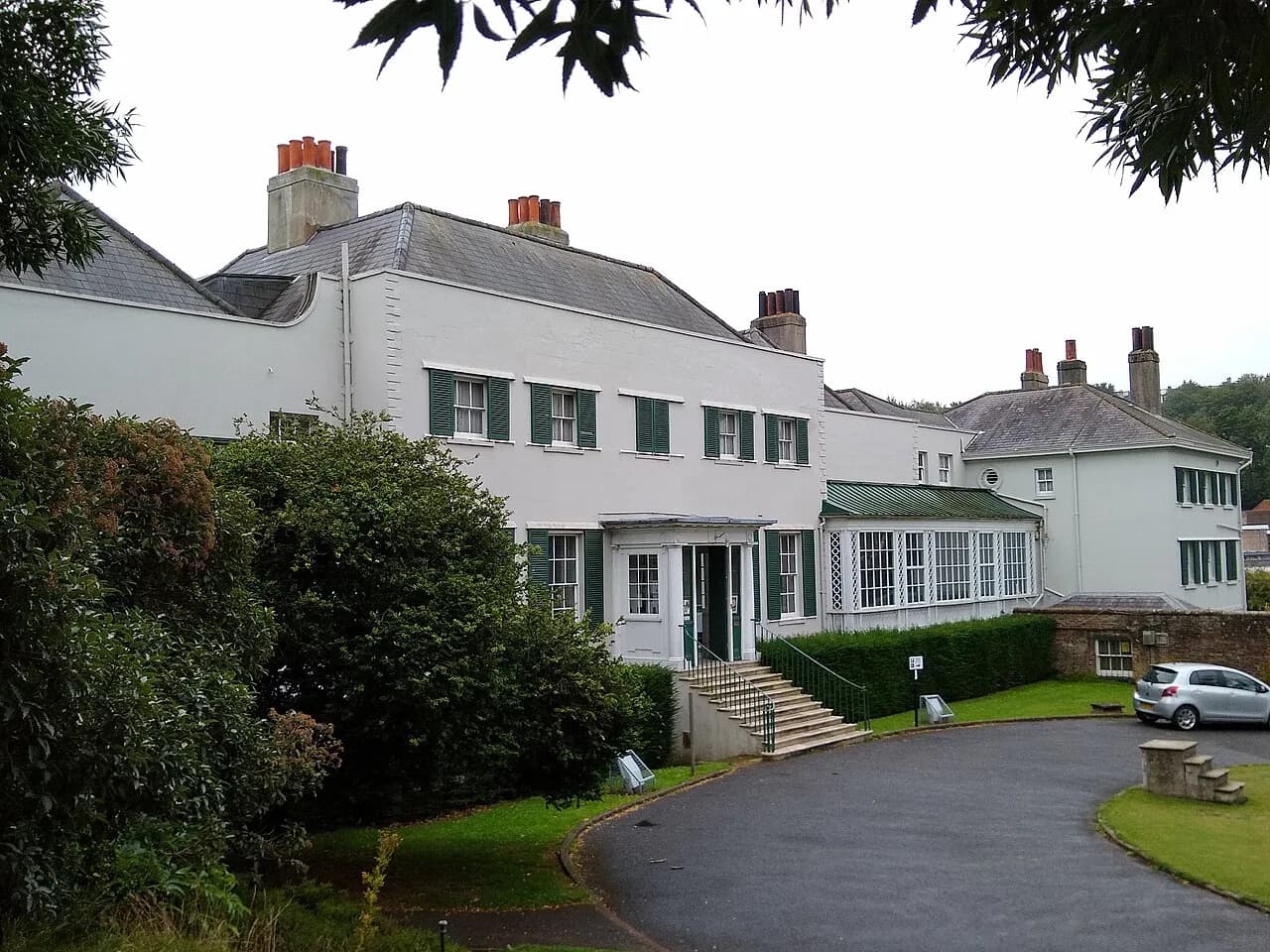
Preston Manor is a Grade II listed house on the northern edge of Brighton, run by Brighton & Hove Museums and presented as a glimpse of upper-class Edwardian life. It reopened in April 2025 after a renovation that followed five years of closure, and the collection sits alongside a walled garden that rewards a slow walk.
This guide separates the house from the garden so you can decide whether to do one or both, and it treats the building's haunted reputation as reported legend rather than fact. It also covers the exterior repairs the trust is fundraising for, because they may affect what you see from the drive.
What Preston Manor is and where it sits in Brighton
The manor stands on the site of a house recorded in the Domesday Book of 1086, though nothing of that original structure survives. The present building is largely late-18th-century in date, with some architecture reaching back as far as the 1200s, and it was a private residence until 1932.
It sits in the Preston area north of the city centre, close to Preston Park, and the house and walled garden are managed as one of Brighton & Hove Museums' five sites. Treat it as a half-day destination rather than a quick stop, and pair it with the park if the weather holds.
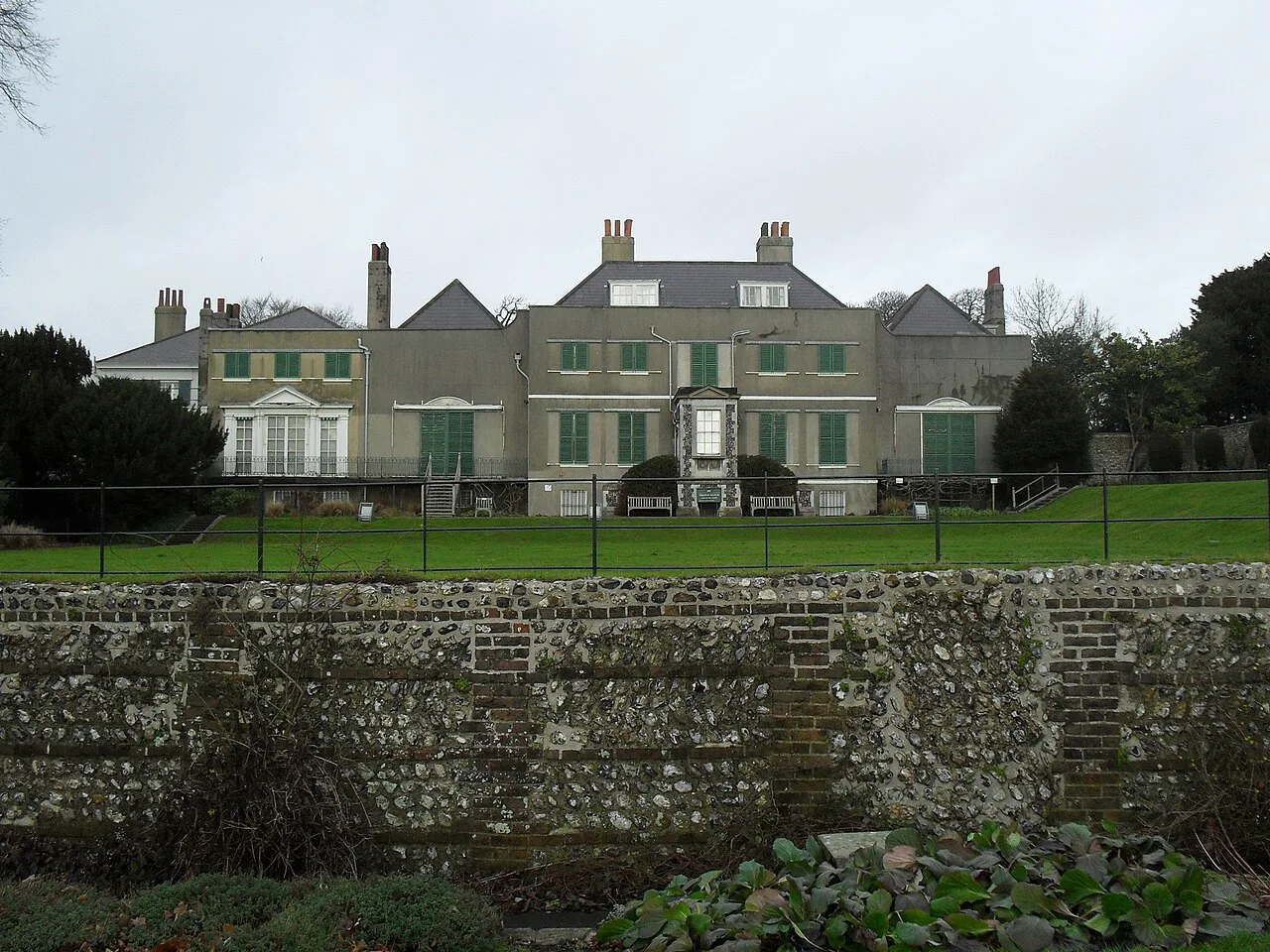
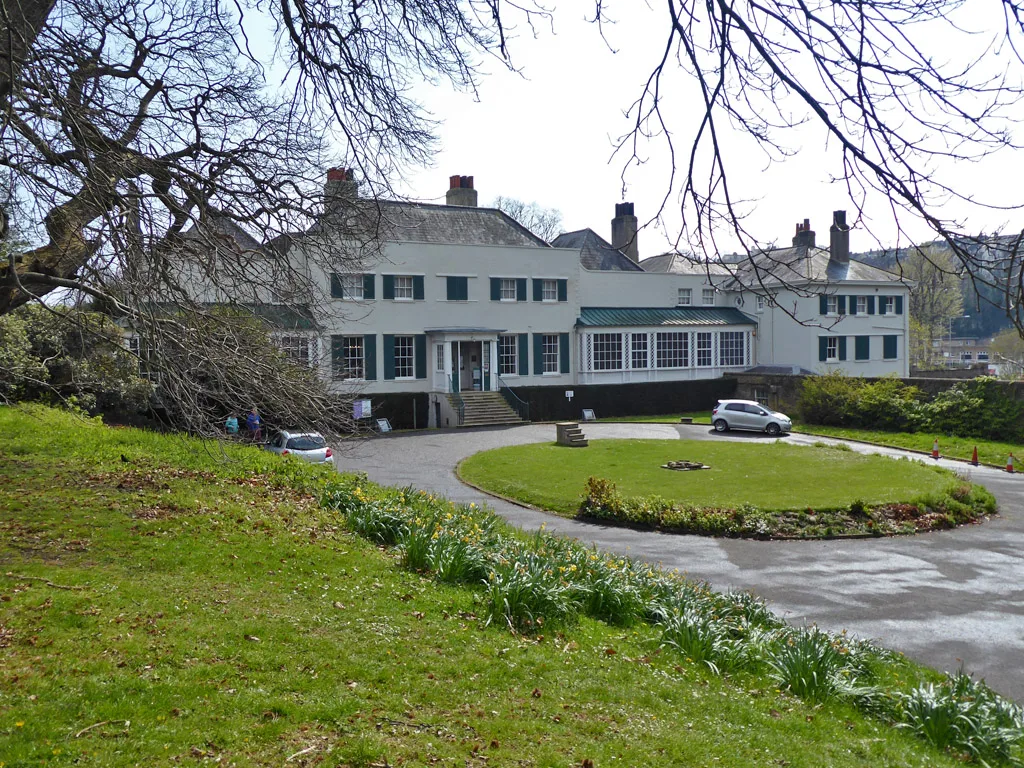
The exterior is the building's weak point: coastal weather has left the render falling away, cracks spreading and the original wooden shutters rotting, and the trust launched an appeal called To The Manor Reborn to fund repairs. Budget for the possibility of scaffolding or a tired facade; the interiors are the reason to go.
A short history: from Domesday site to Edwardian family home
Thomas Western built the previous dining room in 1738 on the foundations of an older house, and that legacy passed to the Stanfords of Preston. Charles and Ellen Thomas-Stanford arrived in 1905 and, rather than remodelling the gardens, replanted them with shrubs and flowers to keep their old-fashioned character.
The house you walk through today reads as an Edwardian home, which is the period the museum trust uses to frame the visit: servants' routines, formal rooms and the social round of a well-off household. If you have already seen the Royal Pavilion, the contrast is the point, one princely and flamboyant, the other domestic and quietly grand.
The dining room and the guests who dined there
The dining room, built around 1750, is the set piece of the interior and was long a space for distinguished gatherings. Rudyard Kipling, Cecil Rhodes and Princess Beatrice are among the guests recorded at its table, and the room is presented as the social heart of the house.
Look for the details of household upkeep as much as the grand furniture: the interpretation makes the point that running a house of this standing took constant, largely invisible labour. Allow yourself time to read the room cards rather than walking straight through, because the stories carry the visit.
The walled garden: laburnum arch, lily pond and croquet lawn
The walled garden is cared for by a group of volunteers and holds a laburnum arch, trained fruit trees and beds that change with the seasons. Flagstone and gravel paths make it easy to follow, with places to sit, and there is a lily pond and a croquet lawn that is occasionally turned into an outdoor cinema in summer.
Set your expectations by the season: a laburnum arch is a spring sight, and beds that change through the year will look very different in October from May. The garden is the part of the visit most dependent on weather, so keep it flexible and do the house first if rain threatens.

The pet cemetery against the 18th-century flint walls
In one corner of the garden, against flint walls dating back to the 18th century, is an unusual pet cemetery: sixteen dogs and four cats are buried there. Among them is George the Pavilion Cat and two other cats employed by Brighton Council as mousers, and most of the dogs belonged to Ellen's mother Eleanor MacDonald, who lived at the manor until her death in 1903.
It is a small, easily missed corner and the most human thing on the site, so seek it out deliberately rather than drifting past. Families with children often find it the memory that sticks, more than the formal rooms.
The ghost stories, told as legends
Brighton & Hove Museums describes Preston Manor as one of the most haunted houses in the country, and the trust reports recorded ghost sightings going back to the 19th century. Its spokesperson cites a grey-clad woman seen in the boiler room, on the staircase and on the roof during the Second World War. These are stories the museum tells, not events this guide can vouch for.
Treat the hauntings as folklore that adds atmosphere to a visit, in the same spirit as any haunted house tour. If ghost hunting is the main draw, the darker evenings of autumn and winter suit the mood, but the stories are told indoors and do not depend on the season.

Practicalities: checking opening hours, tickets and booking
Opening days, admission prices and any booking requirement are set by Brighton & Hove Museums and can change with the season and with the repair works. Check the Preston Manor pages on the Brighton & Hove Museums site before you travel, and book ahead if the site asks you to.
The house is a Grade II listed building with a garden on sloping, uneven paths in places, so allow for steps and flagstones if anyone in your group has mobility limits; the museum's access statement is the place to confirm routes. Preston Manor sits north of the centre near Preston Park, which has its own rail station on the London line, so arriving by train avoids the parking question entirely.
How long to allow and what to see nearby
Give the house and garden two to three hours at an unhurried pace, longer if you read the room interpretation and linger over the pet cemetery. The garden alone needs perhaps half an hour, so a combined visit fits comfortably into a morning.
Nearby, Preston Park offers lawns and trees for a walk, while the city centre holds the Royal Pavilion, the Brighton Museum & Art Gallery and the seafront. If you want a full day, put the manor first and the seafront second, since Brighton Palace Pier and Marine Parade are a bus or short drive away. Our Brighton Neighborhoods can help you decide where to base yourself for the rest of the day.
For a wider shortlist of what to do in the city, the Brighton Attractions collection covers the big sites, from the i360 Brighton tower to SEA LIFE Brighton on Marine Parade. An afternoon tea in Brighton rounds off a day that started with Edwardian formal rooms nicely.
Plan Your Visit
Preston Manor suits travellers who want one house done properly: a formal dining room with a guest list, a walled garden with a laburnum arch and a pet cemetery, and ghost stories the museum itself keeps alive. It is not a full-day attraction, so build it into a morning and leave the afternoon for the seafront or the Pavilion.
Confirm opening days, admission and access arrangements on the Brighton & Hove Museums site before setting out, and expect the exterior to look its age while the repair appeal runs.
Explore more Brighton guides
Frequently Asked Questions
Is Preston Manor worth visiting?
Yes, if you like period houses presented as lived-in homes rather than museums of objects. The dining room carries the social history, the walled garden adds a gentle walk, and the pet cemetery gives the place a personal story. It is a compact site, so pair it with something else nearby.
What is there to see at Preston Manor?
Inside, the dining room built around 1750 is the centrepiece, with guests including Rudyard Kipling, Cecil Rhodes and Princess Beatrice recorded at its table. Outside, the walled garden has a laburnum arch, a lily pond, a croquet lawn and a pet cemetery where sixteen dogs and four cats are buried.
Is Preston Manor haunted?
Brighton & Hove Museums calls it one of the most haunted houses in the country and reports ghost sightings recorded since the 19th century, including a grey-clad woman said to appear in the boiler room, on the staircase and on the roof during the Second World War. These are legends the museum tells, not verified events.
How long does it take to visit Preston Manor?
Allow two to three hours for the house and garden together at a relaxed pace. The garden alone takes around half an hour, and readers who linger over the room exhibits and the pet cemetery will use the fuller end of that estimate.
Do you need to book Preston Manor in advance?
Booking arrangements are set by Brighton & Hove Museums and can change with the season and the repair works, so check the Preston Manor pages on its site before you travel and follow any instruction to reserve a slot.
Can you park at Preston Manor?
Preston Manor is near Preston Park, which has its own railway station on the London line, so arriving by train avoids the parking question. For parking options and access details, check the Brighton & Hove Museums visitor information for the site before setting out.