
Preston Park, Brighton: a Visitor's Guide to the City's Biggest Park

Preston Park is the largest urban park in the city, which is the single best reason to give it more than a passing hour on a Brighton break. It suits families with children, walkers who want green space without leaving town, and anyone building a slower day around gardens rather than seafront crowds. The park sits in the north of Brighton around Preston Village, and its own railway station makes it unusually easy to reach without a car.
What Preston Park is and where it sits in Brighton
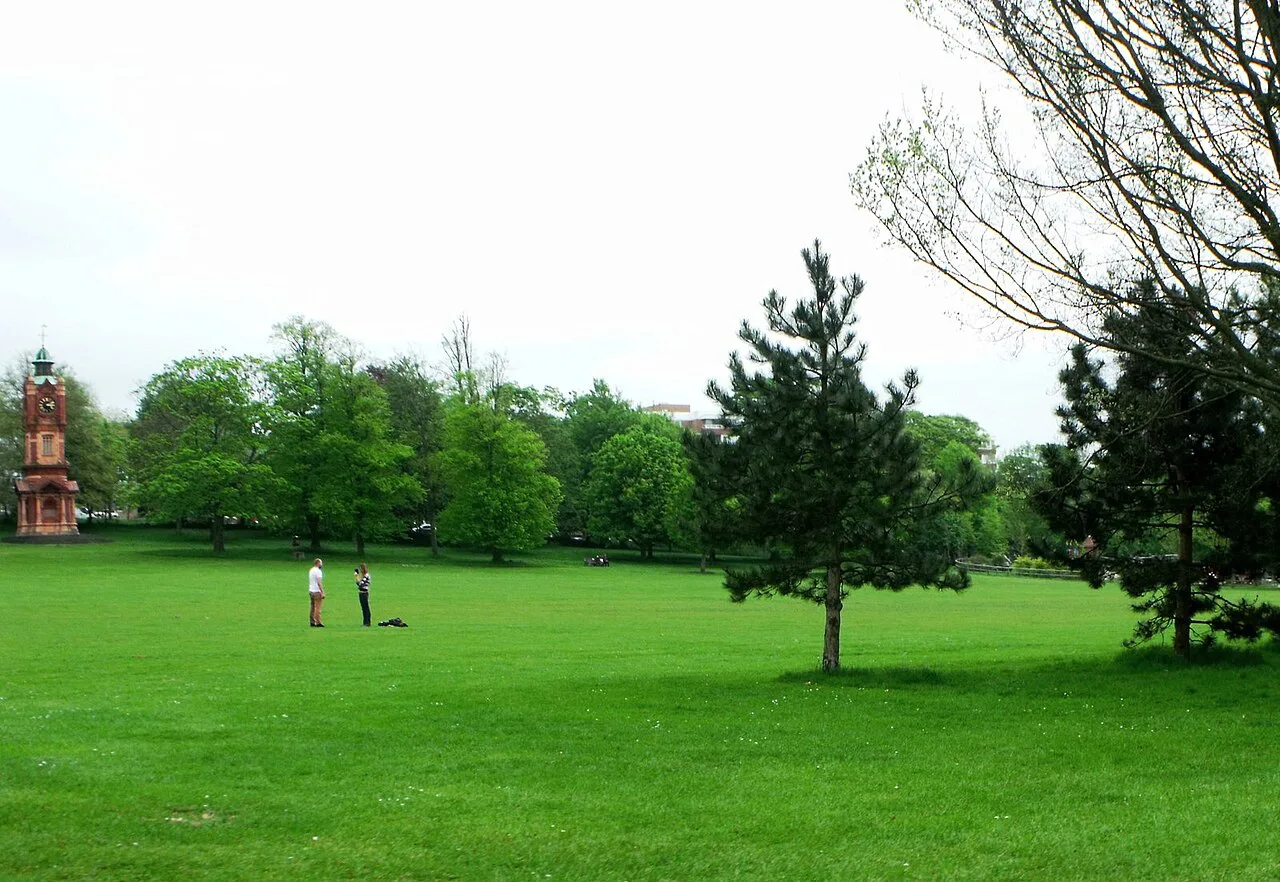
The park lies north of the city centre in the Preston Village area, well away from the beach and pier. It reads as a proper Victorian public park rather than a seafront attraction: lawns, bedding schemes, mature trees and room to spread out. If your trip is built around the seafront, treat Preston Park as a half-day change of pace rather than a substitute for the coast.
Brighton packs a great deal into a small area, and the official destination site lists the Royal Pavilion, the Palace Pier, Sea Life Brighton and Volk's Electric Railway among the headline draws. Preston Park gives you the counterweight: a place where the city stops being an attraction and becomes a park. Pairing one morning here with an afternoon at the seafront is a comfortable split.
A short history: a Victorian park beside old Preston Village
Preston began as a separate village with its own church, and the park took shape beside it as Brighton expanded northwards. The result is a green space with a village edge rather than a formal town-centre square. Look for the church of St Peter's, an 800-year-old building standing in the landscaped garden of Preston Manor, which anchors the historic end of the park.
Preston Manor itself was the home of one of Brighton's biggest landowners and is a separate visitor attraction from the park, so plan it as its own stop. Between the two you get the unusual Brighton combination of a country-house interior and a large public lawn within a few minutes of each other.
Getting there: train, bus or a walk from the centre
The simplest arrival is by train to Preston Park station, which sits immediately beside the park and connects to Brighton's mainline services. Buses run along the London Road corridor past the park, and the city is genuinely easy to explore on foot, by train, bus or bike. Cycling is a realistic option too, with the seafront cycle lane near the pier as the obvious starting point for a ride north, and our Brighton Neighborhoods guide helps you work out which areas you are riding between.
If you are starting from the seafront, walk or ride up from the Old Steine and London Road rather than trying to drive into the centre. Drivers can use the park's own car park, but charges and any restrictions should be checked with Brighton & Hove City Council before you set out, because the park's own page carries the current terms.
What to see: wildflower, walled and rose gardens
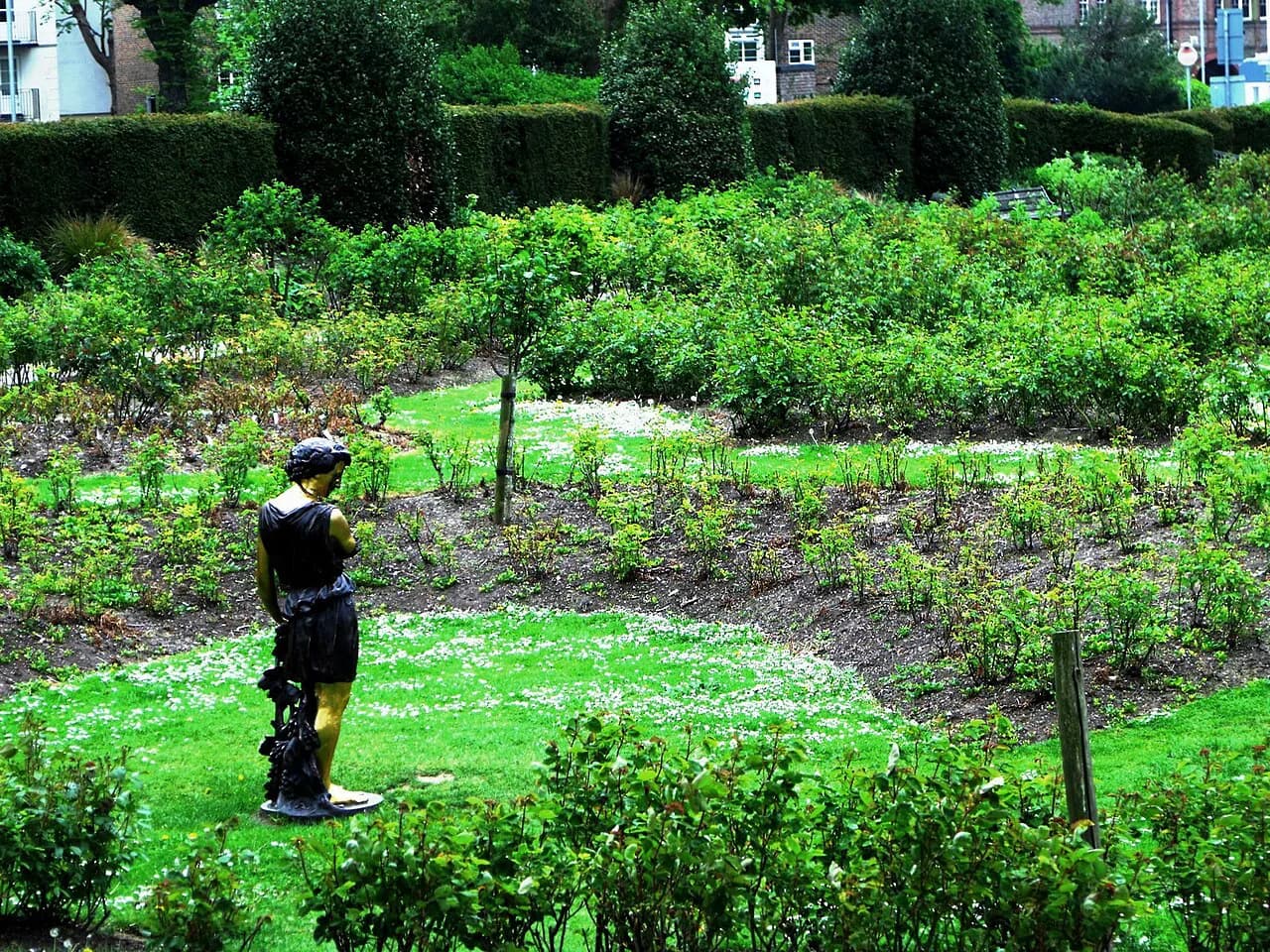
Preston Park holds wildflower, walled and rose gardens, so the interest shifts through the year rather than resting on one display. The walled garden gives shelter on a breezy day, while the rose beds are the obvious draw in high summer. Allow time to wander rather than treating the gardens as a single loop.
For wider seasonal colour in Brighton, the Pavilion Gardens in the city centre were restored to their Regency splendour and are a popular picnic spot on a sunny day. They make a natural second stop if you are heading back towards the seafront afterwards.

Playground, sports pitches and open space for ball games
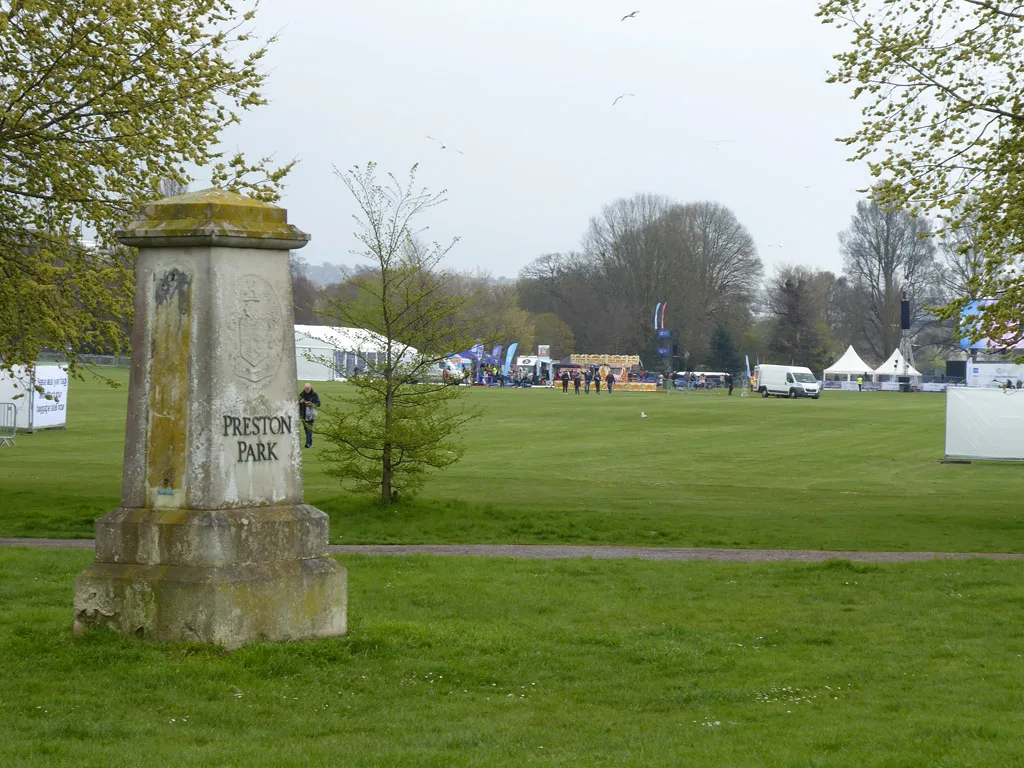
Families get a children's playground, and the park has numerous pitches for ball games, so bring a ball if you are travelling with children who need to run. The scale of the place means you can usually find a quieter corner even when the playground is busy. The Level, closer to the centre, offers a sensory playground and skateboard park if you want a smaller alternative with older children.
The park is a public green space rather than a ticketed attraction, so there is no timed entry to plan around. What you cannot assume is that every facility is open at every hour, so check the council's park page if a specific playground or sports area matters to your visit.
The two cafés and planning a half or full day
There are two cafés in the park, which makes it possible to stretch a visit across a morning and lunch without leaving. The official destination guide suggests planning a whole day here, and with gardens, a playground and pitches that is realistic for families. For a couple or a solo traveller, two to three hours covers the gardens and a loop of the open ground comfortably.
One Kitchen, the lunch stop at Stanmer Park, is a different venue several miles away, so do not confuse the two when planning where to eat. Keep the park cafés for a coffee and cake break and save a sit-down lunch for wherever the rest of your day takes you.
Spring blossom and seasonal colour
Spring is when Brighton's parks earn their reputation, and the city's green spaces are promoted as a reason to get outside once the weather brightens. In Preston Park the blossom season is short, so a late-March or April visit catches the park at its best. Summer brings the roses and the busiest playgrounds.
Autumn and winter are quieter but the park stays open as a through-route for walkers and dog owners. Hove Park, with its many blossom trees and tennis courts, is the comparable option on the other side of the city if you are staying in Hove rather than near Preston Village.

Devil's Dyke, the South Downs and Stanmer Park as onward walks
Preston Park is a good launch point for the countryside rather than a substitute for it; the South Downs National Park is about a 30-minute bus journey from the centre of town. Breeze bus routes run every weekend through the year and reach Stanmer Park, Ditchling Beacon and Devil's Dyke, some with space for bicycles and discounts for train travellers. Devil's Dyke offers panoramic views over a 100-metre-deep valley and is a well-known spot for sunsets.
Stanmer Park, the city's largest park, has woodland walks and four routes on the Sussex Walks app ranging from 1.75 to 5 miles. Devil's Dyke has six routes including a gentler family option, and Ditchling Beacon has seven. Treat these as separate outings from Preston Park, reached by bus, not as extensions of a stroll in the park.
Practical points: toilets, parking and checking before you go
Public parks change their facilities quietly, so confirm toilets, car-park charges and any closures with Brighton & Hove City Council before travelling. If you want to build the paid half of your day around the city centre instead, our Brighton Neighborhoods guide covers the areas near the seafront and the Lanes. If you are combining the park with a paid attraction such as Sea Life Brighton on Marine Parade, book that separately and keep the park as the flexible half of the day.
Accessibility varies across a park of this size, with paths, slopes and playing fields all in play. Ask the council about step-free routes and accessible parking if you need them, rather than assuming a smooth surface throughout.
Is Preston Park Worth a Stop on a Brighton Break?
Yes, if you want a genuine park rather than another ticketed attraction: it is a public green space, easy to reach by train or bus, and large enough to fill a relaxed half day. Skip it if your visit is short and focused entirely on the pier, the Lanes and North Laine, which the official destination guide flags as the city's best-known highlights. Preston Park rewards people with time to slow down.
Build the day around the gardens, a café stop and the playground if you have children, then head back towards the seafront for the pier and an afternoon tea. That combination gives you Victorian Brighton and the beach in one trip without rushing either.
Explore more Brighton guides
Frequently Asked Questions
How do you get to Preston Park by train?
Take a train to Preston Park station, which sits beside the park and connects to Brighton's mainline services. Buses along the London Road corridor also stop nearby, and the walk or cycle from the seafront is straightforward.
What is there to see in Preston Park?
Wildflower, walled and rose gardens, a children's playground, pitches for ball games and two cafés. The 800-year-old church of St Peter's stands in the landscaped garden of Preston Manor nearby, which is a separate attraction.
How long should you spend at Preston Park?
Allow two to three hours for the gardens and a loop of the open ground. Families with children who want the playground and a café stop can comfortably stretch that to most of a day.
Is Preston Park free to visit?
The park is a public green space with no ticket and no timed entry, so you simply turn up during daylight. Check Brighton & Hove City Council's park page for any charges that apply to parking or specific facilities.
What can you walk to from Preston Park?
The South Downs National Park, Devil's Dyke, Ditchling Beacon and Stanmer Park are reached by bus rather than on foot from the park. Breeze bus routes run every weekend through the year to those countryside stops.
Is Preston Park worth visiting on a Brighton city break?
It is worth it if you want green space and a slower half day away from the seafront crowds. On a very short trip focused on the pier and the Lanes, leave it out and keep the park for a return visit.
How much is parking at Preston Park?
Charges and restrictions are set by Brighton & Hove City Council and are not fixed here. Check the council's Preston Park page before driving, and consider the train or bus instead.