Castles Near Nottingham: Which Are Worth the Trip
Plan a castle day out from Nottingham: Newark Castle's Gatehouse Project closure, Nottingham Castle's layered past and Nottinghamshire's earthwork remains.
On this page
The castles near Nottingham fall into three groups, and knowing which you are heading for saves a wasted journey. Nottingham Castle sits in the city itself on a site recorded as a timber castle, a masonry castle and a palace in turn. Newark Castle, a riverside stronghold about 900 years old, is currently closed for a major redevelopment. The rest of the county's castle record is thinner on walls: several sites survive as earthworks or fortified manor houses rather than standing buildings.
This guide treats each site as a different kind of day out rather than pretending they are interchangeable. One is an urban site with a layered past, one is a closed riverside ruin with Victorian gardens, and others are grassy outlines in the countryside. If you want the wider set of indoor options alongside them, our guide to museums in Nottingham covers the city's collections, and the free museums in Nottingham round-up helps when the weather turns.
What to Expect from Castles Near Nottingham
Nottinghamshire's castle heritage is uneven, and that is the first thing to plan around. The county's recorded sites include a substantial group of motte-and-bailey earthworks, four fortified sites named as Kingshaugh, Clipstone Peel, King John's Palace and Lowdham, and a handful of fortified manor houses. Only a few of these give you anything to walk around inside, so match the site to the experience you want.
Expect three distinct kinds of visit. A city-centre castle site gives you a museum-style outing with the city on the doorstep. A river-town ruin gives you masonry, gardens and a story tied to King John. Bare earthworks give you a landscape, a bit of imagination and usually a short stop rather than a half-day.
Once you have picked a castle, it helps to think of the rest of the day as a separate plan. City-centre options pair naturally with galleries and cafés, and our pick of art galleries in Nottingham covers the indoor half of a wet afternoon.
Nottingham Castle: A Layered Site in the City
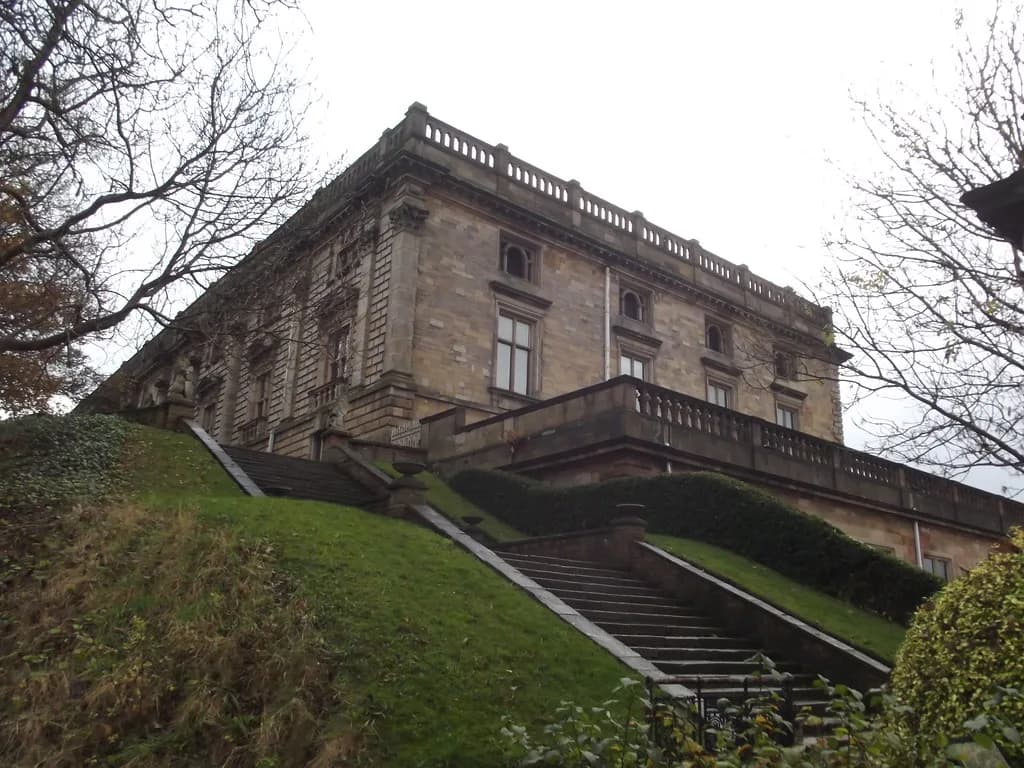
Nottingham Castle is the easiest castle to reach from a Nottingham hotel, because it sits in the city rather than out in the county. The Gatehouse Record describes the site as a certain timber castle, a certain masonry castle and a certain palace, which is a reminder that you are looking at successive phases of building rather than one neat fortress. Read it that way and the visit makes more sense: what stands today belongs to a long sequence of rebuilds, sieges and reinventions.
Treat the castle as a site with a disputed and layered past rather than a single building. Medieval fortification, a later ducal palace and the ground beneath all of it each tell a different part of the story, and the castle quarter around it carries its own legends. If you like the darker side of the city's history, our ghost tours in Nottingham piece sets out what is told as legend and what is documented.
Visitors often ask whether there are caves beneath the castle. The honest answer for planning purposes is to contact the castle directly before you build a day around an underground tour, because access and opening arrangements are the kind of detail that changes with the season. The same applies to tickets and opening days: use Nottingham Castle's own booking pages rather than relying on a resale or discount listing.
If your interest is the medieval city rather than the castle alone, our medieval Nottingham guide puts the fortress in the context of the streets and walls around it. That context turns a single building into a walkable half-day.
Newark Castle: 900 Years on the River Trent
Newark Castle stands at the gateway to Newark-on-Trent, with the River Trent running past it, and the site has been occupied for over 900 years. It began as a Norman palace, played a key role in the British Civil Wars, and is closely associated with King John, who spent his final days there in 1216 and died in circumstances the castle's own account calls mysterious. Over the centuries it shifted from royal stronghold to romantic ruin and is now a Grade I listed building and Scheduled Monument, with Victorian gardens attached.
The named figures are worth knowing before you arrive. The castle's story runs from its medieval beginnings under Alexander the Magnificent through the Civil War to its later life as a Victorian pleasure garden. That span is the reason the site is interesting: it is not a single-period ruin but a place that was repeatedly adapted, defended and then romanticised.
Historically, Newark rewarded a slow visit rather than a quick photo stop. The combination of standing masonry, riverside setting and formal gardens gave it a different rhythm from a museum, and the town around it supplied the cafés and shops a castle trip usually needs.
Newark Castle's Closure and What It Means for a Day Out
The most important thing to know about Newark Castle is that it is closed while the Gatehouse Project is carried out. The project will bring in interactive displays, rebuilt rooms and new gallery spaces reached by a lift, along with new lighting and wildlife-friendly planting in the Victorian gardens. The castle's own site gives late 2026 as the expected reopening in its visitor plan and late 2027 in a notice banner, so treat any date as an expectation rather than a booking.
Do not plan a Newark castle day around the building itself this season. The town remains a genuine destination for other reasons, and the Gatehouse Project news is worth following if Newark is on your shortlist for a future trip. Fundraising announcements have included money to open up hidden underground spaces, including three dungeons that have been closed to the public for years, which suggests the reopened site will be a bigger visit than the old ruin.
The practical move is to check the castle's own pages a week or two before travelling and to build the day around Newark's town centre, the river and the gardens if they are open. Confirm access and any ticketing on the official site rather than a third-party listing; ticket prices have been announced for the reopening, but the figures belong to the castle's own publication, not to a planning guide.
Nottinghamshire's Lost and Earthwork Castles
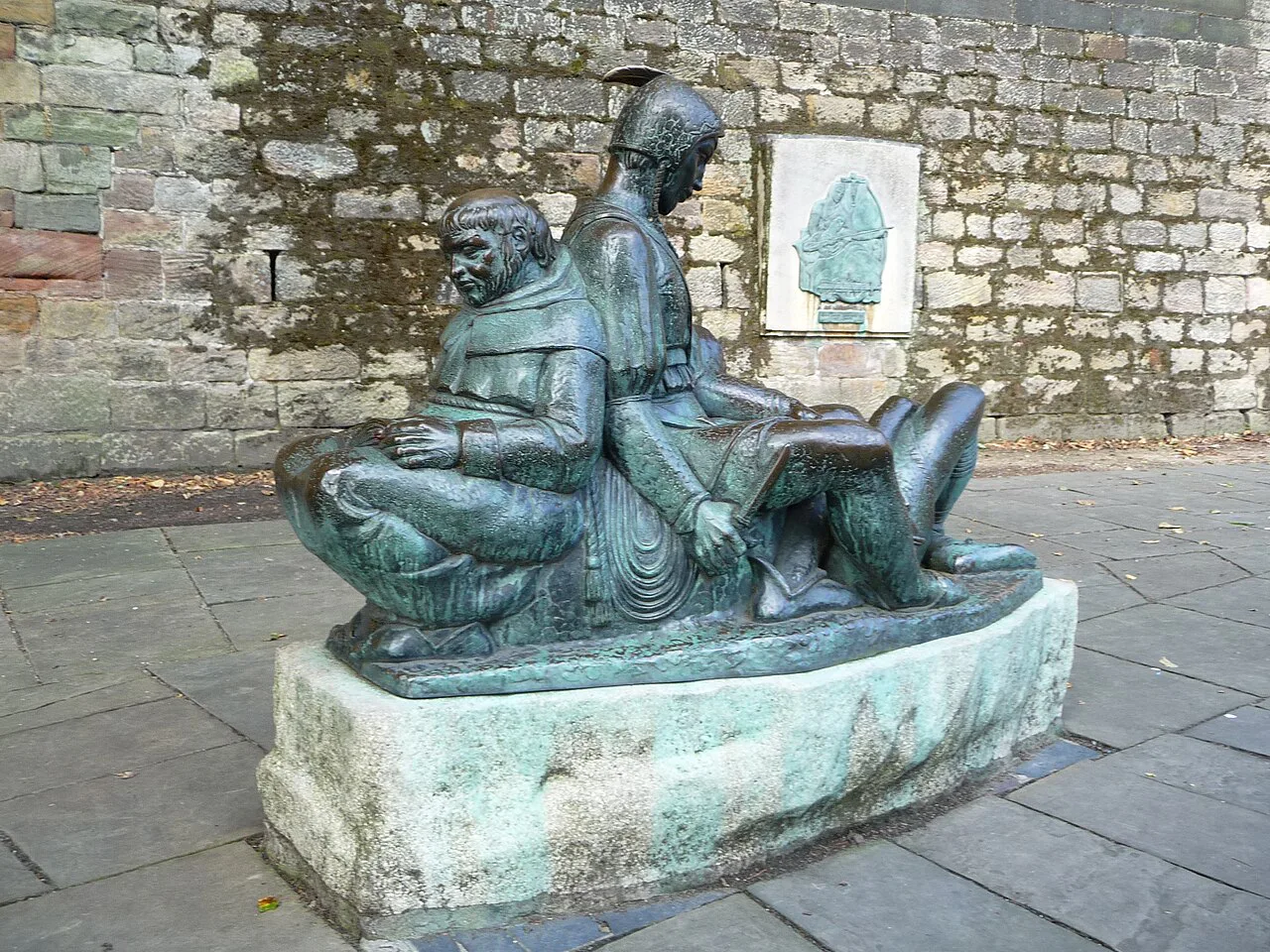
A good share of Nottinghamshire's castles are gone above ground. The county's record includes nine known motte-and-bailey sites, four fortified sites identified as Kingshaugh, Clipstone Peel, King John's Palace and Lowdham, and three fortified manor houses. That tallies with what you see on the ground: grassy mounds, banks and ditches rather than battlements.
These are not consolation prizes, but they are a different kind of outing. A motte and bailey reads best if you know what you are looking at: a raised mound for the keep, a lower enclosed court for the household, and earth banks that once carried timber defences. Bring that mental picture and a twenty-minute stop becomes worthwhile; arrive expecting walls and you will be disappointed.
Names like Clipstone Peel and King John's Palace point to the royal and hunting landscape of Sherwood and the Dukeries rather than to town-centre fortifications. If you are touring the county by car, these fit naturally into a day that also takes in the forest villages, and they cost nothing to look at from public ground where access allows.
How to Choose Between Them
Choose by what you actually want to see. If you want a site you can enter, with interpretation and a shop, the city-centre option is the one to research first, and your wider shortlist of things to do in Nottingham will fill the rest of the day. If you want riverside masonry and a town to wander, Newark is the target, but only once the Gatehouse Project completes.
If you want landscape and quiet, pick an earthwork site and pair it with a country walk. Time needed varies accordingly: an urban castle can absorb two to three hours with a café stop, a closed ruin takes minutes, and an earthwork is a short look unless you walk the surrounding ground.
Families usually get more from the urban site, where toilets, food and shelter are close at hand. Walkers and photographers tend to prefer the river town and the countryside mounds. Neither choice is wrong; they simply reward different expectations.
If castles are one part of a broader short break, our Nottingham Attractions hub collects the city's main draws in one place so you can slot a castle visit into a fuller itinerary.
Getting There: City Centre Versus the River Town
Nottingham Castle has the simplest logistics of the group because it is in the city, within reach of the centre's transport and accommodation. Newark is a separate town in Nottinghamshire with its own station and river frontage, so it works as a day trip by train or as a stopping point on a longer journey north. Check train times and any engineering works with East Midlands Railway before you commit, since timetables change with the season.
For the earthwork and fortified sites, a car is usually the realistic option because they sit in open countryside rather than beside a station. Plot them on a map before you go, check that the ground is publicly accessible, and have a backup indoor stop for wet weather.
If you are extending a castle trip into the wider region, our castles near Aberdeen guide shows how a different part of the UK handles its fortified sites, which is useful for calibrating what a ruined castle day actually delivers.
Tickets, Opening Days and Booking
Ticket arrangements differ sharply across these sites, and only the castle's own publication is reliable. Newark Castle has announced ticket prices for its reopening, so read the figures on the castle's site when planning rather than relying on older pages or resale listings. For Nottingham Castle, check the castle's own booking pages for current admission, opening days and cave access.
Build in buffer time and book ahead where the site allows it, particularly in school holidays. A castle that takes walk-ups one week may run timed slots the next, and the difference is usually visible only on the castle's own website.
If you want a gentler afternoon after a morning of fortifications, our afternoon tea in Nottingham guide is the natural follow-on, and the Lace Market end of the city makes an easy walk from the castle quarter.
Plan Your Castle Day Out
Pick one castle, not three. The city-centre site suits a short break with mixed company, Newark suits a future trip once the Gatehouse Project ends, and the county's earthworks suit a car-borne day in the countryside. Matching the site to the day is the whole decision.
Before you travel, check the castle's own website for opening days, admission and any closure notice, and confirm train timetables with East Midlands Railway. That one step prevents most wasted castle trips in Nottinghamshire.
Frequently Asked Questions
Is Newark Castle open?
No. Newark Castle is closed while the Gatehouse Project is carried out, and the castle's own site gives its expected reopening as late 2026 in one place and late 2027 in a notice banner elsewhere. Treat any date as an expectation and confirm on the castle's website before planning a trip.
How far is Newark Castle from Nottingham?
Newark is a separate town in Nottinghamshire with its own railway station, so it is a day trip from Nottingham rather than a city walk. Allow a full half-day for the journey and the town. Check current train times and any engineering works before travelling.
Are there caves under Nottingham Castle?
Visitors often ask about caves beneath the castle, but access and tour arrangements change with the season. Check Nottingham Castle directly before building a day around an underground visit, and confirm admission and opening days on its own booking pages.
Are there motte-and-bailey castles in Nottinghamshire?
Yes. Nottinghamshire's castle record includes nine known motte-and-bailey sites, alongside four fortified sites named as Kingshaugh, Clipstone Peel, King John's Palace and Lowdham, plus a small number of fortified manor houses. Most survive as earthworks rather than standing walls, so expect mounds and banks.
Which castle near Nottingham is best for a family day out?
An urban site is usually the easier family choice because food, toilets and shelter are close by. Newark Castle will be the stronger option once its Gatehouse Project completes, with interactive displays, rebuilt rooms and a lift. Earthwork sites suit short stops with a walk rather than a full day.
Do I need to book castle tickets in advance?
Book ahead where the site offers it, especially in school holidays, and check admission on the castle's own booking pages rather than resale listings. Newark Castle has published ticket prices for its reopening, so use those figures when planning rather than older third-party pages.
Sources
Notes for your next city break
Optional updates to our UK city guides.
You might also like
Continue reading
More guides you'll find useful