Medieval Nottingham: Castle, Streets and Churches to See
Trace medieval Nottingham from the castle outcrop to St Mary's Church, with the town walls, streets and royal history that shaped the old town.
On this page
Medieval Nottingham is best understood as a walk, not a single sight. The great castle that once rivalled the Tower of London was demolished in 1651, so what remains is the sandstone outcrop it stood on, a surviving outer gatehouse and the streets that led to it. Half a day covers the castle site, Castle Hill and St Mary's Church at an unhurried pace, with the market square between them.
What Survives of Medieval Nottingham
The medieval town rose on a hill above the River Leen, a tributary of the Trent, and was only partially walled. John Leland, visiting in 1537, found much of the wall down and all but two or three of the gates gone. Begin at the castle rock and work downhill, because that order follows the medieval approach through the town to the fortress.
Treat the walk as a sequence of fragments rather than a reconstructed town. The value lies in seeing how the castle, the church and the market square sit in relation to one another, a layout the medieval street pattern still preserves. If you want to add indoor stops with collections, the wider set of museums in Nottingham gives you options for a wet afternoon.
Nottingham Castle and Its Four Baileys
Nottingham Castle was built just after the Norman Conquest on a natural sandstone outcrop, with sheer cliffs falling away on the south side. The fortress covered roughly ten acres across four courtyards, or baileys, and its rock faces plus man-made defences to the east and north made it, by reputation, one of the most impregnable castles in England.
The approach ran through the outer bailey, the largest of the four, then over a bridge carved with beasts and giants and across a ditch to the middle bailey. Leland described that entrance as exceptionally strong, with towers and portcullises. Beyond lay the inner ward on the highest rock, reached by a second bridge over a dry moat.
The site's position mattered as much as its walls. It stood close to where a major north-south highway crossed the River Trent, and for over 500 years it served as the administrative centre of the Midlands. That combination of road, river and high rock explains why medieval and Tudor kings wanted to hold it.
Kings, Queens and the 1651 Demolition
Edward IV declared himself king at Nottingham and carried out extensive works, building a new suite of royal apartments and a grand privy tower along the north wall of the middle bailey. The old medieval lodgings in the inner bailey were abandoned, and Leland later called the new work a right sumptuous place.
Henry VII visited three times, using the castle as his base for the campaign that ended with the Battle of Stoke Field against the pretender Lambert Simnel in 1487. Henry VIII came in 1511, and the castle was proposed as the meeting place for Elizabeth I and Mary Queen of Scots in 1562, a meeting that never happened.
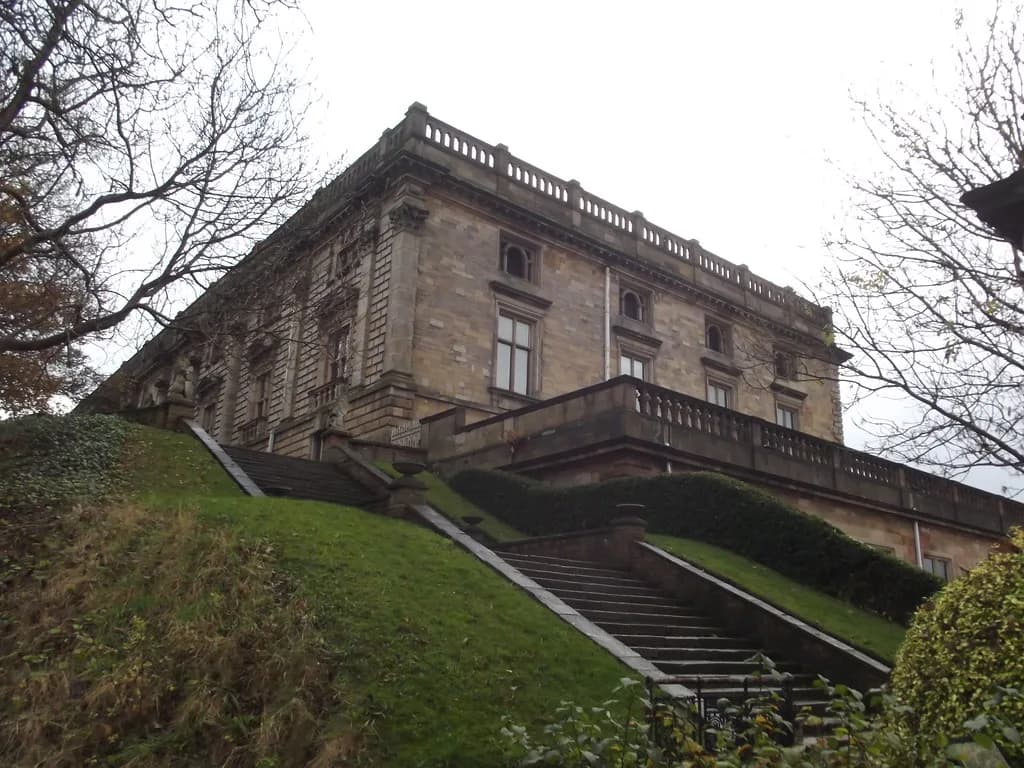
Decay set in during the early seventeenth century, and the castle was demolished in 1651 after the English Civil War, when Edward IV's tower was deliberately blown up. The gatehouse leading to the outer bailey survived and can still be seen, while the site was cleared in 1674. The strong tower's foundations are described as visible in a nearby private garden, so do not plan on inspecting them.
Mortimer's Hole and the Underground Passages
In 1330, supporters of Edward III entered one of the sandstone passages tunnelled beneath the castle and seized Roger Mortimer, the lover of the king's estranged wife. Mortimer was taken to London and executed at Tyburn. The passage became known as Mortimer's Hole.
The story is a useful reminder that caves and rock-cut passages are bound up with Nottingham's medieval story, not just a separate curiosity, and they are why the sandstone beneath the castle is worth noticing as you walk its edges. A local archaeology volume, The Sandstone Caves of Nottingham by Tony Waltham, appears among the reading listed on the Sherwood Forest project's blog.
Whether any passage can be entered on a given day is a separate question from whether it existed. Ask Nottingham Castle directly before building a visit around going underground.
St Mary's Church and Its Perpendicular Rebuild
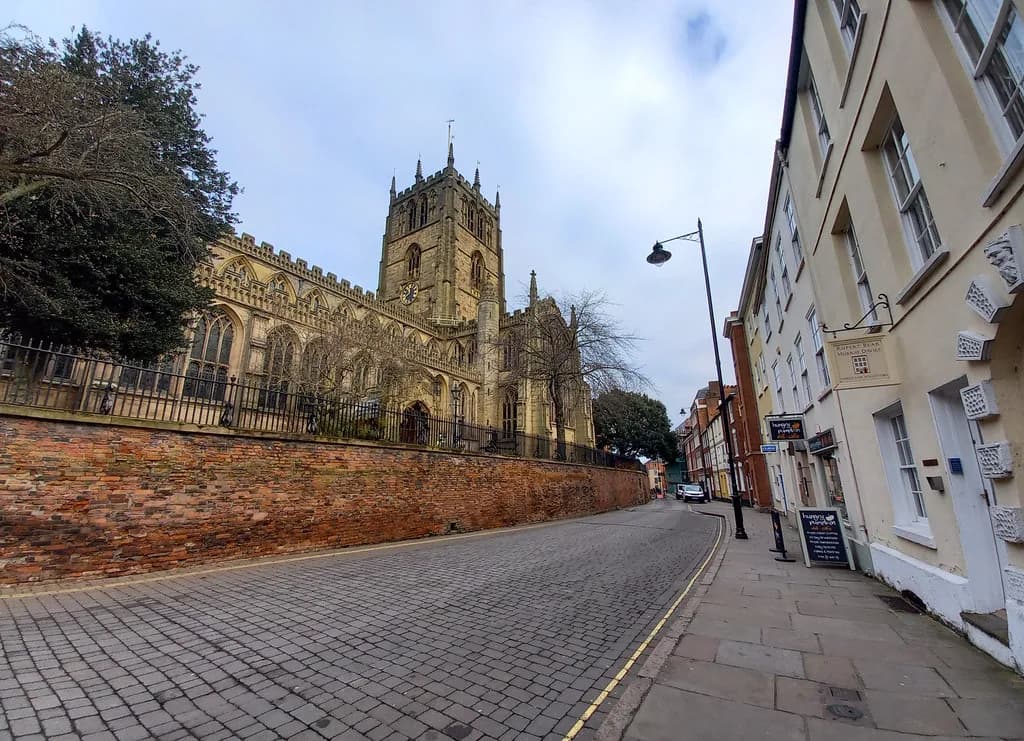
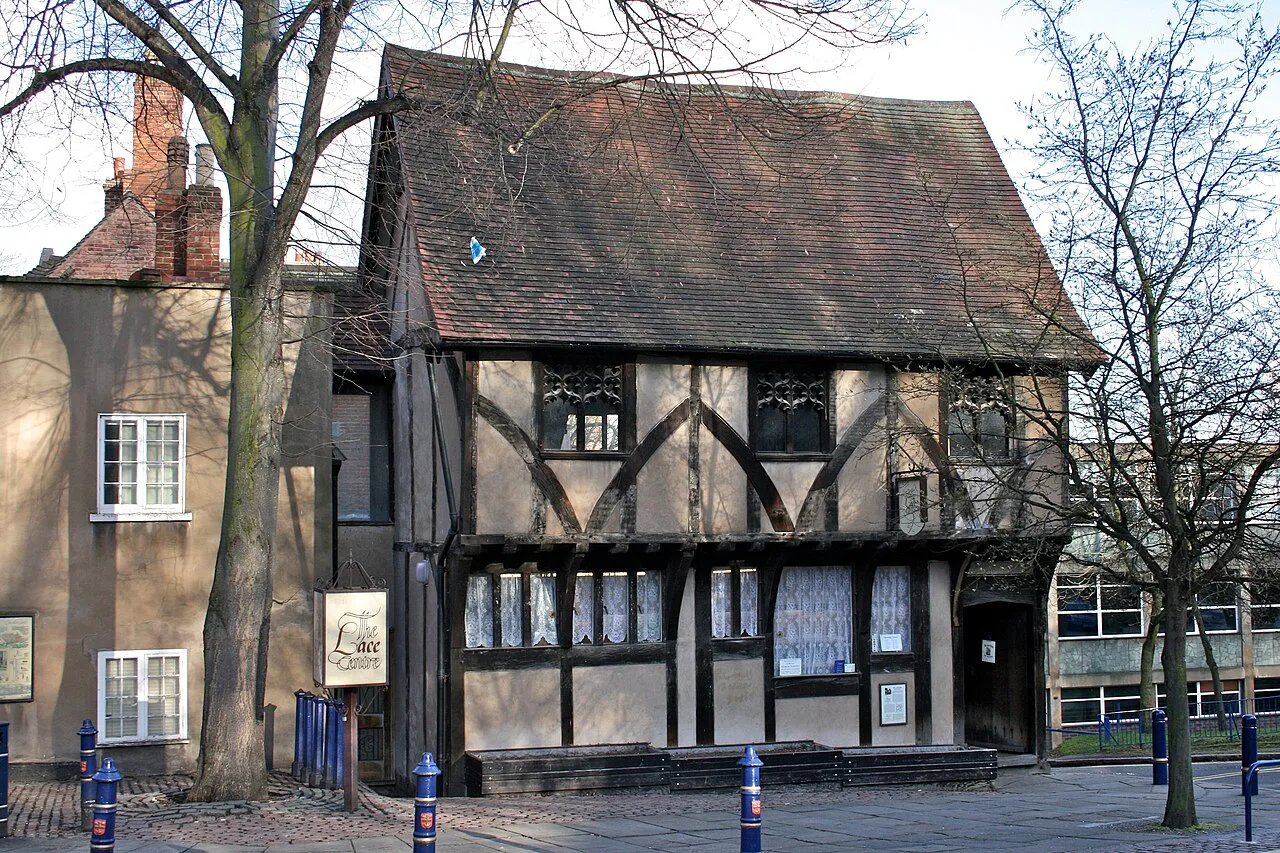
St Mary's Church is the earliest church in Nottingham and appears in Domesday Book. It stood at the heart of the original Saxon town and, in the medieval period, was controlled by Lenton Abbey.
The church was almost entirely rebuilt in the Perpendicular Gothic style during the fifteenth century. Look at the south and north transept windows, which use the style's innovations to create walls that are almost entirely glass. For a town-centre church, that glass is the reason to step inside rather than merely pass the tower.
Robin Hood: Legend, Ballad and Place
Robin Hood belongs to legend and literature, not to a documented biography, and Nottingham's sites appear in the stories rather than in a verifiable itinerary. The earliest surviving ballads include Robin and the Monk, written down around 1450, which places Robin at St Mary's Church, where a Grey Monk raised the alarm and he was captured before being rescued by Little John.
The outlaw is also associated with Sherwood Forest, where the legends have him robbing the rich to help the poor. Read the church connection as a story attached to a real building, which is exactly how it works best on a visit: the fabric is medieval, the episode is ballad.
A Short Walking Route Through the Old Town
Start at the castle site on the rock and look out over the town before descending. Walk down Castle Hill, the street that led from the market place to the first of the castle gates. This is the medieval approach in reverse, and it keeps the castle in view for much of the descent.
Continue to the market square, which Leland judged the finest in England, praising its great width and even paved surface. From there, head to St Mary's Church to finish with the Perpendicular glass. The order matters: castle, street, square, church, because that is how the medieval town connected its power, trade and faith.
Allow half a day for the sequence without rushing, and more if you stop for lunch in the market square. Distances within the old town are short, but the ground near the castle rises and falls, so wear shoes that suit uneven paving.
The Market Square and the Medieval Street Pattern
Medieval Nottingham was entered through gates in a partly walled circuit, and the market place sat at the heart of the town. Leland described buildings of timber and plaster, well built, lining a street of very great width. The square remains the natural centre for the walk and the obvious place to break it.
Use the street names as your map. Castle Hill points to the castle, the market square marks the commercial centre, and the lanes around it preserve the density of the medieval town even where the buildings are later. If you want a change of register, the art galleries in Nottingham make a good counterpoint to a morning of stone and glass.
Sherwood Forest and the Outlaw Landscape
Sherwood Forest lies beyond the city and belongs to a different day out, but it is inseparable from how Nottingham tells its outlaw stories. The landscape of the forest is the setting the legends borrow, and the archaeology project that documents St Mary's Church also works across the wider Sherwood area.
Keep the two parts of the trip distinct. The city gives you the castle rock, the church and the market square, while the forest gives you the trees and the legend. Trying to combine them in one half-day will leave you hurrying through both.
Practicalities for the Walk
The castle has reopened after a major redevelopment, so confirm opening arrangements on its own website before you travel. No admission prices, opening hours or tour times are given here, and the garden where the strong tower's foundations are said to survive is private. Build the walk around the streets and the church if the castle is closed on your dates.
Nottingham's compact centre means the stops sit close together, but the castle rock is steep and the paving uneven. A morning covers the castle site and Castle Hill comfortably, leaving the afternoon for the market square and St Mary's Church. For a cheaper day, look at the free museums in Nottingham for stops that cost nothing to enter.
Plan Your Visit
Medieval Nottingham rewards a walker who accepts what is gone. The castle was demolished, but its rock, its gatehouse and its street approach remain, and St Mary's Church still shows the Perpendicular glass that fifteenth-century money bought. Take the stops in the order set out here and the medieval town makes sense as a whole. If you enjoy reading a town through its surviving fragments, medieval Canterbury offers the same kind of walk around a cathedral city.
Check current details for the castle before setting out, then spend the rest of your planning on the walk itself. A half-day, comfortable shoes and a willingness to read legends as legends will serve you better than a long list of sights.
Explore more Nottingham guides
Frequently Asked Questions
What is left of medieval Nottingham today?
The most visible survivals are the sandstone outcrop where Nottingham Castle stood, the outer gatehouse of the castle, and St Mary's Church, which was rebuilt in the Perpendicular Gothic style in the fifteenth century. The street pattern still leads from Castle Hill to the market square, though most buildings along the way are later than the medieval period.
Are there caves under Nottingham Castle?
Sandstone passages were tunnelled beneath the castle, and one became known as Mortimer's Hole after Roger Mortimer was seized through it in 1330. Whether any passage can be entered on your visit is a separate question from whether it existed, so ask the castle directly if going underground matters to you.
Did Robin Hood really visit St Mary's Church?
The connection comes from the ballad Robin and the Monk, written down around 1450, which has Robin spotted at St Mary's Church by a Grey Monk and later rescued by Little John. That is literature, not documented history. The church itself is real and medieval, and it is the building worth visiting.
Why was Nottingham Castle demolished?
The castle was falling into decay by the early seventeenth century and was demolished in 1651 after the English Civil War, when Edward IV's tower was deliberately blown up. The site was cleared in 1674. The gatehouse to the outer bailey survived and can still be seen.
How long does it take to walk medieval Nottingham?
Half a day is enough for the castle site, the descent down Castle Hill, the market square and St Mary's Church at an unhurried pace. Add time for a meal in the market square or an indoor museum stop if the weather turns. The distances are short but the ground near the castle is steep and uneven.
Sources
Notes for your next city break
Optional updates to our UK city guides.
You might also like
Continue reading
More guides you'll find useful