Free Things to Do in Inverness: Museums, Walks and Kirkyards
Free things to do in Inverness, from Leakey's Bookshop and the Victorian Market to the Ness Islands and Culloden battlefield, with honest trade-offs.
On this page
The free things to do in Inverness cluster in and around the centre: Leakey's Bookshop, the Victorian Market arcades, the Old High Church kirkyard, the riverside and the Ness Islands. Add the battlefield at Culloden, where the moor is free to walk, and you can fill a day without buying a ticket. The paid neighbours are equally clear: Inverness Cathedral asks for an entrance fee, the Culloden visitor centre and its parking are charged, and Cawdor Castle and Urquhart Castle sell tickets.
What is genuinely free in Inverness (and what only looks free)
Free in the centre means browsing Leakey's Bookshop, wandering the Victorian Market, standing in the Old High Church kirkyard, crossing the Greig Street Bridge for the river view and walking out to the Ness Islands. The Inverness Museum and Art Gallery and Abertaff House are free to enter but keep limited, seasonal opening, so they are free only if your dates line up. Everything else on the classic Inverness list tends to involve a ticket or a car.
Three charges catch people out. Inverness Cathedral is reported to cost 6 pounds per person to visit, so treat it as a paid stop and confirm the current figure with the cathedral before you go. At Culloden, the battlefield itself is free to walk, but you pay for parking and for the museum. Urquhart Castle on Loch Ness is a ticketed site, and visitors report being turned away at the door in October without advance booking.
If you want the fuller picture of paid and free attractions side by side, start with the Inverness Attractions hub and build the free stops around the ones you are happy to pay for.
Leakey's Bookshop: a church full of secondhand books
Leakey's Bookshop occupies a former Gaelic church, and the stained glass and spiral staircase survive inside. Shelves hold thousands of secondhand books, including unusual titles, alongside antique prints, and a wood stove keeps the place warm in winter. Browsing costs nothing and there is no obligation to buy, though most people leave with something.
Allow more time than you expect: this is a place to disappear into rather than tick off, and it works well as a rainy-hour stop because the stock is indoors and the building itself is worth a look. Pair it with the market arcades a short walk away if you want a compact free loop through the centre.
The Victorian Market arcades: browsing, coffee and shelter from rain
Inverness's Victorian Market holds more than 30 independent businesses across three intersecting arcades, all connected to each other. That layout makes it one of the best free shelters in the city when it rains: you can browse souvenirs, grab a coffee or stop for a meal without stepping back outside. There is even a barbershop if the Highland weather has ruined your haircut.
Entry costs nothing, though the market is a shopping stop rather than a sight, so budget your willpower rather than an admission fee. For more browsing options around the centre, see this guide to shopping in Inverness.
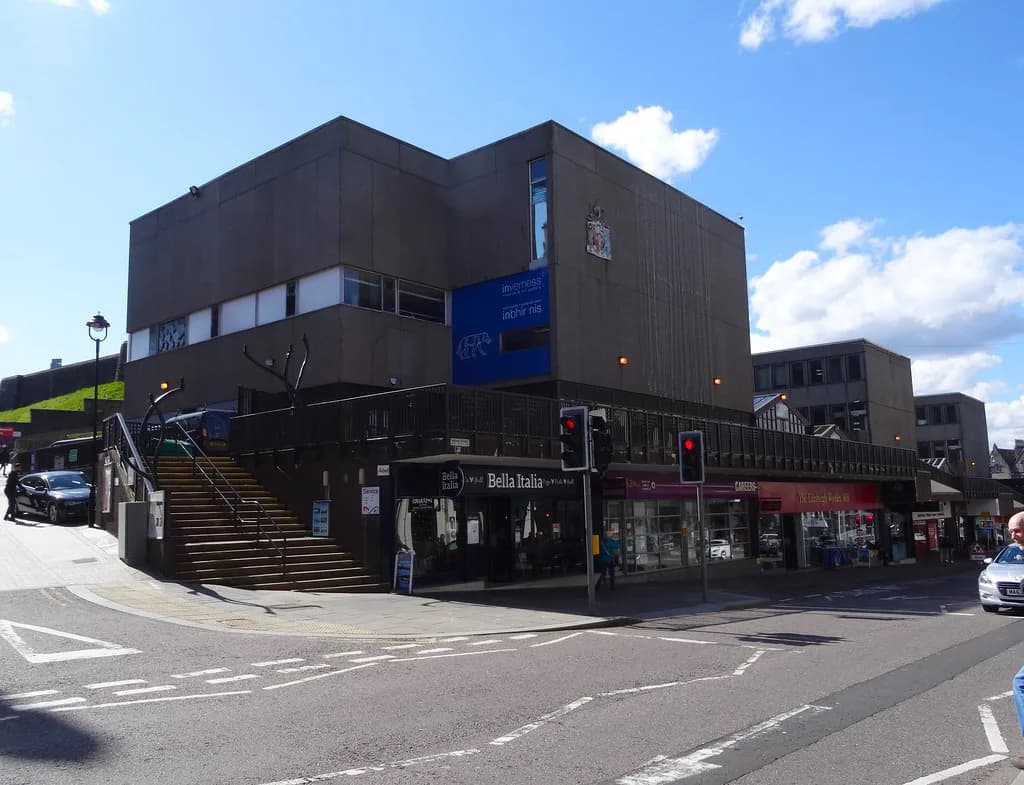
Inverness Museum and Art Gallery: Highland history indoors
The Inverness Museum and Art Gallery covers Highland art, history and culture, which makes it a sensible first stop before you head out to Culloden or Loch Ness. It doubles as a rain shelter, and opening hours are limited and change with the season, so check the schedule before you build a day around it.
If the museum is shut on your dates, the wider list of museums in Inverness will help you find an alternative roof.
Abertaff House: the oldest residential building in Inverness
Abertaff House dates to 1593 and holds a small museum about Inverness, including detail on local life in the 1600s. Entry is free, and it sits right in the centre, so you will likely pass it several times during a couple of days in town. Outlander fans note a loose connection: the house was once briefly owned by the Frasers of Lovat, though that history has little bearing on what is displayed today.
Opening is seasonal and fairly limited, which is the main planning constraint here. Treat Abertaff House as a bonus stop when it happens to be open rather than the anchor of your day, and check its hours before setting out.
Old High Church kirkyard and its Jacobite history
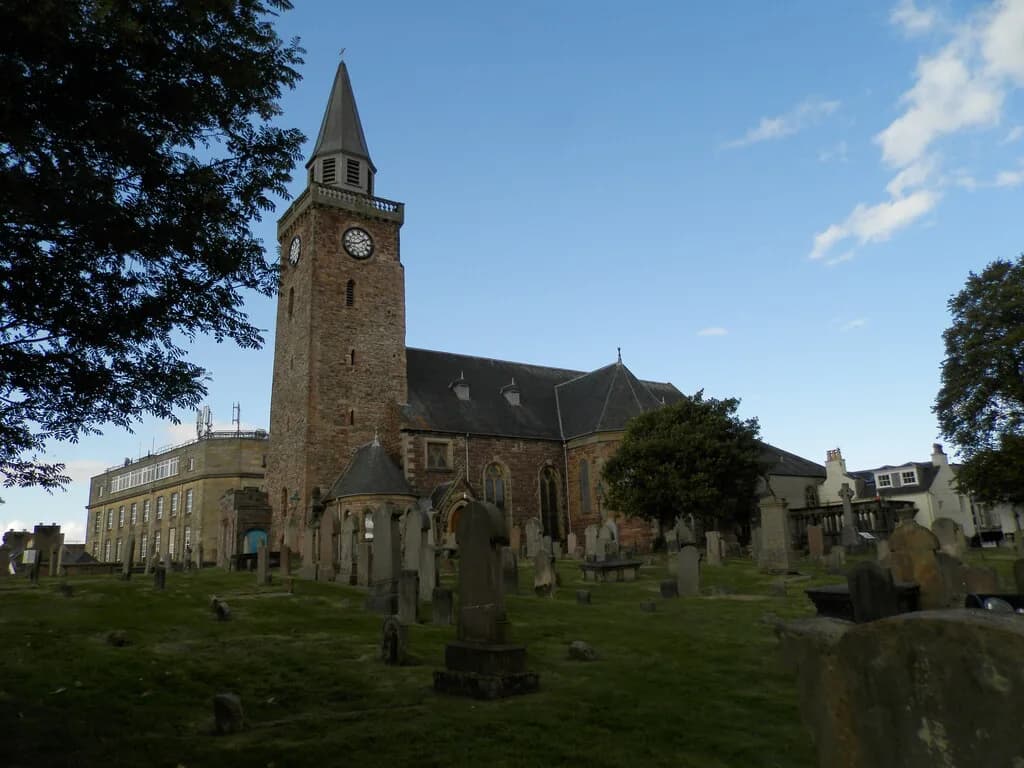
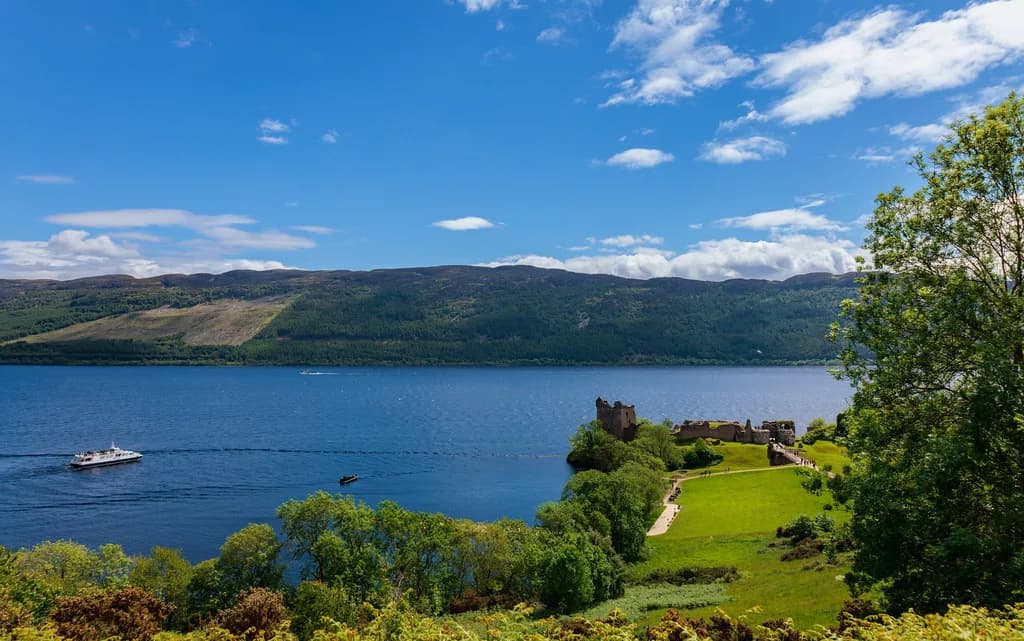
The Old High Church sits on St Michael's Mount, a hill above the River Ness, and its roots reach back to the 14th century. The reason to come is the peaceful kirkyard, and the view from its edge over the river is worth the short climb. The kirk building itself is closed and being sold by the Church of Scotland, so plan around the graveyard rather than the interior.
The calm setting hides a grim chapter: after the Battle of Culloden in 1746, hundreds of Jacobite prisoners were held and executed here. Read the stones with that in mind rather than treating the kirkyard as a photo stop. It costs nothing and takes maybe twenty minutes, which leaves the rest of the day for the river.
Inverness Cathedral: visiting costs and what you get
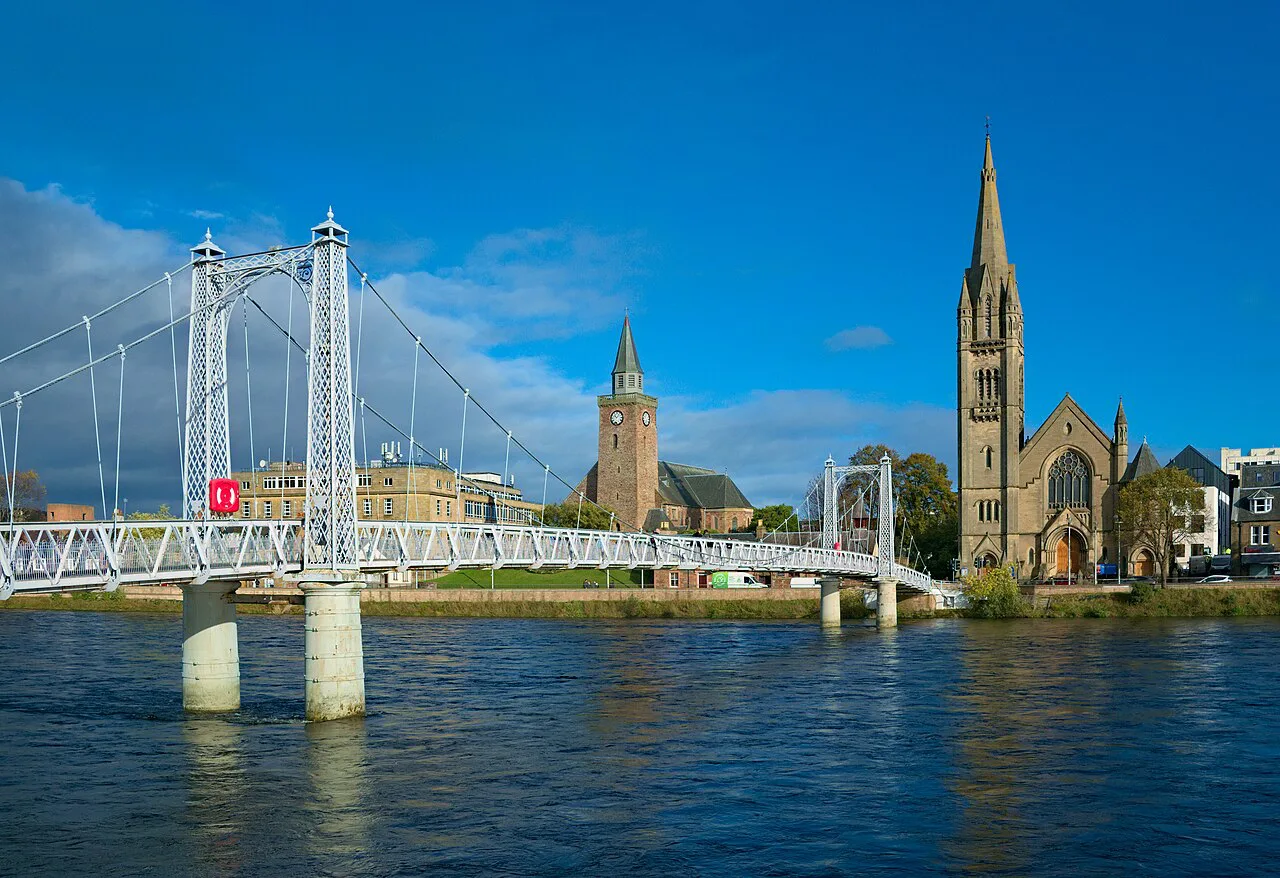
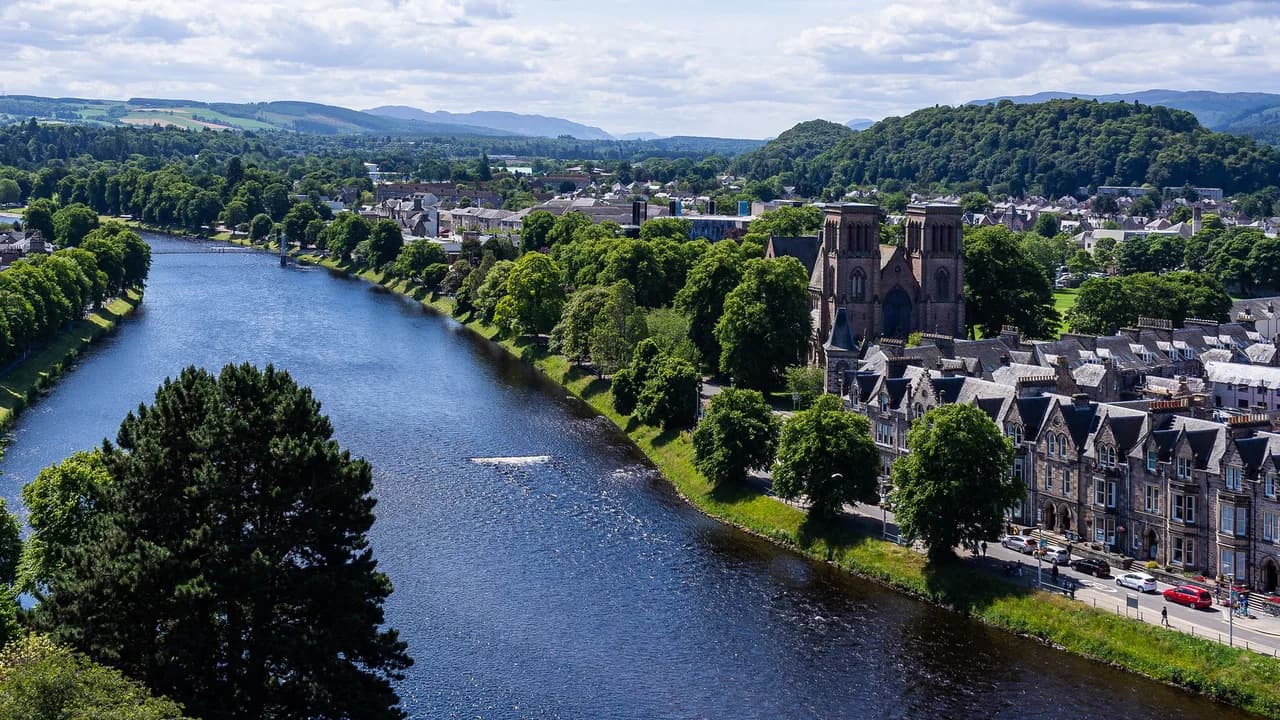
Inverness Cathedral stands on the bank of the River Ness and is one of the city's most striking churches, built in the late 19th century in Gothic revival style with high ceilings and stained glass. It was the first cathedral completely built and consecrated in Great Britain since the Reformation. It is open every day of the year, and visiting is reported to cost 6 pounds per person.
Because that figure comes from a travel account rather than the cathedral's own notice, confirm the current entry charge on arrival or through the cathedral before you count it as free. If the fee is a deal-breaker, admire the exterior from the riverside path and spend your money elsewhere.
A River Ness walk: Greig Street Bridge, Ness Bridge and the islands
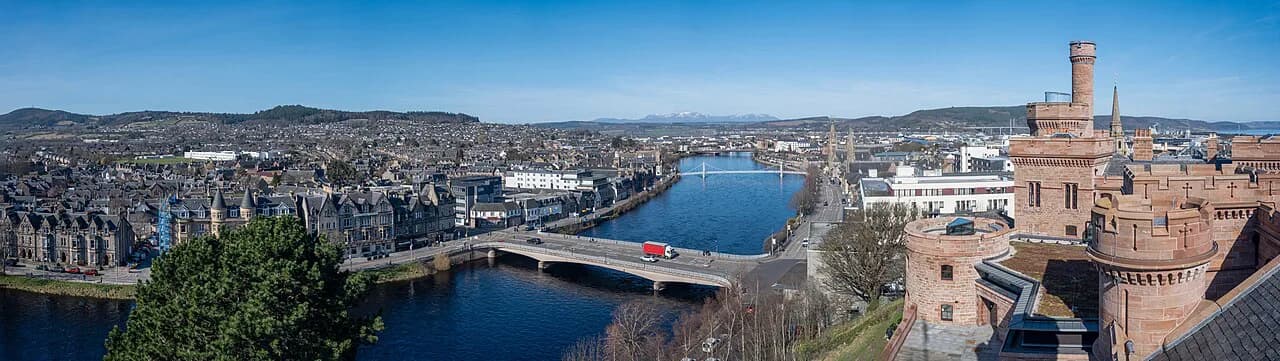
Start on the Greig Street Bridge, a footbridge where you can stand over the water and pick out the cathedral, the castle hill and the Old High Church in one sweep. Carry on to the Ness Bridge, which replaced an earlier 17th-century stone crossing swept away in a flood, and follow the riverbank past old stone townhouses and warehouses. This is the cheapest hour in Inverness and one of the most rewarding.
A self-guided city centre trail leaflet is available from the visitor centre on Bridge Street, just below the castle, and the walk up to the castle hill gives you the best overview of the town and river valley. Budget an hour or so for the bridges and riverside without rushing, more if you stop for photographs. For a full itinerary that fits this walk around the museums and kirkyard, see these things to do in Inverness.
If the weather turns, the same route is a short hop from the covered arcades and the bookshop, so you can retreat indoors without abandoning the day. For more wet-weather options, see these indoor activities in Inverness.
Ness Islands: footbridges, green space and the carved Nessie
The Ness Islands are a small group of islands in the middle of the River Ness, linked to the banks by footbridges, and they are free to wander. The appeal is the sudden quiet: a few minutes across a bridge and the traffic fades. Look out for the fallen tree carved to look like Nessie, a small free thrill for children.
Give the islands a proper half hour rather than treating them as a photo pause, and wear shoes that cope with damp paths. They are the best free green space within walking distance of the centre and a natural end point to the riverside walk.
Cawdor Castle and the Macbeth legend (entry charges apply)
Cawdor Castle is about half an hour's drive from Inverness and is open seasonally, from April to October, with tickets sold for the castle interior or for the gardens and nature trail alone. The Macbeth association is legend rather than history: the castle was built in the 1300s, while the events dramatised by Shakespeare are set in the 1100s, so the real Macbeth never lived here. A second legend says the Thane of Cawdor followed a dream instruction to load a donkey with his wealth and build wherever it rested beneath a holly tree; the wood said to be that tree is shown in the basement.
Touring the castle and gardens makes a good day out, with a playground on the property for children, but it is not a free stop. A reputed haunting by Lady Caroline Howard is part of the castle's storytelling, not something to plan a ghost hunt around.
Culloden battlefield: walking the moor and paying for the museum
Culloden Moor, about a 15-minute drive from Inverness, is where the Jacobite rising ended in April 1746 in under an hour, with around 1,600 men killed and most of them Jacobites. The battlefield is free to walk, but parking and the visitor centre museum are chargeable. The museum sets the government and Jacobite perspectives side by side and is designed to be seen before you walk the field. If you are weighing up similar free-vs-ticketed sites elsewhere, our guide to free things to do in Birmingham makes a handy comparison.
On the moor, clan graves are marked with headstones and a stone cairn built in 1881 commemorates all who died. Outlander fans leave flowers and mementos at the Fraser grave, although Jamie Fraser is a fictional character. The turf, heather and paths can feel oddly calm for such a bloody site, and flags mark the two battle lines.
If you are relying on public transport, check how you will reach the moor before committing, because the site sits outside town. For a no-car approach to the wider area, this guide to visiting Inverness without a car is a useful starting point.
Clava Cairns and the Culloden Viaduct: a short trip out of town
Clava Cairns is a group of Bronze Age burial cairns about a 20-minute drive from Inverness and roughly 10 minutes from Culloden. The prevailing theory is that they were cemeteries, though their exact purpose remains uncertain, and you can step inside one of the tombs. Outlander fans treat the standing stones as a stand-in for the fictional Craigh na Dun.
Nearby, the Culloden Viaduct is a quick detour if you like railway architecture, and you may catch a train crossing it. It is not a must-see in the way the cairns are, but it costs nothing and slots into the same outing. Both stops reward a car or a tour, so factor transport into the plan.
Loch Ness and Urquhart Castle: views that cost nothing, tickets that do not
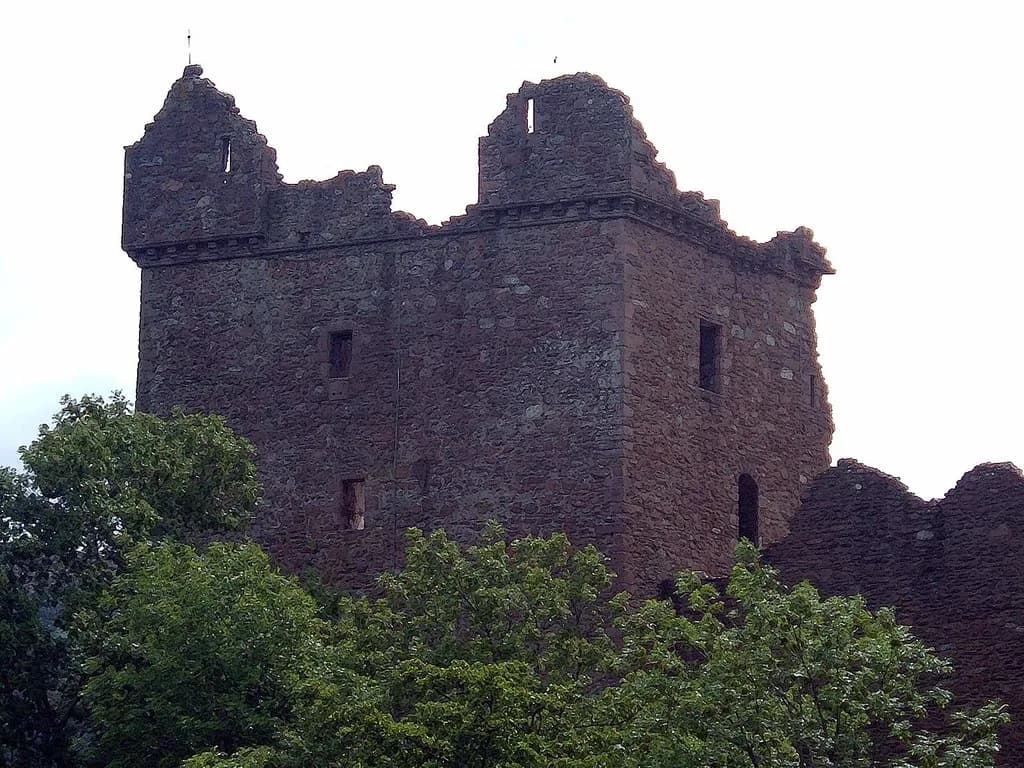
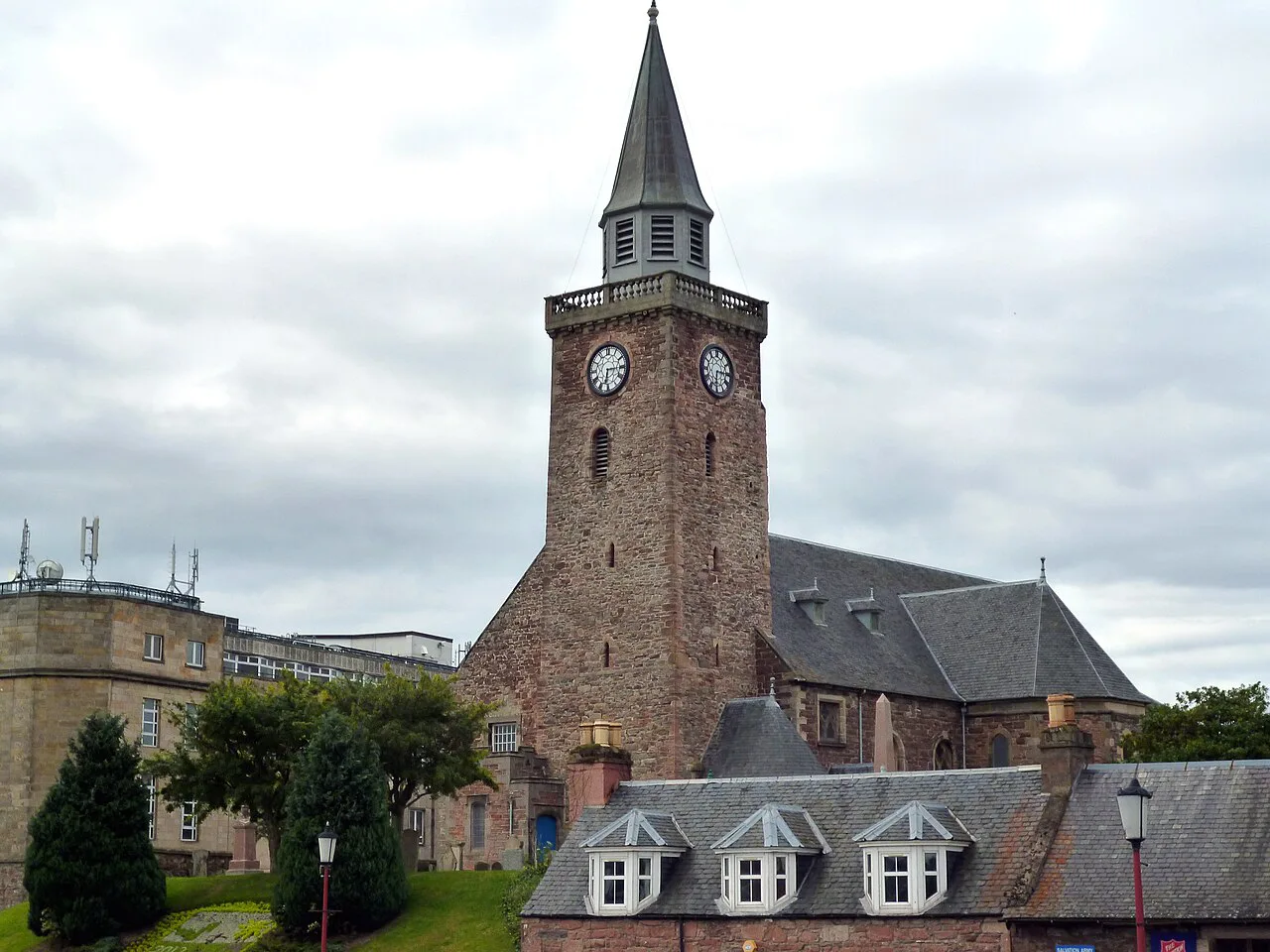
Loch Ness itself is free to look at, and a cruise gives you the water-level view of Urquhart Castle that photographs never quite capture. The castle ruins date to the 13th century and played a part in the Scottish Wars of Independence before government troops destroyed them to deny the Jacobites a base. Urquhart is a ticketed site and busy even in October, so book ahead rather than turning up and hoping.
Morning cruises are noticeably quieter than afternoon sailings, and the top deck has the best views, though the wind off the water is cold even in mild weather. Bring layers and gloves. The Nessie story is legend, so enjoy it as storytelling rather than expect a sighting.
What to book ahead and what to leave to the weather
Book the paid sites with fixed capacity: Urquhart Castle tickets and the Culloden visitor centre are the ones where turning up without a booking can cost you the visit. Inverness Cathedral is pay-on-entry rather than reservation, but confirm the charge first. Leave the bookshop, market, kirkyard, riverside and islands unbooked, because they need no ticket and fit around whatever the sky does.
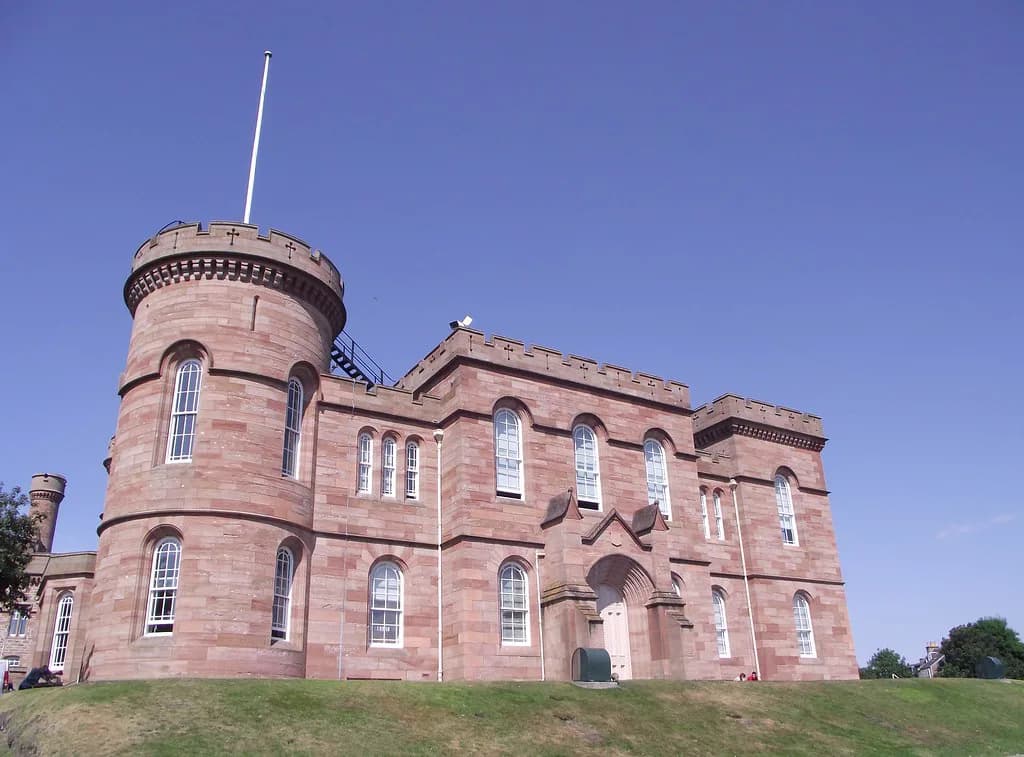
Inverness Castle is closed to visitors while it is converted into an interactive museum about the Highlands, so do not plan a day around going inside. Admire it from the river and the castle hill instead, and check its website for progress before your trip.
Free things to do in Inverness when it rains
Rain plans write themselves here: Leakey's Bookshop, the Victorian Market arcades and, if the hours suit, the Inverness Museum and Art Gallery. All three are central, free to enter and close enough together to move between in short dashes. The market's three connected arcades mean you can spend an hour under cover without repeating yourself.
Abertaff House hours and the museum's seasonal timetable are the two things most likely to scupper a wet-day plan, so check both before you set out. If they are shut, the bookshop and market will still fill a morning. Keep a paid option such as the cathedral in reserve if you want somewhere quieter to shelter.
Where to stay to keep walking costs down
The free stops on this list sit within walking distance of the centre, so a central base saves bus fares and taxi rides. The Old High Church, Greig Street Bridge, the market, the bookshop and the start of the riverside path are all close together, with the Ness Islands a longer but flat walk from town.
If you are considering afternoon tea in Inverness as a paid treat between free stops, booking ahead is wise at well-known places in town.
The Best Free Day in Inverness
Build the day around Leakey's Bookshop, the Victorian Market, the Old High Church kirkyard and the river walk out to the Ness Islands. Add Abertaff House or the Inverness Museum and Art Gallery only when their seasonal hours line up, and treat Culloden's free moor as a half-day outing that needs transport.
Pay only where the visit justifies it: the Culloden museum, the cathedral entry or an Urquhart Castle ticket booked in advance. Everything else on this list costs nothing but time, which in Inverness is the best currency you have.
Explore more Inverness guides
Frequently Asked Questions
What can you do for free in Inverness?
Browsing Leakey's Bookshop, walking the Victorian Market arcades, visiting the Old High Church kirkyard, crossing the Greig Street Bridge and walking out to the Ness Islands all cost nothing. The Inverness Museum and Art Gallery and Abertaff House are free to enter but keep limited, seasonal hours, and the Culloden battlefield is free to walk although parking and the museum are charged.
Is Inverness Cathedral free to visit?
No. Visiting is reported to cost 6 pounds per person, and the cathedral is open every day of the year. Confirm the current entry charge with the cathedral before your visit, and if the fee puts you off, view the Gothic revival exterior from the riverside path instead.
Do you have to pay for Culloden Battlefield?
Walking the battlefield is free, but you pay for parking and for the visitor centre museum. The museum is well worth the charge and is designed to be seen before you walk the moor, so start indoors and then follow the paths out to the clan graves and the cairn.
Are the Ness Islands free to visit?
Yes. The islands are linked to both banks by footbridges and cost nothing to wander. Allow about half an hour, keep an eye out for the fallen tree carved to look like Nessie, and wear shoes suited to damp paths.
Is Leakey's Bookshop free to browse?
Yes. Leakey's occupies a former Gaelic church and holds thousands of secondhand books, antique prints and a spiral staircase, with a wood stove for winter. There is no entry charge and no obligation to buy, though it is easy to spend far longer inside than planned.
What is there to do in Inverness when it rains for free?
Head for Leakey's Bookshop, the Victorian Market's three connected arcades or, when its seasonal hours allow, the Inverness Museum and Art Gallery. All three are central and free to enter, so you can move between them in short dashes without paying for shelter.
Can you see Inverness without a car?
The centre's free stops, including the kirkyard, bridges, market, bookshop and riverside, are all walkable. Culloden Moor and Clava Cairns sit outside town and need transport, so check bus options or a tour before relying on the battlefield as a free outing.
Sources
Notes for your next city break
Optional updates to our UK city guides.
You might also like
Continue reading
More guides you'll find useful