Castles Near Inverness: Which Are Worth the Trip?
Castles near Inverness, from the city-centre stronghold above the River Ness to furnished Highland seats and ruined keeps, with what each offers and how far you go.
On this page
The short answer: there is a castle in the centre of Inverness, and several more within reach as half-day or full-day trips. Choose by what you want from the visit, because a refurbished hilltop landmark, a furnished family seat and a windswept ruin are entirely different afternoons.
This guide separates the castles you can tour from the castle hotel that only takes guests, and it groups the ruins apart from the furnished houses so you know whether to expect a walk or a guided route through rooms. It also flags the journeys long enough to need their own day and how to judge them without a car.
What there is: the castle in the city centre and the castles a day trip away
Inverness Castle is the only stronghold in the city itself, and it is the sensible first stop for anyone with a single day in town. Cawdor, Dunrobin and Mey are furnished Highland seats, while Castle Sinclair Girnigoe, Old Inverlochy and Ardvreck are ruined keeps that reward a walk rather than a house tour. Pick one furnished seat and one ruin at most if your base is Inverness, and you will spend your time at the castles rather than in the car.
A useful split is by distance and by type. The city-centre landmark, across the River Ness, needs no planning beyond your own two feet. The rural castles reward a car and a full day, and the northern pair at Dunrobin and Mey sit especially far up the coast, so treat them as an expedition rather than an add-on.
If your interests lean to collections and galleries rather than battlements, the museums and art galleries in town fill a wet morning well, and you can combine them with a short walk to see the castle exterior. That mix makes a good bad-weather plan and leaves the longer drives for the clearer days.
Inverness Castle: the red sandstone stronghold above the River Ness
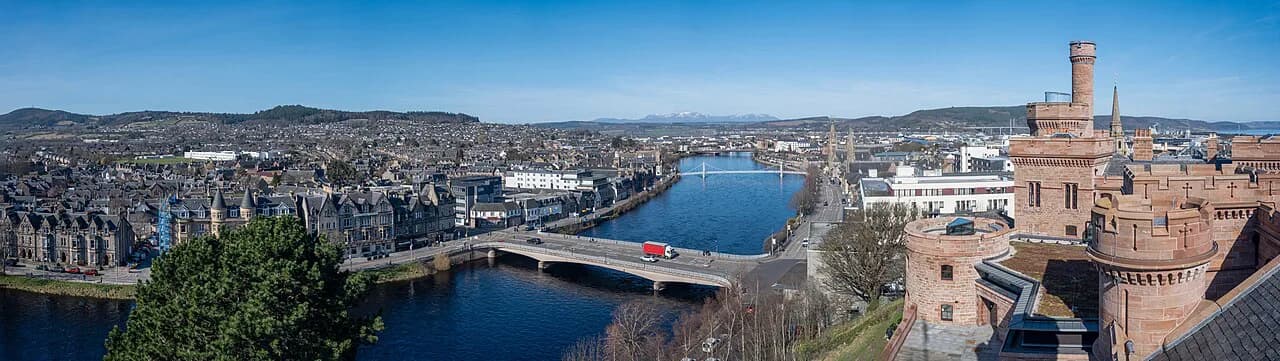
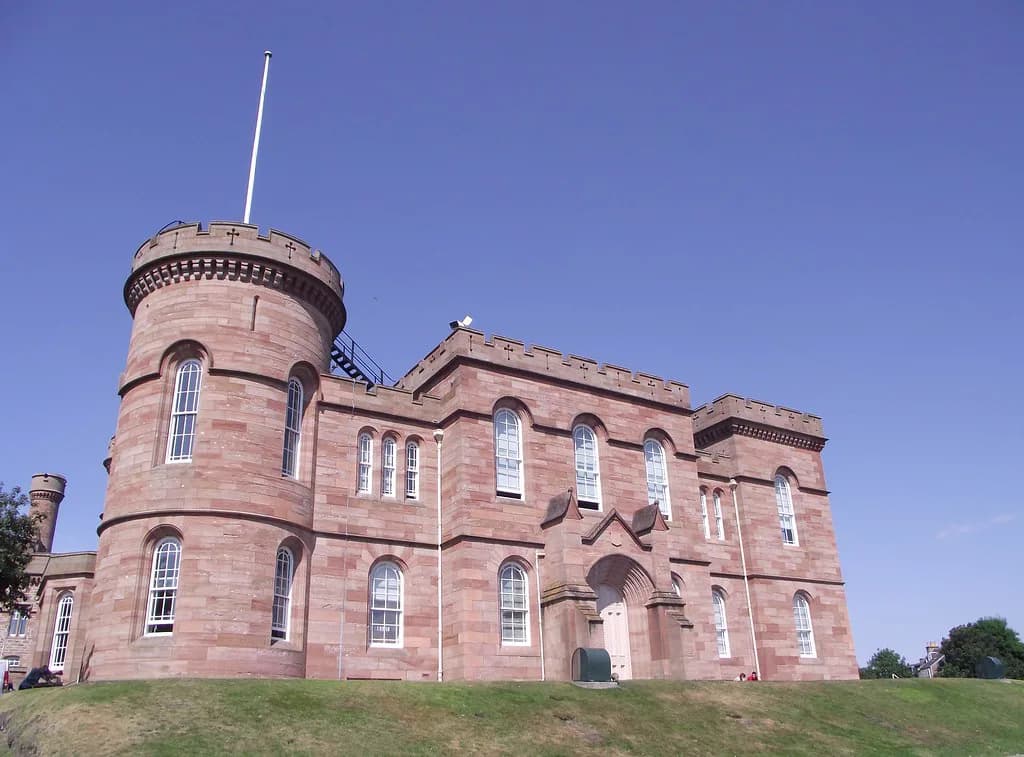
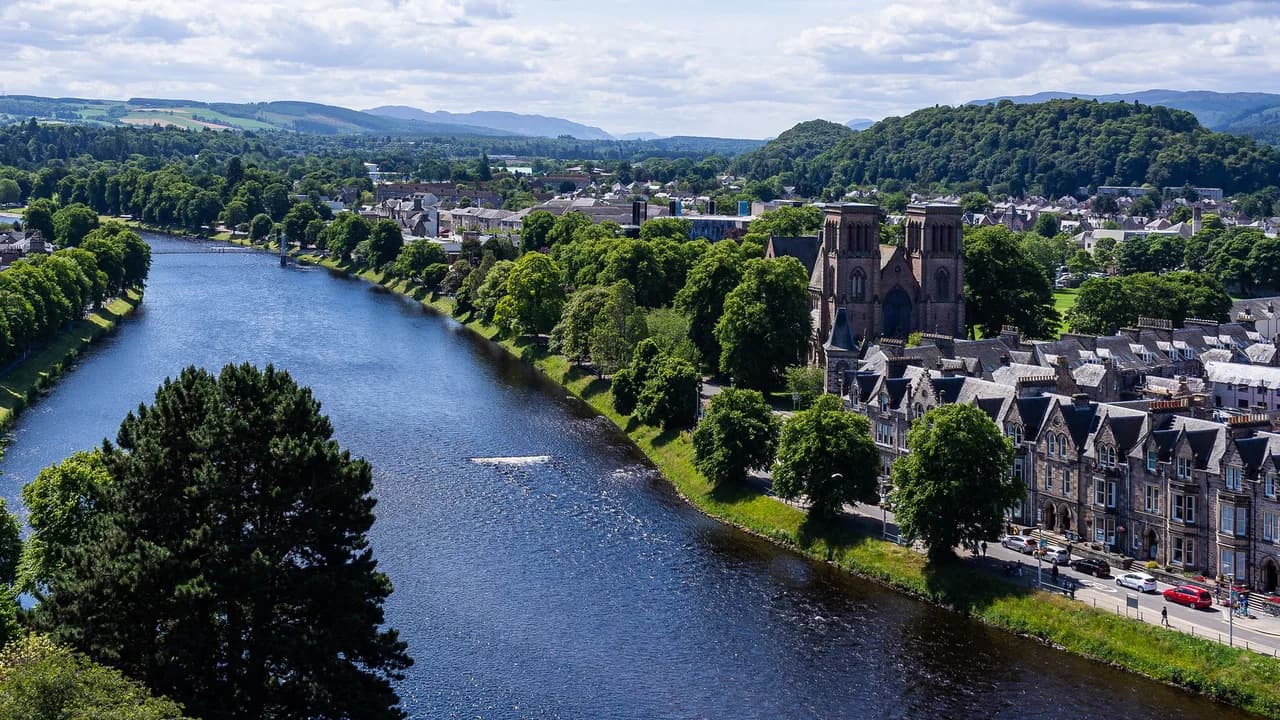
Inverness Castle is the landmark that defines the city skyline: a red sandstone building on the cliff above the River Ness, with views across the river to the spires and rooftops of the centre. It is the zero-travel option, reached on foot from the middle of town in a short walk.
The fortress on this site has a long and contested story, including its place in the Jacobite risings, and the castle has been reworked more than once. The Macbeth connection is legend rather than history, so enjoy it as a story attached to the place and not as an account of what happened here. A little background reading before you climb the hill gives the building far more meaning than the view alone.
What to expect from Inverness Castle as a visit, and how long to allow
As a visit, the city-centre castle is compact: this is a viewpoint and a landmark rather than a sprawling estate, so allow an hour or so to climb up, take in the river and carry on. The reward is height and outlook rather than long corridors, so it earns its place at the start or end of a day rather than as the centrepiece of one.
Pair it with the streets below, which are best seen on foot. A short self-guided loop around the castle and the riverside makes a good introductory hour, and a guided walk can add the context behind the buildings you are looking at.
Do not expect gardens or a furnished suite in the city centre: that experience, if you want it, is what the rural seats provide. If you have limited time, combine the castle viewpoint with a museum in town and leave the rural houses for a separate outing.
Cawdor Castle: a furnished Highland seat rather than a ruin
Cawdor is the nearest of the classic Highland seats to Inverness, and it is listed among the region's castles that visitors can tour. Expect a furnished house and its setting rather than a bare shell: the pleasure here is in seeing how a Highland seat works, not scrambling over broken walls.
The Shakespearean association is the hook most visitors know, but treat it as an association rather than a documented link to the building. Build the day around the house and grounds and give yourself room to sit down somewhere afterwards; there is no need to rush on to a second castle.
Because it is a short journey from the city centre, Cawdor suits a half-day rather than a full expedition, and it is the easier choice if you want a furnished castle without committing to the far north. Check the castle's own pages for which rooms and grounds are open when you plan to go.
Dunrobin Castle and Gardens: the long haul north and whether it earns the drive
Dunrobin and its gardens sit far to the north, and that distance is the whole point of the trade-off. It is not a stop you bolt onto a morning in Inverness; it is a day in its own right, best combined with the other far-north sights rather than attempted halfway.
If you want a single grand, furnished northern castle, Dunrobin is the obvious pick, but accept that the pleasure is the journey and the setting as much as the building. Travel up in good weather, give yourself time on the ground and plan a return before dark.
Whether it earns the drive depends on what you value. If an hour in a car feels like a waste, stick to Cawdor and the city-centre castle; if a long coastal run is part of the holiday, Dunrobin fits naturally.
The Castle and Gardens of Mey: far north, and best paired with other stops
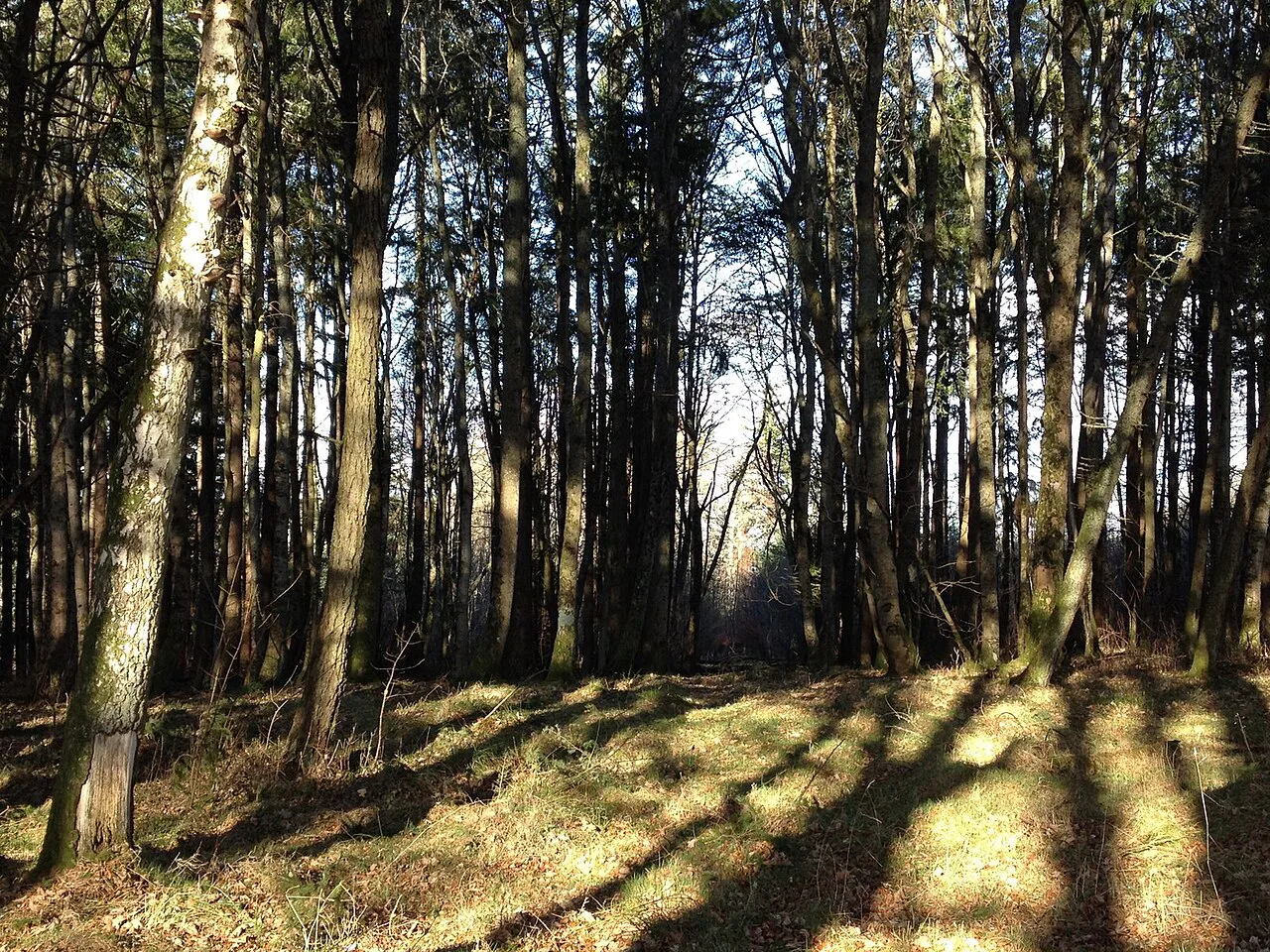
The Castle and Gardens of Mey is the furthest of the northern group, and it makes most sense as part of an itinerary north rather than as a day out from Inverness. Plan it alongside other stops so the long drive is shared between several places.
If you only have a short break in the city, Mey is a stretch, and honesty on this saves disappointment. Come back with a car and several days, and give the far north the time it needs, including at least one overnight stop so the return leg is not a night drive.
Ruin-hunting: Castle Sinclair Girnigoe, Old Inverlochy and Ardvreck
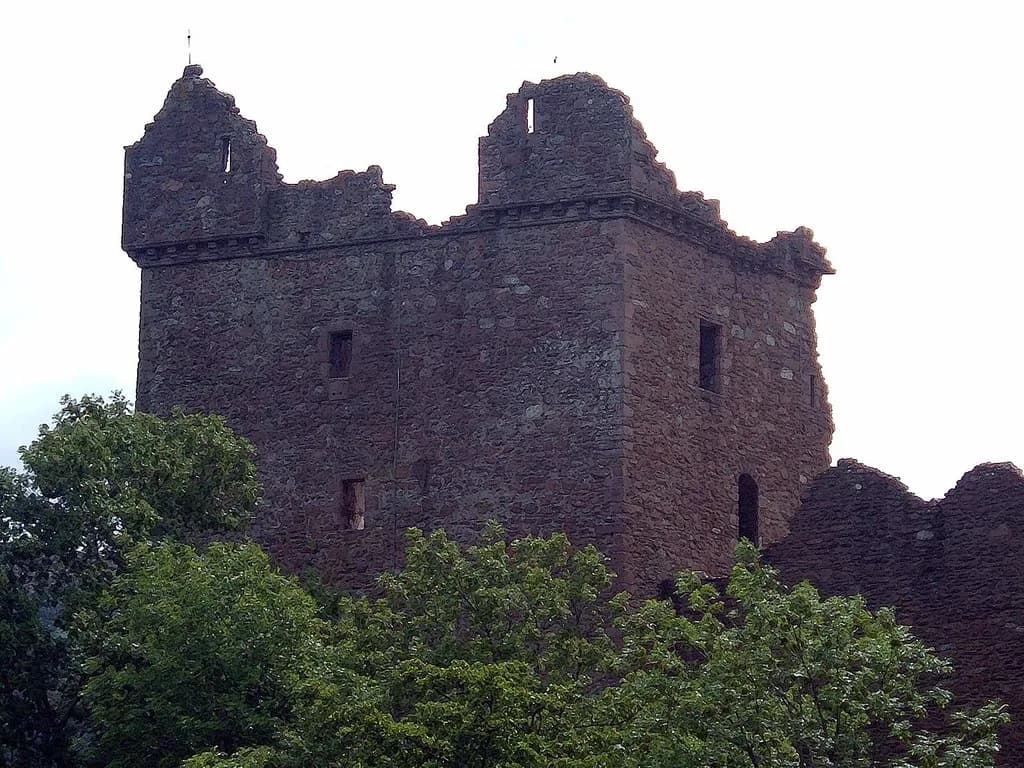
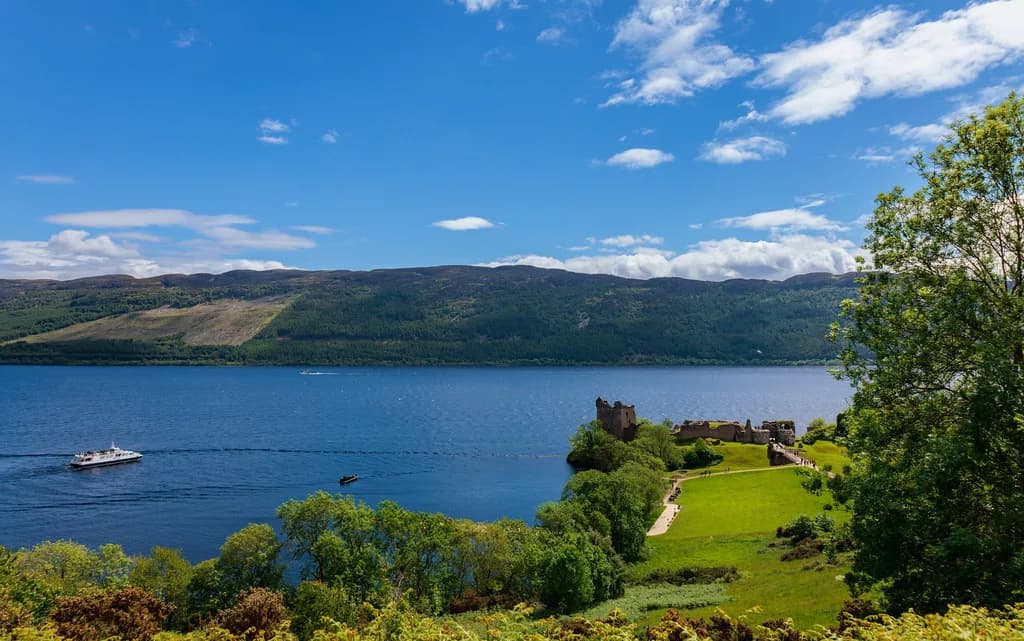
The ruined keeps are a different kind of visit: there is no house tour, no queue for rooms and no indoor anything, just walls, ground and a sense of place. Castle Sinclair Girnigoe, Old Inverlochy and Ardvreck appear together in the region's castle listings, and each gives you a walk and a view rather than a ticket desk and a shop.
Choose a ruin for the landscape and the quiet, and go prepared for footing and weather rather than for interpretation panels. Good boots, a waterproof and a torch in winter are sensible, and you should turn back rather than press on if the path gets rough.
Because these sites are spread across the Highlands, treat each as its own outing and pick the one closest to your other plans. Old Inverlochy suits an approach from the south, Sinclair Girnigoe takes you far north, and Ardvreck is a serious northern detour.
Achnagairn Castle: a castle you sleep in, not a castle you tour
Achnagairn is a castle hotel on an estate near Kirkhill, seven miles from Inverness city centre, with Loch Ness and Culloden Battlefield a few miles away. It is not a visitor attraction with a ticket desk; it is a place to stay, with themed rooms, an honesty bar and a ballroom. Book it as accommodation, not as a day out.
That distinction matters when planning: you cannot tour Achnagairn the way you can tour Cawdor or Dunrobin, and turning up without a booking is not the experience on offer. If you want the castle stay, ask about room rates and dates directly with the hotel.
Getting around without a car: which castles work by public transport
Inverness Castle is the honest answer for a car-free visitor: it is in the city and needs no transport at all. Everything else on this list involves a rural journey, and the practical approach is to check buses and trains timetables before committing to any of them.
For the far-north castles, a car is the realistic option unless you have checked services in advance and can commit to the return times. If you have no car, build your day around the city centre, the museum and the riverside, and treat the rural castles as a reason to come back.
Choose a base in the centre and use your feet: the concentration of museums and galleries means a car-free short break is not a compromise. The art galleries in town fill the hours between meals without any need for a timetable.
How to choose: drive time, season and what you want from a castle
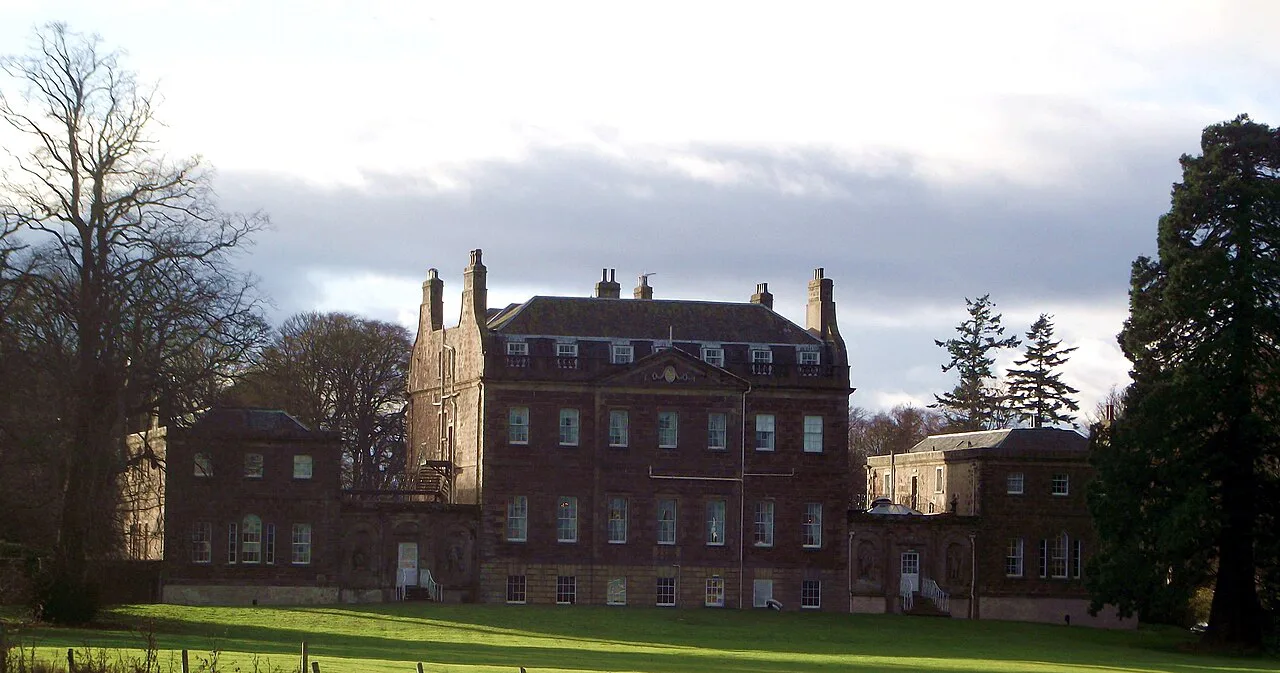
Match the castle to the time you have. One day: Inverness Castle and a museum. Two days: add Cawdor. Three or more: consider the long northern drive to Dunrobin or Mey, and only then add a ruined keep if the weather is kind.
What you want from a castle matters more than the distance. Furnished rooms and gardens point north; wild walls and open ground point to the ruins; a night in a castle points to Achnagairn, and the city-centre castle suits anyone who wants history in a single hour.
Practical points: tickets, seasonal opening and steps
None of this depends on a fixed fee from a guidebook: each castle sets its own arrangements and seasons, so the only reliable check is the venue's official website or the local visitor information before you travel. Many rural houses and gardens operate seasonally, and a hilltop site involves steps.
Practical planning: book castle-hotel stays well ahead, bring a waterproof for any ruin, and keep one day loose in case the weather shifts. If mobility is limited, the city-centre castle is the easiest of the group to reach on foot.
Where castles fit into a wider Inverness break
Castles are one strand of a proper Inverness break, alongside the museum, the galleries and the riverside walk. A sensible shape is a city day, a furnished-castle day, a ruin or long-drive day, with an afternoon tea somewhere in between.
For longer trips, other parts of Scotland reward the same approach: castles near Aberdeen are famous for their own ruined coastal keeps, and castles near Birmingham suit anyone who wants a different British trip. Pick a region and go properly rather than rushing between them.
Plan Your Visit
Start with Inverness Castle for the city view, add Cawdor for a furnished seat, and save Dunrobin, Mey and the ruins for a longer trip with a car. Achnagairn is a place to sleep, not to tour, so treat it separately when you book accommodation.
Explore more Inverness guides
Frequently Asked Questions
Is there a castle in Inverness?
Yes. Inverness Castle stands above the River Ness in the city centre, reached on foot, with views across the river. It has been reworked over the centuries and is a compact landmark stop rather than a sprawling estate.
How long does it take to tour Inverness Castle?
Allow roughly an hour for the city-centre castle, which is a viewpoint and landmark. The longer visits are the rural houses and ruins, which take a half or full day once travel is included.
What are the best castles near Inverness?
For a short break, Inverness Castle and Cawdor give a strong mix of city view and furnished seat. Dunrobin and Mey are the choice for a long northern drive, and Sinclair Girnigoe, Old Inverlochy and Ardvreck are for those who want a walk around a ruin.
Can you visit castles near Inverness without a car?
Inverness Castle is easy on foot, and the city's museums fill a car-free day. The rural castles involve bus or train journeys, so check services and return times against your other plans.
Which castles near Inverness are ruins rather than furnished houses?
Castle Sinclair Girnigoe, Old Inverlochy and Ardvreck are the ruined keeps, visited on foot with no house tour. Cawdor, Dunrobin and Mey are the furnished seats.
How far is Dunrobin Castle from Inverness?
Dunrobin and its gardens sit well to the north, so treat the trip as its own day rather than an add-on to a morning in the city. Plan the drive and the return in daylight, and check the castle's official pages for when it is open.
Sources
Notes for your next city break
Optional updates to our UK city guides.
You might also like
Continue reading
More guides you'll find useful