History of Inverness: What to See From Fort to Castle Hill
Trace the history of Inverness from St Columba and the Pictish fort at Craig Phadraig to the medieval castle, the Jacobite sieges and Castle Hill today.
On this page
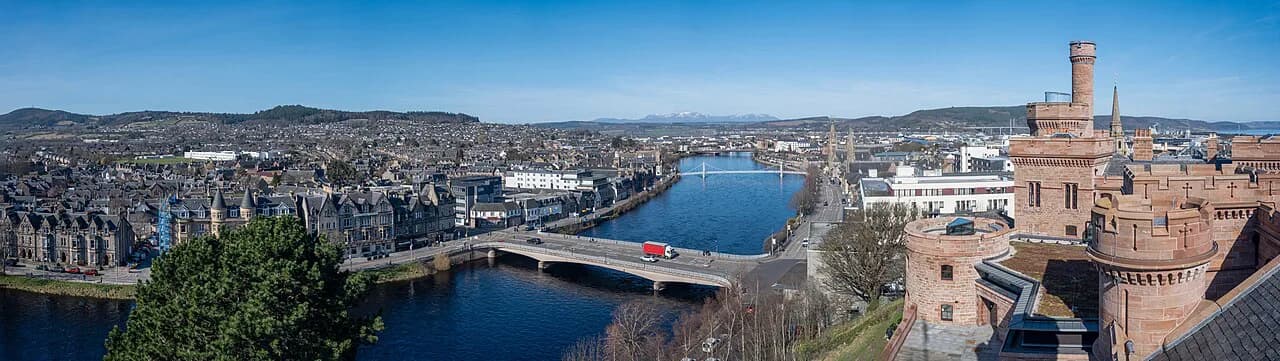
Inverness has no single castle to walk through for its full story: the medieval fortress is gone, and the building on Castle Hill today began life in the 1830s as a courthouse, with a prison added in the 1840s. That makes the city's past easiest to read through sites rather than a single monument. This timeline follows one hill, one river and the places tied to each stage, from a Pictish fort to a Victorian court building reopened as a visitor attraction.
Why Inverness's history is best read through its sites
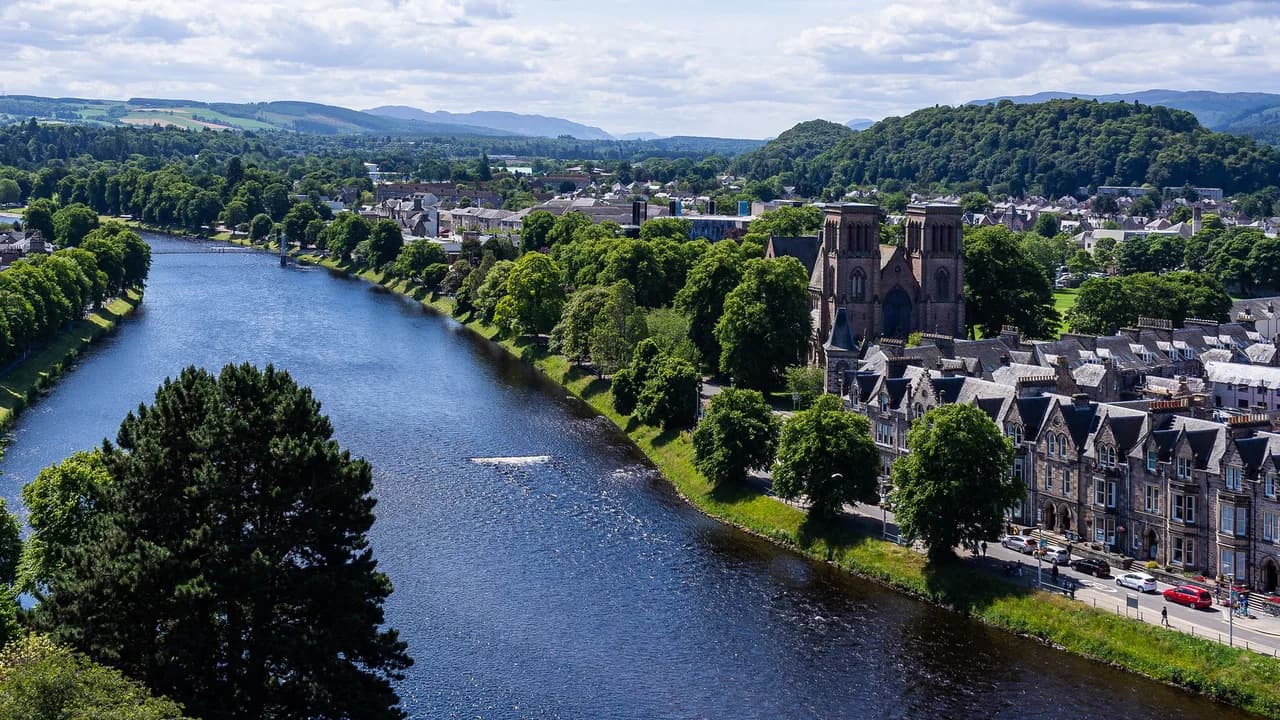
The centre of Inverness sits where the River Ness meets the tidal waters of the Moray Firth, and Castle Hill commands the crossing point. Because the fortress on that hill was destroyed and replaced, much of what you see today belongs to the 19th century rather than the Middle Ages. Walking between Craig Phadraig, Castle Hill and Castle Street traces nearly 1,500 years of building, burning and rebuilding. If you would rather follow a structured route, the city's museums and galleries fill in the context around these outdoor sites.
Castle Hill before the castle: St Columba and the fort on Craig Phadraig
A fortification has stood in the Inverness area since at least the sixth century, when the Irish abbot St Columba visited the stronghold of the Pictish king Brude. That early fort was not on Castle Hill but on Craig Phadraig, a hill across the river, where traces of the rampart remain and a short climb gives wide views over the Beauly Firth. The first castle on Castle Hill itself came later, raised by Malcolm III after he destroyed his rival Macbeth's castle at nearby Crown Hill.
The first castle on the site: earth, timber and David I
Malcolm III's castle was an earth-and-timber structure ringed by a ditch and ramparts, the standard Highland fortification of its day. His son David I strengthened it, most likely in stone, setting the pattern of royal interest in the crossing that would define the site for centuries. Nothing of that early castle survives above ground, so the value of the hill for a visitor is the story and the view rather than masonry.
Wars of Independence: Bruce's destruction and the Earl of Mar's stone rebuild
During the Wars of Independence the castle changed hands twice between the Scots and English loyalists. In 1308 Robert the Bruce retook it and had it destroyed so it could not be used militarily again. Rebuilding began in 1412 under the Earl of Mar, and this time in stone for the first time, which explains why so little medieval fabric survives on the hill today.
The Lords of the Isles and Mary, Queen of Scots: sieges, refusals and revenge
James I summoned Alexander, Lord of the Isles, and other Highland chiefs to Inverness in 1428, then arrested and imprisoned them, which triggered retaliatory attacks on the castle in 1455, 1462 and 1491. In 1562 Mary, Queen of Scots was refused entry on the orders of George Gordon, Earl of Huntly; her supporters besieged the castle and took it after three days, and the keeper Alexander Gordon was hanged. These are the episodes that make Castle Hill a place of political violence as much as a viewpoint, and the official history sets them out plainly.
Cromwell's citadel and the castle as Fort George
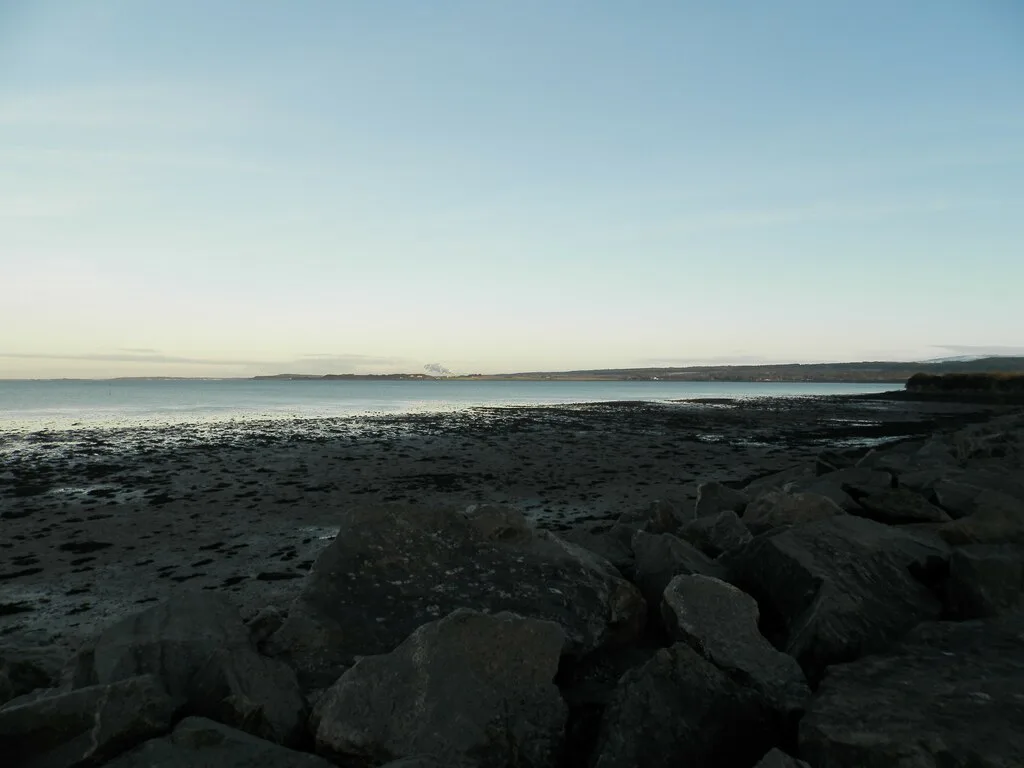
During the War of the Three Kingdoms the castle was held by Covenanter troops and then taken by Royalists in 1649, after which it was redeveloped as a five-storey tower house. Oliver Cromwell judged a spot nearer the river mouth more strategic and built a citadel there with a hospital, granary, ale houses and taverns; it was dismantled within a decade, and some of its stone went into the later Fort George on Castle Hill and the town's first stone bridge. After the 1715 Jacobite Rising the castle was fortified and renamed Fort George after George I, and reinforced again in 1725.
The Jacobites: destruction before Culloden
Prince Charles Edward Stuart's Jacobite army captured the garrison in 1746, and before the Battle of Culloden the Prince ordered the castle destroyed so it could not fall back into government hands. That order ended the story of the medieval fortress on the hill. The site then lay derelict until the early 19th century, when Inverness decided it needed a new courthouse and jail.
The 1830s courthouse, the 1840s prison and 160 years of courts
The replacement buildings went up in two phases: the courthouse in the 1830s and the prison in the 1840s, with the perimeter walls finished in 1839. Trials connected to the Crofters' War, including those arrested after the Battle of the Braes, were held in the courthouse and ended in fines rather than imprisonment. The hill was also home to the Inverness-shire Constabulary until 1975, and the castle remained a working court until the Scottish Courts and Tribunals Service moved to new premises in 2020.
Castle Street and the 1932 landslide
In 1932 a landslide brought down the castle's retaining wall and damaged the buildings below; nobody was injured, but people lost their homes, and the west side of Castle Street was afterwards cleared and left as the sloping bank you see now. Look for that slope as you approach from the street: it is a 20th-century scar rather than a medieval feature. The Flora MacDonald statue, carved by the Inverness sculptor Andrew Davidson and erected in 1896, stands in front of the castle and faces west across the landscape.
The Inverness Castle Experience and what it covers
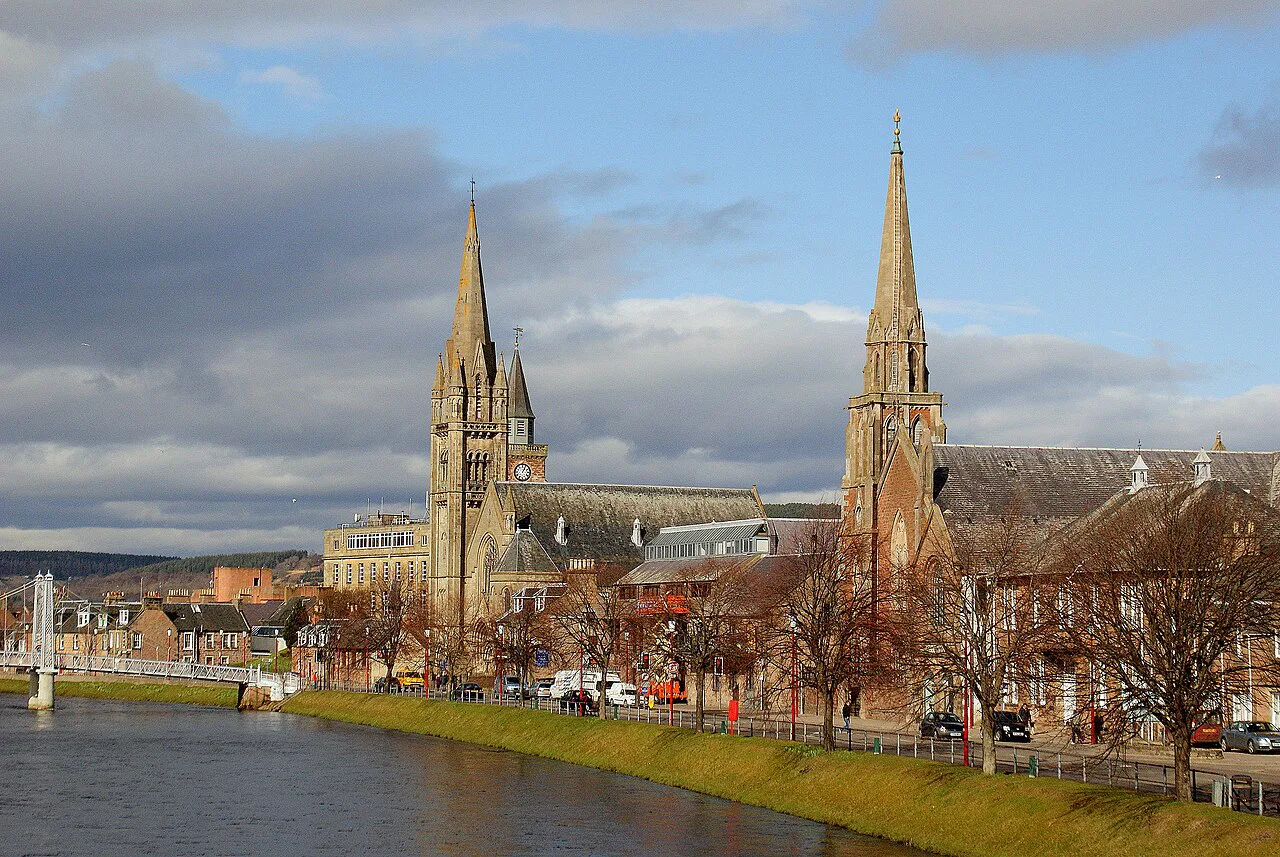
The Inverness Castle Experience opened to the public in 2025 after an extensive transformation inside and out, and it is open year round. It uses immersive stories about the Highlands' past, present and future, and the original well from the medieval fortress survives within the Saltire Bistro inside the building. That well is the closest you can get to the medieval castle on Castle Hill: everything else above ground belongs to the 19th century or later. Ticket details and seasonal arrangements sit on the official site, and the city's museums section covers the rest of the indoor options.
Places to see the history for yourself
Start at Castle Hill for the Inverness Castle Experience, the medieval well and the Flora MacDonald statue, then walk Castle Street to see how the 1932 landslide reshaped the approach. Craig Phadraig, across the river, gives you the sixth-century fort site and wide views over the Beauly Firth for the price of a climb. For the city's later Victorian and modern layers, the art galleries in Inverness and the museum collections pick up where the castle timeline stops.
What to read next: castles, Culloden and Highland history
Castle Hill is one chapter in a wider Highland story, and the events that ended the medieval fortress at Inverness led directly to Culloden, where the Jacobite rising collapsed. If your interest runs to fortifications, the castles near Inverness include Cromwell-era and later defences that reused stone from the town's own buildings. Visitors who want to compare how another British city tells its story through a river and its streets can look at the history of Liverpool, which follows the same site-led approach along the River Mersey.
Plan Your Visit
Build your day around Castle Hill and Castle Street first, since the well, the courthouse building, the prison walls and the Flora MacDonald statue sit within a few minutes of each other. Add Craig Phadraig on a clear day for the Pictish fort site and the views, and use the city's museums and galleries to fill in the periods between. Check current opening arrangements for the Inverness Castle Experience before you travel, as these are the details most likely to shift.
Explore more Inverness guides
Frequently Asked Questions
What happened to the original Inverness Castle?
The medieval fortress on Castle Hill was destroyed several times, most decisively on the orders of Prince Charles Edward Stuart before the Battle of Culloden in 1746. The site lay derelict until the early 19th century, when a courthouse was built in the 1830s and a prison in the 1840s. The medieval well survives inside the Saltire Bistro in the Inverness Castle Experience.
When did the Inverness Castle Experience open?
The Inverness Castle Experience opened to the public in 2025 after an extensive transformation of the building inside and out, and it is open year round. Check the official site for current opening arrangements.
Is there anything left of the medieval castle?
Above ground, very little: the buildings you see on Castle Hill date from the 1830s on, and Castle Street's slope was formed after the 1932 landslide. The original well from the medieval fortress survives within the Saltire Bistro inside the Inverness Castle Experience, which is the closest you can get to the medieval site.
Why is Craig Phadraig part of Inverness's history?
A fortification has existed in the Inverness area since at least the sixth century, when St Columba visited the Pictish king Brude's stronghold. That early fort stood on Craig Phadraig, across the river from Castle Hill, and traces of it remain. A short climb today gives you the rampart remains and sweeping views over the Beauly Firth.
What can I see on Castle Hill for free?
Castle Hill itself, the Flora MacDonald statue erected in 1896 and the sloping bank of Castle Street are open to walk around. The Inverness Castle Experience occupies the main building, and the official site explains how to visit it.
What is the oldest part of Inverness?
The Pictish fort site on Craig Phadraig is the earliest fortification the city's official history covers, dating from at least the sixth century. Castle Hill's own story begins with Malcolm III's earth-and-timber castle in the 11th century, which his son David I strengthened, probably in stone. Very little of either survives above ground.
Sources
Notes for your next city break
Optional updates to our UK city guides.
You might also like
Continue reading
More guides you'll find useful